Locknuts
1608 ProductsNylon-Insert Locknuts
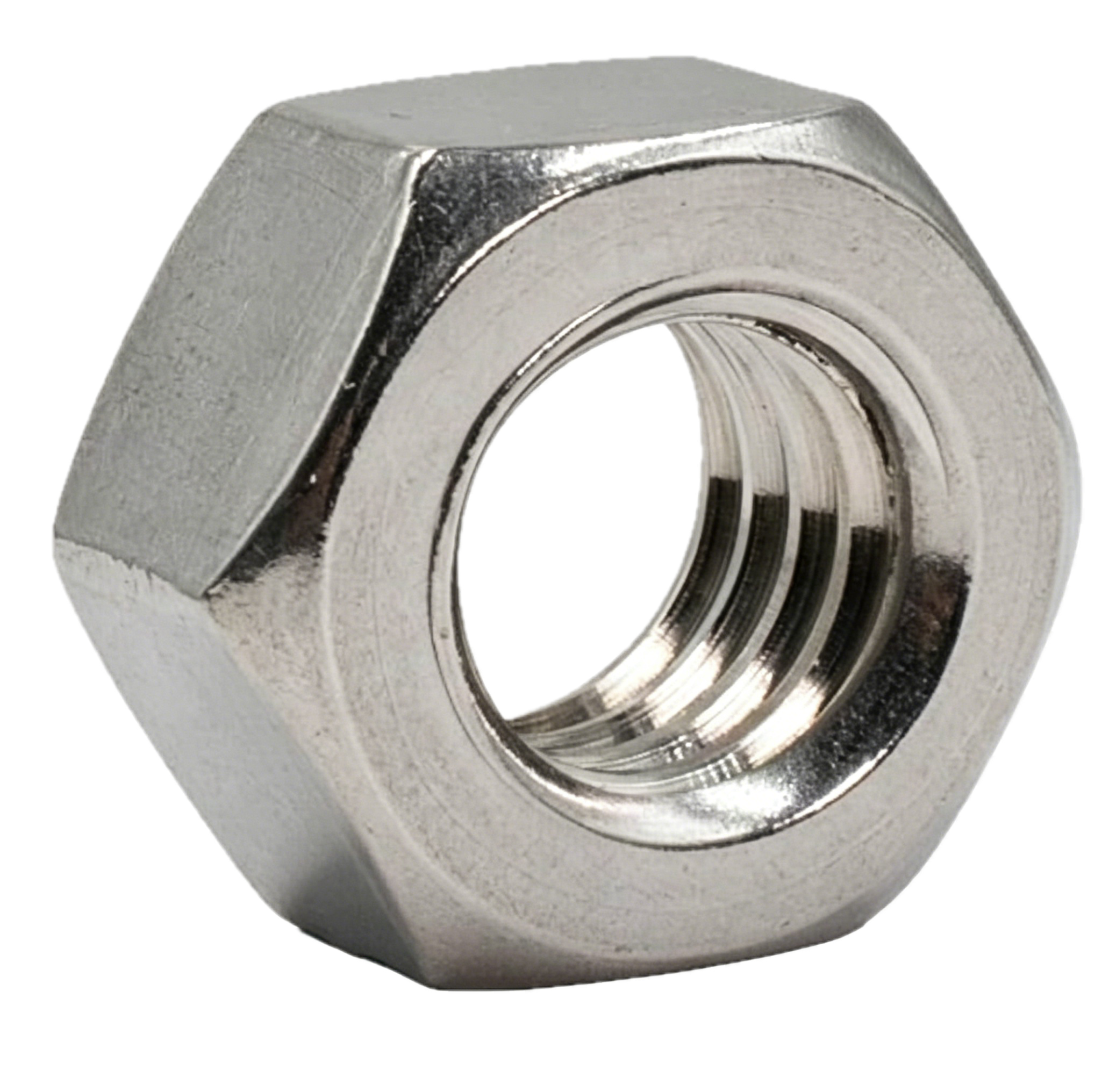
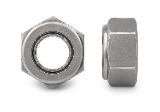
Thin Nylon-Insert Locknuts
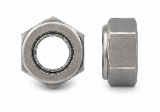
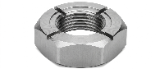
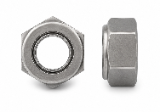
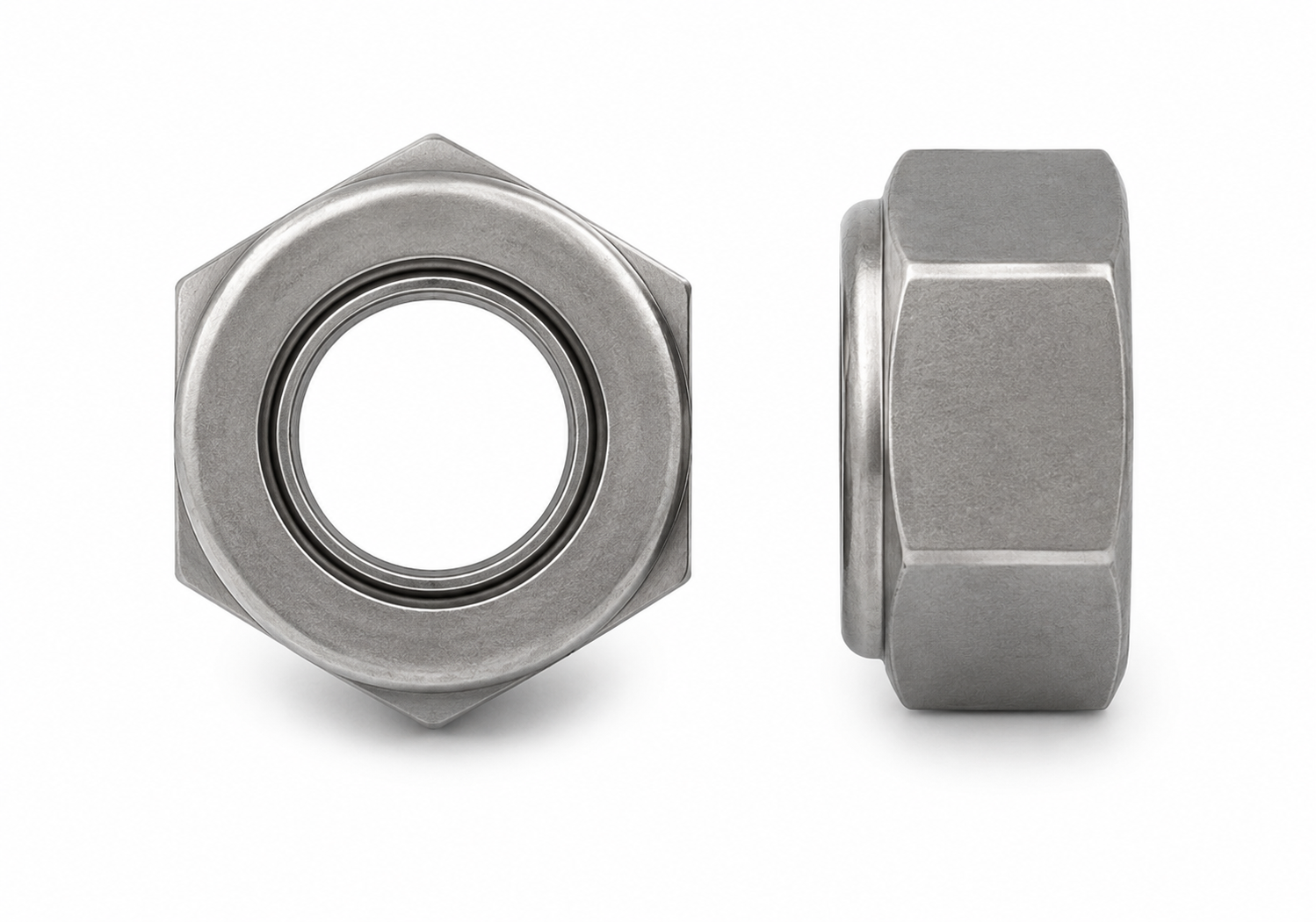
Thin Heavy Nylon-Insert Locknuts
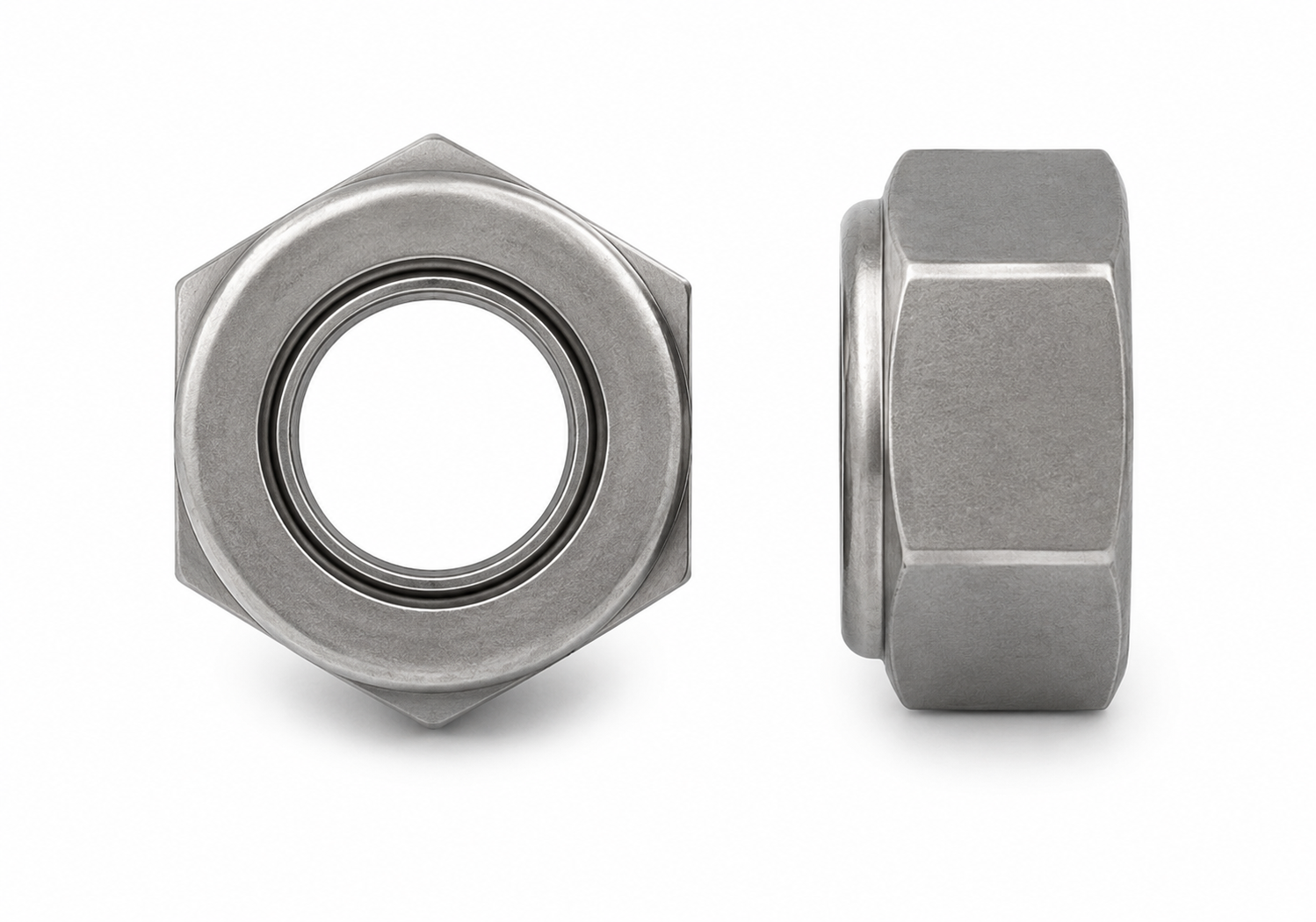
Heavy Nylon-Insert Locknuts
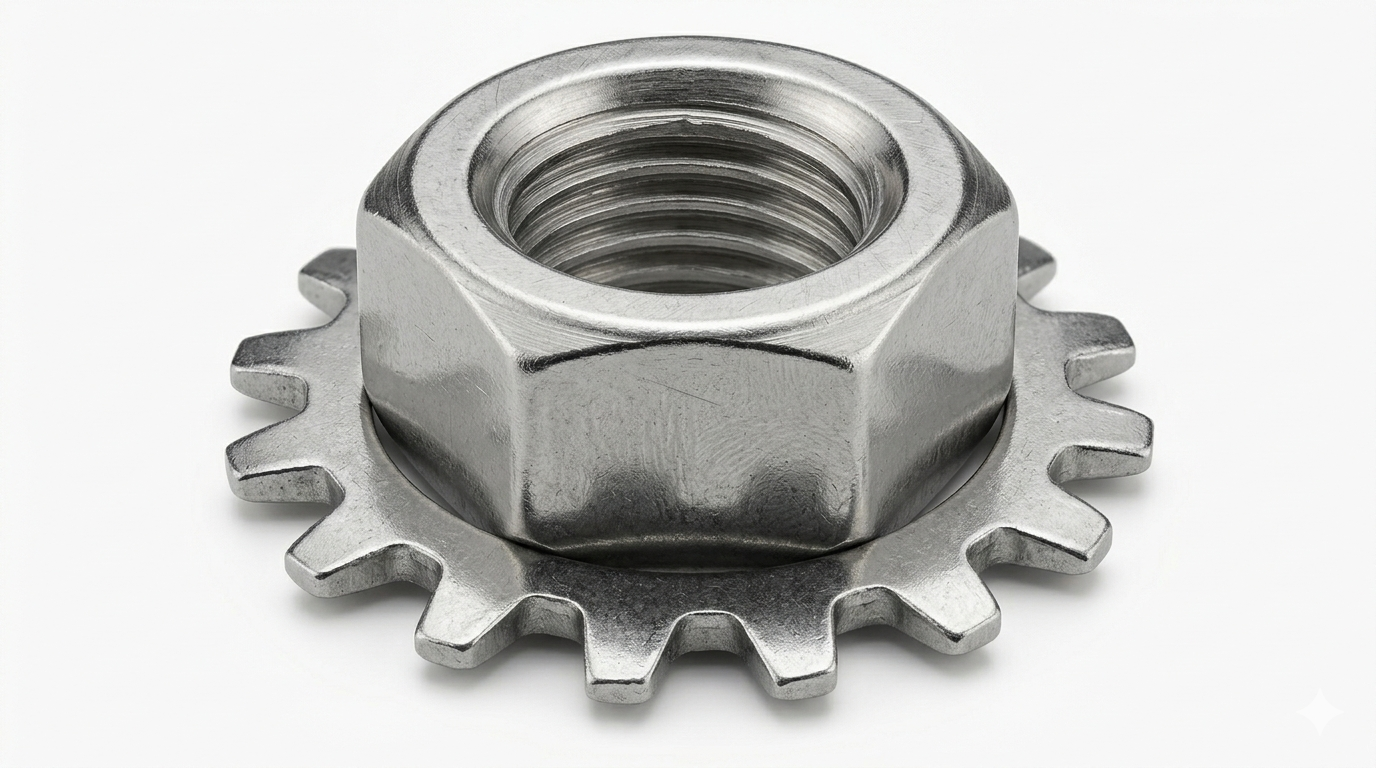
Locknuts with Washer
Distorted-Thread Locknuts
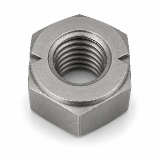
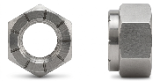
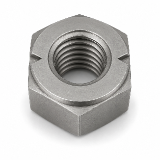
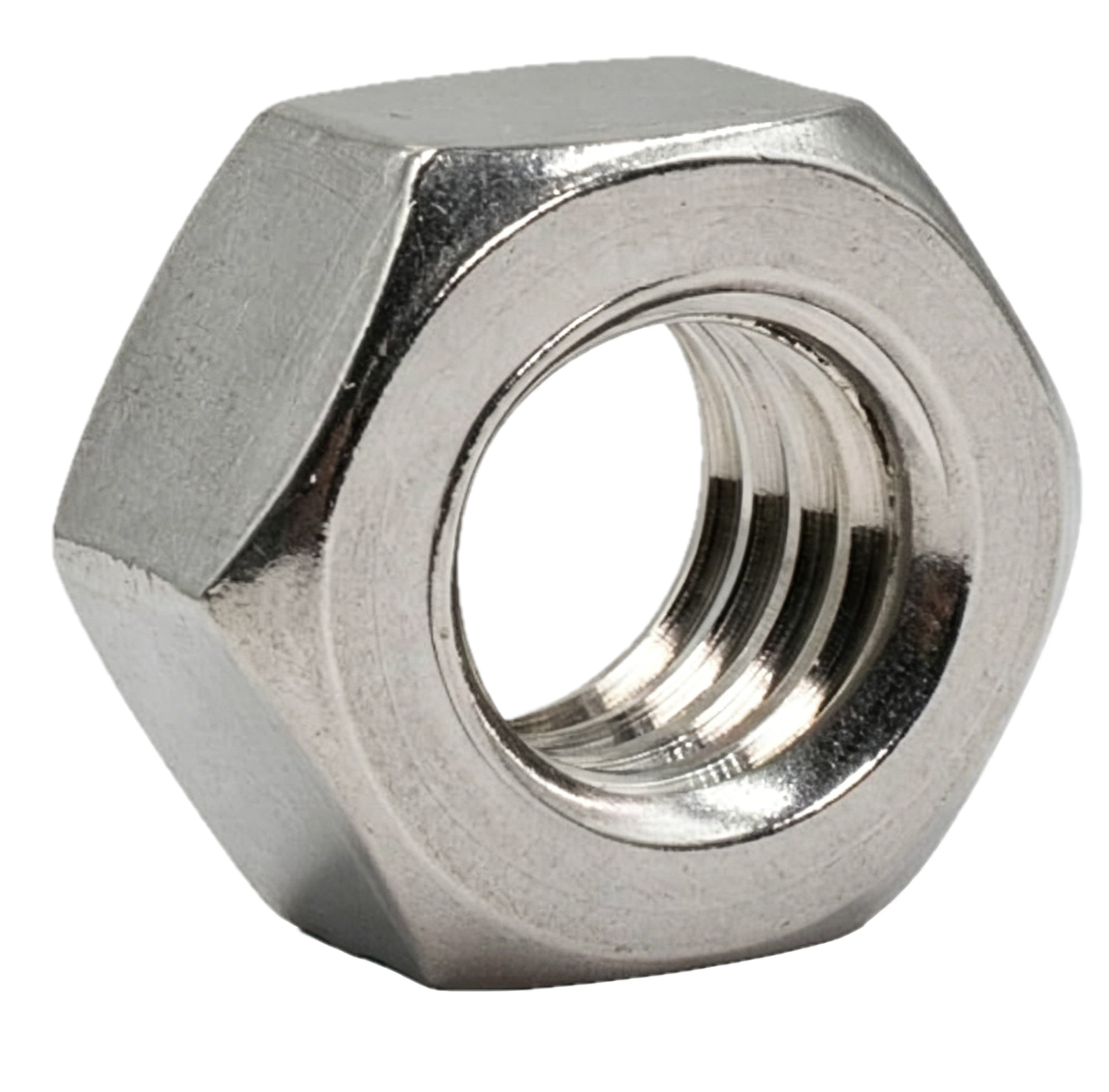
Flex-Top Locknuts for Heavy Vibration
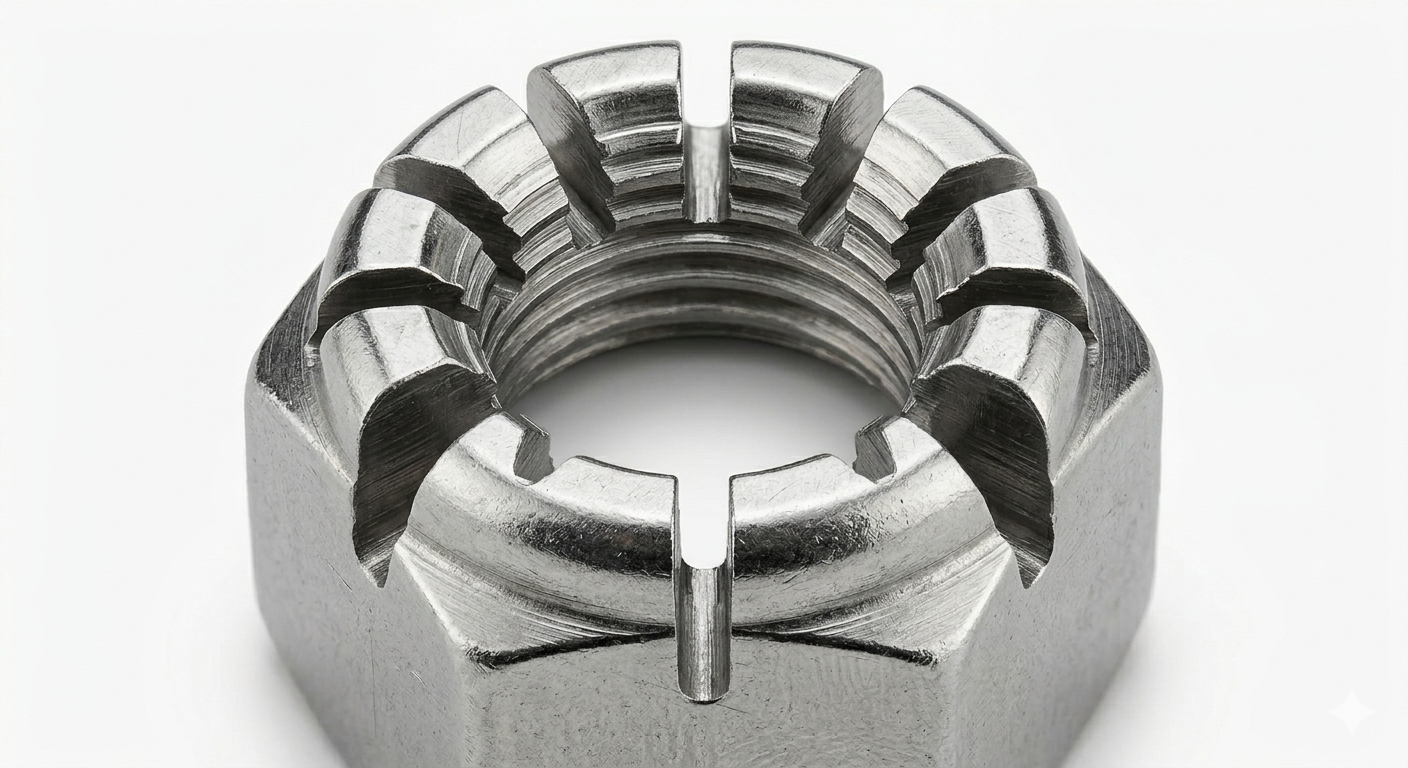
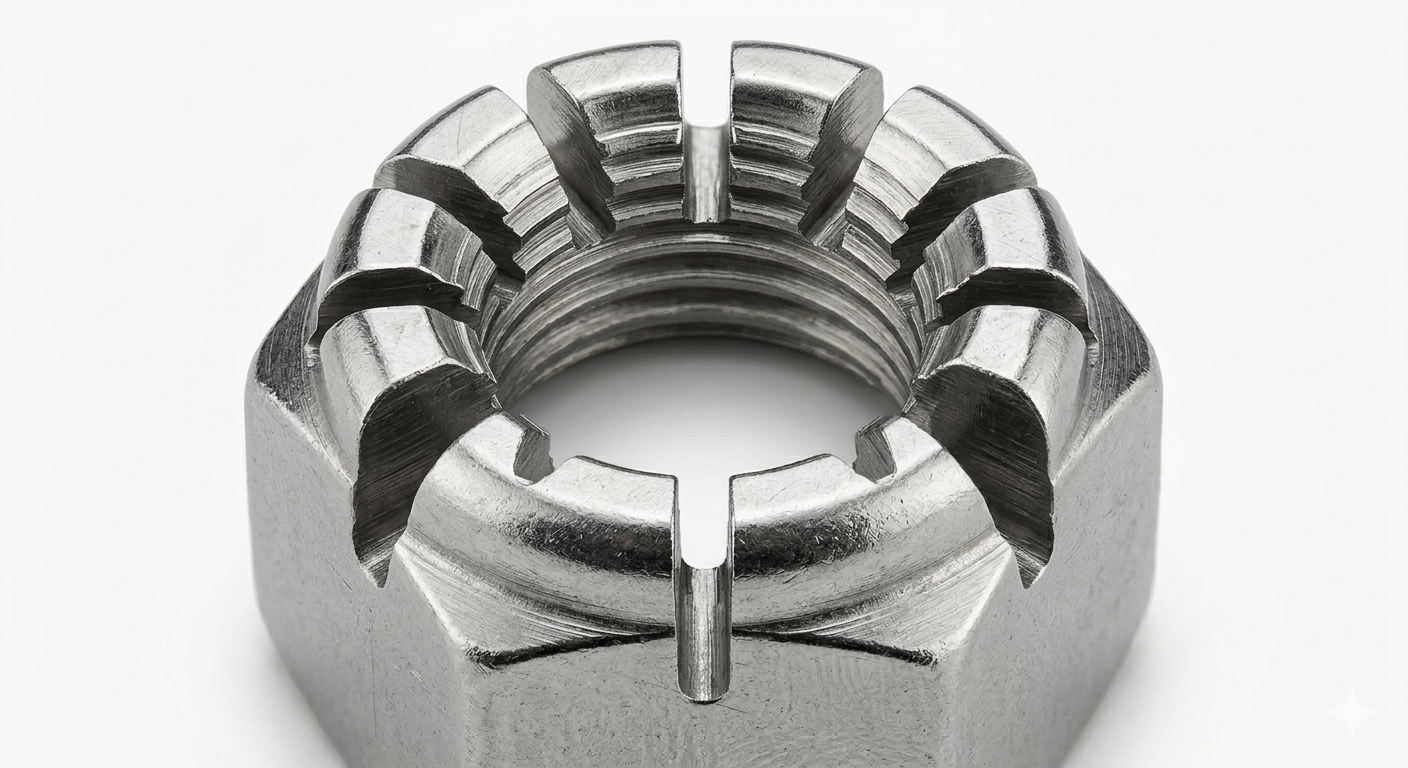
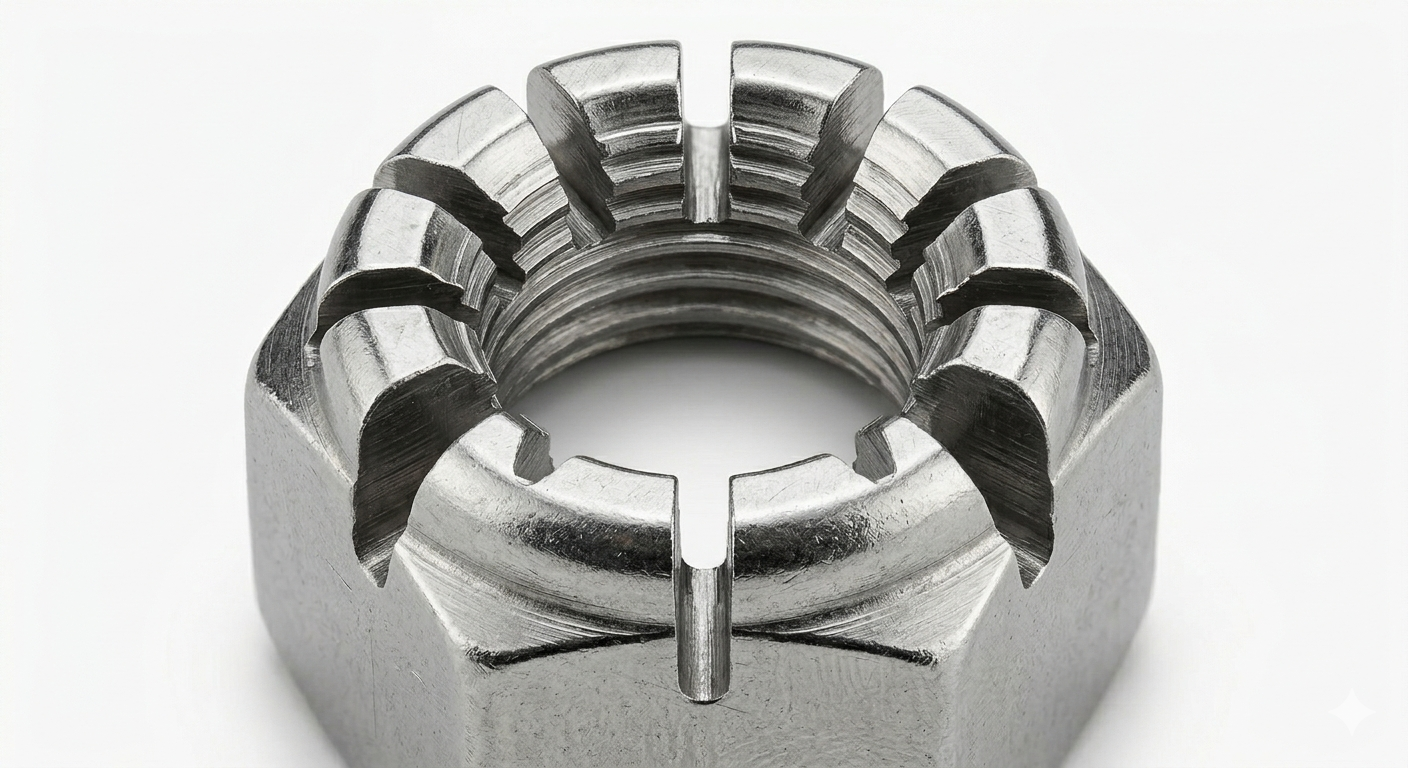
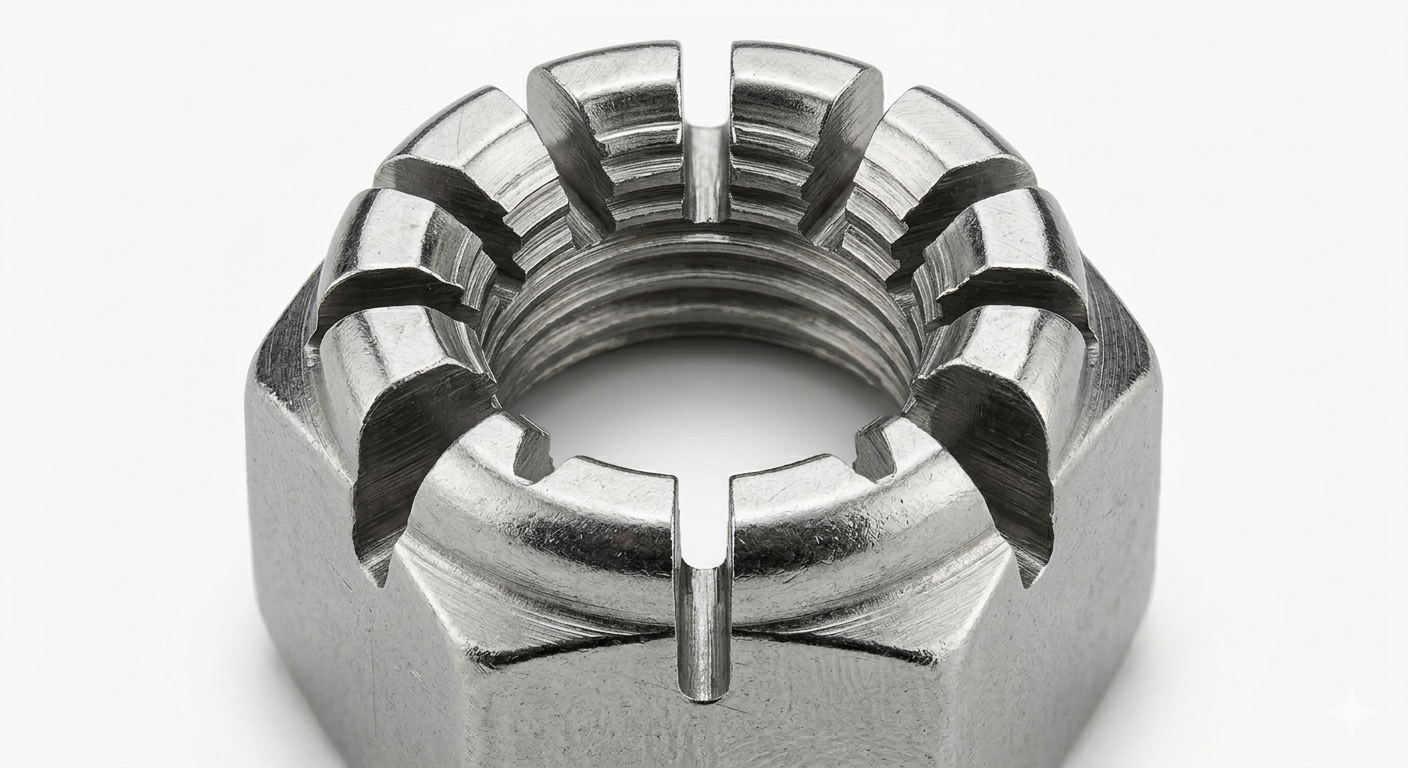
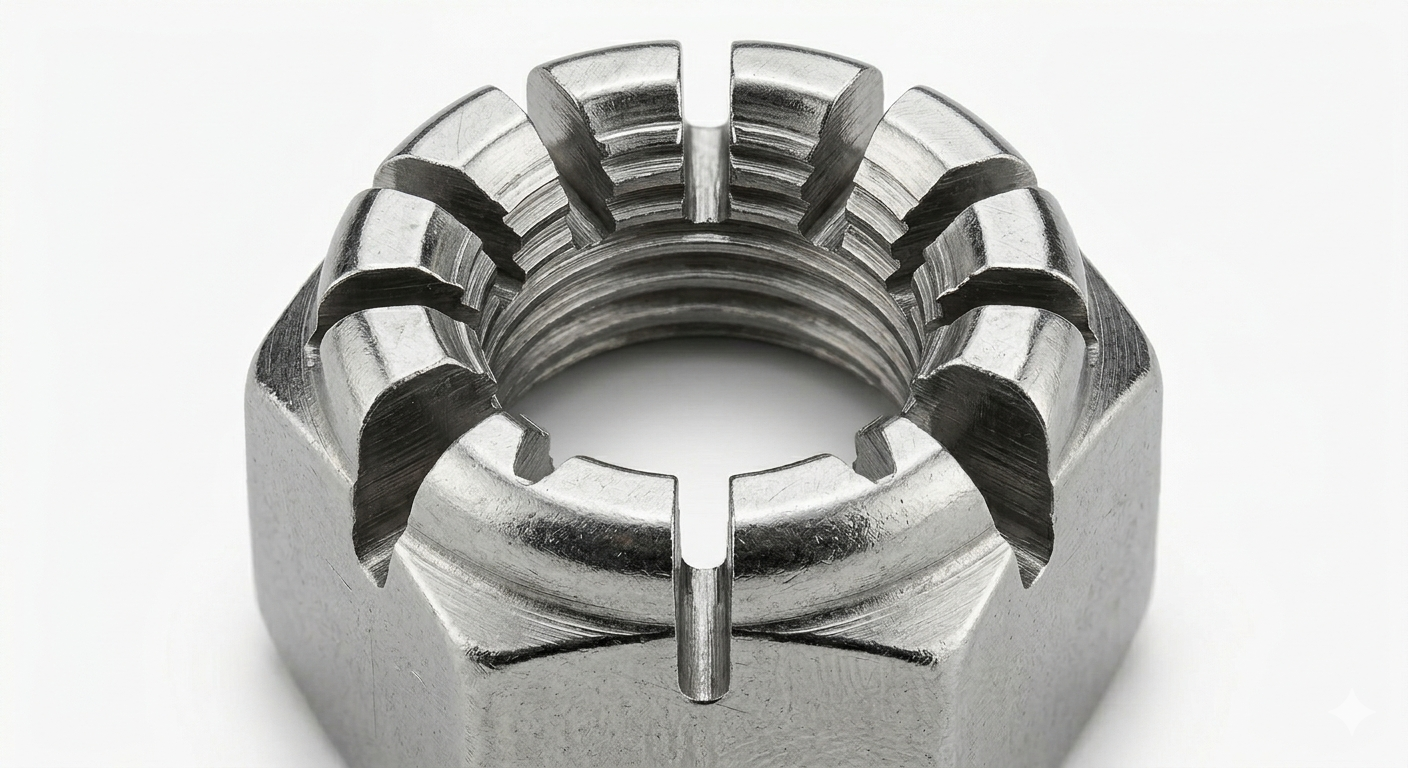
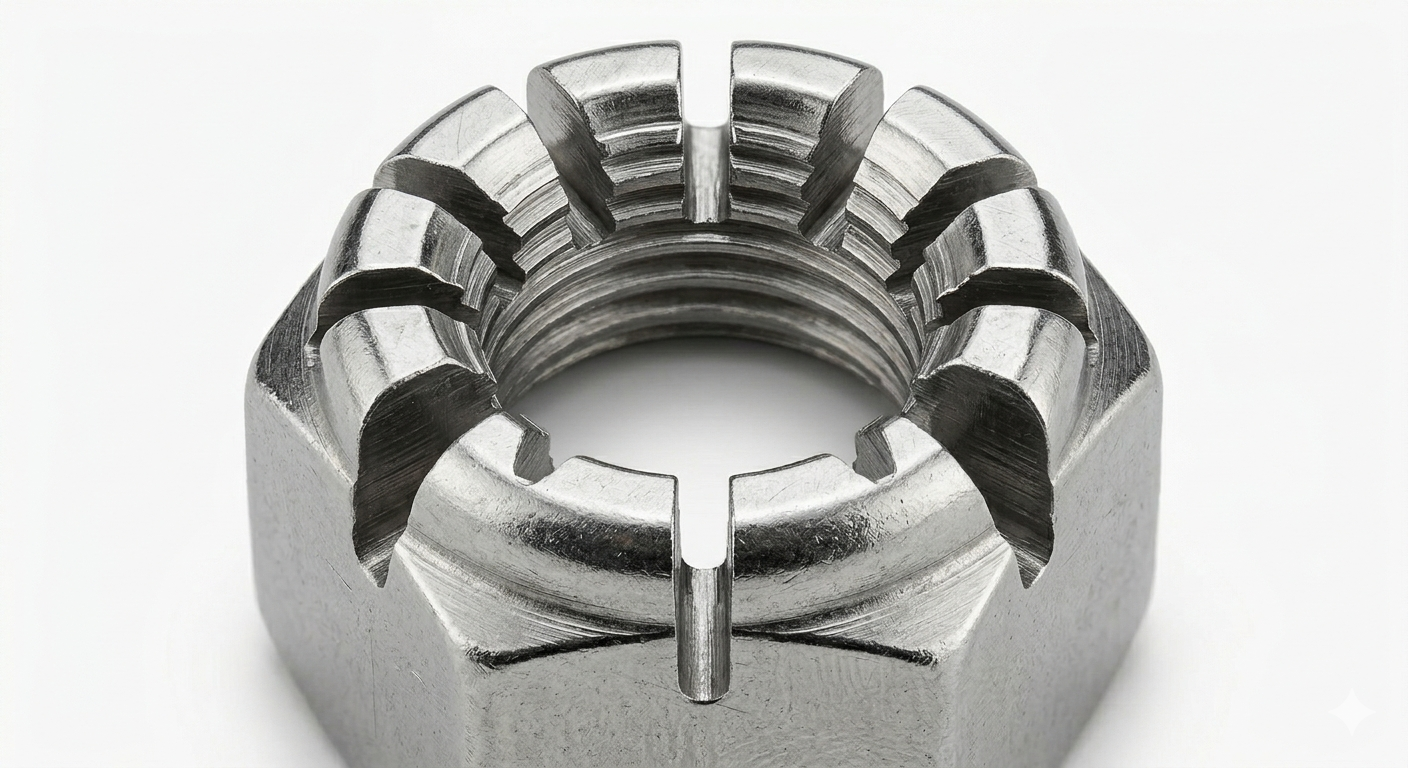
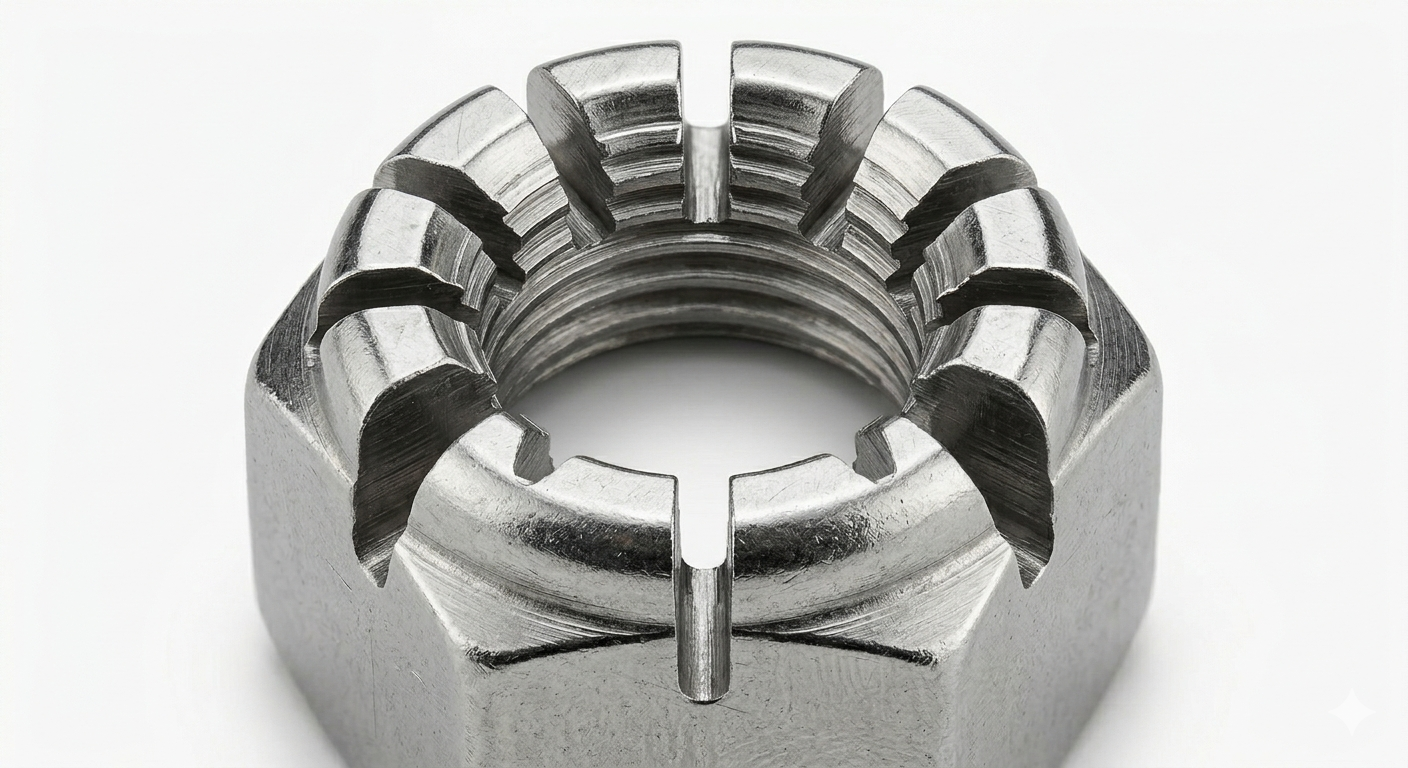
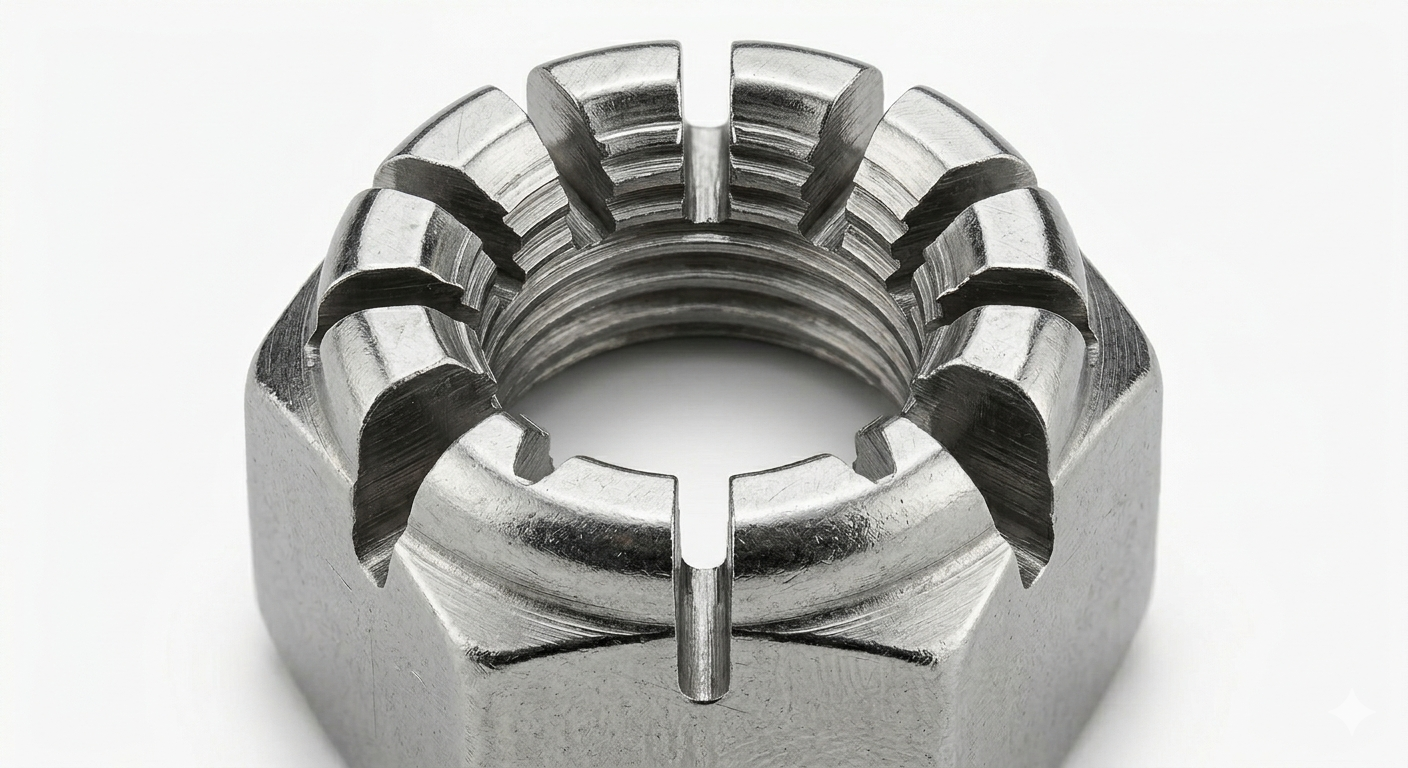
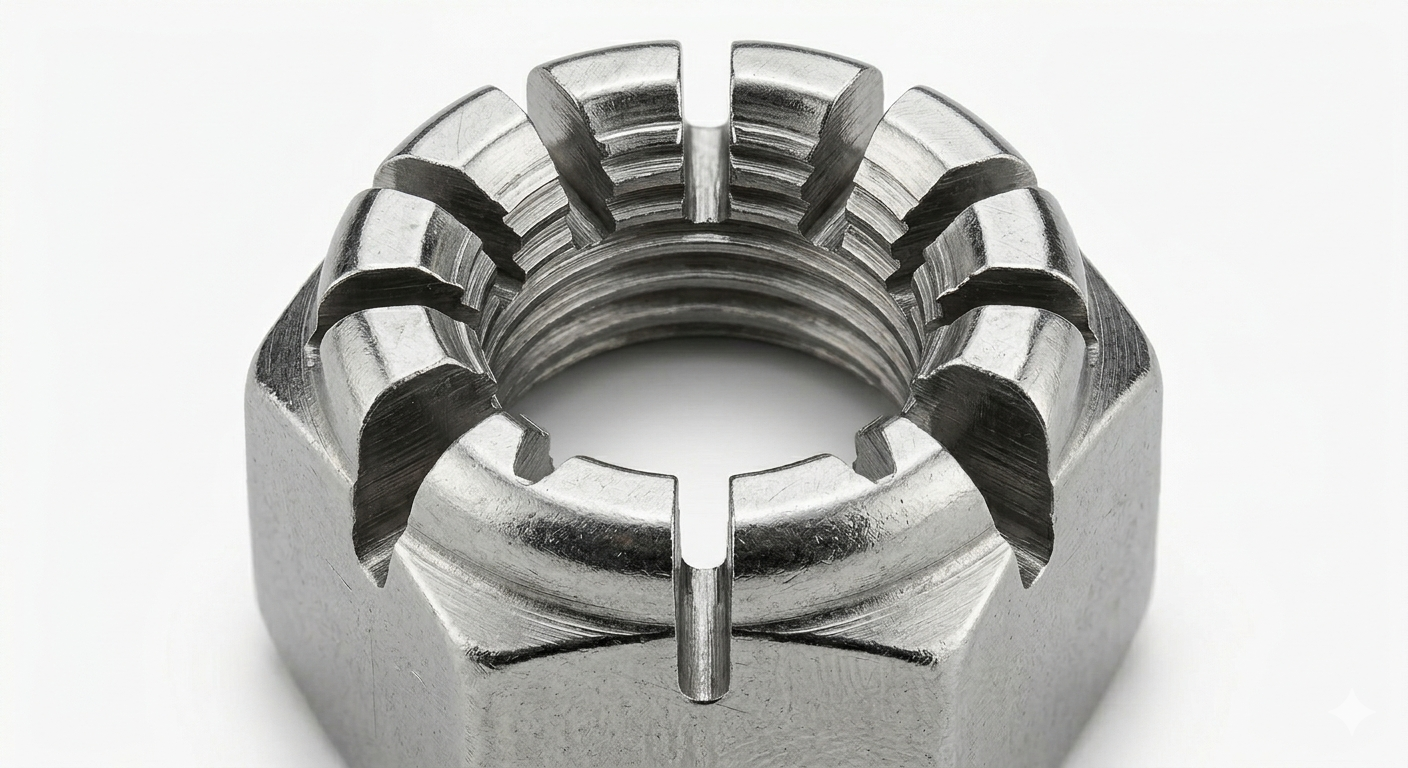
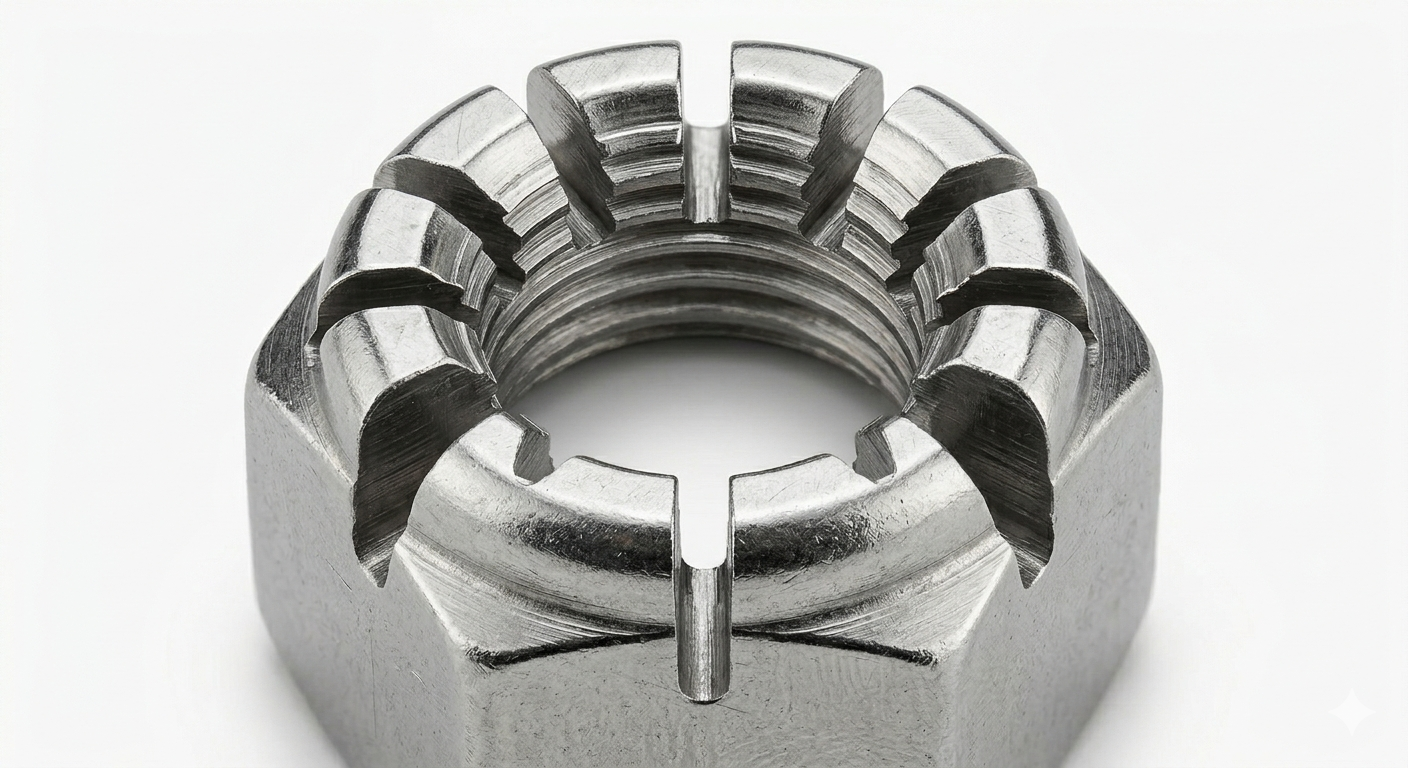
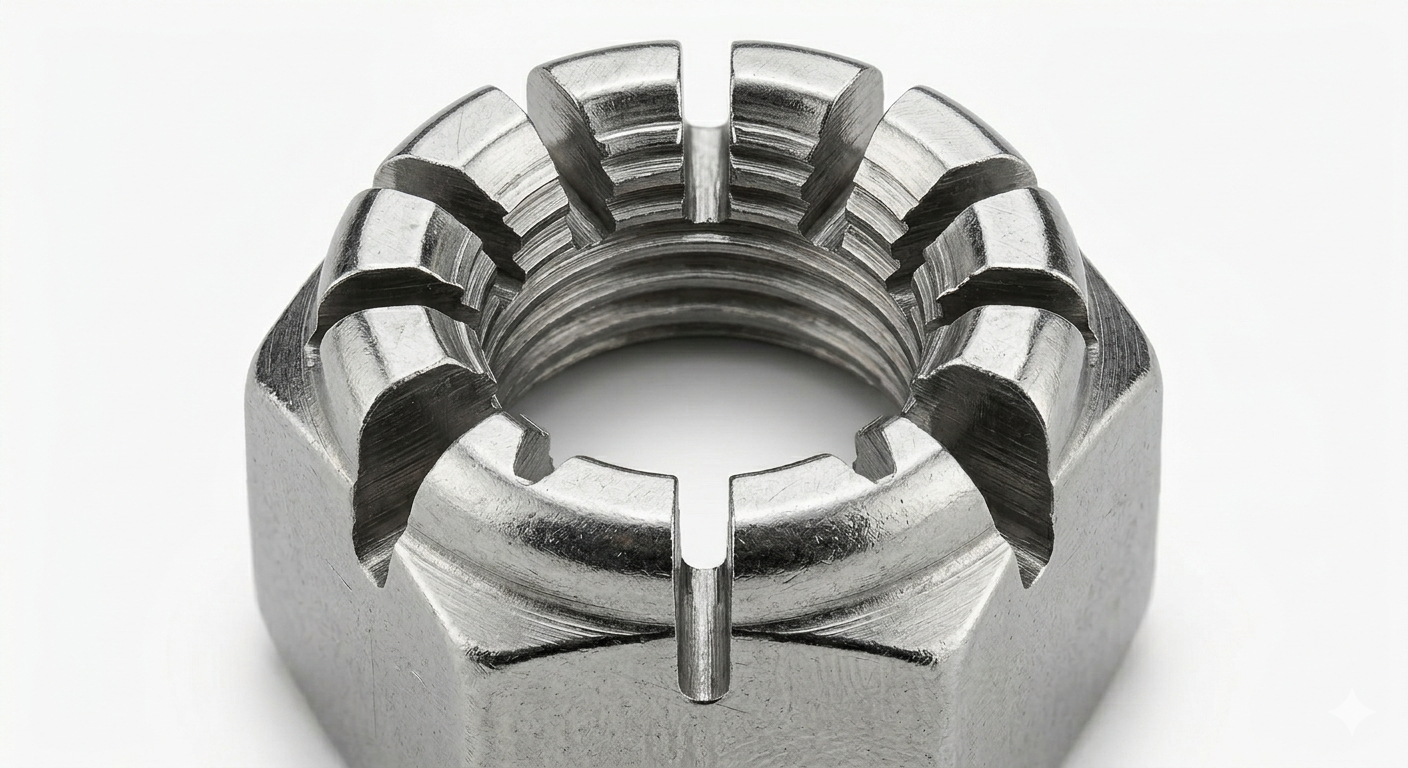
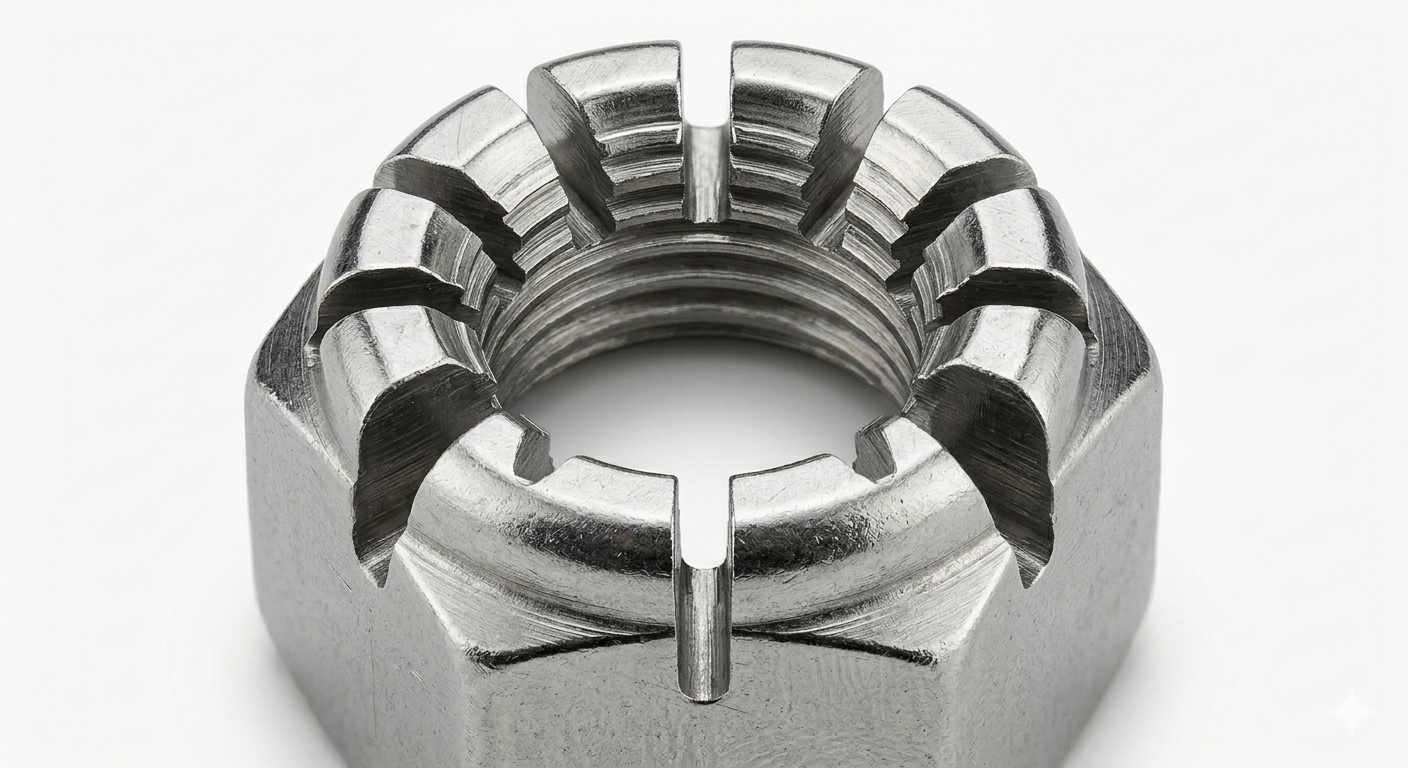
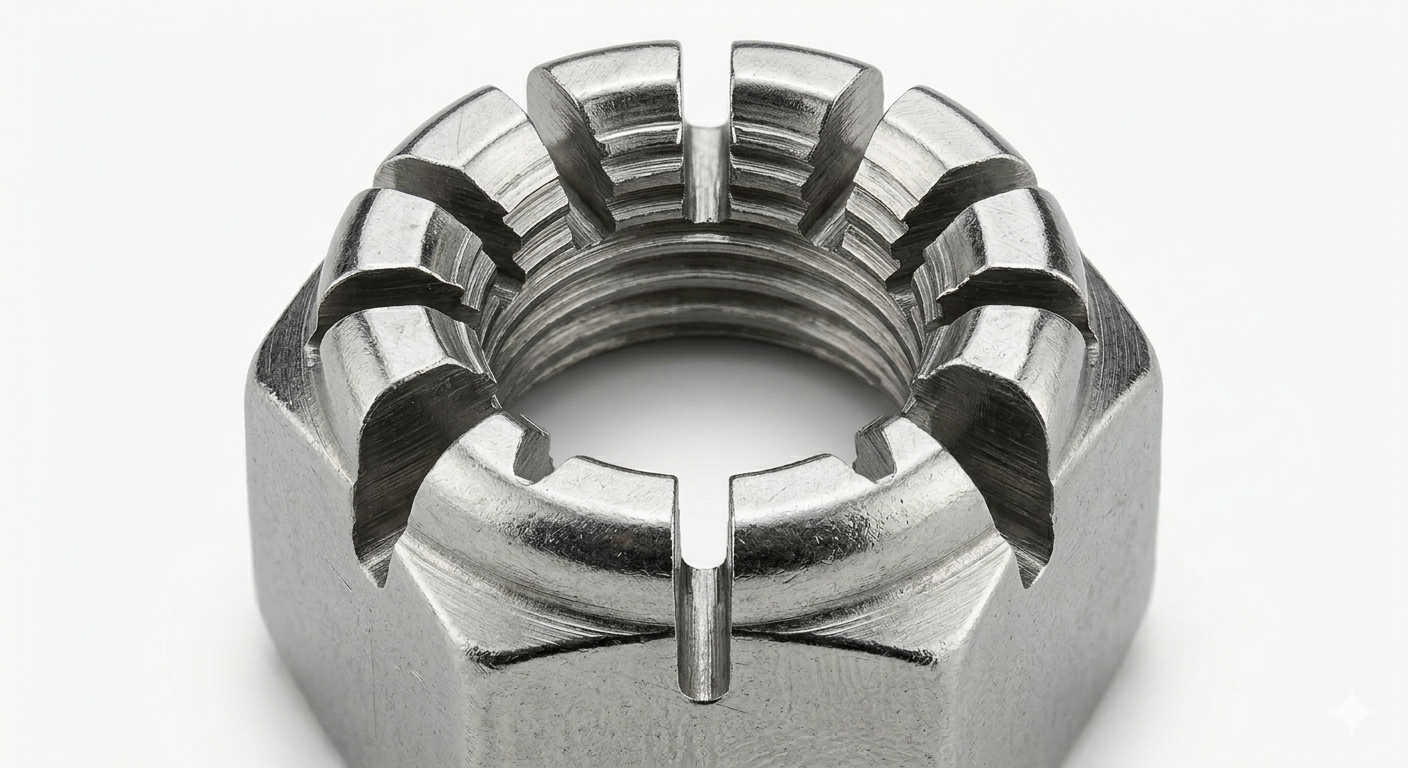
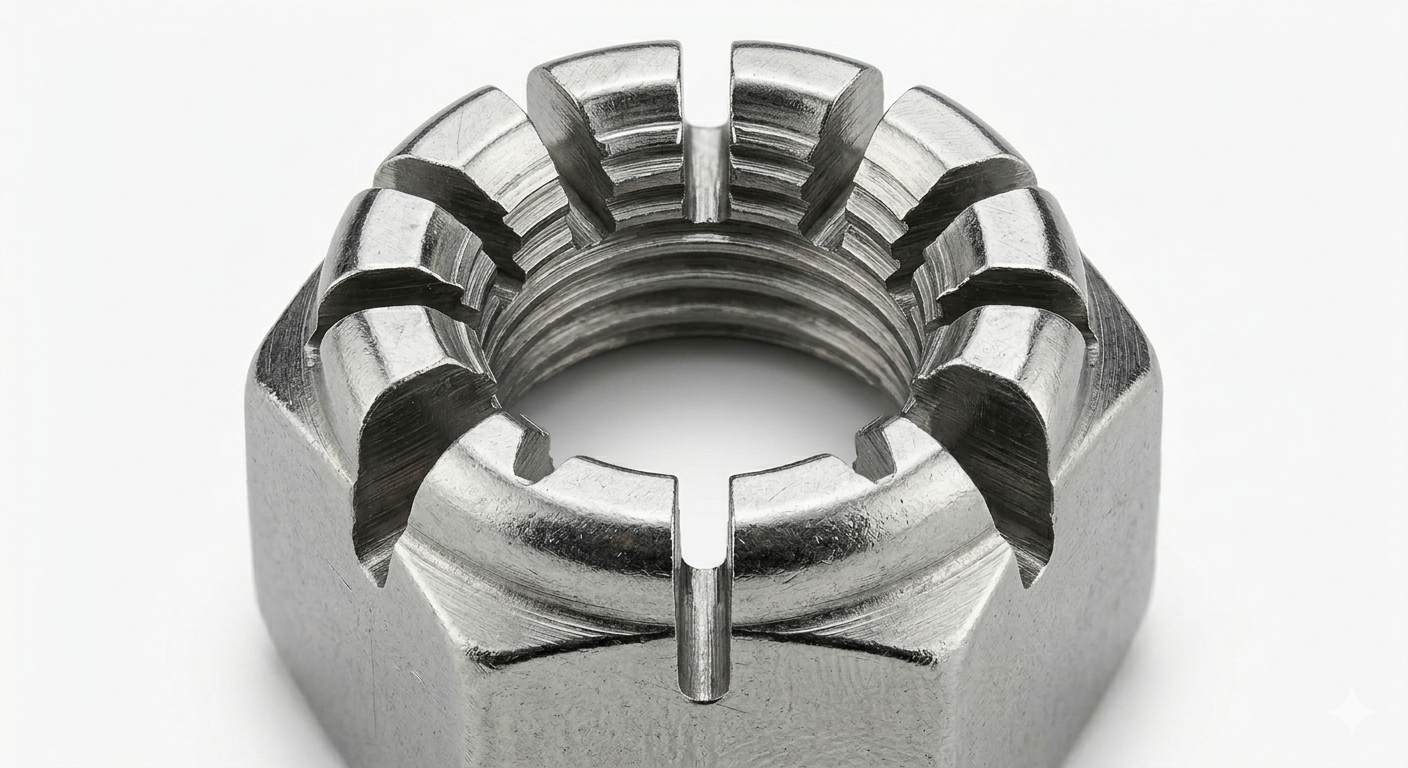
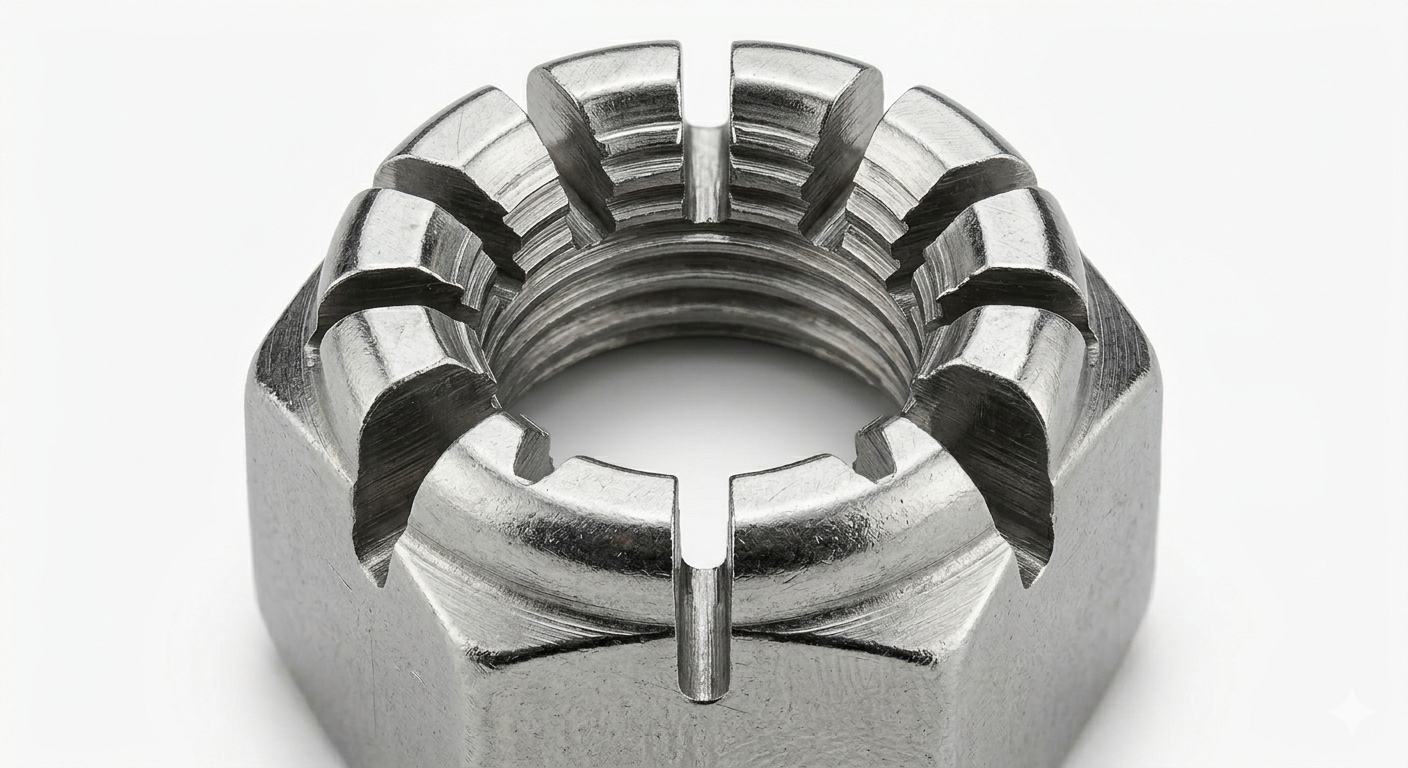
Locknuts for use with Cotter Pins
Steel-Insert Locknuts for Extreme Vibration
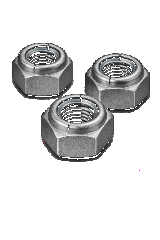
Spring-Stop Locknuts
Two-Piece Thread-Clamping Locknuts for Extreme Vibration
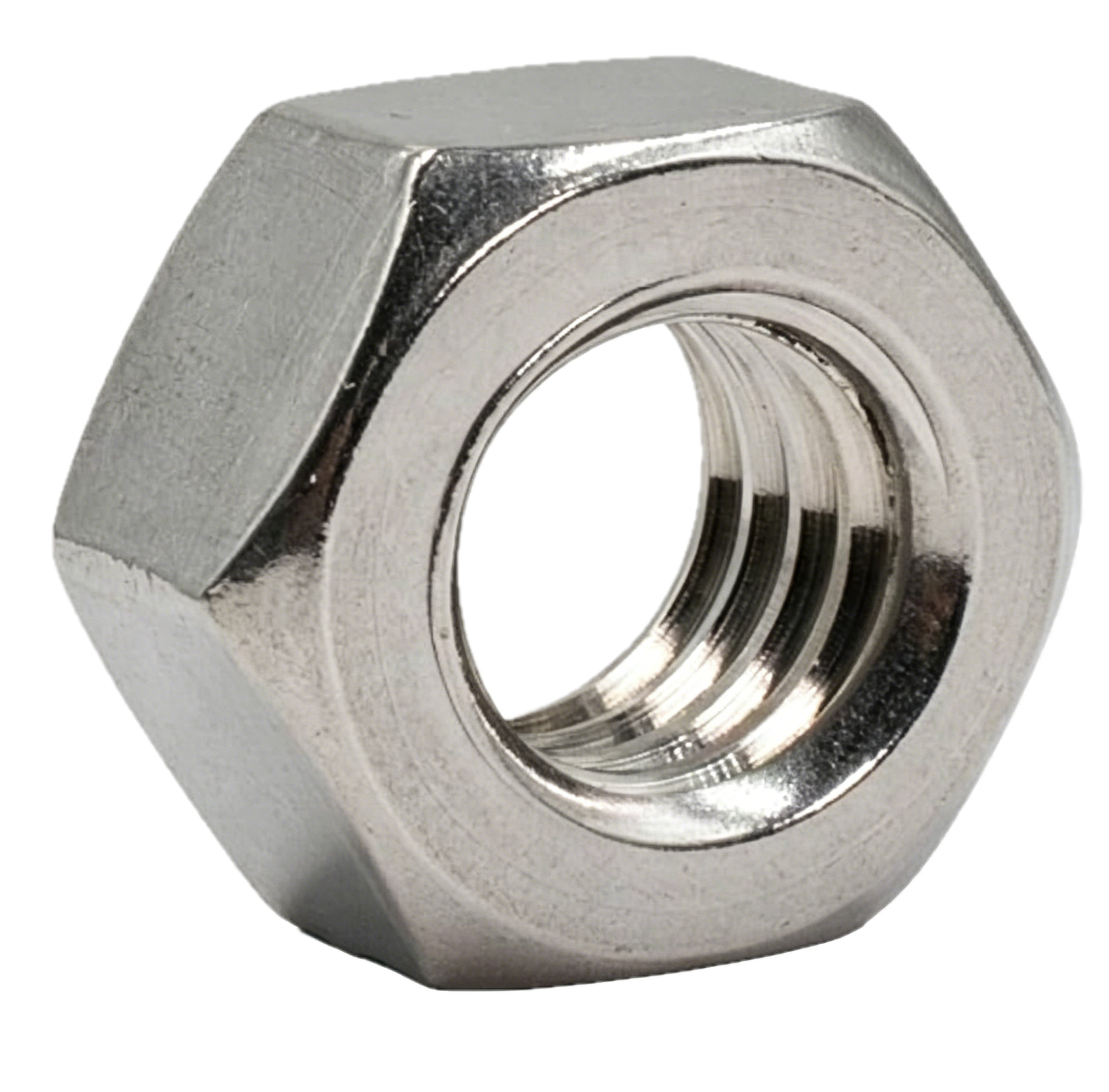
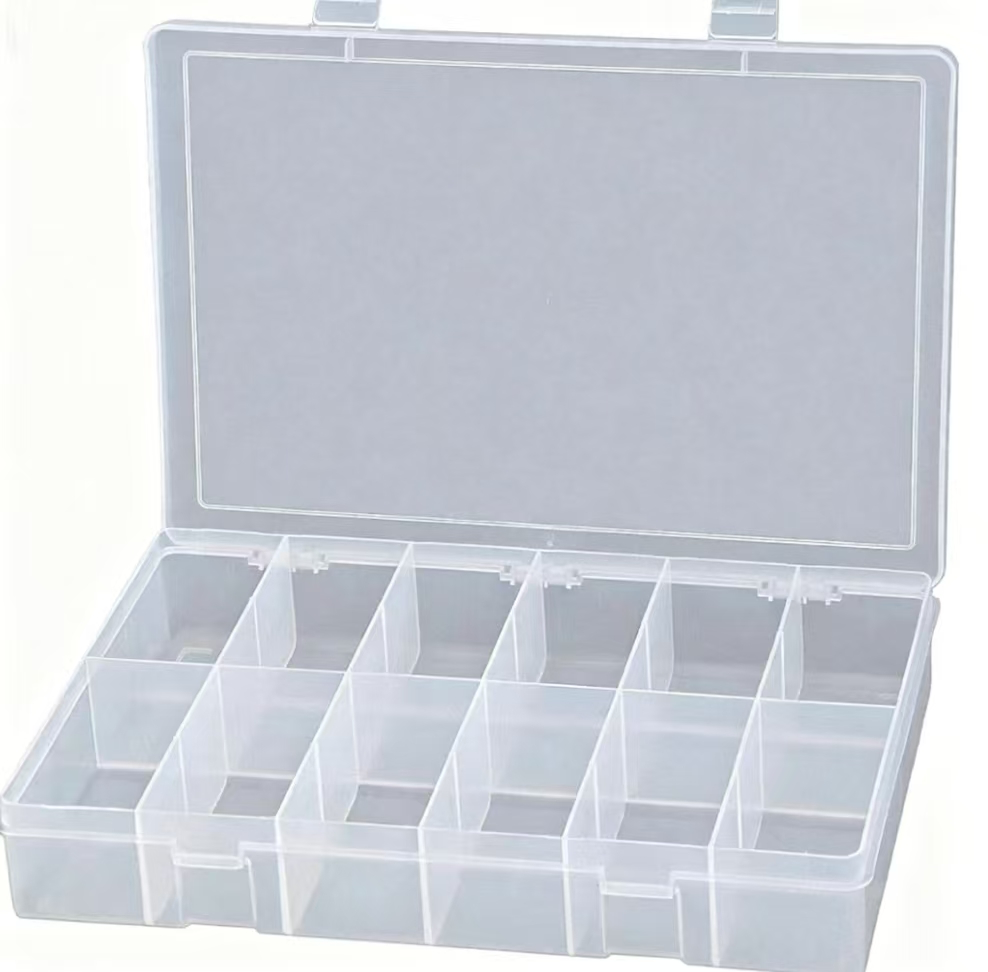
Locknut Assortments
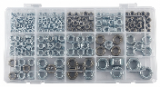
LILY Bearing stocks 1,608 locknuts in Inch and Metric threads, across nine distinct locking mechanisms and dozens of material and strength options. Use the filters below, or the comparison table, to narrow down by locking type, material, or thread size.
Compare Locking Mechanisms
| Type | How It Locks | Best For | Watch Out For |
|---|---|---|---|
| Nylon-Insert Locknuts | A nylon ring inside the nut grips the bolt threads | General-purpose vibration resistance without marring the mating surface | Insert is rated to about 220°F — not for higher-temperature service |
| Serrated Locknuts | Serrations on the bearing surface dig into the mating material | Bare metal surfaces where marring is acceptable | Can mar painted, coated, or finished surfaces |
| Distorted-Thread Locknuts (Top-Lock / Center-Lock) | A deformed section of the internal thread grips the bolt — no plastic insert | Higher-temperature environments where a nylon insert would degrade | Generally needs more installation torque than a nylon-insert type |
| Flex-Top Locknuts for Heavy Vibration | Threads at the top of the nut expand to grip the bolt on all sides | Heavy vibration where a stronger hold than distorted-thread is needed | All-metal grip means higher installation torque than nylon-insert types |
| Steel-Insert Locknuts for Extreme Vibration | A separate steel insert grips the threads and lifts away from the nut body, isolating it from the load | Extreme vibration where resisting spin-off matters more than raw clamp strength | A distinct mechanism from flex-top or distorted-thread — not interchangeable by name alone |
| Locknuts with External-Tooth Lock Washer (Keps/K-Lock) | A free-spinning tooth washer grips the material surface instead of the bolt threads | Easy installation with mild vibration resistance | Weaker locking than nylon-insert or distorted-thread types |
| Nonmarring Locknuts with Spring-Lock Washer | A curved spring washer with a smooth rim grips without biting into the surface | Mild vibration resistance on surfaces that can't be scratched | Less holding power than a toothed washer or distorted-thread locknut |
| Two-Piece Thread-Clamping Locknuts (Drake-Style) | A two-piece clamp expands to grip the bolt on all sides, plus a concave jam nut that clamps threads for extra resistance | Extreme vibration and high-stress applications | More complex assembly than a single-piece locknut |
| Locknuts for Use with Cotter Pins | Slots in the nut align with a hole in the bolt so a cotter pin can mechanically lock it in place | Applications needing a positive, visually verifiable mechanical lock, such as access panels | Requires a matching drilled bolt and a cotter pin — not a drop-in replacement for a standard nut |
Matching the Mechanism to Your Vibration Level
Not every locknut resists vibration the same amount. Locknuts with an external-tooth or spring-lock washer offer mild resistance and easy installation, gripping the surface rather than the threads. Nylon-insert and serrated locknuts step up to general-purpose vibration resistance. For heavy or extreme vibration, all-metal mechanisms — flex-top, steel-insert, and two-piece thread-clamping designs — grip the bolt threads directly and hold up in higher-temperature environments where a nylon insert would degrade. If you need a mechanically verifiable lock rather than a friction-based one, locknuts for use with cotter pins provide a positive lock that can be visually inspected.
Need a Custom Locknut or a Part Cross-Reference?
Working from an existing McMaster-Carr or manufacturer part number? Our team can cross-reference it to an equivalent LILY Bearing locknut, or quote a custom material, locking type, or finish. Request a Quote or Contact Us.
Frequently Asked Questions
What's the difference between a nylon-insert locknut and a distorted-thread locknut?
A nylon-insert locknut grips the bolt with a plastic ring, which is limited to roughly 220°F. A distorted-thread locknut uses a deformed section of all-metal thread instead, so it holds up in higher temperatures but generally needs more torque to install.
What's the difference between a locknut with a lock washer and a distorted-thread or nylon-insert locknut?
Locknuts with an external-tooth or spring-lock washer grip the material surface, not the bolt threads, offering mild vibration resistance and easy installation. Nylon-insert and distorted-thread locknuts grip the bolt threads directly, giving stronger holding power for more demanding vibration.
What does a steel-insert locknut do differently from a flex-top locknut?
A steel-insert locknut has a separate insert that grips the bolt threads and lifts slightly away from the nut body, isolating the insert from the clamping load. A flex-top locknut instead uses the expanding threads at the top of the nut itself to grip the bolt on all sides. Both are all-metal, high-vibration solutions, but they're mechanically distinct.
When would I use a locknut for use with cotter pins instead of a nylon-insert or distorted-thread locknut?
Use a cotter-pin locknut when you need a positive mechanical lock that can be visually verified, rather than one that relies on friction. It requires a bolt drilled to match the nut's slots and a cotter pin, so it's not a drop-in swap for a standard locknut.