- Interchangeable With :
- Lee
Die Springs
693 Products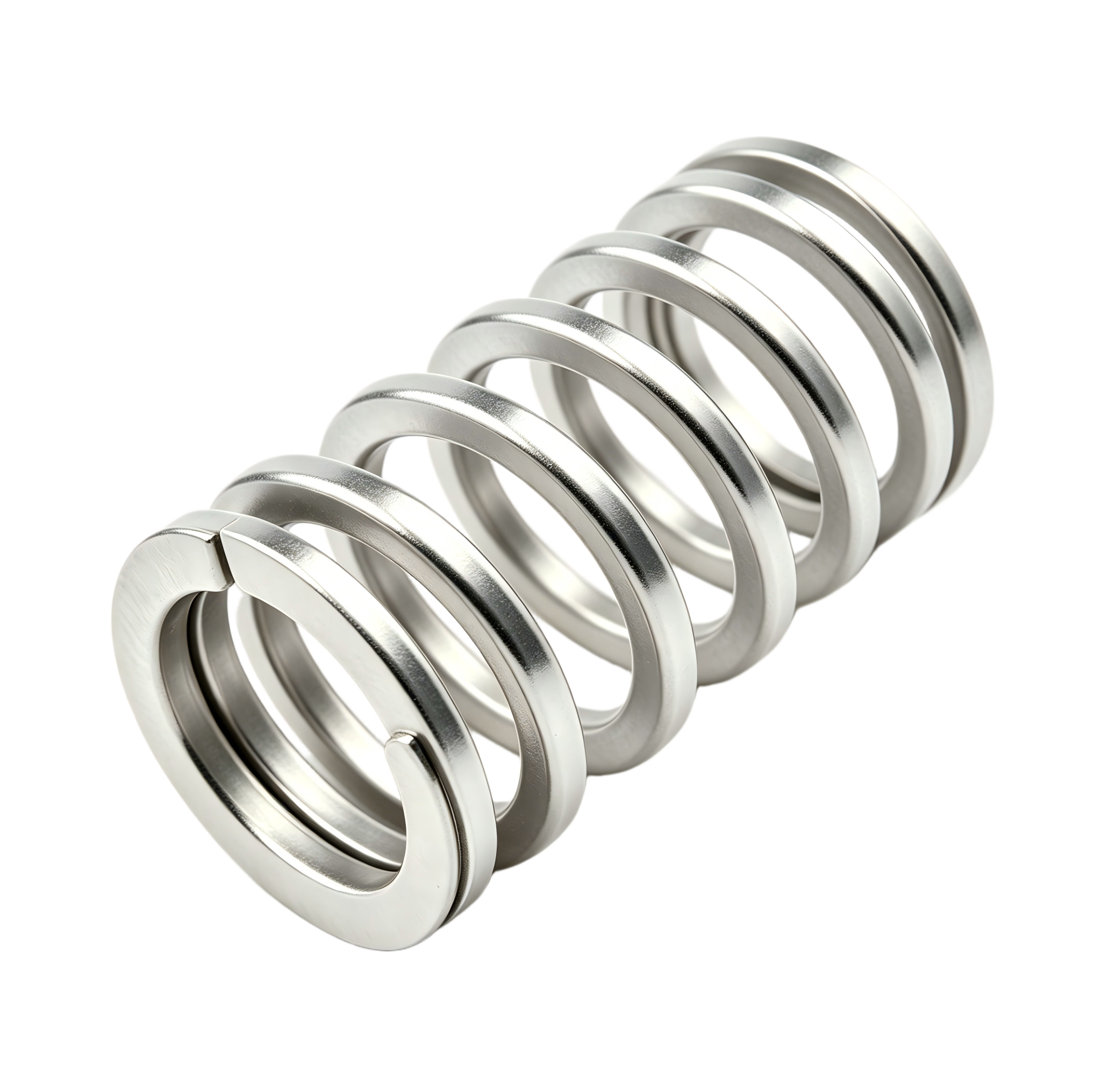
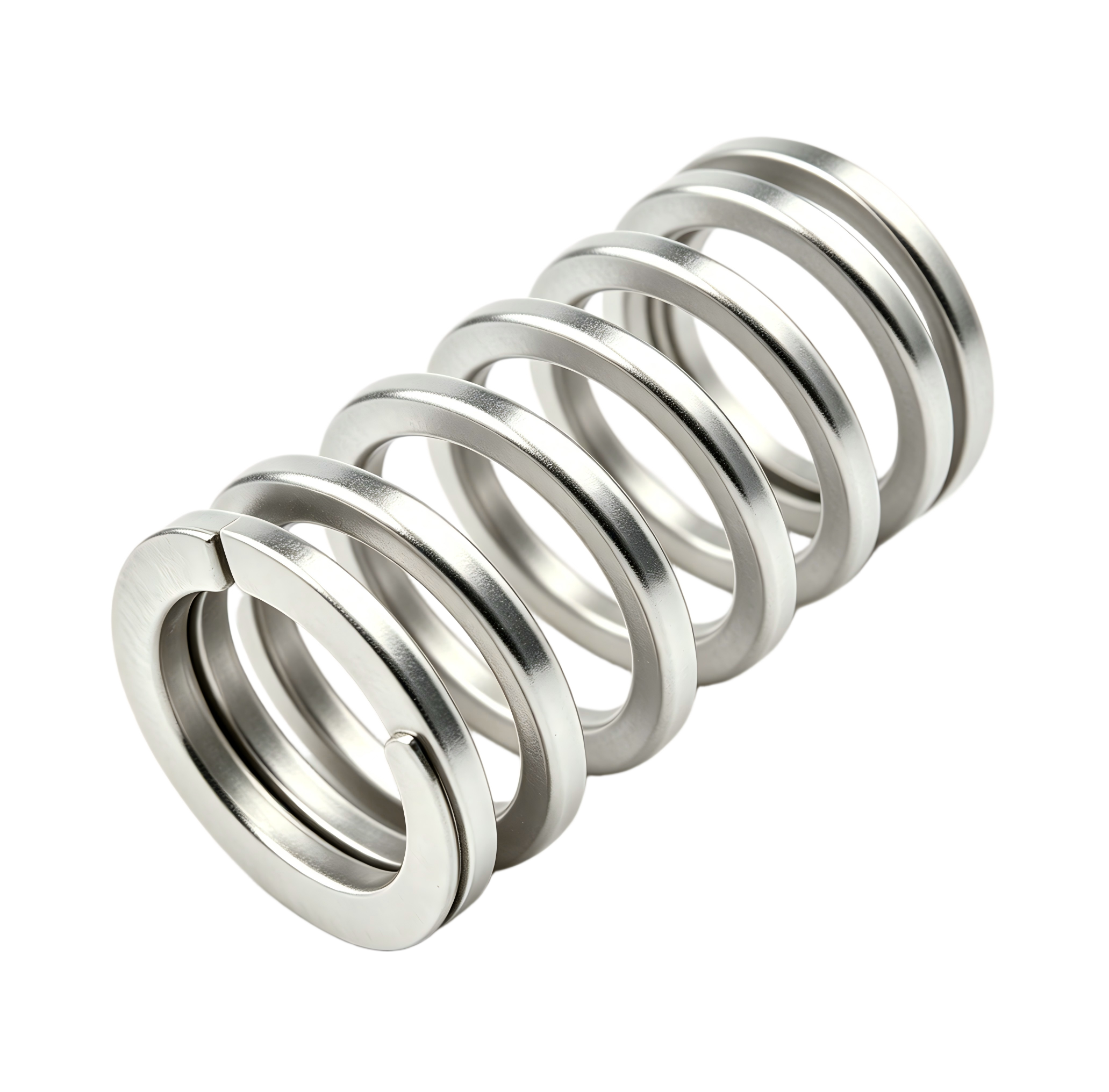
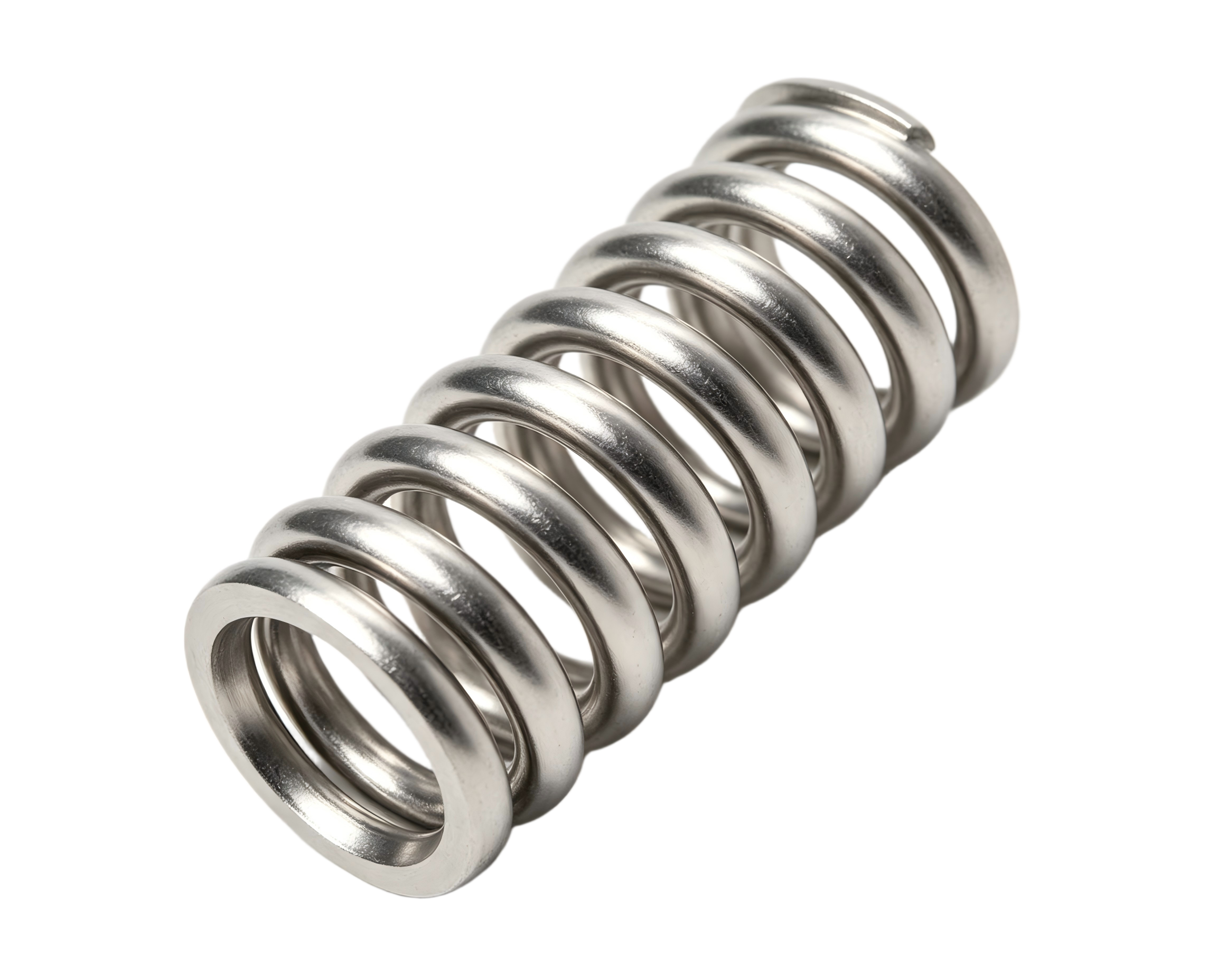
What Is a Die Spring?
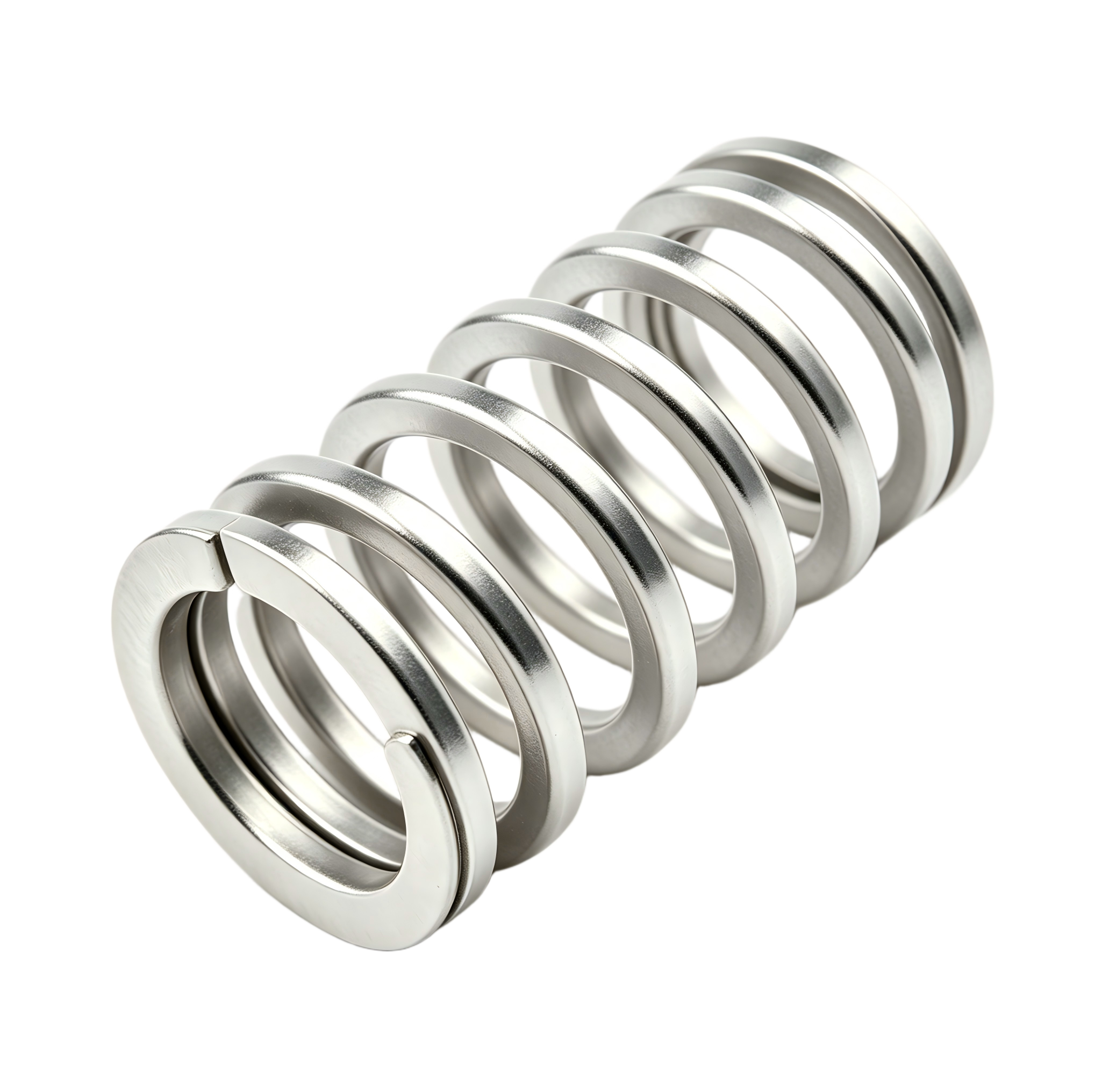
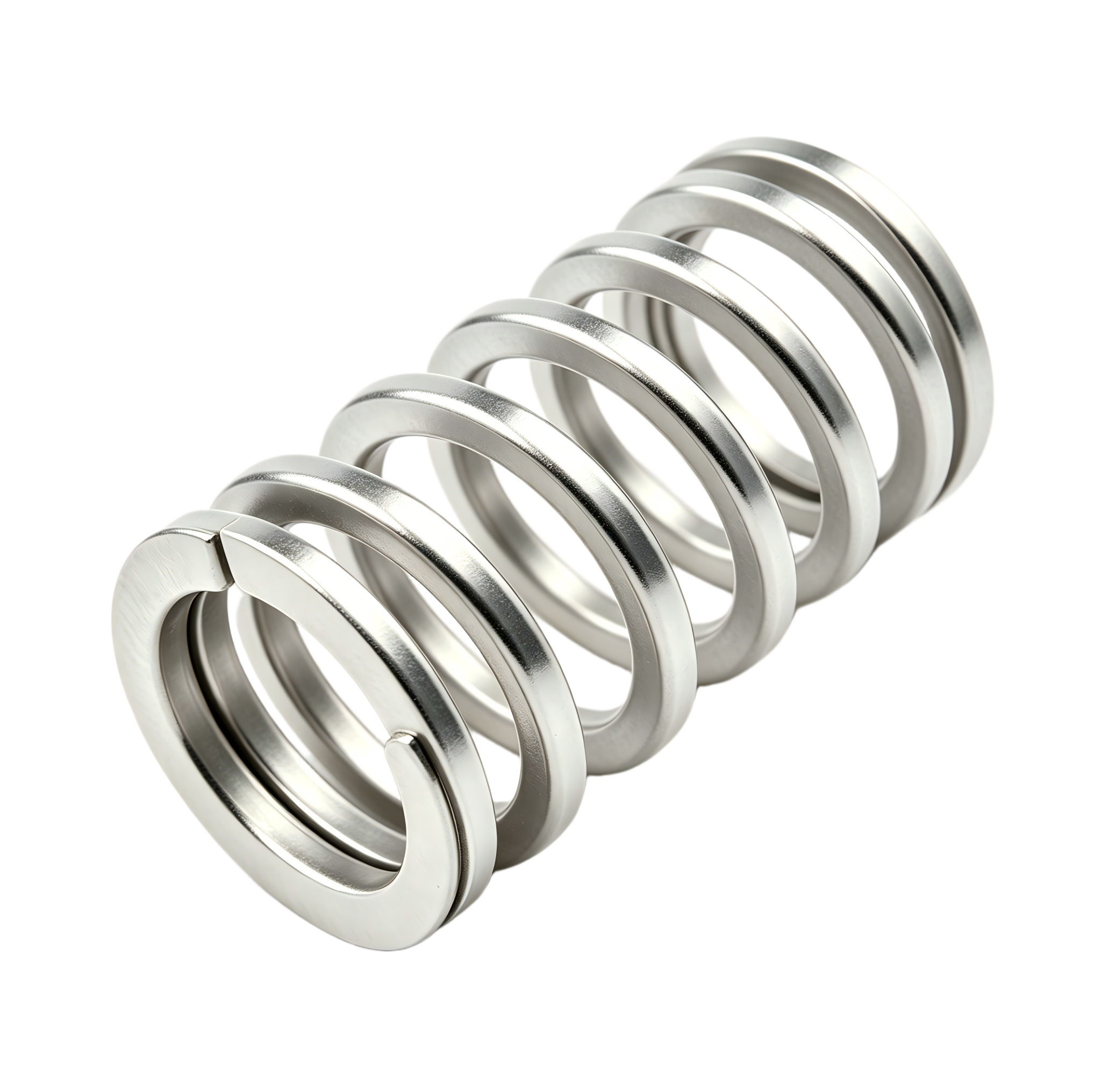
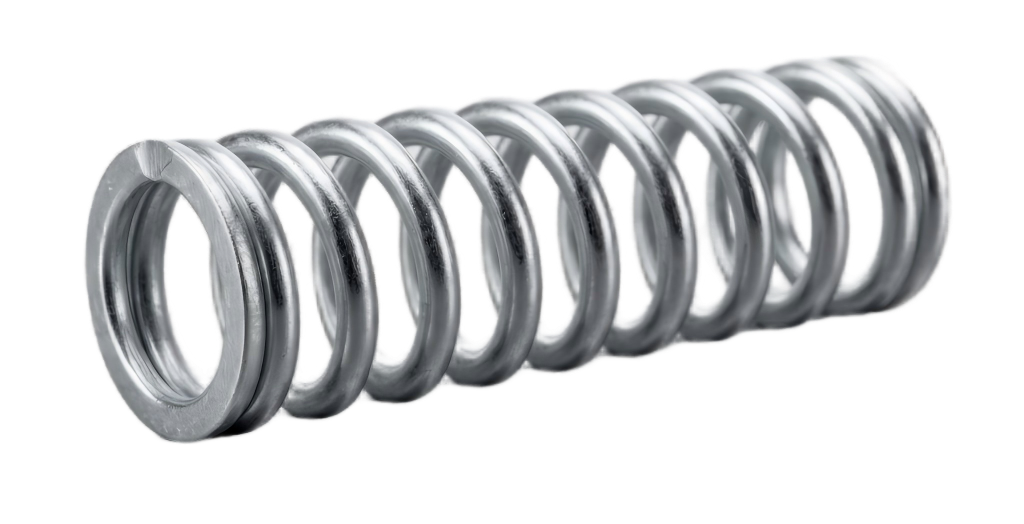
A die spring is a heavy-duty compression spring designed to provide high force in demanding industrial applications, especially in metal stamping dies, injection molds, and high-load machinery. Manufactured using rectangular wire and heat-treated alloys, die springs deliver stronger force, longer life, and better fatigue resistance than standard round-wire compression springs.
Characteristics of a Die Spring
- High Load Capacity: Provides significantly higher force compared to standard compression springs.
- Rectangular Wire Design: Increases load output and improves durability under extreme stress.
- Color-Coded Force Levels: Typically available in light, medium, heavy, and extra-heavy load ratings.
- Excellent Fatigue Resistance: Engineered for high-cycle, high-impact environments.
- Heat-Resistant Structure: Performs reliably under elevated temperatures in industrial operations.
- Dimensional Stability: Maintains consistent force and deflection characteristics throughout long-term use.
- Wide Size and Force Range: Supports various die designs, tooling systems, and heavy-duty machinery.
- Low Maintenance: Rugged steel construction minimizes wear and service requirements.
How Die Springs Work
A die spring operates by resisting compressive force in high-load conditions. When a load is applied:
The coils compress and the rectangular wire stores mechanical energy.
Energy is retained even under extreme, repetitive stress cycles.
When the load is removed, the spring expands, returning the system to its original position.
Thanks to their special geometry, robust materials, and surface treatment, die springs maintain predictable, repeatable performance even in fast-moving and high-impact operations.
Common Materials of Die Springs
Die springs are manufactured from strong, heat-treated alloys to withstand heavy loads and repeated cycles:
- Chrome Silicon Steel: Ideal for high-stress, high-cycle, and high-temperature applications.
- Chrome Vanadium Steel: Excellent fatigue life and durability for demanding industrial environments.
- High-Carbon Alloy Steel: Suitable for general-purpose die and mold applications.
- Stainless Steel (limited use): Used in corrosive or moisture-rich environments when required.
- These materials ensure consistent performance under heavy compression and rapid cycling.
Key Advantages of Die Springs
- High Force Output: Designed to deliver strong, reliable compression force.
- Superior Fatigue Life: Withstands millions of cycles in stamping and molding operations.
- Color-Coded Load Ratings: Easy to identify the correct spring force for each application.
- Stable and Predictable Performance: Maintains consistent force across repeated cycles.
- Heat and Wear Resistant: Performs well in high-temperature and high-impact environments.
- Highly Durable: Built to operate in harsh industrial conditions.
- Multiple Size Options: Available in a wide range of lengths, diameters, and load categories.
- Low Maintenance: Strong alloy construction reduces replacement and service frequency.
Applications of Die Springs
- Metal Stamping Dies: Provides force for punches, strippers, and return mechanisms.
- Injection Molds: Helps maintain pressure, alignment, and return motion.
- Press Machines: Used in tooling assemblies and heavy-load mechanisms.
- Automotive Manufacturing: Supports high-speed, high-force production processes.
- Industrial Equipment: Ideal for heavy-duty actuators, presses, and mechanical systems.
- Robotics & Automation: Delivers reliable force in repetitive high-load cycles.
- General Engineering: Used in clamps, fixturing systems, and high-force mechanical assemblies.