Chain
956 Products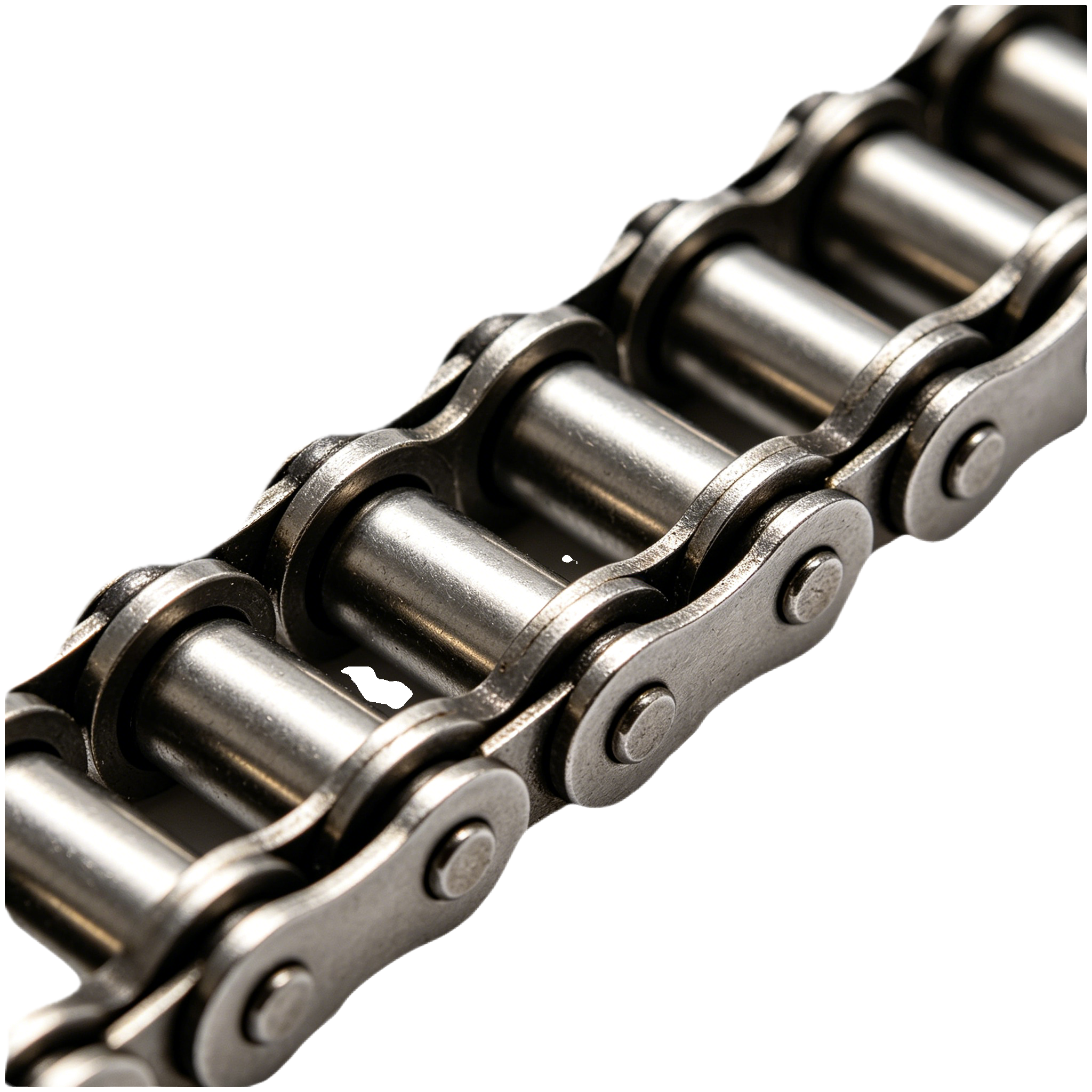
What Is Roller Chain?
Roller chain transmits mechanical power between two rotating shafts by engaging a series of pin-connected links with the teeth of a sprocket. It delivers precise, positive-drive motion at a lower cost than gear drives, while tolerating higher loads and harsher conditions than most belt systems. LILY Bearing stocks roller chain, attachment chain, link assortments, and mounting bushings built to ANSI B29.1 and ISO 606 (DIN 8187 / British Standard) specifications, in inch and metric pitches, single through triple strand, and carbon steel, stainless steel, and other corrosion-resistant materials.
Shop Chain by Type
| Category | Standard | Trade Sizes / Pitch | Strand Options | Materials | Best For |
|---|---|---|---|---|---|
| ANSI Roller Chain and Links | ANSI B29.1 | #25–#160 | Single, double | Steel, stainless steel, plastic | General power transmission, conveyors, agricultural equipment |
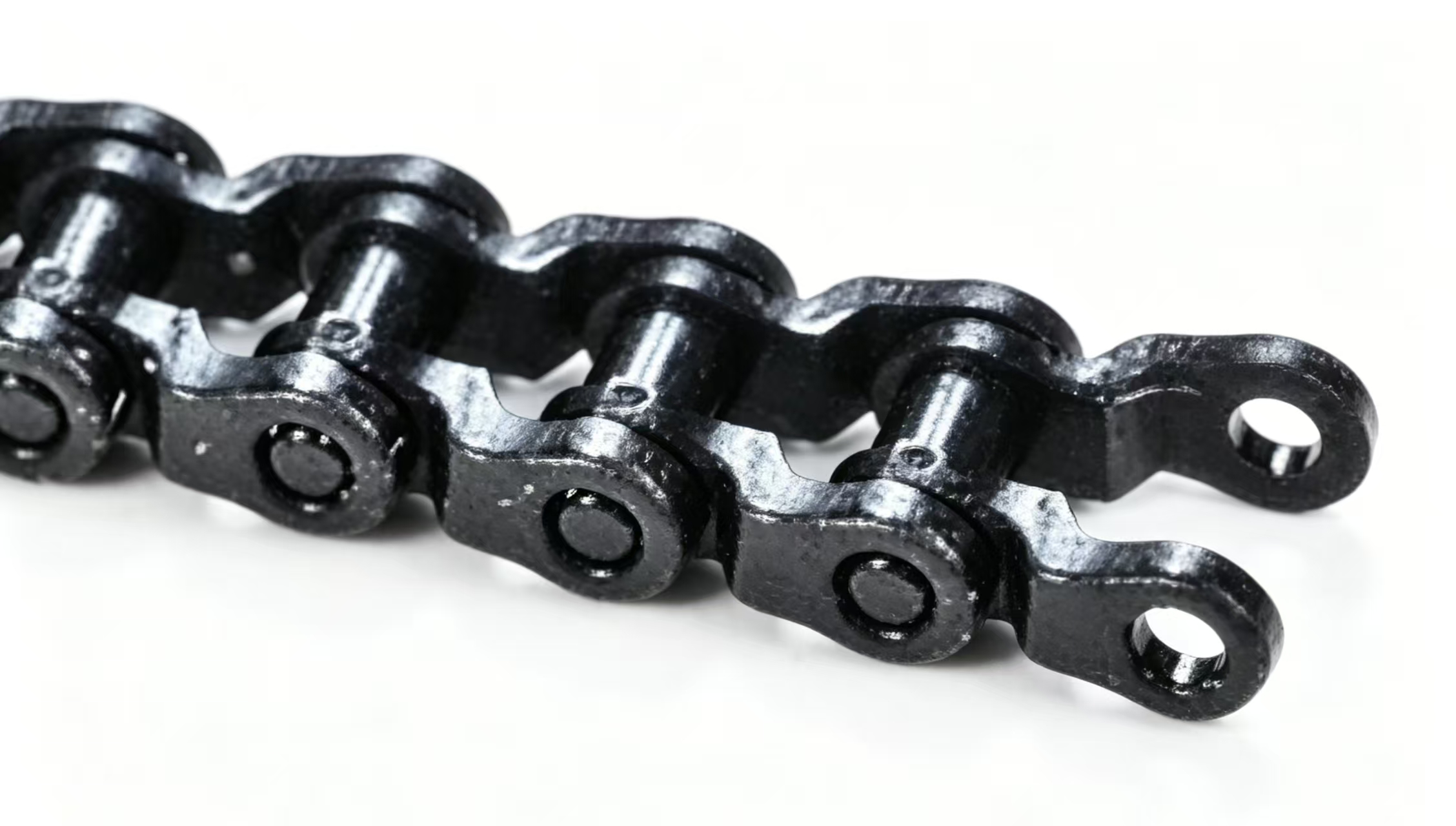
| ANSI Attachment Chain and Links | ANSI B29.1 | Built on #35–#80 base chain | Single | Steel | Conveying with fixed attachment points (buckets, slats, pushers) |
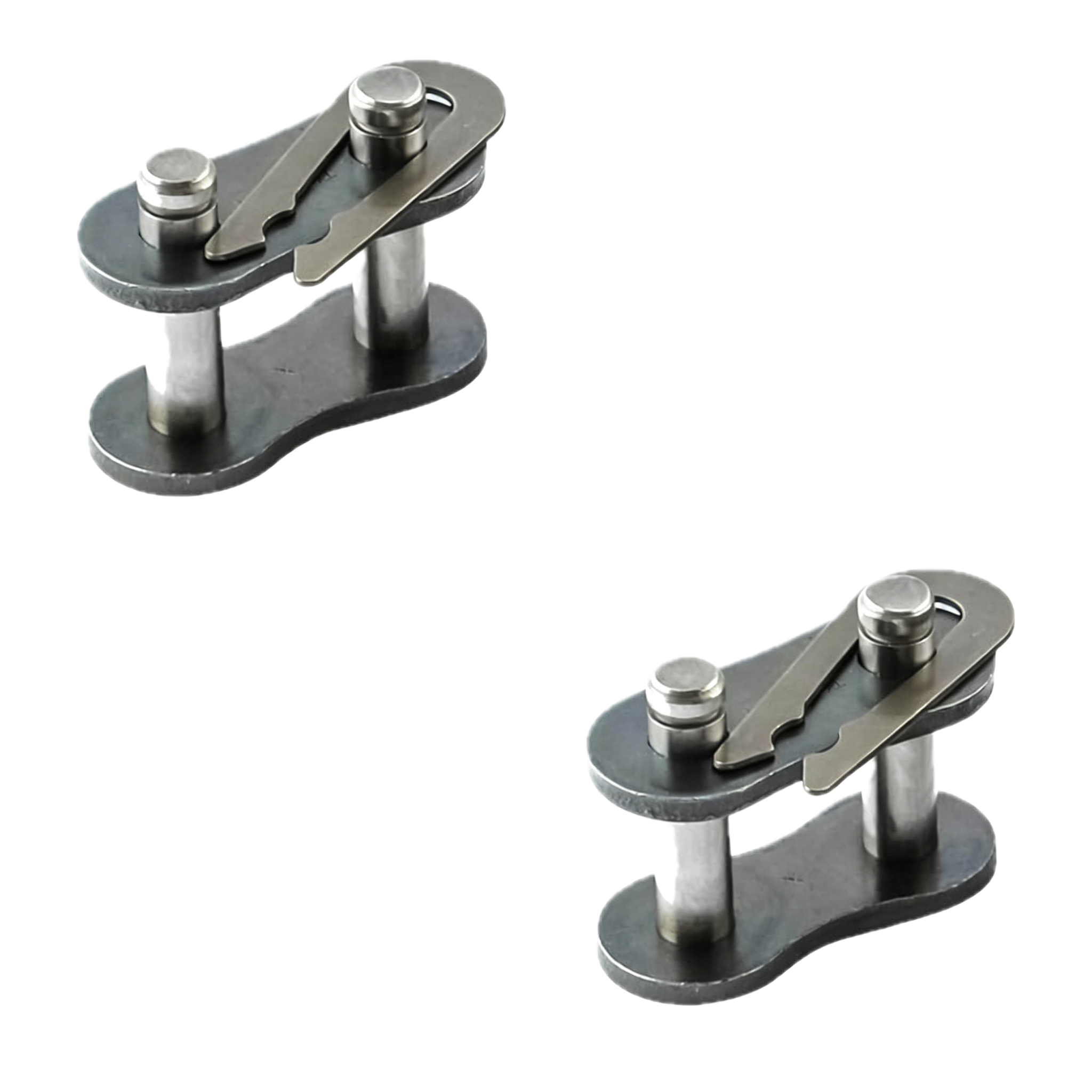
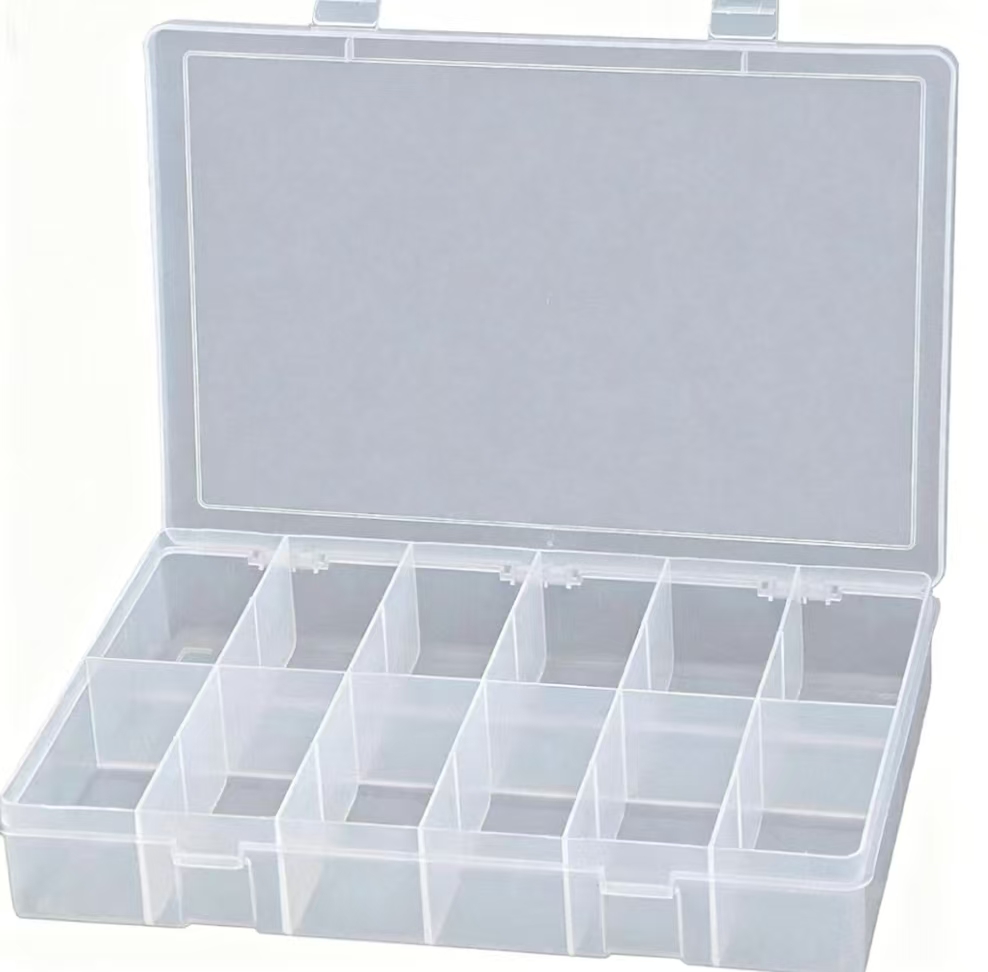
| ANSI Roller Chain Link Assortments | ANSI B29.1 | Boxed multi-piece kits | Single | Steel | Field repair, chain shortening or lengthening |
| Metric Roller Chain and Links | ISO 606 / DIN 8187 | 04B–28B | Single, double | Steel, stainless steel | Metric and imported machinery, OEM equipment |
| Miniature Roller Chain and Links | Miniature pitch series | 0.1227″–0.1475″ pitch | Single | Plastic, stainless steel | Robotics, small conveyors, precision instruments |
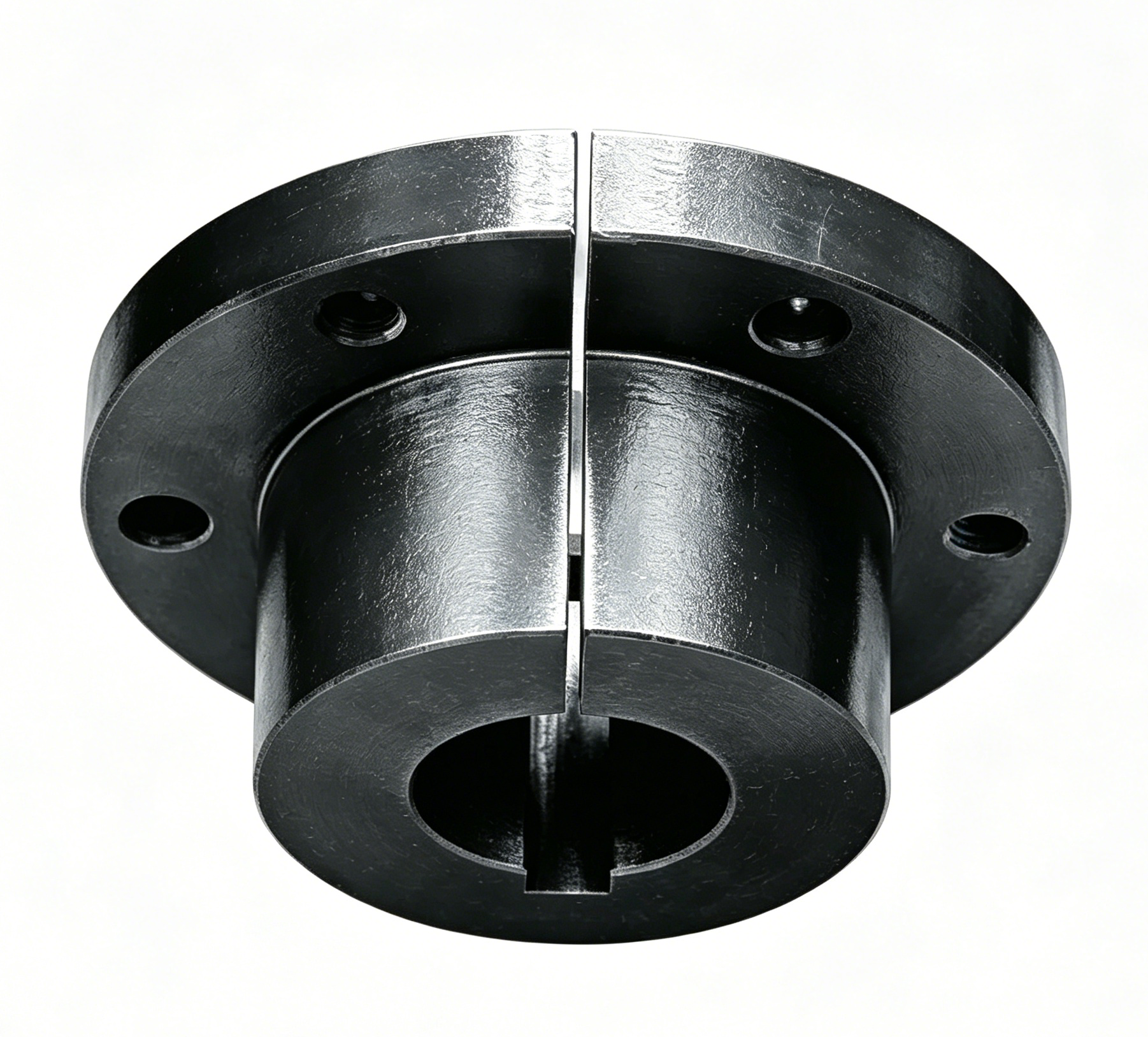
| Bushings for Chain and Belt Drives | — | Inch and metric bore | — | Steel, stainless steel, iron | Mounting sprockets, pulleys, or hubs to a shaft |
ANSI and metric (ISO) chain are not interchangeable on the same sprocket, even at a similar pitch, because roller diameter, pin diameter, and link plate dimensions differ between the two standards. Single-strand chain is the standard configuration for most drives; double- and triple-strand chain adds parallel rows of links on a common pin to increase load capacity within the same pitch, used when a drive needs more capacity than a larger single-strand pitch would allow.
Where Is Roller Chain Used?
- Conveying and material handling — package conveyors, bulk material transfer, palletizing lines
- Agricultural equipment — combines, balers, and other harvesting and processing machinery
- Food and beverage processing — bottling, canning, and packaging lines (stainless and corrosion-resistant options)
- General industrial machinery — drives, gearboxes, and low- to medium-speed power transmission
- Light-duty and precision equipment — small conveyors, instruments, and compact mechanisms (miniature chain)
Frequently Asked Questions
What is the difference between ANSI and metric (ISO) roller chain?
ANSI roller chain (ANSI B29.1) uses inch-based pitches and numeric trade sizes such as No. 40 or No. 60, while metric roller chain (ISO 606, equivalent to DIN 8187 and British Standard) uses metric pitches and B-series trade sizes such as 08B or 10B. The two are not interchangeable on the same sprocket, even when the pitch length is similar, because roller diameter, pin diameter, and link plate dimensions differ between the standards.
What is the difference between roller chain and attachment chain?
Standard roller chain has plain, uninterrupted link plates, while attachment chain replaces certain link plates with attachment plates that add tabs or extended pins so the chain can carry buckets, slats, pushers, or other conveyed components. Attachment chain uses the same pitch and roller dimensions as the equivalent standard roller chain size, so it runs on the same sprockets.
What is a roller chain link assortment used for?
A link assortment is a boxed kit of connecting links, offset links, and standard roller links in a single trade size, used for field repairs, shortening or lengthening an existing chain, or assembling a custom chain length without ordering a full reel.
What do "bushings for chain and belt drives" do, and are they part of the chain itself?
These bushings mount a sprocket, pulley, or hub onto a shaft — they are a separate shaft-mounting component, not the internal bushing inside each roller chain link that the roller rotates around. Common styles include quick-disconnect (QD), taper-lock, split-taper, screw-clamp, and weld-on.
Should I choose single-strand or double-strand roller chain?
Single-strand chain is the standard choice for most power transmission and conveying loads, while double-strand (or triple-strand) chain adds parallel rows of links on a common pin to increase load capacity within the same pitch and sprocket width. Choose multi-strand chain when the application load or horsepower requirement exceeds what the equivalent single-strand pitch can carry.
How is roller chain size identified?
ANSI roller chain size is identified by a trade number where the digits represent the pitch in eighths of an inch — for example, No. 40 chain has a 4/8″ (0.5″) pitch and No. 60 chain has a 6/8″ (0.75″) pitch. A “-2” or “-3” suffix indicates double- or triple-strand construction, while metric/ISO chain is designated by a number plus “B” (e.g., 08B, 10B) referencing the ISO 606 pitch series.