Bushings for Chain and Belt Drives
354 Products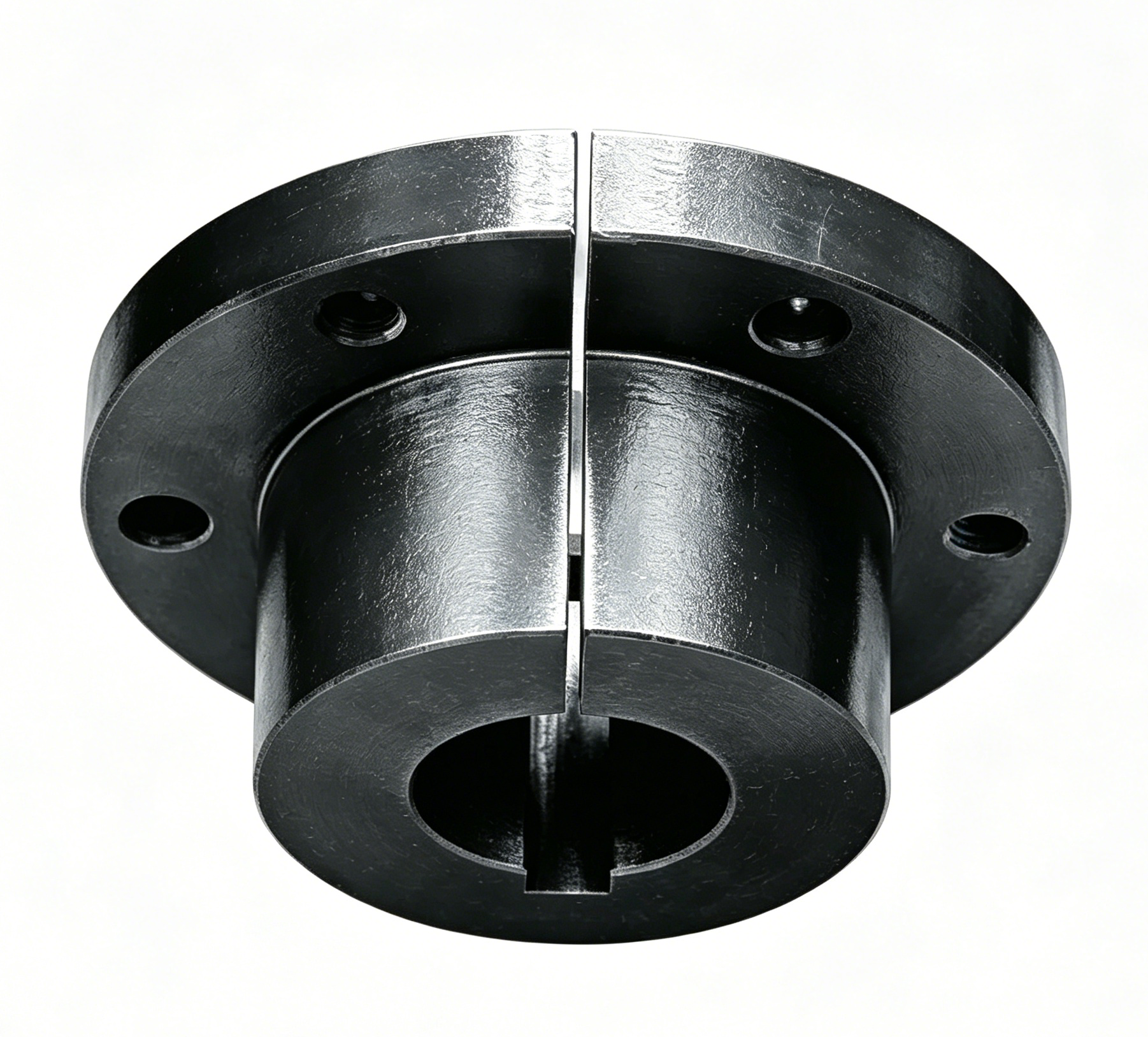
What Are Bushings for Chain and Belt Drives?
These bushings mount a sprocket, pulley, or hub onto a shaft in a chain or belt drive system — they are a separate shaft-mounting component, not the internal bushing found inside a roller chain link. LILY Bearing stocks these bushings in quick-disconnect (QD), taper-lock, split-tapered, screw-clamp, sleeve, spring, and weld-on hub styles, in inch and metric bore sizes, in steel, stainless steel, and iron.
Shop Bushings by Type
Taper & Split-Style Mounting Bushings
These bushings expand or compress against the shaft as they're tightened, giving a secure, keyed fit without separate fasteners — the standard choice for mounting sprockets and pulleys on power transmission shafts.
- Quick-Disconnect (QD) Bushings — split, tapered design for quick attach and detach from sprockets, pulleys, or other drive components
- Taper-Lock Bushings — tapered fit that tightens without extra fasteners, built to handle high torque loads
- Split-Tapered Bushings — compress and grip the shaft for high-torque applications such as pulleys and sprockets
Screw-Clamp Bushings
These use a screw-clamp mechanism instead of a tapered wedge fit, trading some torque capacity for faster, tool-light installation and removal.
- Quick-Grip Screw-Clamp Bushings — rapid installation without additional tools or complex procedures
- Flush-Mount Screw-Clamp Bushings — low-profile design for compact machinery or space-limited installations
- Self-Centering Screw-Clamp Bushings — for applications where alignment is critical, such as high-speed machinery or precision equipment
Sleeve & Spring Bushings
These are built for lighter loads or conditions that shift over time, rather than the high-torque mounting jobs above.
- Light Duty Sleeve Bushings — simple shaft support and alignment for light conveyors, small motors, and similar equipment, often in bronze, nylon, or other composites
- Self-Adjusting Spring Bushings — a built-in spring mechanism adapts to shifting alignment or load, used in suspensions, conveyors, and rotating machinery
Weld-On Bushing-Bore Hubs
These combine a hub and bushing bore in one welded-on unit, for building a mounting point directly onto a structure rather than bolting a bushing into an existing sprocket or pulley.
- Quick-Disconnect (QD) Weld-On Bushing-Bore Hubs — secures power transmission components while simplifying future maintenance and replacement
- Taper-Lock Weld-On Bushing-Bore Hubs — for high-torque, precise-alignment industrial applications, with quick changeout of connected components
Where Are These Bushings Used?
- Power transmission systems — mounting sprockets and pulleys onto drive and driven shafts
- Conveyor systems — securing rollers, sprockets, and pulleys along the line
- Compact and precision machinery — using flush-mount or self-centering screw-clamp bushings where space or alignment is critical
- Light-duty equipment — small motors and light conveyors using sleeve bushings for basic shaft support
- Applications with shifting alignment or load — suspensions and rotating machinery using self-adjusting spring bushings
Frequently Asked Questions
Are these the same as the bushing inside a roller chain link?
No — these bushings mount a sprocket, pulley, or hub onto a shaft. The bushing inside a roller chain link is a separate wear component that the roller rotates around, sold as part of the chain itself, not in this category.
What's the difference between QD and Taper-Lock bushings?
Both use a tapered fit that tightens without separate fasteners, but QD (Quick-Disconnect) bushings use a split design specifically built for fast attach-and-detach cycles, while Taper-Lock bushings are built to handle higher torque loads where rapid removal is less of a priority.
What is a weld-on bushing-bore hub, and how is it different from a regular bushing?
A weld-on bushing-bore hub combines a hub and a bushing bore into one unit that gets welded directly onto a structure, creating a mounting point where none existed. A regular bushing, by contrast, is installed into an existing sprocket, pulley, or hub that's already bolted or bored to accept it.
What materials are these bushings made from?
Most are steel, with a smaller number of iron and stainless steel options for corrosion-resistant or specialty applications. Light-duty sleeve bushings are also available in bronze, nylon, or other composite materials.
Should I choose a sleeve bushing or a taper-lock bushing?
Choose a light duty sleeve bushing for basic shaft support and alignment in low-load equipment like small motors or light conveyors. Choose a taper-lock or split-tapered bushing when the application involves high torque, since these styles grip the shaft under tension rather than simply providing a sliding fit.
Are these bushings sized in inches or millimeters?
Both — LILY Bearing stocks this category in inch and metric bore sizes, so confirm the shaft's measurement system before ordering to ensure a correct fit.