O-Rings
11635 Products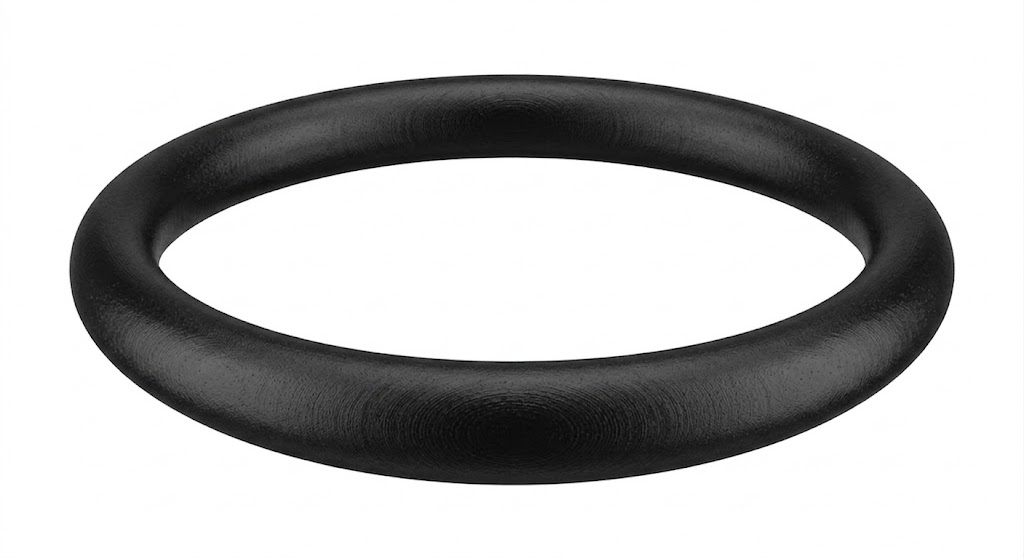
What Are O-Rings?
An O-ring is a torus-shaped elastomer seal that closes the gap between two mating surfaces by compressing into a groove, blocking the passage of liquids, gases, and particulates. LILY Bearing stocks O-rings sized to AS568, ISO 3601, and JIS standards, grouped by the compound each is built from — oil-resistant, chemical-resistant, high-temperature, and water/steam-resistant — plus PTFE backup rings that stop O-rings from extruding under high pressure.
Shop O-Rings by Material
| Category | Common Compound | Standard Temperature Range | Petroleum Resistance | Ozone/Weather Resistance | Watch Out For |
|---|---|---|---|---|---|
| Oil-Resistant O-Rings | NBR (Buna-N) | −40°F to +257°F (−40°C to 125°C) |
Good | Poor | Not suited to steam, aromatic or chlorinated solvents |
| Chemical-Resistant O-Rings | FKM (Viton) | −13°F to +446°F (−25°C to 230°C) |
Good | Good | Not suited to hot water, steam, or polar solvents |
| High-Temperature O-Rings | Silicone (VMQ) | −85°F to +400°F (−65°C to 204°C) |
Fair | Good | Not suited to fuels or aromatic mineral oils |
| Water and Steam Resistant O-Rings | EPDM | −40°F to +275°F (−40°C to 135°C) |
Poor | Good | Not suited to mineral oils, greases, or fuels |
| O-Ring Backup Rings | PTFE / Nylon | Depends on base material | — | — | Not a seal itself — pairs with an O-ring |
Each compound above is also available as cut-to-length cord stock for custom-sized O-rings. Durometer measures compound hardness on the Shore A scale: softer compounds seal better against rough or imperfect surfaces, while harder compounds resist abrasion and extrusion better under pressure. Sizing follows AS568 (inch), ISO 3601 (metric), or JIS conventions depending on the equipment being sealed.
Where Are O-Rings Used?
- Hydraulic and pneumatic systems
- Automotive engines, fuel systems, and transmissions
- Plumbing, HVAC, and water treatment equipment
- Food and beverage processing equipment
- Medical and laboratory equipment
- Industrial pumps, valves, and compressors
Frequently Asked Questions
How do I choose the right O-ring material?
Match the compound to what the seal will contact first: NBR for oil and fuel, FKM for aggressive chemicals, silicone for sustained heat, and EPDM for water or steam. Then confirm the compound's temperature rating covers your operating range with margin.
Do backup rings need to be ordered separately from the O-ring?
Yes — backup rings are stocked separately since they're only needed when system pressure or dynamic motion risks extruding the O-ring into the clearance gap. They don't seal on their own and are typically paired with NBR or FKM O-rings in hydraulic applications.
Can one O-ring compound handle both oil and steam exposure?
Not reliably — NBR degrades in steam service, and EPDM swells in petroleum oils, so no single common compound covers both well. If an application sees both media, size the seal around the more demanding exposure or use two different seals in sequence.