Spring
37573 Products
Selecting the wrong spring can lead to equipment failure and costly downtime. LILY Bearing helps engineers choose the right industrial spring type and material for reliable, long-lasting performance.
What Are Springs?
Industrial springs are elastic mechanical devices that absorb and release energy. When you apply a force—whether by pushing, pulling, or twisting—a spring deforms. Once the force is removed, it returns to its original shape, exerting a counterforce in the process.
Whether you need custom springs for specialized applications or standard solutions, this fundamental ability to manage energy and motion makes springs indispensable across every engineering discipline.
Types of Springs
Choosing the right spring starts with understanding how it responds to load and its specific design purpose.
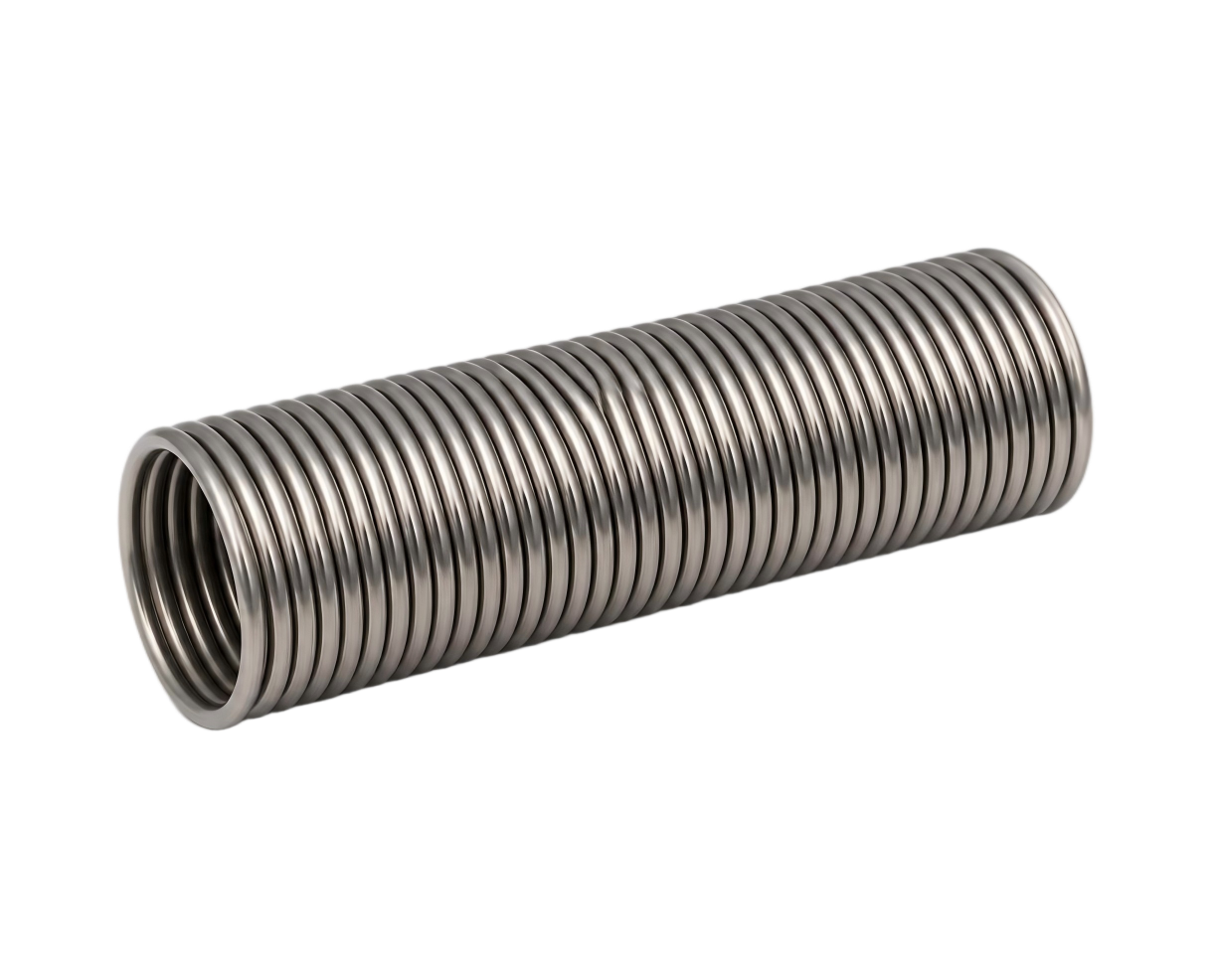
Compression Springs
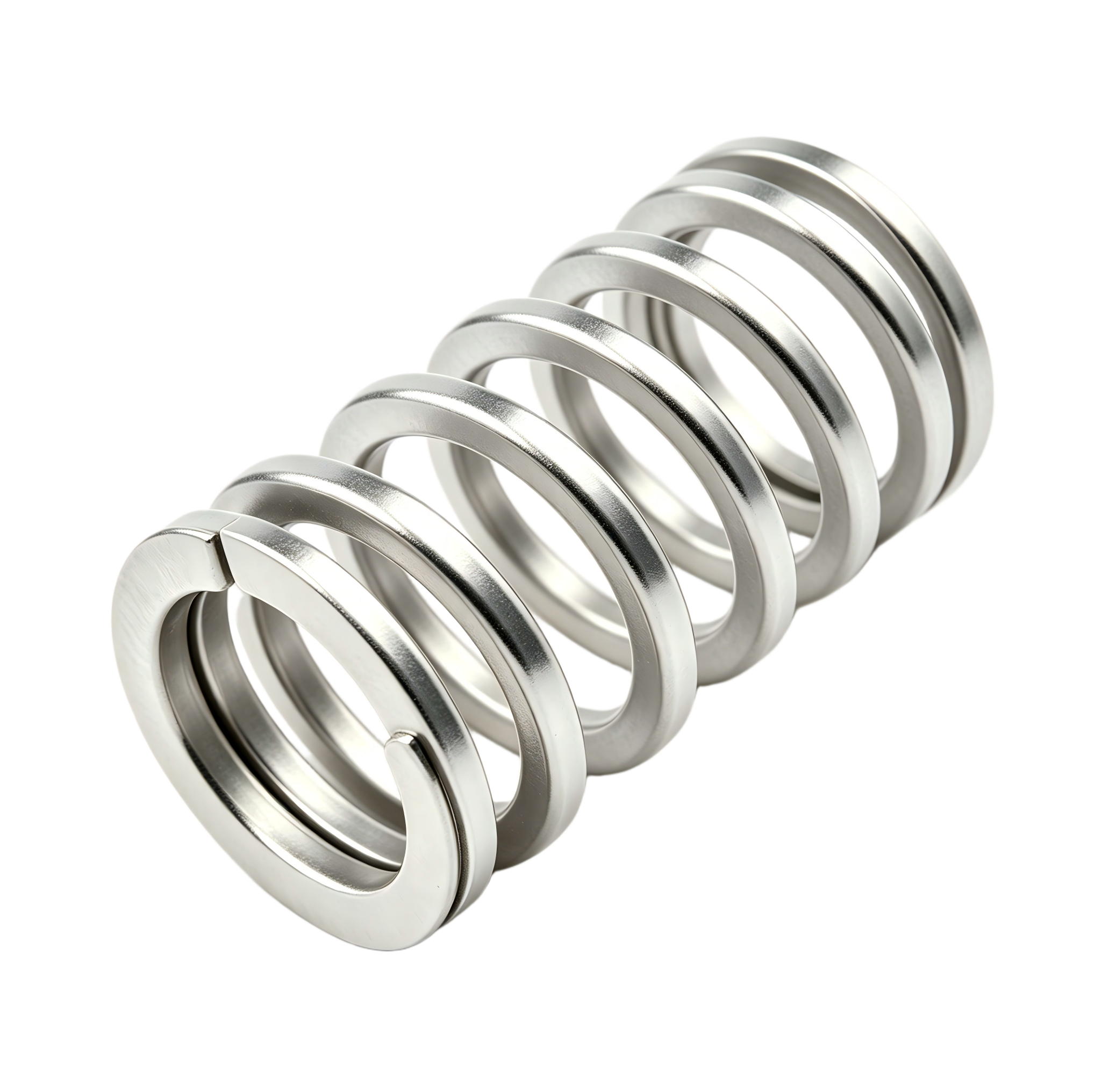
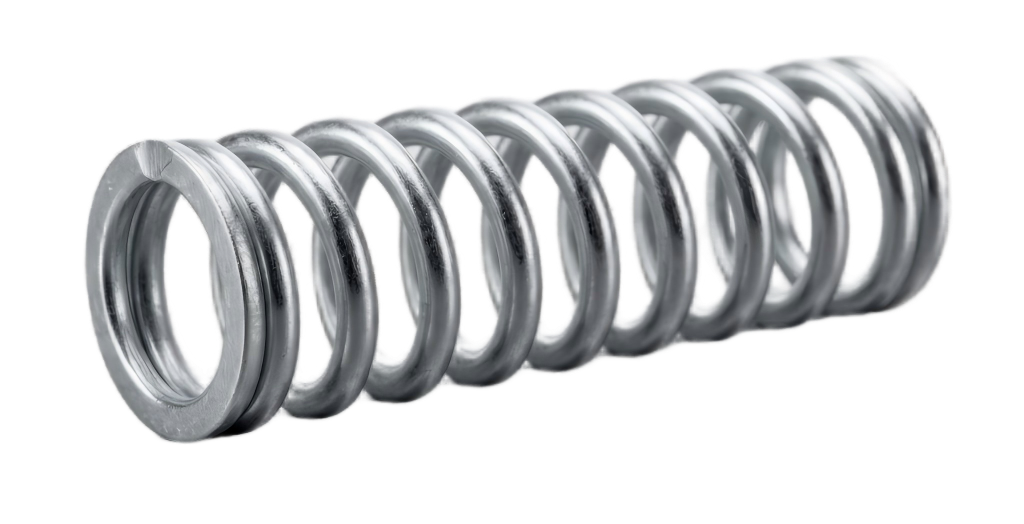
Compression Springs are the most common type. They resist being pushed together, shortening under load to provide a pushing force when released. Think of a car's suspension or a push-button.
Extension Springs
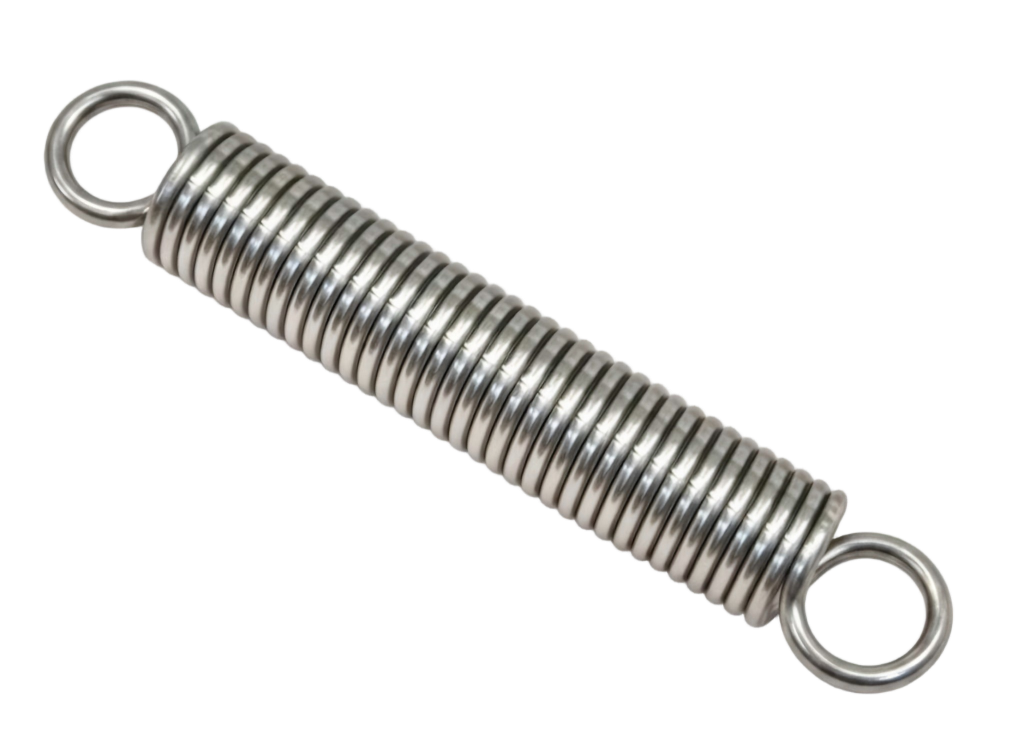
These springs work in tension. They stretch when pulled and generate a pulling force to return to their starting length, common in garage doors or screen door closers.
Torsion Springs
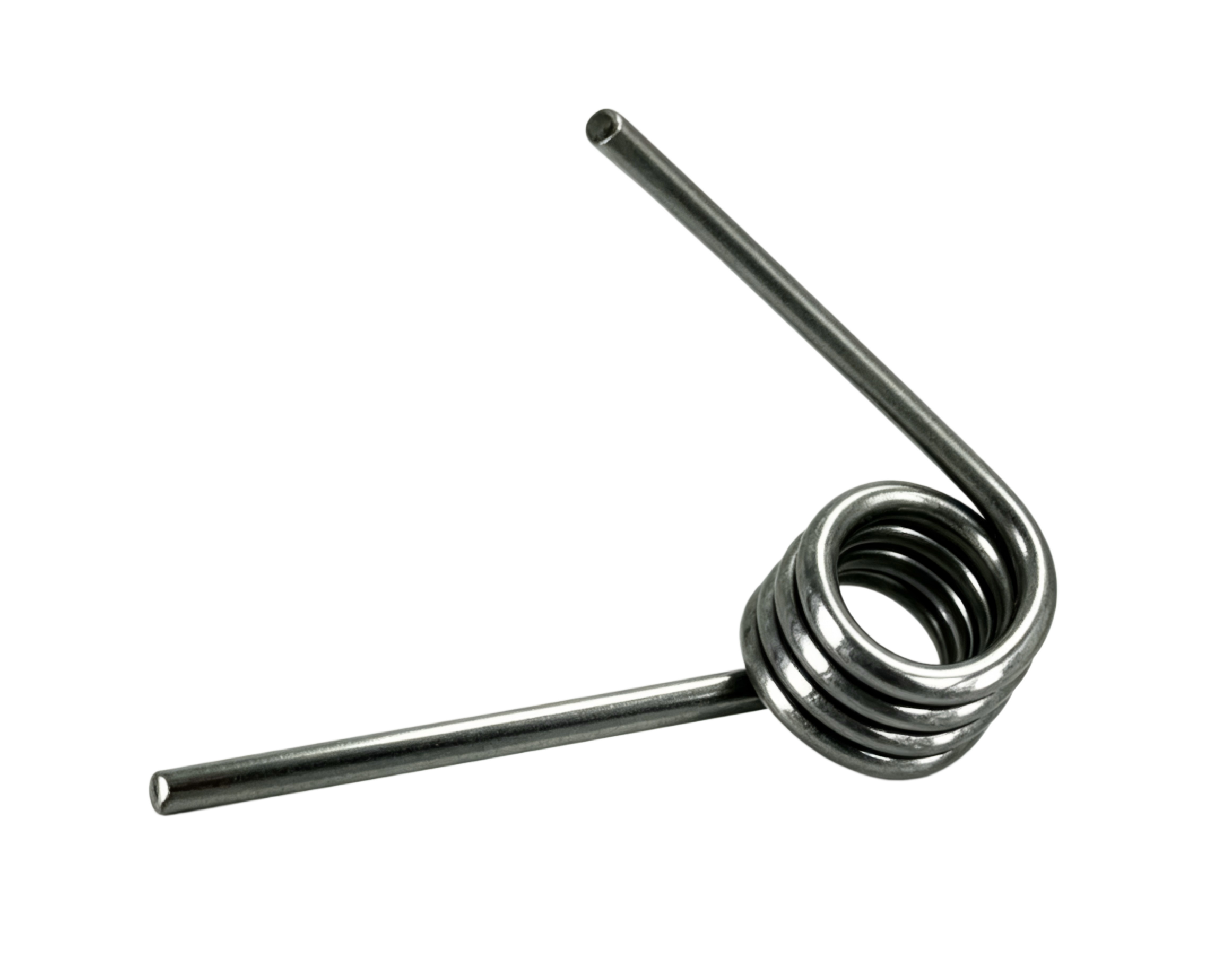
These resist twisting. When rotated around their axis, they store rotational energy and exert torque, like in a mousetrap or a clothespin.
Specialized Spring Designs:
To solve specific challenges like space constraints or force control, engineers turn to more specialized designs.
Nitrogen Gas Springs
These use compressed nitrogen gas in a sealed cylinder to produce a remarkably smooth and consistent pushing force. Their excellent control and durability make them ideal for nitrogen gas springs for tooling applications, including stamping dies, molding equipment, automated lifting systems, and supporting heavy hatches.
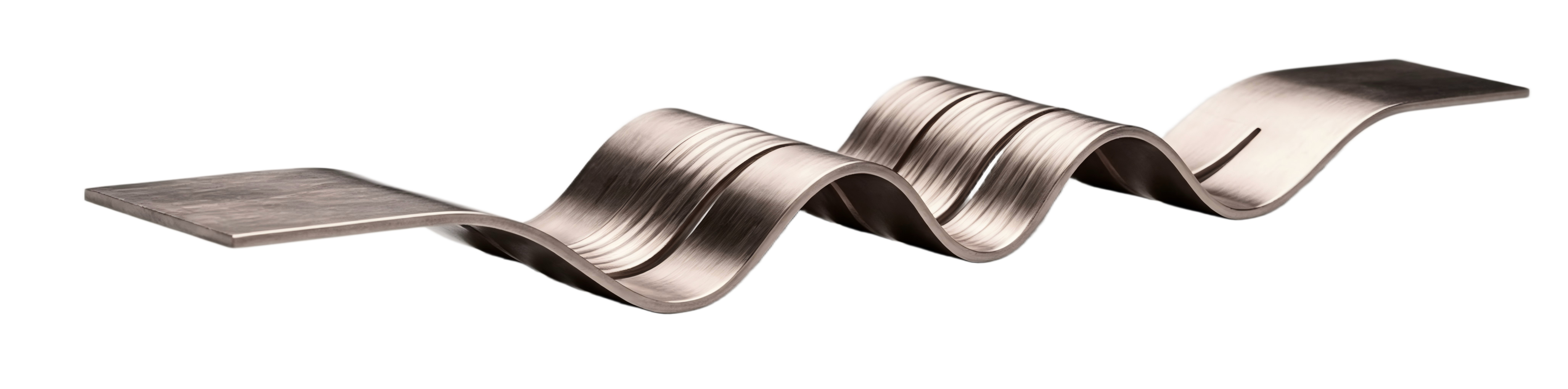
Linear Wave Springs
Made from flat wire with a wavy pattern, these springs deliver a precise force in extremely tight axial spaces where a traditional coil spring simply won't fit, perfect for modern compact bearings and seals.
Disc Springs (Belleville Washers)
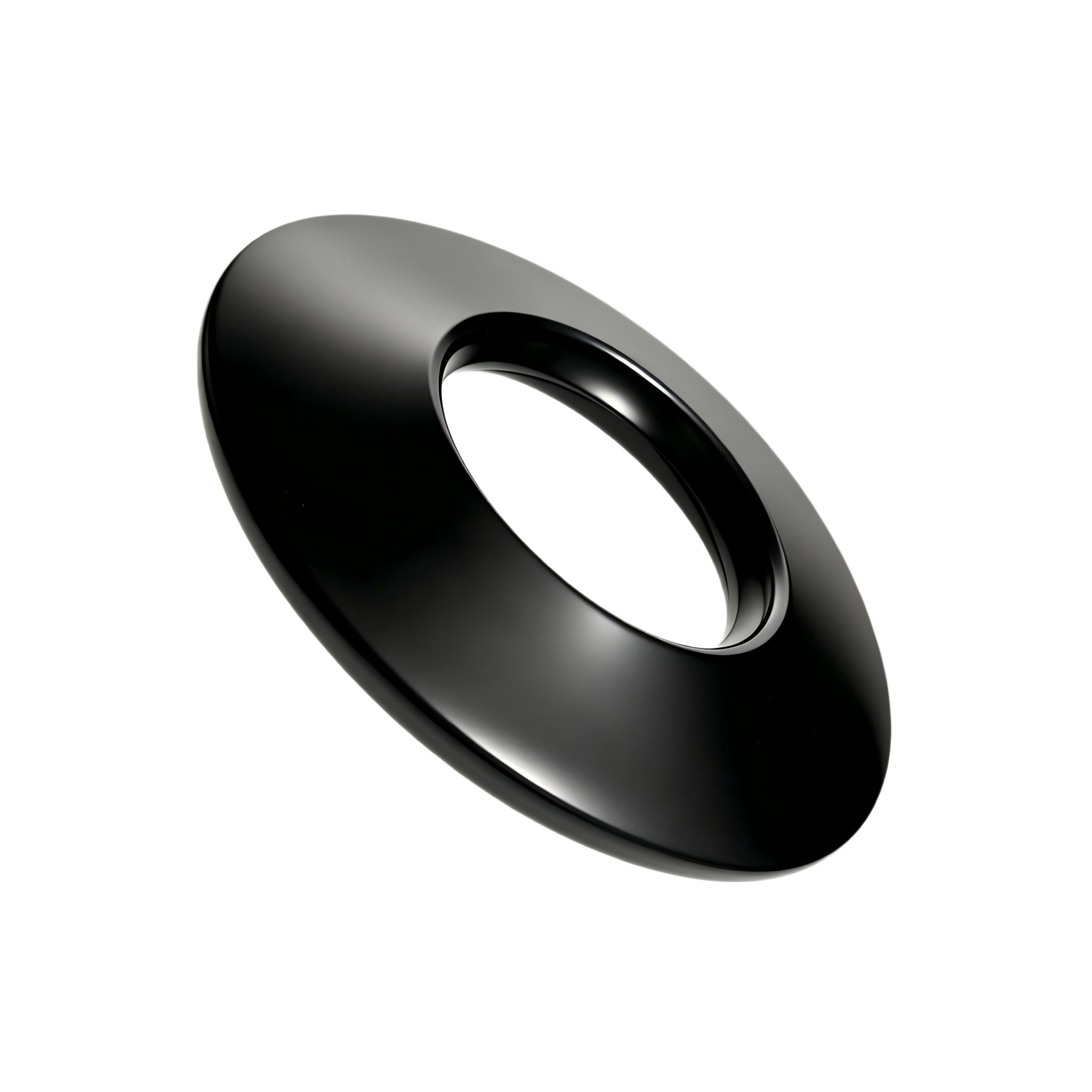
These are conical discs that handle very high loads with minimal deflection. Stacking them allows engineers to tailor stiffness and travel for demanding bolted connections or safety valves.
Die Springs
Built tough for punishing environments, these heavy-duty compression springs are designed to survive millions of high-force cycles in stamping presses and molding equipment.
Strip Springs
Fabricated from flat material, these springs work by bending. They range from simple electrical contacts to complex constant-force mechanisms used in tool counterbalances.
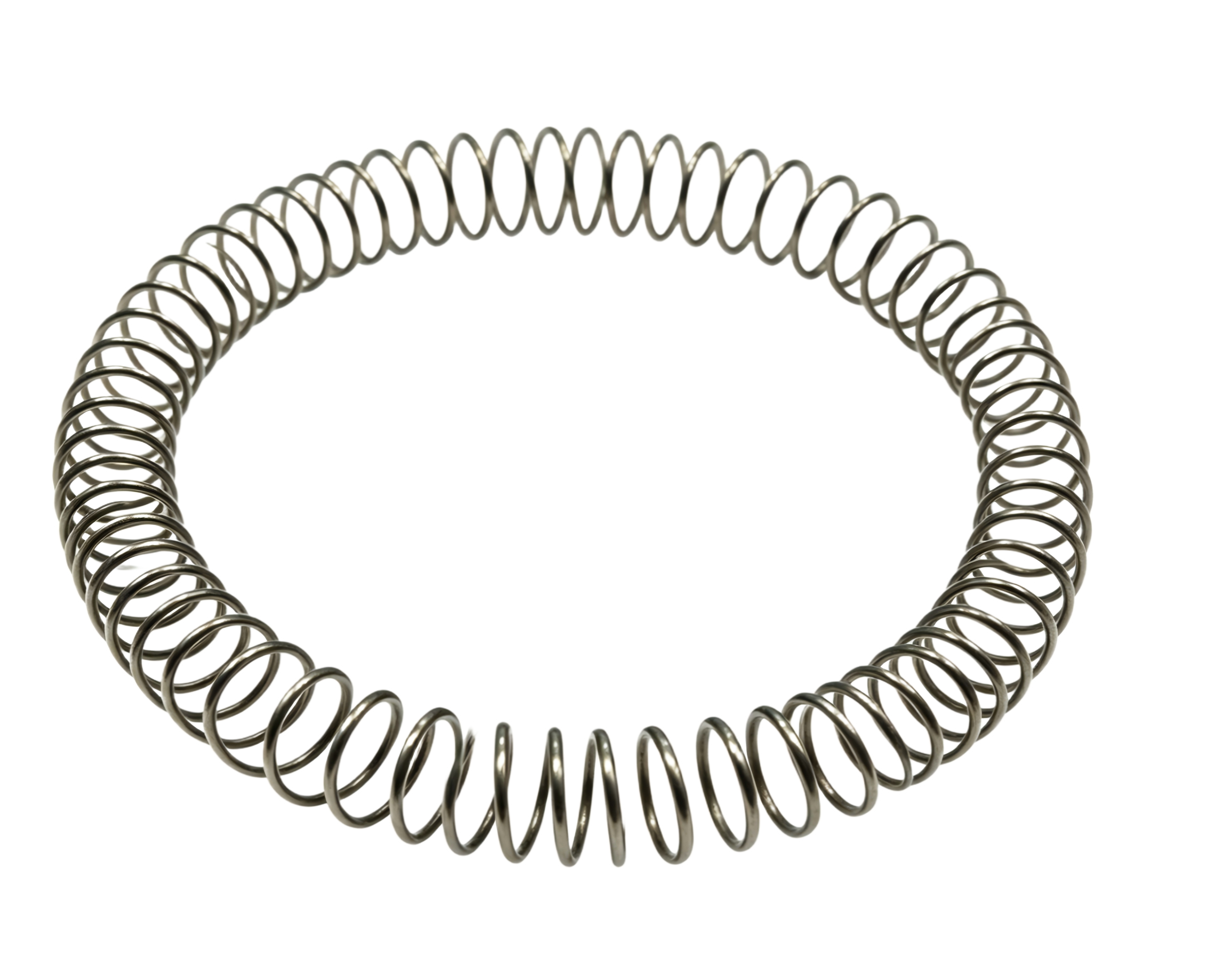
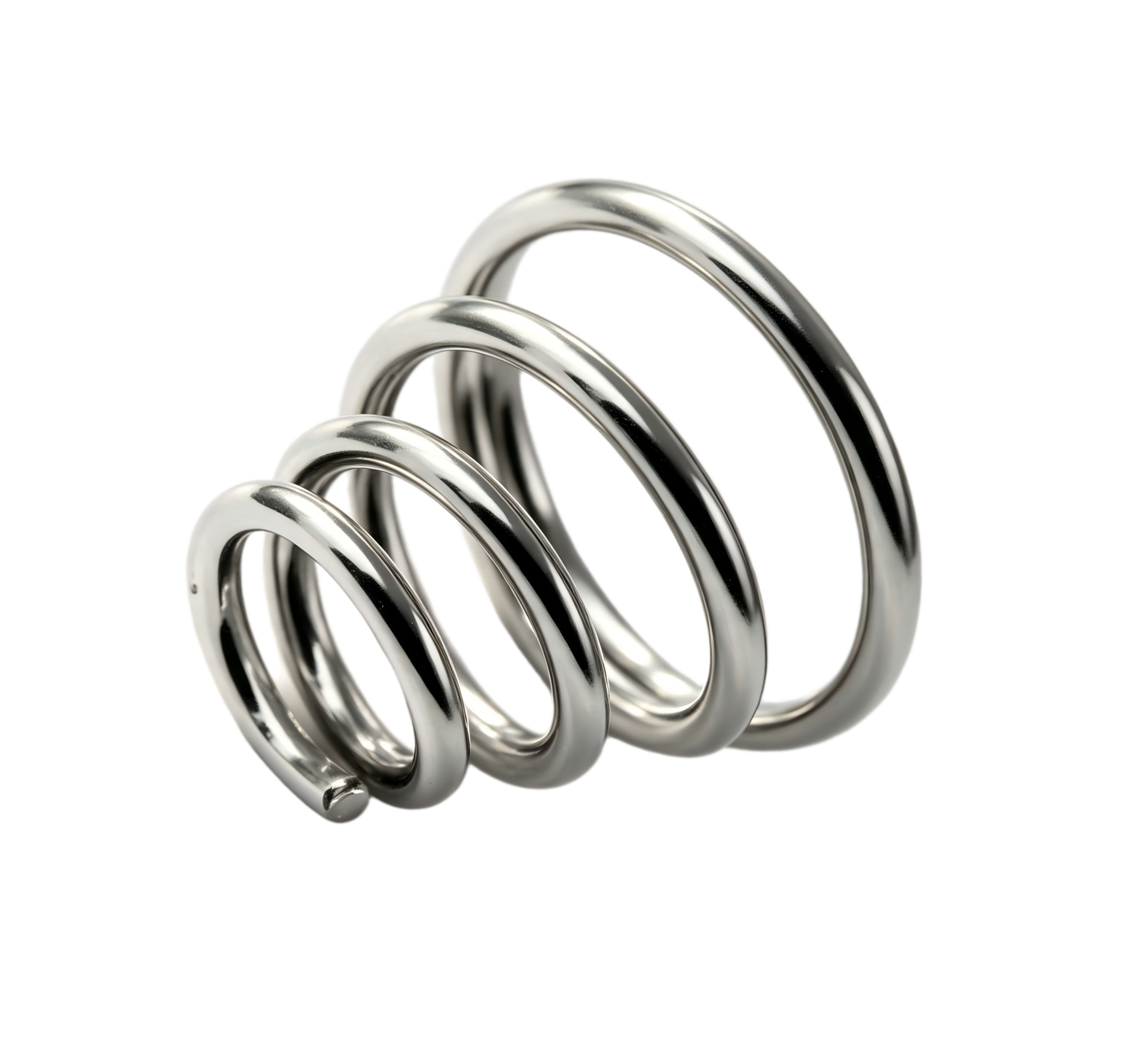
Garter Springs
Essentially an extension spring formed into a loop, it exerts a consistent radial force, perfect for holding seals snugly in place on a shaft or within a housing.
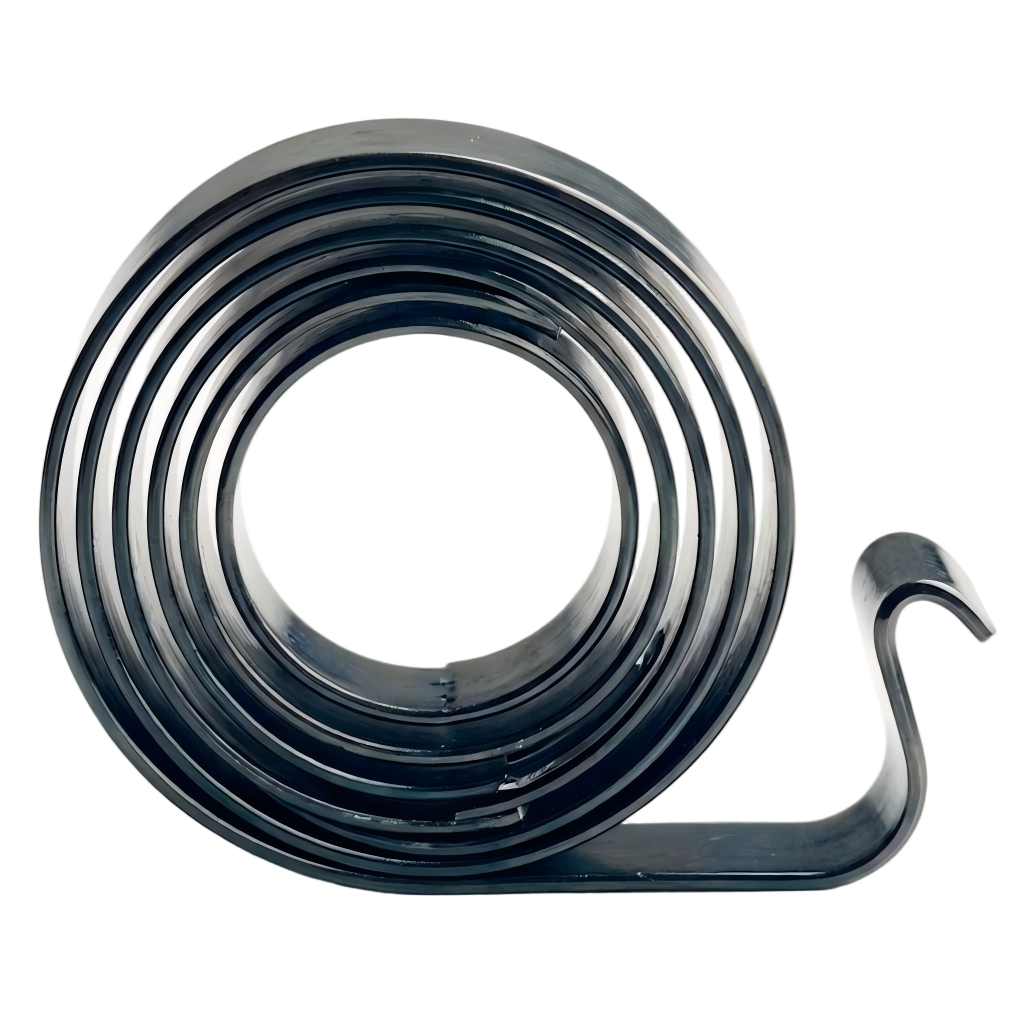
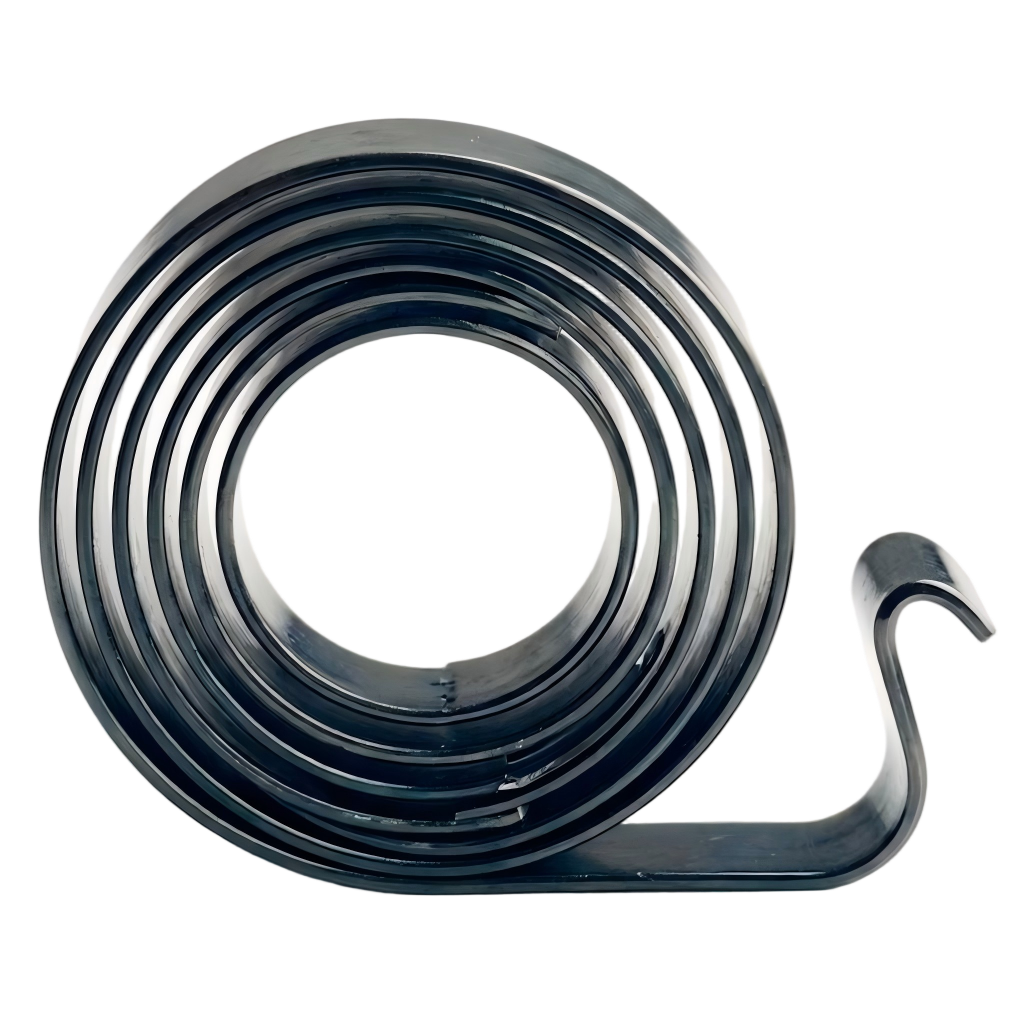
Rotor Springs
These are specialized torsion springs optimized to store significant rotational energy, often found in mechanisms that need a powerful, wound-up release of motion.
Common Spring Materials
A spring is only as good as the material it's made from. The choice dictates its strength, lifespan, and suitability for the environment.
- High-Carbon Steel & Music Wire: The standard for most applications, offering a reliable balance of high strength, good fatigue resistance, and cost-effectiveness.
- Stainless Steel (e.g., 302, 316): The go-to choice when corrosion resistance is needed—common in medical, marine, and food processing equipment. Grade 316 provides superior protection in harsh conditions. Stainless steel compression springs are particularly popular for outdoor and marine applications.
- Alloy Steels (e.g., Chrome Silicon): When springs face high stress, extreme temperatures, or millions of cycles (like in engine valves), these advanced alloys offer superior durability and fatigue life.
- Copper Alloys (e.g., Phosphor Bronze): Selected for their natural corrosion resistance, non-magnetic properties, and good electrical conductivity, often used in electrical connectors and marine components.
- High-Temperature Alloys (e.g., Inconel): For the most demanding environments in aerospace and energy, these high temperature spring materials maintain their properties under intense heat and corrosive conditions.
Advantages of Springs
- Predictable Energy Handling: They store and release energy in a controlled, reliable manner, enabling everything from timekeeping to safety mechanisms.
- Effective Shock Absorption: Springs cushion impacts and isolate vibrations, protecting delicate parts in machinery and vehicles.
- Consistent Force Application: They can maintain a set pressure or return a component to a specific position repeatedly and accurately.
- Space-Efficient Operation: Designs like wave and disc springs deliver significant force in a remarkably small package.
- Passive Tolerance Compensation: Springs automatically take up slack from wear or thermal expansion, ensuring assemblies stay tight and functional.
What Are Springs Used For?
It's easier to ask where springs aren't used. Their applications span every engineering discipline:
Automotive & Transportation: From suspension and engine valves to seat adjustments and brake systems.
Industrial Manufacturing: Critical in tooling (die springs), vibration isolation, robotic actuation, and assembly line equipment.
Aerospace & Defense: Used in flight controls, landing gear, and countless safety-critical subsystems where failure is not an option.
Medical Technology: Found in surgical instruments, prosthetic devices, and imaging equipment, often requiring specialized stainless steels.
Consumer Products: Enable the function of everything from watches and electronics to appliances and furniture.
Why Partner With LILY Bearing?
As an experienced spring manufacturer specializing in industrial springs, LILY Bearing provides expert guidance through the entire selection process—from material science and load analysis to prototyping and production.
Specifying the correct spring is a critical engineering decision that impacts product performance and longevity. We deliver not just components, but optimized custom springs solutions that enhance your design's reliability and durability, helping to mitigate risk and ensure success.
Ready to optimize your spring selection? Contact our engineering team for technical consultation and custom solutions tailored to your specific application requirements.