- Interchangeable With :
- Lee
Strip Springs
117 Products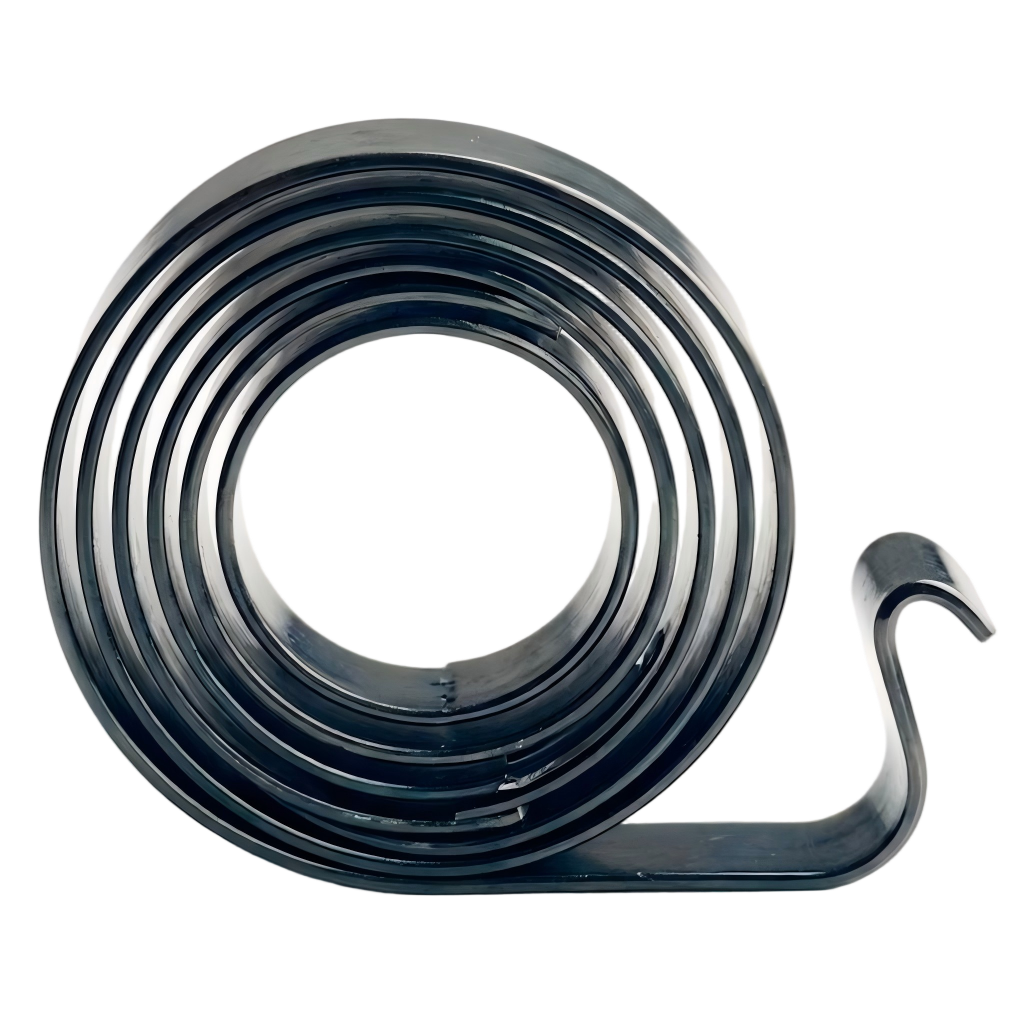
What Is a Strip Spring?
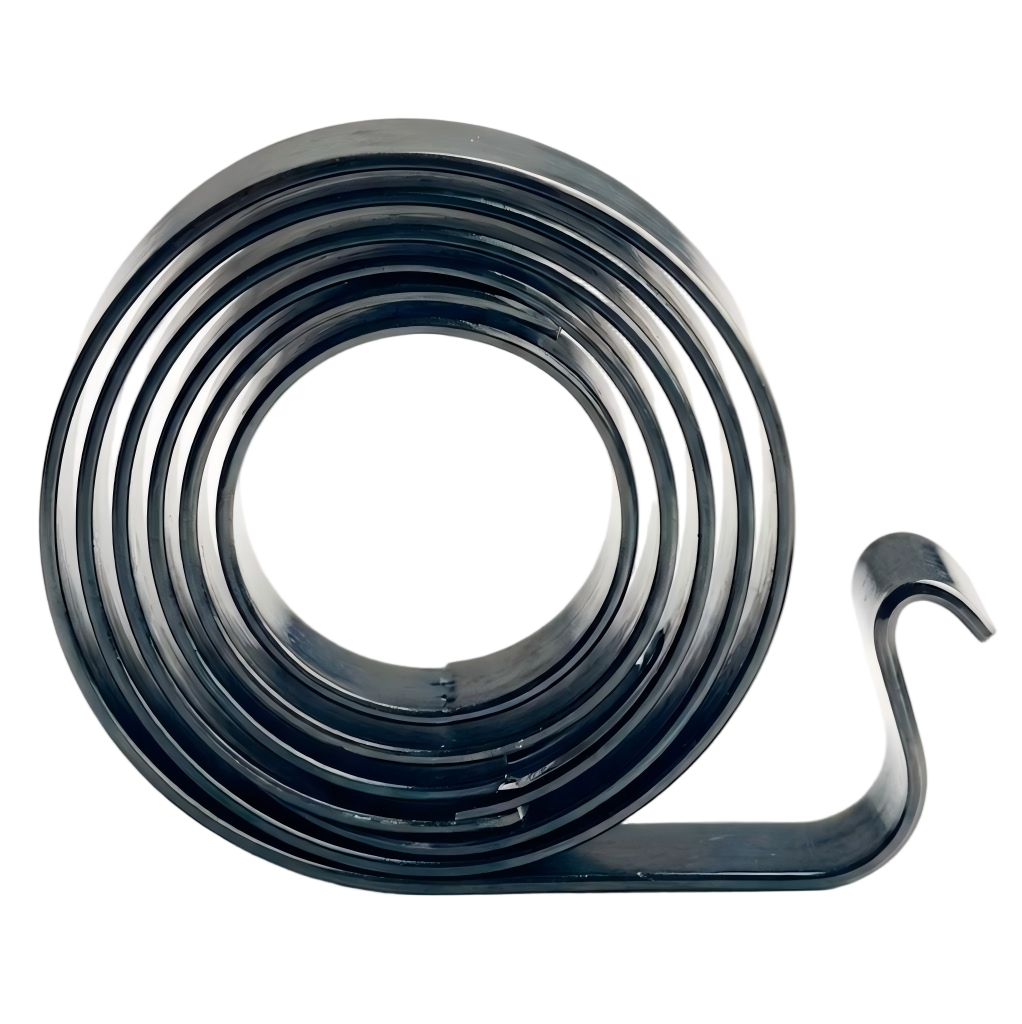
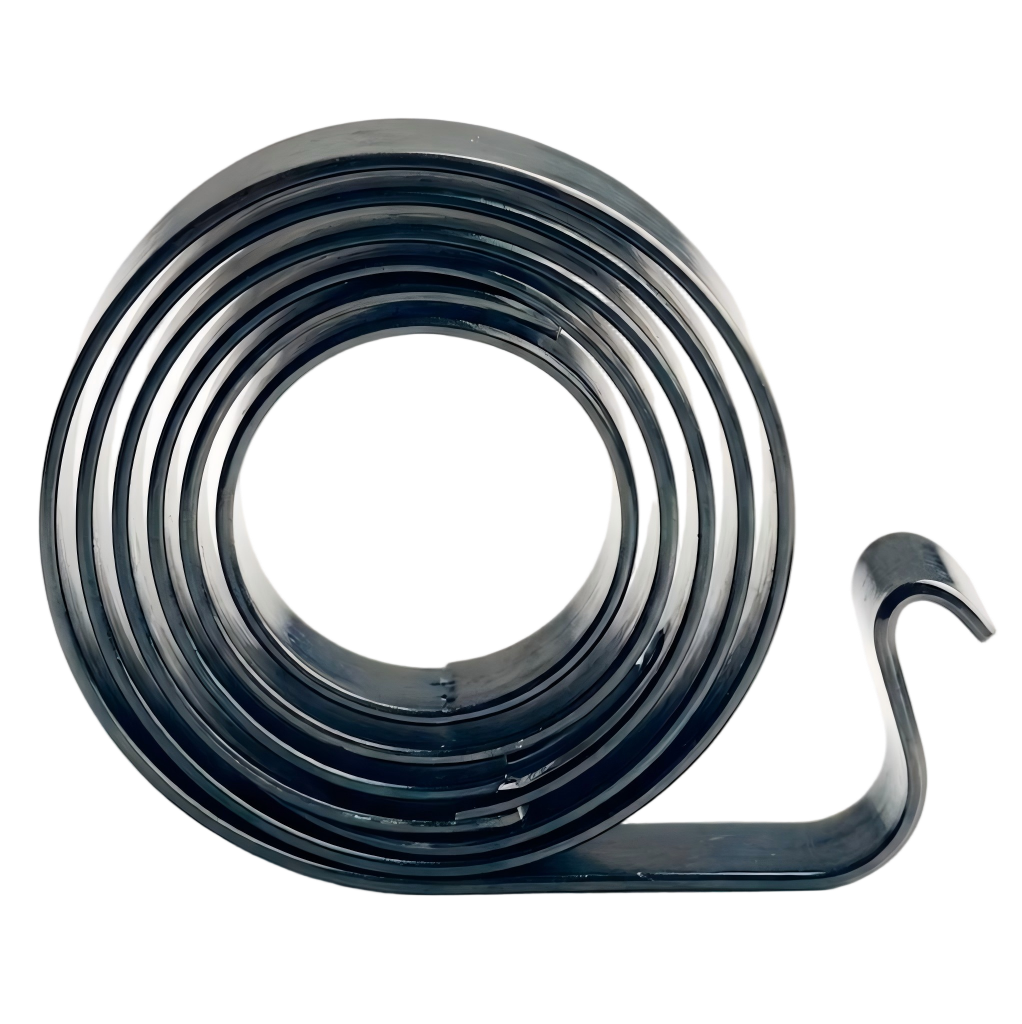
A strip spring—also known as a flat spring or spring strip—is a thin, flexible piece of metal engineered to store and release energy through bending rather than compression. Unlike coil springs, strip springs are produced from flat metal strips and formed into shapes such as cantilevers, clips, U-shapes, or custom geometries.
They provide controlled deflection, precise force output, and excellent fatigue performance in compact spaces, making them widely used in mechanical assemblies, electrical devices, and precision instruments.
Characteristics of a Strip Spring
- Flat Profile Design: Made from thin metal strips, allowing compact integration in tight or flat assemblies.
- Flexible Bending Motion: Stores energy through bending deformation, offering smooth, linear force output.
- Highly Customizable: Available in various thicknesses, lengths, widths, and shapes to meet specific load and deflection requirements.
- High Fatigue Resistance: Designed to withstand repeated bending cycles without cracking.
- Corrosion-Resistant Options: Materials such as stainless steel ensure durability in harsh environments.
- Consistent Force Output: Provides predictable force-deflection performance over long-term use.
- Low Noise & Vibration: Produces quieter motion than many coil spring alternatives.
- Lightweight: Typically lighter than compression or torsion springs while delivering comparable performance in small-scale applications.
How Strip Springs Work
A strip spring operates by bending when force is applied:
Force Application: External load causes the spring to flex.
Energy Storage: The metal strip stores mechanical energy through elastic bending deformation.
Return Motion: When the load is removed, the spring returns to its original shape, delivering controlled return force.
Because they rely on bending instead of compression, strip springs excel in low-profile designs, precision mechanisms, and controlled-motion devices.
Common Materials of Strip Springs
Strip springs are made from materials that offer high strength, good elasticity, and excellent durability:
- High-Carbon Steel (e.g., 1075, 1095): Provides high strength and cost-effective performance.
- Stainless Steel (e.g., 301, 304, 316): Offers corrosion resistance for harsh environments.
- Beryllium Copper: Provides excellent fatigue resistance and conductivity for electrical applications.
- Phosphor Bronze: Good corrosion resistance and flexibility for precision components.
- Alloy Steels: Used when high load or extreme cycles are required.
These materials ensure stable performance under repeated bending and long-term use.
Key Advantages of Strip Springs
- Compact Design: Ideal for applications where space is limited.
- High Precision: Provides accurate, repeatable force control.
- Excellent Fatigue Life: Handles millions of bending cycles without failure.
- Versatile Geometry: Easily formed into clips, clamps, tabs, and custom shapes.
- Corrosion-Resistant Options: Suitable for outdoor, marine, and chemical environments.
- Low Weight: Reduces overall component mass while maintaining strength.
- Low Noise Operation: Minimizes vibration and mechanical chatter.
- Cost-Effective Manufacturing: Can be stamped, laser-cut, or formed efficiently.
Applications of Strip Springs
- Strip springs are widely used across consumer, industrial, and high-precision markets:
- Electrical Contacts & Switches: Provides pressure and conductivity in circuit components.
- Clips, Clamps & Fasteners: Used in assemblies for holding, locking, or tensioning.
- Automotive Components: Applied in latches, connectors, and interior assemblies.
- Medical Devices: Enables precision motion and controlled force in compact instruments.
- Aerospace Systems: Used for lightweight, reliable mechanical functions.
- Consumer Electronics: Supports buttons, battery contacts, and mechanical return mechanisms.
- Industrial Machinery: Provides tension or holding force in fixtures and mechanisms.
- Appliances & Tools: Used in latching systems, controls, and motion components.