Gears
5241 Products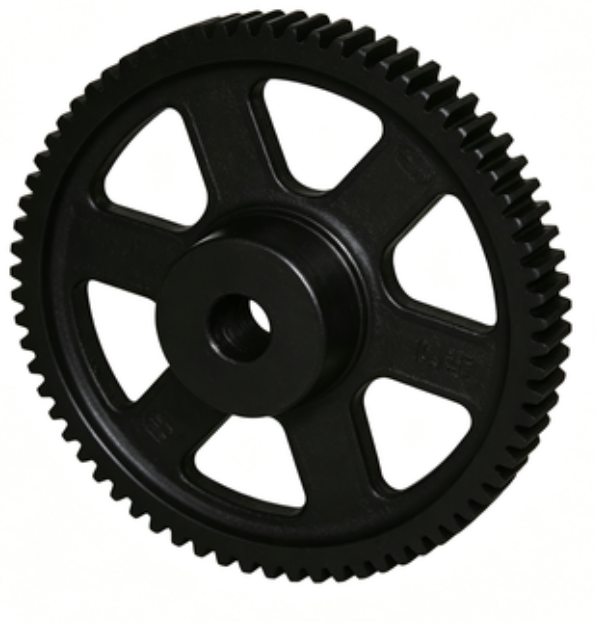
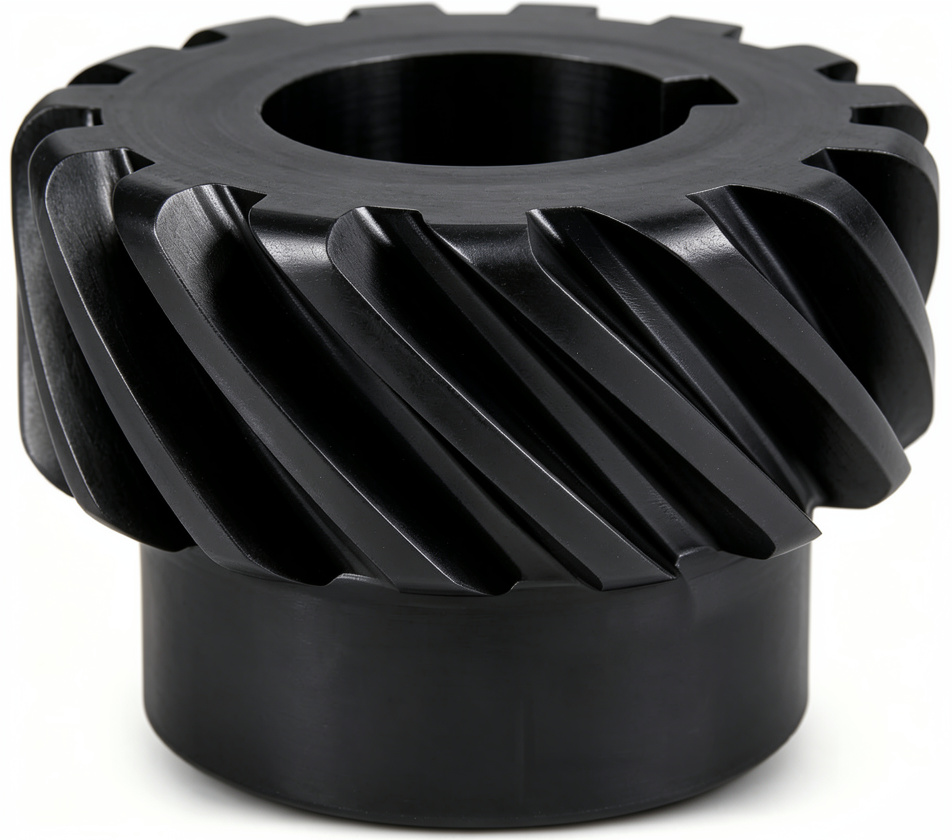
What Is a Gear?
A gear is a mechanical component designed with evenly spaced teeth along a cylindrical or conical surface, enabling the transfer of torque and rotational motion between shafts. By interlocking with another toothed part, gears ensure precise power transmission, allowing adjustment of speed, direction, and torque. Depending on design, gear teeth may be cut or molded directly into the gear body. When two or more gears operate together, they form a gear train, while a toothed linear element known as a rack enables conversion between rotary and linear motion.
Key Functions of Gears
Speed Regulation
Gears enable precise control of rotational speed. By selecting appropriate gear ratios, our products can either increase output speed or reduce it while maintaining optimal torque.
Power Transmission
Interlocking gear teeth ensure smooth and slip-free power transfer between shafts, providing consistent motion and energy efficiency in industrial systems.
Torque Adjustment
Gears can amplify torque or increase speed depending on the ratio. Overall efficiency depends on gear type and lubrication.
Directional Control
Through careful design and configuration, gears can change the direction of rotation, enabling compact and versatile machinery designs for automotive, industrial, and precision equipment.
Common Gear Types and Configurations
As a trusted gear supplier, we offer a comprehensive range of industrial gears to meet diverse industrial needs:
- Spur Gears: Straight-tooth cylindrical gears for smooth power transmission between parallel shafts; ideal for moderate-speed machinery.
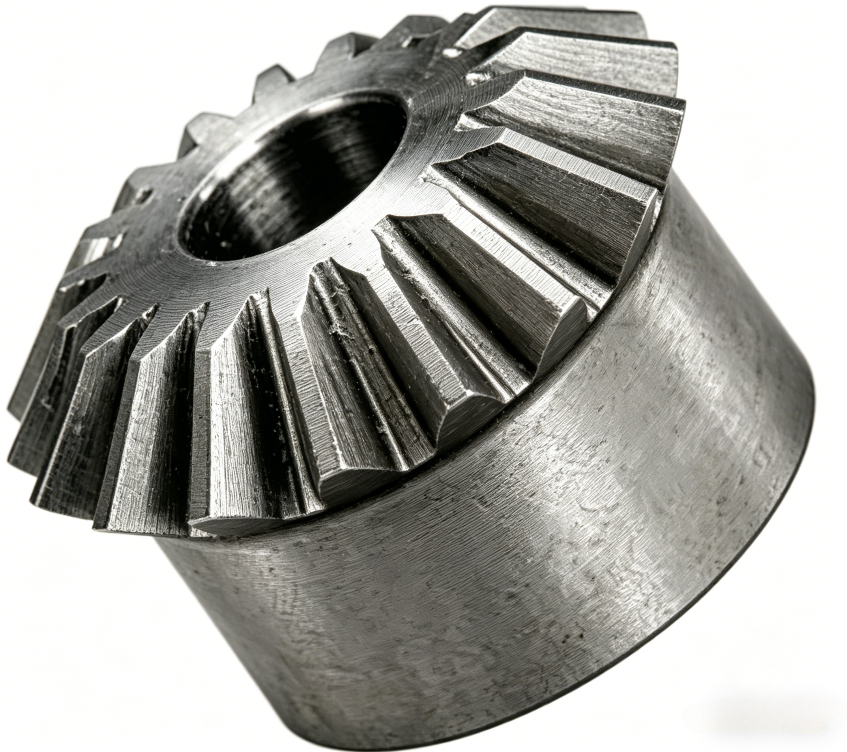
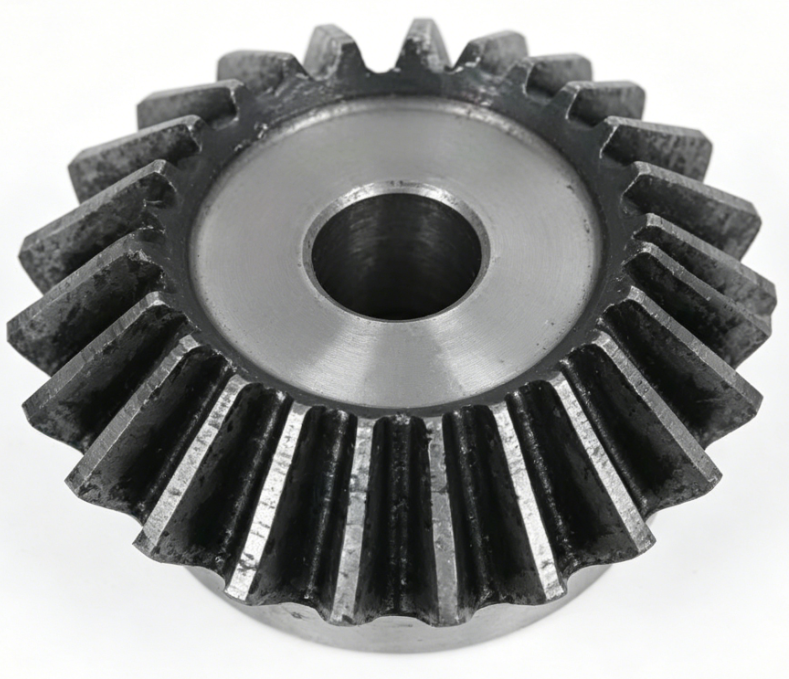
- Miter Gears: Bevel gears for 90° shaft intersections with 1:1 ratio; straight or spiral teeth ensure reliable direction change.
- Bevel Gears: Conical gears transmitting motion between angled shafts; available in straight, spiral, or hypoid designs for high-load applications.
- Worm and Worm Gears: Worm and worm wheel sets providing high reduction ratios and optional self-locking; compact and efficient with proper lubrication.
- Gear Rack: Straight or helical racks converting rotary motion to precise linear movement; suited for automation and positioning systems.
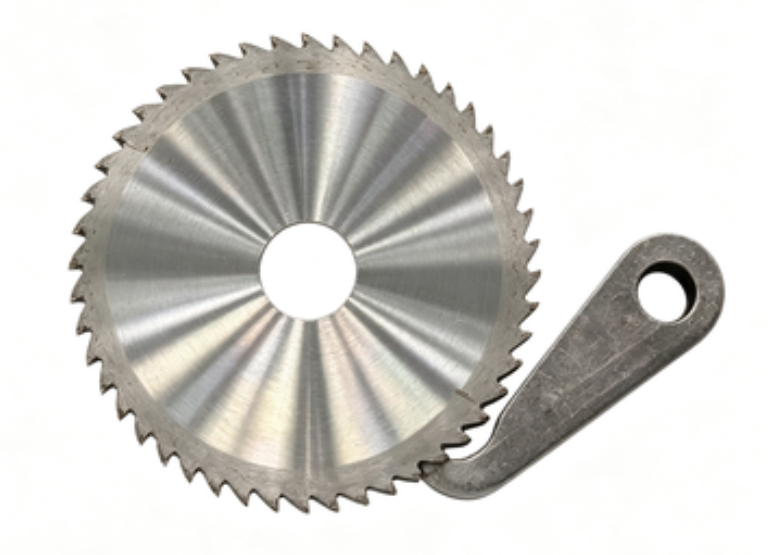
- Ratcheting Gears: One-way gears with pawl mechanisms for controlled, incremental motion; prevent reverse rotation.
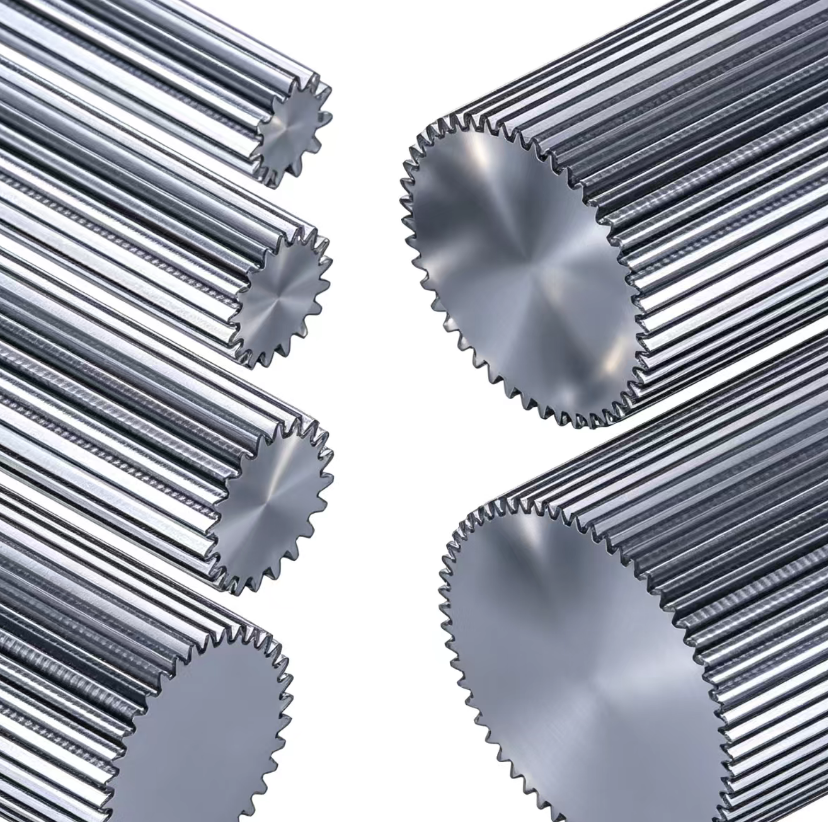
- Gear Rod Stock: Pre-cut, precision-toothed rods for custom gear fabrication, prototyping, or multiple identical gears.
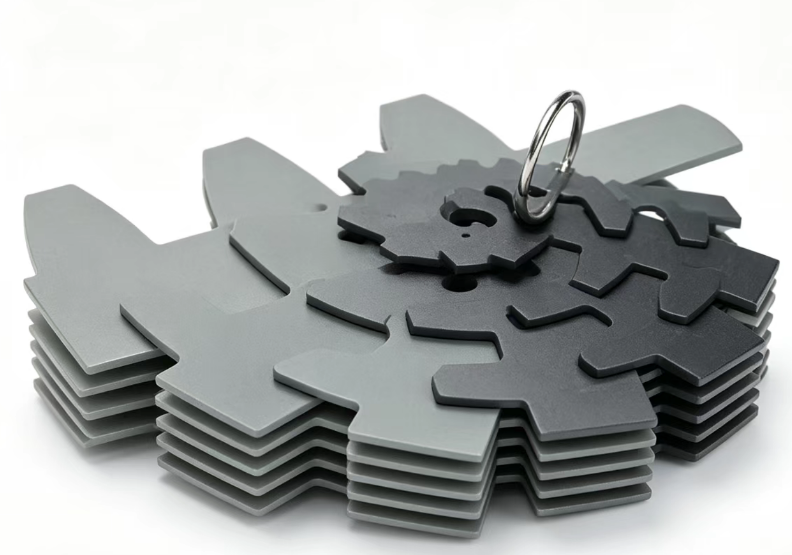
- Gear Tooth Pitch Identifiers: Gauges for measuring gear tooth pitch, module, and spacing; ensure accurate meshing and compatibility.
Materials Used in Gear Manufacturing
Gears are crafted from high-performance materials chosen to match operational demands:
- Alloy and Carbon Steels: Excellent strength, fatigue resistance, and heat-treatable for heavy-duty applications.
- Stainless Steel: Corrosion-resistant, ideal for food processing, marine, and medical devices.
- Copper Alloys (Brass, Bronze): Low noise, self-lubricating, suitable for sliding and worm gear applications.
- Aluminum Alloys: Lightweight, corrosion-resistant, suitable for aerospace, robotics, and automotive systems.
- Engineering Plastics (POM, Nylon, Polycarbonate): Quiet, lightweight, and cost-effective for electronics, appliances, and low-load applications.
Advanced surface treatments, precision machining, and heat treatment ensure optimal durability and performance for every gear type.
What Are Gears Used For?
Gears serve a wide range of industries and machinery:
- Automotive: Transmissions, steering systems, and drivetrain components.
- Industrial Machinery: Conveyor systems, mixers, presses, and CNC equipment.
- Robotics & Automation: Compact, precise motion control.
- Marine & Aerospace: Corrosion-resistant and high-strength applications.
- Consumer Devices: Printers, appliances, and actuators requiring quiet, reliable performance.
Why Choose LILY Bearing?
- Precision Engineering: Each precision gear is manufactured to exact specifications, ensuring smooth operation and optimal meshing. Compliant with international standards (ISO, AGMA, DIN) for quality assurance.
- Material Excellence: Selection of premium metals and polymers to match specific application needs.
- Custom Solutions: Tailored designs for specialized machinery, including unique tooth profiles, gear ratios, and axis configurations.
- Durability & Reliability: Designed for high-load, high-speed, and long-life applications.
- Global Support: Expertise in industrial gear applications and after-sales technical assistance.