Nuts
11219 Products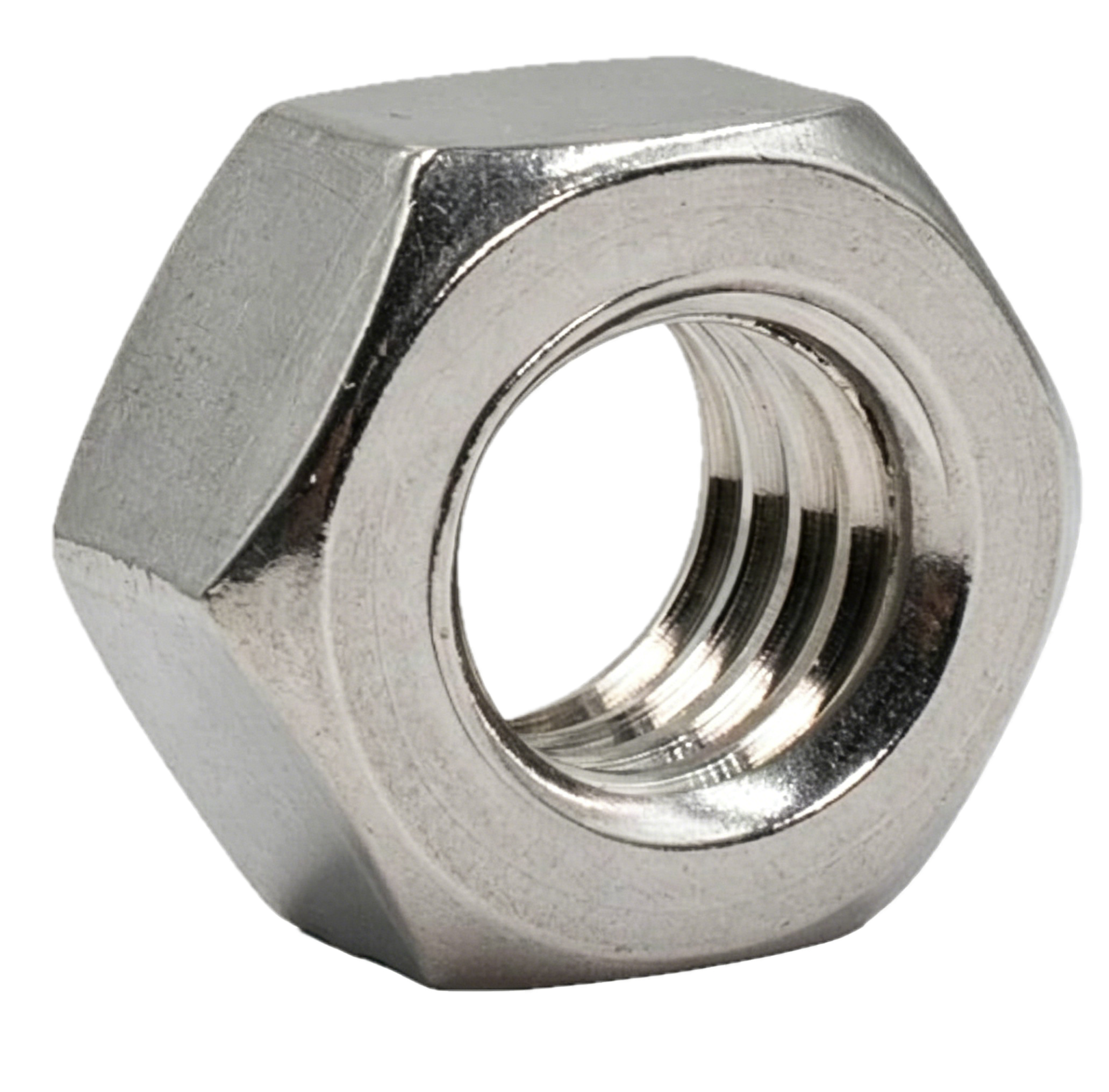
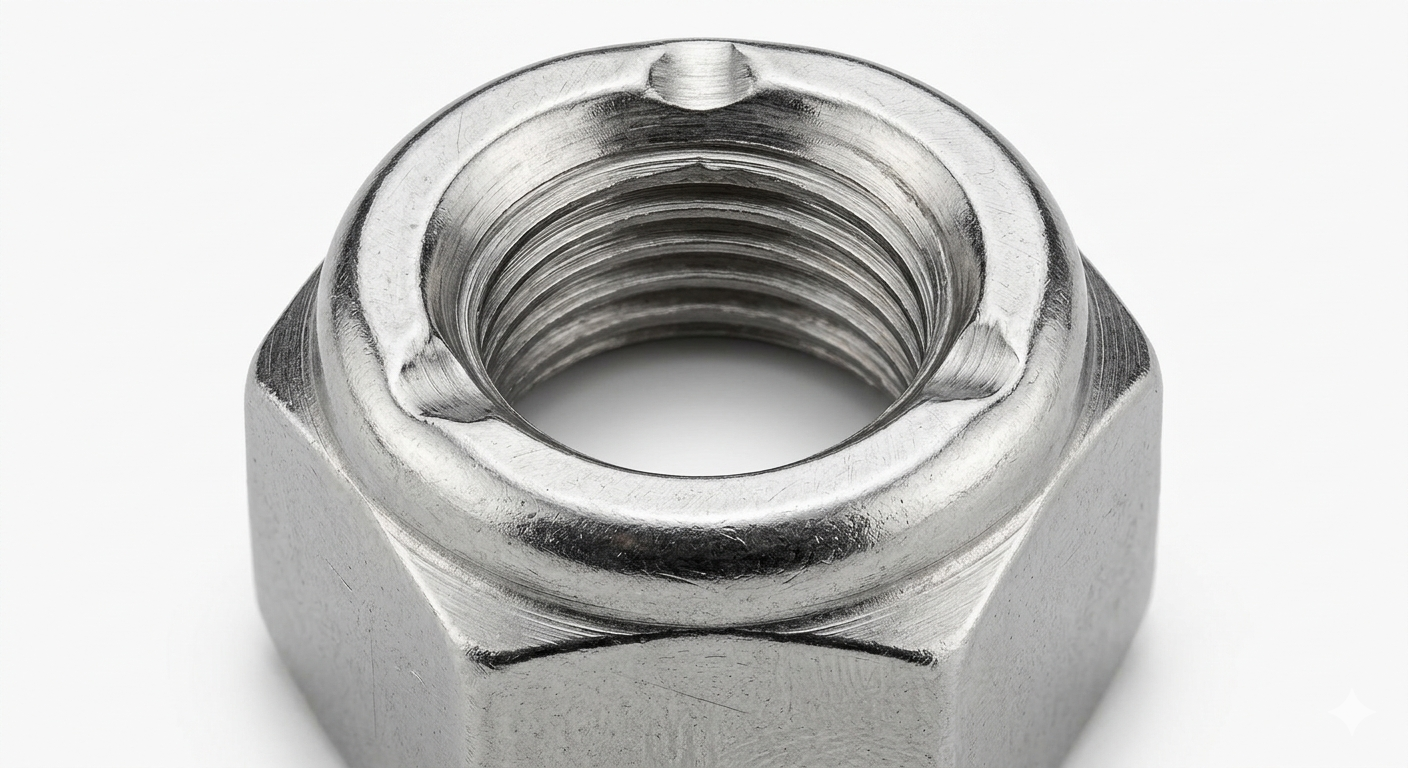
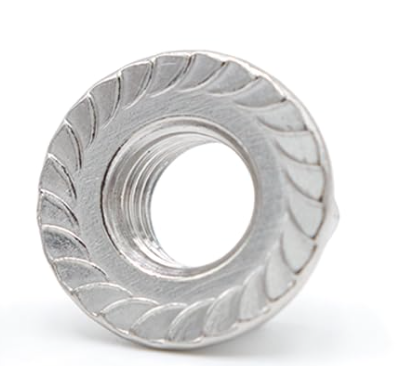
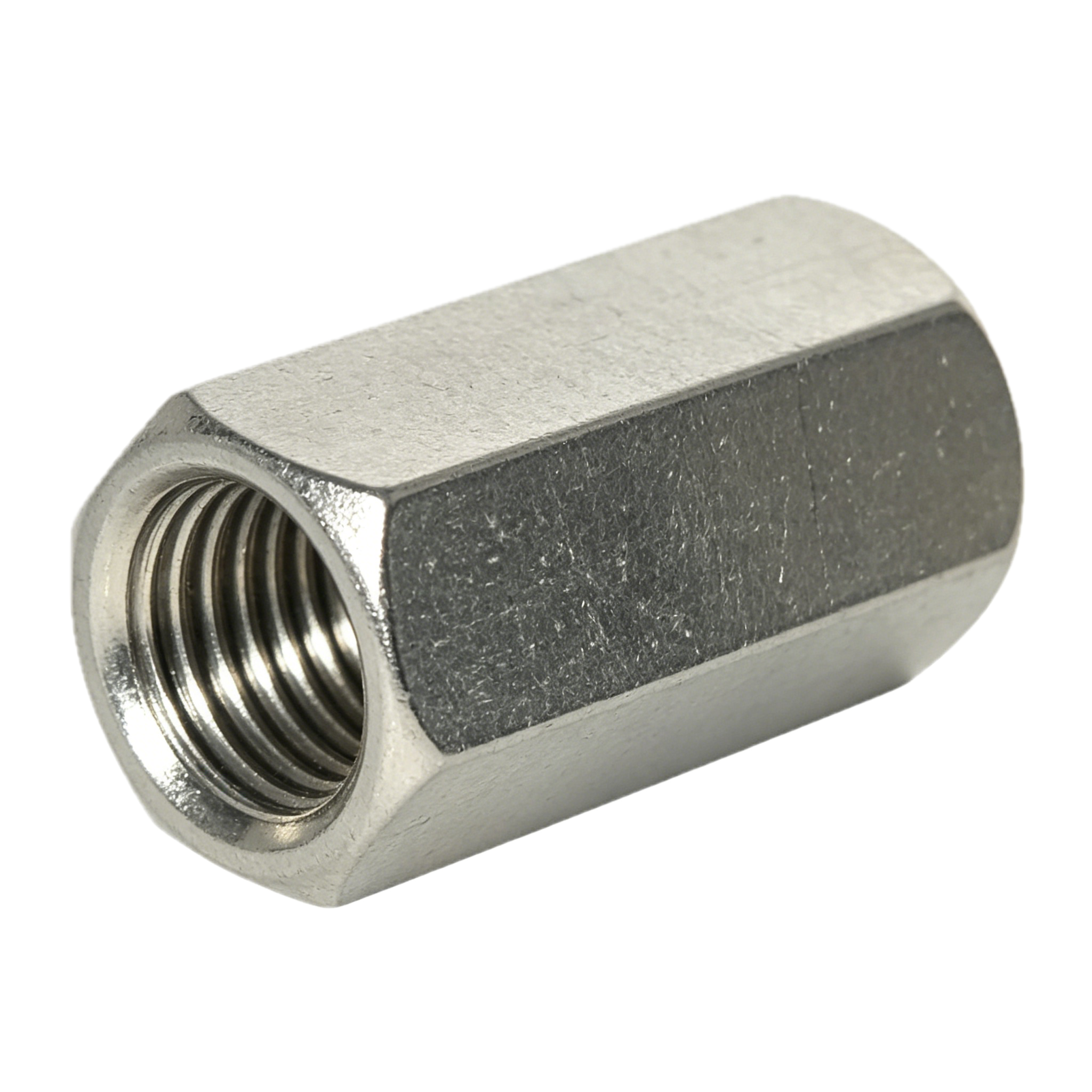
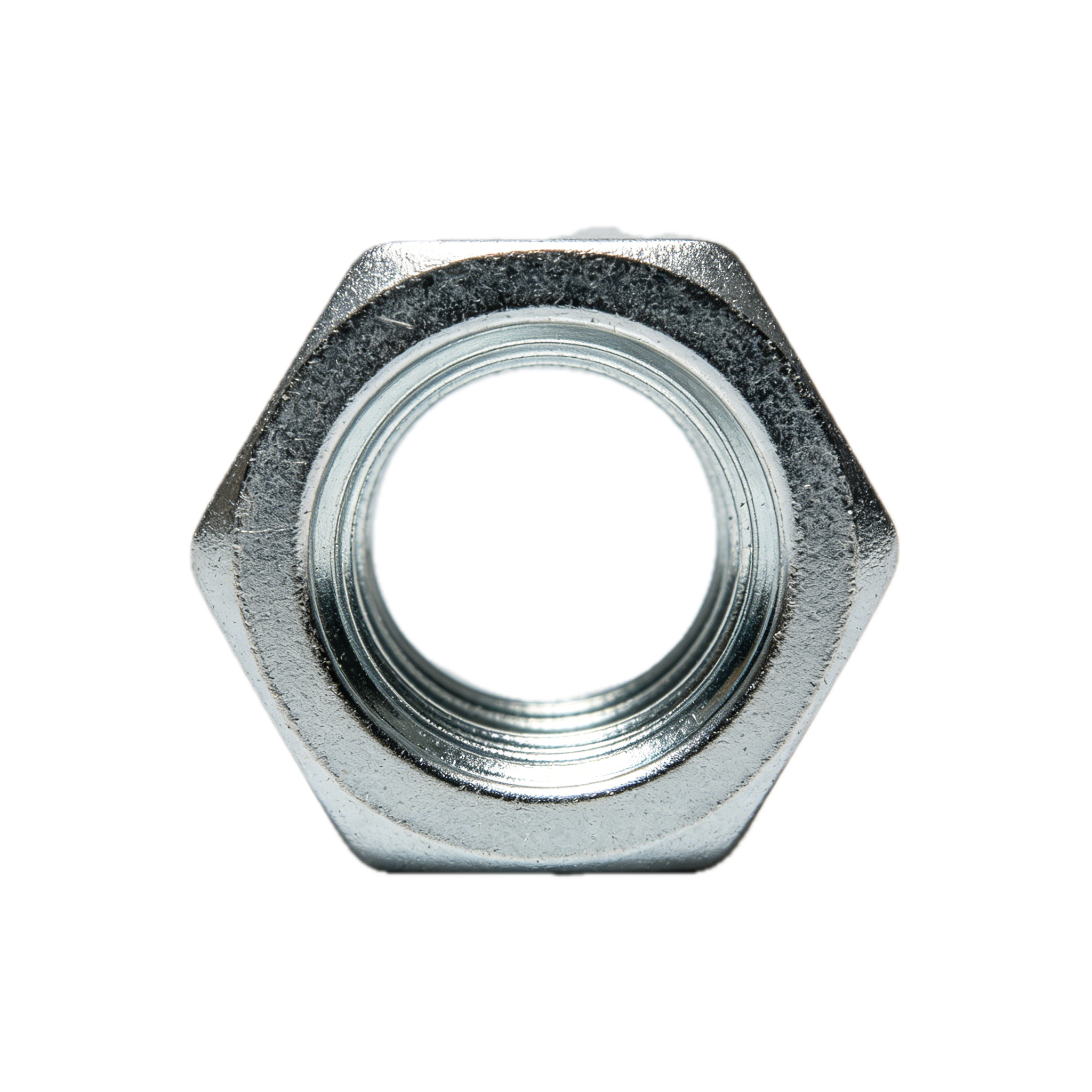
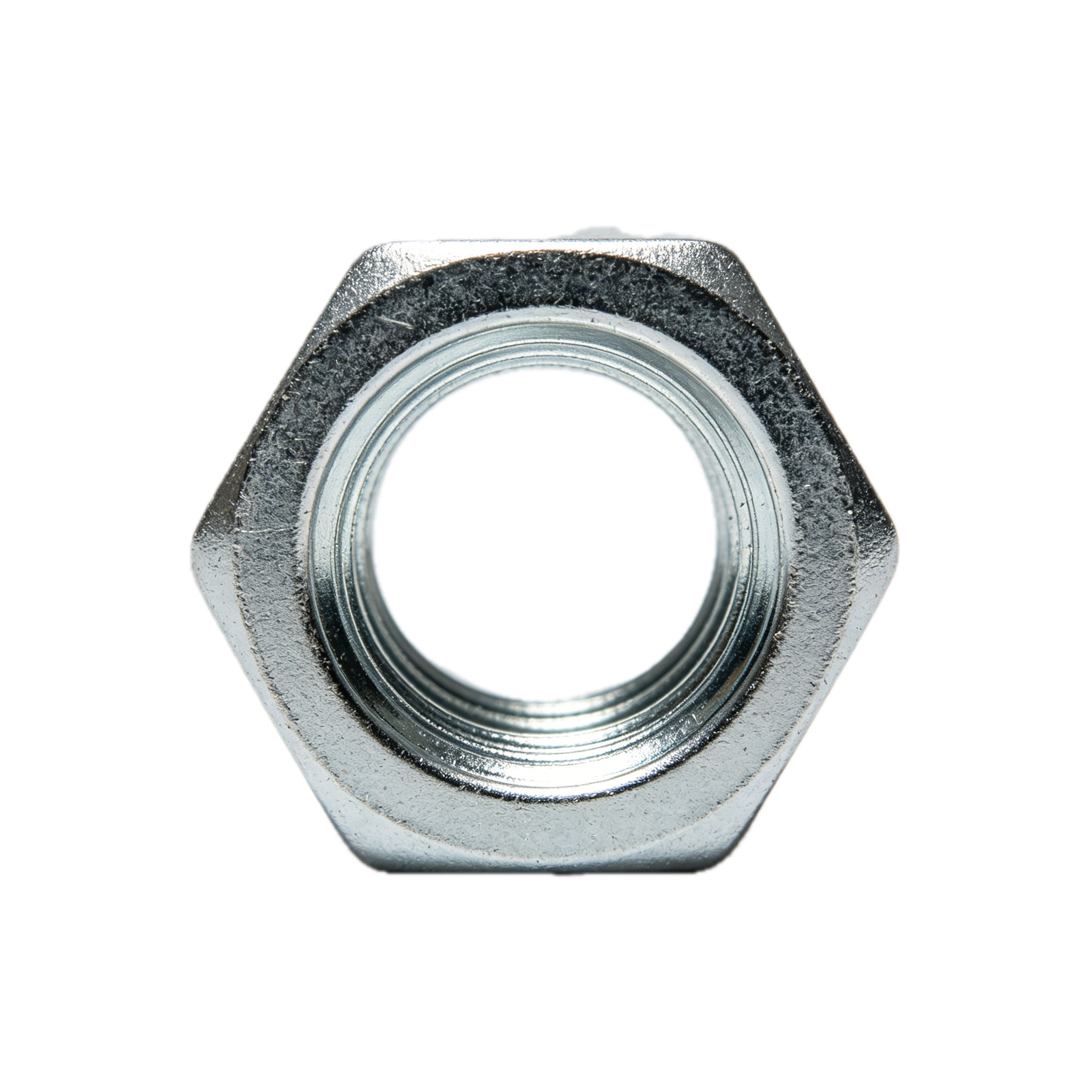
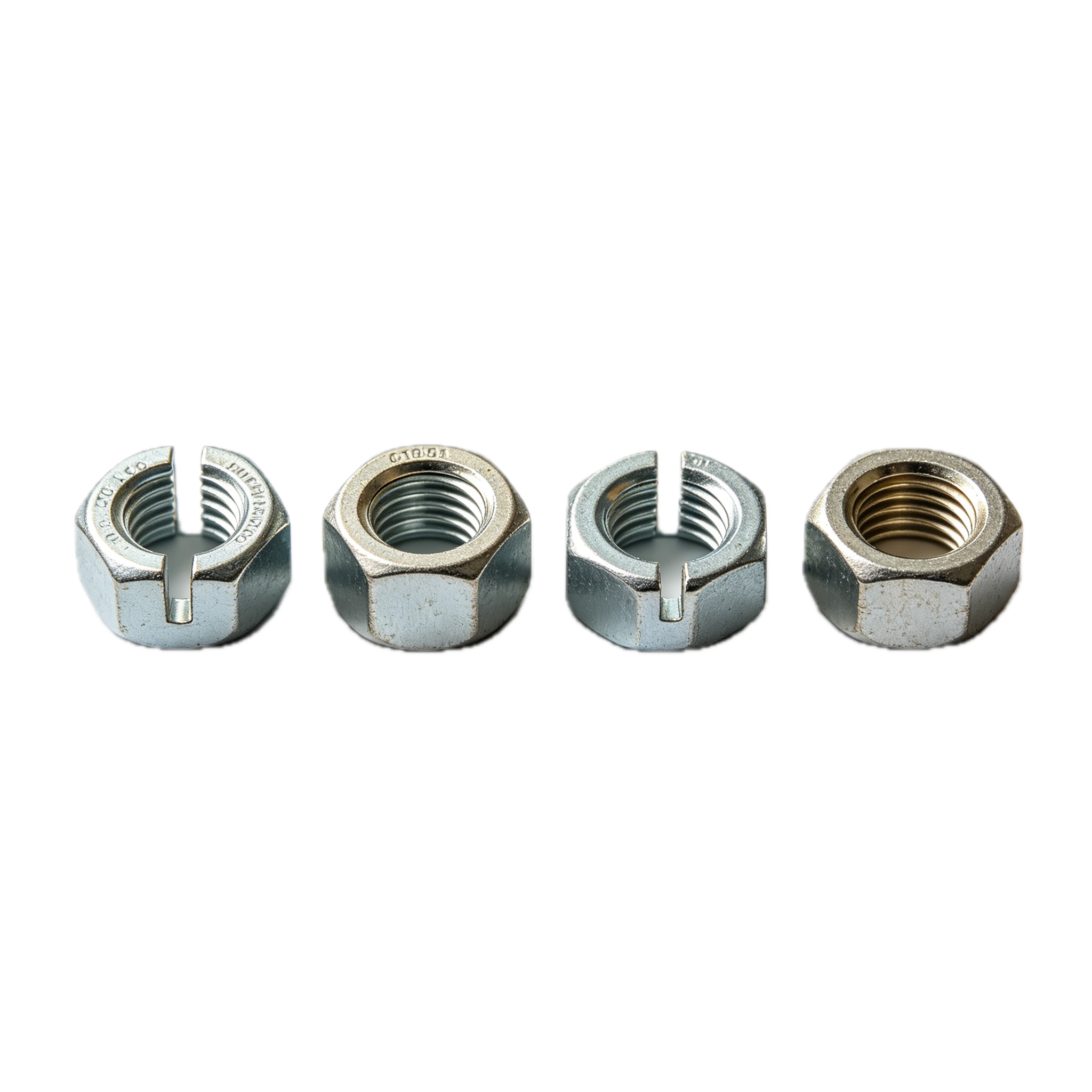
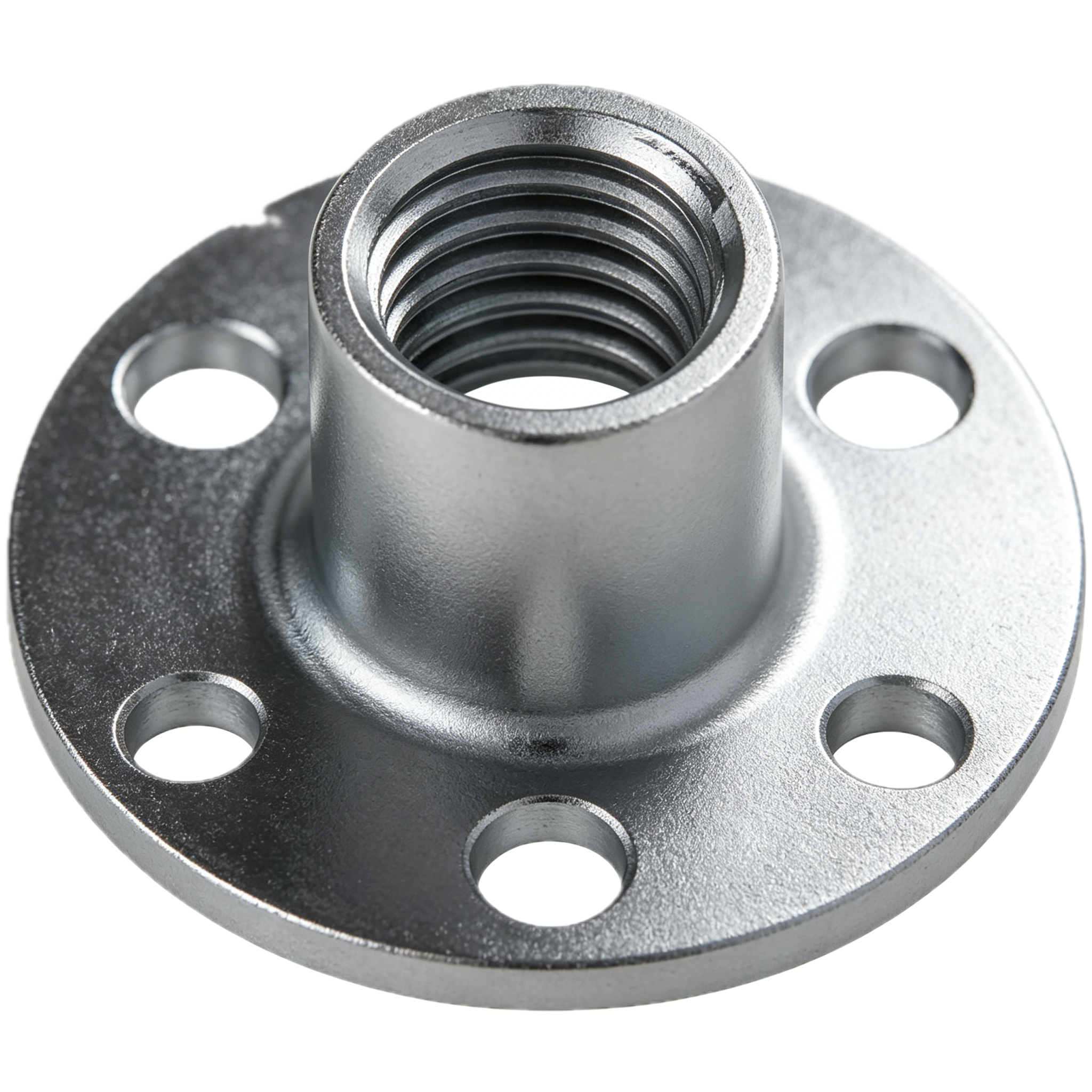
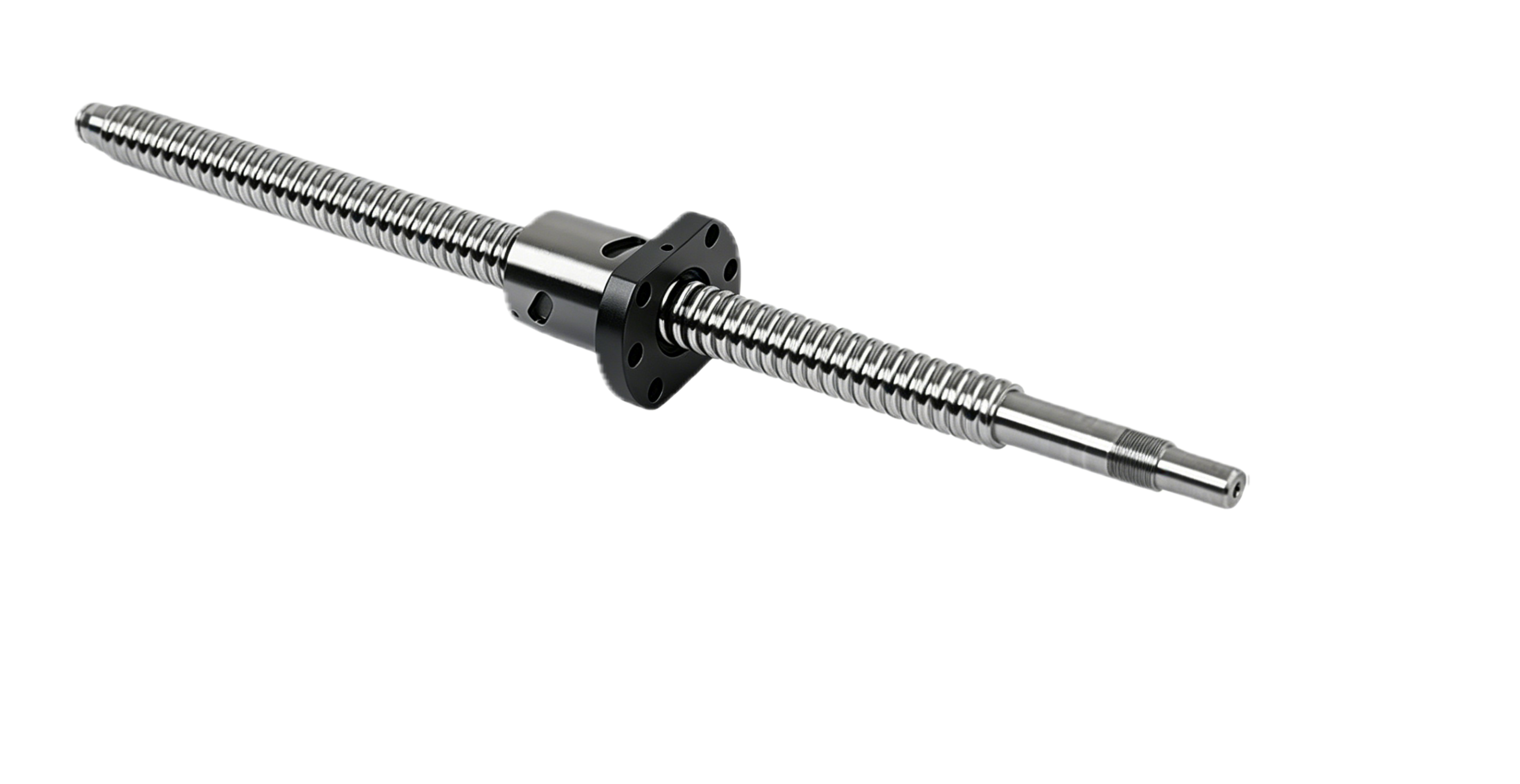
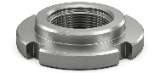
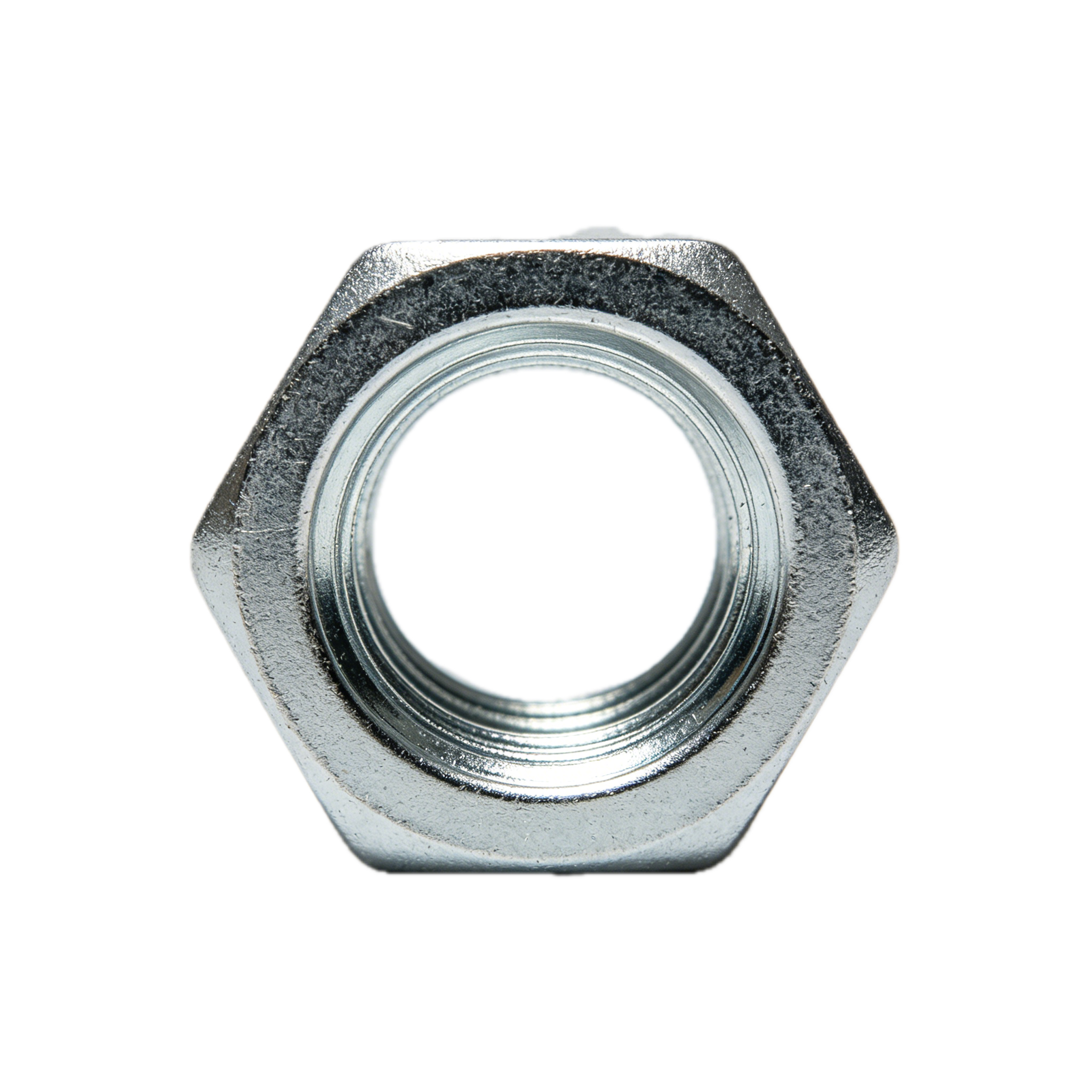
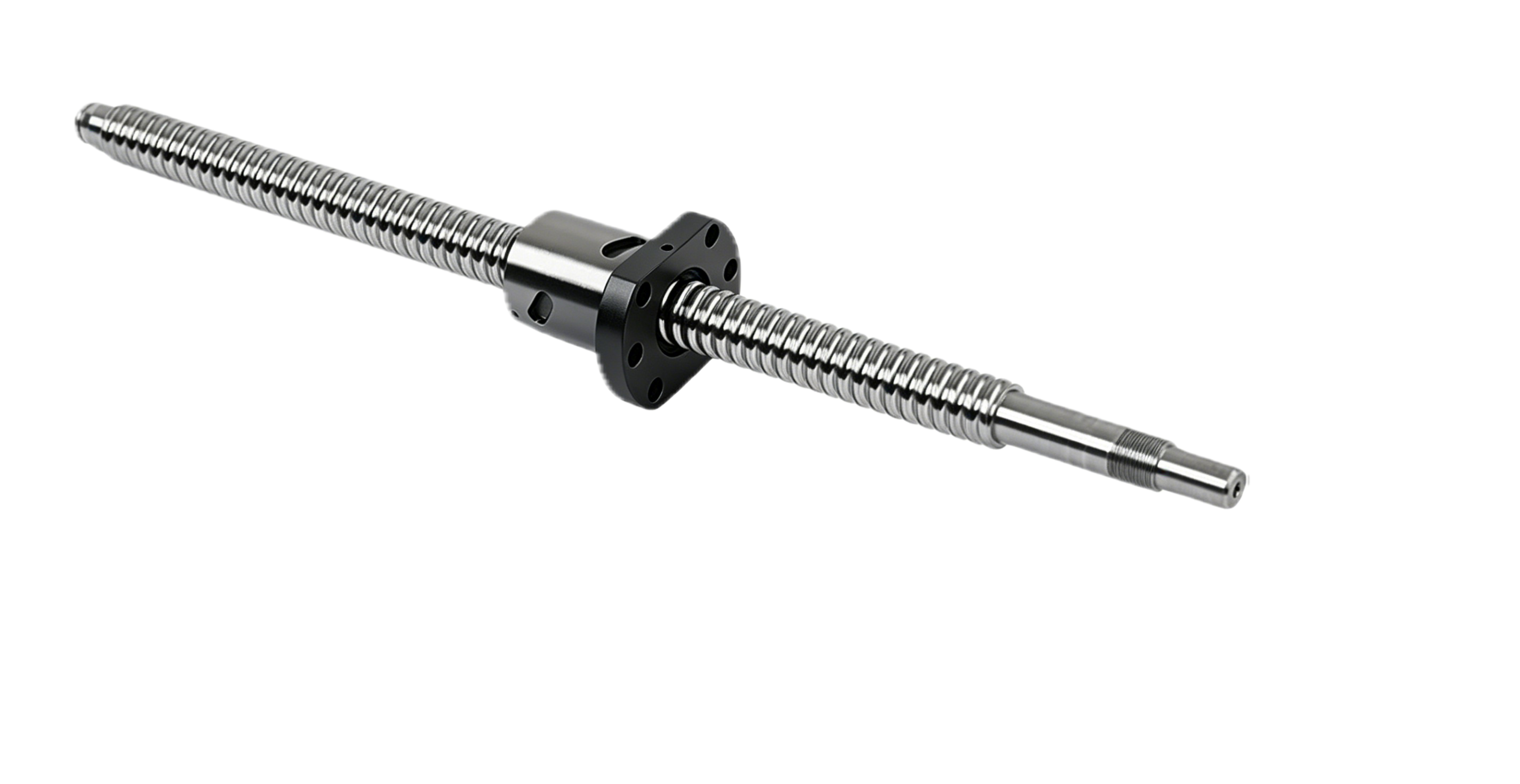
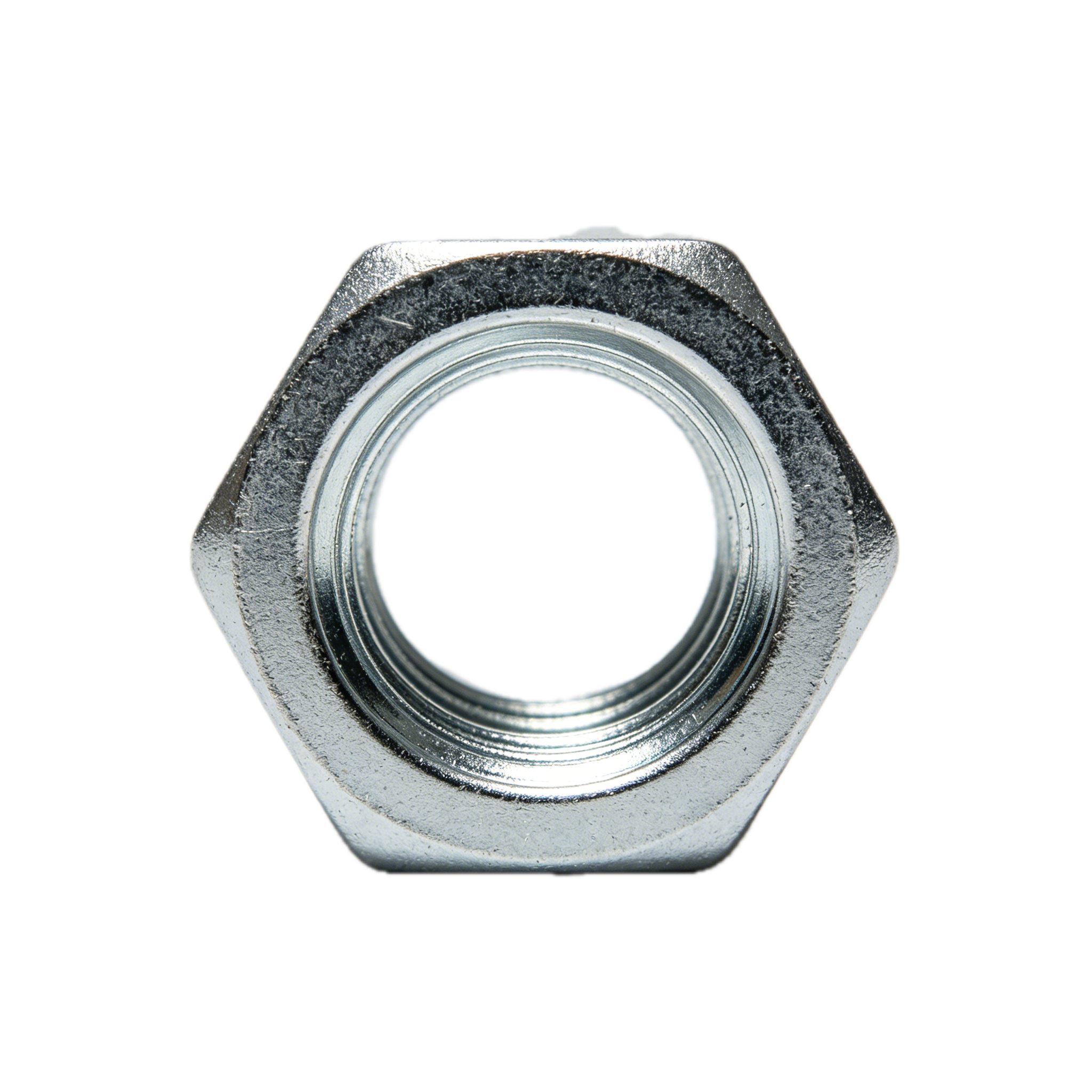
LILY Bearing stocks 11,219 nuts across 29 types — from general-purpose hex nuts to vibration-resistant locknuts and weld-mount styles — in both Inch (8,083 SKUs) and Metric (3,136 SKUs) thread systems. Use the filters below, or the comparison table, to narrow down by nut type, thread size, or system of measurement.
Compare Common Nut Types
| Type | How It Works | Common Materials | Best For | Watch Out For |
|---|---|---|---|---|
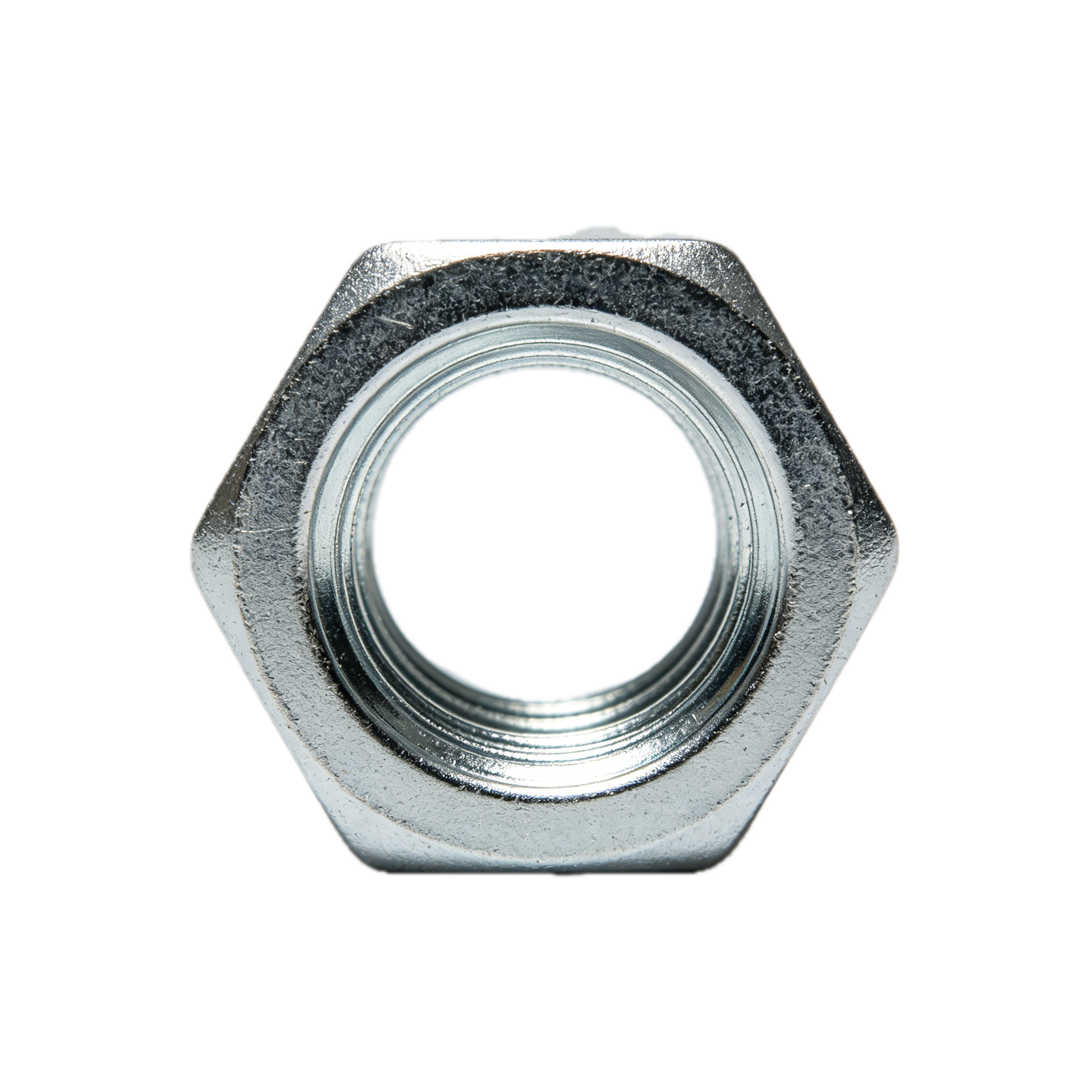
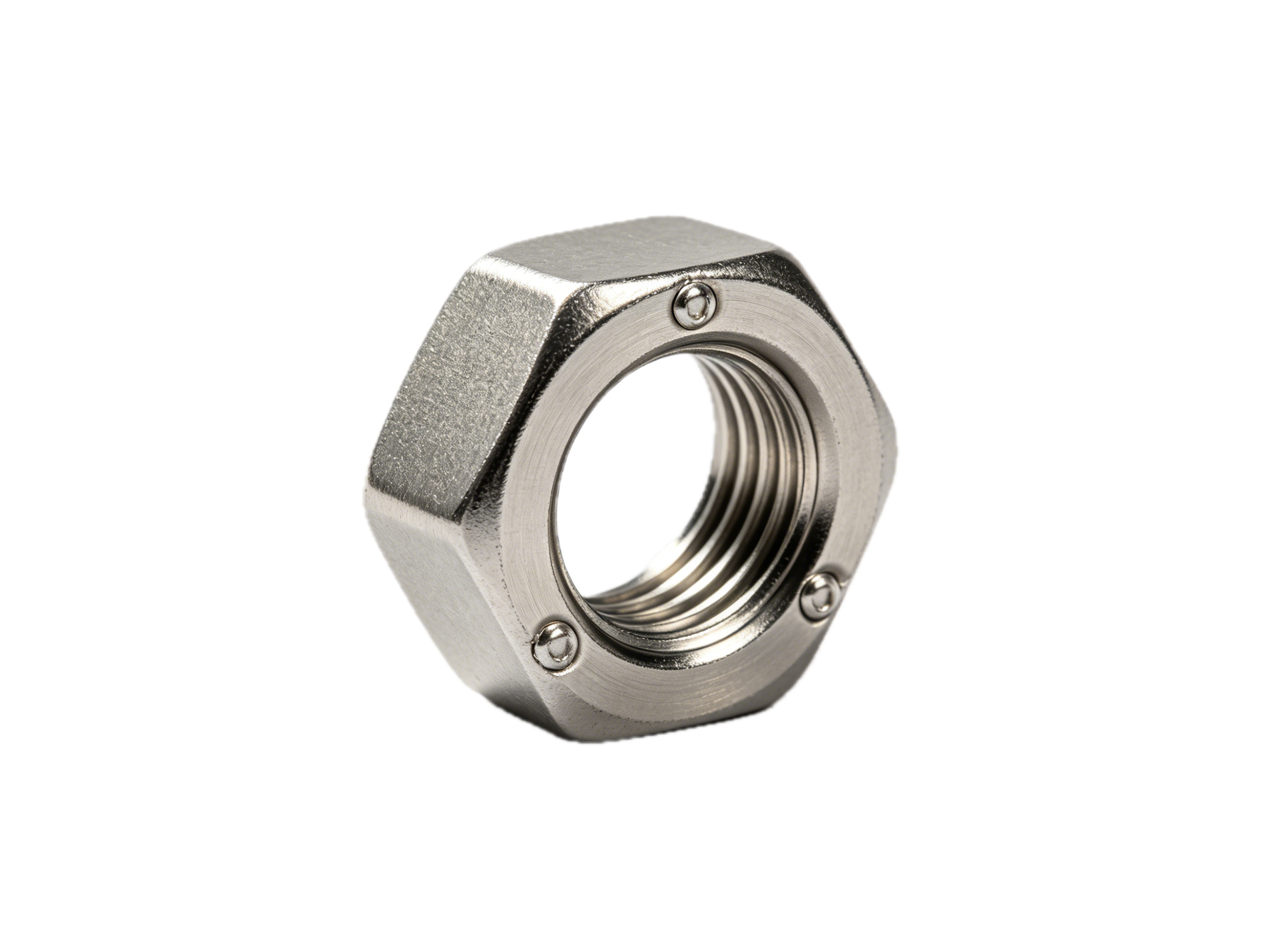
| Hex Nuts | General-purpose six-sided nut; clamp load is distributed across the flats, no built-in anti-loosening feature | Steel, 18-8 & 316 stainless, brass, bronze, aluminum, nickel alloy, titanium, nylon and other engineered plastics | Everyday assembly across inch and metric threads | Add a lock washer or switch to a locknut in vibration-prone assemblies |
| Locknuts | Nylon insert or all-metal prevailing-torque/serrated design grips the bolt threads to resist back-out | Steel, stainless steel, brass, aluminum, titanium | High-vibration machinery, automotive, and rotating equipment | Nylon-insert types have a lower temperature ceiling than all-metal locknuts |
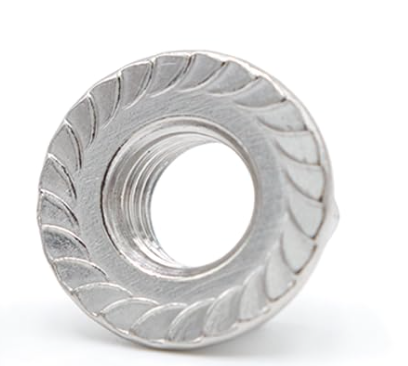
| Flange Nuts | Built-in washer-style flange spreads clamp load over a wider bearing surface; serrated versions bite into the mating face | Steel (multiple grades), 18-8 stainless steel, brass, fiberglass | Softer or thin materials prone to surface damage or loosening | Flange diameter needs enough clearance on the mating part |
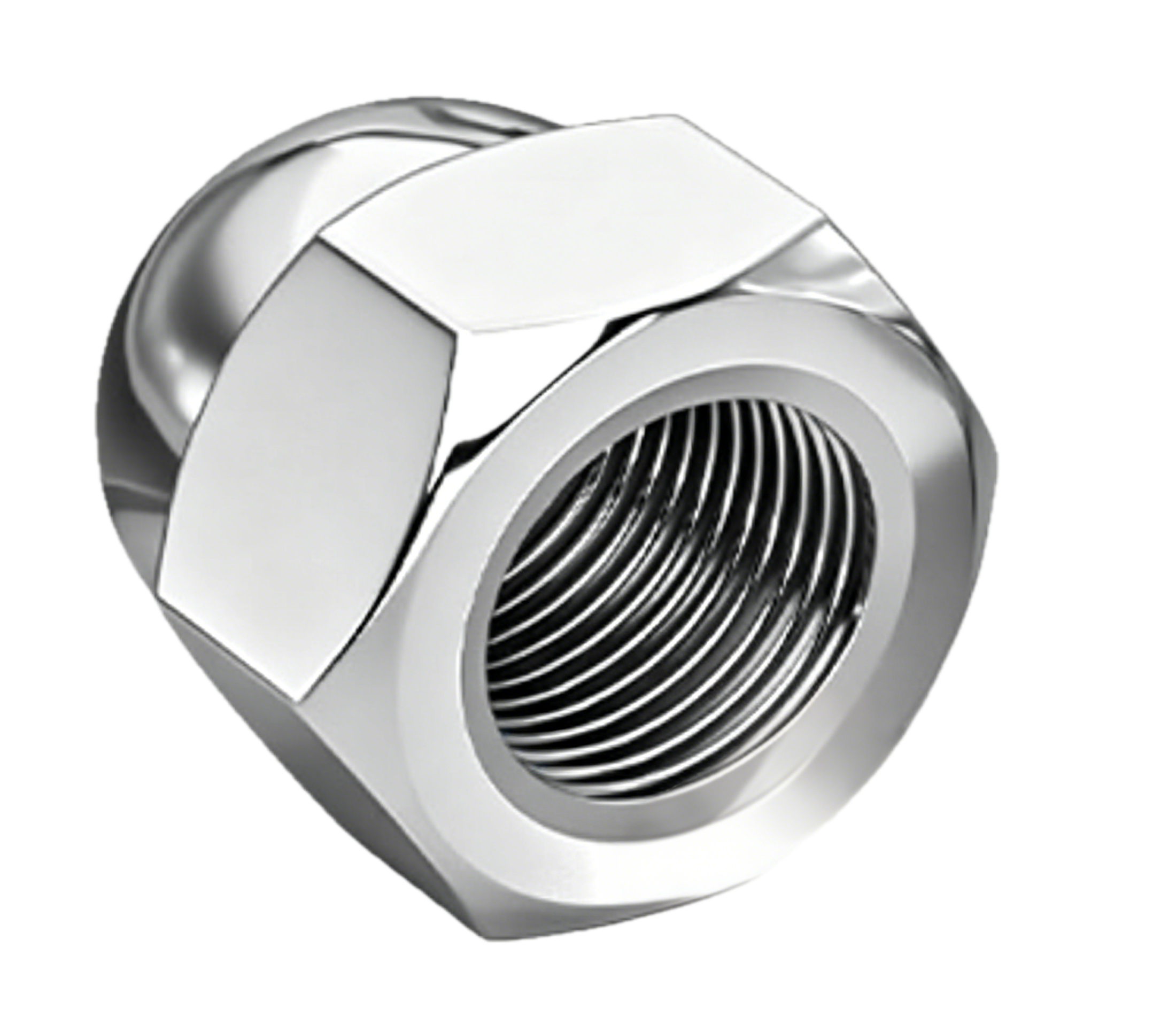
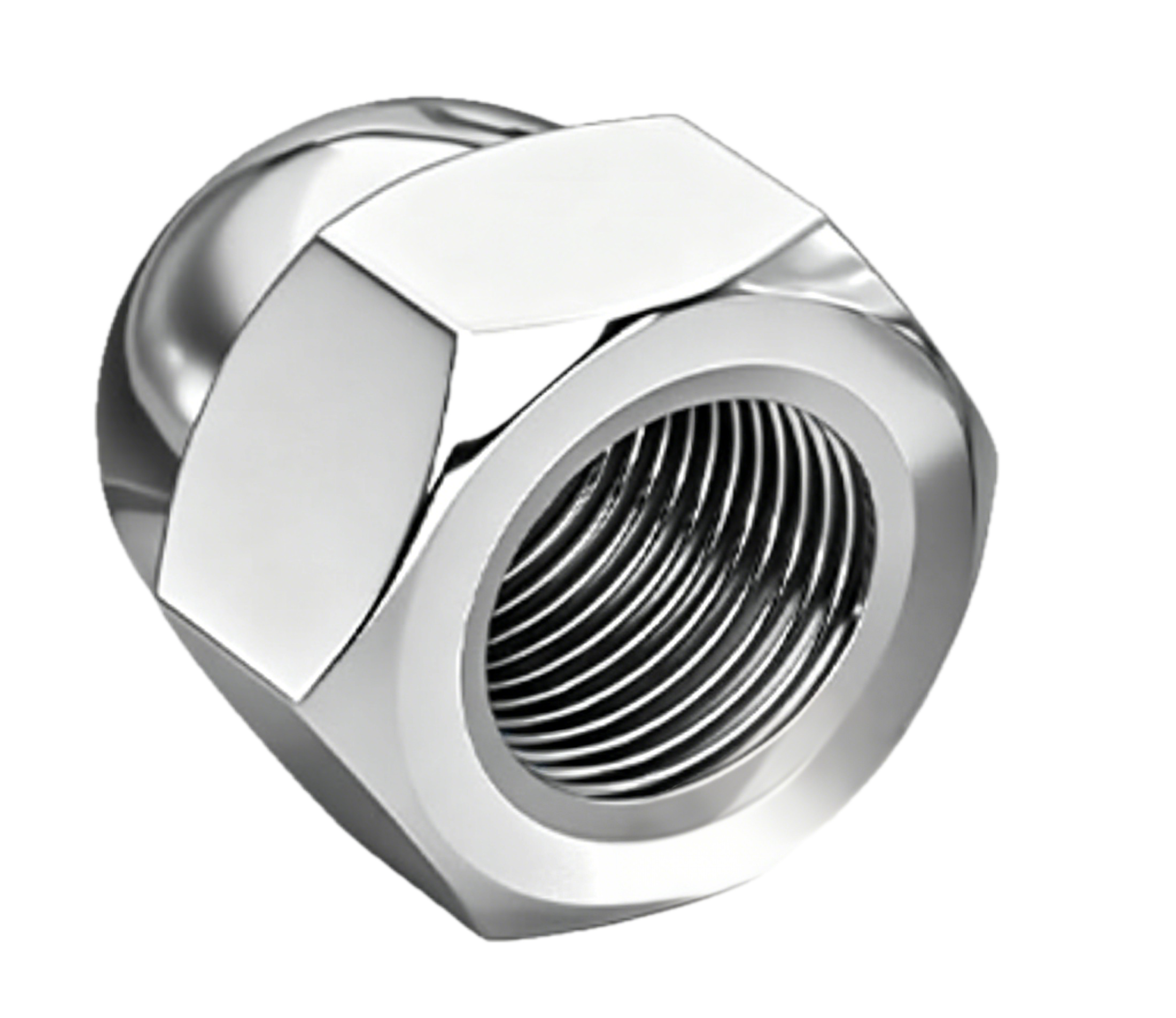
| Cap Nuts | Domed, closed top fully covers the bolt's exposed threads | Steel, stainless steel, brass, aluminum, plastic | Exposed threads on visible or safety-sensitive assemblies | Bolt length must not exceed the nut's internal depth |
| Coupling Nuts | Extended internally-threaded body joins two externally threaded rods or studs end to end | Steel, 18-8 stainless steel, brass, aluminum, plastic | Extending threaded rod length or joining two studs | Confirm both mating threads match in size and pitch |
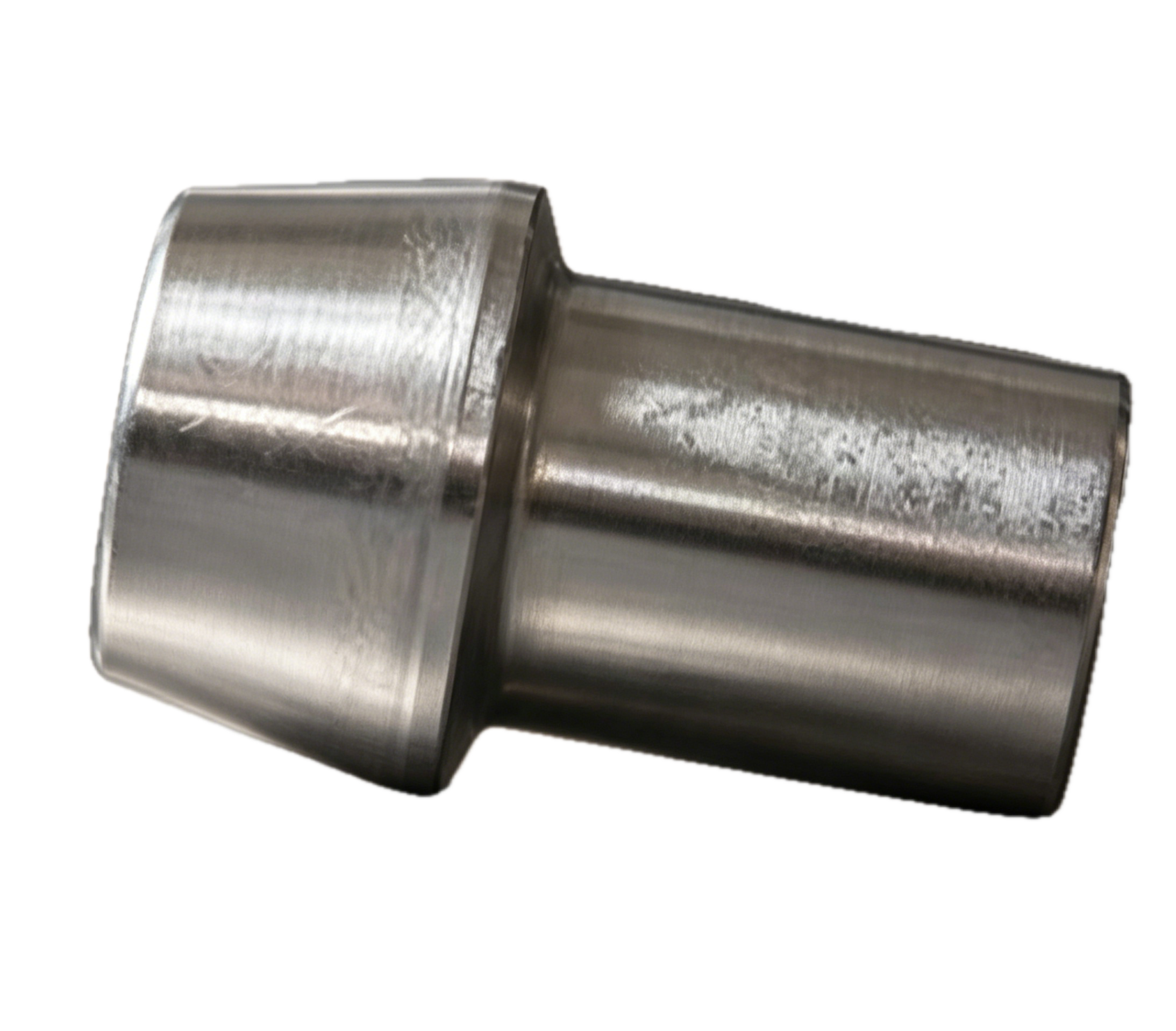
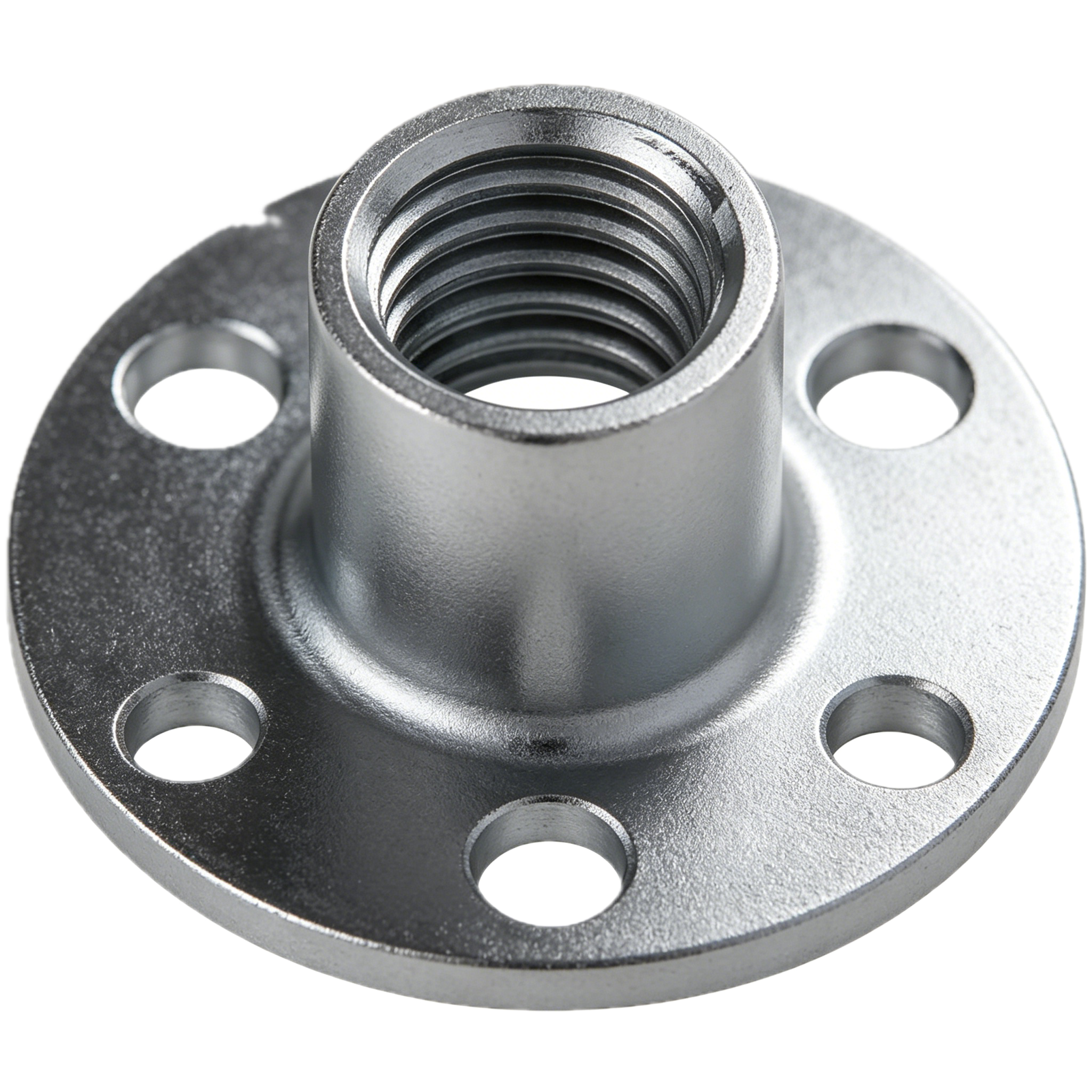
| Weld Nuts | Pilot(s) on the base are designed for spot- or projection-welding to a parent metal surface | Steel, stainless steel | Permanent threaded attachment points on sheet metal or tubing | Requires welding equipment to install — not a bolt-on fastener |
| Rivet Nuts | Internally-threaded body sets by pulling/deforming into a pre-drilled hole; also called threaded inserts | Steel, aluminum, stainless steel | Thin sheet metal, tubing, or blind/one-sided access holes | Needs a rivet-nut setting tool, not a standard wrench |
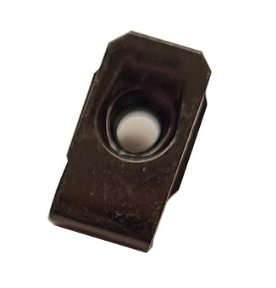
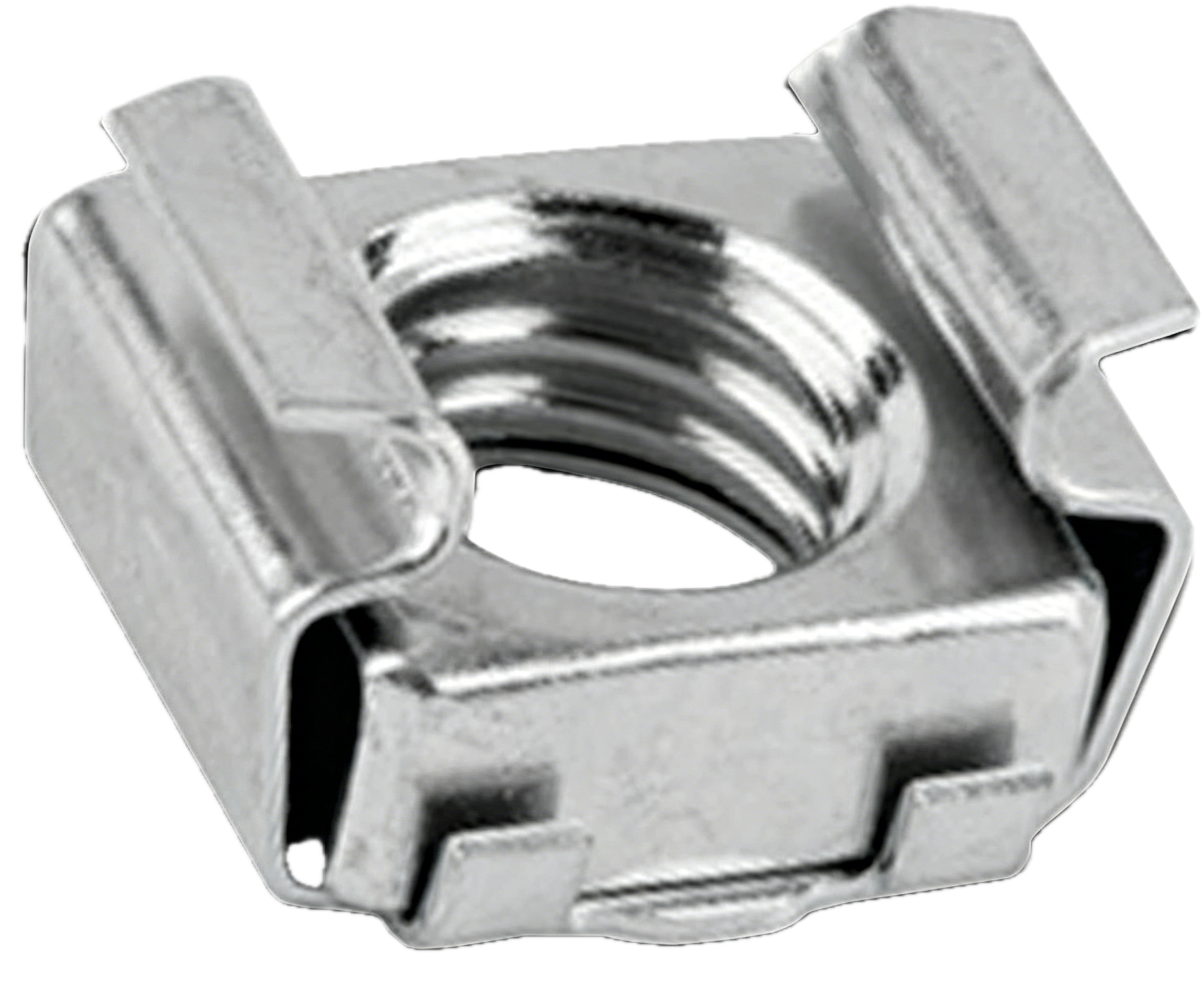
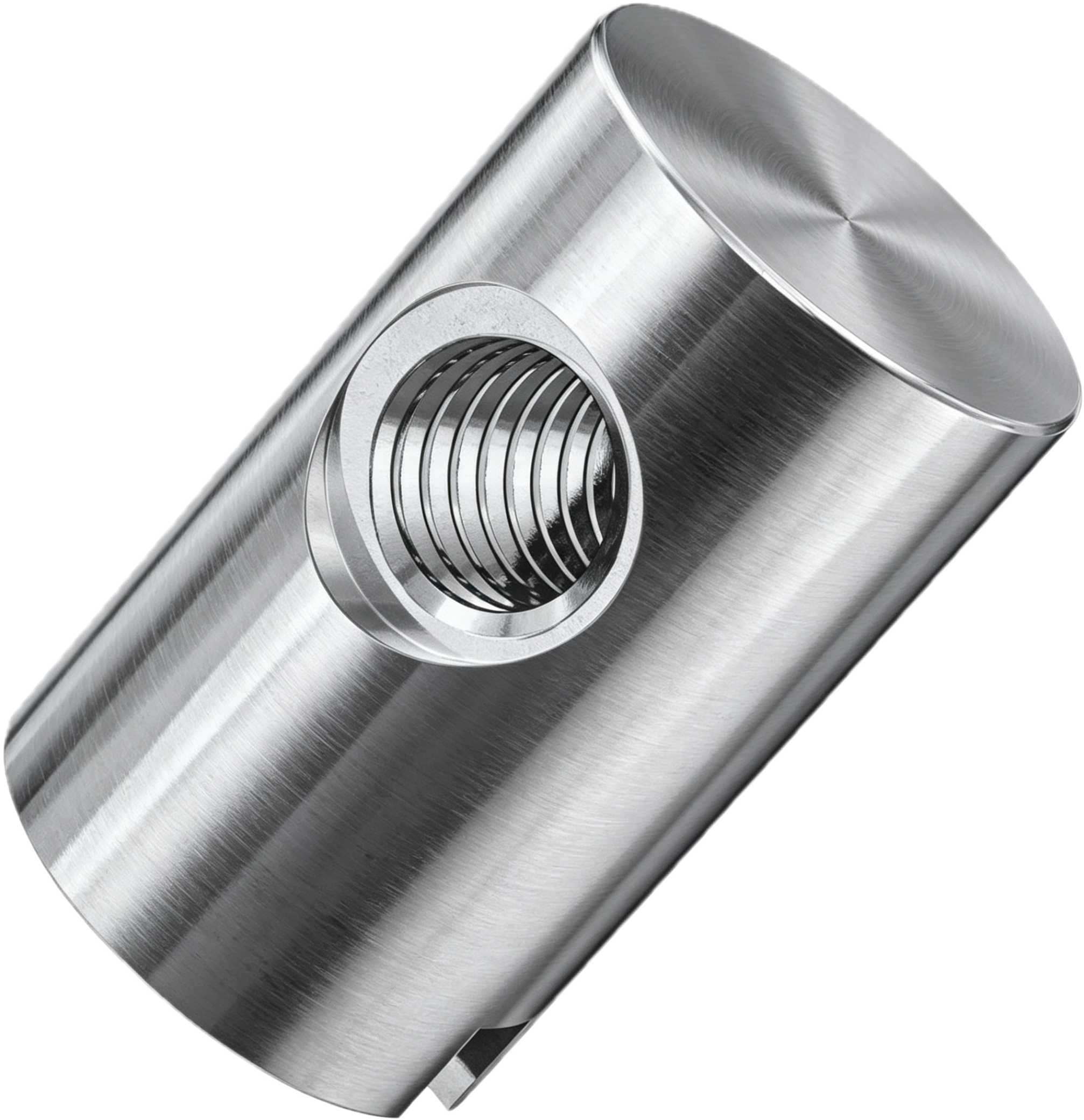
Beyond these seven, LILY Bearing also stocks panel, socket, snap-in, clip-on, dowel, press-fit, sealing, and screw-mount nuts, along with lead screw and ball screw nuts for linear motion assemblies — use the category filters to browse the full range.
Locking & Vibration Resistance
A standard hex nut has no built-in resistance to loosening under vibration. Nylon-insert locknuts add a plastic ring that grips the bolt threads but have a lower usable temperature range than the base metal. All-metal (serrated or prevailing-torque) locknuts use deformed or serrated threads instead of plastic, so they hold up in higher-temperature environments. Flange nuts with serrations bite directly into the mating surface rather than gripping the bolt. For applications where a mechanical, tool-verifiable lock is required — such as axles or aerospace hardware — slotted round (castle) nuts paired with a cotter pin remain the standard choice.
Need a Custom Nut or a Part Cross-Reference?
Working from an existing McMaster-Carr or manufacturer part number? Our team can cross-reference it to an equivalent LILY Bearing nut, or quote a custom material, thread, or finish. Request a Quote or Contact Us.
Frequently Asked Questions
What's the difference between a hex nut and a locknut?
A standard hex nut relies only on thread friction and has no resistance to loosening under vibration. A locknut adds a nylon insert or an all-metal prevailing-torque/serrated feature that actively grips the bolt threads to resist back-out.
Do you stock both inch and metric nuts?
Yes. LILY Bearing carries 8,083 Inch-thread and 3,136 Metric-thread nuts, spanning sizes from miniature instrument threads up through standard structural sizes. Use the System of Measurement filter to narrow results to one system.
Can I cross-reference a McMaster-Carr or manufacturer part number to a LILY Bearing nut?
In many cases, yes. Our product pages list interchange data against common manufacturer part numbers, and our team can confirm or source an equivalent for parts not yet listed. Contact Us with the part number you're matching.
Which nut type resists vibration best?
For most vibration-prone assemblies, a nylon-insert or all-metal prevailing-torque locknut is the standard choice. For applications needing a mechanically verifiable lock, such as axles, a slotted round (castle) nut secured with a cotter pin provides a positive, tool-checkable connection.