Coupling Nuts
622 Products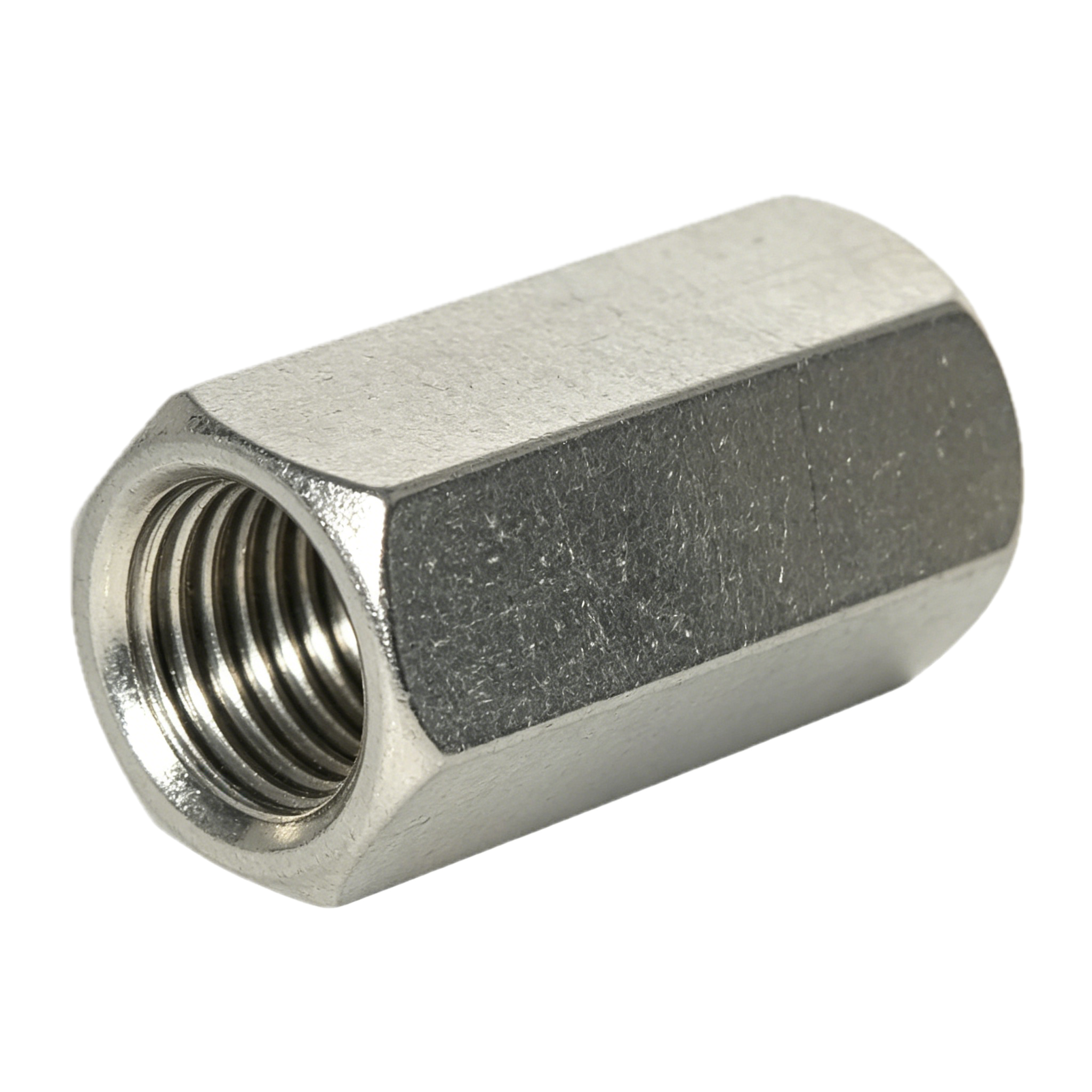
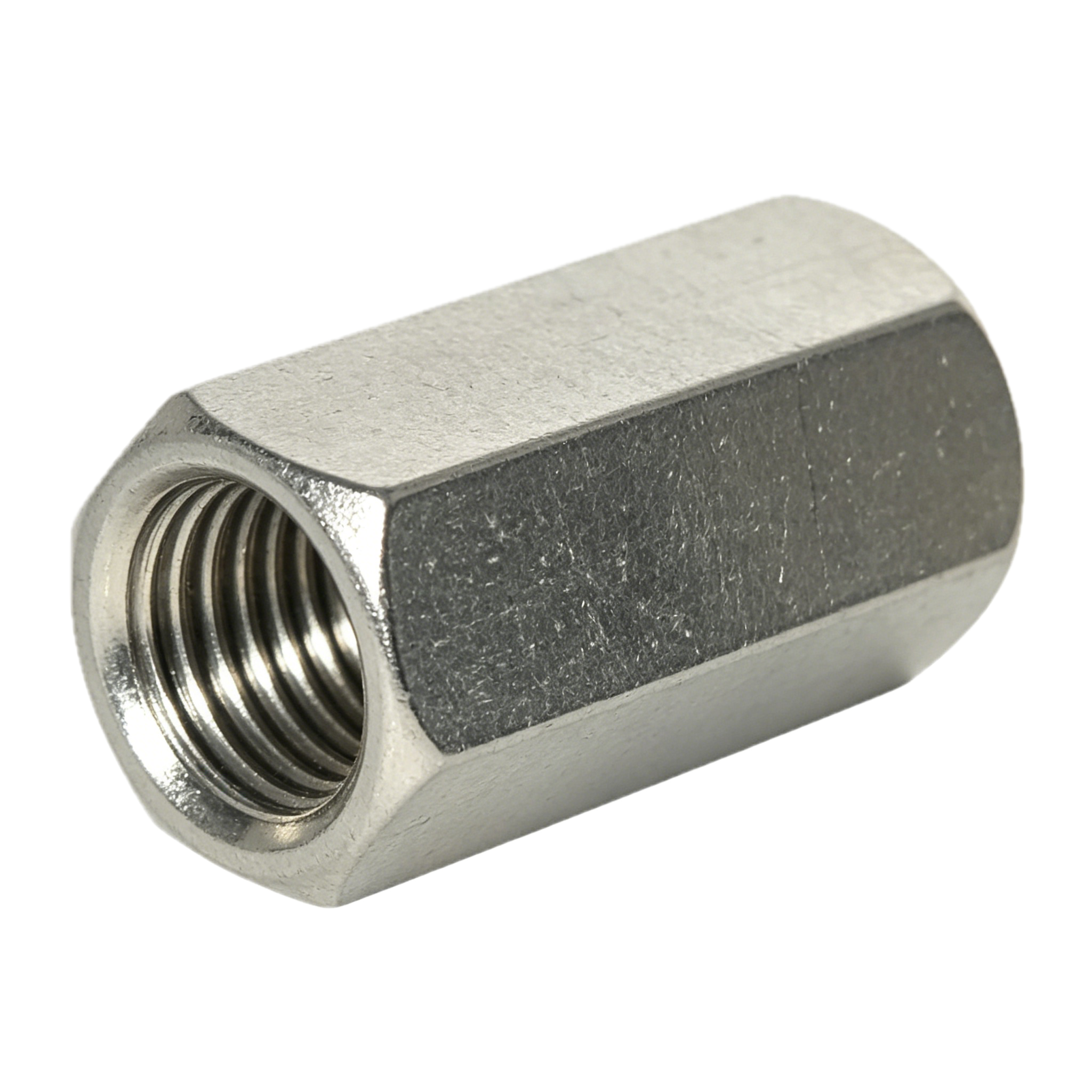
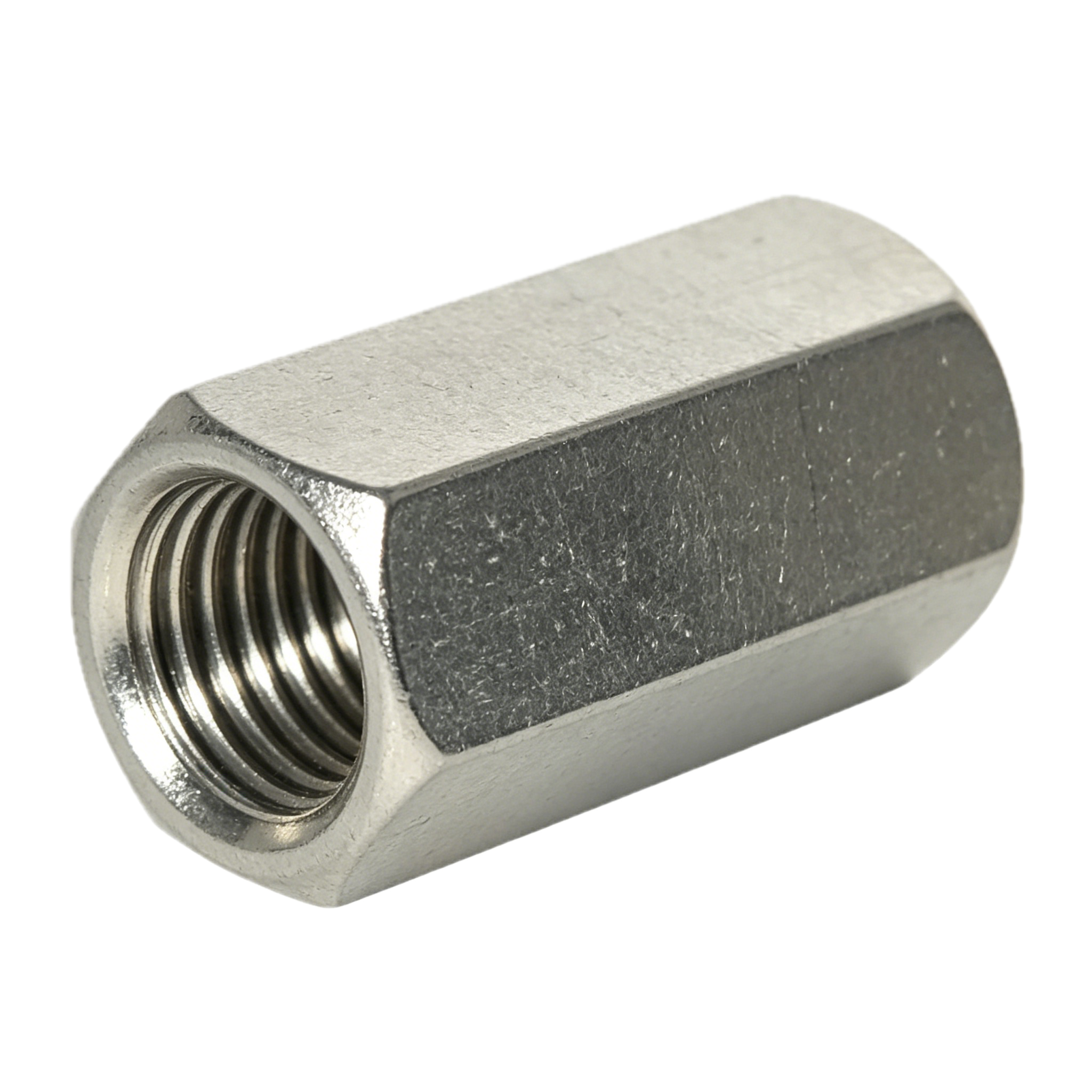
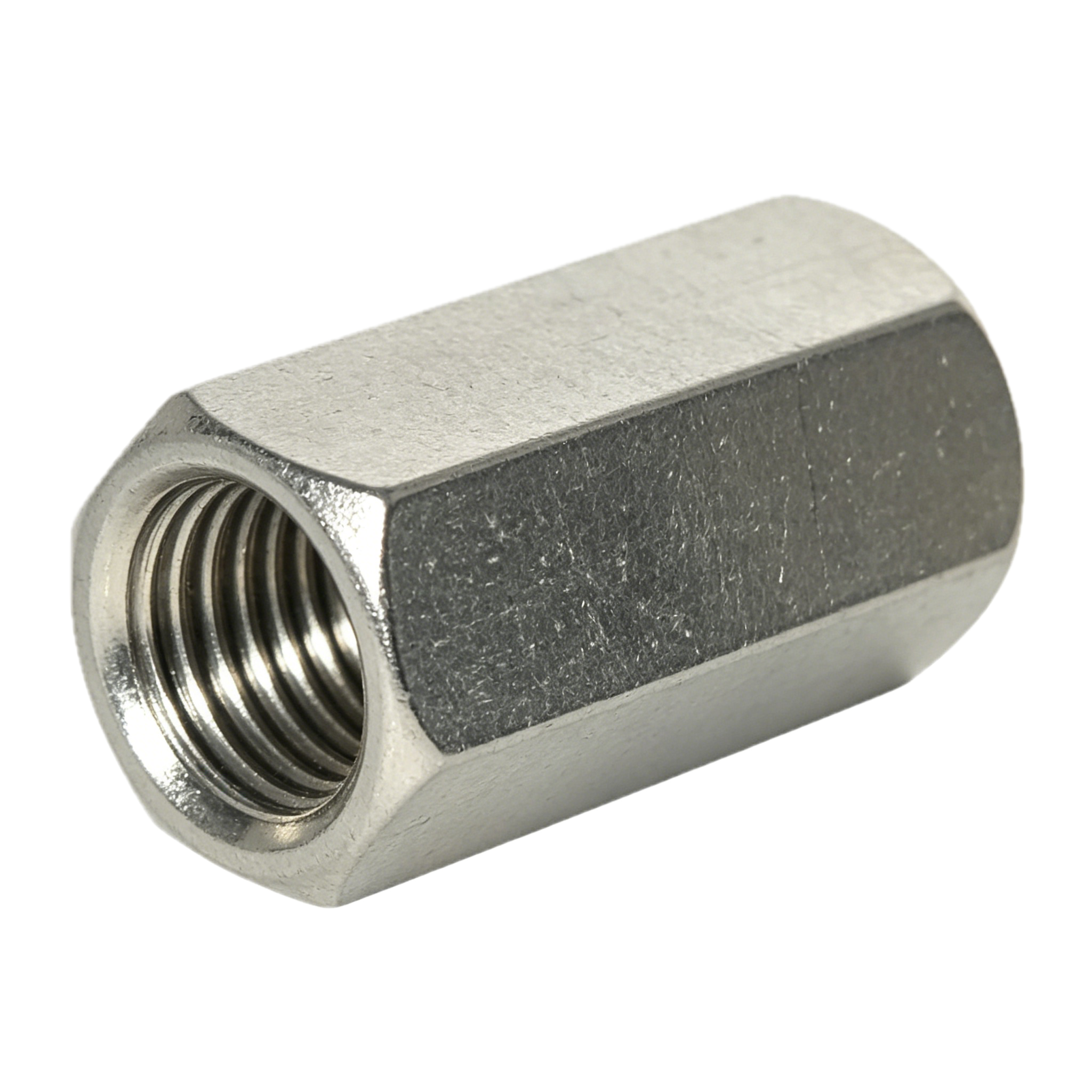
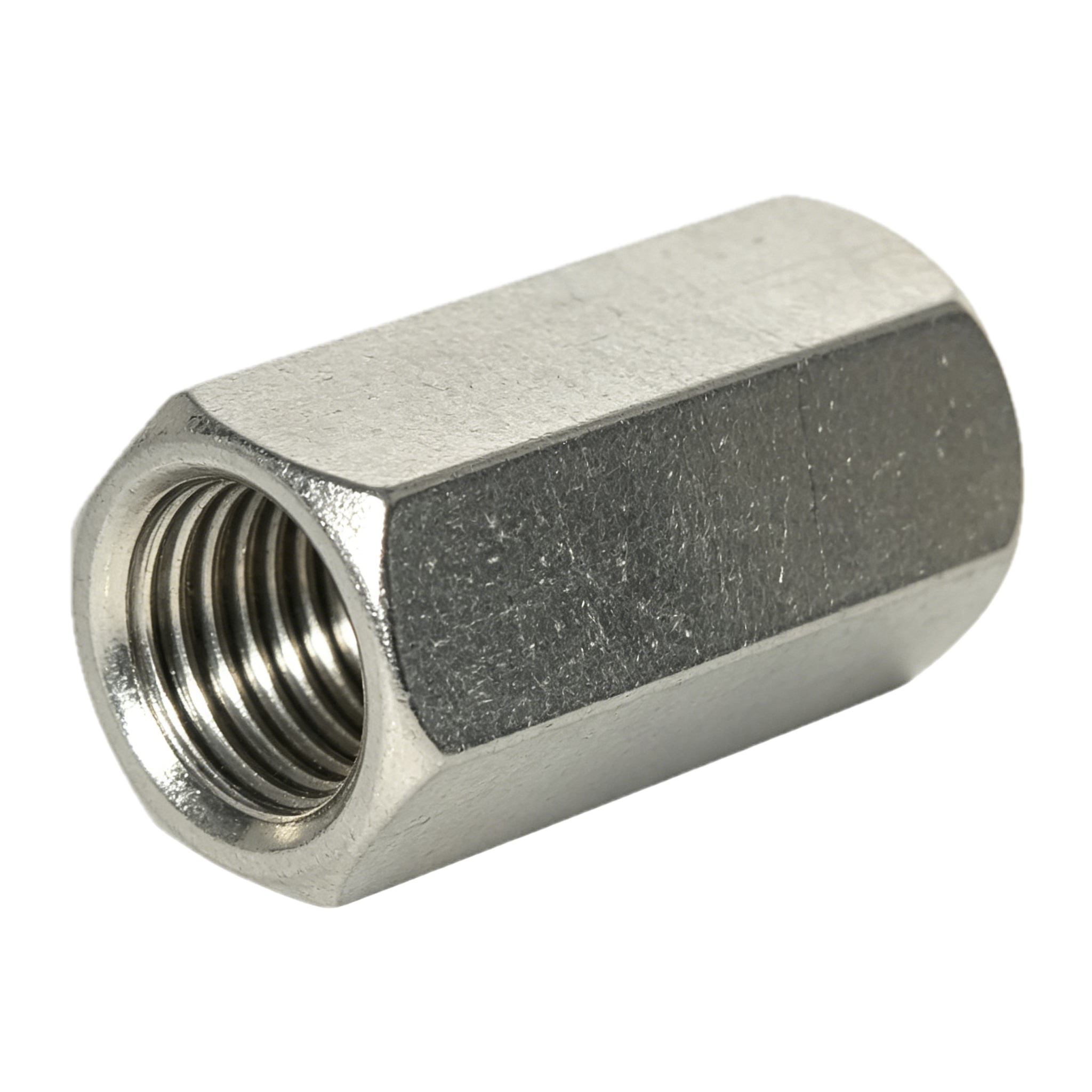
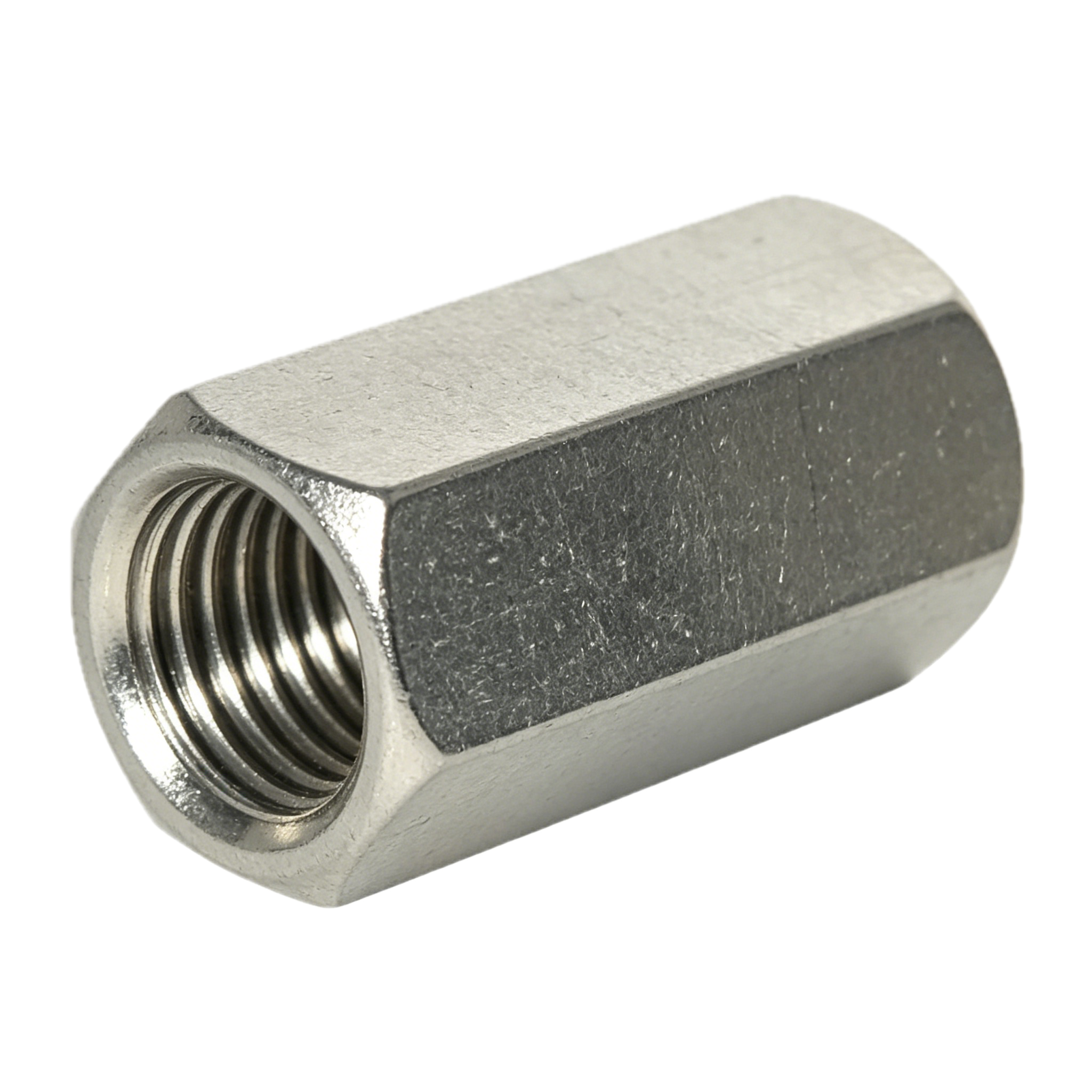
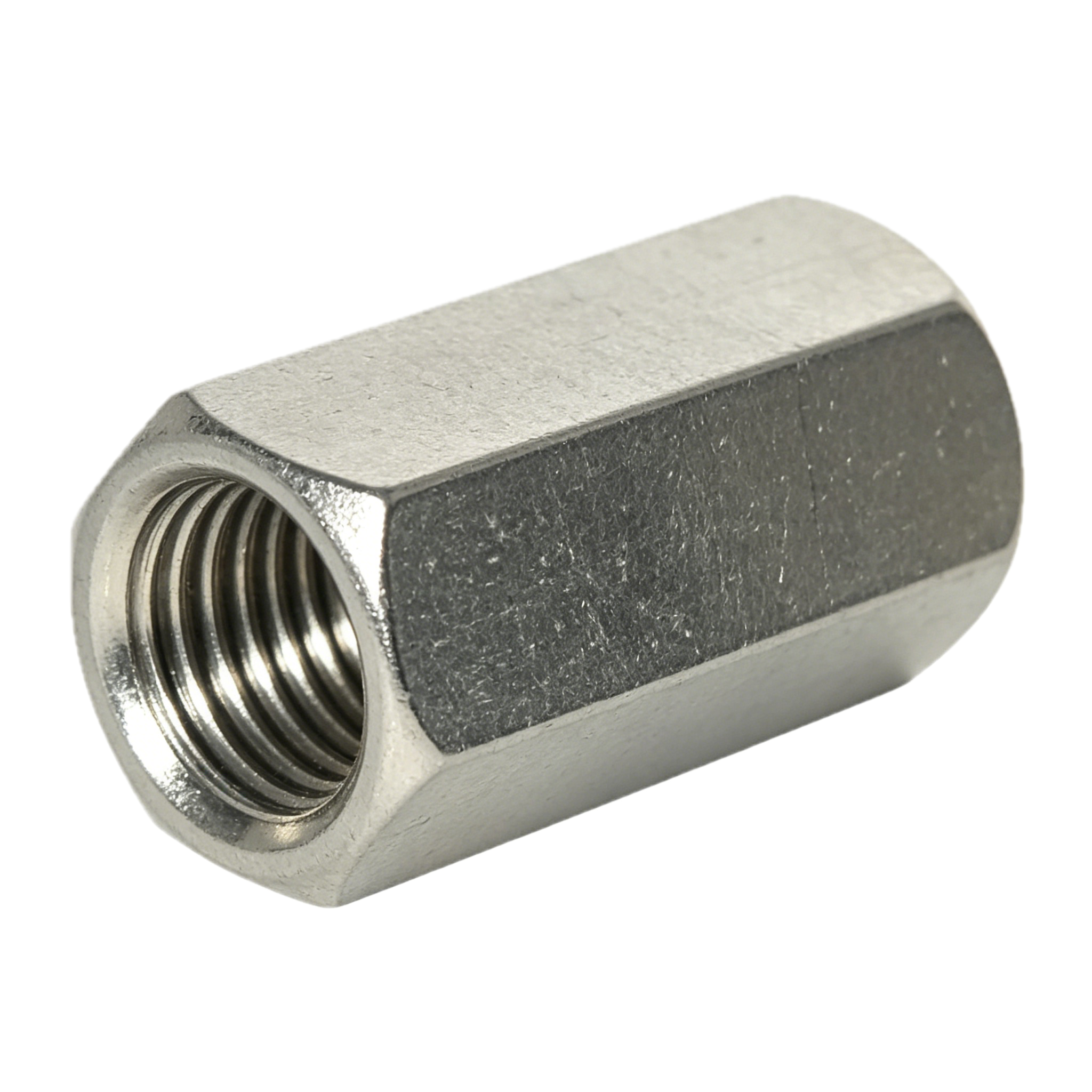
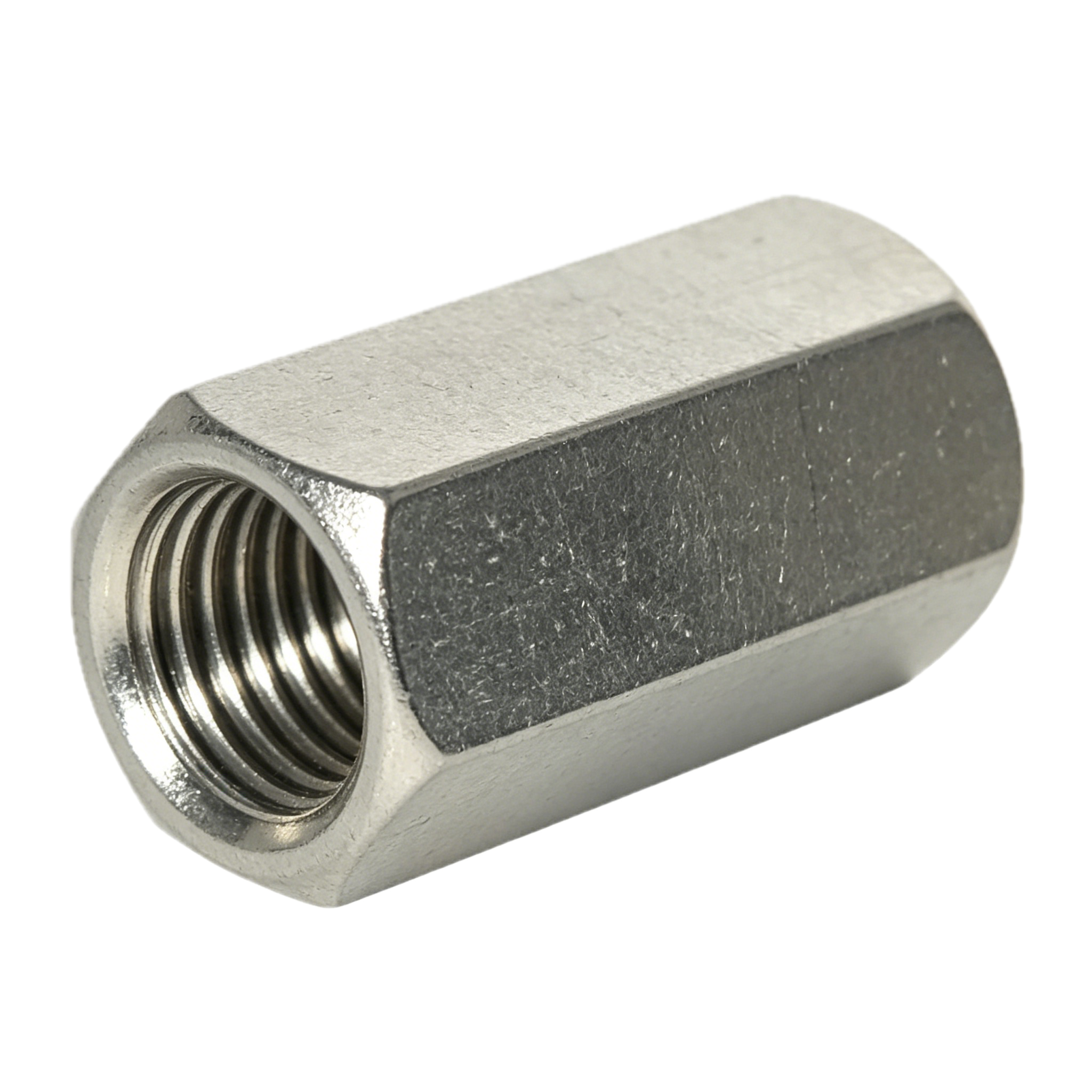
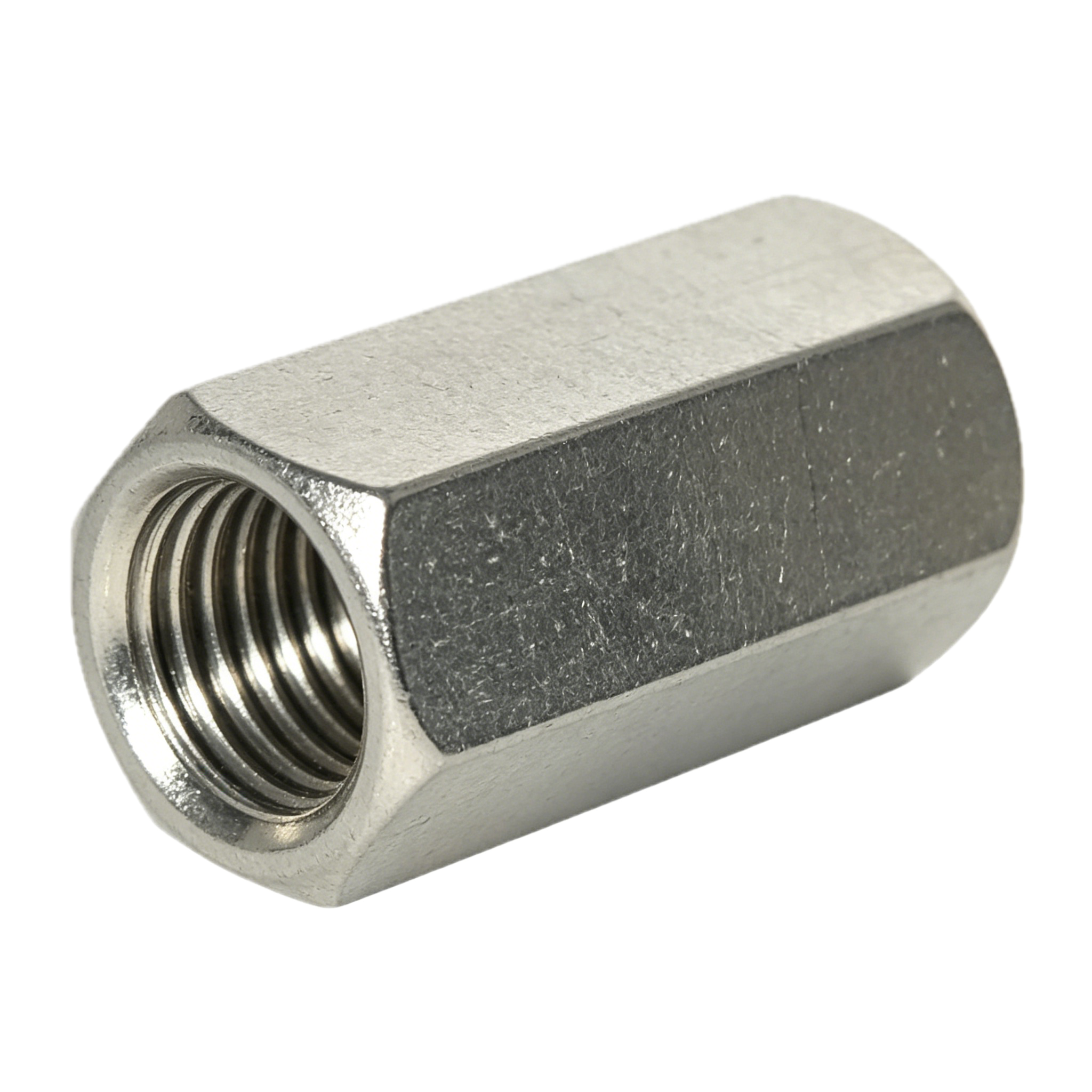
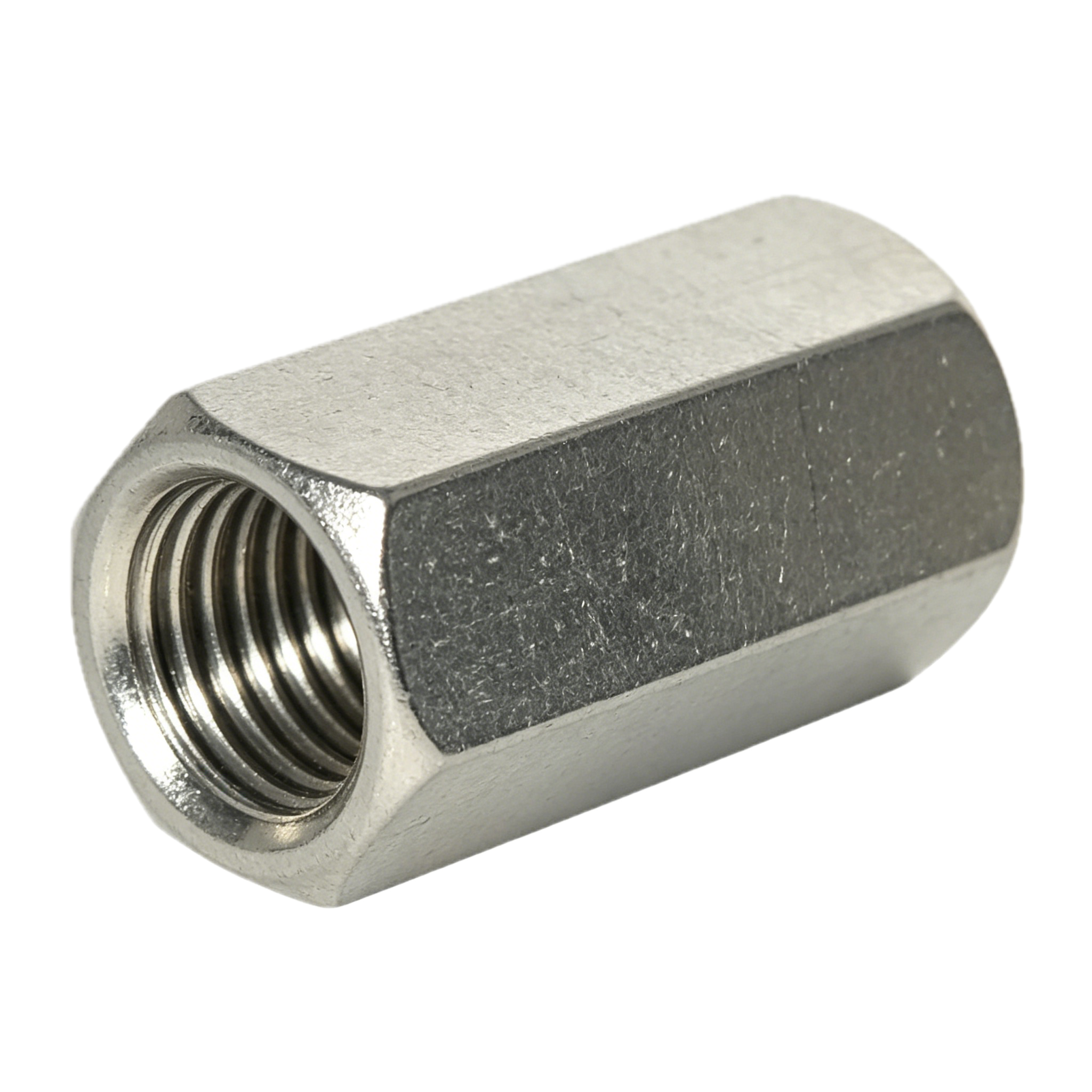
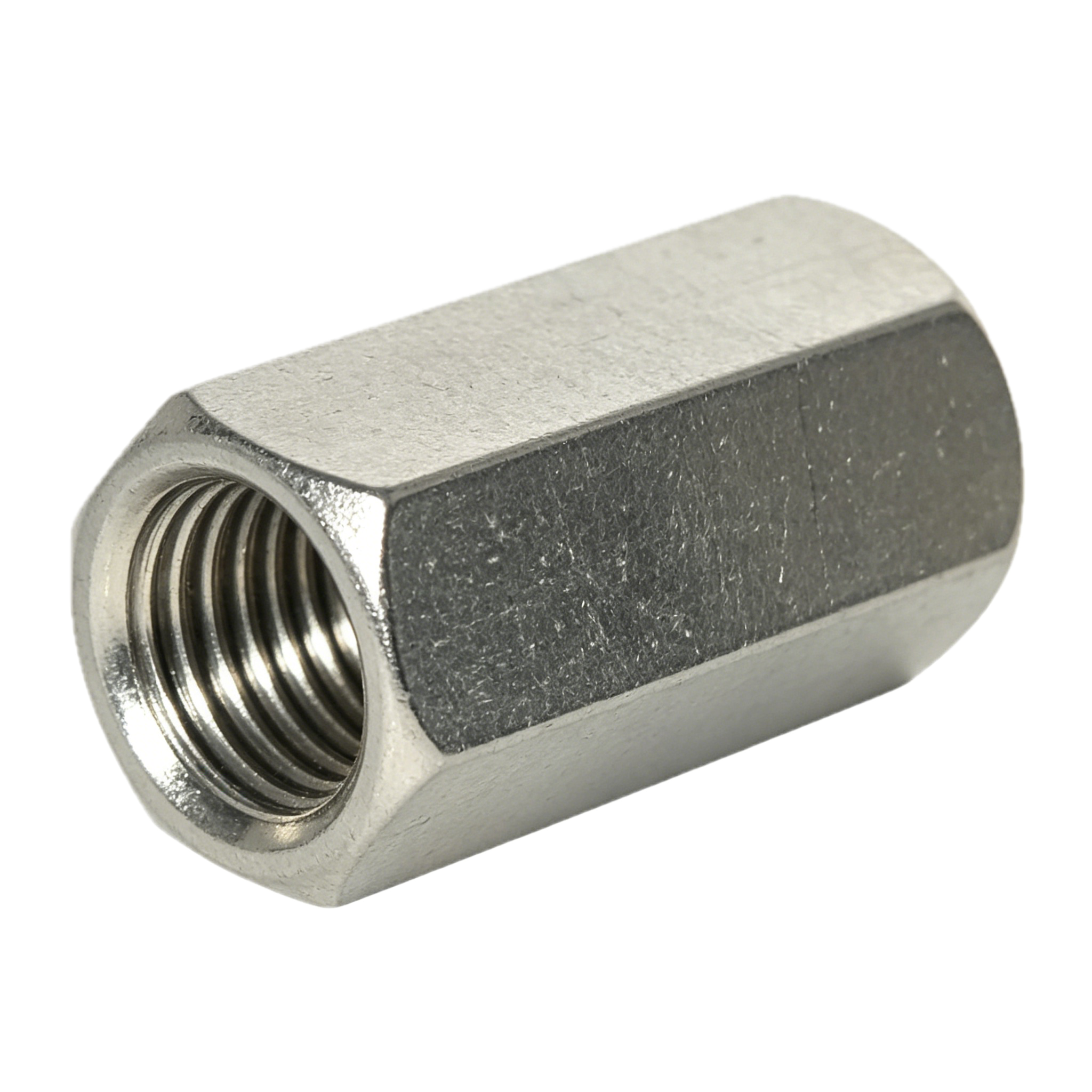
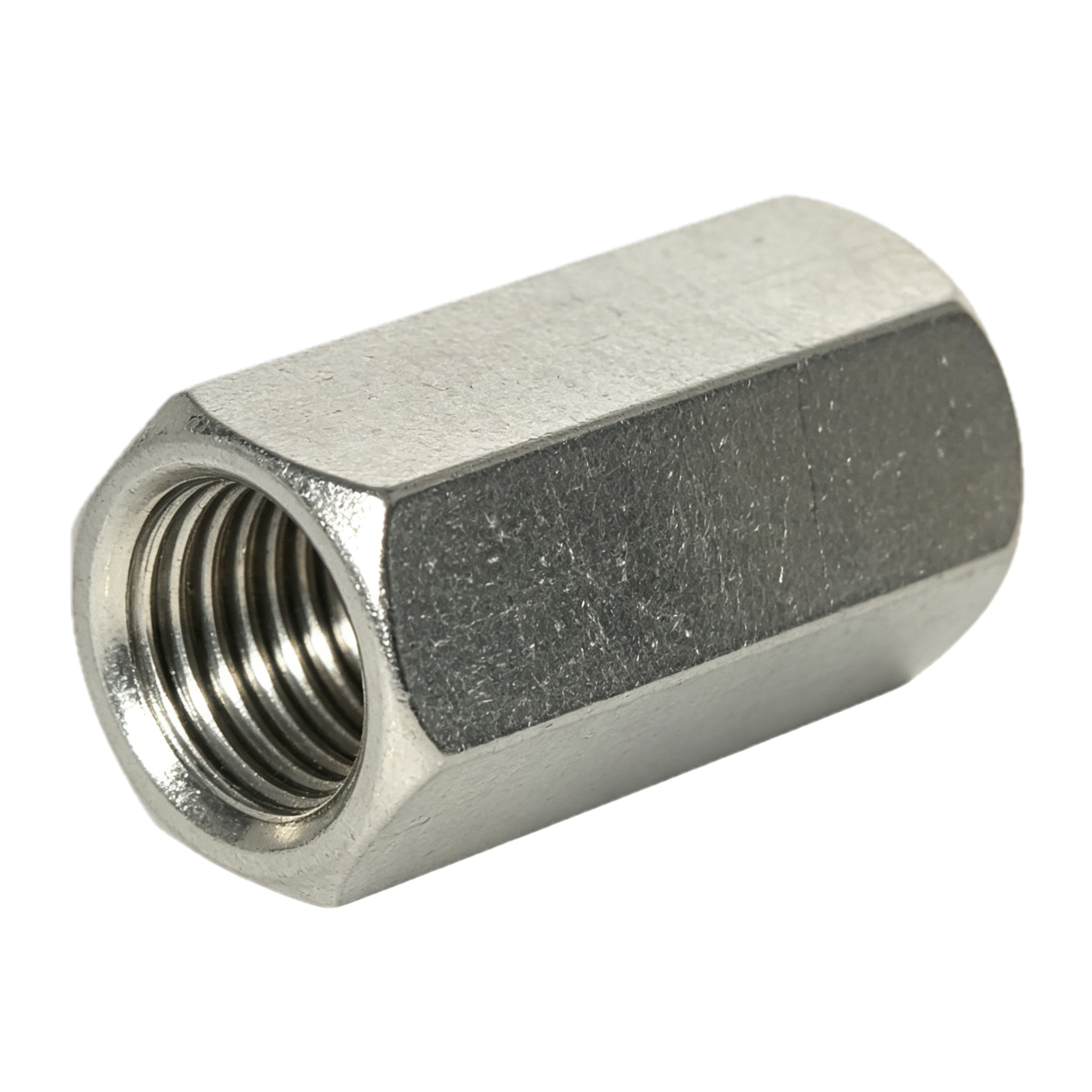
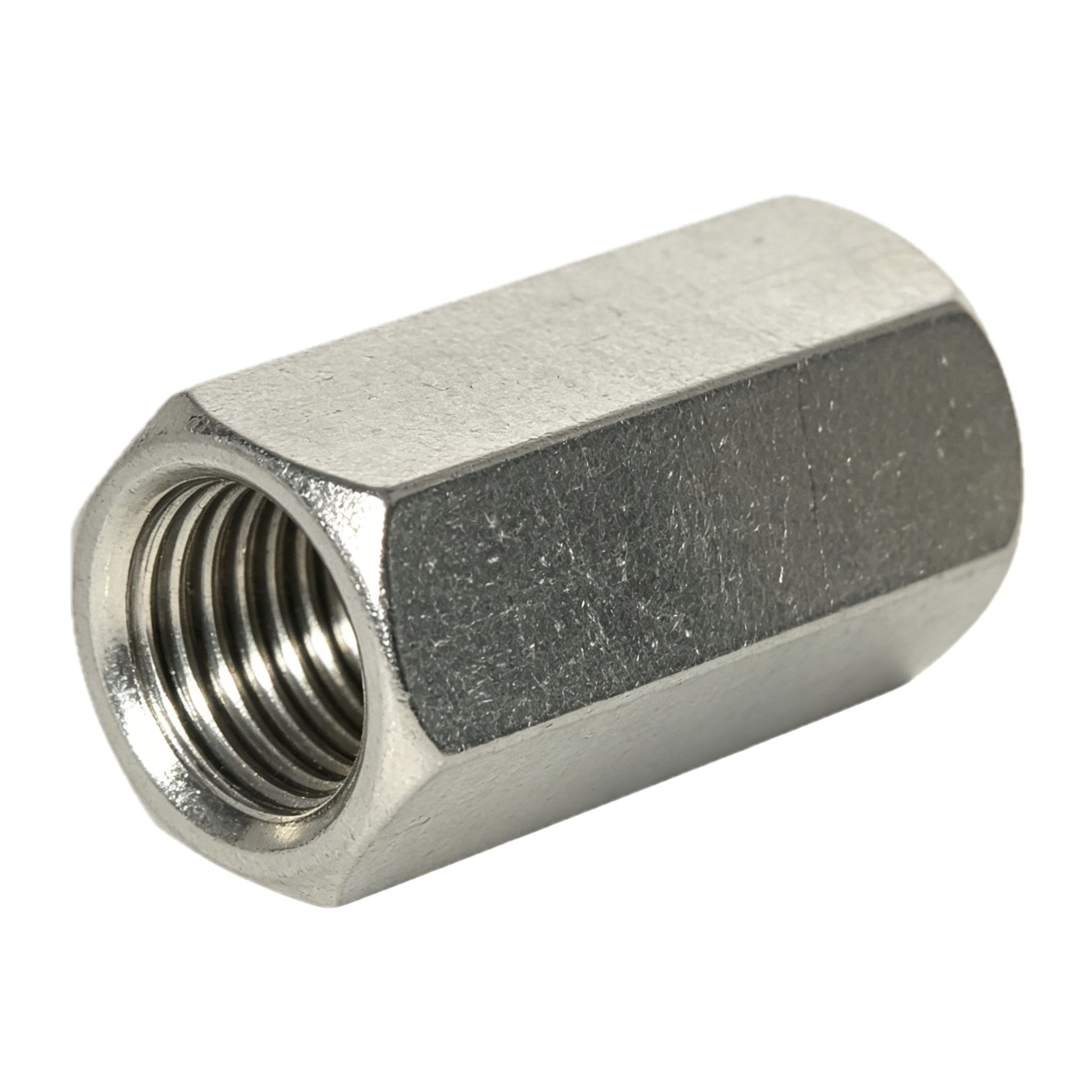
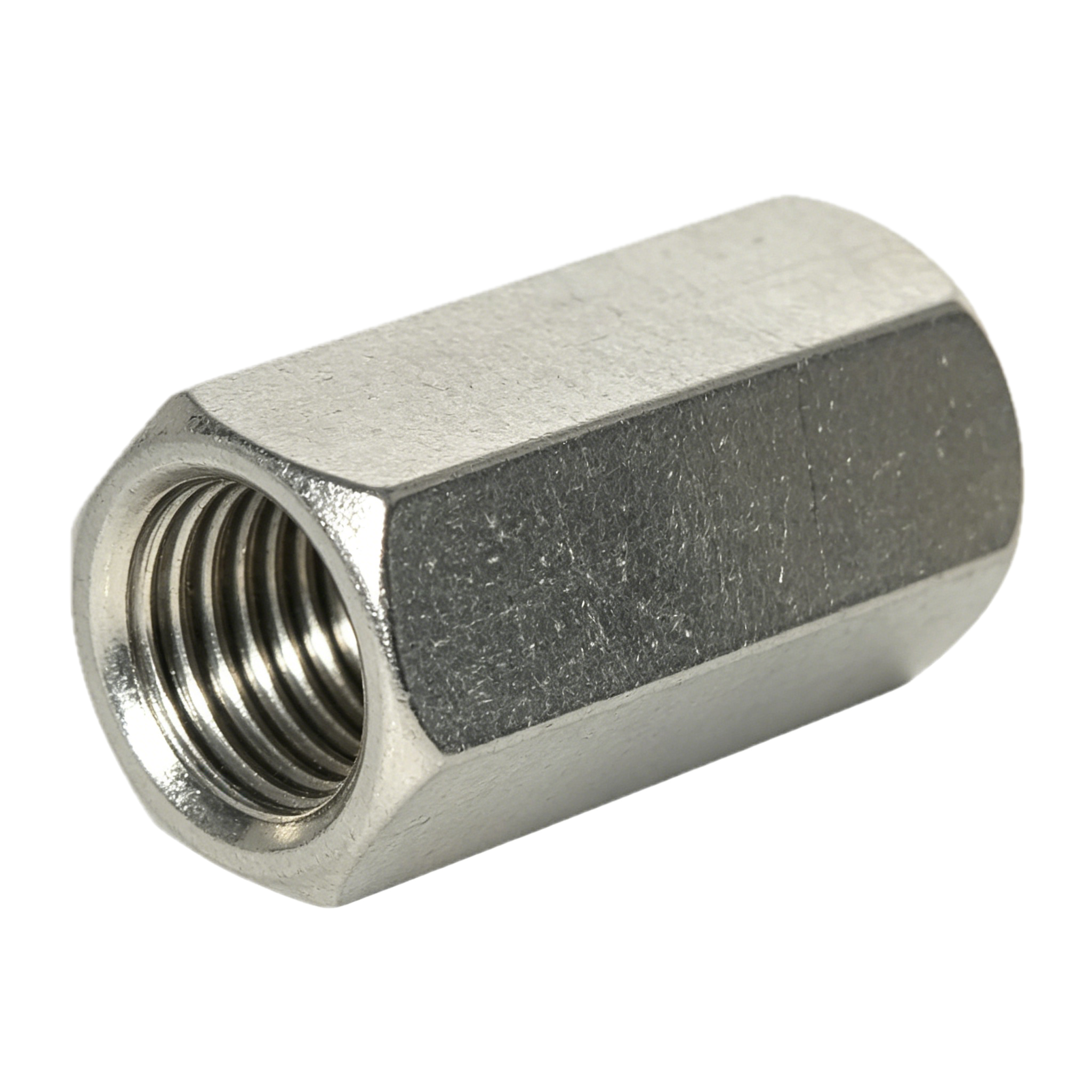
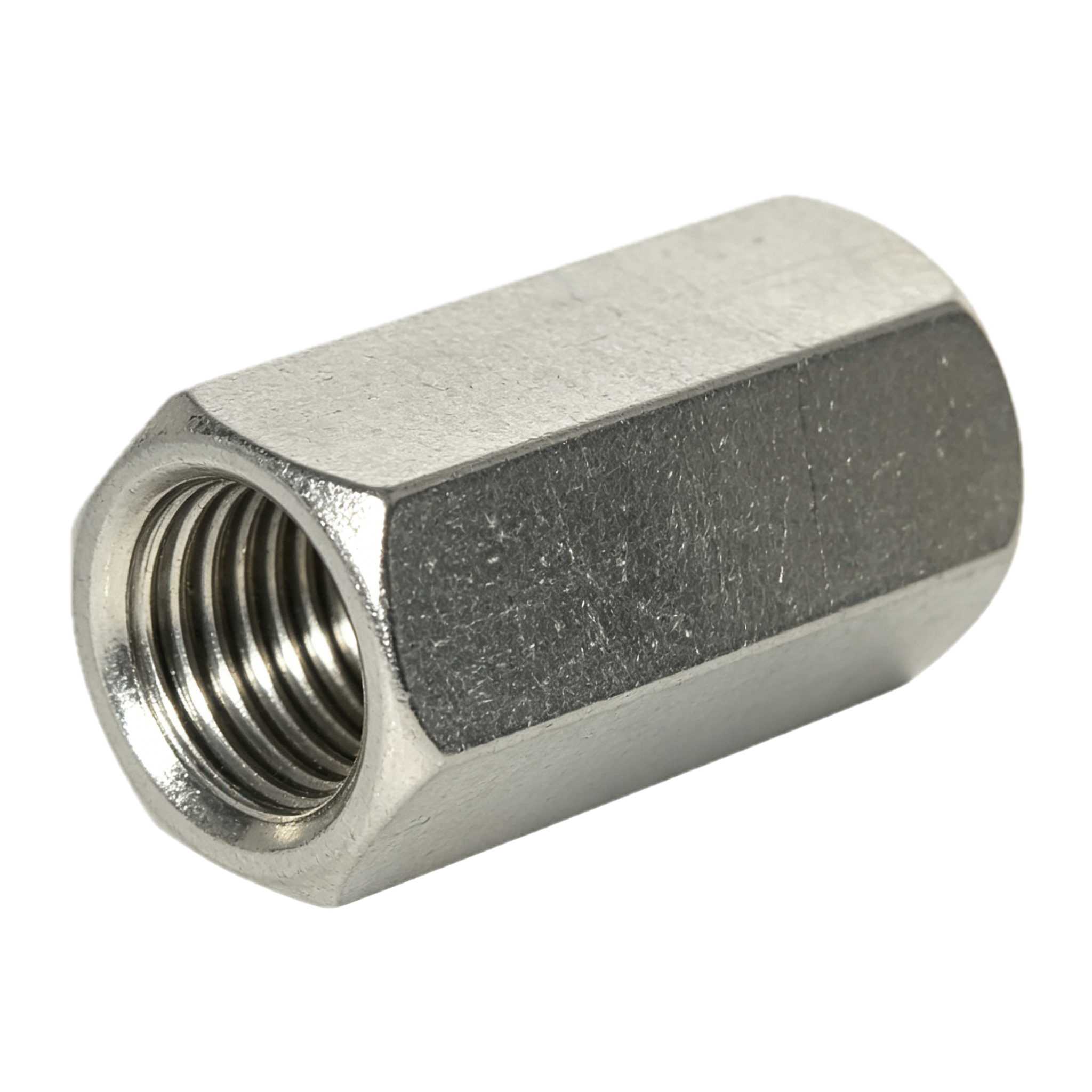
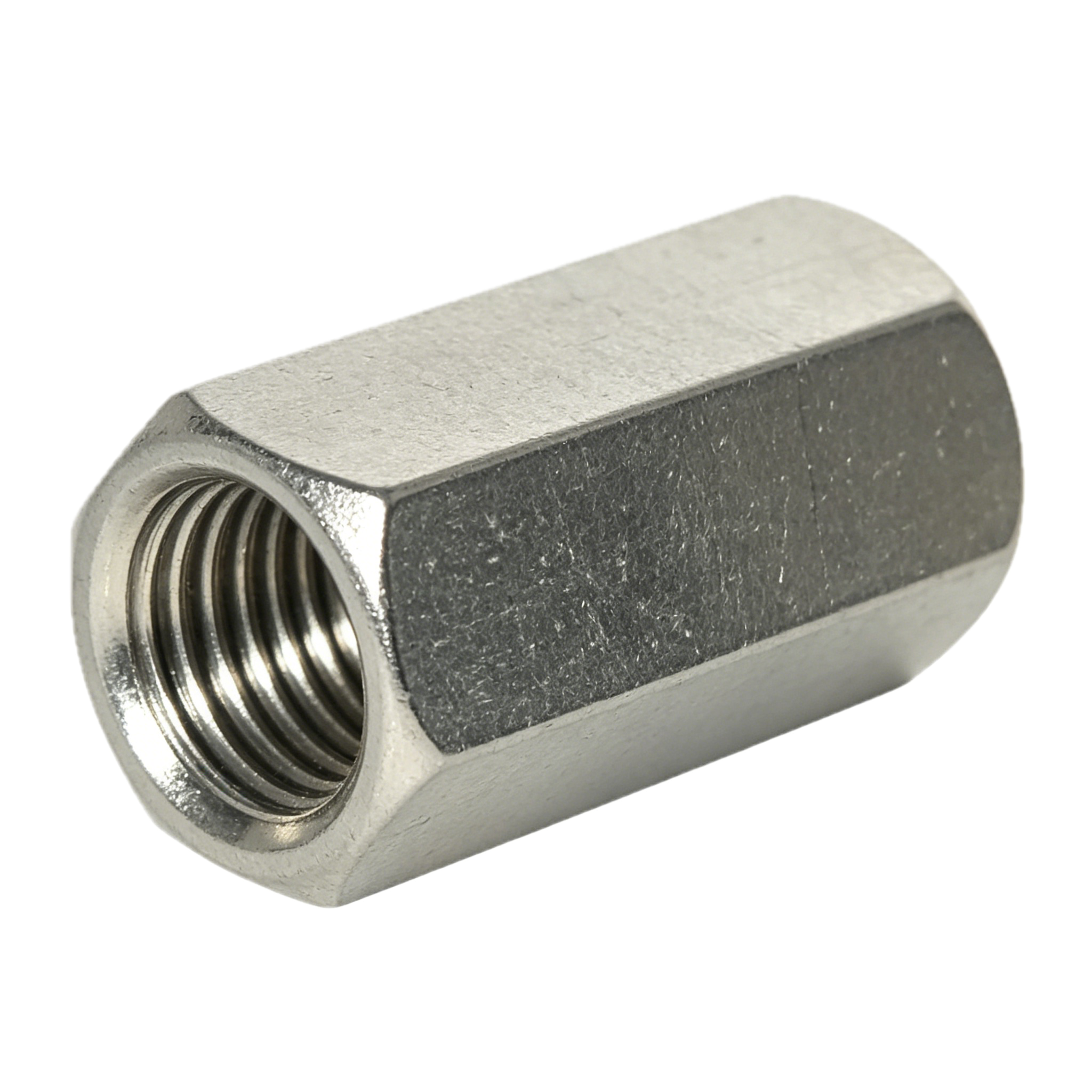
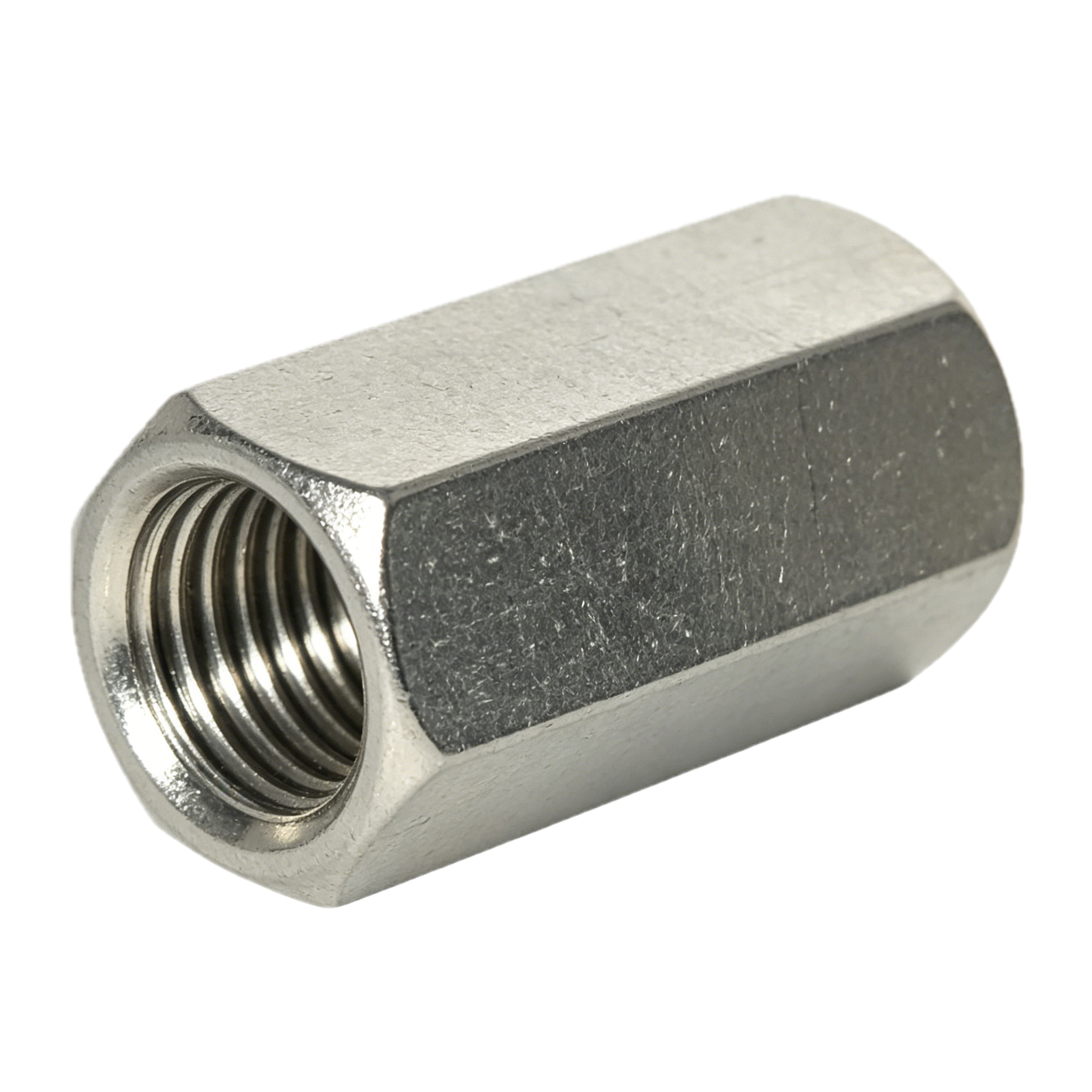
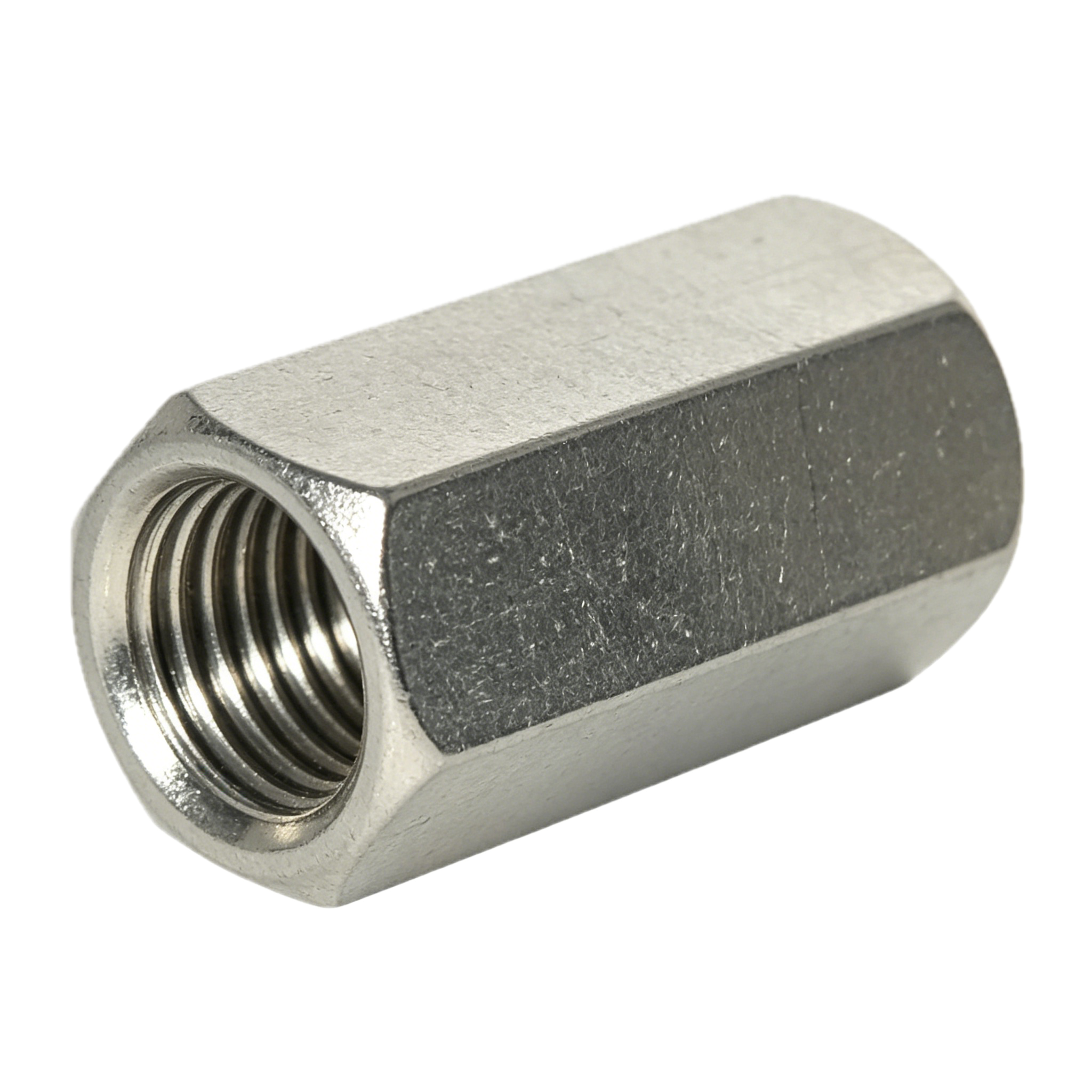
LILY Bearing stocks 622 coupling nuts in both Inch and Metric threads, across 19 variations spanning strength grade, corrosion resistance, length, and profile. Use the filters below, or the comparison table, to narrow down by strength grade, material, or length.
Compare Coupling Nut Types
| Type | How It's Different | Best For | Watch Out For | Materials |
|---|---|---|---|---|
| Steel Coupling Nuts (by Strength Grade) | Graded Low, Medium (Grade 5), High (Grade 8), and Extreme (comparable to Grade 9, ~20% stronger than Grade 8) | Matching the coupling nut's strength to the rods or studs it joins | A coupling nut's strength should meet or exceed the strength of the rods it connects | Steel (multiple grades) |
| Stainless Steel Coupling Nuts | 18-8 stainless resists most environments; 316 stainless adds resistance to chlorides and harsher chemicals | Moisture, outdoor, or mildly corrosive environments (316 for marine or chemical exposure) | Generally lower strength ratings than high-grade steel options | 18-8 stainless steel, 316 stainless steel |
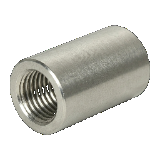
| Round Coupling Nuts | Smooth cylindrical body with no wrench flats, for a finished, low-profile look | Visible connections where appearance matters | Can't be gripped with a standard wrench — tighten by hand or with a pipe wrench/strap wrench | 18-8 stainless steel |
| Coupling Nuts with Sight Hole | A hole or window in the side lets you visually confirm both rods are fully engaged | Connections where verifying full thread engagement matters for safety or reliability | The sight hole is a small opening in the body — not a structural feature | Zinc-plated steel |
| Extra-Long Coupling Nuts | Extended body length for extra reach; some SKUs are only partially threaded at each end | Extending threaded rod length or bridging a longer gap between two studs | Check whether the listing is fully or partially threaded before ordering | Steel, 18-8 stainless steel |
| Left-Hand Threaded Coupling Nuts | Internal threads run counterclockwise, resisting loosening from reverse-direction rotation or vibration | Turnbuckle-style assemblies or joints where one rod must have opposite-hand threads | Both mating rods must also be left-hand threaded — won't work with standard right-hand rod | Zinc-plated steel |
| Brass, Aluminum & Plastic Coupling Nuts | Non-ferrous or non-metallic alternatives to steel and stainless | Plumbing/electrical (brass), lightweight assemblies (aluminum), or non-conductive needs (plastic) | Lower strength than steel options — not for high-load structural joints | Brass, aluminum, plastic |
Matching Strength Grade to Your Rods
A coupling nut is only as strong as its weakest link, so its strength grade should meet or exceed the strength of the threaded rods or studs it's joining. Our steel coupling nuts run from Low-Strength up through Medium-Strength (Grade 5), High-Strength (Grade 8), and Extreme-Strength (comparable to a Grade 9 bolt, roughly 20% stronger than Grade 8). Stainless steel options trade some of that strength for corrosion resistance — 18-8 stainless covers most environments, while 316 stainless adds resistance to chlorides and harsher chemicals for marine or industrial washdown use.
Need a Custom Coupling Nut or a Part Cross-Reference?
Working from an existing McMaster-Carr or manufacturer part number? Our team can cross-reference it to an equivalent LILY Bearing coupling nut, or quote a custom length, material, or finish. Request a Quote or Contact Us.
Frequently Asked Questions
How do I choose the right strength grade for a coupling nut?
Match or exceed the strength grade of the threaded rods or studs being joined. Using a lower-strength coupling nut than the rods it connects creates a weak point in the assembly, regardless of how strong the rods themselves are.
What's the sight hole for on a coupling nut with sight hole?
It's a small hole or window in the side of the nut that lets you visually check that both threaded rods are fully engaged inside, rather than guessing based on how far each rod was threaded in.
Can I tighten a round coupling nut with a standard wrench?
No. Round coupling nuts have a smooth cylindrical body with no wrench flats, so they're meant to be tightened by hand, or with a pipe wrench or strap wrench, rather than a standard open-end or box wrench.
When would I need a left-hand threaded coupling nut?
Left-hand threaded coupling nuts are used in turnbuckle-style assemblies or any joint where one side needs to tighten while the other loosens, or where reverse-direction vibration could back out a standard right-hand thread. Both the coupling nut and its mating rod need to be left-hand threaded.