Ceramic balls are a specialized type of ball bearing made from ceramic materials. Ceramic balls have unique characteristics that make them superior to other types of balls for use in industrial applications. They offer excellent hardness, high strength and wear resistance, as well as low electrical conductivity and thermal conductivity. Unlike metal or plastic balls, ceramic balls are resistant to corrosion and can withstand harsh environments without deteriorating.
Loose rollers are individual, separate rolling elements used in certain types of bearings, such as roller bearings. Unlike the rollers in a traditional roller bearing assembly, which are typically held in place by a cage or retainer, loose rollers are not confined and can move freely within the bearing housing.
Pins are cylindrical components commonly used in mechanical assemblies to align, fasten, or support various parts. They are typically made from materials such as steel, stainless steel, or alloy steels and are used in a wide range of applications, from machinery to automotive and structural engineering.
Shafts are long, cylindrical mechanical components used to transmit rotational motion and torque between machine parts. They are typically made of materials such as steel, stainless steel, or alloy steel, depending on the application’s strength, durability, and corrosion resistance requirements.
Stainless steel balls are high-performance balls made from stainless steel alloys, typically used in applications requiring durability, resistance to corrosion, and high precision. They are widely used in bearings, valves, and other mechanical systems where smooth movement and reliability are essential.
Titanium balls are high-performance balls made from titanium, known for their excellent strength-to-weight ratio, corrosion resistance, and high temperature stability. They are used in applications where durability, light weight, and resistance to harsh environments are important.
Tungsten carbide balls are extremely hard, durable balls made from tungsten carbide, a compound composed of tungsten and carbon. Known for their high strength, wear resistance, and hardness, they are often used in applications that demand the highest performance in terms of precision and durability.
52100 Chrome Steel balls are high-carbon, chromium-containing steel balls known for their durability and hardness. Made from 52100 steel, a grade of bearing steel, they are commonly used in applications that require high wear resistance, toughness, and the ability to withstand high loads.
Aerospace Spherical Bearings, also known as aircraft control rod end bearings, are specialized mechanical components used in aircraft and aerospace applications for connecting and articulating control surfaces, such as control rods, pushrods, and linkages. These bearings are critical for providing smooth and precise motion, transmitting forces, and absorbing loads in the control systems of aircraft, missiles, and spacecraft.
Airframe control ball bearings are critical components in ensuring the safe and efficient operation of aircraft. These specialized bearings are designed to support and regulate the movement of aircraft components, specifically the control surfaces of wings, flaps, ailerons, rudder, and elevator.
Angular contact ball bearings feature inner and outer ring raceways offset relative to the bearing axis. This design allows them to effectively handle combined loads, managing both radial and axial forces simultaneously. They are commonly used in industrial pumps, agricultural machinery, gearboxes, renewable energy, compressors, Industrial electric motors & generators, trucks, robotics and automation, trailers and buses, etc.
Deep Groove Ball Bearings, known for their versatility and efficiency, are extensively used in the industry. They support both radial and axial loads and are renowned for their durability and reliability. Our premium deep groove ball bearings serve as ideal replacements for well-known brands including SKF, Timken, NTN, NSK, McMaster-Carr and FAG. For bearings with ID < 10mm, Please go to the miniature bearing list.
Flanged ball bearings are durable mechanical elements designed to handle both radial and axial loads through a circular assembly of balls. They prevent misalignment, reduce wear, and ensure smooth rotation even under load. With their inherent resistance to hostile environments and vibrations, they represent a reliable solution for numerous industrial applications.
Mast Guide Bearings are a crucial component in material handling equipment, particularly in forklift trucks. They are specifically designed to endure high radial loads and occasional thrust loads, making them essential for the smooth operation of lifting mechanisms.
Miniature bearings perform in every day applications, as well as the most demanding environments, including high/low temperatures, cryogenic, vacuum, corrosive and high speed. We offer factory-authorized re-lubrication with custom & specialty lubricants, ensuring easy interchange to all major brands, such as NMB.
Self Aligning Ball Bearings are designed to address shaft misalignment and deflection issues in industrial applications. They stand out for their ability to correct misalignments between the shaft and housing, ideal in situations where precise alignment is challenging or shaft bending occurs.
Thin section bearings, notable for their slender profile, aim to reduce weight, conserve space, lower friction, and improve design versatility while maintaining high accuracy. They are used in instrumentation, robotics, aerospace, medical equipment, cameras and optical equipment. Our selection includes both inch and metric sizes in multiple configurations. These bearings are compatible with Kaydon models, complemented by a concise interchange chart for easy reference.
Thrust Ball Bearings are a specific type of rotary ball bearing designed to handle axial loads in one direction. They are designed to take axial (thrust) loads at high speeds, but they cannot take any radial loads.
Agricultural Bearings make farm machinery work smoothly. They are tough enough to handle dirt, heavy loads, and more. These bearings are key to the long-lasting performance of equipment like tractors and harvesters.
Dental bearings are a precision mechanical component used in dental instruments. They’re specifically designed to cope with the high rotational speeds, rigorous sterilization processes, and precise operation demands inherent in dental applications. They play a vital role in ensuring the efficiency, accuracy, and reliability of dental procedures.
Electrically insulated bearings incorporate insulating materials into their design, typically by applying a non-conductive layer to the rings of the bearing. This can be achieved through various methods, including ceramic coatings or layers of insulating polymers. The insulating layer is carefully integrated to ensure it does not compromise the bearing's mechanical performance.
Flow meter miniature bearings are small, precision bearings designed specifically for use in flow meters, which are devices that measure the flow rate of liquids and gases. These miniature bearings are essential components in ensuring smooth and accurate operation of flow meters, especially in applications where space is limited and precision is crucial.
High temperature bearings, (also known as high-temperature resistant bearings or extreme temperature bearings), are specialized types of bearings designed to operate in environments with elevated temperatures. These bearings are engineered to withstand heat, making them ideal for applications in industries such as aerospace, automotive, steel, glass manufacturing, and more, where extreme temperatures are encountered.
Lazy Susan bearings are specialized bearings designed to enable smooth, rotating motion in circular or rotating platforms, such as in tables, cabinets, or display stands. They are named after the popular rotating trays used for serving food, typically placed in the center of a dining table. These bearings allow the platform to rotate smoothly and efficiently, often without the need for external motors.
Rotary Table Bearings are precision-engineered for applications with combined axial, radial, and tilting loads, essential in advanced, high-accuracy machinery. YRT Rotary Table Bearings are a specialized subtype in this category.
Solid Oil bearings are filled with an oil-saturated polymer matrix that releases lubricant slowly over the bearing's service life, giving maintenance-free operation in wet, dusty and slow-rotating applications.
Thin section bearings for stage lighting are specialized bearings designed to support the rotating and moving parts of stage lighting systems, while minimizing size and weight. These bearings are crucial in ensuring smooth, precise, and quiet motion for stage lights, which are often adjusted to provide different lighting angles and effects during performances.
Turbocharger bearings are specialized bearings used in turbochargers to support the rotating shaft and ensure smooth, high-speed rotation of the turbine and compressor. These bearings are critical for the performance and durability of the turbocharger, which is responsible for boosting engine performance by increasing the intake air pressure.
Polyurethane Coated Cam Followers/Track Rollers are specialized bearings used in applications where smooth motion, durability, and resistance to wear are essential. These components combine the robustness of cam followers or track rollers with the advantages of a polyurethane coating, providing enhanced performance in demanding environments. The polyurethane coating on the cam followers or track rollers offers excellent wear resistance, reduced friction, and shock absorption, making them ideal for a wide range of applications across industries.
An eccentric stud cam follower is a type of cam follower bearing with an eccentric stud design, commonly used in camshaft-driven systems to convert rotary motion into linear motion or vice versa. These cam followers are typically employed in applications where precise movement or high load-carrying capacity is needed, such as in machinery and automation systems.
A flange stud cam follower is a type of cam follower bearing that features a stud with an integrated flange. This design allows the cam follower to be mounted more securely and helps provide better load distribution in applications where both radial and axial loads are encountered. The flange also serves to keep the bearing in position during operation, preventing it from shifting or becoming misaligned.
A flange yoke cam follower is a type of cam follower bearing that features a yoke design with an integrated flange. This bearing design is typically used in camshaft-driven systems or machinery where precise linear or rotary motion is required. The flange yoke cam follower combines the benefits of a stable, secure mounting (via the flange) and the versatility of a yoke-style configuration, which can be used in various industrial applications.
Special cam followers are custom-designed or non-standard cam followers built to meet specific requirements that go beyond the typical applications of standard cam followers. These cam followers are tailored for unique or challenging operating conditions, where standard designs may not provide the necessary performance, load capacity, or durability. Special cam followers can feature custom materials, sizes, shapes, or additional features such as coatings and lubrication systems to enhance their functionality in demanding applications.
A stud cam follower is a type of cam follower bearing designed to follow the contours of a cam profile, converting rotary motion into linear motion or vice versa. The stud cam follower consists of a stud with a bearing assembly mounted at its end, which rides along the cam surface. This type of cam follower is commonly used in systems where smooth, precise motion is required under high load conditions.
A V groove stud cam follower is a specialized type of cam follower bearing that features a stud with a "V-shaped" groove on the outer surface. This design allows the cam follower to fit into a corresponding "V-shaped" track or groove on the cam or track system. The V groove stud cam follower is typically used in applications where precise motion control and alignment are critical, particularly in systems where the cam profile or track has a specific groove that needs to be followed.
A V Groove Yoke Cam Follower is a specialized type of cam follower bearing designed for use in systems where the cam or track features a "V-shaped" groove. This cam follower has a yoke-style mounting that allows it to be securely attached to the machine while following a V-shaped cam profile. The V-groove design helps to guide the cam follower precisely along the track, ensuring smooth, accurate movement even under high loads or shock conditions.
A Yoke Cam Follower is a type of cam follower bearing that features a yoke-style mounting, allowing it to be securely attached to machinery or a cam system. This type of cam follower is designed to follow the cam profile, converting rotary motion into linear motion, or vice versa, with smooth and precise movement. The yoke design typically provides more robust load distribution and mounting stability compared to other types of cam followers.
Ceramic Angular Contact Ball Bearings are a specialized type of bearing designed for precision applications that require high-speed operation and reliability. These bearings are distinct in both their construction and material properties, offering numerous advantages in demanding environments.
Ceramic Ball Bearings represent a significant advancement in bearing technology, known for their exceptional properties and performance in various applications.
Ceramic balls are a specialized type of ball bearing made from ceramic materials. Ceramic balls have unique characteristics that make them superior to other types of balls for use in industrial applications. They offer excellent hardness, high strength and wear resistance, as well as low electrical conductivity and thermal conductivity. Unlike metal or plastic balls, ceramic balls are resistant to corrosion and can withstand harsh environments without deteriorating.
Ceramic components are parts made from advanced ceramic materials, which are known for their superior properties, such as high wear resistance, excellent thermal stability, and exceptional hardness. These components are used in various high-performance applications where metal parts may not provide the necessary performance characteristics.
Ceramic cylindrical roller bearings are a type of rolling element bearing that is widely used in various applications such as machine tools, aerospace, and medical equipment. They are also suitable for use in harsh environments where high temperatures, chemicals, or other harsh conditions may be present.
Ceramic flanged ball bearings are a specialized type of ceramic bearing that are designed with a flange to help fix their position and improve their stability. They can help fix position better. Our inventory includes a comprehensive series of ceramic flanged ball bearings with inner diameters ranging from 2mm to 480mm.
A ceramic insert bearing is a type of rolling-element bearing that utilizes ceramic materials for its inner and outer rings, rolling elements, and sometimes its cage or retainer. They are typically used in applications that require high precision, high speeds, and low friction. Our ceramic Insert Bearings are with an inner diameter ranging from 12mm to 100mm and part numbers under the UC series.
Ceramic self aligning ball bearings are a specialized type of bearing designed to handle high-speed, radial and axial loads. These bearings are constructed with a robust ceramic material that provides superior corrosion resistance, strength and durability compared to other bearing types. Unlike standard bearings which have a fixed rigid design, ceramic self aligning ball bearings have an inner and an outer ring that can rotate relative to each other, allowing the bearing to self-align within the housing unit.
Ceramic tapered roller bearings are a type of radial thrust roller bearing that uses cylindrical rollers made of ceramic material. These bearings have a conical raceway on their inner and outer rings, allowing them to handle both radial and axial loads. Here are some key aspects of ceramic tapered roller bearings:
A ceramic thrust ball bearing is a type of bearing that is designed to handle axial loads, which are loads that are parallel to the axis of rotation. They can offer several advantages over traditional steel bearings. Ceramic thrust ball bearings are commonly used in applications that require high speeds, high temperatures, and low friction.
Hybrid Ceramic Bearings are a type of advanced bearing that combine the best attributes of both steel and ceramic materials. In these bearings, the inner and outer races are typically made of steel, while the rolling elements are made of ceramic. This unique composition offers several advantages over traditional all-steel or all-ceramic bearings.
Adjustable Combined Roller Bearings with Plastic Axial Rollers are a type of bearing system that combines the features of both radial and axial bearings. They consist of rollers arranged in a way that they can handle both radial and axial loads, making them versatile for various applications. The use of plastic axial rollers provides additional benefits such as reduced weight, corrosion resistance, and quieter operation compared to traditional metal rollers.
Adjustable Combined Roller Bearings with Shims are a type of bearing system designed to support both radial and axial loads, with the added feature of shims to adjust the bearing clearance or preload. Shims are thin, flat pieces of material (typically metal) that can be inserted into the bearing assembly to modify the bearing's performance characteristics, ensuring optimal alignment, load distribution, and overall functioning.
Adjustable Heavy Duty Combined Roller Bearings are a type of bearing designed to handle both radial and axial loads in heavy-duty applications. These bearings feature an adjustable mechanism that allows fine-tuning of the preload or clearance, optimizing their performance under varying load conditions. With their robust design, these bearings are ideal for environments where high load capacity, precision, and reliability are essential.
Eccentric Adjustable Combined Roller Bearings are a specialized type of bearing that supports both radial and axial loads, with the added feature of an eccentric design and adjustable mechanisms. The eccentric feature allows for fine-tuning of the bearing’s alignment and load distribution, which is particularly useful in applications where precise adjustments are necessary for optimal performance. These bearings are commonly used in machinery and equipment that experience heavy loads or require precise control over load handling and alignment.
Flange Plates are flat, typically circular or rectangular metal components used to connect and support parts within mechanical systems. They feature a flange (a protruding edge) that enables easy attachment to other components, such as pipes, shafts, or bearings, ensuring a secure and stable connection. Flange plates are commonly used in a wide range of industries and applications, particularly when there is a need for a strong, fixed joint.
Precision Radial Roller Bearings are specialized bearings designed to support radial loads with high accuracy and minimal friction. These bearings are used in applications where precision, reliability, and performance are critical. They typically feature rolling elements (such as cylindrical or tapered rollers) that run along raceways, providing smooth motion and reducing wear. Precision radial roller bearings are built to offer exceptional load capacity and stability, even in high-speed and high-precision environments.
Standard Combined Roller Bearings are bearings designed to handle both radial and axial loads simultaneously, making them versatile for a wide range of applications. These bearings combine the features of two types of bearings—typically a radial roller bearing and an axial bearing—into a single unit, enabling them to support forces acting both perpendicular (radial) and parallel (axial) to the shaft. Their compact design and ability to handle multiple load directions make them ideal for machinery and systems where space constraints or complex load conditions are present.
G Groove Bearings are a type of bearing designed to run in a groove with a specific "G" shaped profile. The "G" groove, often used in combination with linear motion systems, helps to secure and guide the bearing along a track or shaft. These bearings are widely used in applications that require smooth motion and high load capacity, particularly where precision and stability are critical.
The LV Series typically refers to a specific line of bearings or mechanical components designed for high-performance, heavy-duty, or specialized applications. While the exact definition can vary depending on the manufacturer or industry, the LV Series often indicates a series designed to provide superior durability, load handling capacity, and efficiency in demanding environments.
The SG Series typically refers to a specific line or type of bearings, components, or equipment designed for specialized applications, where high performance, durability, and load-bearing capacity are crucial. While the exact definition of "SG Series" can vary depending on the manufacturer or industry, it often denotes a series that is engineered for superior strength, reliability, and efficiency under demanding conditions.
U Groove Bearings are a type of bearing designed to run along a groove with a U-shaped profile, providing smooth, stable motion and high load capacity in various mechanical systems. These bearings are often used in applications where the track or rail system has a U-shaped groove, guiding the bearing as it moves along the path. They are widely utilized in applications where precise linear motion is required, and they excel in environments where high load-bearing capacity is crucial.
V Groove Bearings are a type of bearing designed to run along a track or rail with a "V" shaped groove profile. These bearings are commonly used in systems that require smooth, precise motion along a guide, offering high load capacity and durability. The "V" groove design allows for stable guidance, providing both radial and axial load support, making them ideal for a variety of industrial and commercial applications.
W-Series Guide Wheels are expertly designed for both straight and rotating movement in many industries. They are known for being strong, dependable, and high-performing. These wheels are a key part of various tough settings, such as factories and research labs.
Linear Ball Bearings are a type of bearing designed to provide smooth, low-friction motion along a linear path. They consist of a series of ball elements that roll between a rail or track and a bearing block, allowing the bearing to move with minimal resistance. These bearings are ideal for applications requiring precise linear motion, as they are capable of supporting both radial and axial loads.
Linear Ball Bearings for Support Rail Shafts are a type of bearing specifically designed to operate on support rail shafts, providing smooth and efficient linear motion along a fixed track or guide rail. These bearings are ideal for applications where precision and load-bearing capacity are crucial, and they allow smooth movement while minimizing friction and wear. Linear ball bearings are often used in conjunction with support rail shafts in machinery, automation systems, and various industrial applications.
Linear Bearing Housings are integral components designed to house and support linear bearings, enabling smooth, precise linear motion in a wide range of mechanical systems. These housings provide a stable structure for the linear bearing to fit into, ensuring proper alignment, protection from contaminants, and secure mounting within a machine or system. Linear bearing housings are used in various applications, including automated systems, CNC machines, and material handling equipment.
Linear Bearings for Spline Shafts are specialized bearings designed to provide smooth, low-friction motion along spline shafts. These bearings enable precise linear movement while allowing the spline shaft to transmit rotational motion and torque. Linear bearings used with spline shafts are ideal for applications where both linear motion and rotational motion are required, offering an efficient solution for complex machinery.
Linear Sleeve Bearings are a type of bearing designed to provide smooth, low-friction motion in linear applications. Unlike traditional ball or roller bearings, sleeve bearings use a simple cylindrical design without rolling elements. Instead, they rely on a sliding surface to allow motion between two components, typically a shaft and a bearing housing. These bearings are cost-effective, durable, and commonly used in a variety of applications where low friction and steady movement are needed.
Linear Sleeve Bearings for Support Rail Shafts are specifically designed to provide smooth, low-friction motion along support rails in linear motion systems. These bearings typically consist of a cylindrical sleeve that slides over a shaft or rail, offering an efficient solution for applications where precise, steady, and quiet movement is required. They are commonly used in systems with support rail shafts, where space is limited, and high load capacities or complex designs are not necessary.
Mounted Linear Ball Bearings are pre-assembled bearing units designed to provide smooth and precise linear motion. They consist of a linear ball bearing housed in a mounting bracket or frame, allowing for easy installation and integration into machinery and systems. These bearings are used in applications where linear movement is needed but space constraints or ease of maintenance are priorities.
Mounted Linear Ball Bearings for Support Rail Shafts are specialized bearing units designed to provide smooth and precise linear motion along support rail shafts. These bearings are pre-assembled in a housing or bracket, which makes them easy to install on systems that require linear movement along rails or shafts. They are typically used in applications where space is limited or where it is important to maintain accurate, low-friction motion along a fixed path.
Mounted Linear Bearings for Spline Shafts are specialized bearing units designed to provide smooth, low-friction linear motion along spline shafts. These bearings are pre-assembled with a mounting bracket or housing, making them easy to install and integrate into systems that require linear movement along spline shafts. Spline shafts, which have grooves or ridges, are commonly used to transmit torque and rotational motion, and mounted linear bearings for these shafts help guide components along the splines with minimal friction.
Mounted Linear Sleeve Bearings are pre-assembled bearing units designed to provide smooth and reliable linear motion along a shaft or rail. These bearings consist of a sleeve-type bearing housed in a mounting bracket or frame, making them easy to install and use in applications where linear movement is required. They are often used in systems that demand minimal friction, low maintenance, and precise movement.
Mounted Linear Sleeve Bearings for Support Rail Shafts are pre-assembled bearing units specifically designed to provide smooth and efficient linear motion along support rail shafts. These bearings feature a sleeve-type bearing housed within a mounting bracket or frame, which makes them easy to install in systems where components need to move smoothly along a fixed support rail.
Spherical Plain Bearings, robust and self-aligning sliding bearings, excel in accommodating impact loads. With their high resistance to such loads, these bearings are ideally
suited for oscillating sections that operate under slow yet substantial loads.
POM Coated Bearing refers to bearings that are coated with Polyoxymethylene (POM), a high-performance engineering plastic known for its low friction, wear resistance, and dimensional stability. The POM coating enhances the bearing's durability and performance, making it suitable for demanding applications in a wide range of industries. POM-coated bearings offer the benefits of plastic's light weight and high resistance to wear, while still providing the load-carrying capabilities of traditional bearings.
A stop bolt is a mechanical component used to limit or control the movement of a part within a system. It functions as a physical barrier that prevents further movement beyond a certain point, ensuring that machinery or equipment operates within safe and predefined limits. Stop bolts are commonly used in various applications, including in machinery, vehicles, conveyors, and structural systems.
Cross Roller Bearings are a type of roller bearing with high rotation accuracy capable of bearing loads in every direction. Because it has orthogonally arranged cylindrical rollers, it can bear loads in every direction. This lets one crossed roller bearing replace more than one ball bearing, thus saving the space required by ball bearings, lowering the associated material costs.
Super Precision Cylindrical Roller Bearings are high-performance bearings designed for accuracy and low friction at high speeds, ideal for advanced machinery and precision tools. They're made with cutting-edge materials to deliver superior performance.
Needle Roller Bearings, also called Needle Bearing, use long narrow cylindrical rollers in all size ranges. Our modern designed roller/raceway prevents stress peaks allowing an extended life of the needle bearing. Shop our wide variety of sizes, designs, and series to find the perfect connection for your application.
Spherical Roller Bearings are a type of rolling-element bearing that features two rows of barrel-shaped rollers arranged at an angle to support high radial and axial loads. They can operate at high speeds while maintaining low levels of friction and heat generation.
Spherical roller thrust bearings are specialized bearings that can handle high axial loads, misalignment, and shaft deflection, making them ideal for heavy machinery and equipment.
Tapered roller bearings are a type of radial bearing that have conical raceways and tapered rollers within those raceways. The design of the taper roller bearing allows it to carry both radial and axial loads in applications requiring high precision. They work by transferring motion and torque between two surfaces that are inclined relative to each other.
Sleeve Bearings are simple, non-rolling bearings that consist of a cylindrical sleeve that fits around a shaft. They provide smooth motion by allowing the shaft to rotate within the bearing's inner surface, which is typically made of a low-friction material such as bronze, plastic, or composite materials. Sleeve bearings are used in applications where reduced friction, ease of installation, and cost-effectiveness are important.
SP-H Series Slewing Drivers are mechanical components used in slewing drives, which are gear mechanisms designed to provide rotational movement for large machinery or equipment. A slewing driver is responsible for transmitting torque to the slewing ring bearing, enabling slow, controlled rotation of large structures or heavy loads. Slewing drives are essential in applications where precise movement and high torque are required.
SP-I Series Slewing Drivers are mechanical components used to drive and control the rotation of large, heavy structures or equipment. They are part of the slewing drive mechanism, which typically includes a slewing ring bearing and a gear system that enables precise rotational movement. Slewing drivers are often used in applications where large loads need to rotate slowly and steadily, providing high torque, precision, and control.
The WD-H Series Slewing Drivers are a specific line of slewing drive products designed for high-performance applications that require precise rotational control, high torque, and robust load-bearing capabilities. These drivers are typically used in industries such as construction, solar energy, wind turbines, and industrial machinery, where large components need to rotate or position with accuracy and reliability.
The WD-L Series Slewing Drivers are a specific line of slewing drives designed for applications that require high torque, precise rotation, and heavy load handling. These slewing drivers are typically used in industries where slow and controlled rotational movement of large, heavy components is needed, such as in construction, solar power, wind turbines, and material handling.
Combination Slewing Rings are specialized mechanical components designed to support and transmit both radial and axial loads simultaneously. They combine the functions of slewing bearings and turntable bearings, offering a compact and efficient solution for a wide variety of applications requiring rotation or oscillation of large, heavy structures. These components are often used in industries like construction, mining, renewable energy, and material handling, where the ability to rotate heavy loads with stability and precision is critical.
A Cross Roller Slewing Ring Bearing is a type of bearing that combines the function of a slewing ring with a cross roller design to provide high precision, heavy load capacity, and smooth rotational movement. These bearings are used in applications where high radial, axial, and tilting loads need to be handled while maintaining compact size and high accuracy. The rollers in a cross roller slewing ring are arranged at a 90° angle to each other, providing excellent stability and load distribution.
Developed for Use in Transport Vehicles, bearings and related components are critical for ensuring smooth operation, efficiency, and durability across various transportation systems. These components are specifically engineered to meet the demanding conditions of transport vehicles, from trucks and buses to trains and airplanes. Their primary function is to reduce friction, manage loads, and facilitate movement, all while withstanding the harsh environments typical of transport applications.
An Eight Point Contact Ball Slewing Ring Bearing is a type of slewing ring bearing designed to provide high load capacity and precision by distributing loads across eight contact points between the ball and the raceway. This configuration ensures that the bearing can handle both radial and axial loads, as well as tilting moments, making it highly versatile for applications with complex loading conditions.
A Four Point Contact Ball Slewing Ring Bearing is a type of slewing ring bearing that features four points of contact between the rolling balls and the raceways. This configuration allows the bearing to handle both radial and axial loads, as well as tilting moments, making it a versatile and highly efficient choice for applications requiring smooth, precise rotation under heavy loads.
Mating Pinions are gears that work in conjunction with another gear, typically a crown gear or ring gear, to transfer motion and torque in mechanical systems. They are commonly used in applications requiring rotational movement between two gears with different sizes, such as in differential gears, steering mechanisms, or gearboxes.
RealiSlim tt Turntable Bearings, with their unique inner and outer ring raceway designs, can handle radial, axial, and moment loads all at once. They can replace two bearings in many applications. They combine features of thin section bearings and turntable bearings.
A Three-Row Cross Roller Slewing Ring Bearing is a type of slewing ring bearing that features three rows of cylindrical rollers arranged in a crisscross or crossed pattern. This unique design allows it to handle radial loads, axial loads, and tilting moments all at once, making it highly versatile and efficient for applications requiring high load capacity and precision rotation.
Thrust Ball Slewing Rings are a type of slewing bearing designed specifically to support axial (thrust) loads. They are ideal for applications where high axial loads need to be handled while maintaining smooth rotational motion. Unlike other slewing rings that can handle both radial and axial loads, thrust ball slewing rings are primarily optimized for axial load capacity.
Stainless steel angular contact ball bearings have internal raceways that are effectively opposite each other, they are designed to accommodate both axial and radial loads and when used in pairs have a tremendous load bearing capacity.
Stainless steel ball bearings are a crucial component in a wide range of equipment and machines. Known for their high performance and durability, stainless steel ball bearings are very common in a variety of industries.
Stainless Steel Flanged bearings have a solid steel flange on the outer ring. This allows the bearing to be more easily located in a housing. The flange can also help to prevent axial movement of the bearing in the event of a thrust load on the bearing. It is easier to maintain the position of a flanged bearing in the housing where a lot of vibration is present.
Stainless steel needle roller bearings are made of the stainless steel through the process of the heat treatment and high-precision grinding. They are used in medical equipment, food and packaging machinery, textile and chemical machinery, robots, wind turbines as well as other fields. Stainless steel needle roller bearings are available in materials such as AISI440C, AISI420, AISI304 and AISI316L. According to applications and specific requirements of our clients, the materials for stainless steel needle roller bearings can be well configured.
Stainless steel self aligning ball bearings are a type of bearing that can offer excellent performance in applications where shaft misalignment or deflection is present. These bearings are designed with two rows of balls that run on a common spherical outer ring raceway, allowing the bearing to self-align and compensate for any misalignment. Additionally, the use of high-quality stainless steel in their construction makes them corrosion-resistant and able to withstand harsh operating environments.
Stainless Steel Thrust Ball Bearings are designed to handle axial loads in a single direction. They are made up of a shaft washer, a housing washer, and a ball set with a cage. The cage is designed to keep the balls in place and evenly spaced apart. The thrust washers and balls are made of stainless steel material. The cage material can be stainless steel, nylon or brass. Stainless Steel is often used to make these bearings due to its excellent corrosion resistance and durability.
Angular Contact Ball Bearings are a type of ball bearing that can support both radial and axial loads simultaneously. The unique design of angular contact ball bearings allows them to handle higher speeds and precision while maintaining robust load-bearing capabilities. These bearings are particularly useful in applications where high-precision rotation is needed and the bearing needs to handle both radial and axial forces in one direction.
Angular Contact Thrust Ball Bearings for Screw Drives are specialized bearings designed to support axial loads and radial loads simultaneously, making them ideal for applications like screw drives where high precision and load-handling capabilities are crucial. These bearings are a combination of angular contact ball bearings and thrust ball bearings, designed specifically for applications where thrust or axial loads are predominant, such as in linear motion systems or ball screws.
Axial-Radial Cylindrical Roller Bearings are specialized bearings designed to handle both radial and axial loads simultaneously. These bearings combine the advantages of cylindrical roller bearings, which are primarily designed for radial load support, with the capability to handle axial loads, making them highly versatile in a variety of applications where both types of forces need to be managed.
Super Precision Cylindrical Roller Bearings are high-performance bearings designed for accuracy and low friction at high speeds, ideal for advanced machinery and precision tools. They're made with cutting-edge materials to deliver superior performance.
Double Direction Angular Contact Thrust Ball Bearings are specialized bearings designed to support axial loads in both directions, making them ideal for applications that require precise and reliable load support in opposite directions. They are a combination of angular contact ball bearings and thrust ball bearings, designed specifically to handle axial loads in two directions while maintaining smooth rotational performance.
LDD Series Wire Race Bearings are a type of specialized bearing that uses wire race technology for smooth, low-friction operation in a variety of applications, particularly in precision and high-load scenarios. These bearings are characterized by their unique design, which incorporates wire races instead of traditional raceways, making them lighter and offering reduced friction, which is ideal for specific types of machinery that require precise movement and load handling.
LDL Series Wire Race Bearings are advanced bearings that use wire race technology for smooth and efficient motion, offering reduced friction and high performance in applications where lightweight, precise load handling, and high-speed operation are essential. These bearings feature a unique design where thin wire raceways replace traditional race surfaces, making them ideal for demanding industries such as robotics, aerospace, and precision machinery.
LED Series Wire Race Bearings are a type of bearing that incorporates wire race technology to provide high performance, low friction, and precise movement in space-constrained and high-load applications. These bearings are designed for applications that require smooth rotational movement, high precision, and reduced weight, such as in robotics, aerospace, and precision machinery.
LEG Series Wire Race Bearings are a type of specialized bearing that utilizes wire race technology to provide smooth, efficient, and high-performance motion in applications where reduced friction, high precision, and lightweight construction are essential. The wire race design replaces traditional solid raceways with thin wire strands, resulting in lower friction and a more compact bearing design. These bearings are particularly useful in robotics, aerospace, and precision equipment where space and weight are critical.
LEL Series Wire Race Bearings are a type of specialized bearing that incorporates wire race technology to provide smooth, efficient, and high-performance motion in applications where reduced friction, high precision, and compact design are essential. These bearings feature a unique construction where wire raceways replace traditional solid raceways, resulting in lower friction, high-speed operation, and lightweight performance. They are ideal for use in demanding applications such as robotics, aerospace, precision machinery, and medical devices.
LER Series Wire Race Bearings are a specialized type of bearing that utilizes wire race technology for smooth, efficient motion in applications where reduced friction, high precision, and lightweight design are crucial. These bearings replace traditional solid raceways with thin, high-strength wire raceways, which enables superior performance, especially in space-constrained environments. The LER series is designed for high-precision applications across industries like robotics, aerospace, and medical devices, where performance, reliability, and space efficiency are paramount.
Adhesive-Mount Nuts are specialized nuts that are designed to be attached to surfaces using adhesive instead of traditional fastening methods like welding or threading. These nuts are often used in applications where it is difficult or impractical to drill or thread the surface to which the nut is being attached. They are commonly used in industries such as electronics, automotive, aerospace, and manufacturing for their convenience and efficiency in installation.
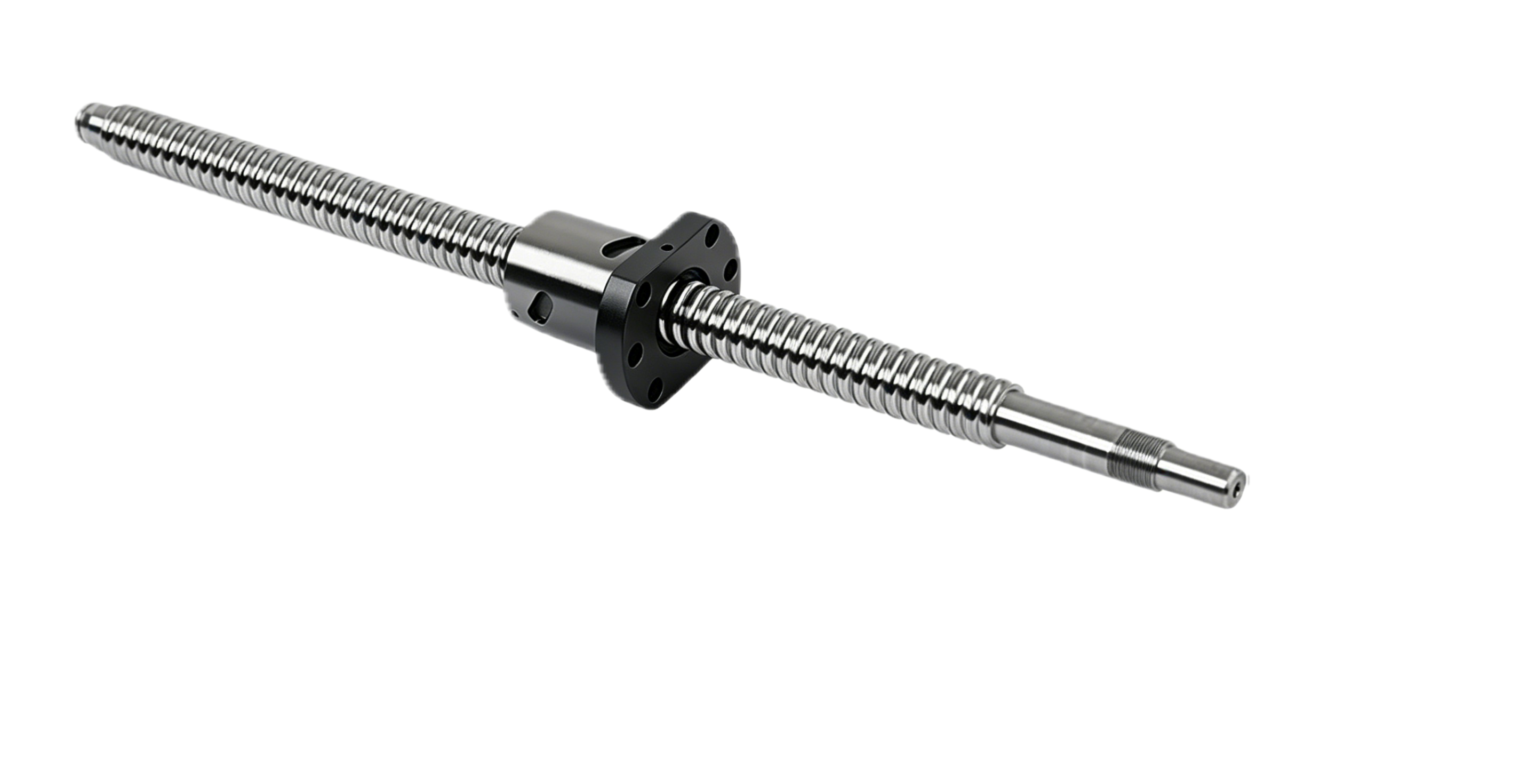
Ball Screws and Nuts are essential components used in linear motion systems to convert rotational motion into linear motion with high efficiency. They are commonly used in applications where precise movement and high load-carrying capacity are required, such as in CNC machines, automated equipment, robotics, and medical devices. Ball screws and nuts are designed to reduce friction and improve the accuracy and lifespan of machinery.
Bearing Nuts are specialized nuts used in conjunction with bearings to secure them in place within a mechanical system. They play a crucial role in ensuring the stability, alignment, and proper functioning of bearings in various applications, ranging from automotive to industrial machinery. Bearing nuts are typically designed to handle significant forces and are made from high-strength materials to ensure durability and reliability.
Cap Nuts are a type of nut with a closed end, often used to cover or protect the exposed threads of a bolt or screw. They are designed not only to provide a secure fastening but also to offer a clean, finished appearance while protecting the threads from environmental elements like dirt, moisture, and corrosion. Cap nuts are commonly used in both functional and aesthetic applications across various industries.
Clip-On Nuts are specialized fasteners that clip onto a surface or component without the need for threading or additional tools. They are designed to be easily attached to a metal panel, frame, or similar surface, making them ideal for quick assembly and applications where threading is not practical or desirable. Clip-on nuts are widely used in industries such as automotive, electronics, and construction for securing bolts, screws, or other fasteners quickly and securely.
Coupling Nuts are cylindrical fasteners used to connect two male-threaded components, such as bolts or rods, to create a longer or more secure assembly. They are typically longer than standard nuts, allowing them to span the length of two connected parts. Coupling nuts are commonly used in applications where it is necessary to join rods, pipes, or other threaded parts to extend their reach or provide additional strength to a connection.
Cylinder Mount Nuts are specialized fasteners designed for securing cylindrical components, typically in machinery, hydraulic systems, and pneumatic applications. These nuts are used to attach and secure cylinders, such as hydraulic or pneumatic actuators, to other parts of machinery or equipment. Cylinder mount nuts are often used in conjunction with other components like flanges, washers, or mounting plates to ensure proper alignment and stability.
Dowel Nuts are a type of cylindrical fastener designed to align and secure components in place, typically used in assembly applications where precise alignment and positioning are required. These nuts are often used in industries like automotive, furniture manufacturing, and construction to provide strong, reliable connections between two parts, often involving dowels or pins for alignment.
Flange Nuts are a type of nut that has a built-in flange, which is a wide, flat surface on one side of the nut. The flange acts as a built-in washer, providing additional support and distributing the load over a larger area. Flange nuts are commonly used in applications where vibration resistance and a secure, even fastening are required.
Hex Nuts are one of the most commonly used types of nuts in various industries, characterized by their six-sided (hexagonal) shape. They are designed to fit onto bolts or screws with matching external threads to securely fasten two or more parts together. Hex nuts are versatile and can be used in a wide range of applications, from construction to machinery assembly.
Lead Screws and Nuts are mechanical components used for converting rotary motion into linear motion, or vice versa, and are commonly found in applications requiring precise movement and positioning, such as in machinery, actuators, and CNC machines.
Locknuts are specialized nuts designed to prevent loosening due to vibrations, thermal expansion, or other forces that might cause standard nuts to become loose over time. They provide a secure fastening in applications where high levels of vibration or movement are common, making them essential in many industries.
Lug Nuts are a type of fastener used to secure a vehicle's wheels to the wheel hub. They are commonly found in the automotive industry and play a crucial role in ensuring that the wheels are safely and securely attached to the vehicle. Lug nuts are typically used with a bolt or stud and come in various designs and configurations, depending on the type of vehicle and its wheel system.
Panel Nuts are a type of fastener used to secure panels or thin materials to a surface or framework. They are typically designed to be installed in applications where space is limited or where the material being fastened is too thin to accommodate a standard bolt or nut.
Press-fit nuts are specialized types of nuts designed for installation into a hole without the need for threading or additional fasteners. They are typically used in applications where it is difficult to insert a traditional nut and bolt. These nuts feature a press-fit design that allows them to be inserted into a pre-drilled hole and securely fasten to the material due to their interference fit or slight deformation when pressed in.
Push-button nuts are a type of fastener designed for easy installation and removal, often used in applications where quick assembly or disassembly is required. These nuts have a unique design that allows them to be inserted or removed with a simple push, making them convenient for situations where tools or complex procedures are not practical.
Rivet nuts, also known as blind nuts or insert nuts, are fasteners that provide strong, permanent threads in materials that are too thin or too weak to be tapped or threaded directly. These nuts are designed to be inserted into a pre-drilled hole, and once installed, they form a secure, threaded connection in materials like metal, plastic, and fiberglass.
Rivet-mount nuts, often referred to as rivet nuts or blind insert nuts, are a specific type of fastener designed to provide strong, permanent threads in materials where access to both sides is limited, or where traditional threading or tapping is not feasible. They are typically used in applications where the material is too thin to be tapped directly, and where a secure threaded connection is needed.
Rod end nuts, also known as heim joint nuts or rose joint nuts, are specialized fasteners used in conjunction with rod ends or heim joints to secure them in place. These nuts are typically used in applications where rotational movement or angular adjustment is required, such as in automotive, aerospace, industrial machinery, and heavy equipment.
Screw-mount nuts are a type of fastener that is designed to be attached to a surface or structure using screws. These nuts typically have a flat surface or a mounting base that allows them to be secured with screws, bolts, or other types of threaded fasteners. They are often used in applications where a nut needs to be mounted to a surface in a way that doesn't require a traditional threaded hole or nut insertion.
Sealing nuts are specialized fasteners designed to provide a secure, leak-proof seal when installed. These nuts incorporate sealing features, such as rubber, silicone, or other gasket-like materials, that prevent fluids, gases, or contaminants from escaping through the nut or the connection. Sealing nuts are commonly used in industries where a tight seal is essential, such as in automotive, aerospace, plumbing, and industrial machinery.
Shock absorber mounting nuts are specialized fasteners used to secure shock absorbers to various parts of a vehicle or machinery. These nuts are specifically designed to handle the forces generated by shock absorption systems, ensuring a secure and reliable connection while allowing for the movement required for the shock absorber to function effectively.
Slotted round nuts are a type of fastener with a round shape and a slot or grooves cut into the surface. These slots are typically designed for use with a specialized tool, such as a slotted nut driver or a screwdriver, to tighten or loosen the nut. Slotted round nuts are commonly used in applications where a secure, easy-to-adjust fastening system is needed, often in situations with limited space or where a higher torque is required.
Snap-in nuts are fasteners designed to quickly and securely attach to a surface without the need for traditional threading or a separate tool. They are typically used in applications where a fast, tool-free installation is required, such as in automotive, electronic, and industrial assemblies. These nuts are designed to "snap" or "clip" into place, often in sheet metal or other thin materials, creating a secure threaded connection for bolts, screws, or other fasteners.
Socket nuts are a type of nut with a cylindrical design and a socket or internal drive that allows them to be tightened or loosened using a socket wrench or other similar tools. They are commonly used in mechanical, automotive, industrial, and construction applications, where a strong and secure fastening is needed.
Split nuts are a type of fastener that features a split or gap along the side of the nut, allowing it to expand or contract to fit snugly around a threaded bolt or stud. This split design allows the nut to be installed or removed without requiring tools or the need to fully screw the nut onto a bolt. Split nuts are commonly used in applications where quick installation or removal is necessary, or where a tight and secure fit is critical without the risk of loosening due to vibration.
Tamper-resistant nuts are specialized fasteners designed to prevent unauthorized removal or tampering, ensuring that the nut stays securely in place under conditions where safety, security, or durability is critical. These nuts are commonly used in applications where the risk of tampering or theft is high, or where the integrity of the assembly needs to be maintained under challenging conditions.
Tube-connecting nuts are fasteners designed to securely connect two or more tubes or pipes in various systems, such as fluid, gas, or hydraulic systems. These nuts play a crucial role in providing a leak-proof and secure connection between tubes, ensuring that the system operates effectively and safely. Tube-connecting nuts are commonly used in plumbing, industrial, automotive, and hydraulic applications.
Weld nuts are specialized fasteners designed to be attached to a metal surface by welding. These nuts are commonly used in applications where a permanent, secure threaded connection is required, particularly in thin metal sheets or structures where tapping threads might not be feasible. Weld nuts provide a reliable method for fastening components without the need for additional threads or fasteners.
Aluminum pipes and pipe fittings are crucial components in various industries, including construction, plumbing, HVAC (heating, ventilation, and air conditioning), automotive, and industrial systems. Aluminum is chosen for its combination of lightweight, corrosion resistance, and strength, making it a preferred material in many fluid, gas, and structural piping applications.
Brass and bronze threaded pipes and pipe fittings are commonly used in plumbing, HVAC, industrial, and marine applications due to their durability, corrosion resistance, and ease of installation. Both materials are alloys of copper, but they have distinct properties and are chosen for specific applications based on their characteristics.
Brass and bronze unthreaded pipes and pipe fittings are used in various applications where welded, flanged, or compression fittings are preferred over threaded connections. Both brass and bronze are alloys of copper, known for their durability, corrosion resistance, and ability to perform well in a wide range of environments. They are commonly used in plumbing, HVAC, industrial, and marine systems, particularly when corrosion resistance and strength are essential.
Copper-nickel (Cu-Ni) pipe and pipe fittings are a popular choice in many industries due to their excellent corrosion resistance, strength, and durability, especially in harsh environments. Copper-nickel alloys, which typically contain 10-30% nickel, offer superior resistance to seawater, chemicals, and high temperatures, making them ideal for marine, chemical, and power generation applications.
Extreme-pressure steel threaded pipes and pipe fittings are designed to handle high-pressure environments where standard steel pipes and fittings may not be sufficient. These pipes and fittings are typically made from high-strength, durable steel alloys and are used in industries such as oil and gas, power generation, chemical processing, and heavy industry. They are engineered to withstand extreme pressures and maintain performance and safety under challenging conditions.
High-pressure iron and steel threaded pipes and pipe fittings are specifically designed to withstand intense internal pressure in various industrial applications. These fittings are crucial in systems where high-pressure fluids or gases need to be transported safely and securely. They are commonly used in industries such as oil and gas, power generation, chemical processing, HVAC, and hydraulics.
Iron and steel clamp-on pipes and pipe fittings are commonly used in various industrial applications where quick installation, maintenance, and secure connections are required. These fittings are particularly useful in systems that need to be assembled or disassembled frequently without welding or threading, making them versatile for temporary or emergency repairs, as well as for permanent installations.
Iron and steel unthreaded pipes and pipe fittings are used in a variety of applications where secure, long-lasting connections are required but threading is not practical or necessary. These unthreaded systems typically rely on welding, flanging, or compression fittings to connect the pipes. Iron and steel are the most commonly used materials for such pipes and fittings due to their strength, durability, and cost-effectiveness.
Low-pressure galvanized iron and steel threaded pipes and pipe fittings are commonly used in systems that do not require high-pressure capabilities but still need strength, durability, and resistance to corrosion. The galvanization process (coating the iron or steel with a layer of zinc) enhances the material's ability to withstand moisture and environmental exposure, making it suitable for various applications, particularly in plumbing, HVAC, and light industrial systems.
Low-pressure iron and steel threaded pipes and pipe fittings are commonly used in plumbing, HVAC, and light industrial systems where pressure requirements are not extremely high but strength, durability, and ease of installation are still important. These materials offer good mechanical properties and are suitable for systems that operate at low to medium pressures, typically under 150-300 psi.
Medium-pressure iron and steel threaded pipes and pipe fittings are designed to handle pressures higher than those of low-pressure systems but lower than those in high-pressure applications. These pipes and fittings are commonly used in a variety of industrial, commercial, and residential systems, such as water supply, HVAC, oil and gas distribution, and other fluid transportation systems where moderate pressures are involved. Typically, these systems operate under pressures between 150 psi and 600 psi.
Pipe collars are fittings used to encase and protect pipes, providing structural support and enhancing the overall safety and integrity of the piping system. They are typically installed where pipes pass through walls, ceilings, or floors, and they help maintain the strength, alignment, and fire-resistance of the installation. Pipe collars are essential in both commercial and industrial applications, where ensuring the safe passage of pipes through barriers is crucial.
Stainless steel threaded pipes and pipe fittings are commonly used in a wide range of industries due to their excellent corrosion resistance, strength, and durability. They are particularly ideal for systems exposed to corrosive environments, high temperatures, and aggressive chemicals. Stainless steel provides both aesthetic and functional benefits in piping systems, making it a popular choice for industrial, commercial, and residential applications.
Stainless steel unthreaded pipes and pipe fittings are widely used in applications where corrosion resistance, durability, and hygiene are essential. Unlike threaded fittings, unthreaded pipes and fittings rely on methods like welding, flanging, or compression fittings to join sections together. Stainless steel’s excellent mechanical properties and resistance to a wide range of chemicals and environments make it a popular choice in various industries, from food processing to chemical manufacturing.
Titanium threaded pipe fittings are highly durable and corrosion-resistant components used in piping systems where strength, lightweight, and resistance to harsh environments are crucial. Titanium is a premium material often chosen for its exceptional performance in extreme conditions, such as high temperatures, aggressive chemicals, and corrosive environments. These fittings are commonly used in industries like aerospace, marine, chemical processing, and power generation.
Cap screws are a type of fastener that is commonly used in mechanical and construction applications where high strength and secure fastening are required. They are similar to bolts but generally feature a flat, cylindrical head with a hexagonal (six-sided) or square drive, allowing for easy installation with wrenches or socket drivers. Cap screws are typically used in situations where a bolt requires a flush or recessed fit, and they can be used in both blind holes and through holes.
Captive panel screws are specialized screws designed to remain attached to a panel or enclosure, preventing them from being lost during installation or maintenance. They are often used in situations where screws need to be secured to a panel but must still be easily removable. The screw is "captive" in the hole, meaning it can be rotated or turned but won’t fall out, even when unscrewed. These screws are widely used in electronics, machinery, enclosures, and electrical panels, where tools like screwdrivers are required to access or secure components.
Carriage bolts are a type of fastener commonly used in wood and metal applications where a smooth, rounded head and a secure, non-rotating grip are required. They are designed to be inserted through a hole and secured with a nut, making them ideal for joining pieces of wood or metal together, especially when the fastener needs to be hidden or flush with the surface.
Flat head screws are a type of screw designed with a flat, countersunk head that allows the screw to sit flush with or below the surface of the material being fastened. This design makes them ideal for applications where a smooth, even surface is needed, and the screw head should not protrude above the surface, preventing any interference or damage to surrounding components.
Hex head screws are fasteners characterized by a hexagonal (six-sided) head, which allows them to be easily driven with a wrench or socket. This design makes them ideal for applications requiring a high degree of torque and a secure fastening. Hex head screws are commonly used in both industrial and DIY projects for joining materials together, especially when high strength and durability are required.
Rounded head screws are fasteners with a domed or rounded head that provides a smooth, unobtrusive appearance. The rounded shape of the head makes them suitable for applications where the screw needs to sit slightly above the surface or where aesthetic considerations are important. These screws are typically used when a lower-profile or more decorative finish is needed, without compromising the strength of the fastening.
Set screws are a type of fastener used to secure an object within or against another object, typically without the need for a nut. Unlike other screws that are used to fasten materials together, set screws are designed to fix a part in place, often within a hollow or cylindrical component. They are commonly used in applications where a component needs to be secured in position and cannot move, such as securing gears, pulleys, or shafts to other components.
Shoulder screws are a type of fastener with a shoulder (a cylindrical, unthreaded section) between the head and the threaded portion of the screw. This shoulder provides a precise, smooth surface that can be used as a bearing surface for rotating or sliding components. Shoulder screws are commonly used in applications where parts need to be positioned, pivoted, or rotated, such as in machinery, automation, and automotive systems.
Tapping screws are fasteners that are specifically designed to create their own threads as they are driven into a material. They feature a sharp, pointed tip and are commonly used for fastening into pre-drilled or unthreaded holes, especially in materials like wood, metal, plastic, and sheet metal. Unlike other screws, tapping screws are able to cut into and "tap" the material as they are installed, eliminating the need for pre-threaded holes or nuts.
Threaded rods and studs are fasteners that are fully threaded along their length and are commonly used in applications that require a strong, durable connection between two parts. While both are similar in their fully threaded design, they have distinct uses and configurations. Here’s a detailed look at each:
Thumb screws are a type of fastener that are designed to be tightened or loosened by hand, without the need for tools. They have a large, knurled or ribbed head that provides a better grip for manual operation. These screws are commonly used in applications where frequent adjustments, removals, or assembly/disassembly are needed, and ease of handling is important.
12-point screws are a type of fastener characterized by a head with 12 points or sides instead of the more common 6 (hex) or 4 (square) points. These screws are designed to provide a higher torque capacity and a more secure grip compared to traditional fasteners. They are typically used in applications where high strength and precise, even fastening are critical. The 12-point design allows for greater surface contact and more contact points for the tool, making them ideal for heavy-duty industrial applications.
Coil lock washers, also known as internal tooth lock washers or spring lock washers, are a type of washer designed to prevent fasteners from loosening due to vibration, shock, or rotational forces. These washers are typically used in mechanical and industrial applications where maintaining the tightness of a fastener is critical.
Lock washers for square-neck bolts are specialized washers used to prevent square-neck bolts from loosening due to vibrations, dynamic loads, or other forces. These washers are specifically designed to work with the square-neck design of the bolt, ensuring a secure, stable connection in various industrial, automotive, and construction applications.
Split lock washers are a type of locking washer designed to prevent fasteners, such as bolts or nuts, from loosening due to vibration, torque, or other dynamic forces. They feature a split design, which provides a spring action that applies pressure to the fastener, keeping it tightly secured.
Spring lock washers, also known as coil lock washers or internal tooth lock washers, are a type of washer designed to prevent fasteners (such as bolts or nuts) from loosening due to vibration, shock, or other dynamic forces. These washers provide tension between the fastener and the material, enhancing the security of the connection. Their spring-like design gives them an ability to maintain pressure and resist loosening.
Standard washers are flat, circular discs used in conjunction with fasteners (such as screws, bolts, and nuts) to distribute the load evenly, prevent surface damage, and provide a secure and stable connection. They are among the most commonly used types of washers across a wide range of applications, from construction and machinery to automotive and electronics.
Tab lock washers, also known as tab washers or locking washers with tabs, are a type of lock washer used to prevent fasteners from loosening due to vibration, torque, or other dynamic forces. These washers feature one or more tabs that are bent over the edge of the fastener (usually a nut or bolt) to "lock" it in place, providing a secure and reliable fastening solution.
Tooth lock washers are a type of locking washer designed to prevent fasteners from loosening due to vibrations, dynamic loads, or other forces. These washers feature teeth that grip the fastener or the material being fastened, creating friction that helps maintain the tightness of the joint. There are two main types of tooth lock washers: internal tooth and external tooth lock washers.
Wedge lock washers, also known as wedge lock sets or wedge lock fasteners, are a type of locking washer designed to prevent loosening of bolts, nuts, or screws due to vibration, thermal expansion, or dynamic forces. They work by creating a mechanical wedge effect that keeps fasteners tight and secure, even under harsh conditions.
ANSI attachment chains and links are types of mechanical chains and chain links that are designed and manufactured according to the standards set by the American National Standards Institute (ANSI). These chains and links are used in various industrial, mechanical, and power transmission applications where a secure connection and smooth operation are essential.
ANSI roller chain and links are widely used in mechanical power transmission applications, where the goal is to transfer motion and power between sprockets and rotating shafts. These chains conform to the American National Standards Institute (ANSI) standards, which set specifications for the dimensions, strength, and performance of roller chains and their components. ANSI roller chains are commonly used in industries such as manufacturing, automotive, agriculture, and material handling.
ANSI roller chain link assortments are collections of different types of roller chain links and related components that conform to the ANSI B29.1 standard. These assortments are commonly used for maintenance, repair, and replacement of roller chains in various mechanical power transmission systems. They ensure that users have access to all necessary parts to maintain chain integrity and extend the operational life of equipment.
Bushings for chain and belt drives are cylindrical components used in various types of mechanical drives to provide support, reduce friction, and allow smooth rotation of moving parts. They are crucial for ensuring the longevity and efficient operation of chain and belt drive systems, which are commonly found in machinery, conveyors, automotive, and industrial applications.
Metric roller chain and links are mechanical chains that conform to the metric system of measurements, as opposed to the inch-based dimensions used in ANSI roller chains. These chains are used in power transmission applications where a secure, efficient, and reliable method of transferring motion and force between sprockets and shafts is required. Metric roller chains and links are commonly used in industries such as manufacturing, automotive, and material handling.
Miniature roller chain and links are compact versions of traditional roller chains, designed for applications that require a smaller, lighter, and more flexible chain system. These chains are commonly used in machinery, robotics, medical equipment, small conveyors, and various other precision applications where space is limited and weight reduction is important.
Bevel gears are a type of gear used to transmit rotational motion between intersecting shafts, typically at a 90-degree angle. These gears are designed to change the direction of movement and can also change the speed or torque of the system. They are often found in applications where space constraints or specific mechanical requirements necessitate a change in the direction of the power transmission.
Gear rod stock refers to a type of gear-shaped material that is produced in rod or bar form, typically used for creating custom gears or gear components. This rod stock is made from high-quality materials and is commonly used in machining or fabrication processes to manufacture gears, sprockets, and other mechanical components that require specific gear profiles.
Gear tooth pitch identifiers are used to define the size and spacing of the teeth on a gear. The pitch of a gear is a key measurement that indicates the distance between adjacent teeth and is essential for ensuring compatibility between gears in a gear train. There are different methods for defining and measuring gear pitch, and each method serves a specific purpose in gear design and application.
Spur gears are one of the most common types of gears used in mechanical systems to transmit motion and power between shafts that are typically parallel to each other. They feature straight teeth that are cut parallel to the axis of rotation, making them one of the simplest and most widely used gear types. Spur gears are typically used when the need for precise motion and reliable power transmission is critical, especially in low-to-medium torque and low-to-medium-speed applications.
H Series Quick-Disconnect Timing Belt Pulleys are mechanical components designed to transmit power from a driving source to a driven machine via a timing belt. The H series refers to a specific type of timing belt pulley, typically designed for high-torque applications and for use in industries that require quick maintenance and easy belt changes. The quick-disconnect feature allows for easy removal of the pulley from the shaft without the need for additional tools, reducing downtime and simplifying maintenance in equipment like conveyors, machinery, and automation systems.
H Series Timing Belt Pulleys are precision mechanical components designed to work with H Series timing belts for the transmission of motion and torque between shafts. These pulleys are widely used in mechanical systems where exact synchronization between the driving and driven components is essential. The H Series refers to a specific design standard for toothed timing belts and pulleys, ensuring high torque transmission, precision, and reliability. H Series pulleys are suitable for various applications, including conveyors, machinery, and automated systems.
L Series Corrosion-Resistant Timing Belt Pulleys are specifically designed components used in power transmission systems that rely on timing belts. These pulleys are part of the L Series, which typically refers to pulleys that use L-profile timing belts (with 2mm or 2.5mm pitch). The key feature of these pulleys is their corrosion-resistant properties, making them ideal for use in environments where exposure to moisture, chemicals, or harsh conditions could lead to degradation or failure of standard metal pulleys.
L Series Quick-Disconnect Timing Belt Pulleys are designed for high-precision applications where easy maintenance, quick adjustments, and reliable performance are essential. These pulleys feature a quick-disconnect mechanism, allowing them to be easily removed or replaced without requiring special tools. The L Series designation typically refers to pulleys that work with L-profile timing belts, which have a 2mm or 2.5mm pitch. The quick-disconnect feature enhances the ease of installation and maintenance, reducing downtime in systems that require frequent adjustments, belt changes, or servicing.
L Series Timing Belt Pulleys are mechanical components used in conjunction with L-profile timing belts for power transmission in a wide range of industrial and mechanical applications. These pulleys are designed to work with L-type timing belts, which have a 2mm or 2.5mm pitch. The L Series pulleys offer high precision, smooth operation, and are often used in applications where accurate synchronization and efficiency are required.
MXL Series Corrosion-Resistant Timing Belt Pulleys are mechanical components used in power transmission systems that require high precision and efficient operation while being resistant to harsh environments. These pulleys are designed to work with MXL-profile timing belts, which feature a 2.032mm (0.080 inches) pitch. The key feature of these pulleys is their corrosion-resistant properties, making them suitable for use in environments where exposure to moisture, chemicals, or other corrosive elements is a concern.
MXL Series Lightweight Timing Belt Pulleys are designed for high-precision power transmission applications that require the combination of lightweight construction and efficient operation. These pulleys are specifically made to be used with MXL-profile timing belts, which feature a 2.032mm (0.080 inches) pitch. The primary advantage of the MXL Series lightweight pulleys is their reduced weight, which makes them ideal for systems where minimizing mass is critical while still maintaining reliability and performance.
Timing Belt Idler Pulleys are essential components in timing belt systems, serving primarily to maintain belt tension, change the direction of belt travel, and ensure smooth, consistent operation of the system. These pulleys are designed to guide and adjust the path of the timing belt without transmitting power. Idler pulleys play a critical role in improving the overall efficiency and longevity of the timing belt system by preventing slippage, wear, and misalignment.
XL Series Corrosion-Resistant Timing Belt Pulleys are designed to provide durable, efficient, and reliable power transmission in systems where corrosion resistance is essential. These pulleys are specifically engineered for use with XL-profile timing belts, which feature a 5.08mm (0.200 inches) pitch. The XL series is particularly suitable for applications requiring light to medium power transmission and is ideal for environments where corrosion or harsh conditions might be a concern.
XL Series Lightweight Timing Belt Pulleys are designed to offer a balance between lightweight construction and efficiency in power transmission systems that use XL-profile timing belts. These pulleys are specifically engineered to work with XL-profile timing belts, which have a 5.08mm (0.200 inches) pitch. The main advantage of XL Series lightweight pulleys is their low weight, which makes them ideal for applications where reducing the overall mass is critical, without sacrificing performance or durability.
XL Series Timing Belt Pulleys are components designed to work with XL-profile timing belts in mechanical systems that require precise, reliable, and efficient power transmission. These pulleys are commonly used in a wide range of light to medium-duty applications. The XL series is characterized by a 5.08mm (0.200 inches) pitch, which makes it ideal for applications where small to medium torque needs to be transmitted with high accuracy and minimal maintenance.
Chemical Resistant O-Ring Cord Stock is a versatile material used to create O-rings and seals that can withstand exposure to a wide range of chemicals, oils, fuels, and other aggressive substances. O-ring cord stock is a continuous length of rubber or elastomer material that can be cut and shaped into custom-sized O-rings for sealing purposes. The chemical resistance of the cord stock ensures that the resulting O-rings can maintain their sealing properties even when exposed to harsh environments.
Chemical Resistant O-Rings are specially designed seals made from elastomer materials that provide effective sealing in environments where they are exposed to aggressive chemicals, oils, solvents, fuels, and high temperatures. These O-rings are essential for applications in industries such as chemical processing, automotive, pharmaceuticals, food and beverage, aerospace, and more, where robust sealing is necessary to prevent leaks and maintain system integrity.
High-Temperature O-Ring Cord Stock is a specialized sealing material used to create O-rings that can withstand elevated temperatures while maintaining their sealing properties. These cord stocks are made from elastomers designed to perform reliably under extreme heat conditions, making them ideal for industries and applications that require long-lasting seals in high-temperature environments.
High-Temperature O-Rings are sealing solutions specifically designed to maintain their integrity and performance in environments that experience extreme heat. These O-rings are critical in applications where high temperatures could otherwise degrade standard elastomers or cause leaks, system failure, or damage. High-temperature O-rings are commonly used in industries like aerospace, automotive, chemical processing, and oil & gas, where reliable sealing is essential even at elevated temperatures.
High Vacuum Fluoroelastomer O-Rings are specialized seals designed for use in high-vacuum environments where both chemical resistance and extreme sealing performance are required. Made from fluoroelastomer materials (such as Viton® or perfluoroelastomers like Kalrez®), these O-rings offer excellent resistance to high temperatures, aggressive chemicals, and extreme vacuum conditions, making them ideal for applications like semiconductor manufacturing, chemical processing, pharmaceuticals, and aerospace.
O-Ring Backup Rings are used in conjunction with O-rings to provide additional support and prevent extrusion in applications where the O-ring is exposed to high-pressure environments. These rings are essential for enhancing the performance and lifespan of the O-rings in sealing applications, particularly in systems that involve high pressures or aggressive fluids.
Oil-Resistant O-Ring Cord Stock is a type of elastomer cord that is used to create O-rings specifically designed for sealing applications in environments where oils, fuels, or other petroleum-based fluids are present. These O-rings are made from materials that resist degradation, swelling, or loss of sealing ability when exposed to oils or lubricants. They are essential for systems in industries like automotive, hydraulics, oil and gas, machinery, and industrial applications that involve frequent contact with oils or fuels.
Oil-Resistant O-Rings are sealing components designed to withstand prolonged exposure to oils, lubricants, and petroleum-based fluids without degrading, swelling, or losing their sealing ability. These O-rings are crucial in systems that involve hydraulic fluid, fuel, motor oil, or lubricants, and are commonly used in industries like automotive, oil & gas, machinery, hydraulics, and industrial equipment.
Water and Steam Resistant O-Rings are specially designed seals used in systems where they are exposed to water, steam, or both. These O-rings are critical in industries where high temperatures, high pressures, and water or steam exposure are common, such as in automotive, HVAC systems, marine, food processing, pharmaceuticals, and industrial machinery.
Water and Steam-Resistant O-Ring Cord Stock is a type of sealing material used to create custom-sized O-rings for applications exposed to water and steam. It is typically made from materials that offer excellent resistance to high temperatures, moisture, and chemical exposure, making it suitable for demanding environments where standard O-rings may fail.