- Interchangeable With :
- Lee
Extension Springs
10321 Products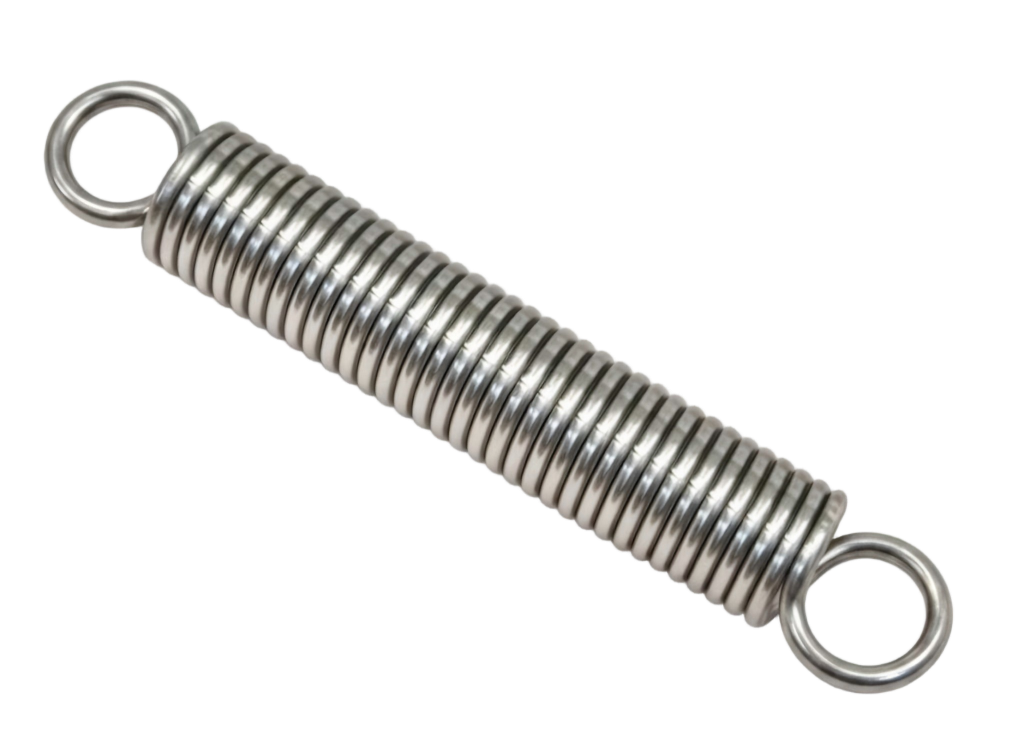
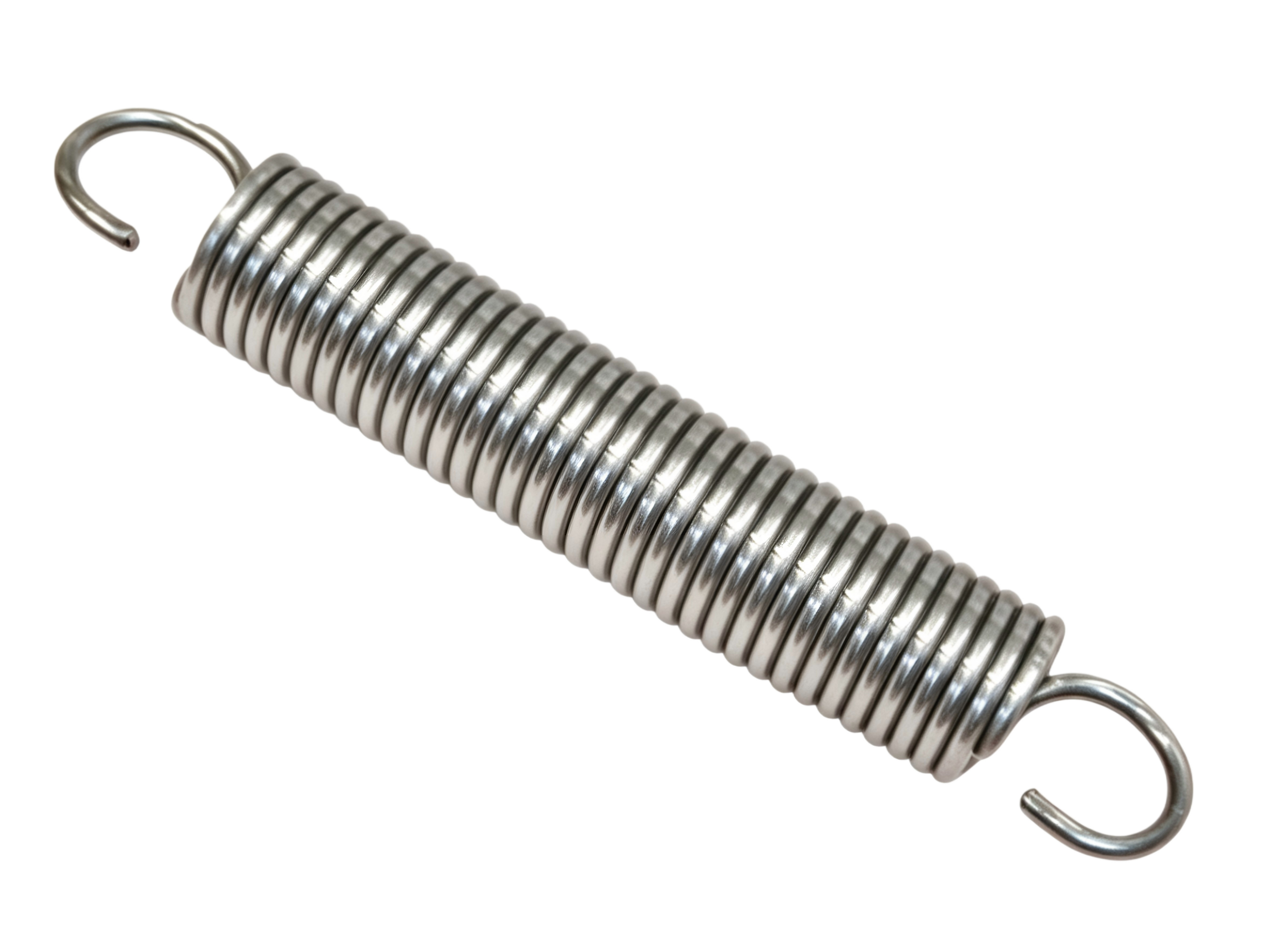
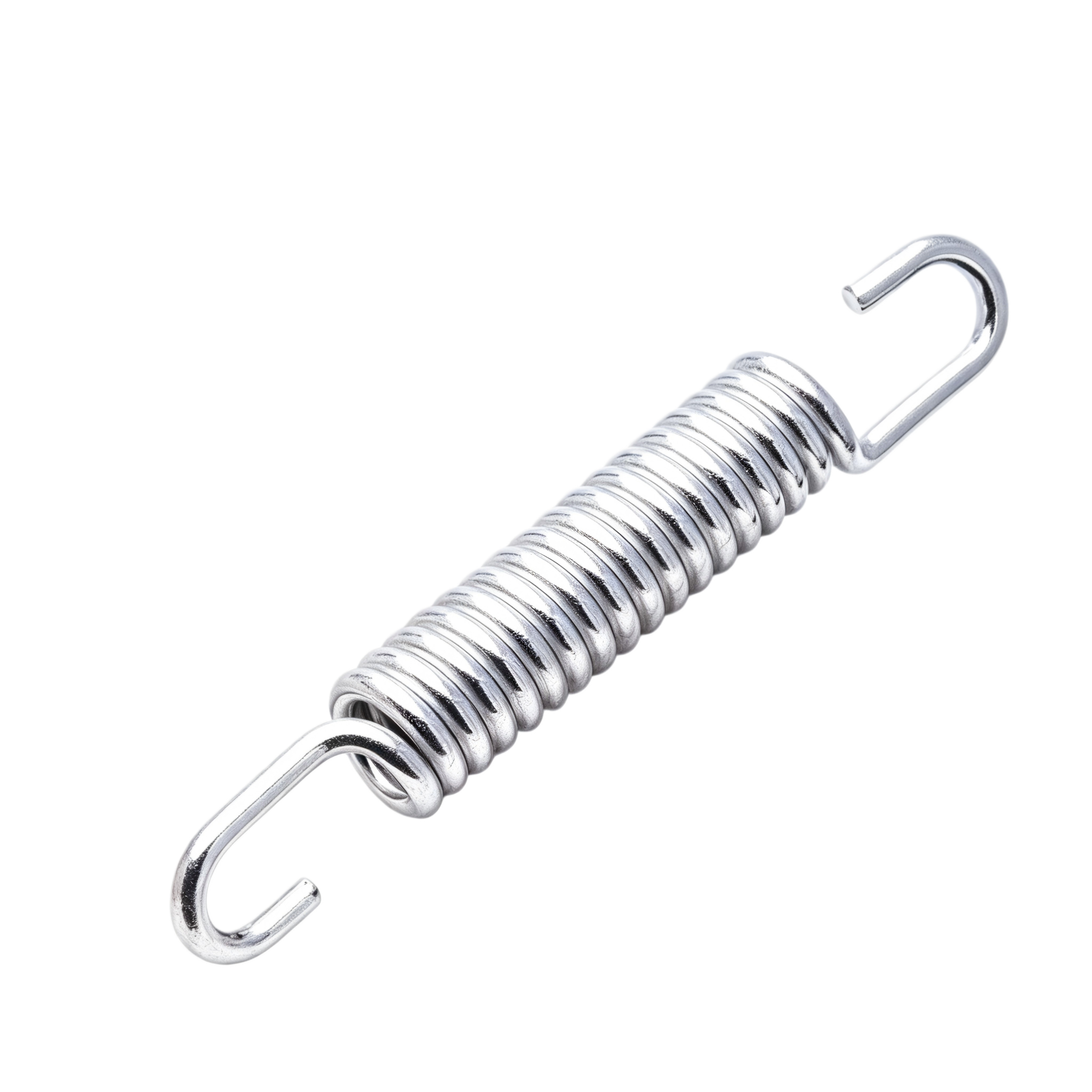
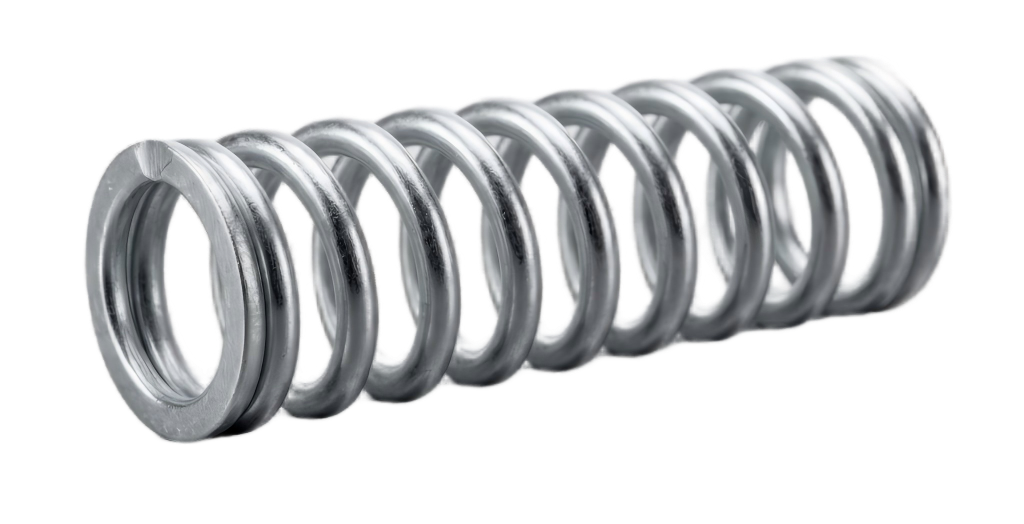
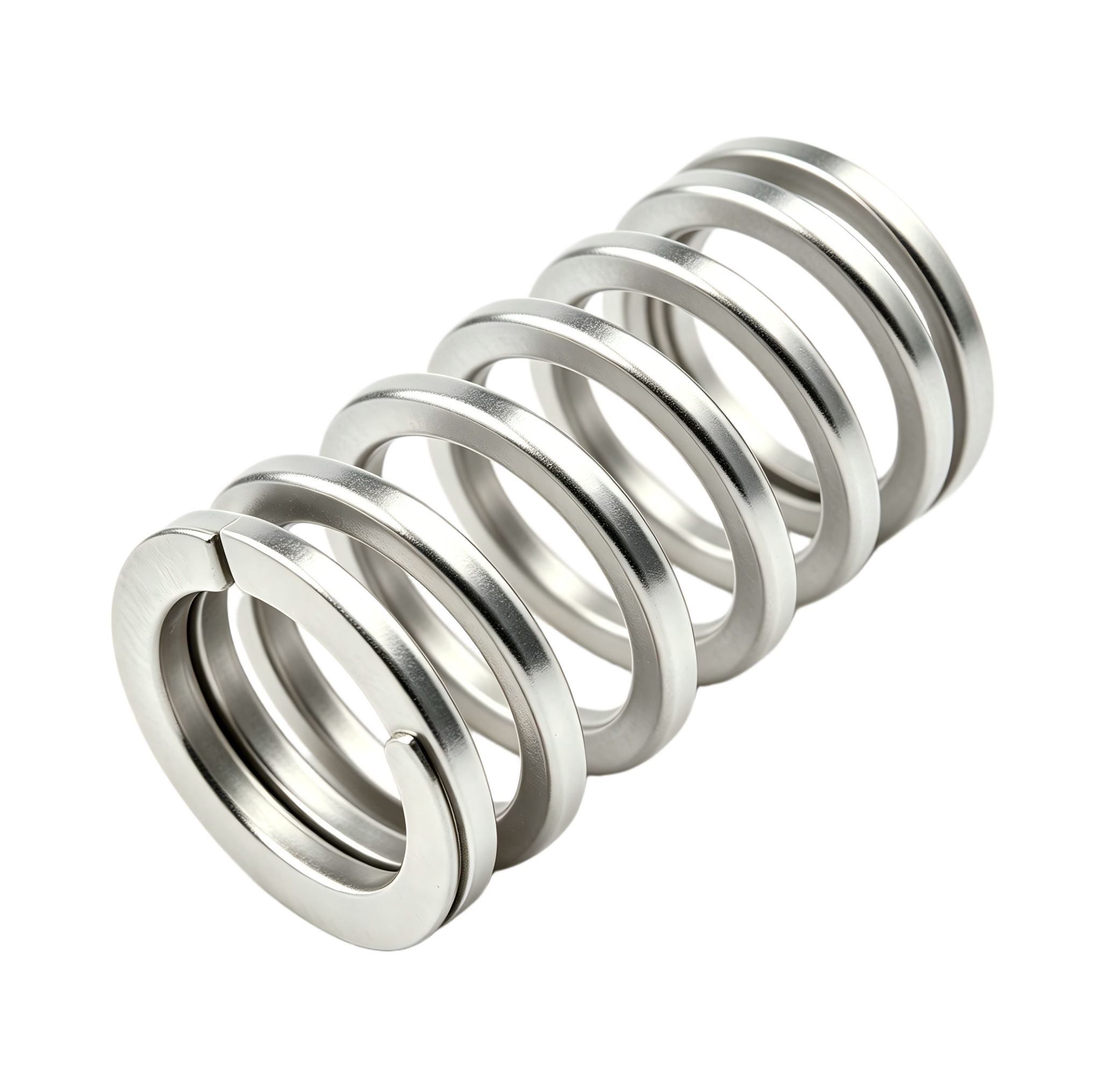

What Is an Extension Spring?
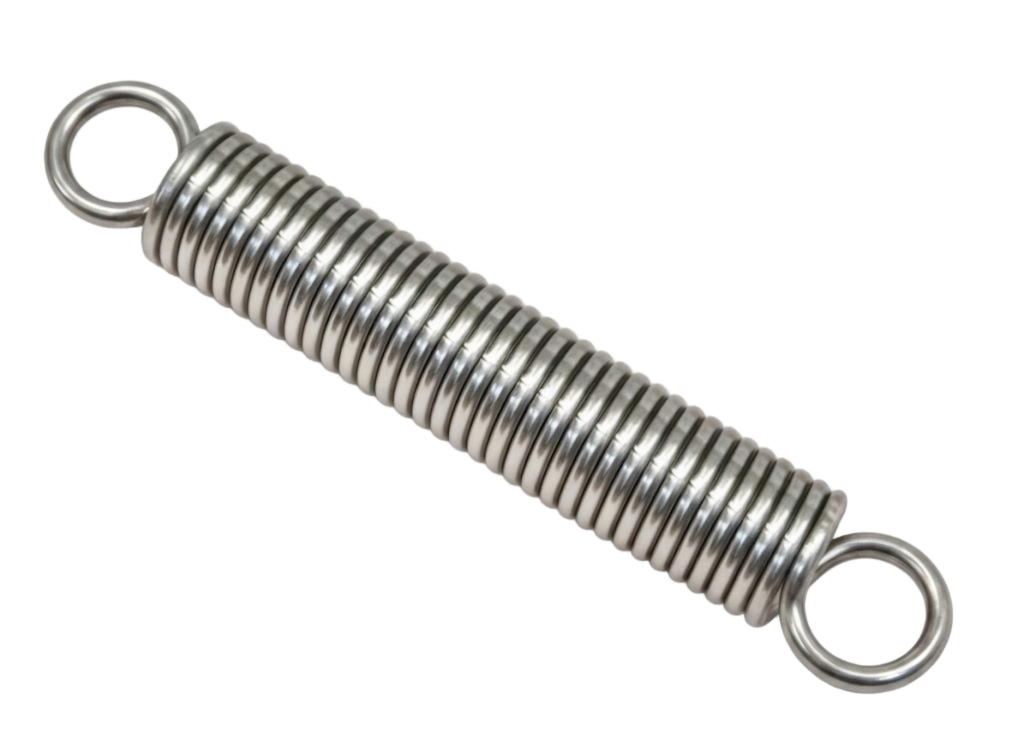
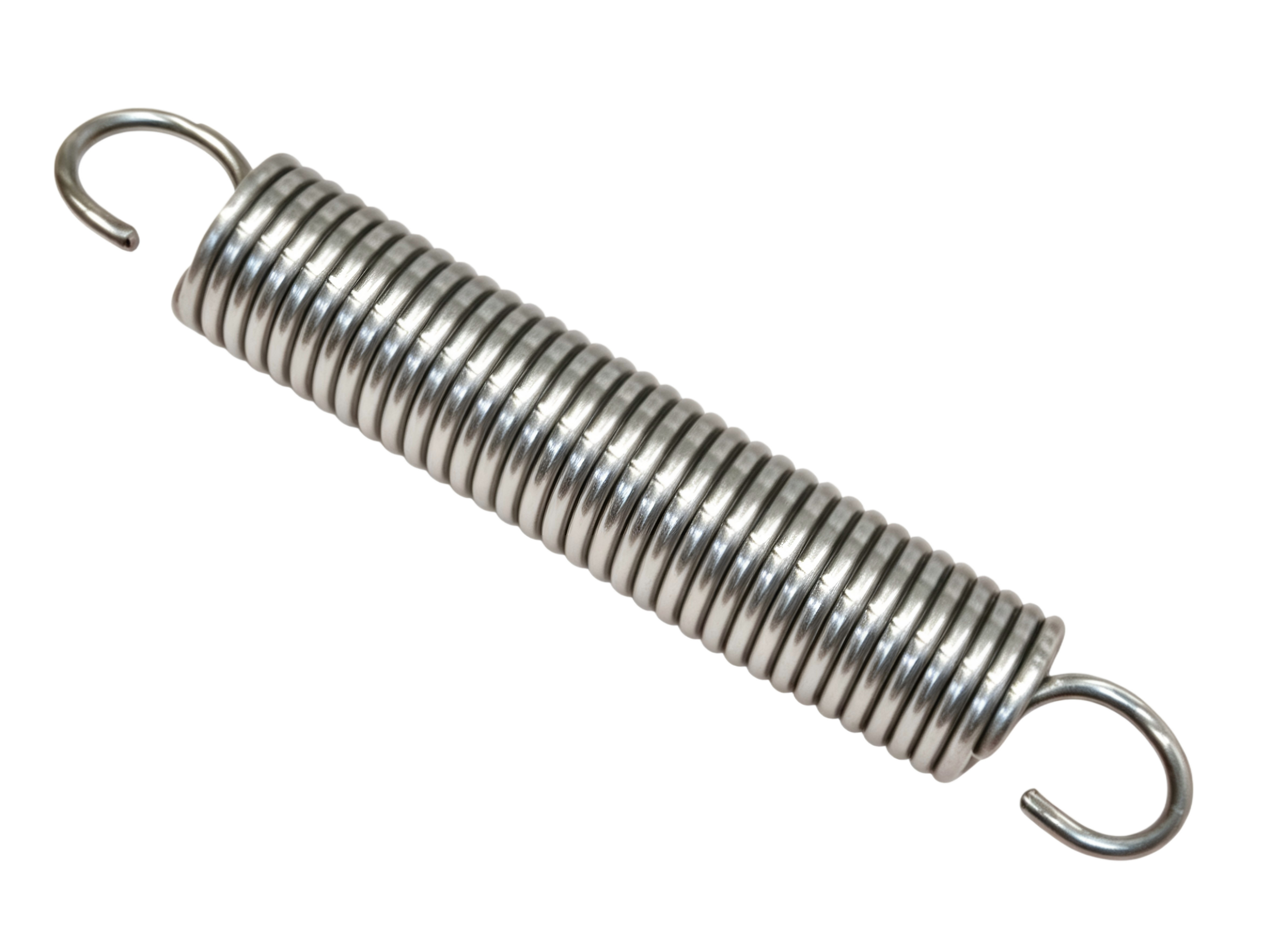
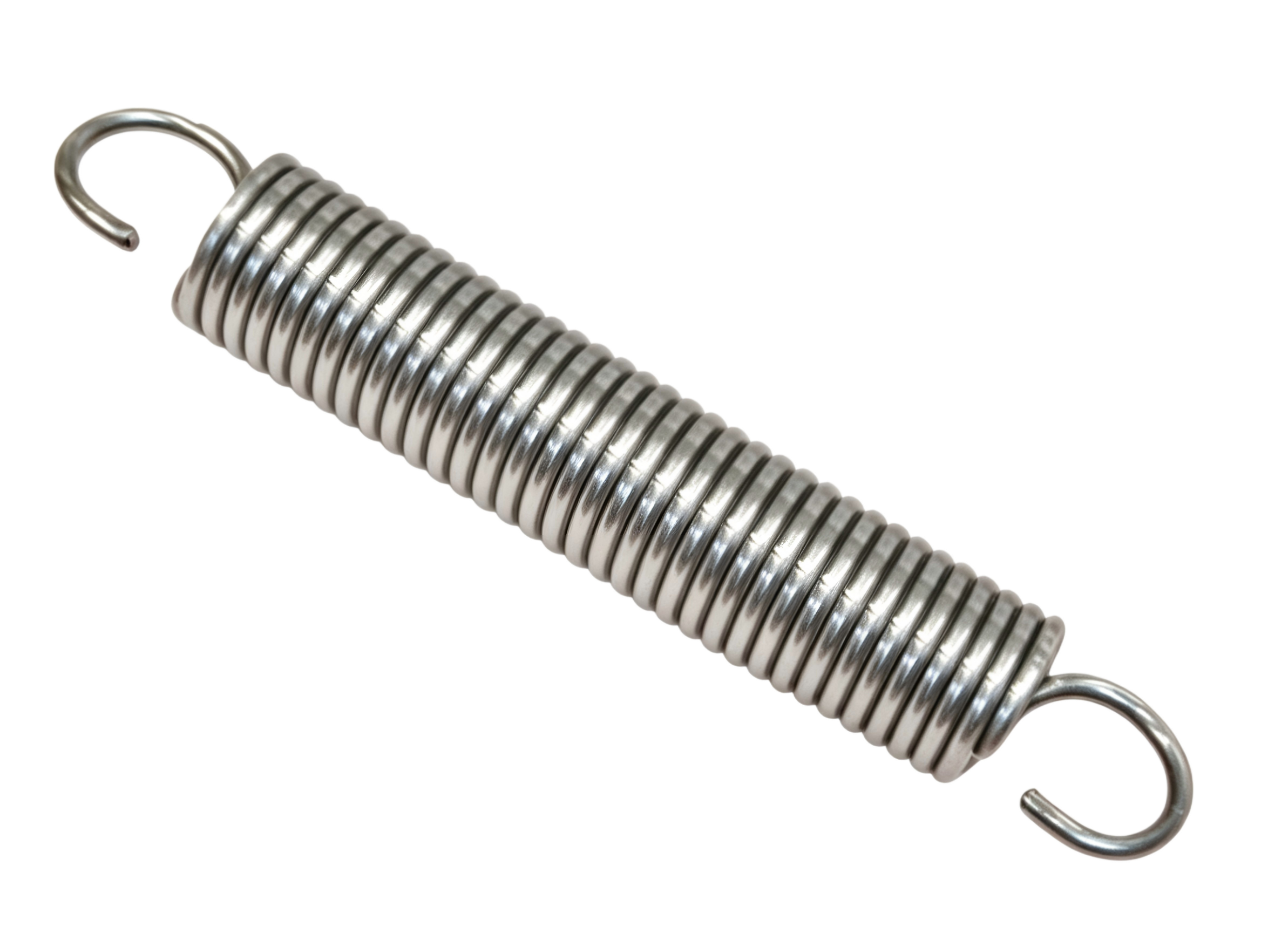
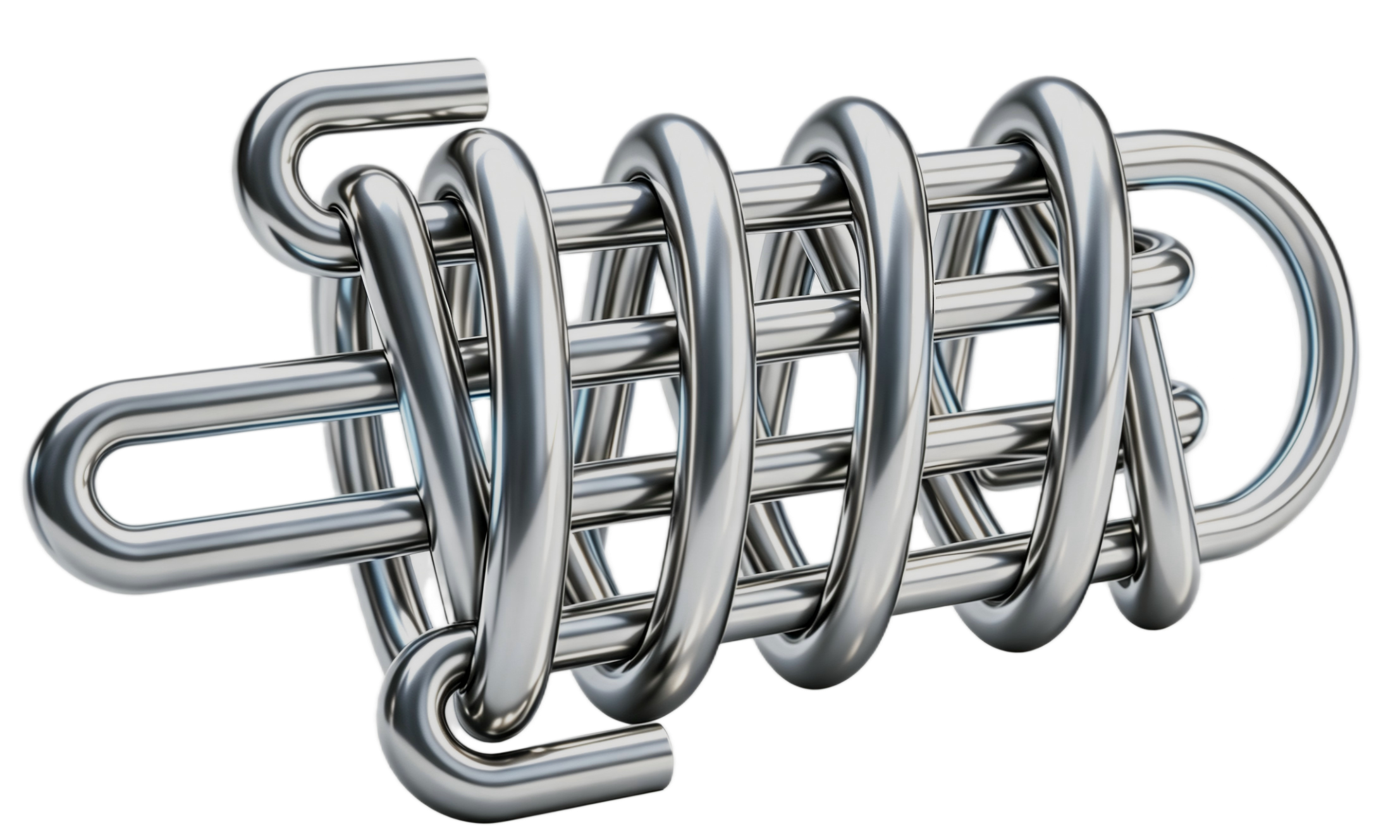
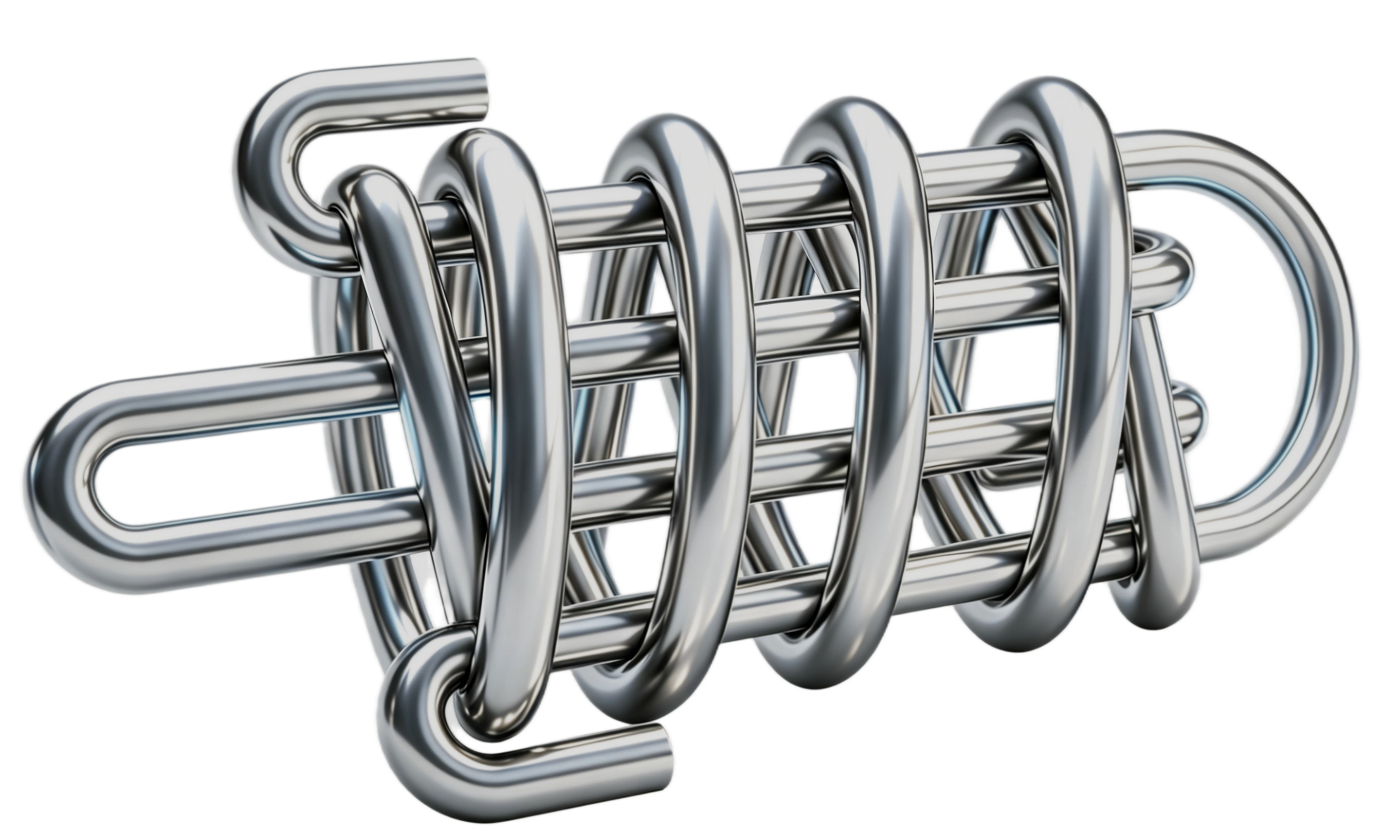
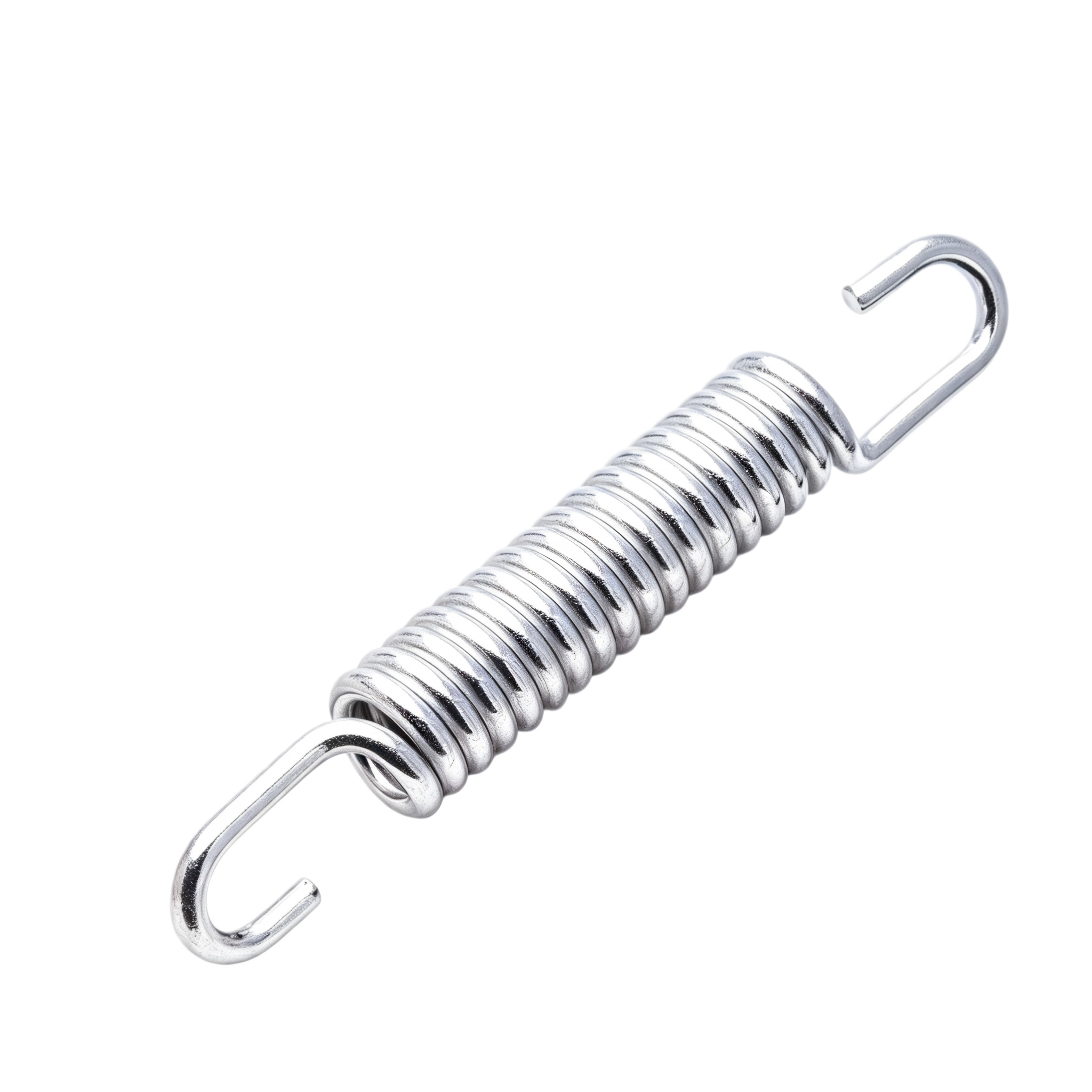
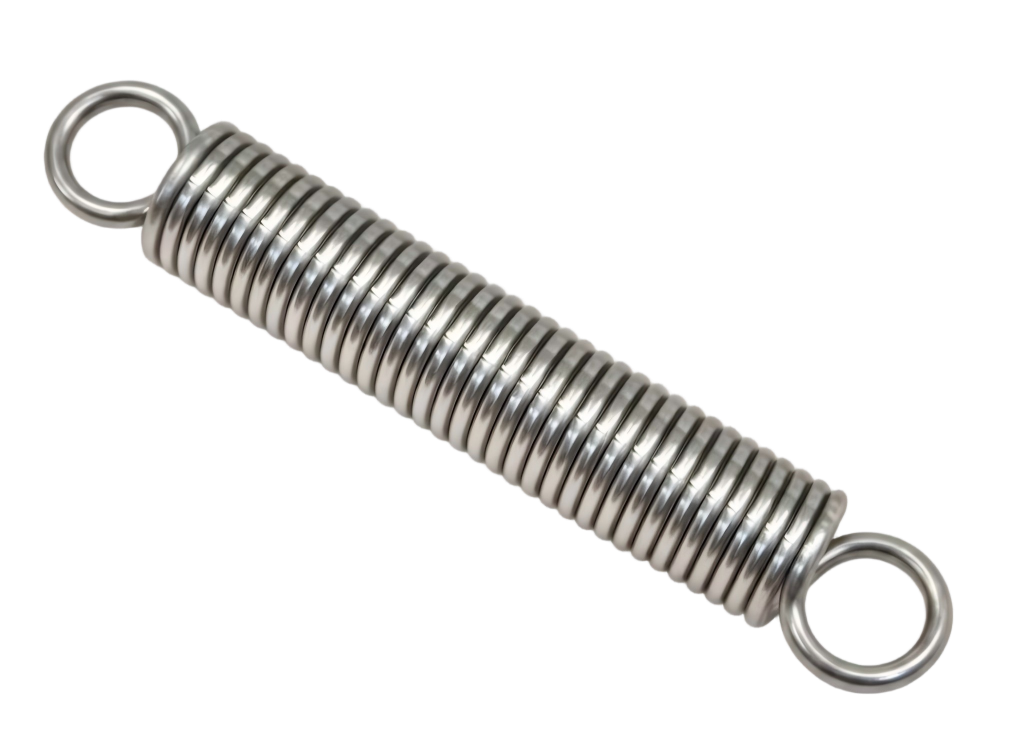
An extension spring is a mechanical spring designed to resist tensile (pulling) forces. When a load is applied, the spring stretches and stores mechanical energy, then returns to its original length once the force is released. Extension springs are widely used in applications that require controlled tension, return motion, or precise positioning.
Characteristics of an Extension Spring
- Hook or Loop Ends: Typically equipped with hooks, loops, or custom ends for attachment.
- Wide Material and Size Options: Manufactured in steel, stainless steel, alloy steels, and specialty metals.
- Predictable Tension Response: Provides reliable and consistent force as it elongates.
- Compact and Efficient Design: Delivers strong tensile force with minimal space requirements.
- Durable Structure: Withstands repeated stretching cycles.
- High Customizability: Coil diameter, wire size, hook type, and free length can be tailored to specific tension needs.
- Low Maintenance: Simple mechanical structure with minimal servicing requirements.
How Extension Springs Work
An extension spring operates by resisting force when it is stretched. When tension is applied:
The coils separate, increasing the overall length of the spring.
Mechanical energy is stored in the wire as it elongates.
Once the load is removed, the stored energy pulls the spring back to its original length, returning the system to its neutral position.
Because of their coiled construction and elastic properties, extension springs offer consistent tension and smooth return motion, making them ideal for applications involving pulling, returning, or holding components in place.
Common Materials of Extension Springs
Extension springs are made from a variety of materials to match tensile strength, environmental conditions, and performance needs:
- Music Wire (High-Carbon Steel): High tensile strength and excellent fatigue resistance for general-purpose applications.
- Stainless Steel (e.g., 302, 304, 316): Provides corrosion resistance for outdoor, humid, or chemical environments.
- Alloy Steel (e.g., Chrome Silicon, Chrome Vanadium): Suitable for high-stress, high-temperature, and high-cycle conditions.
- Phosphor Bronze: Offers corrosion resistance and electrical conductivity—ideal for electronics.
- Beryllium Copper: Non-magnetic, conductive, and non-sparking for sensitive environments.
- Nickel-Based Alloys (e.g., Inconel, Hastelloy): Excellent performance in extreme heat, corrosion, or aerospace-level environments.
- Titanium: Lightweight with a high strength-to-weight ratio, suitable for performance-critical or weight-sensitive applications.
Key Advantages of Extension Springs
- Simple and Efficient: Easy to manufacture and cost-effective for both small and large production runs.
- Reliable Tensile Force: Provides predictable and consistent tension throughout extension.
- Long Service Life: Built to endure repeated stretching cycles with minimal wear.
- Highly Customizable: Coil diameter, wire thickness, end types, and free length can be tailored to specific loads and deflection needs.
- Wide Material Selection: Available in carbon steel, stainless steel, alloy steel, and high-performance materials.
- Versatile Application Range: Used across industrial machinery, automotive systems, consumer electronics, and more.
- Low Maintenance: Mechanical design eliminates the need for complex servicing.
- Strong Energy Storage: Efficient at storing and releasing tensile energy for return or holding functions.
Applications of Extension Springs
- Automotive Systems: Used in brake assemblies, carburetors, interior mechanisms, and return systems.
- Industrial Machinery: Provides controlled tension in levers, actuators, and mechanical assemblies.
- Electronics & Consumer Products: Common in switches, battery compartments, retracting mechanisms, and small precision devices.
- Aerospace & Defense: Utilized in actuators, latches, vibration controls, and safety mechanisms.
- Medical Devices: Found in diagnostic tools, tensioning systems, and surgical equipment.
- General Hardware: Used in garage doors, toys, tools, and household mechanical components.