Washers
6412 Products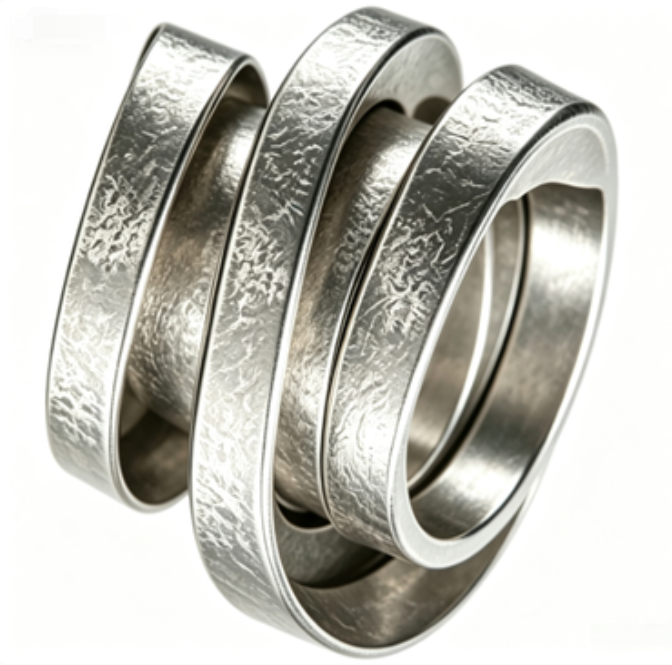
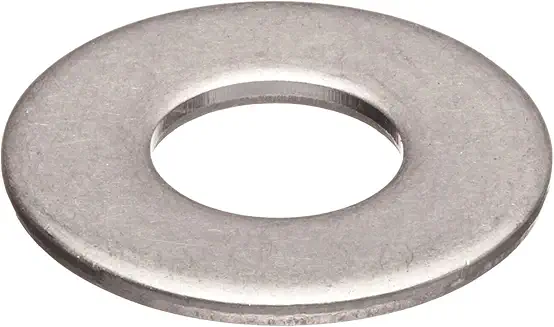
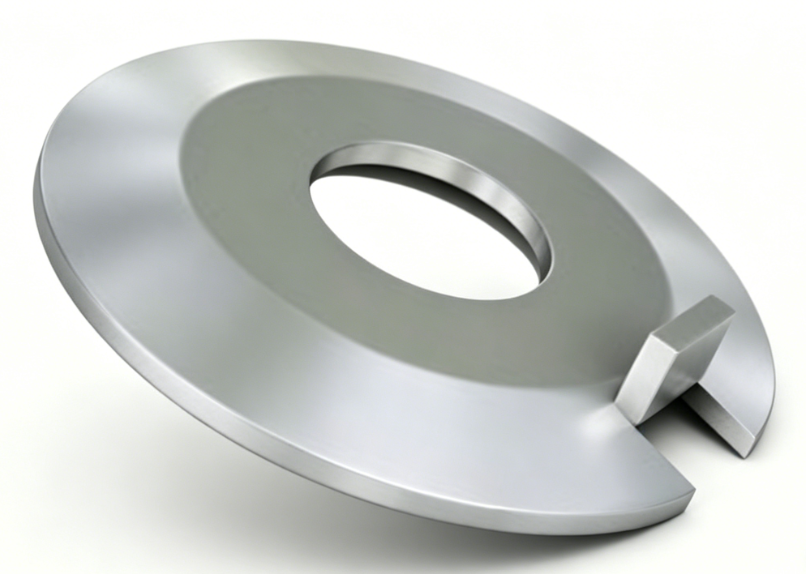
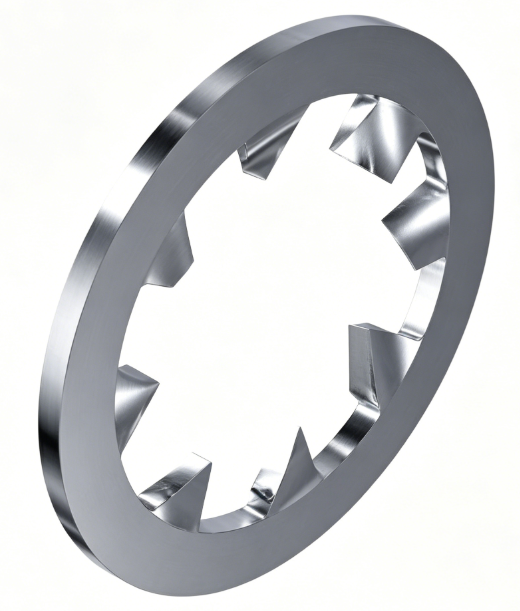
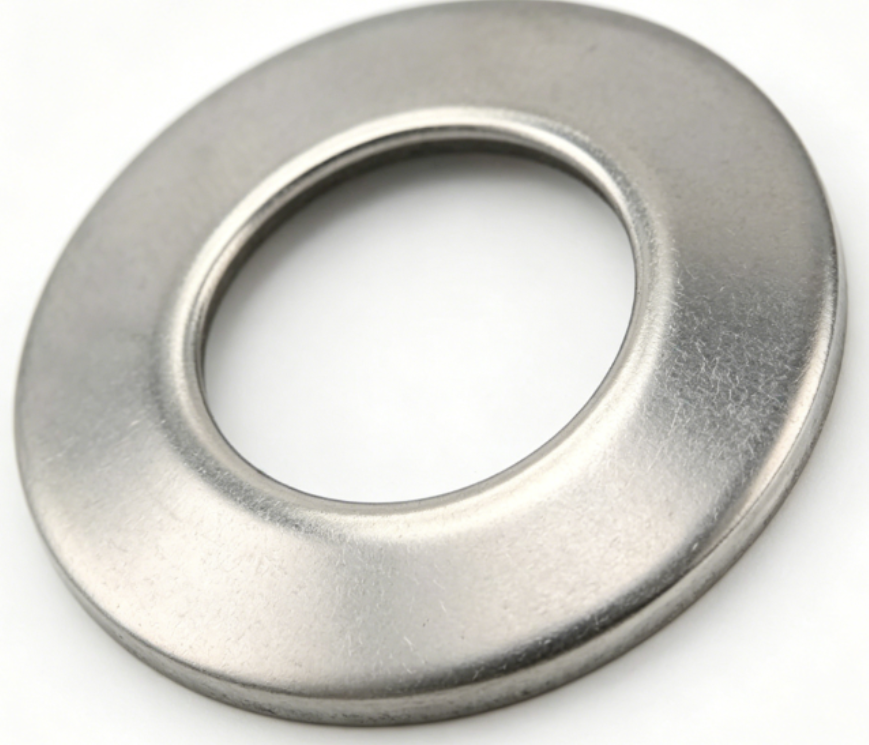
Washers are simple yet critical fastening components used to distribute load, prevent loosening, protect surfaces, and improve the overall reliability of bolted joints. Though often overlooked compared to bolts and nuts, the correct washer selection can significantly affect joint performance, vibration resistance, and long-term mechanical integrity — particularly in industries such as machinery manufacturing, automotive, construction, and heavy equipment.
What Is a Washer and Why Does It Matter?
A washer is a thin, typically disc-shaped component placed between a fastener (bolt, screw, or nut) and the surface being fastened. Its core functions include:
- Load distribution – spreading the clamping force of the fastener over a wider surface area, reducing the risk of surface damage or fastener pull-through
- Loosening prevention – many washer types create mechanical resistance or spring tension to counteract vibration-induced loosening
- Surface protection – preventing scratching, galling, or embedding of the fastener head into softer materials
- Gap filling / spacing – compensating for hole size tolerances or surface irregularities
Product Line Overview
- Coil Lock Washers use a coiled, spring-like structure to provide secure fastening and resist loosening. The coil design creates continuous spring tension against the bolt head and mating surface, making these effective in moderate-vibration environments while remaining cost-effective for general-purpose use.
- Lock Washers for Square-Neck Bolts are purpose-built for square-neck (carriage) bolt applications, featuring a matching square cutout or engagement feature that prevents the bolt from spinning during tightening, while simultaneously providing anti-loosening function.
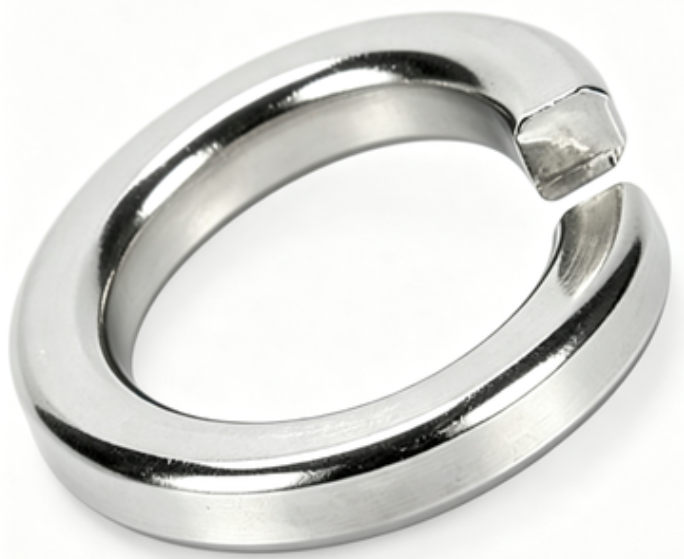
- Split Lock Washers (also called helical spring washers) are one of the most widely used lock washer types. Their split, helical design compresses under load and acts as a spring, maintaining tension against the fastener to resist loosening caused by vibration or dynamic loads.
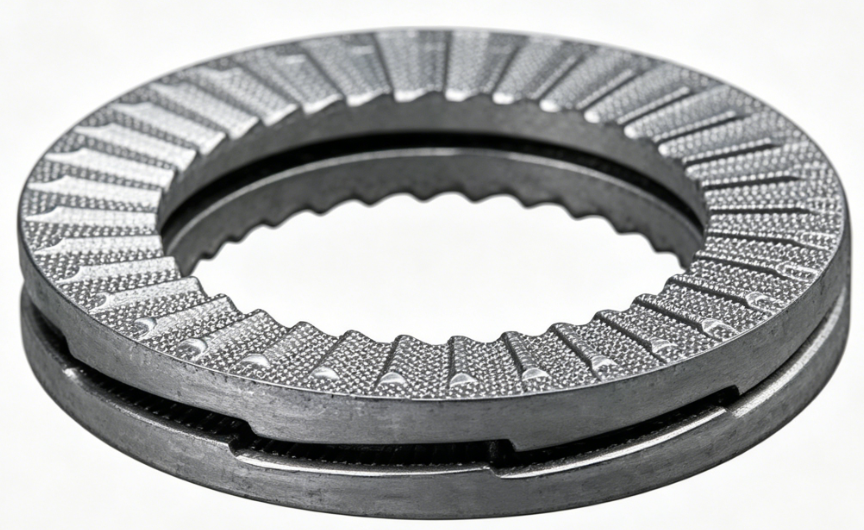
- Wedge Lock Washers use a unique dual-wedge locking mechanism, typically sold in matched pairs with radial cam-profile ridges on their inner faces. As the fastener is tensioned, the wedges interlock, and any attempt at loosening rotation actually increases clamping force rather than releasing it — making these one of the most effective solutions for extreme vibration applications.
- Tooth Lock Washers feature internal or external teeth that bite into the mating material surfaces, creating a mechanical, bidirectional resistance to loosening. Internal-tooth versions preserve a cleaner outer edge for appearance-sensitive applications, while external-tooth versions offer stronger bite on larger contact areas.
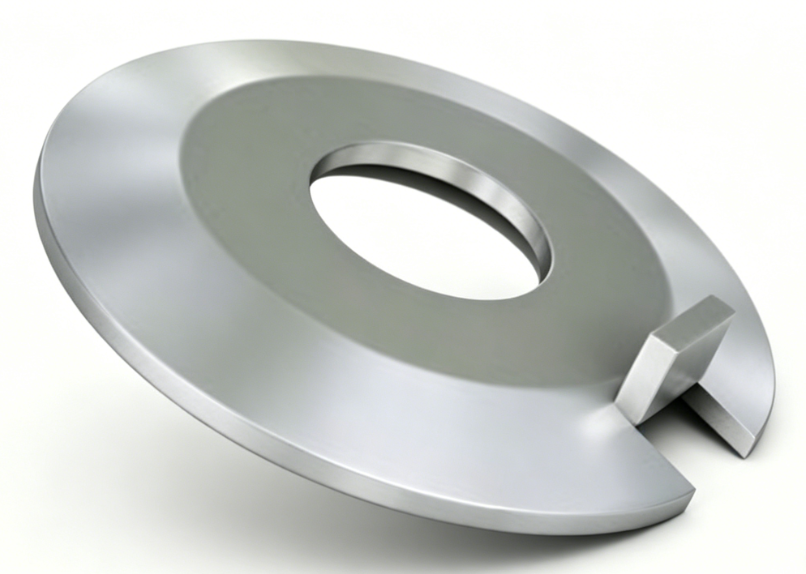
- Tab Lock Washers incorporate a bendable tab that locks into a corresponding slot or notch on the mating surface or fastener flat, providing a strong mechanical (rather than spring-based) anti-loosening effect — commonly used in high-torque or safety-critical assemblies.
- Standard Washers are flat, circular discs with a central hole, used primarily to distribute fastener load and protect the clamped surface. These do not provide anti-loosening function on their own but are foundational components used under bolt heads and nuts throughout general assembly.
- Spring Lock Washers operate on the same helical spring principle as split lock washers, using the washer's inherent spring tension to maintain clamping force and resist loosening from vibration or dynamic loading.
What's the difference between a lock washer and a standard flat washer?
A standard flat washer only distributes load and protects surfaces — it has no inherent resistance to loosening. Lock washers (split, tooth, wedge, coil, tab, or spring types) add a mechanical or spring-based mechanism specifically designed to resist fastener loosening under vibration or dynamic loads.
Do lock washers actually work, or are they outdated technology?
This is one of the most debated topics in fastening engineering. Independent testing (including studies by groups such as Junker vibration testing) has shown that spring-type lock washers (split, spring) provide limited resistance to loosening under severe vibration, since they can lose spring tension once the joint experiences even minor relaxation. Wedge lock washers and tooth lock washers, which rely on mechanical interlock rather than spring force, generally perform better under rigorous vibration testing. For critical applications, many engineers now recommend prevailing-torque fasteners or thread-locking compounds in addition to or instead of spring washers.
Which washer type is best for heavy vibration environments (e.g., machinery, automotive)?
Wedge lock washers are widely regarded as the most effective mechanical solution for severe vibration, since their interlocking wedge geometry increases clamping force under attempted rotation rather than relying on spring tension alone. Tooth lock washers are a strong secondary option where surface bite is acceptable.
Can I use a lock washer with a soft or coated surface material?
Tooth lock washers and other aggressive-bite designs can damage soft materials, coatings, or painted surfaces due to their teeth digging into the mating surface. In these cases, standard flat washers combined with thread-locking adhesive, or smooth-faced spring washers, are generally preferred to avoid surface damage.
What washer should I use under a nut versus under a bolt head?
In most standard assemblies, a washer is placed under the component that will rotate during tightening (typically the nut, in bolt-and-nut assemblies) to minimize friction-induced surface damage and ensure consistent torque-to-clamp-force conversion. However, for critical joints, washers are often used on both sides for load distribution.
Do square-neck bolt washers require a special design?
Yes. Because square-neck (carriage) bolts rely on the square shoulder beneath the head to resist rotation when seated in a matching square hole, washers designed for these applications typically include a corresponding square cutout or engagement feature to maintain that anti-rotation function while adding locking capability.
How do I choose the correct washer size?
Washer selection should match the fastener's nominal diameter (inner hole diameter), while outer diameter and thickness should be chosen based on the required load distribution area and clearance within the joint design. Using an undersized outer diameter reduces the surface-protection benefit; oversized washers may not fit within compact joint designs.
Are lock washers reusable?
Most lock washers — particularly split/spring and tooth types — lose some effectiveness after being compressed and released multiple times, as spring tension and tooth sharpness diminish with reuse. For critical or safety-related applications, using new lock washers at each reassembly is generally recommended.