Chemical Resistant O-Rings
4243 Products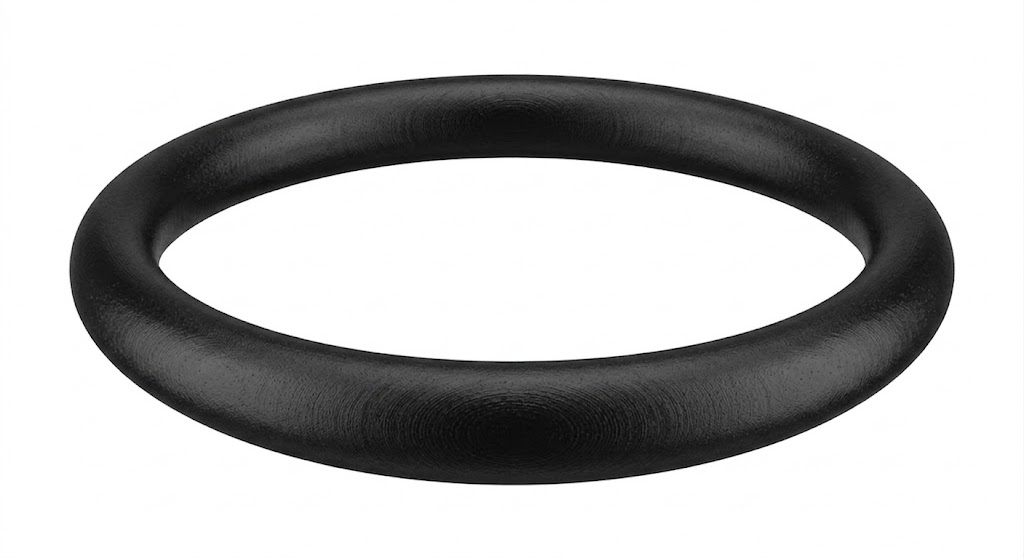
What Are Chemical-Resistant O-Rings?
Chemical-resistant O-rings are molded from fluoroelastomer compounds built to withstand acids, solvents, and aggressive chemicals that would degrade standard NBR seals. LILY Bearing stocks three cross-section shapes — round, X-profile, and square. Round parts are available in both FKM (Viton) and FFKM (Kalrez) compounds, while X-profile and square parts are stocked in FKM only.
Shop by Cross Section Shape
| Shape | Material | Temperature Range | Best Suited For | Note |
|---|---|---|---|---|
| Round | FFKM (Kalrez) or FKM (Viton) | 30°F to 525°F (FFKM) −25°F to 450°F (FKM) |
Extreme chemical or high-heat exposure | Only shape stocked in both compounds — choose FFKM for the widest chemical and temperature resistance |
| X (Quad-Ring) | FKM (Viton) | −15°F to 400°F | Reciprocating, dynamic seals | Four contact points reduce friction and spiral failure risk |
| Square | FKM (Viton) | −10°F to 400°F | Static sealing, cost-sensitive applications | Stronger static seal than round, weaker in dynamic service |
FFKM (Kalrez) compounds cost significantly more than FKM but resist a broader range of chemicals and hold up at higher temperatures. FKM remains the standard choice for most chemical-resistant sealing needs.
Where Are Chemical-Resistant O-Rings Used?
- Chemical processing and transfer lines
- Semiconductor and cleanroom equipment
- Pharmaceutical and laboratory equipment
- High-temperature valves and process piping
Frequently Asked Questions
Why does the round profile come in two different materials?
FKM (Viton) covers most standard chemical-resistant needs at a lower cost, while FFKM (Kalrez) is stocked for applications with more aggressive chemicals or temperatures above FKM's 450°F ceiling. Round is the only shape offered in both.
Is FFKM (Kalrez) worth the added cost over FKM (Viton)?
Only if your application exceeds FKM's chemical or temperature limits. FFKM resists a wider range of aggressive chemicals and holds up to 525°F, but at a substantially higher unit price, so it's best reserved for conditions FKM can't handle.
When should I use an X-profile instead of a round O-ring?
Choose an X-profile for reciprocating or dynamic seals, such as piston applications, where its four contact points reduce running friction and lower the risk of spiral failure compared to a round O-ring.