Brass and Bronze Threaded Pipe and Pipe Fittings
1018 Products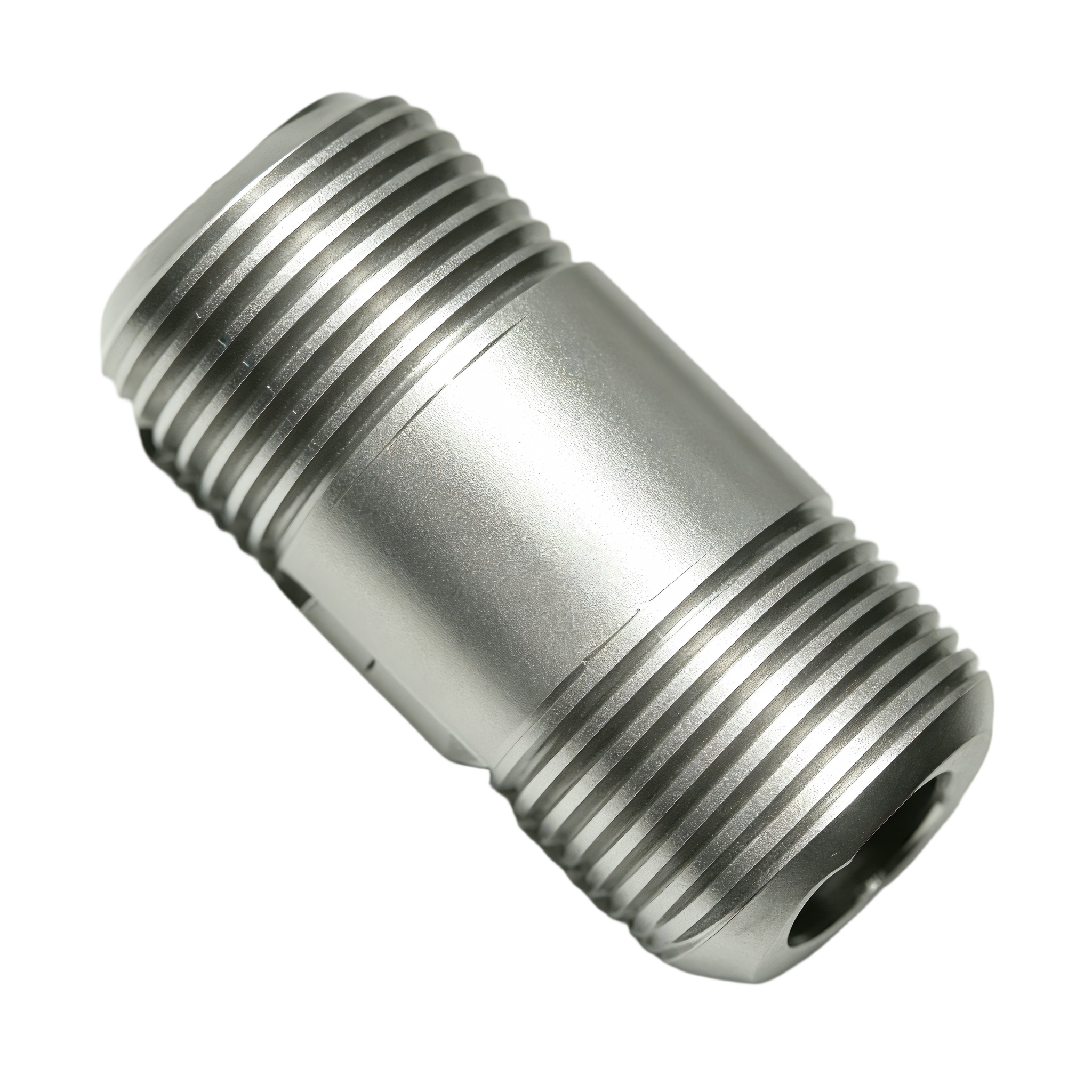
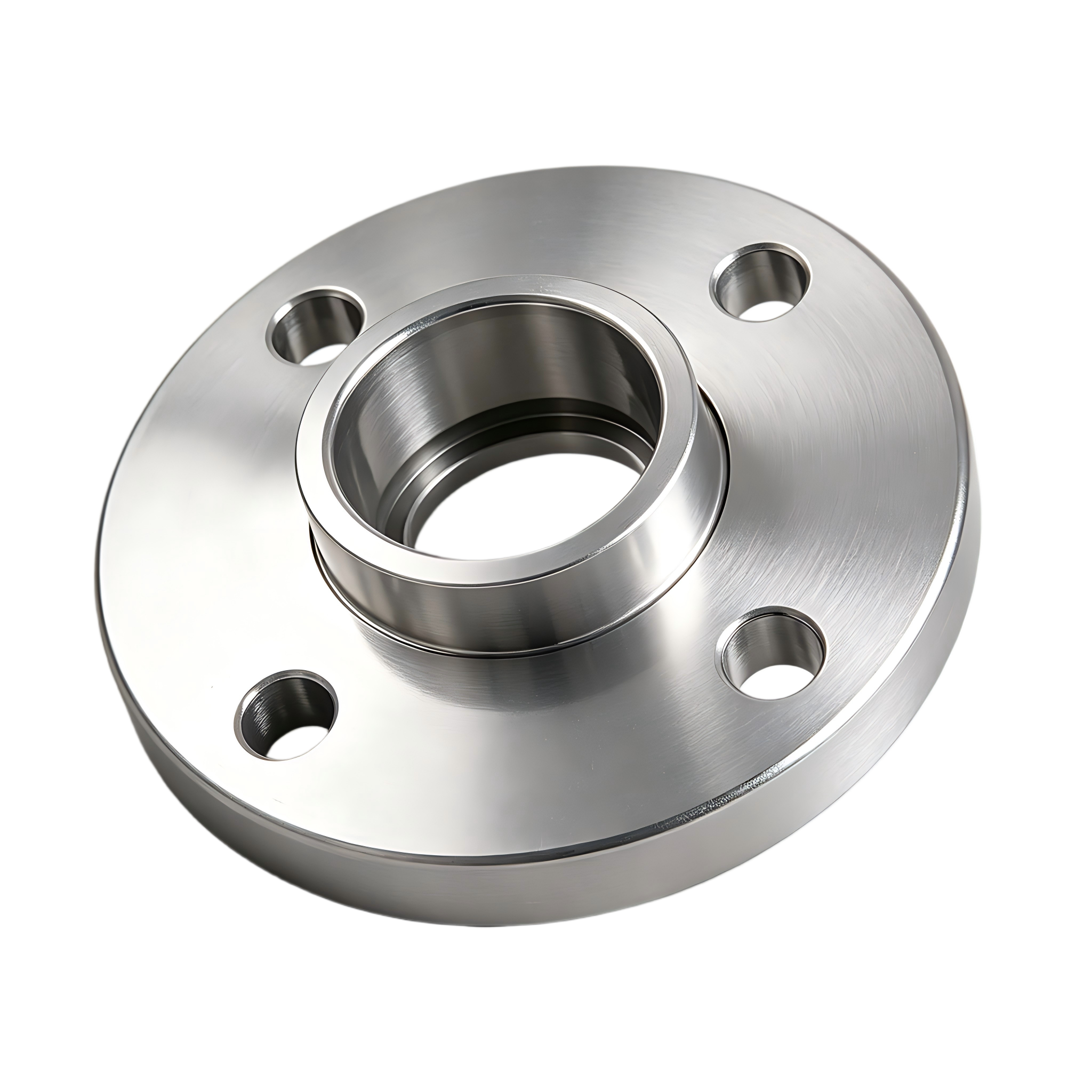
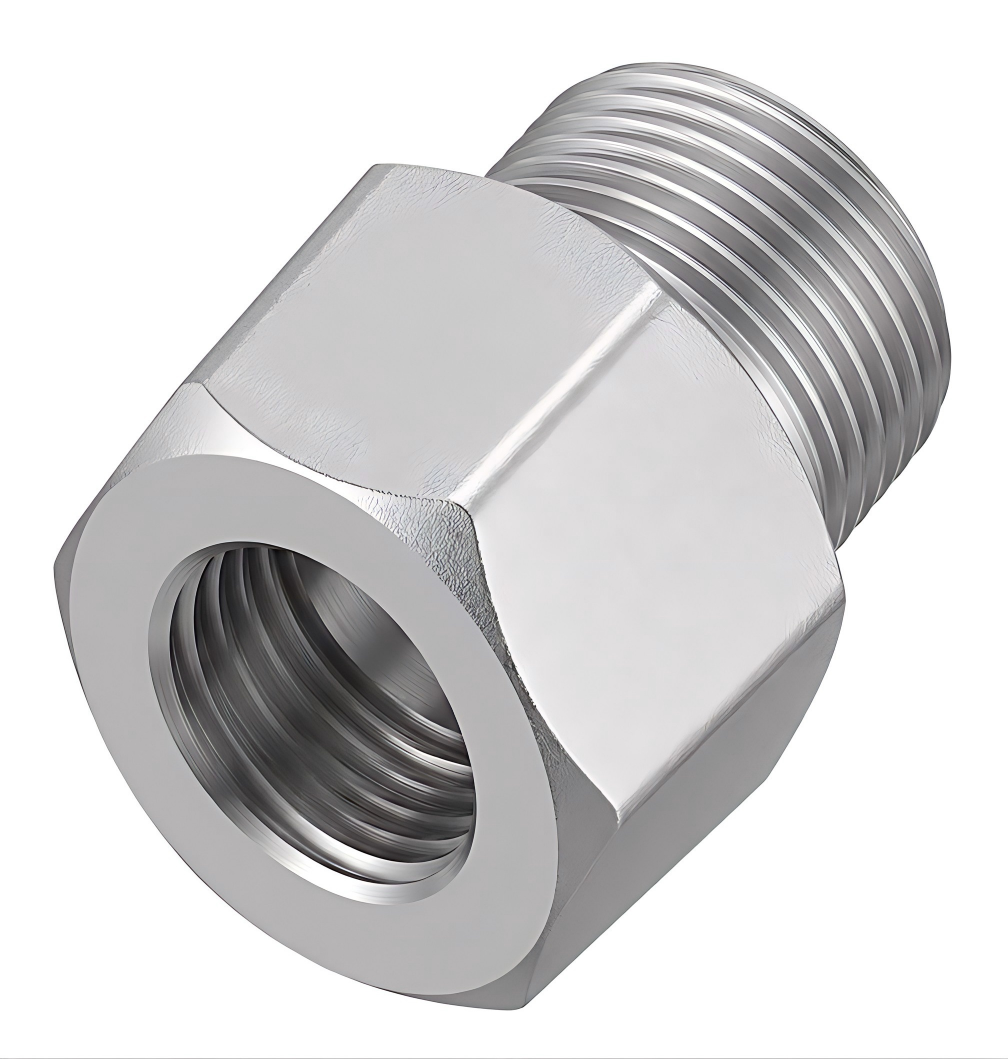
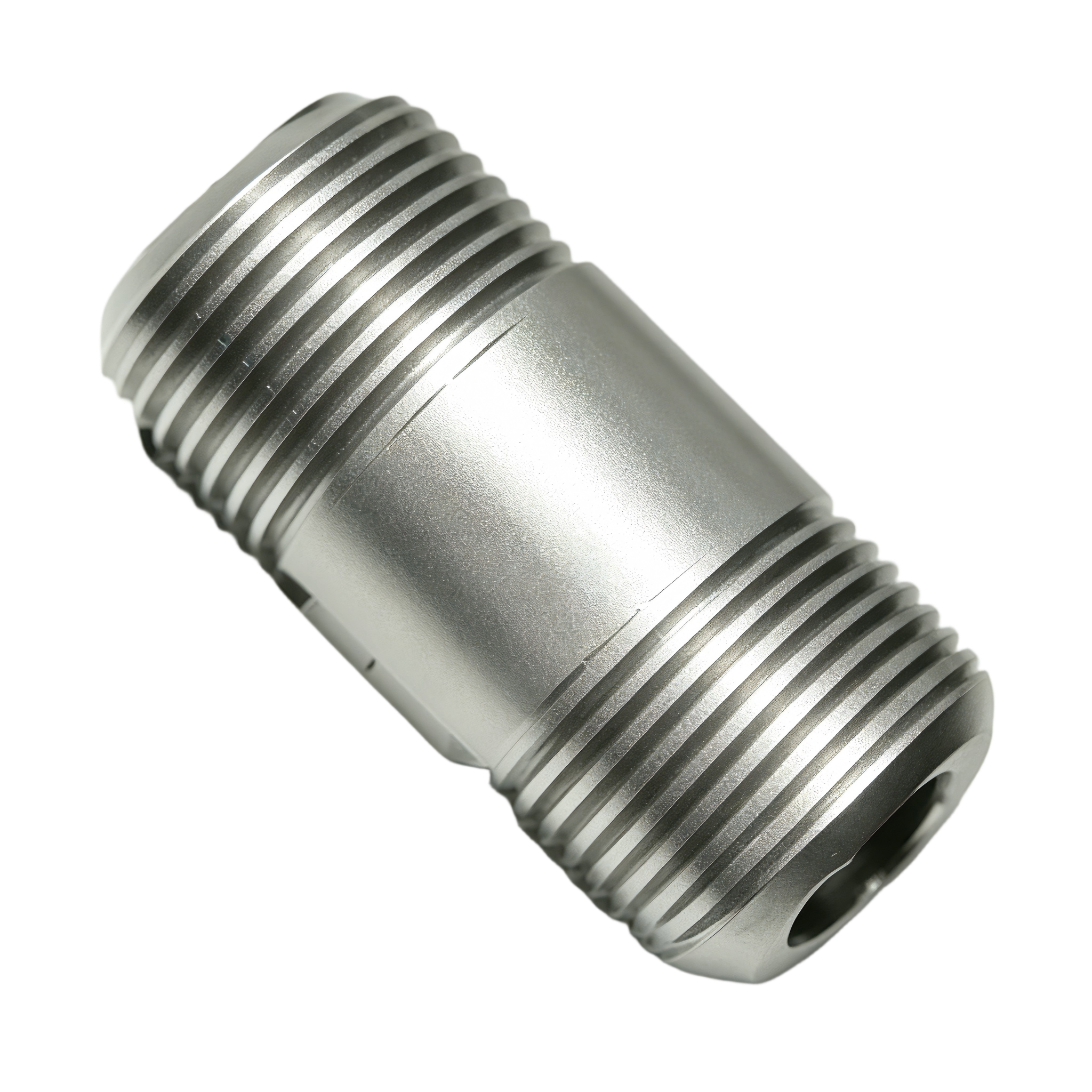
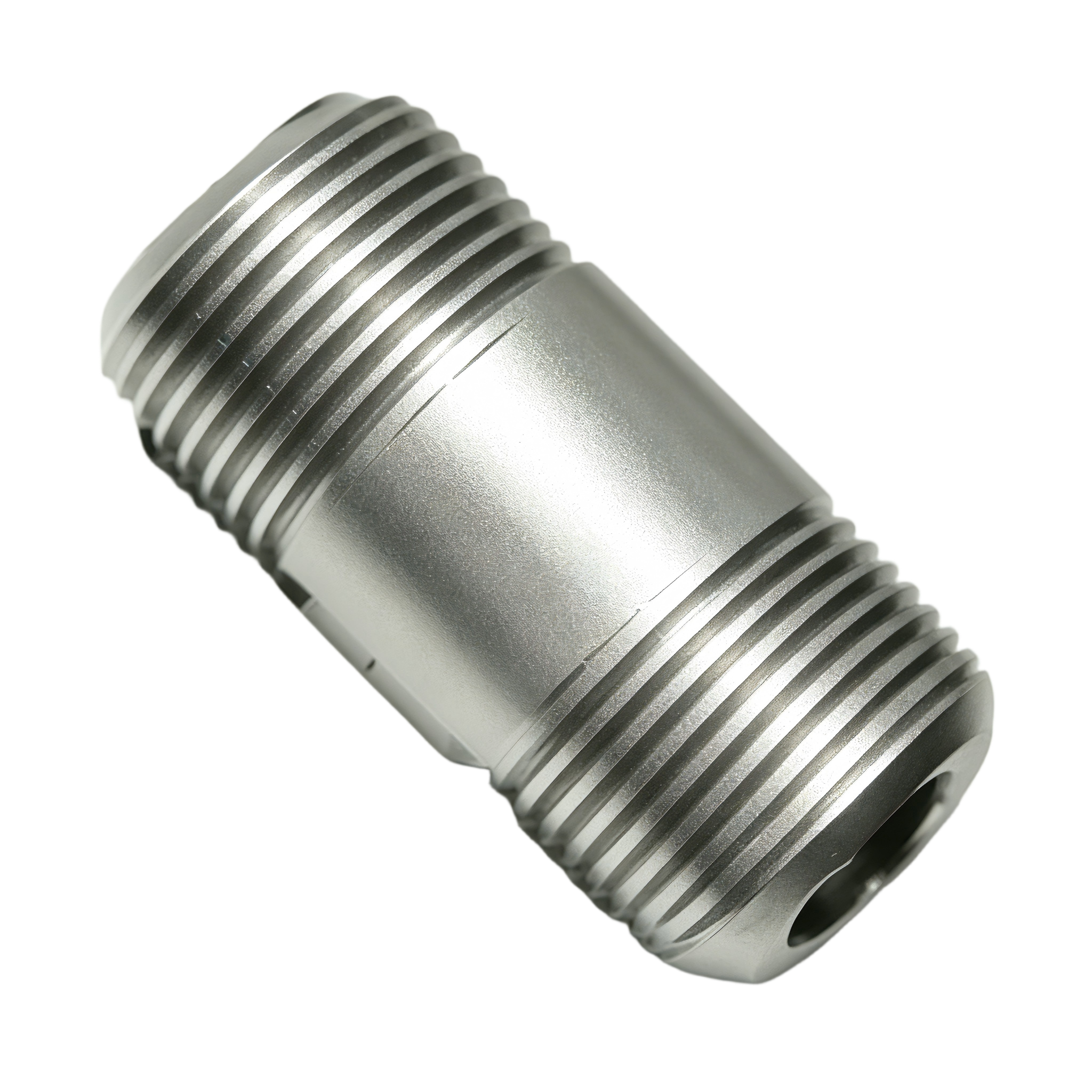
What Are Brass And Bronze Threaded Pipe And Pipe Fittings?
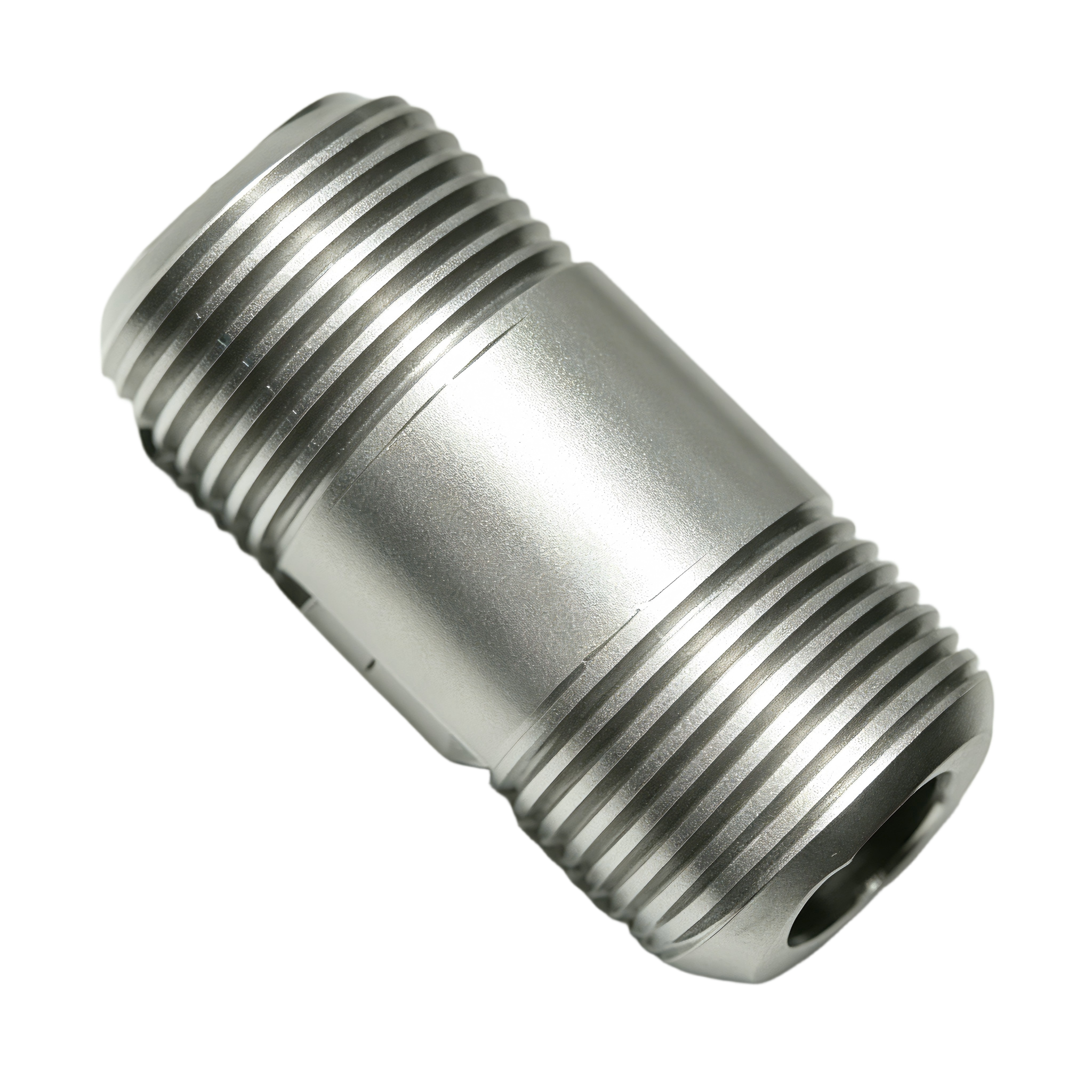
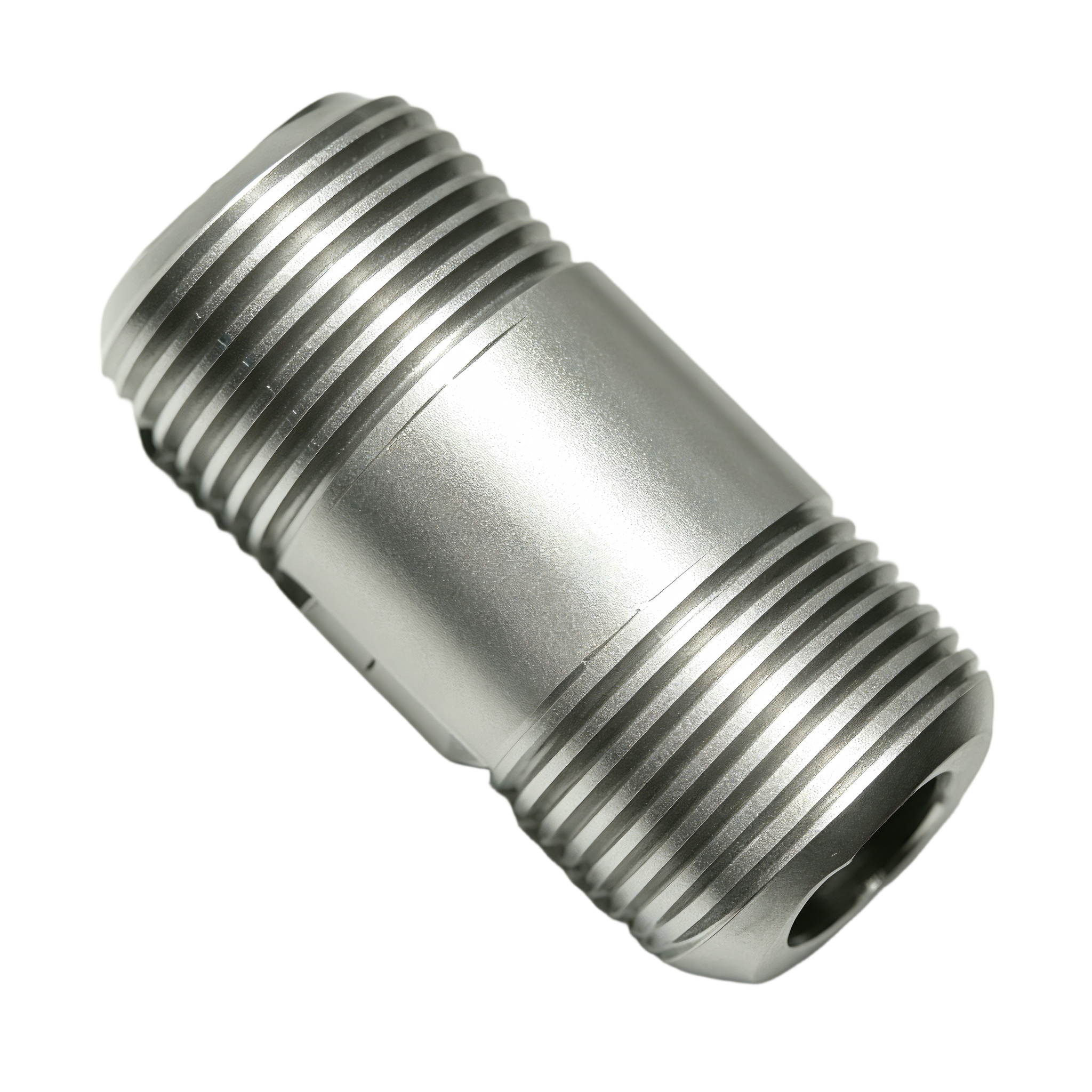
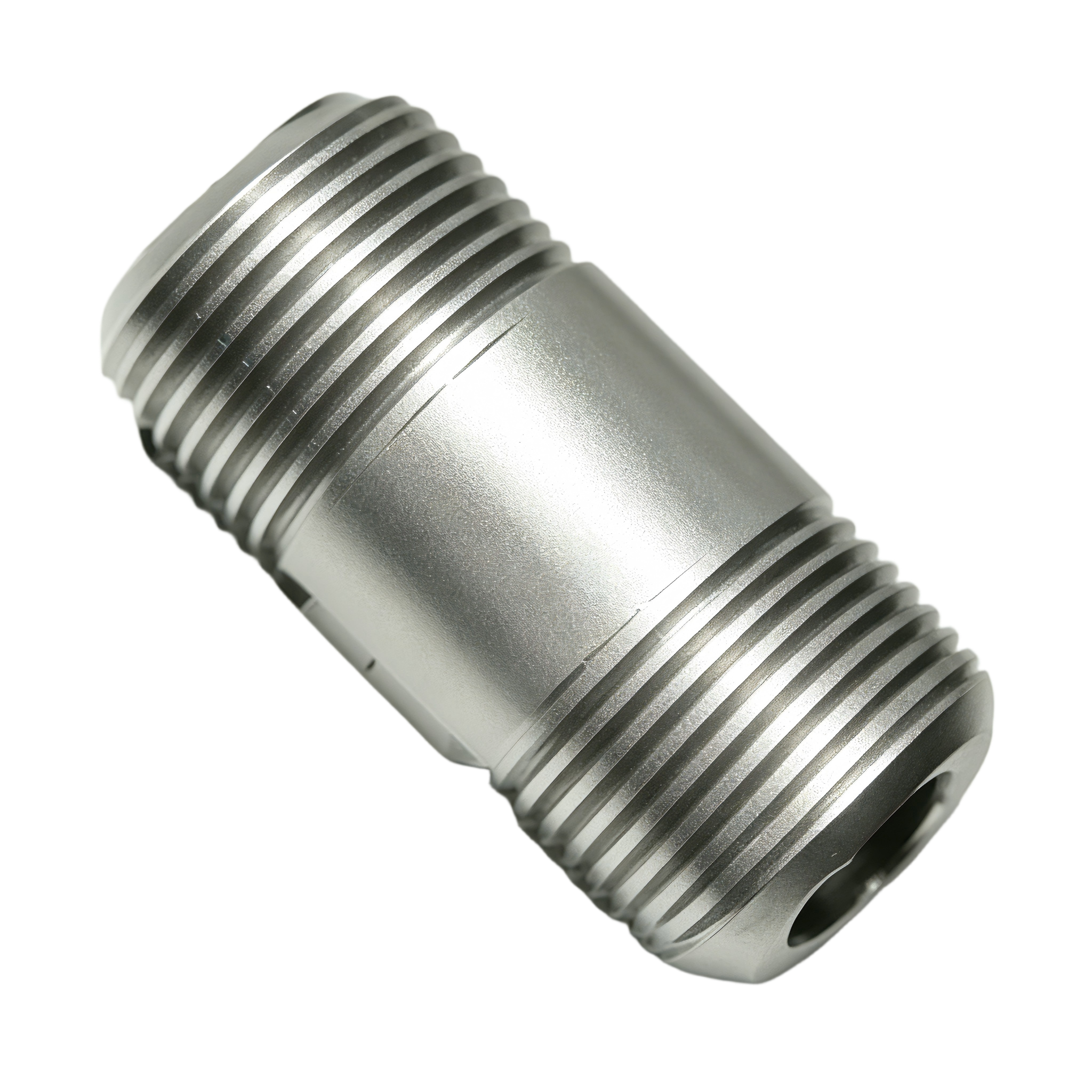
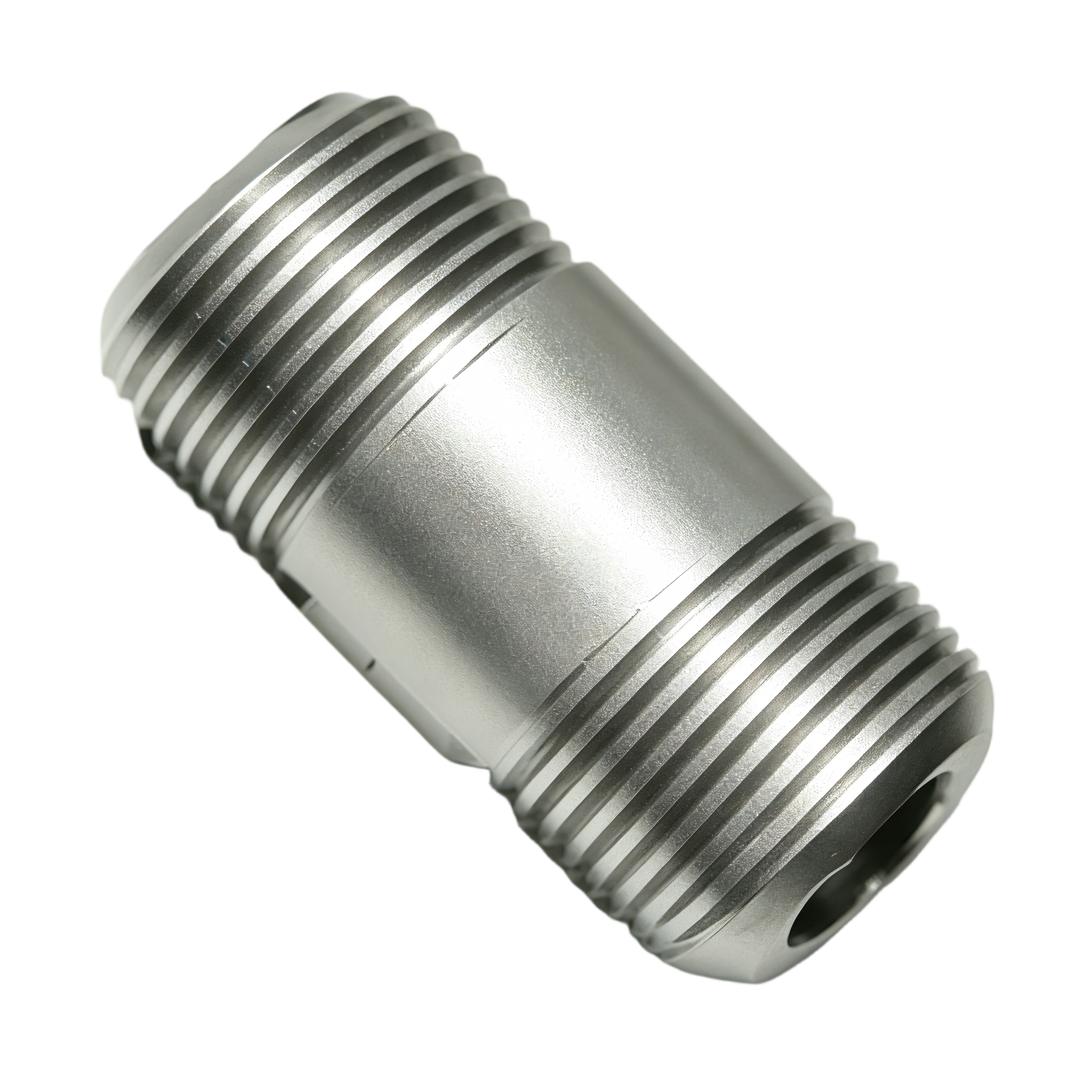
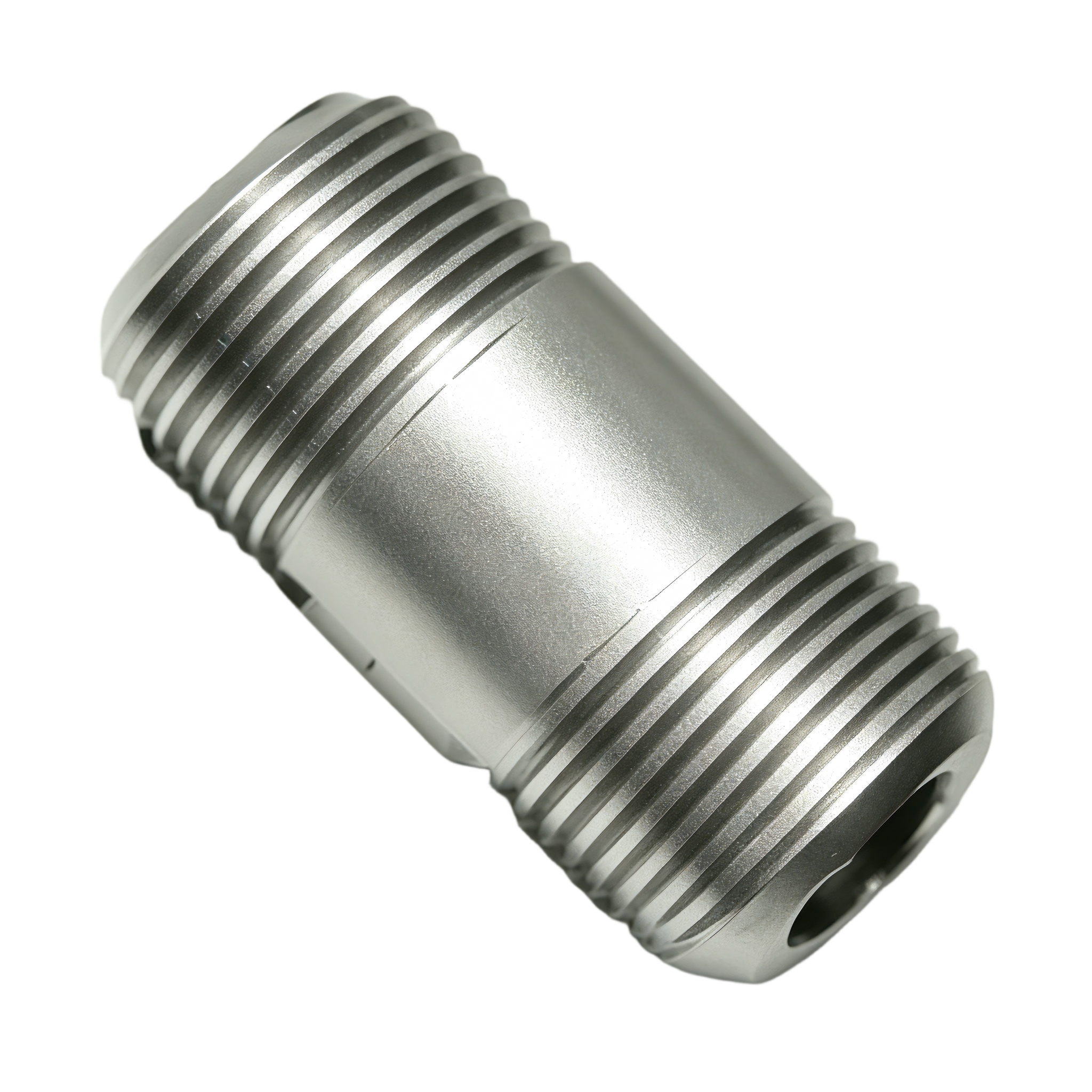
Brass and bronze threaded pipe and pipe fittings combine strong corrosion resistance with reliable mechanical performance, making them a trusted choice for plumbing, industrial fluid systems, and applications where long service life and easy maintenance matter. Our range spans a wide variety of pressure ratings, wall thicknesses, and finishes — including lead-free options for drinking water, chrome and nickel-plated finishes for enhanced corrosion resistance, and sealant-coated threads for faster, leak-tight installation.
What Is The Difference Between Brass and Bronze Fittings?
Brass is an alloy of copper and zinc, while bronze is primarily copper and tin. Brass is generally easier to machine and more commonly used for threaded pipe fittings due to its excellent corrosion resistance and cost-effectiveness, while bronze offers slightly higher strength and wear resistance in certain demanding applications.
Are These Fittings Safe For Drinking Water Systems?
Not all brass fittings are suitable for potable water. Look specifically for products labeled as lead-free brass, which are manufactured to meet drinking water safety standards. Standard brass fittings not designated as lead-free should not be used in drinking water applications.
What Does Plated Brass Offer Over Standard Brass?
Plating (typically chrome or nickel) adds an extra layer of corrosion resistance and wear protection over the base brass, along with a polished, more durable surface finish. Chrome-plated fittings are often chosen for both performance and appearance in visible or high-wear installations.
How Do I Choose The Right Pressure Rating?
Pressure ratings for threaded brass fittings typically range from low-pressure (general-purpose) up to high-pressure systems, with medium-pressure fittings commonly rated between 150 and 1,000 psi depending on size and application. Always match the fitting's rated pressure to your system's maximum operating pressure, including any pressure spikes or surges.
What's The Benefit Of Fittings With Sealant Already Applied?
Pre-applied sealant (such as PTFE thread sealant) speeds up installation and helps ensure a leak-tight joint from the first assembly, reducing the risk of under- or over-application of sealant compared to applying it manually on-site.
How Do Standard-Wall and Thick-Wall Fittings Compare?
Standard-wall fittings offer a practical balance between strength and ease of handling, suitable for most moderate-pressure systems. Thick-wall fittings provide additional strength and durability for higher-stress or higher-pressure applications, at the cost of slightly more weight and material.
How Much Maintenance Do Brass Threaded Fittings Require?
Brass fittings are known for being low-maintenance once properly installed, thanks to their natural corrosion resistance. Periodic visual inspection for signs of wear, corrosion, or leaks is generally recommended, but the fittings themselves are built for long-term, largely maintenance-free service.
Can Brass Fittings Be Used With Other Metal Piping Systems?
Brass fittings are compatible with a range of piping materials, but care should be taken with dissimilar metal connections (e.g., brass to steel) to avoid galvanic corrosion, particularly in wet or outdoor environments. Using appropriate dielectric fittings or coatings can help mitigate this risk where needed.