Weld Nuts
361 ProductsWeld Nuts
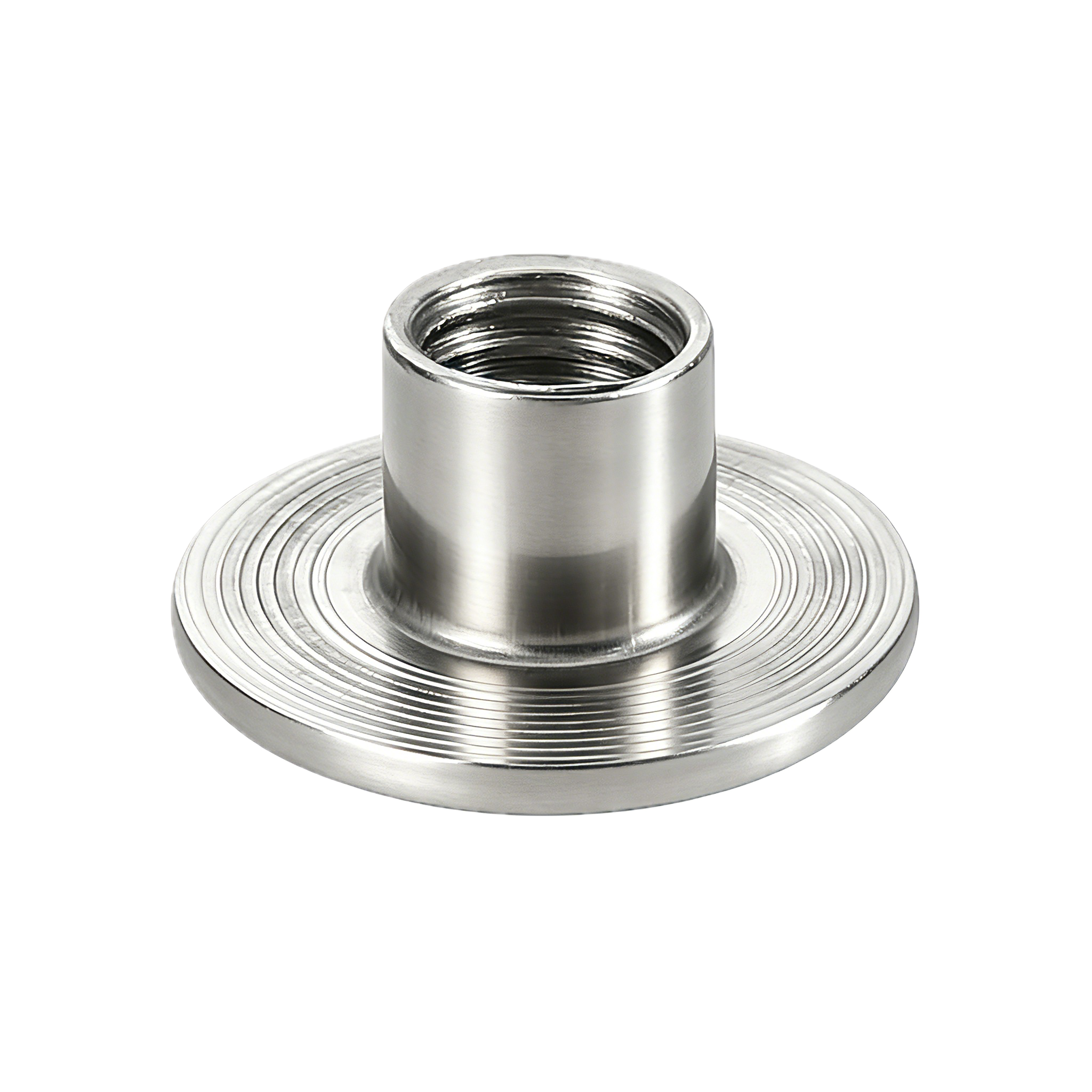
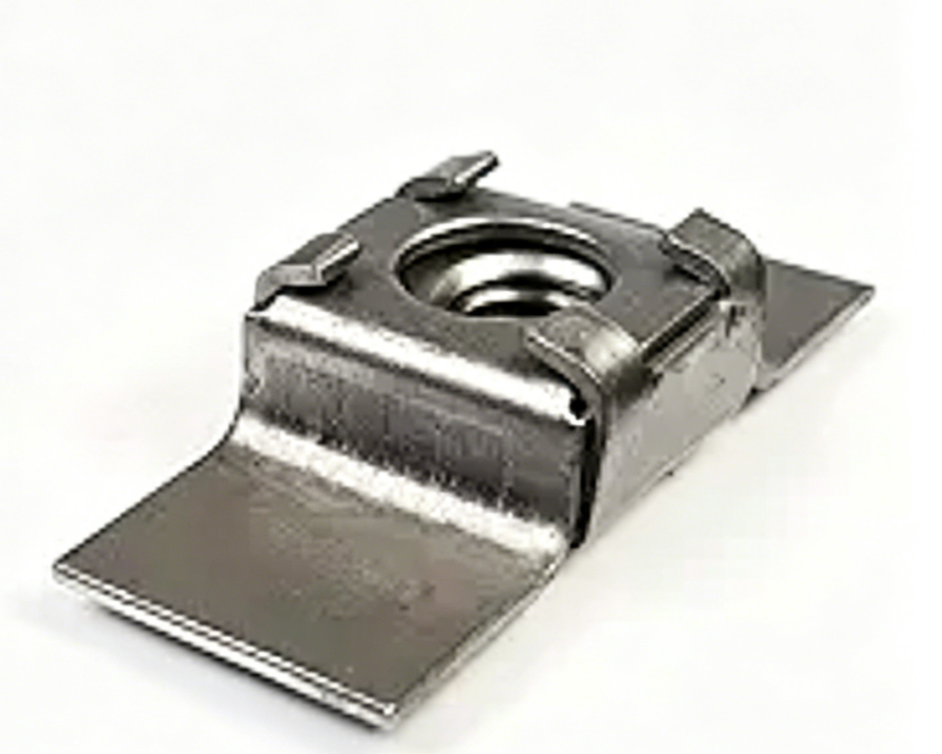
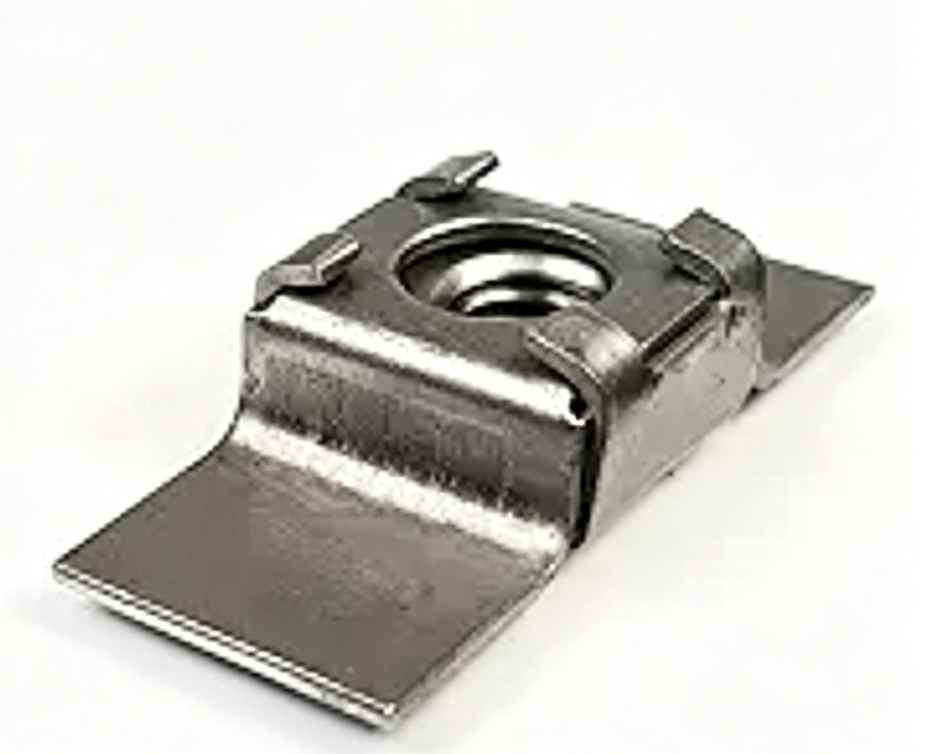
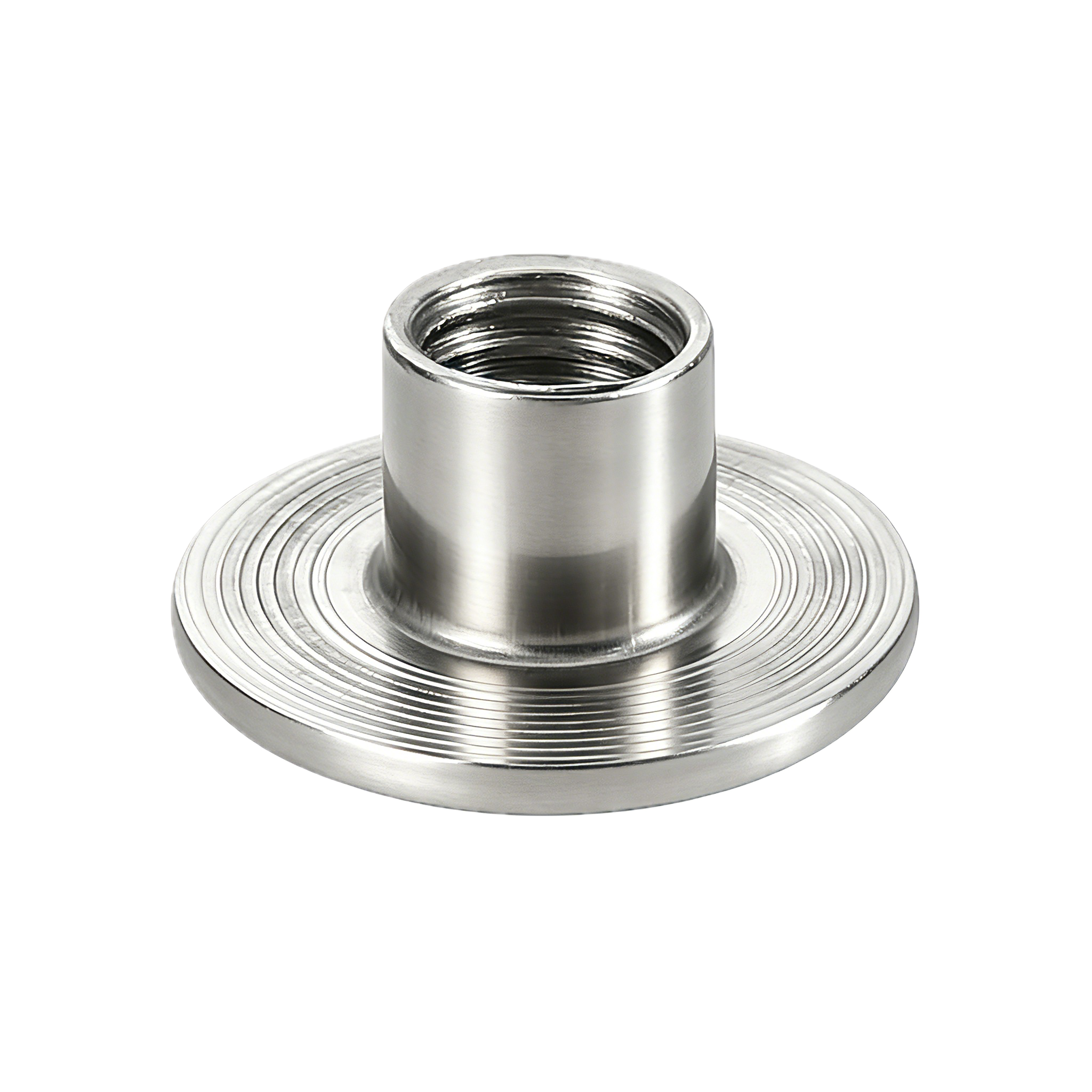
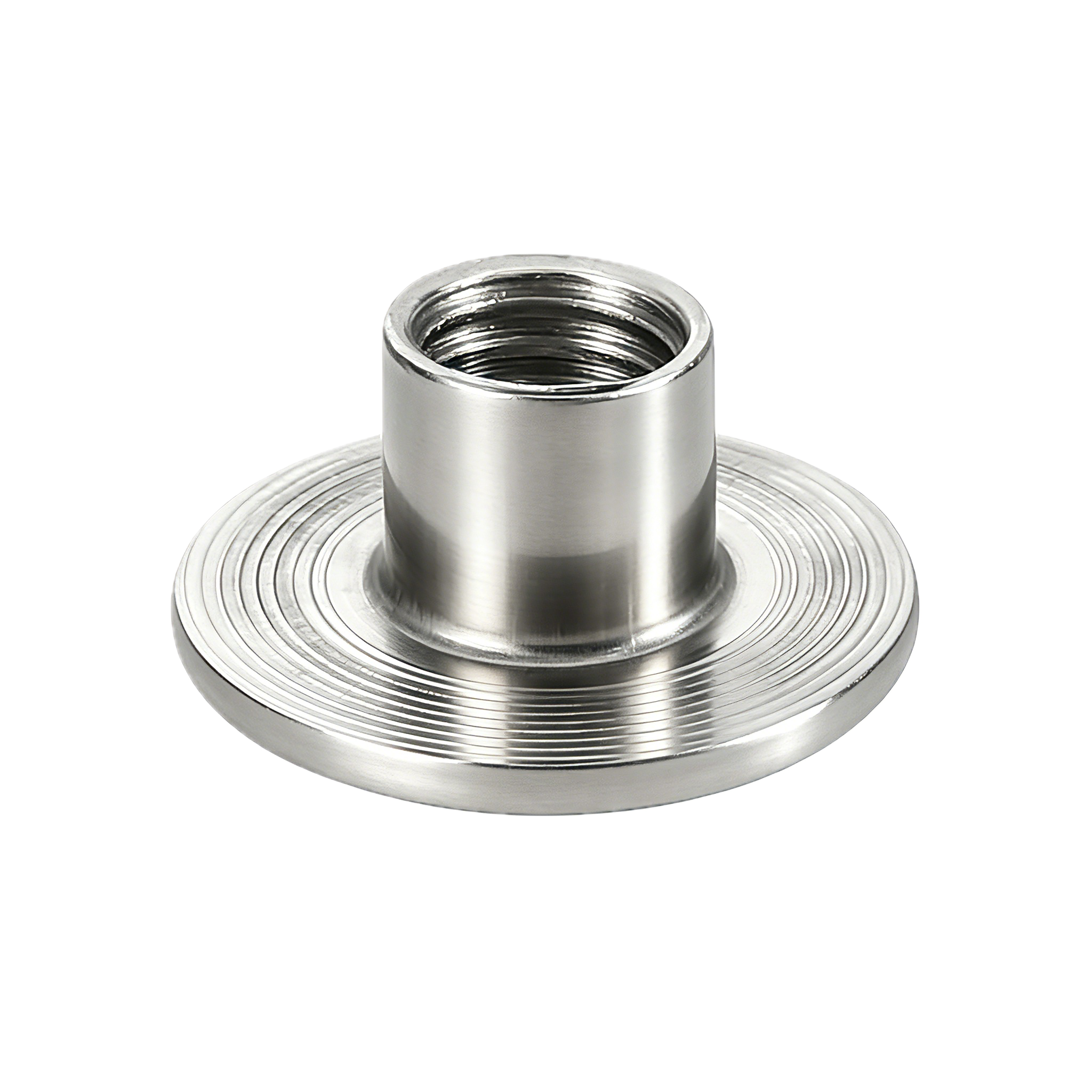
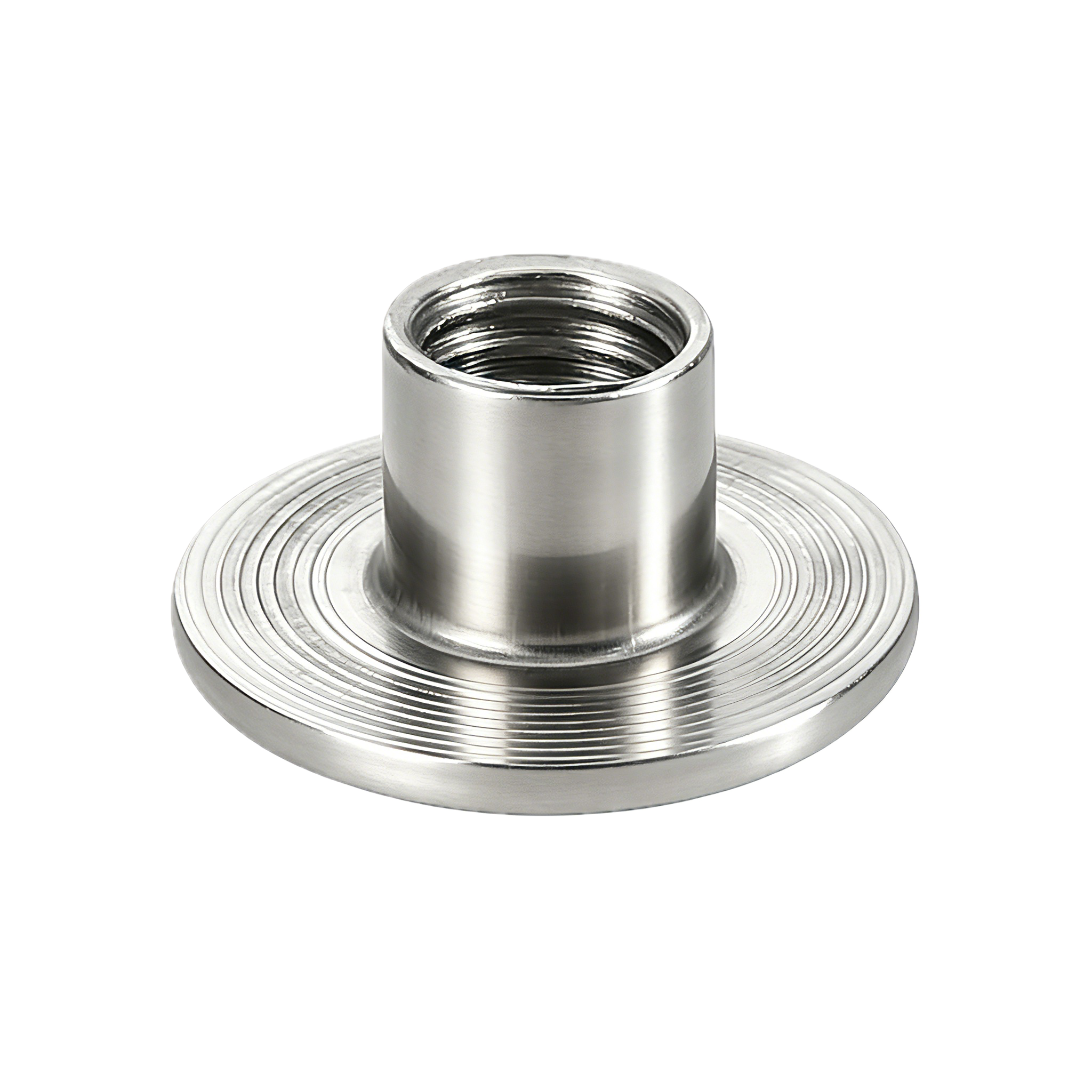
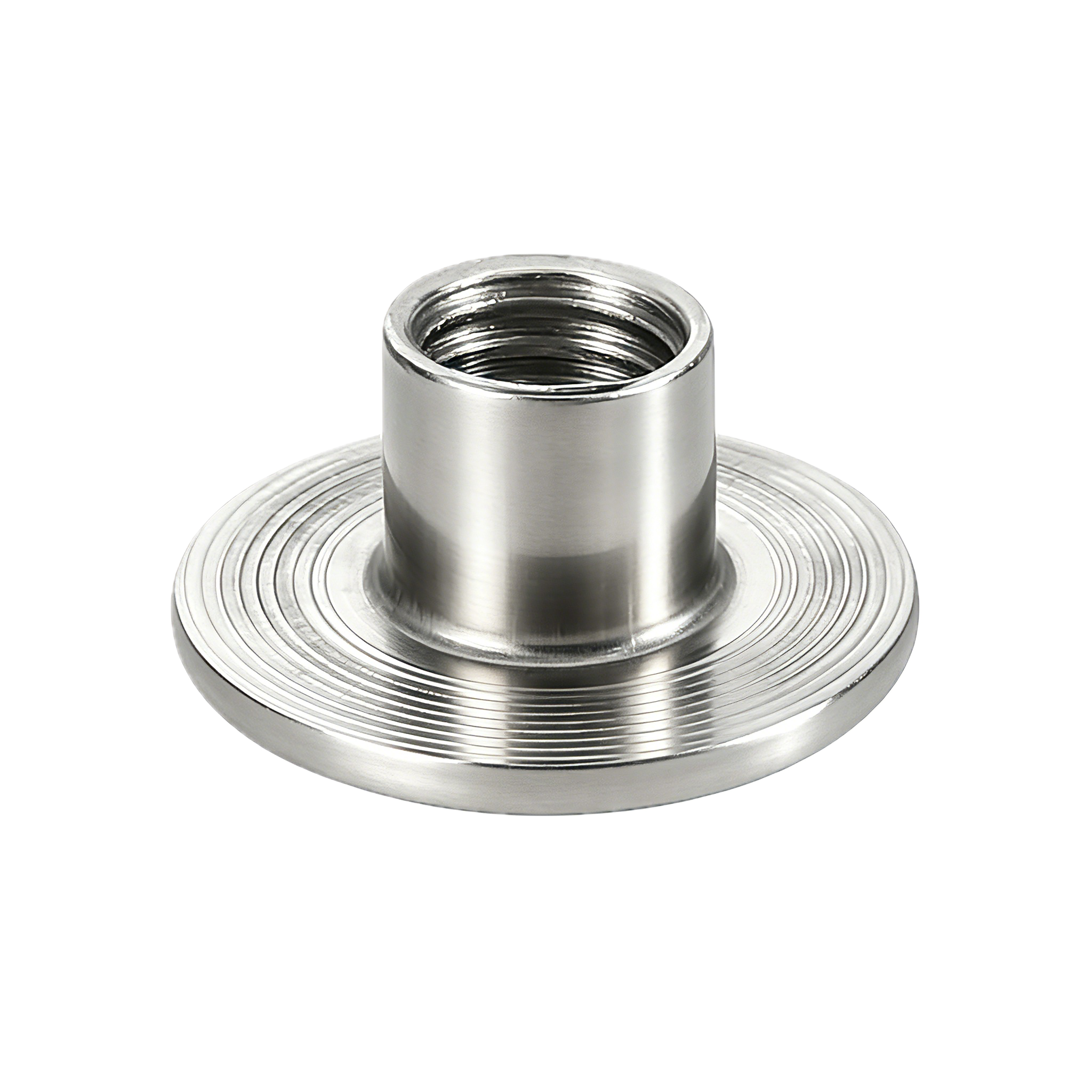
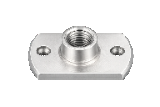
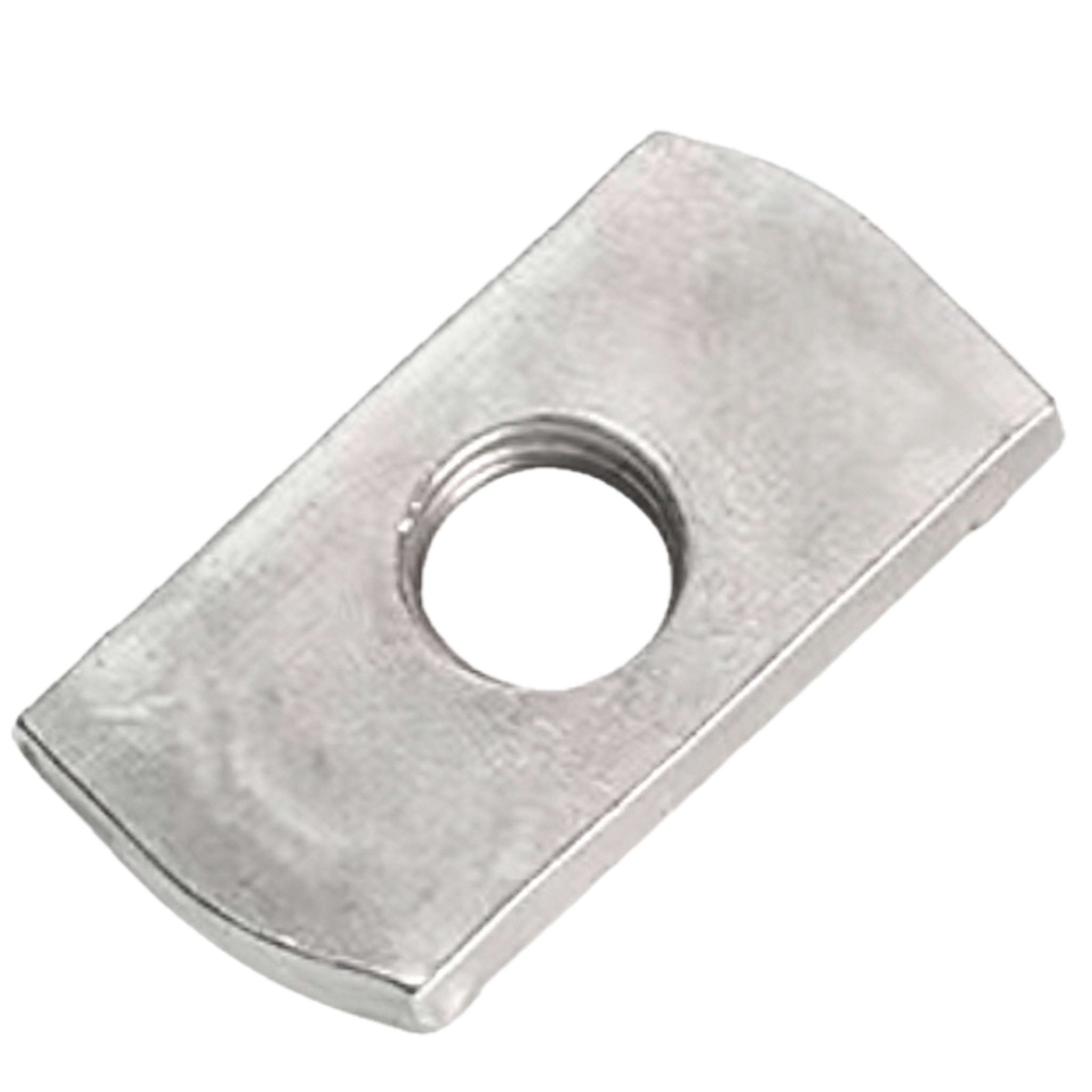
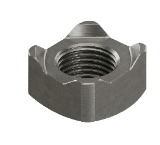
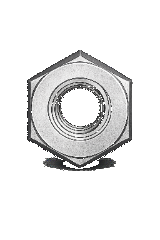
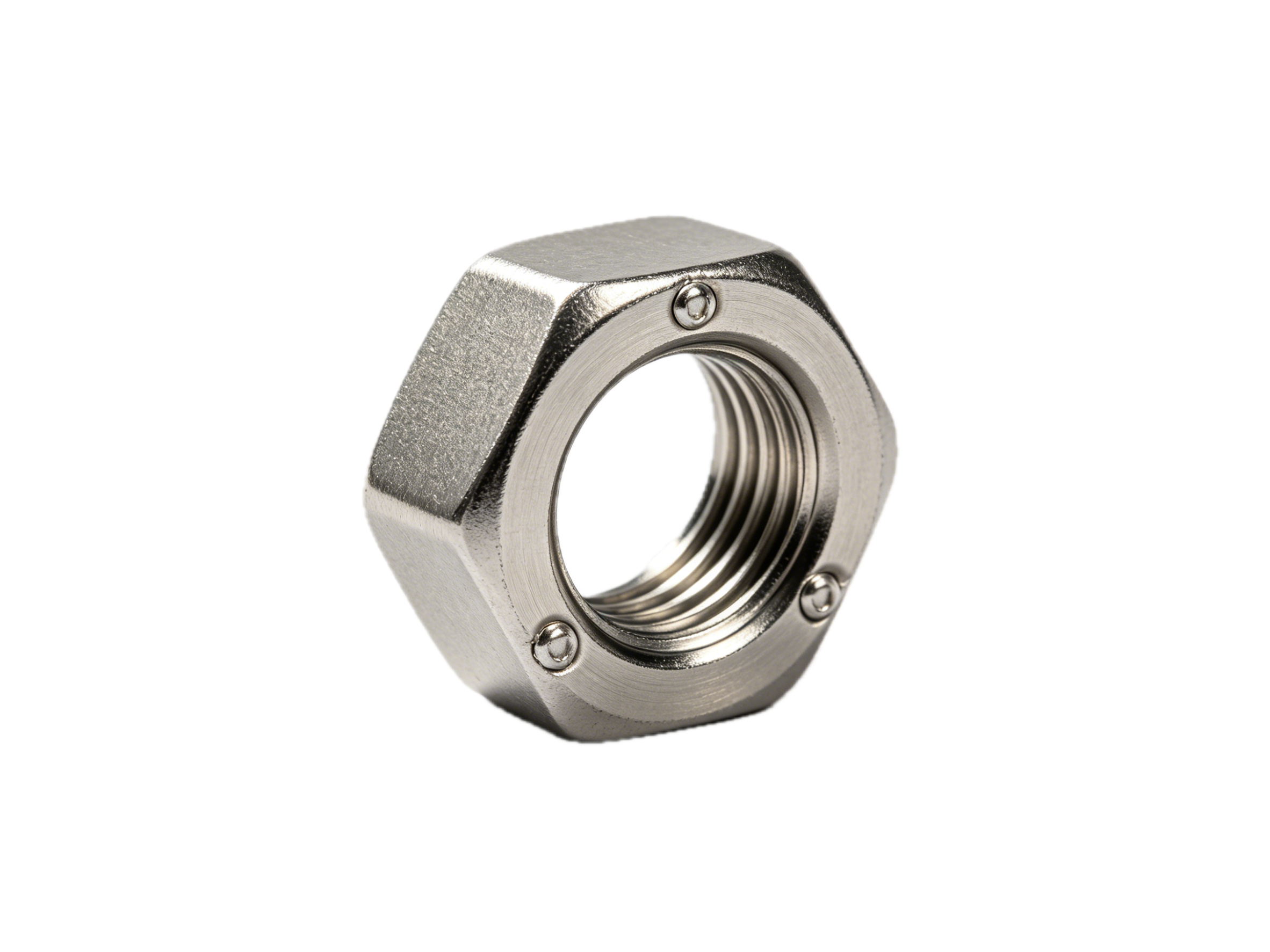
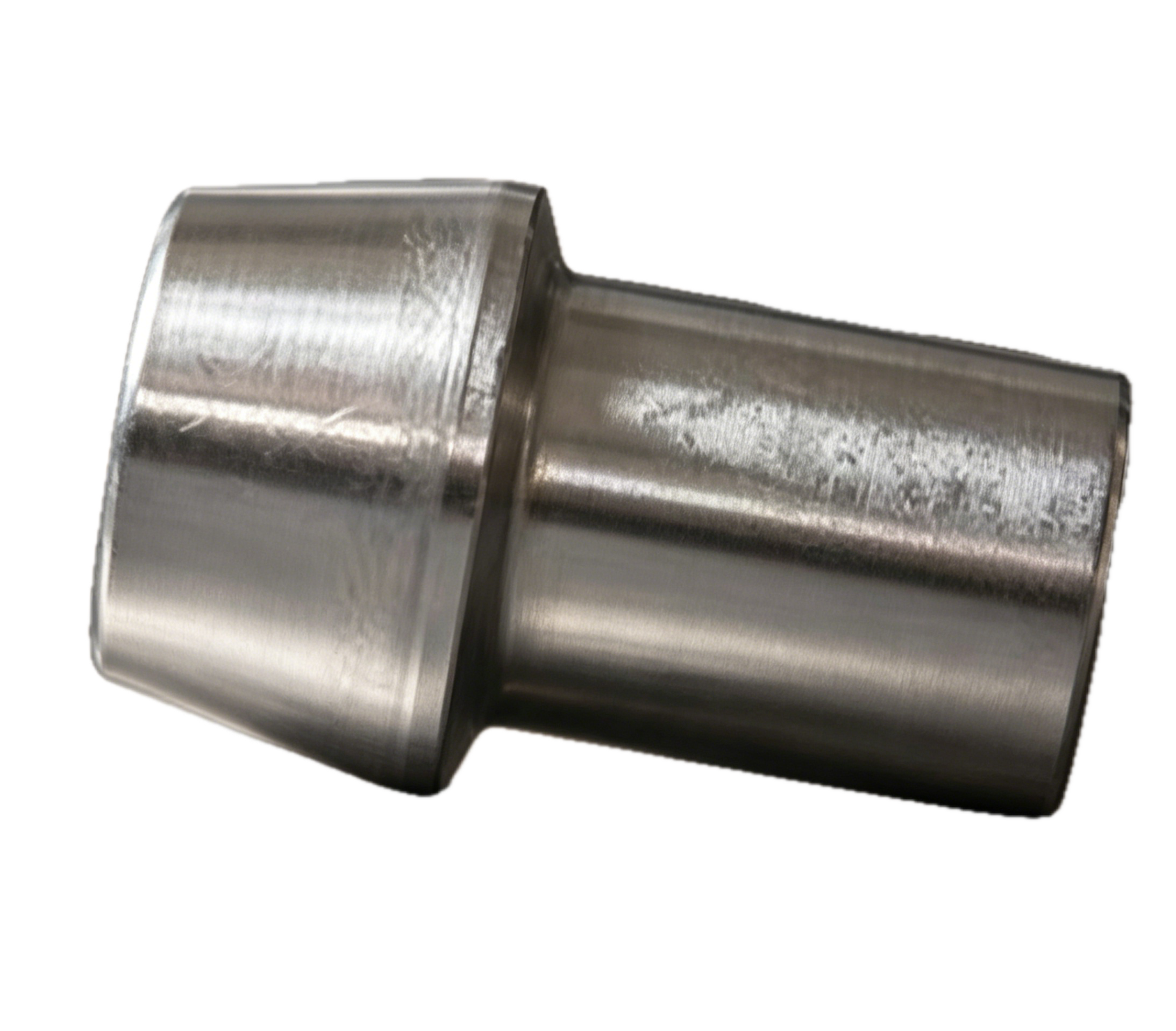
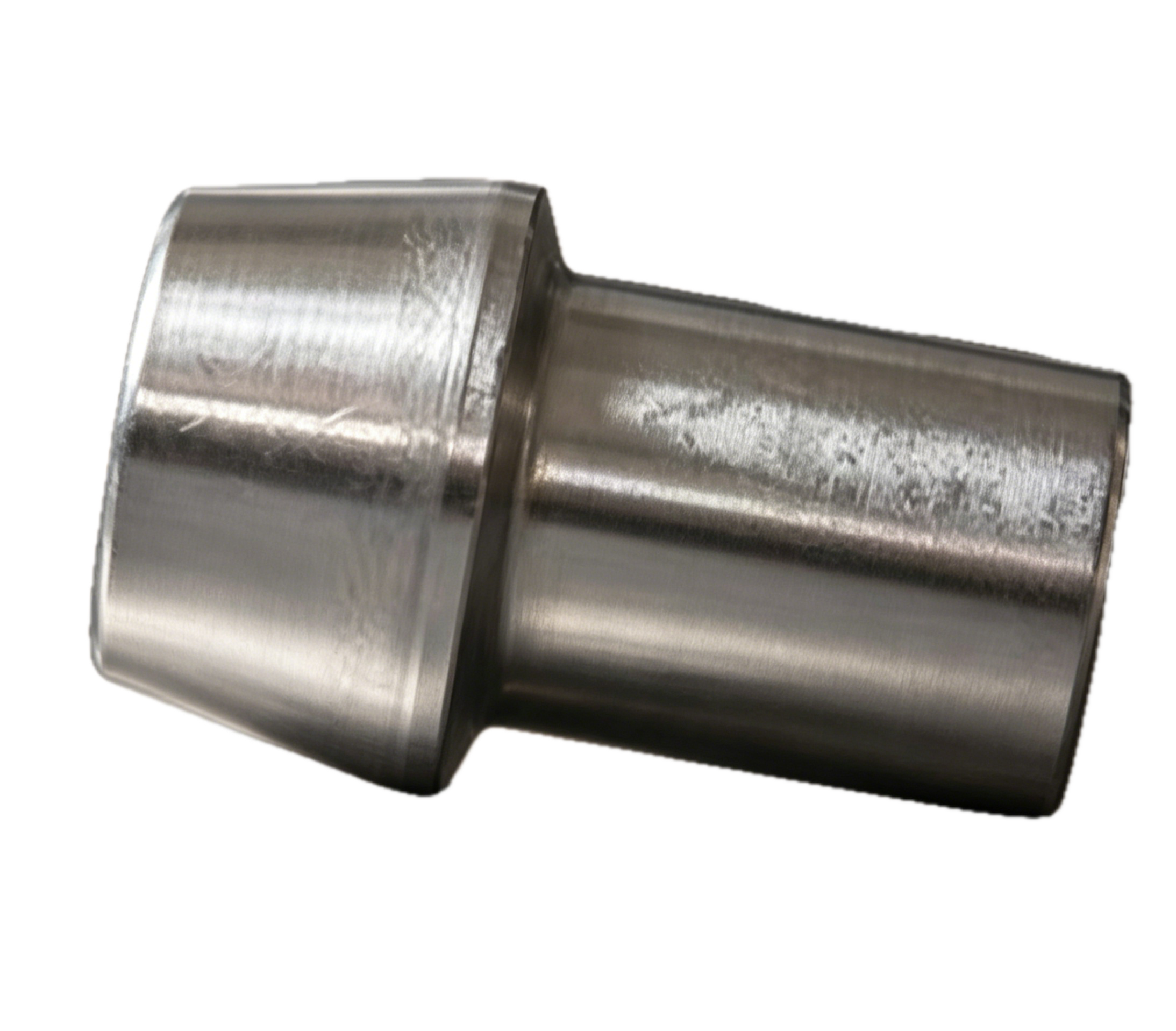
Tube-End Weld Nuts
LILY Bearing stocks 361 weld nuts in steel and stainless steel, Inch and Metric threads, across hex, square, barrel, and specialty shapes for welding onto sheet metal, tubing, and structural components. Use the filters below, or the comparison table, to narrow down by shape, base style, or material.
Compare Weld Nut Types
| Type | How It's Different | Best For | Watch Out For |
|---|---|---|---|
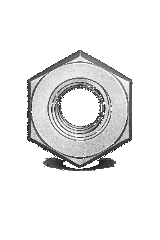
| Hex Weld Nuts | A hexagonal collar welds to flat or uneven uncoated steel surfaces | General-purpose permanent threaded attachment points | Requires spot- or projection-welding equipment to install |
| Square Weld Nuts | More weld points than a hex weld nut, for a stronger hold on flat surfaces | Higher-strength attachment where the mounting surface is flat | Not suited to uneven surfaces the way a hex weld nut is |
| Round-Base (Barrel) Weld Nuts | A smooth round base gives more surface contact than nuts with projections, with a raised barrel above it | Structural components needing evenly distributed weld contact | Round footprint needs more clearance than a narrow-base style |
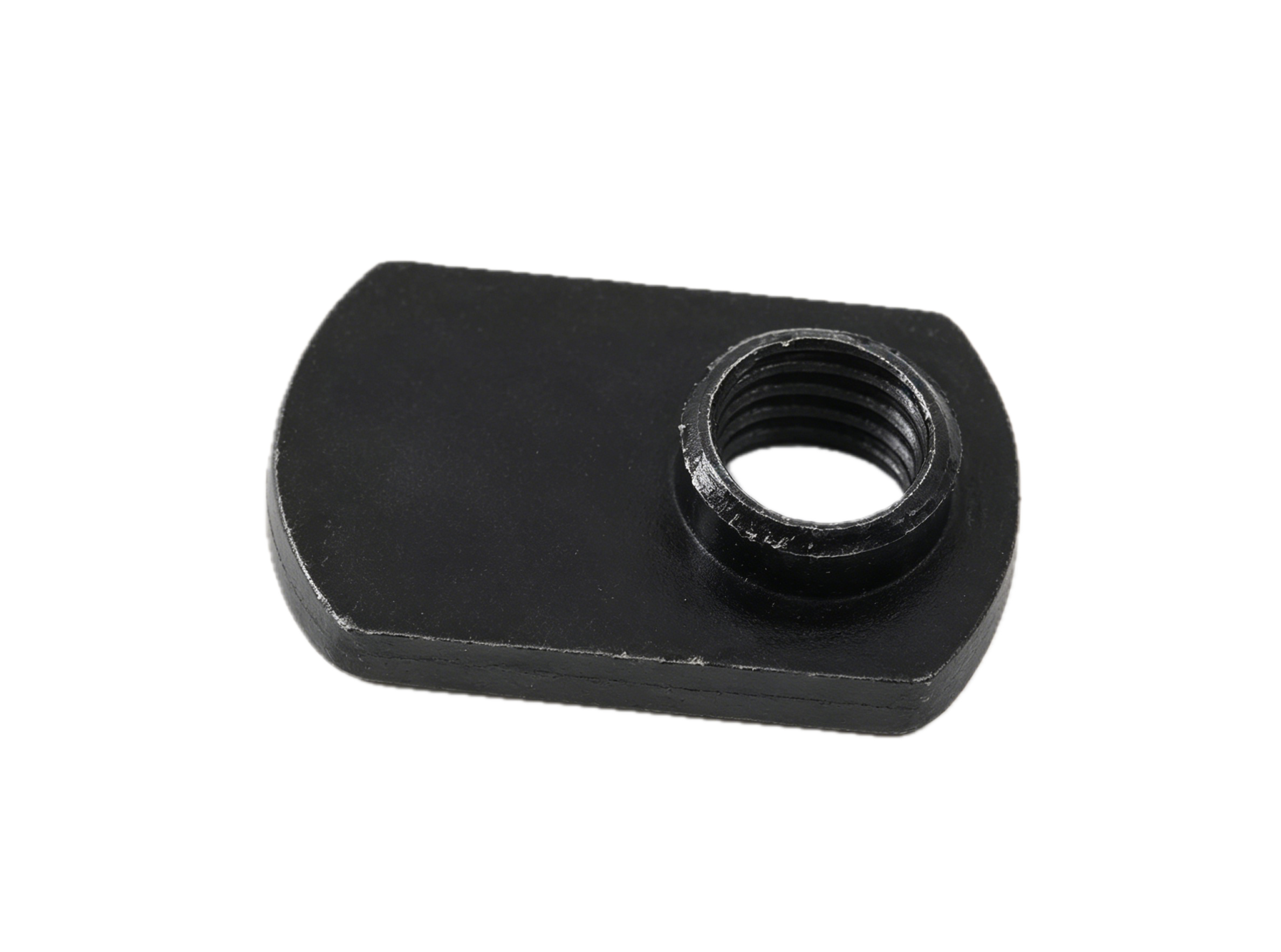
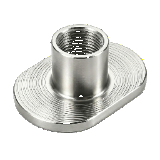
| Narrow-Base Weld Nuts | A rectangular base fits into channels and tight spaces where a round base won't | Confined mounting locations, such as inside a channel or bracket | Smaller footprint than round-base means less weld contact area |
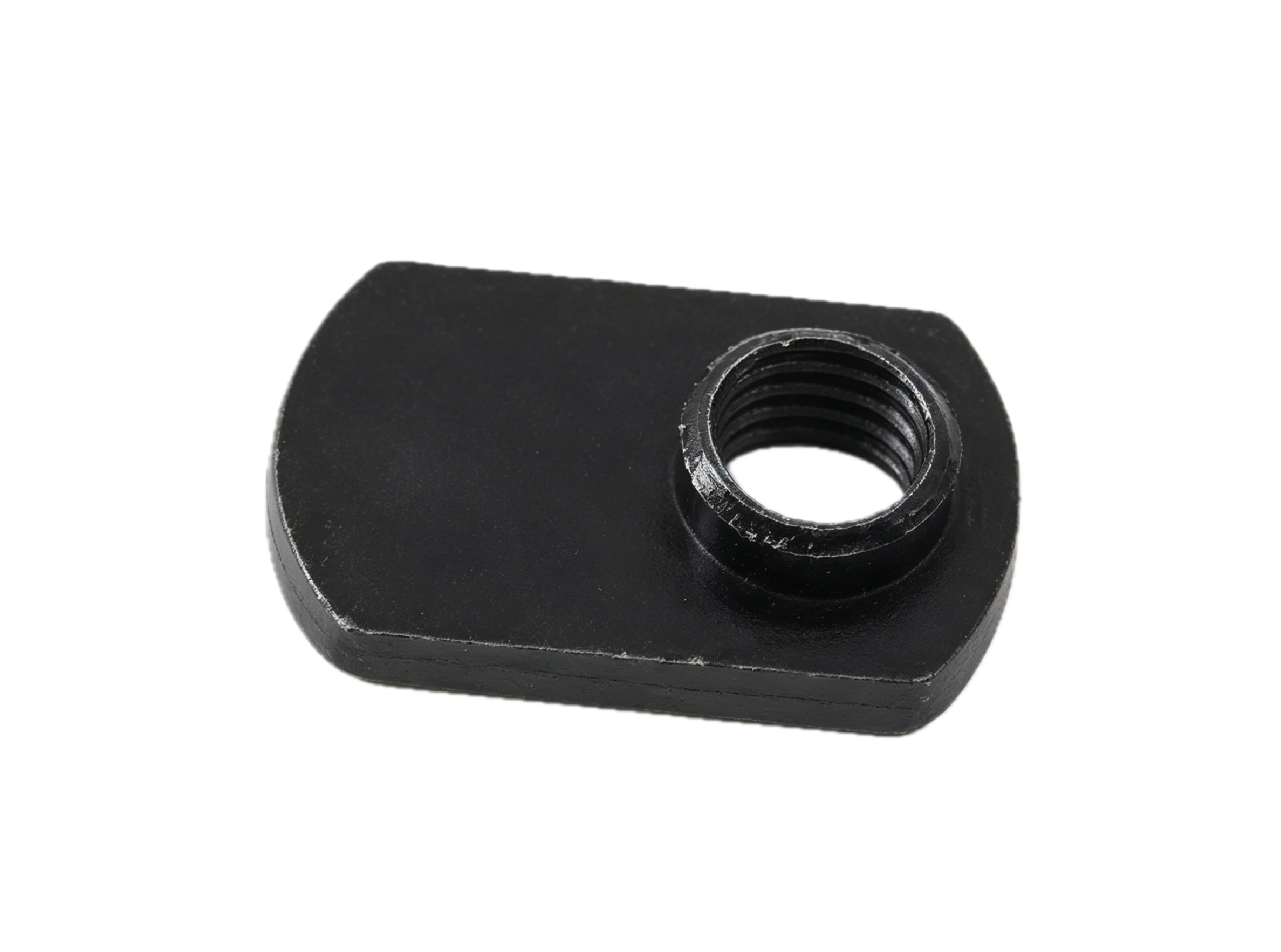
| Offset-Barrel Narrow-Base Weld Nuts | The threaded barrel sits off to one side of the base rather than centered | Corners or tight spots where a centered barrel wouldn't clear surrounding structure | Confirm the offset direction suits your mounting orientation |
| Tube-End Weld Nuts | Welds into the open end of a round tube instead of onto a flat surface | Attaching rod ends or other threaded components to tubular frames | Sized to the tube's outer diameter and wall thickness, not a flat panel |
| Aligning Weld Nuts | Internal threads float inside a retainer, letting a bolt install at a slight angle to reach an off-center part | Assemblies where hole alignment between mating parts isn't exact | The float only accommodates a slight angle, not major misalignment |
Welding Basics
Weld nuts are permanently attached with spot- or projection-welding equipment, not bolted or clipped on — they're meant for uncoated steel surfaces that can take a weld. Hex and round-base shapes work on both flat and uneven surfaces, while square and rectangular (narrow-base) shapes need a flat mounting surface for full weld contact. Match the base style to your available mounting space, and check tube-end listings against your tube's outer diameter and wall thickness rather than a flat panel thickness.
Need a Custom Weld Nut or a Part Cross-Reference?
Working from an existing McMaster-Carr or manufacturer part number? Our team can cross-reference it to an equivalent LILY Bearing weld nut, or quote a custom base style, material, or finish. Request a Quote or Contact Us.
Frequently Asked Questions
What's the difference between a hex and a square weld nut?
A hex weld nut works on both flat and uneven surfaces. A square weld nut has more weld points for a stronger hold, but it needs a flat mounting surface to make full contact.
When would I use a narrow-base weld nut instead of a round-base one?
Use a narrow-base (rectangular) weld nut when space is tight, such as inside a channel or bracket, where a round base wouldn't fit. Round-base nuts give more even weld contact when space isn't a constraint.
How is a tube-end weld nut different from other weld nuts?
A tube-end weld nut is sized and shaped to weld into the open end of a round tube, rather than onto a flat or curved surface. It's commonly used to attach rod ends or other threaded hardware to tubular frames.
What does an aligning weld nut do?
Its internal threads float inside a retainer, allowing a bolt to install at a slight angle. This helps when the mating hole isn't perfectly aligned with the weld nut's position, without needing exact alignment during welding.