Shoulder Screws
4974 Products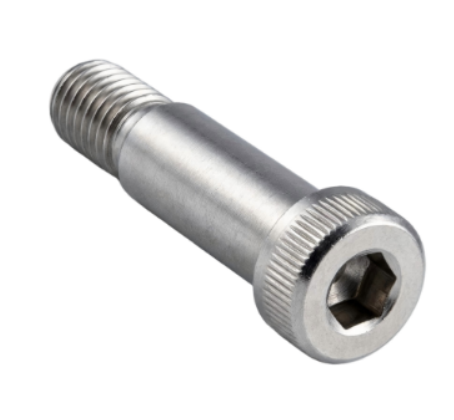
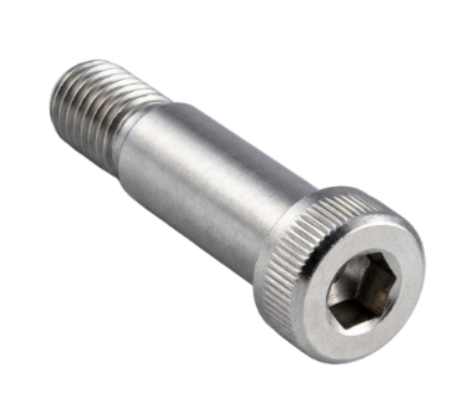
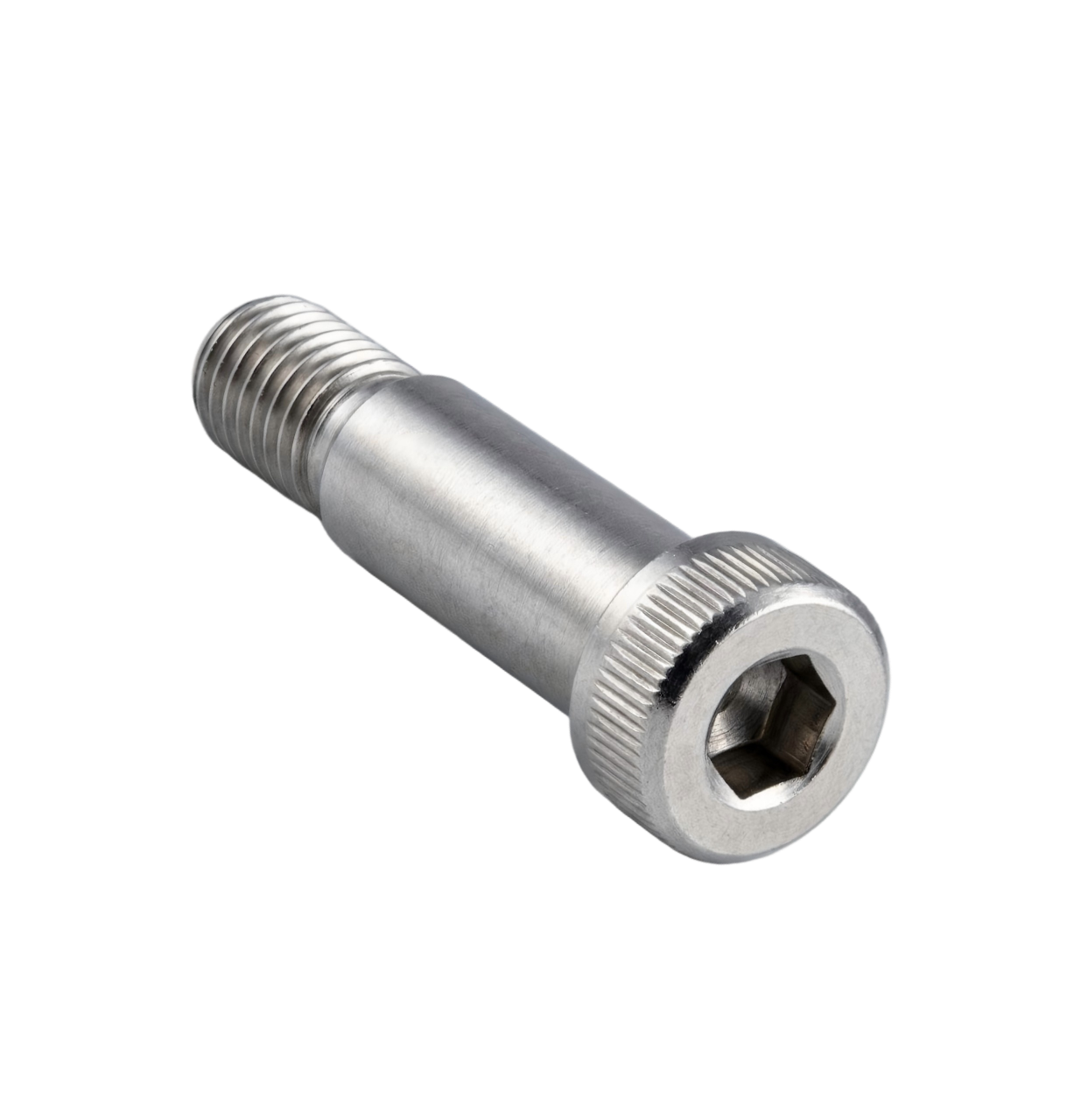
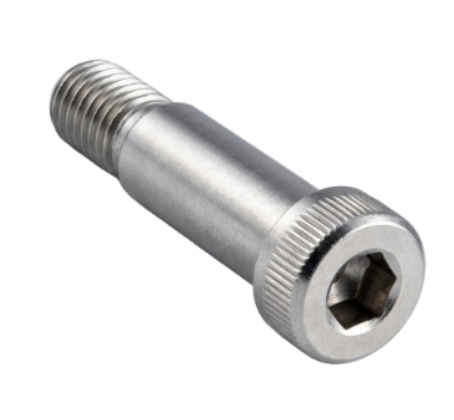
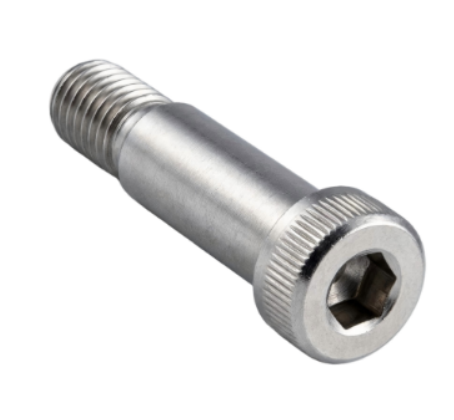
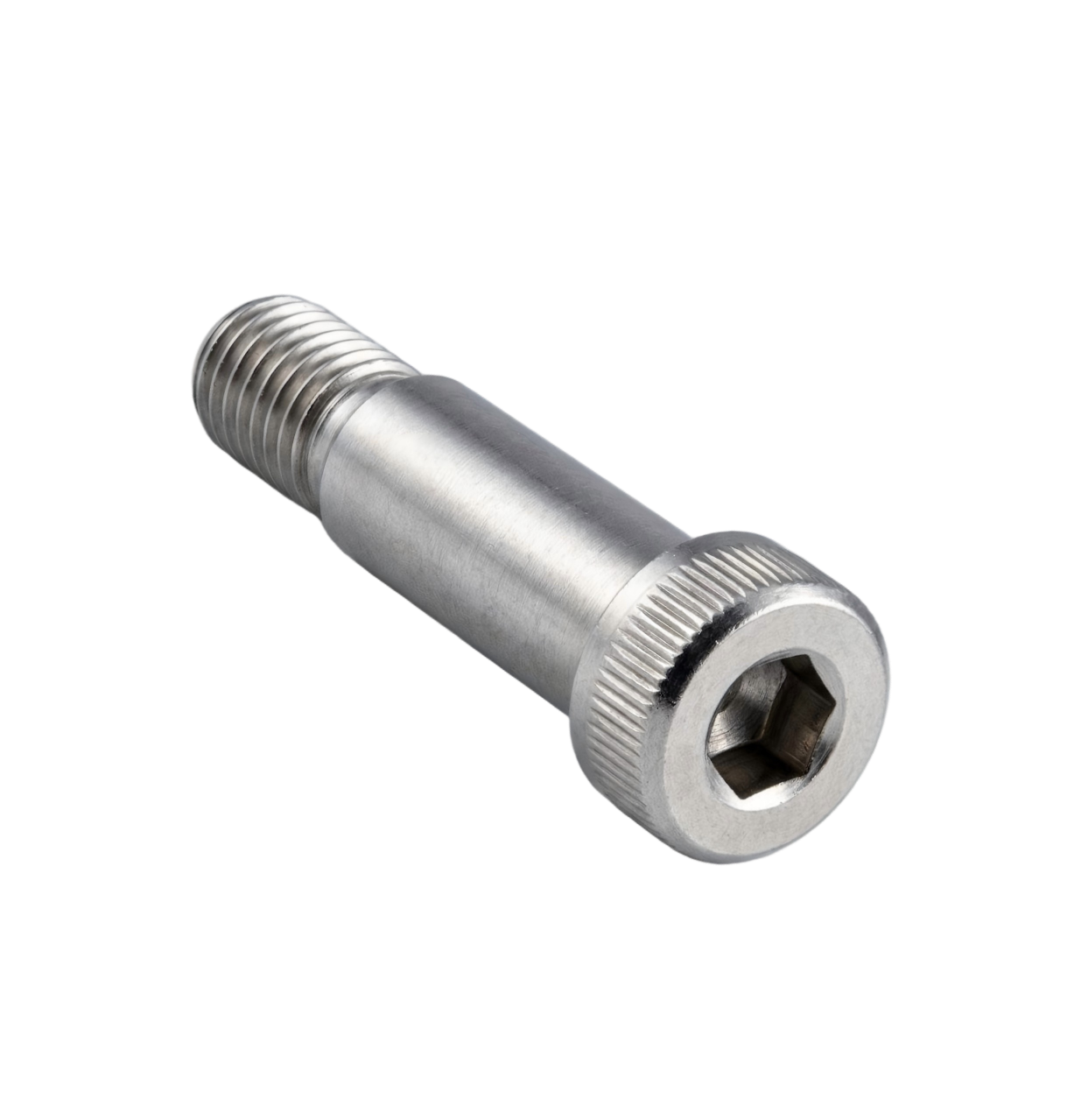
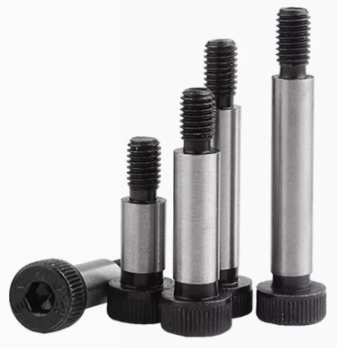
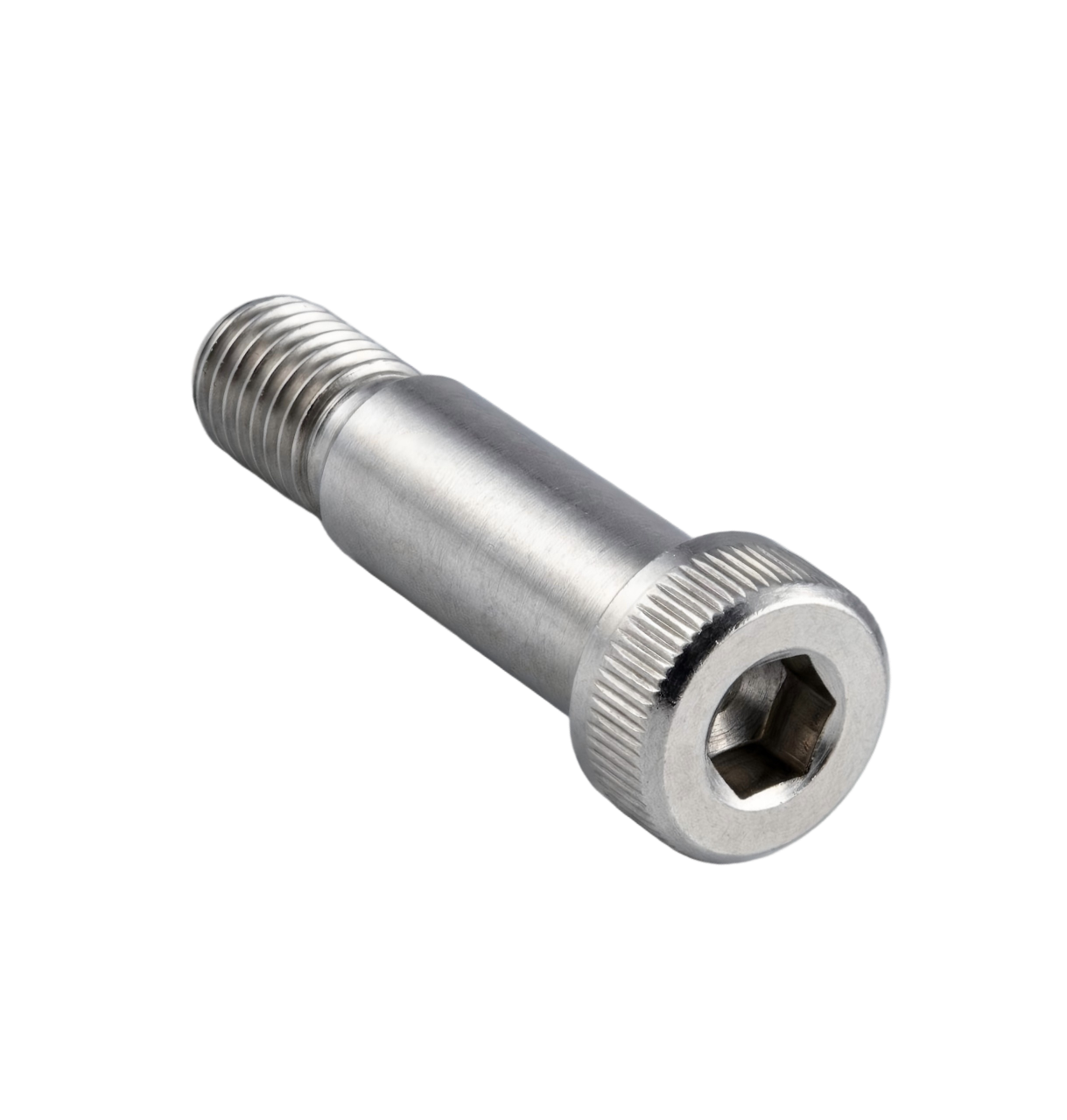
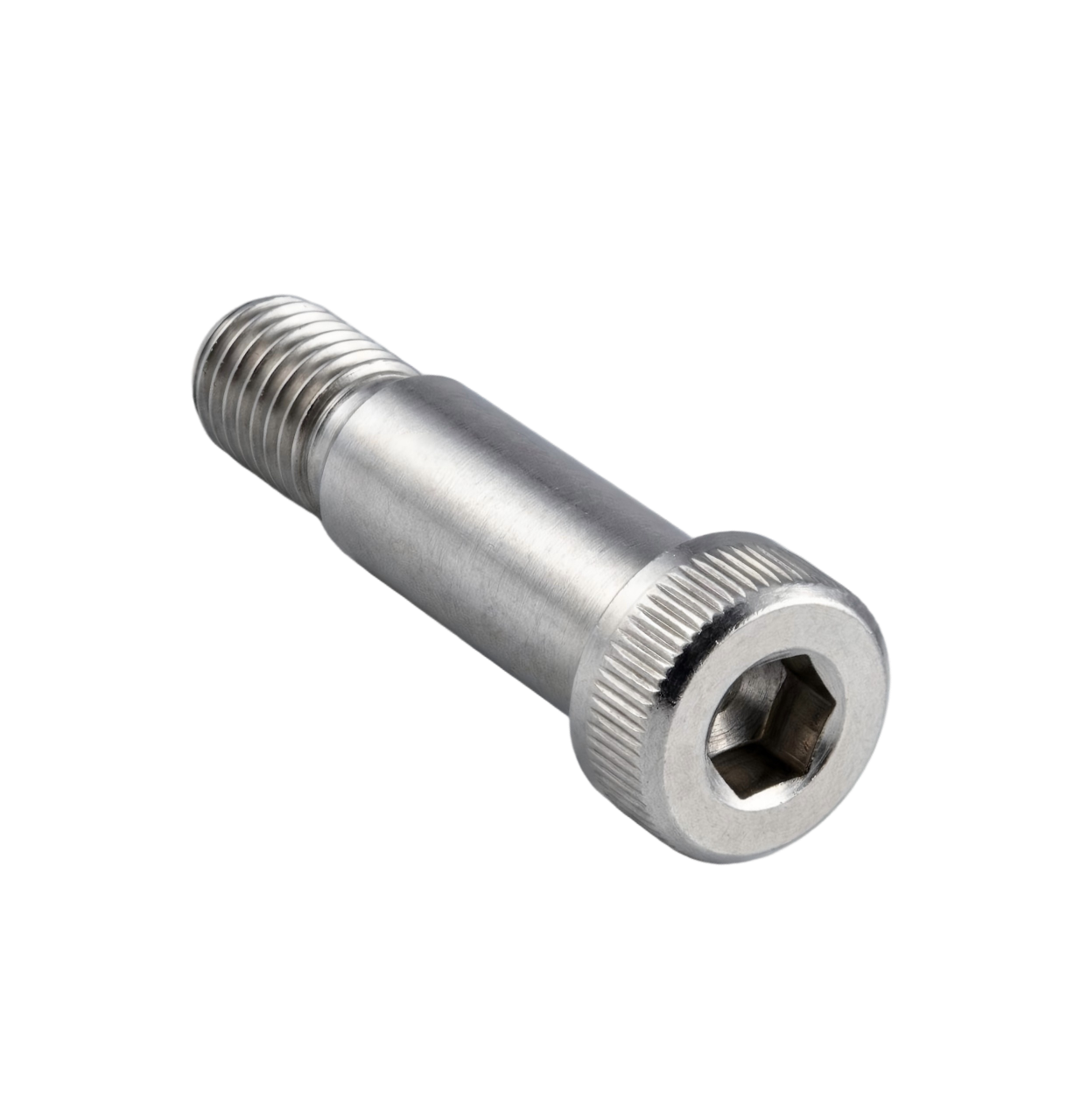
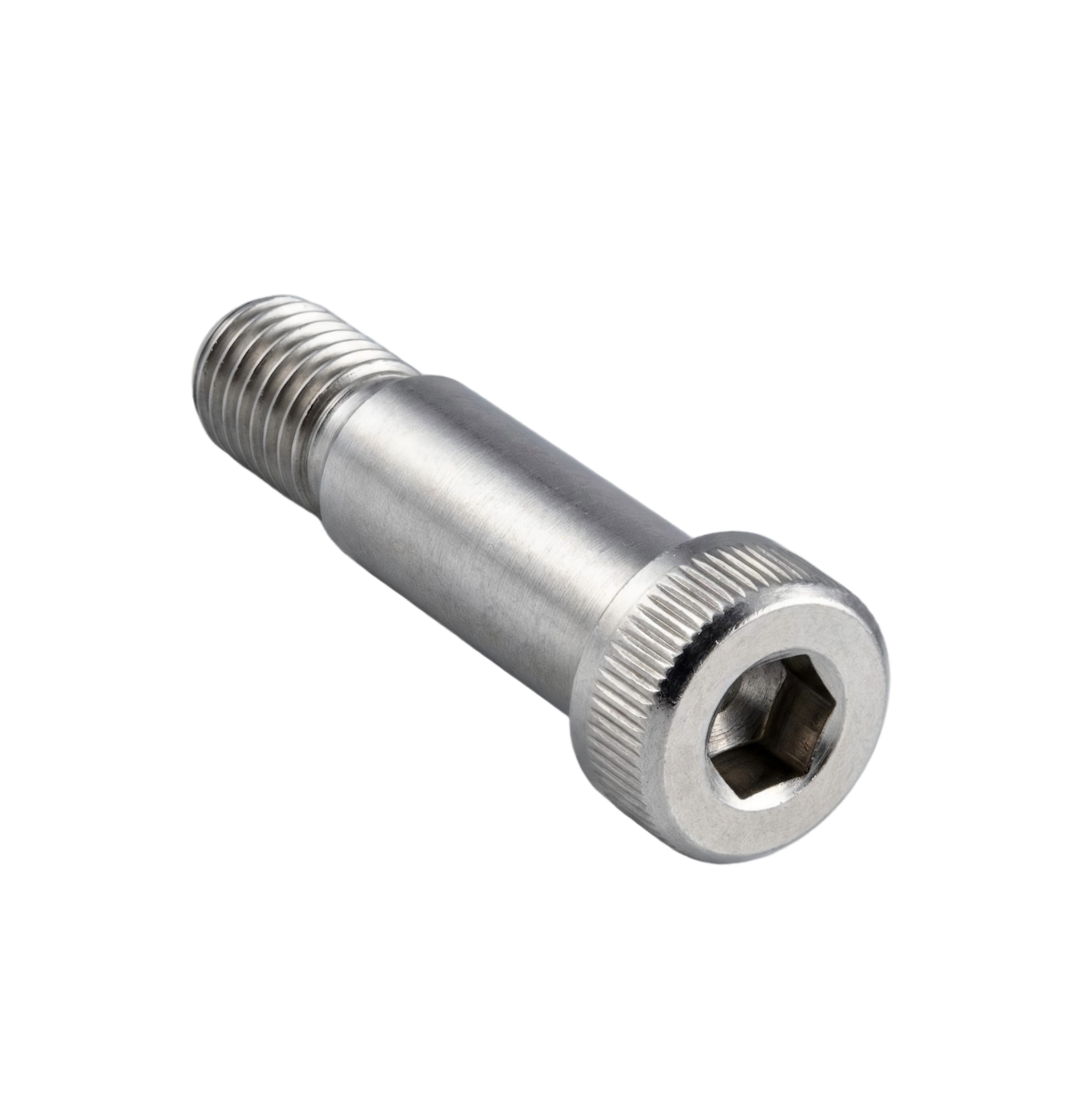
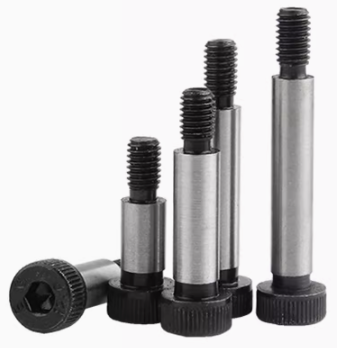
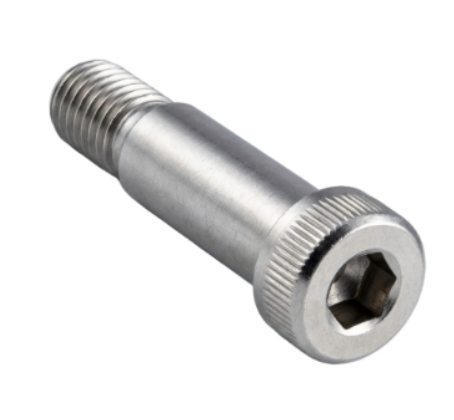
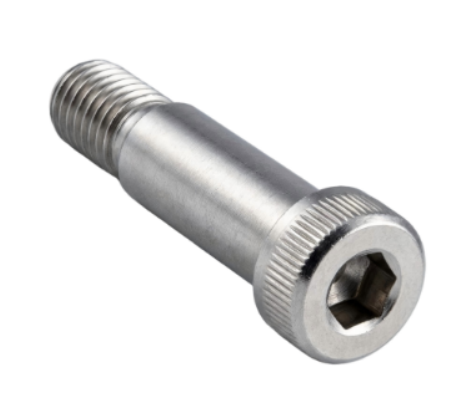
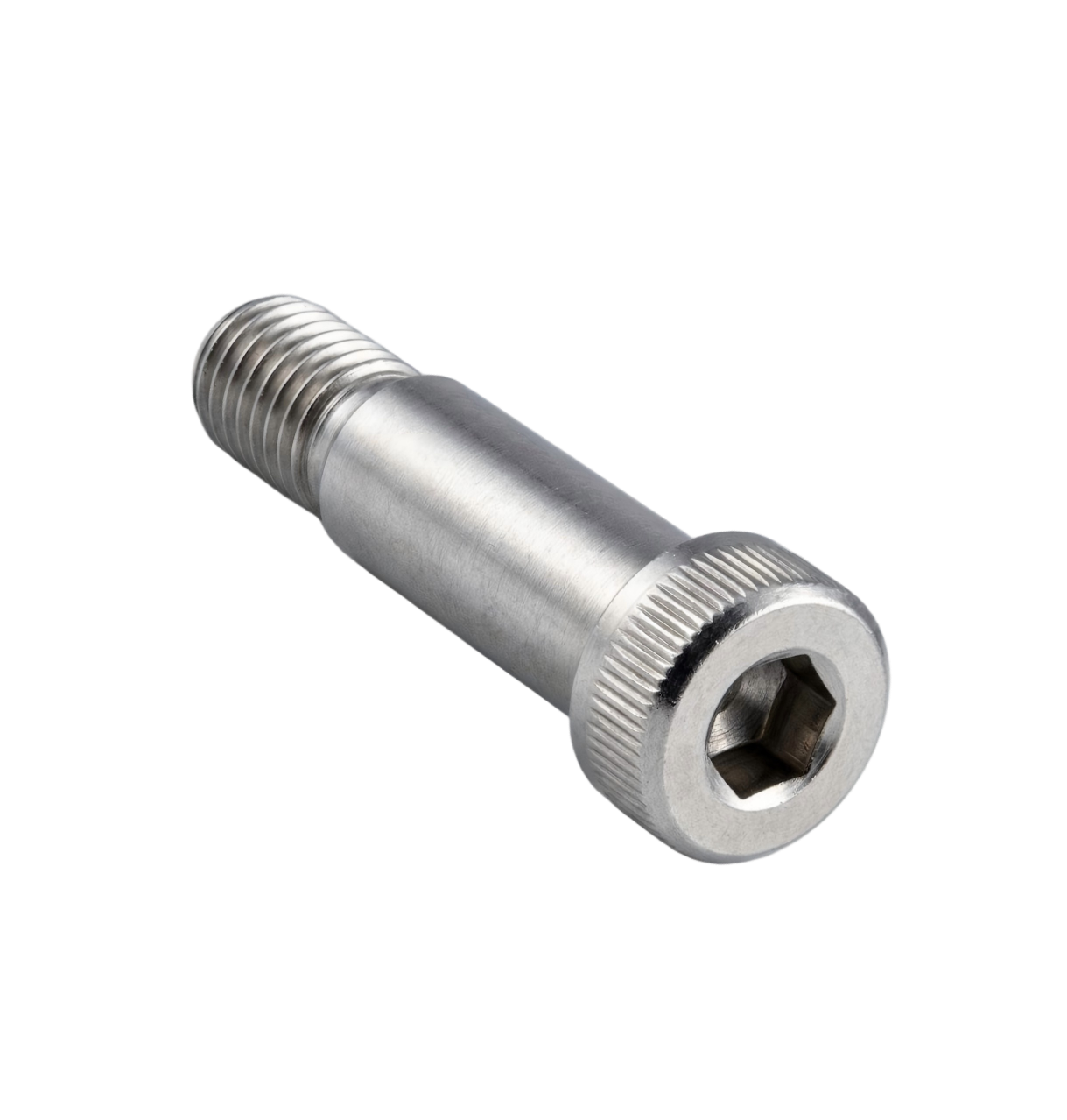
LILY Bearing stocks shoulder screws (also called stripper bolts) — fasteners with three distinct sections: a head, a precision-ground unthreaded shoulder that serves as the working bearing surface, and a threaded tail smaller in diameter than the shoulder. Because the shoulder (not the thread) carries the load, shoulder screws are commonly used as pivot points, cam followers, and linear-motion guides. Use the filters below, or the comparison table, to narrow down by material, shoulder diameter, and length.
Compare by Material
| Material | Best For |
|---|---|
| Alloy Steel | General-purpose pivots, cam followers, and jigs and fixtures where high strength is needed |
| 18-8 Stainless Steel | General corrosion resistance for a wide range of applications |
| 316 Stainless Steel | Highly corrosive environments, including marine and chemical exposure |
| 17-4 PH Stainless Steel | Applications needing both high strength and corrosion resistance |
| Titanium | High-performance applications needing an excellent strength-to-weight ratio |
| Nickel Alloy | Resistance to corrosion, high temperatures, and oxidation in harsh environments |
| Aluminum | Lightweight applications where reducing weight is a priority |
| Nylon | Electrically insulating pivots or light-duty guides where metal isn't suitable |
Head Style Options
Most shoulder screws use a socket (hex-drive) head as standard. Hex head versions are also available for wrench-driven installation, and flat head versions let the head sit flush in a countersunk hole. Shoulder screws with a hex-drive tip add a drive socket at the threaded end, making it easier to remove the screw from a blind hole.
Profile Options
Low-profile and ultra-low-profile shoulder screws use a shorter, flatter head than the standard socket head, for use where clearance above the mounting surface is limited.
Thread Configuration Variants
| Variant | What It Is |
|---|---|
| Same-Size Thread | The thread diameter matches the shoulder diameter, instead of the standard smaller-diameter thread — useful when the mounting hole and thread need to be the same size |
| Short-Thread | A shorter threaded section than standard, for use in thin mounting plates |
| Left-Hand Threaded | Reverse (left-hand) threads for counter-rotating assemblies |
| Internally Threaded Shoulders | A tapped hole in the end of the shoulder instead of an external thread, letting another screw mount into it — useful for stacking or joining parts through the shoulder itself |
Feature Variants
Thread-locking shoulder screws add a patch or coating to the threads to resist loosening under vibration. Screws with material certification include documentation of compliance with specific quality and material standards.
Need a Custom Shoulder Screw?
Don't see the material, shoulder diameter, or length you need? Our team can cross-reference an existing part or quote a custom configuration. Request a Quote or Contact Us. LILY Bearing also offers customized fastener services.
Frequently Asked Questions
What is the difference between a shoulder screw and a regular bolt?
A regular bolt is threaded along most or all of its length, and the threads themselves bear the clamping load. A shoulder screw has an unthreaded, precision-ground shoulder section between the head and a shorter, smaller-diameter threaded tail. The shoulder — not the threads — is the working diameter that bears the load, which makes shoulder screws well suited as pivot points, cam followers, and linear-motion guides where a smooth bearing surface is needed.
Why is a shoulder screw's thread smaller than its shoulder diameter?
The threaded tail only needs to be large enough to anchor the screw into a tapped hole — it doesn't carry the working load, so keeping it smaller than the shoulder makes the tapped hole easier to machine and leaves the shoulder as a clean, unbroken bearing surface. If your application requires the thread and shoulder to be the same diameter, LILY Bearing also stocks same-size-thread shoulder screws.