- Interchangeable With :
- SKF
Bearing Housings
1763 Products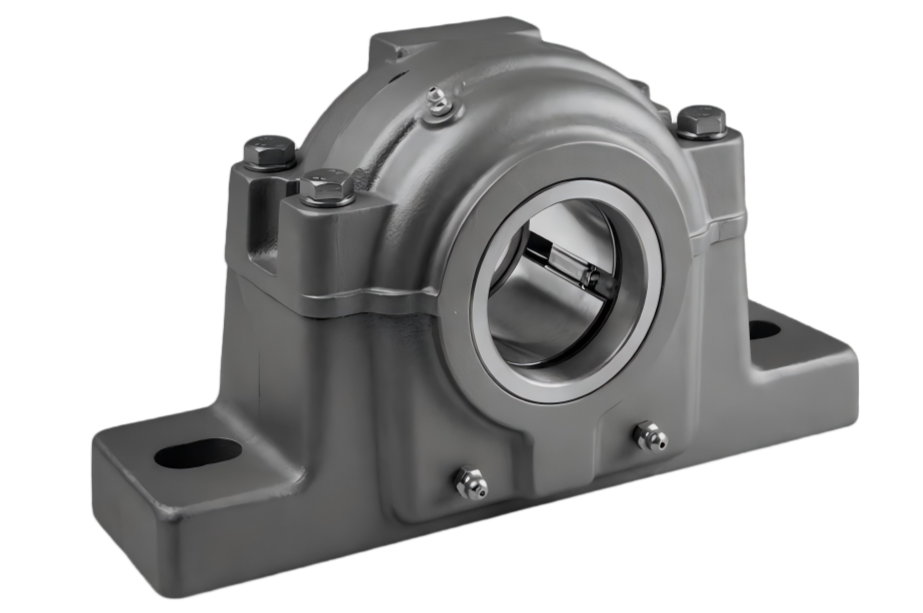
What Is a Bearing Housing?
A bearing housing is a split, two-piece enclosure that bolts together around a spherical roller bearing mounted on an adapter sleeve, rather than coming pre-assembled with a fixed bearing insert. The split base-and-cap design allows the bearing to be inspected, relubricated, or replaced without removing the shaft — making housings the standard choice for large-shaft, heavy-load applications where a pillow block or flange bearing isn't rated for the duty. LILY Bearing stocks SKF-interchangeable split plummer block, pillow block, flanged, and conveyor pulley housings in inch bore sizes.
Shop Bearing Housings by Type
| Category | Series | Bore Range | Design | Best For |
|---|---|---|---|---|
| Split Plummer Block Housings | SNL / SNLD | 1.240″–23.740″ | Split base and cap | Large-shaft, heavy industrial machinery |
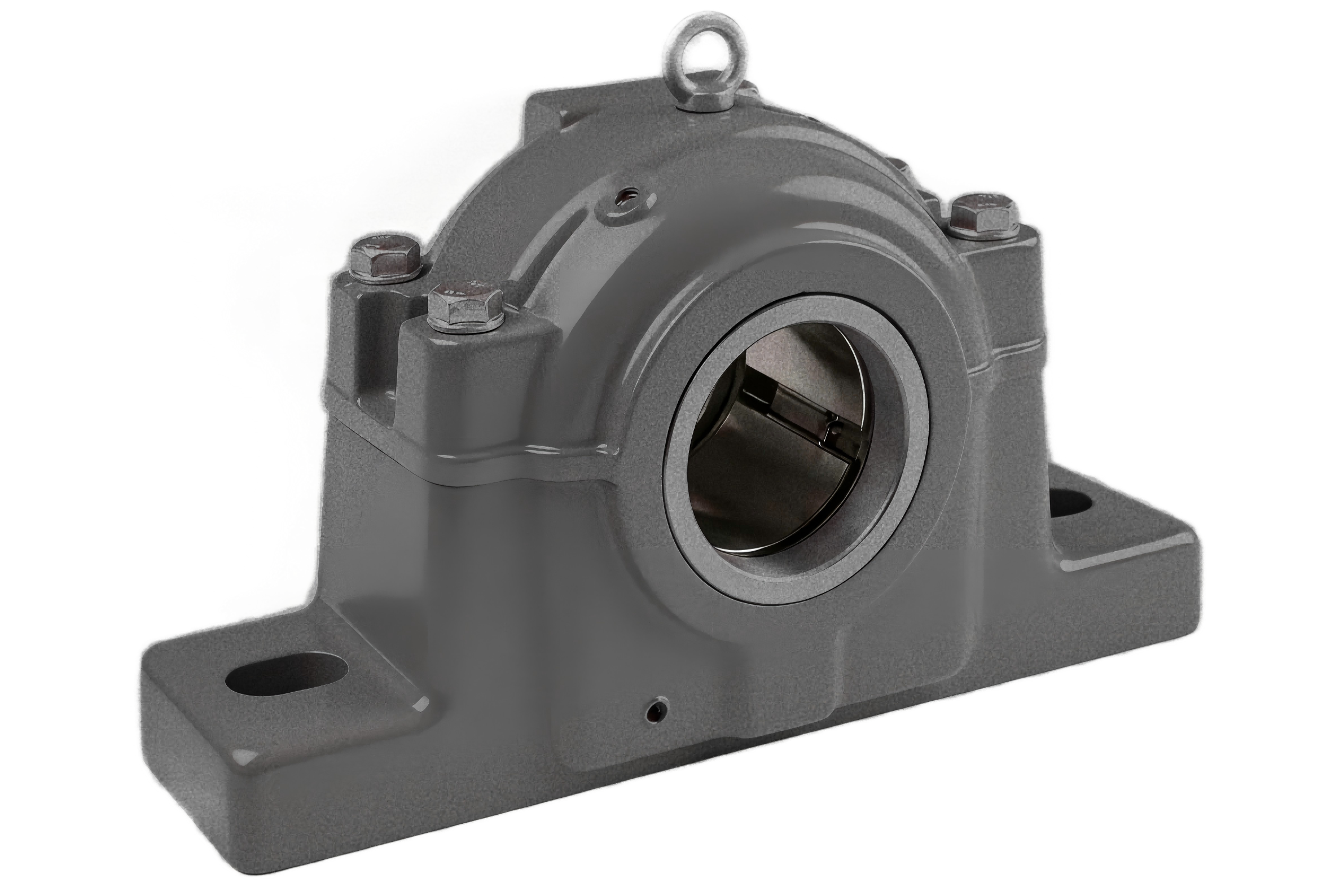
| Split Pillow Blocks | SAF / FSAF / EPR | 0.750″–18.500″ | Split housing, rectangular base, integral seals | Agricultural, mining, and material handling equipment |
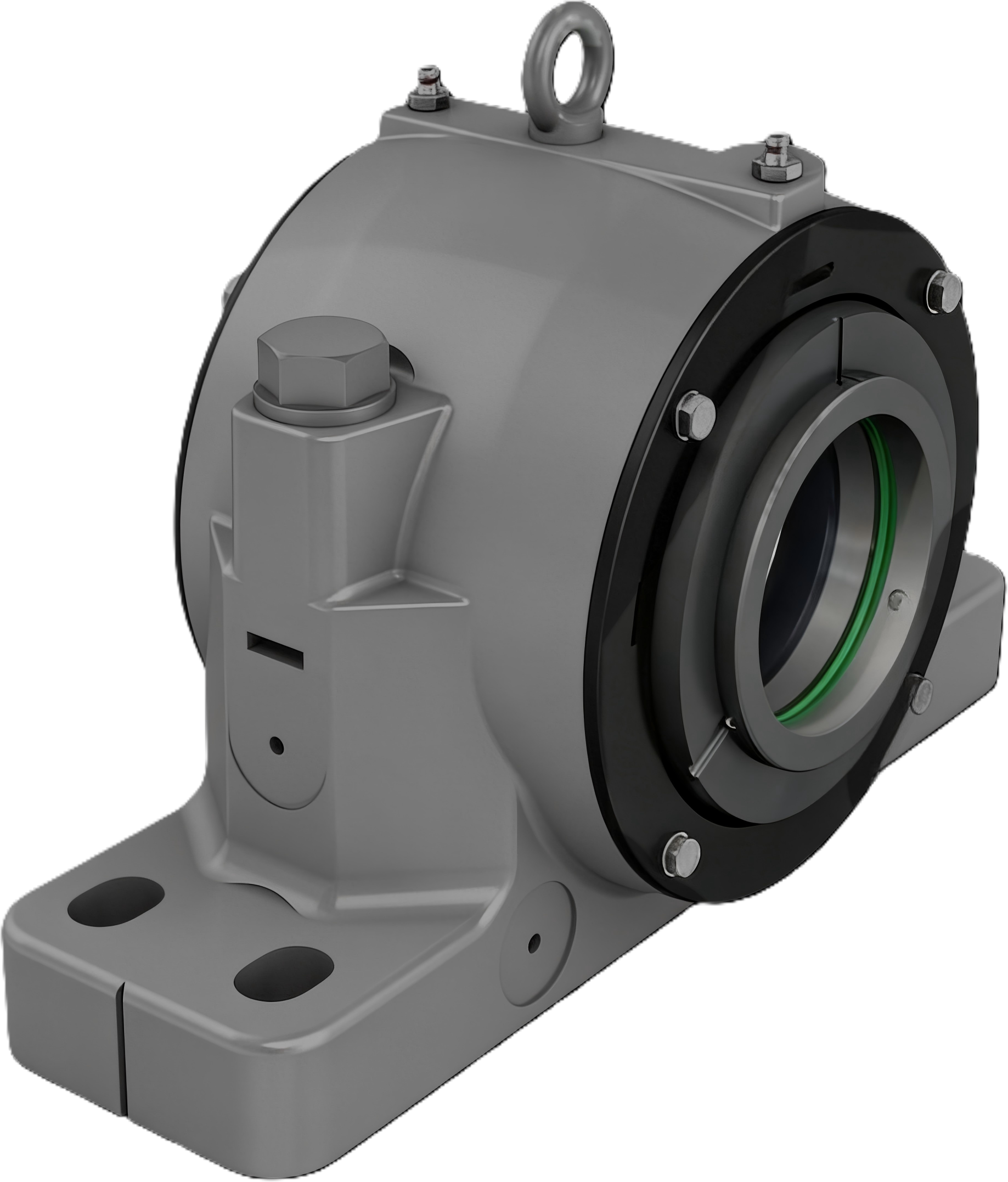
| Flanged Housings | FNL | See individual specs | Split housing, flange face | Vertical surface or machine-frame mounting |
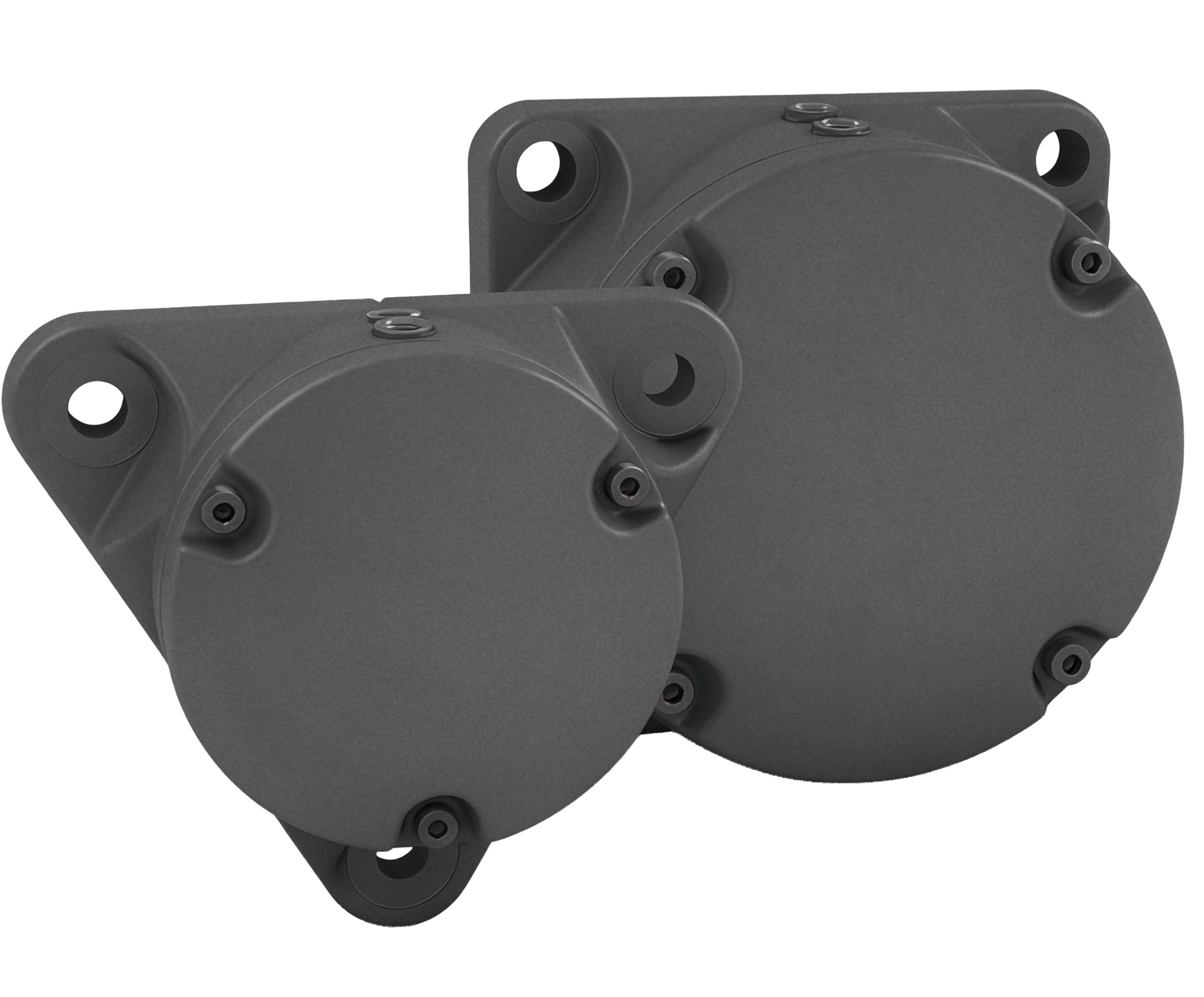
| Conveyor Pulley Housing | SDVD | 2.362″–11.811″ | Split housing sized for pulley end caps | Conveyor pulley shaft support |
Plummer block and pillow block housings both use a split base-and-cap design, but plummer block housings (SNL/SNLD) are built for larger bore sizes and heavier radial loads, while pillow block housings (SAF/FSAF) use a lighter rectangular base and integral seals suited to medium-duty shafts. Flanged housings mount to a vertical face instead of a floor or frame rail, and conveyor pulley housings are sized specifically to fit inside a pulley end cap rather than sit externally on a shaft.
Where Are Bearing Housings Used?
- Heavy industrial machinery — large-shaft drives, gearboxes, and rotating equipment
- Mining and aggregate processing — crushers, screens, and conveyors
- Bulk material handling — conveyor pulleys, idlers, and take-up systems
- Agricultural equipment — combines, balers, and processing machinery
- Pulp, paper, and wastewater processing — large rotating shafts in continuous-duty service
Frequently Asked Questions
What is the difference between a bearing housing and a pillow block bearing?
A pillow block bearing is a pre-assembled, mounted unit that comes with a bearing insert already fitted inside a fixed housing. A bearing housing is sold as a split, empty enclosure — you pair it with a separate spherical roller bearing and adapter sleeve, so the bearing can be serviced or replaced without dismounting the housing from the shaft.
What is the difference between a plummer block housing and a pillow block housing?
Plummer block housings (SNL/SNLD series) are built for larger bore diameters and higher radial loads, typically used on heavy industrial shafts. Pillow block housings (SAF/FSAF series) use a lighter rectangular base with integral seals and cover a smaller bore range, making them better suited to medium-duty applications such as agricultural or material handling equipment.
What bearing fits inside these housings?
These split housings are designed to accept a spherical roller bearing mounted on a tapered adapter sleeve. The self-aligning spherical bearing accommodates minor shaft misalignment, and the adapter sleeve lets the bearing be clamped onto the shaft at any point along its length rather than requiring a precision-machined shaft shoulder.
What is a flanged bearing housing used for?
A flanged housing (FNL series) bolts to a vertical surface, such as an equipment wall or machine frame, instead of sitting on a floor-mounted base. It's used where the shaft runs perpendicular to a vertical mounting face and a floor-standing plummer block or pillow block housing isn't practical.
What is a conveyor pulley housing designed for?
A conveyor pulley housing (SDVD series) is sized to fit inside the end cap of a conveyor pulley rather than mount externally on a shaft, supporting the pulley's bearing in the compact space available inside the pulley shell.