Mounted Linear Sleeve Bearings
99 Products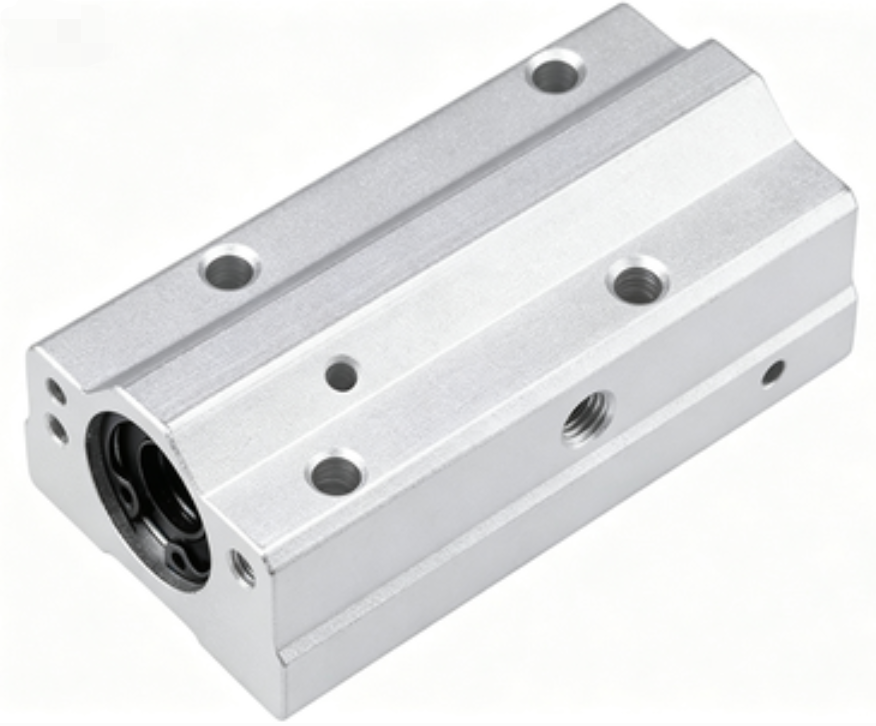
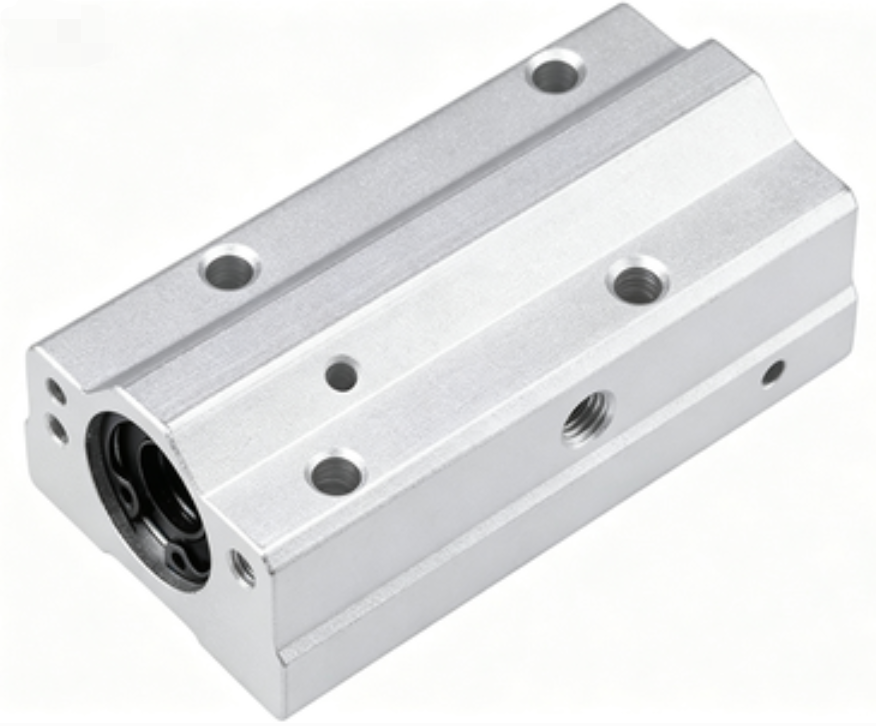
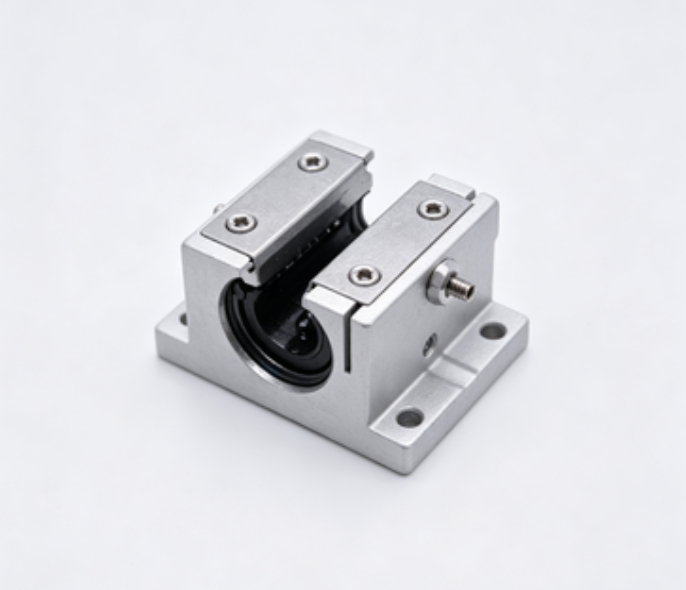
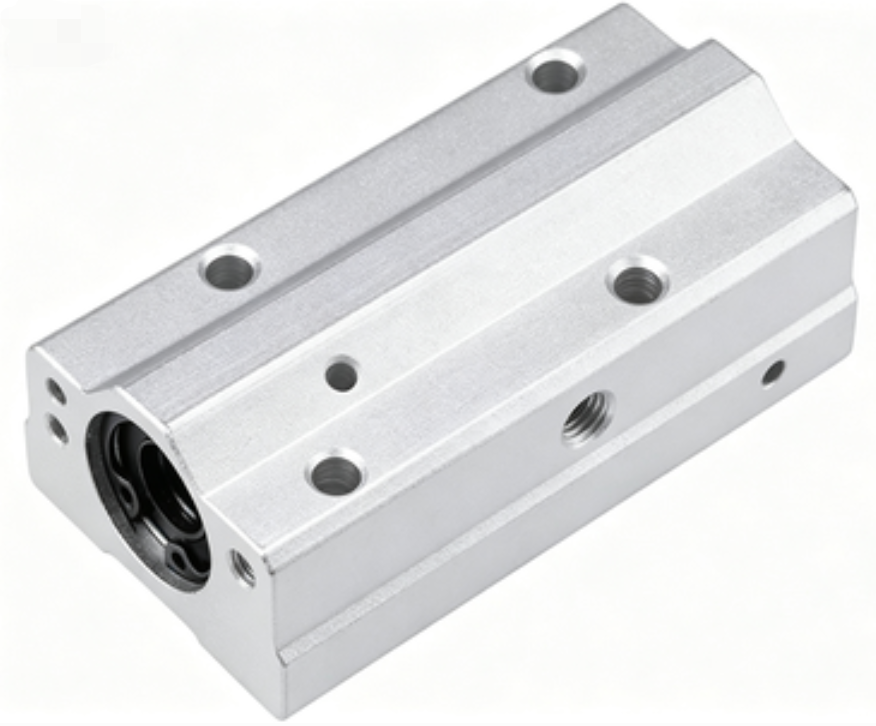
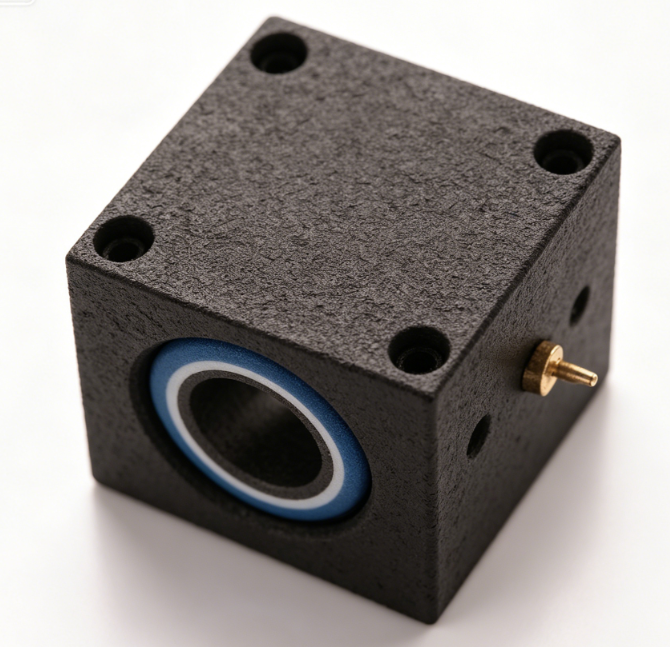
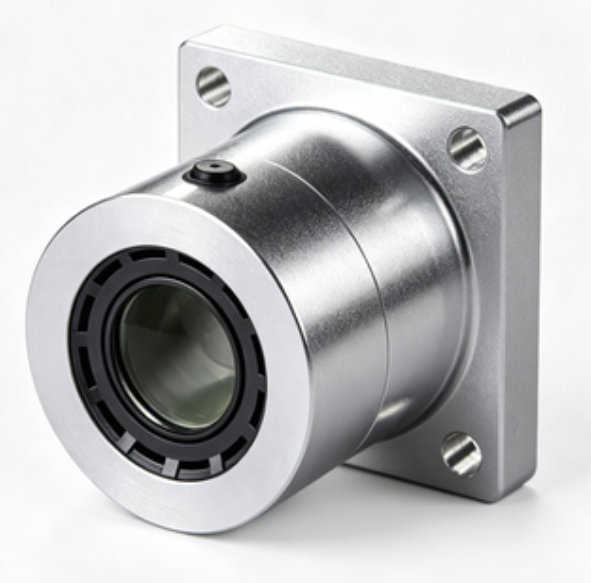
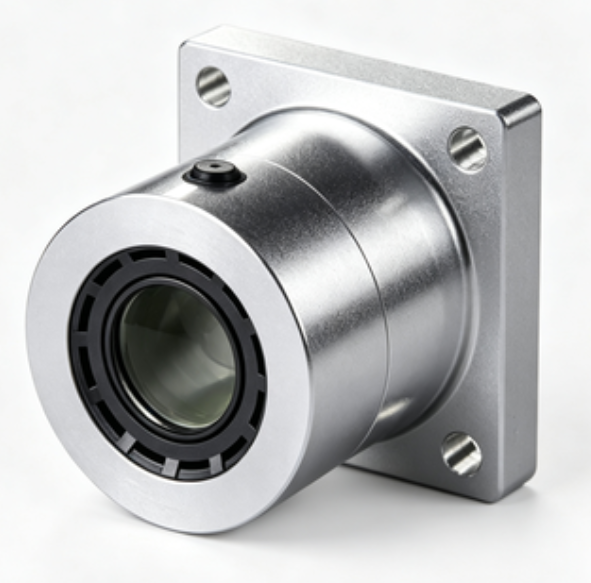
Mounted linear sleeve bearings integrate a plain (non-ball) bushing into a ready-to-install mounting block, providing linear motion through sliding contact rather than recirculating balls. The shaft slides directly against the bushing's inner surface — typically bronze, self-lubricating composite, or PTFE-lined — offering a simpler, more compact, and often quieter alternative to ball-type linear bearings, particularly where extreme precision isn't the primary requirement.
Compare Mounted Linear Sleeve Bearings by Configuration
| Configuration | Best For | Notes |
|---|---|---|
| Common Mounted Linear Sleeve Bearings | General-purpose motion control | Standard open/closed block styles |
| Sleeve Bearing Blocks for Washdown Environments | Wet or wash-down conditions | Materials built to withstand moisture exposure |
| High-Speed Mounted Linear Sleeve Bearings | Elevated velocities | Reduced-friction materials and optimized clearances |
| High-Load Mounted Linear Sleeve Bearings | Heavier carriage weights | Reinforced construction for added durability |
| High-Load High-Speed Mounted Linear Sleeve Bearings | Demanding continuous-duty applications | Combines high-load and high-speed features |
| Frictionless-Motion Mounted Linear Air Bearings | Near-zero-friction precision applications | Air cushion replaces contact lubrication |
| High-Speed Flange-Mounted Linear Sleeve Bearings | Compact, high-velocity installations | Flange mount for easy, secure installation |
| Chemical-Resistant Flange-Mounted Linear Sleeve Bearings | Harsh chemical exposure | Flange mount, materials resist chemical attack |
Key Benefits:
- Simple, compact design with fewer moving parts than ball-type units
- Naturally quieter operation with reduced vibration
- Good shock-load tolerance and resistance to contamination
- Lower cost per unit for general-purpose motion applications
Common Applications:
Packaging and material handling equipment · Textile and printing machinery · Food and beverage processing lines · Semiconductor and precision instrumentation · General factory automation
What's the difference between a linear sleeve bearing and a linear ball bearing?
A sleeve bearing uses sliding contact between the shaft and bushing surface, while a ball bearing uses recirculating balls for rolling contact. Sleeve bearings are simpler and quieter but typically have higher friction and lower speed limits than ball-type units.
Are sleeve bearings suitable for high-speed applications?
Standard sleeve bearings are best suited to moderate speeds. For higher-velocity operation, choose a high-speed variant specifically designed with reduced-friction materials and optimized clearances.
What is a frictionless air bushing, and when should I use one?
An air bushing floats the shaft on a thin cushion of pressurized air instead of direct contact, eliminating mechanical friction and wear entirely. It's used in precision applications — such as semiconductor or optical equipment — where near-zero friction and minimal particle generation are critical.
Can sleeve bearings be used in washdown or wet environments?
Standard units are not recommended for wet or corrosive conditions. Choose a washdown-rated or chemical-resistant version instead, built with materials designed to withstand moisture and chemical exposure.
Do sleeve bearings require lubrication?
It depends on the material. Bronze bushings typically need periodic lubrication, while self-lubricating composite or PTFE-lined types are designed to run dry or with minimal maintenance — check the specific product's material spec.
Can flange-mounted sleeve bearings replace block-style units?
Not directly — bolt pattern and mounting orientation differ. Confirm bolt spacing and orientation against your machine frame before substituting one style for another.