Rivet Nuts
302 ProductsRivet Nuts
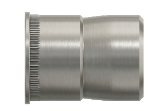
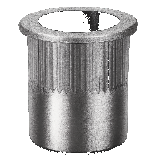
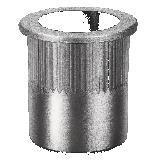
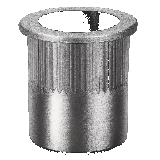
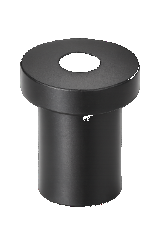
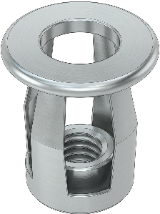
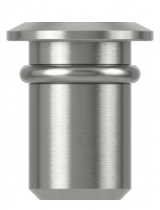
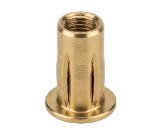
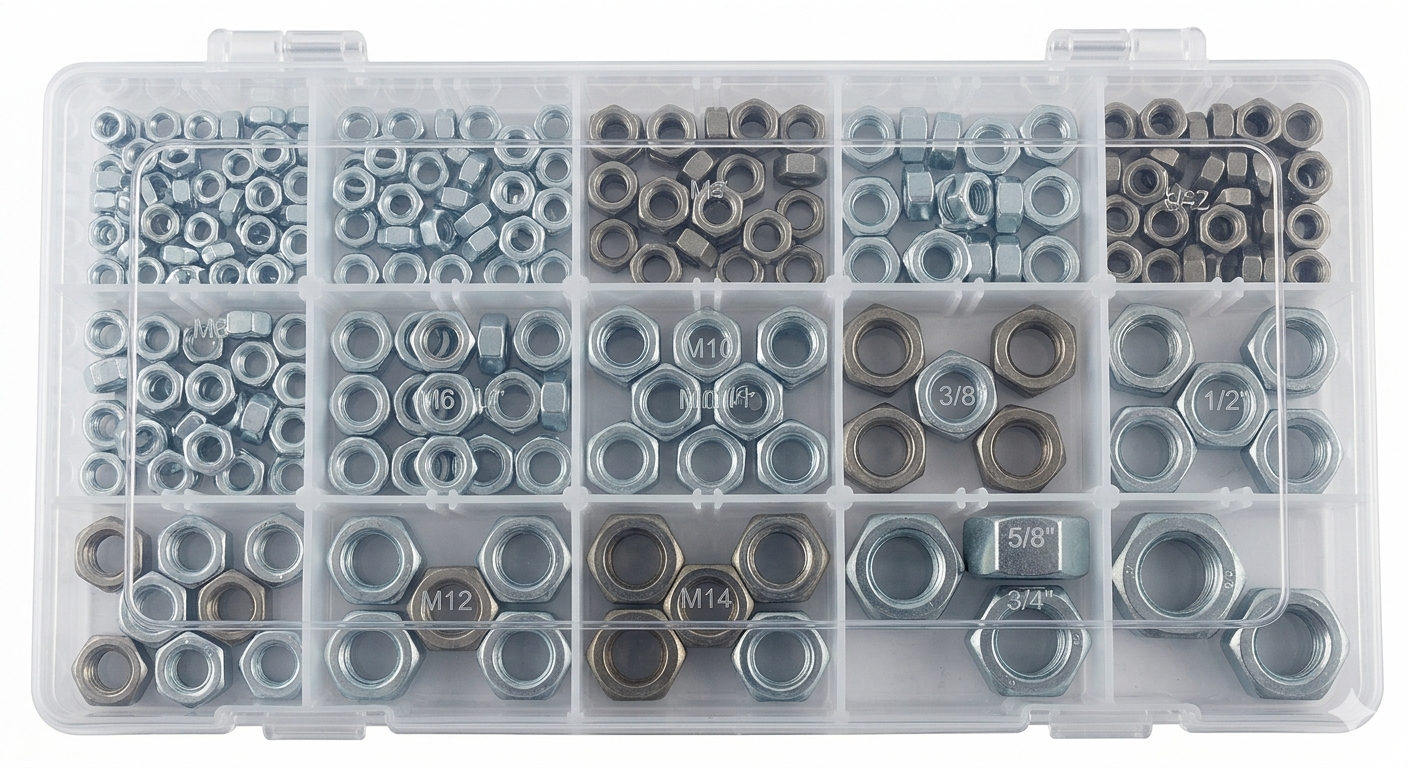
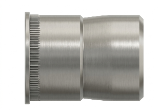
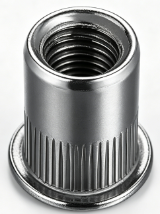
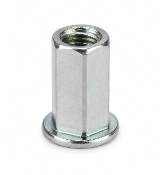
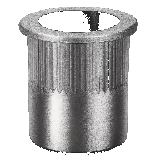
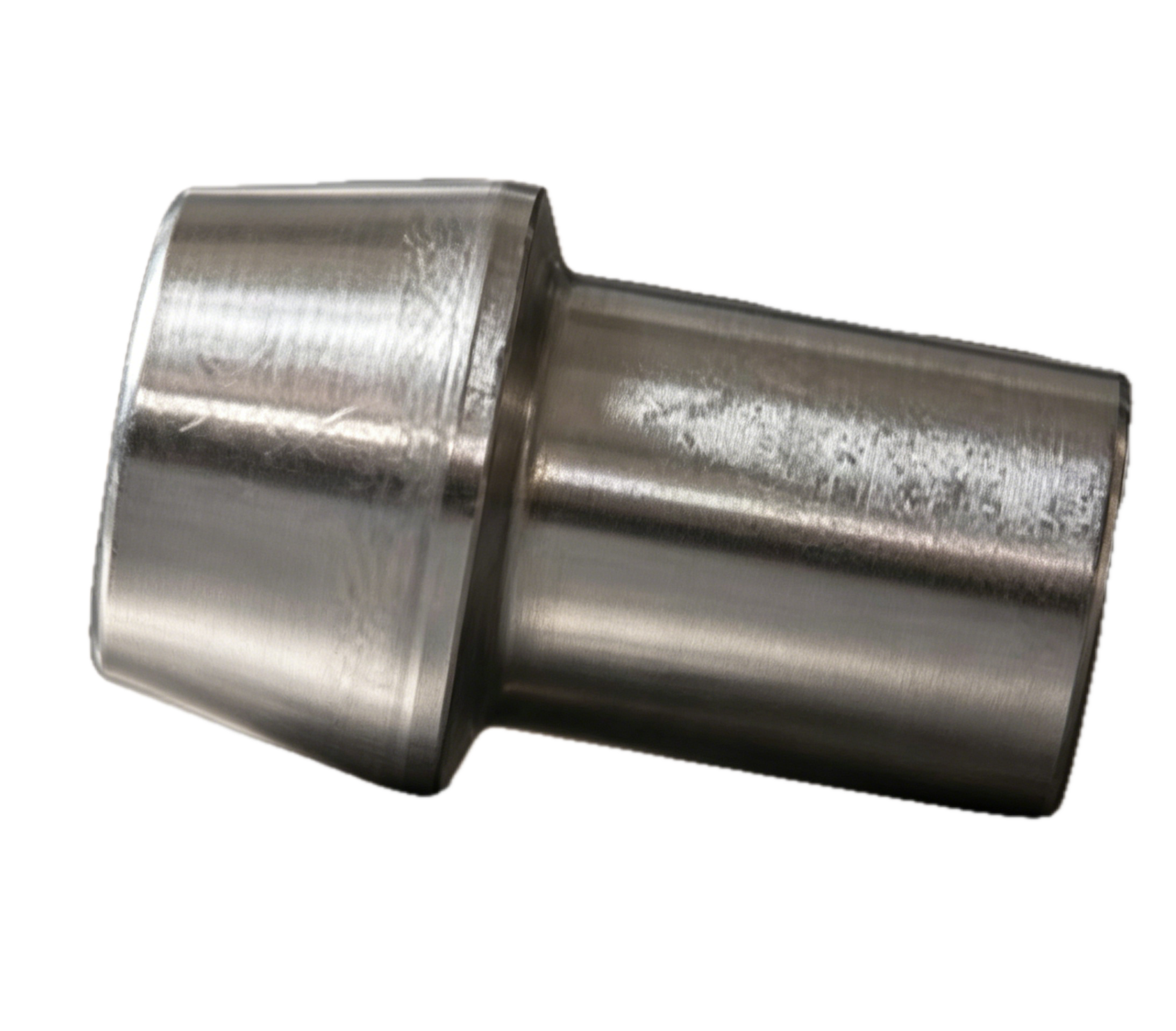
Rivet Nut Assortments
LILY Bearing stocks 302 rivet nuts in steel, aluminum, and stainless steel, across 20 variations covering twist resistance, sealing, insulation, and installation method. Use the filters below, or the comparison table, to narrow down by feature, substrate, or material.
Compare Rivet Nut Types
| Type | How It's Different | Best For | Watch Out For |
|---|---|---|---|
| Standard Rivet Nuts (Steel/Aluminum) | A smooth or ribbed body sets into a pre-drilled hole and stays permanently threaded; steel is about twice as strong as aluminum | General-purpose threaded inserts in thin sheet metal or tubing | Requires a rivet-nut setting tool for installation |
| Twist-Resistant Rivet Nuts | A ribbed or knurled body bites into the hole wall to keep the nut from spinning during installation or use | High-torque or high-vibration applications where the nut could otherwise spin loose | Confirm the drill bit size matches the ribbed profile, not just the body diameter |
| Screw-to-Install Rivet Nuts | A bulbed body expands and folds when a screw is driven in, setting the nut without a dedicated rivet tool | Field installs or one-off jobs where a rivet-nut setting tool isn't available | Installation screw must match the nut's thread — check compatibility before ordering |
| Aligning Rivet Nuts (Riv-Float) | Internal threads float inside the nut, letting a screw install at a slight angle to reach an off-center mating part | Assemblies where hole alignment between mating parts isn't exact | The float only accommodates a slight angle, not major misalignment |
| Insulating Rivet Nuts | A nonconductive rubber coating electrically isolates the nut and also seals out moisture and damps vibration | Electrical isolation between the fastener and the surrounding material | Rubber coating adds bulk versus an uncoated metal rivet nut |
| Flange-Sealing Rivet Nuts | A foam seal under the flange blocks liquid or gas from leaking between the nut and the surrounding panel | Sealing the panel-side interface against moisture or air intrusion | Seals the surface contact point, not the threads themselves — see Thread-Sealing for that |
| Thread-Sealing Closed-End Rivet Nuts | A closed end fully encloses the threaded hole, blocking leakage through the nut itself | Blind-hole or through-panel applications where fluid or gas could pass through the threads | Bolt or screw length must not exceed the sealed internal depth |
| Rivet Nuts for Plastic and Composites | A large back flange forms on the blind side during installation, spreading the load across a broad area of soft material | Plastic, composite, and other substrates too soft for a standard metal-panel rivet nut | Not rated for the same pull-out strength as a rivet nut in steel sheet |
Installation & Panel Thickness
Standard and twist-resistant rivet nuts are set with a dedicated rivet-nut tool that pulls a mandrel to expand and flare the body inside a pre-drilled hole. Screw-to-install versions skip the special tool — a screw driven into the nut expands and folds it in place. Every listing specifies the drill bit size (and decimal equivalent) needed for the hole, along with the panel thickness range the design is rated for. Confirm both against your material before ordering.
Need a Custom Rivet Nut or a Part Cross-Reference?
Working from an existing McMaster-Carr or manufacturer part number? Our team can cross-reference it to an equivalent LILY Bearing rivet nut, or quote a custom material, panel thickness, or finish. Request a Quote or Contact Us.
Frequently Asked Questions
Do I need a special tool to install a rivet nut?
Standard and twist-resistant rivet nuts need a dedicated rivet-nut setting tool that pulls a mandrel to expand the body. Screw-to-install rivet nuts are the exception — a screw threaded into the nut expands and folds it into place without any special tool.
What's the difference between a flange-sealing and a thread-sealing rivet nut?
A flange-sealing rivet nut has a foam seal under the flange that blocks leaks at the panel surface. A thread-sealing closed-end rivet nut instead has a closed end that seals the threaded hole itself, preventing fluid or gas from passing through the nut.
What does an aligning (Riv-Float) rivet nut do?
Its internal threads float inside the nut body, allowing a screw to install at a slight angle. This helps when the mating hole isn't perfectly centered, without needing perfect alignment between the two parts.
Can I use a standard rivet nut in plastic?
Not reliably. Rivet nuts for plastic and composites form a large flange on the blind side during installation to spread the load across the softer material. A standard rivet nut designed for metal sheet may not hold securely in plastic.