Stainless Steel Unthreaded Pipe and Pipe Fittings
907 Products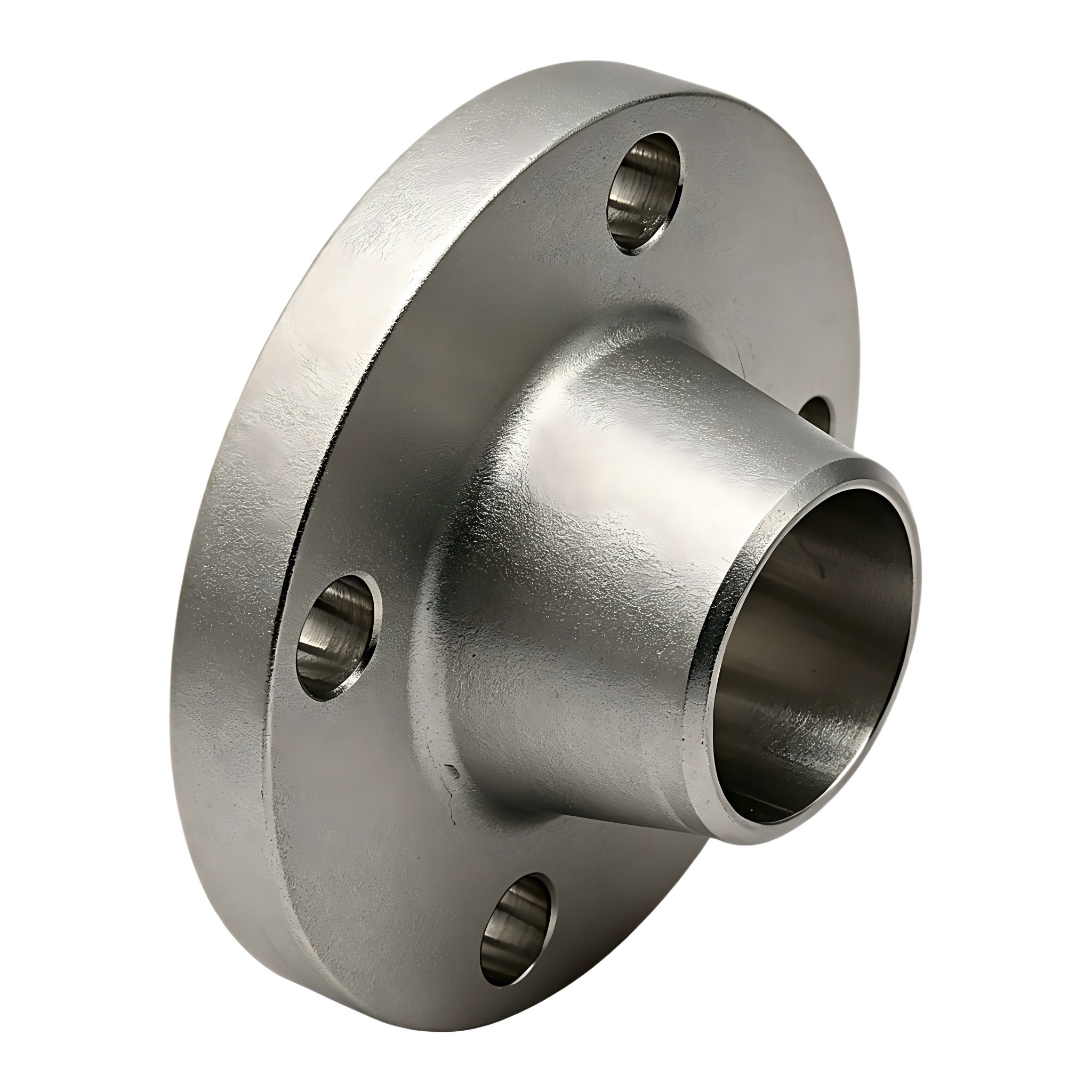
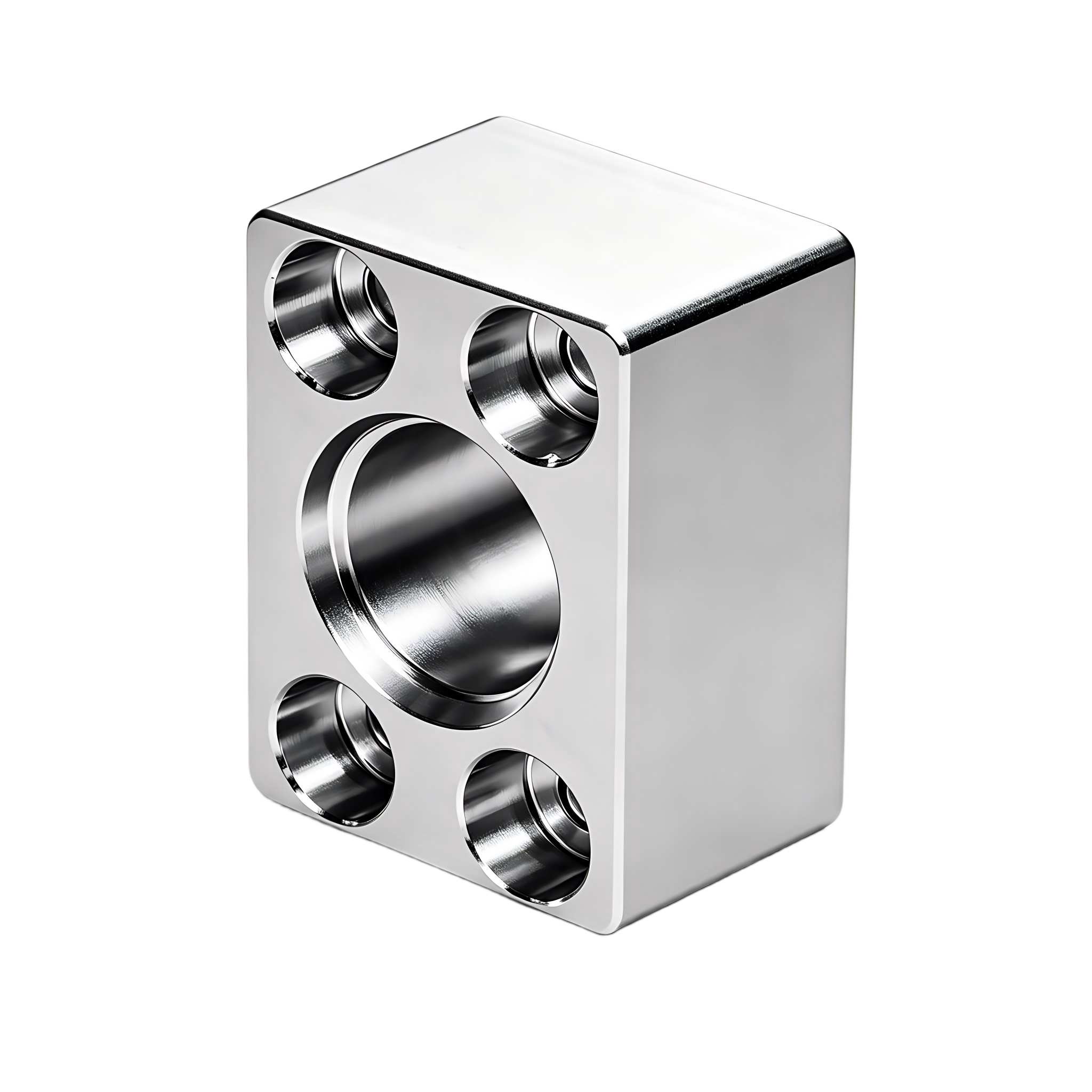
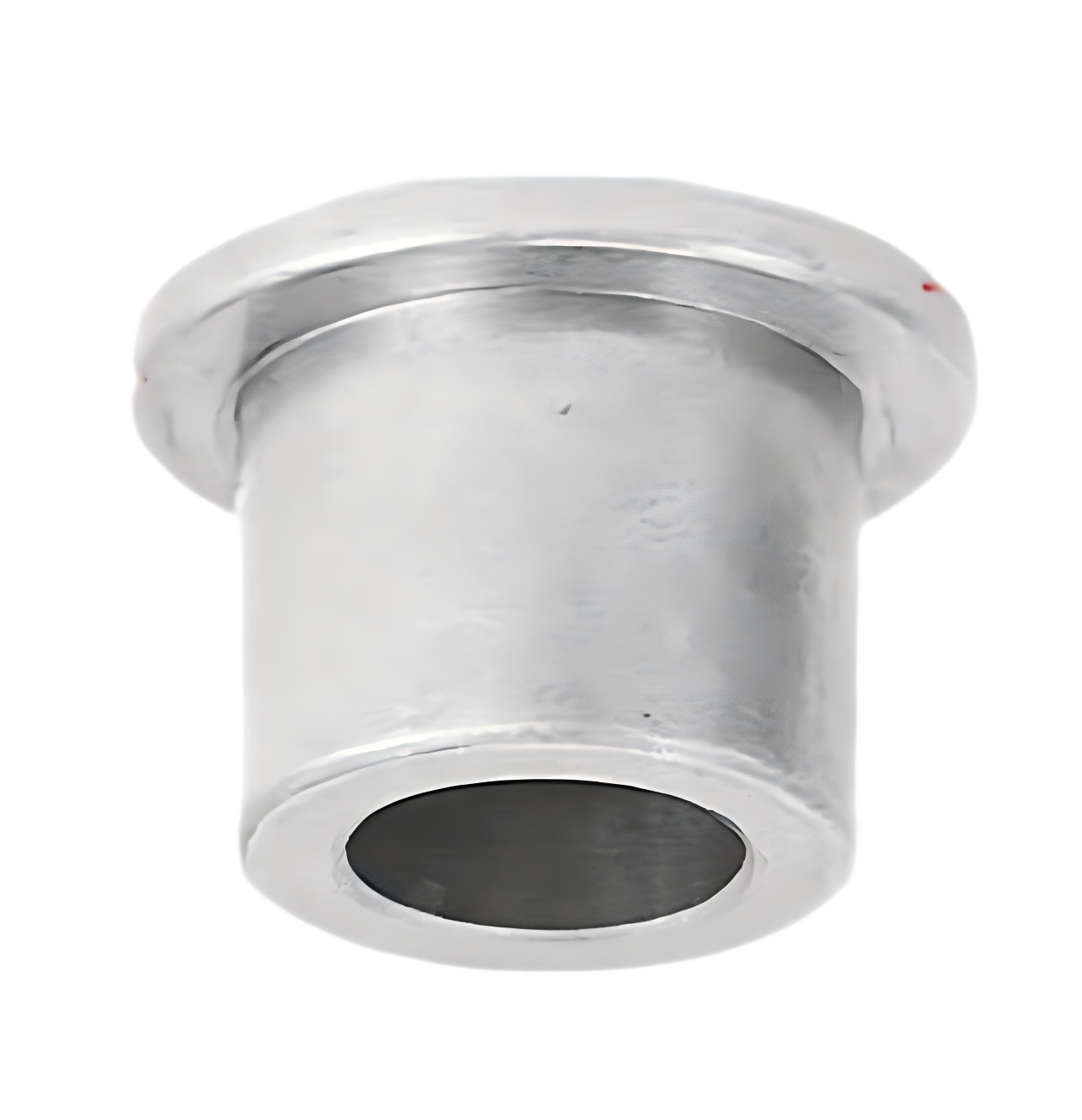
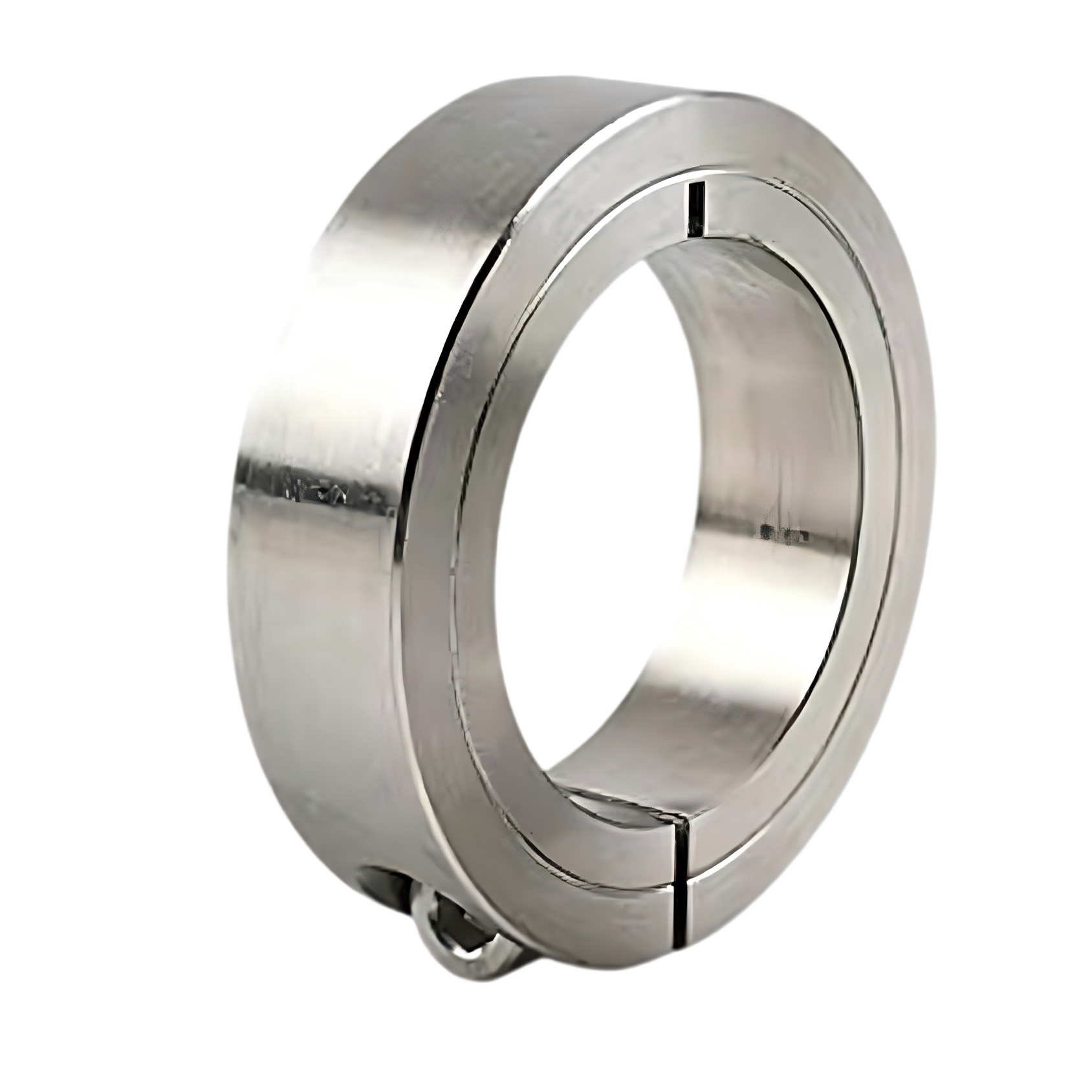
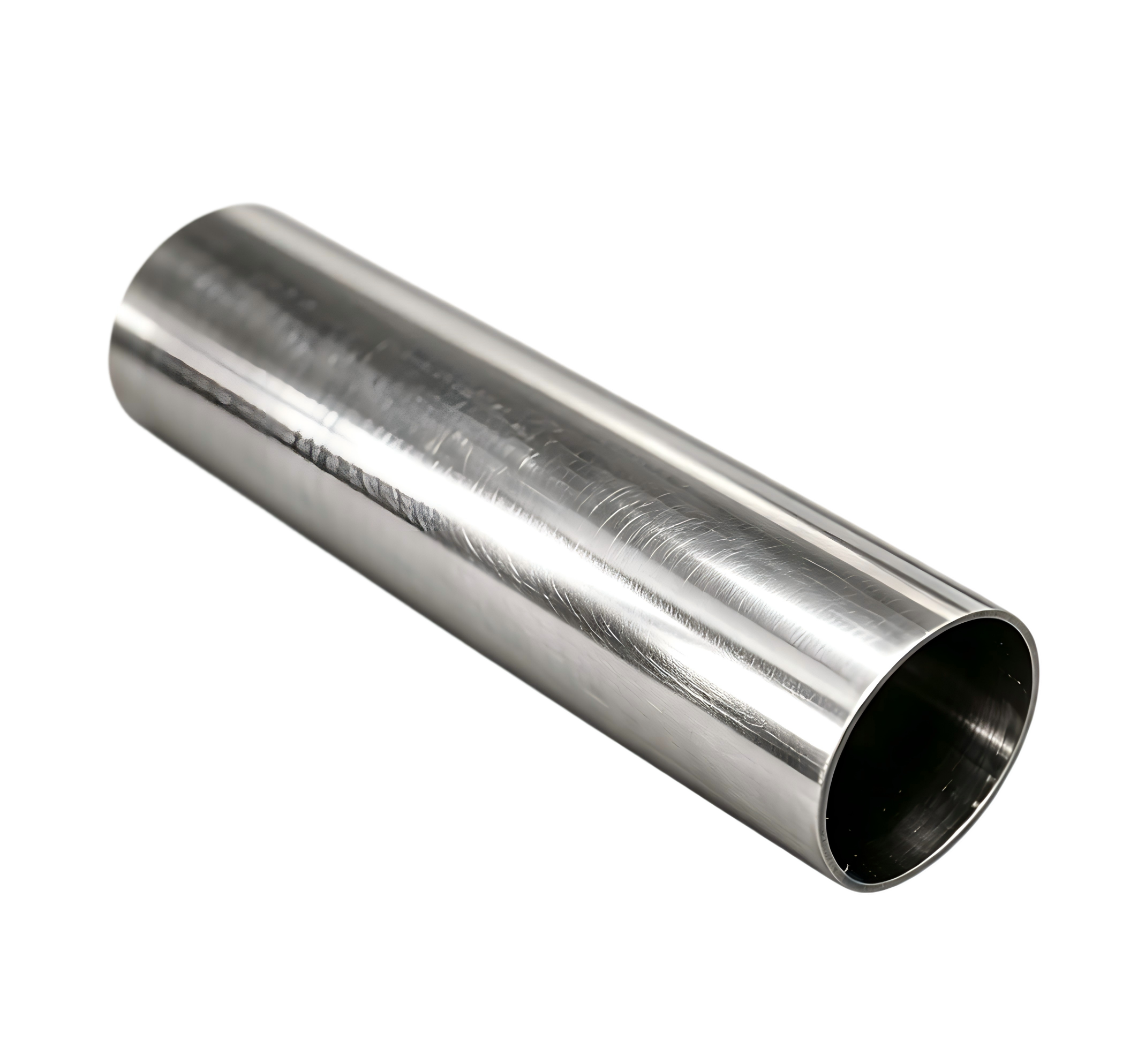
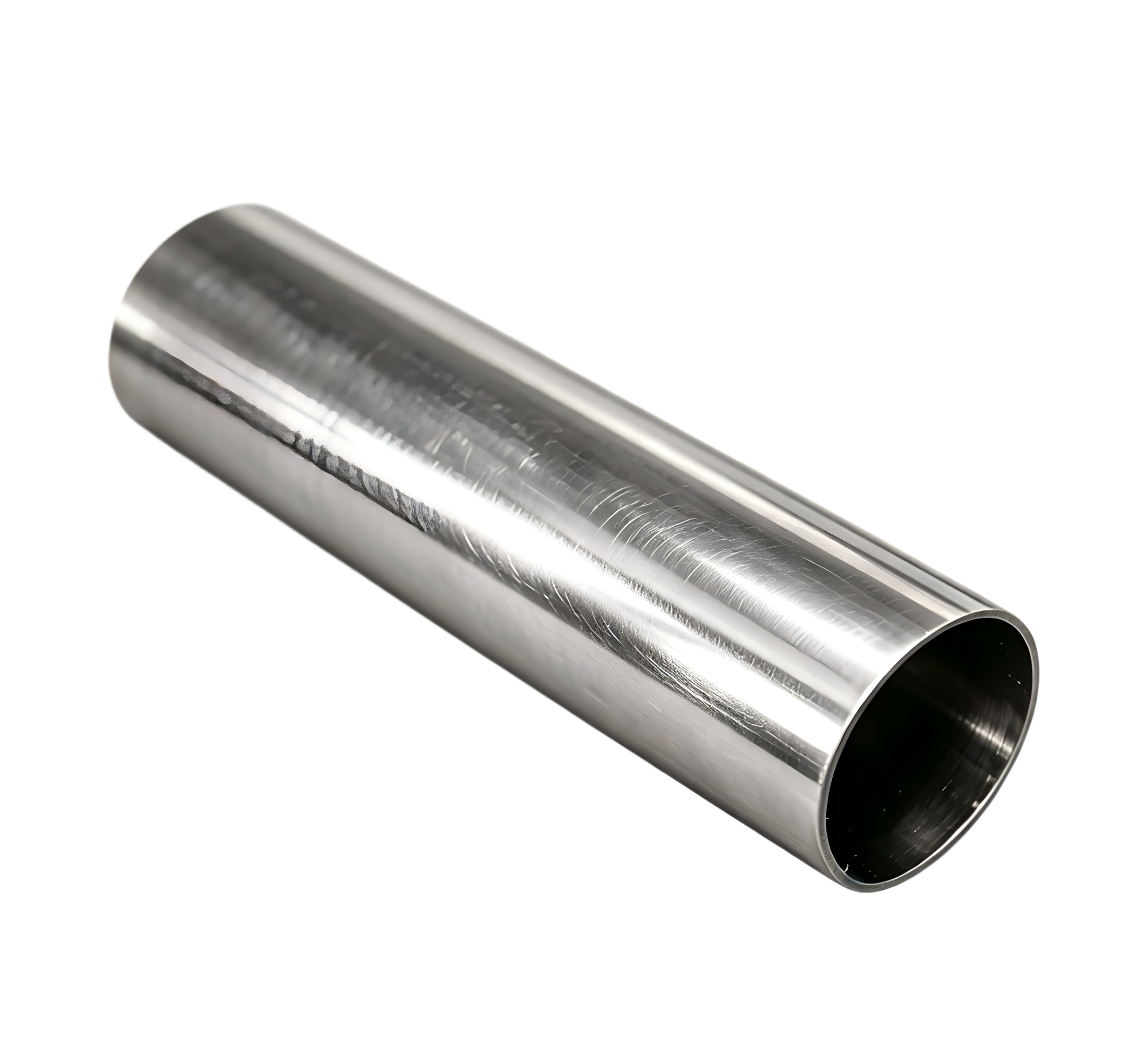
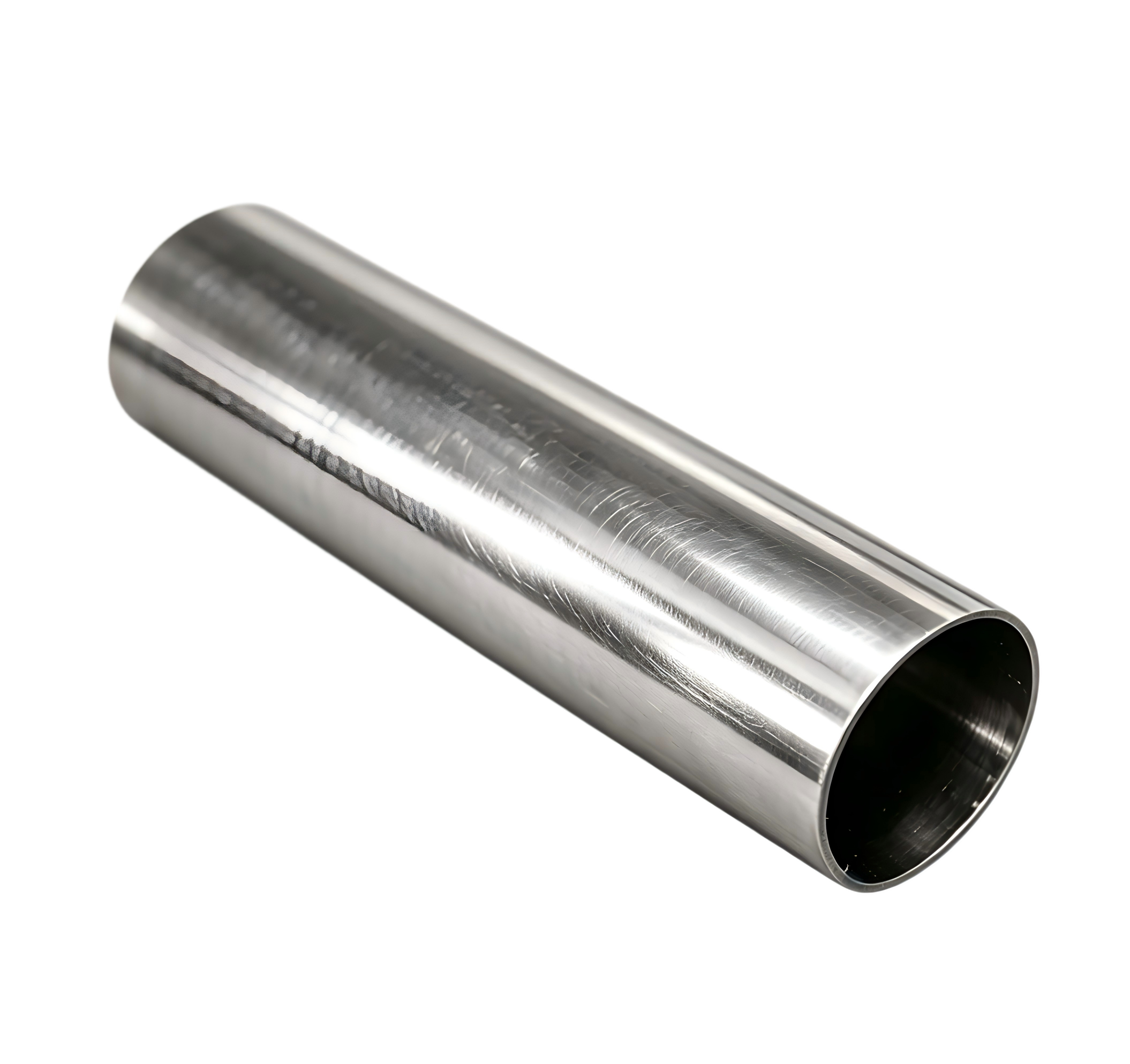
LILY Bearing stocks 907 stainless steel unthreaded pipe fittings — all in inch sizes — spanning four wall thicknesses of plain pipe, low- and high-pressure flanges, and bleed rings. New to unthreaded stainless steel piping, or not sure which wall thickness fits your application? Use the filters below, or the comparison table, to narrow down by product type, wall thickness, and pressure rating.
Compare Stainless Steel Unthreaded Pipe Products
| Category | Product Type | Wall/Pressure | Watch Out For |
|---|---|---|---|
| Thin-Wall Stainless Steel Unthreaded Pipe Nipples and Pipe | Nipples & pipe | Thin-wall | Thinner walls than standard or thick-wall variants — good where space or weight matters, not for high-stress joints |
| Standard-Wall Stainless Steel Unthreaded Pipe Nipples and Pipe | Nipples & pipe | Standard-wall | Balanced wall thickness — the general-purpose middle ground between thin- and thick-wall |
| Thick-Wall Stainless Steel Unthreaded Pipe | Pipe | Thick-wall | Thicker than standard pipe for extra strength and structural integrity — not stocked as nipples, pipe lengths only |
| Extra-Thick-Wall Stainless Steel Unthreaded Pipe | Pipe | Extra-thick-wall | The heaviest-duty pipe in the line — sized for high-pressure applications, also pipe lengths only |
| Low-Pressure Stainless Steel Unthreaded Pipe Flanges | Flanges | Low-pressure | For systems where operating pressure is relatively low — still corrosion-resistant, just not rated for high-pressure service |
| High-Pressure Stainless Steel Unthreaded Pipe Flanges | Flanges | High-pressure | Built for securely joining pipe in high-pressure systems — standard bolt pattern |
| High-Pressure Stainless Steel Unthreaded SAE Pipe Flanges | Flanges (SAE) | High-pressure | Same high-pressure duty as the standard flange above, but a different bolt pattern — confirm which one your mating flange uses |
| Stainless Steel Bleed Rings | Bleed rings | — | Not a pipe or flange — used to provide a controlled way to bleed off excess pressure in a piping system |
Choosing a Wall Thickness
Wall thickness is the main thing that separates these pipe products from each other: thin-wall trims weight and cost where space or weight is at a premium, standard-wall covers general-purpose piping, and thick- or extra-thick-wall steps up for higher pressure and mechanical stress. Because these are unthreaded, they're joined by welding or bolted flange connections rather than screwing together — which is typically the better choice for larger pipe diameters or permanent installations.
Need a Different Size or Configuration?
Don't see the size, wall thickness, or flange pattern you need? Our team can cross-reference an existing fitting or quote a custom configuration. Request a Quote or Contact Us.
Frequently Asked Questions
What's the difference between thin-wall, standard-wall, thick-wall, and extra-thick-wall pipe?
The difference is how much material sits between the inside and outside diameter of the pipe. Thin-wall is lightest and least expensive but handles the least stress; each step up in wall thickness adds strength and pressure capacity at the cost of more weight and material.
What are stainless steel bleed rings used for?
Bleed rings give a piping system a controlled point to release trapped or excess pressure, rather than relying on a joint or fitting to vent unpredictably. They're corrosion-resistant like the rest of this line, so they hold up in the same environments as our stainless pipe and flanges.
What's the difference between standard flanges and SAE flanges?
The difference is the bolt pattern, not the pressure rating — both are rated for high-pressure service. SAE flanges follow a different bolt-hole spacing than our standard flanges, so the two aren't interchangeable; check what your mating equipment uses before ordering.
Why choose unthreaded over threaded stainless steel fittings?
Unthreaded connections — welded or bolted flange joints — generally hold up better at larger pipe diameters, higher pressures, and in permanent installations than threaded connections, which are easier to assemble and service but have more potential leak points as sizes increase.