Split Lock Washers
678 Products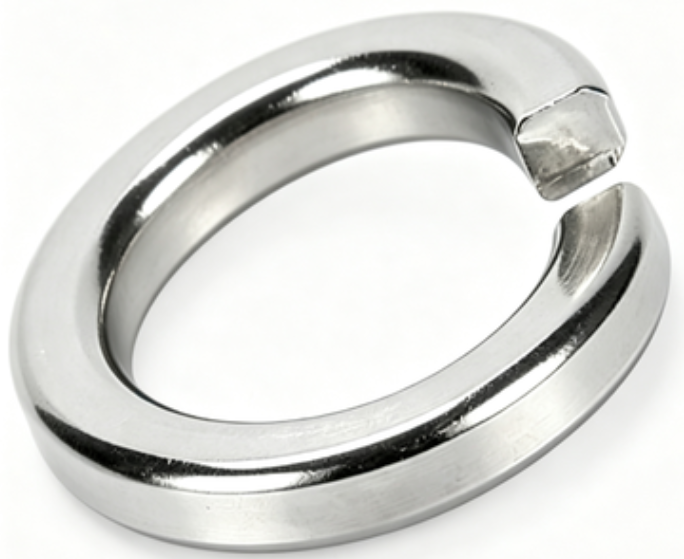
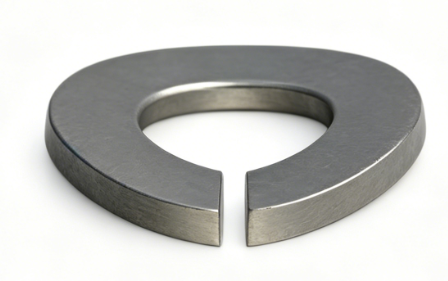
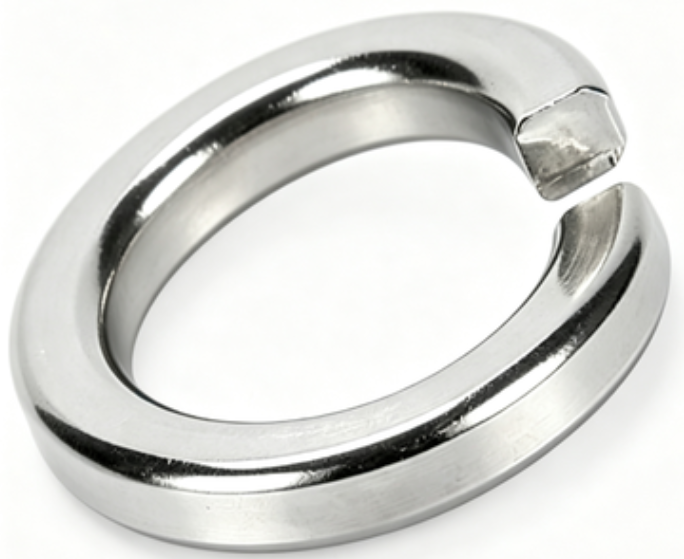
Split lock washers, also known as spring lock washers, are a type of washer engineered to prevent fasteners from loosening under vibration, thermal cycling, and dynamic loading. Formed from a single coil of spring steel that has been split and slightly twisted, the washer works by compressing under the fastener's load and exerting continuous axial spring force between the bolt head (or nut) and the mating surface. This spring tension keeps the fastener seated tightly, while the sharp, split edges bite into both the fastener face and the workpiece surface to resist rotational loosening.
Split lock washers are one of the most widely used mechanical locking solutions across industries such as automotive, machinery manufacturing, construction, electronics, and general assembly, thanks to their low cost, reusability, and effectiveness across a broad range of bolt sizes and materials.
Within this category, Lily Bearing offers a full range of split lock washer types to match different fastener standards and application requirements:
- Inch Split Lock Washers – Sized to imperial fastener standards, ideal for machinery and equipment manufactured to US/imperial specifications.
- Metric Split Lock Washers – Sized to metric fastener standards, suited for globally manufactured equipment and metric bolt/nut assemblies.
- Mil. Spec. Split Lock Washers – Manufactured to military specifications, offering enhanced material and dimensional consistency for defense, aerospace, and other high-reliability applications.
- Metric Split Lock Washers for Socket Head Screws – Designed with a reduced outer diameter to fit the smaller head profile of metric socket head cap screws.
- Split Lock Washers for Socket Head Screws – The inch-standard counterpart, sized specifically for use with socket head cap screws to prevent loosening under vibration or dynamic loads.
- Oversized Split Lock Washers – Featuring a larger outer diameter and increased surface area, providing greater load distribution for applications with soft materials, oversized clearance holes, or higher load-bearing requirements.
Each subcategory is available in multiple sizes and material finishes (such as carbon steel, stainless steel, and zinc-plated options) to support diverse industrial and mechanical assembly needs.
Frequently Asked Questions
What Is the Function of a Split Lock Washer?
A split lock washer prevents fastener loosening by providing continuous spring tension between the fastener and the mating surface, while its sharp edges grip both surfaces to resist rotation caused by vibration or dynamic loads.
How Do I Choose Between Inch and Metric Split Lock Washers?
The choice depends on the fastener standard used in your application. Inch split lock washers pair with imperial-sized bolts and nuts, while metric split lock washers pair with metric-sized fasteners. Always match the washer to the fastener's measurement system and diameter.
When Should I Use a Split Lock Washer for Socket Head Screws Instead of a Standard One?
Socket head cap screws have smaller head diameters than standard hex bolts, so a standard split lock washer may not seat correctly. Washers designed specifically for socket head screws have a reduced outer diameter to fit properly under the smaller screw head.
What Are the Advantages of Oversized Split Lock Washers?
Oversized split lock washers provide a larger bearing surface, which helps distribute load more evenly. They are especially useful when working with softer materials, larger clearance holes, or applications requiring extra surface contact to prevent pull-through.
Are Mil. Spec. Split Lock Washers Different From Standard Split Lock Washers?
Yes. Mil. Spec. split lock washers are manufactured to strict military specifications governing material composition, dimensional tolerances, and performance testing, making them suitable for aerospace, defense, and other high-reliability applications where standard commercial washers may not meet requirements.
Can Split Lock Washers Be Reused?
Split lock washers can be reused in some cases, but repeated compression can reduce their spring tension over time. For critical or high-vibration applications, it's generally recommended to install a new washer with each assembly to ensure full locking performance.