Aluminum Pipe and Pipe Fittings
686 Products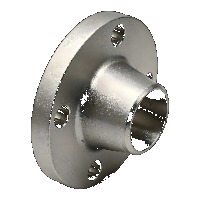
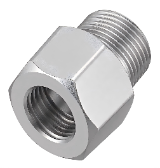
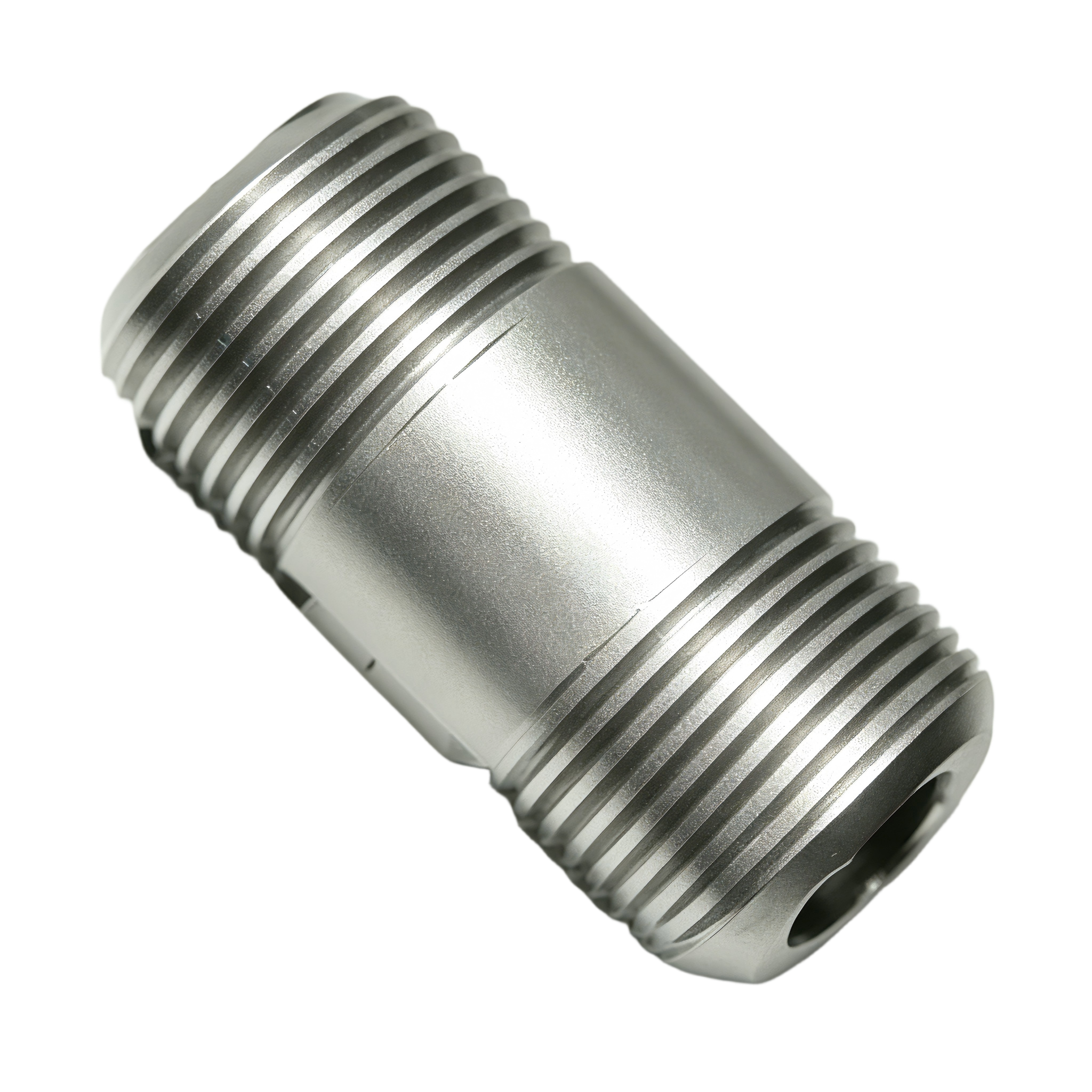
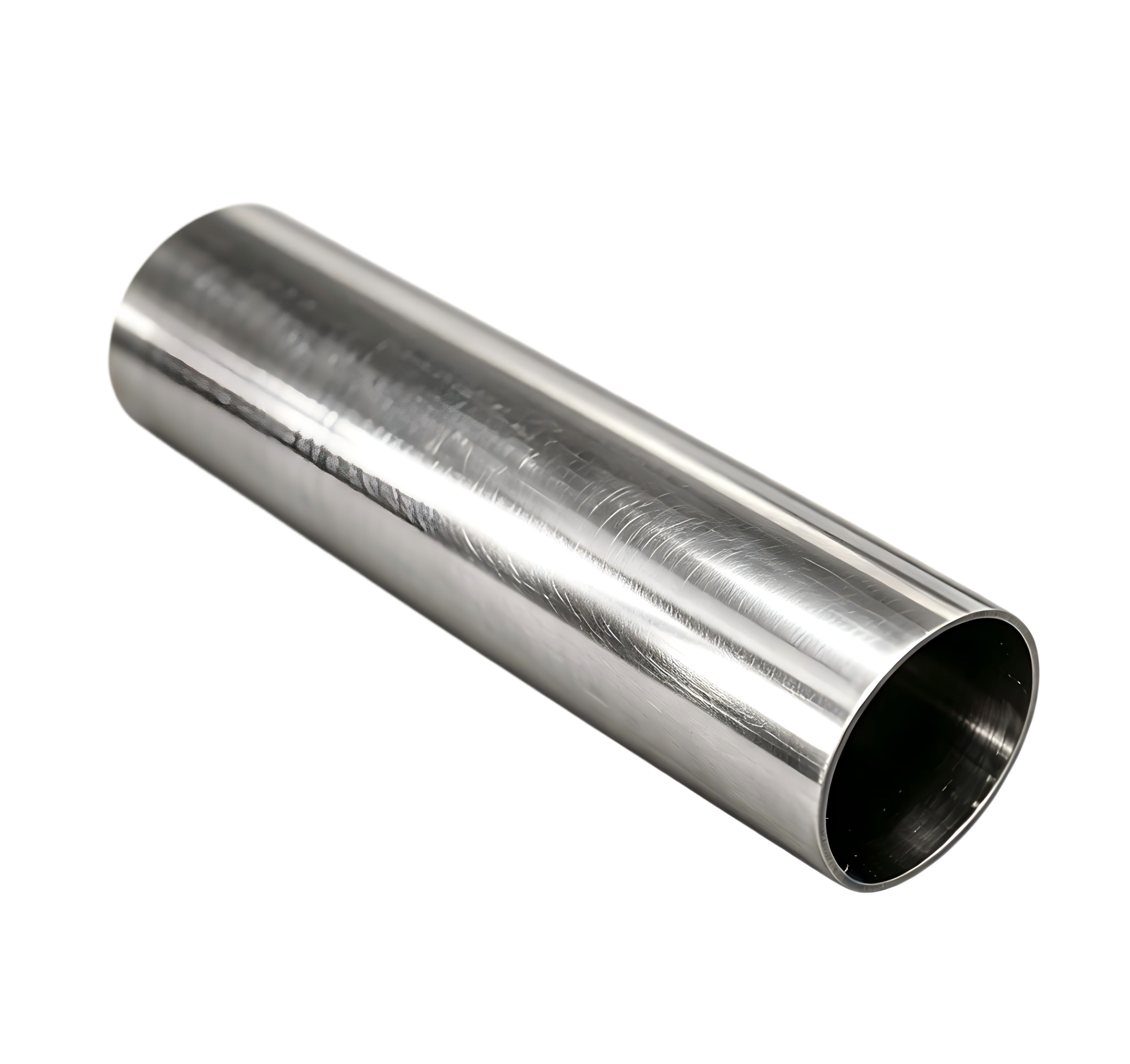
What Are Aluminum Pipe and Pipe Fittings?
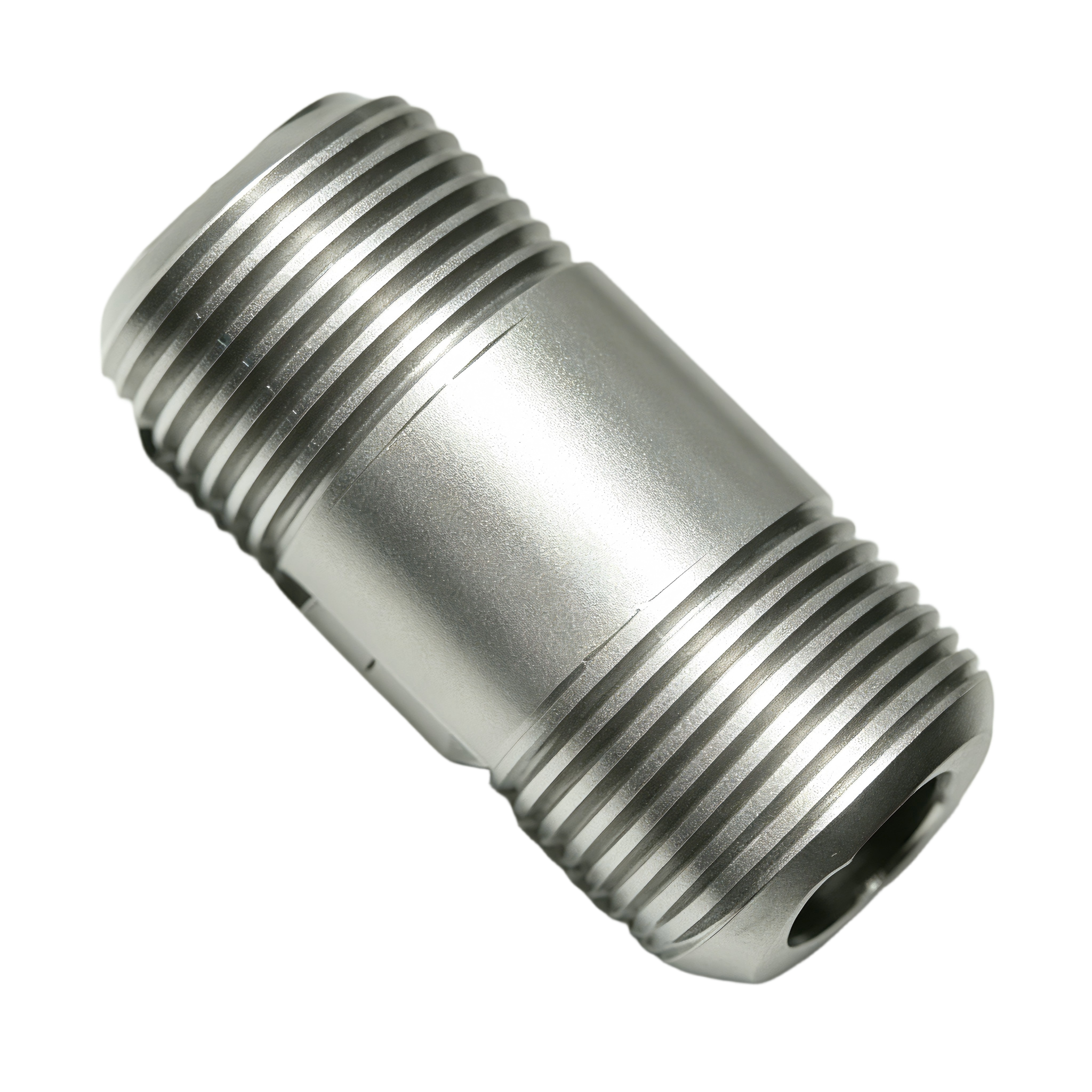
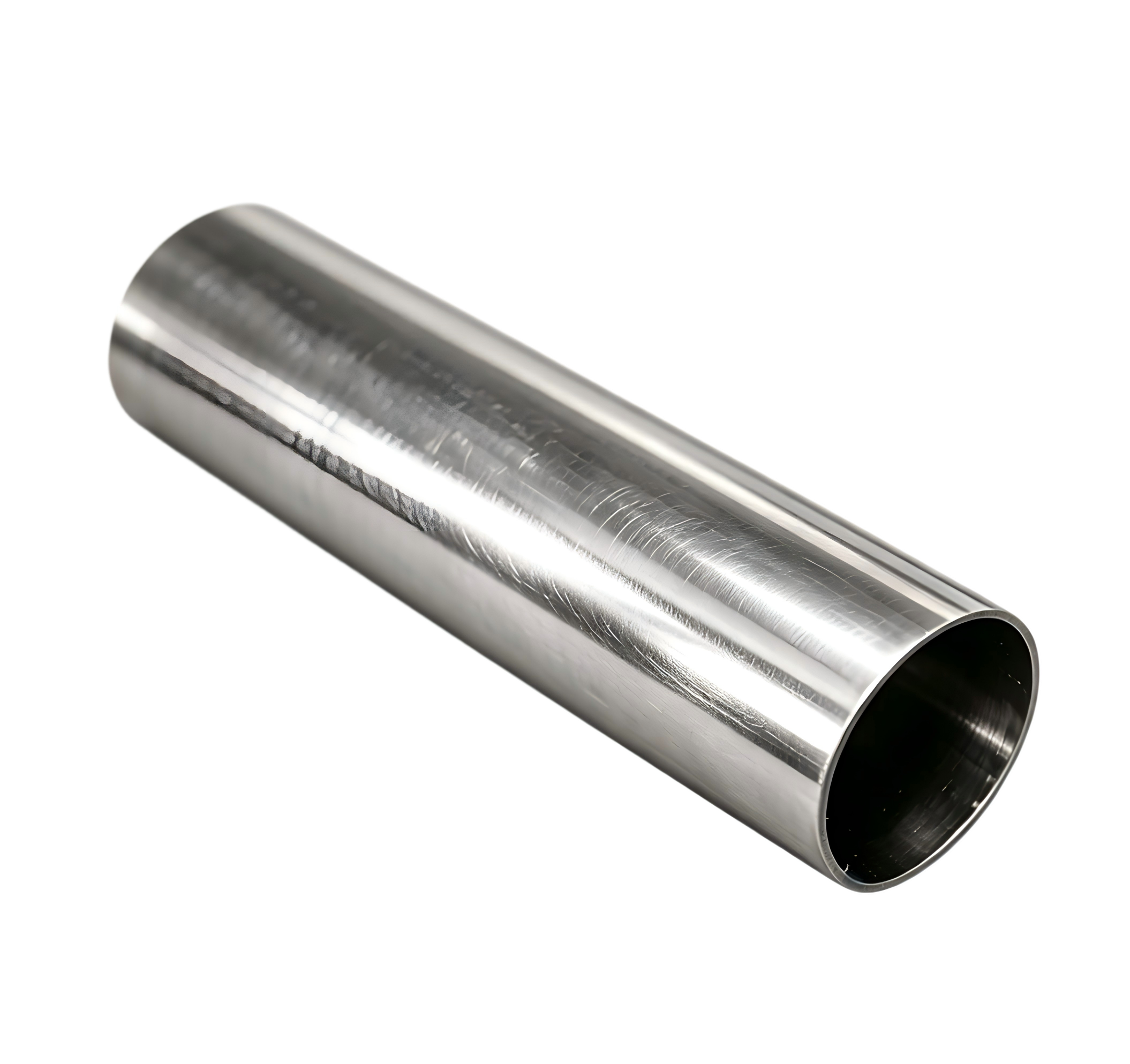
Aluminum pipe and pipe fittings offer a lightweight, corrosion-resistant alternative to steel and other metal piping systems, making them a popular choice across industries where weight reduction, chemical resistance, and ease of installation are priorities. Our product range covers both Unthreaded and Threaded configurations, spanning flanges, pipe nipples, and pipe in a variety of wall thicknesses to suit different pressure ratings, mechanical loads, and installation methods.
What Is The Difference Between Threaded and Unthreaded Aluminum Pipe Fittings?
Unthreaded (plain-end) fittings are designed to be welded, brazed, or bolted in place, offering a smooth, permanent connection often used where vibration resistance or a cleaner seal is required. Threaded fittings connect via mating threads, allowing for quicker assembly, disassembly, and maintenance without welding equipment — ideal for systems that may need to be serviced or reconfigured.
How Do I Choose The Right Wall Thickness?
Wall thickness is a trade-off between strength and weight. Thin-wall pipe and nipples are lighter and more economical, suited to low-stress, non-critical applications. Standard-wall options provide a good balance of strength and weight for general industrial use. Thick-wall pipe and nipples offer the highest strength and pressure/stress resistance, making them the right choice for high-pressure or high-vibration systems.
Are Aluminum Pipe Fittings Suitable For High-Pressure Applications?
It depends on the specific product. Standard low-pressure threaded flanges and miniature medium-pressure fittings are engineered for their respective pressure ranges and shouldn't be used interchangeably. For higher-pressure or high-stress systems, thick-wall threaded or unthreaded pipe and nipples are generally recommended. Always check the specific pressure rating of the fitting against your system's operating pressure.
Why Choose Aluminum Over Steel or Other Metals?
Aluminum offers a significantly better strength-to-weight ratio than steel, along with natural corrosion resistance (via its oxide layer) that reduces the need for additional coatings in many environments. This makes it attractive for weight-sensitive applications such as aerospace, transportation, and portable equipment, as well as for systems exposed to moisture or mild chemical environments.
Can Aluminum Threaded and Unthreaded Fittings Be Mixed In The Same System?
Yes, as long as the connection types are compatible at each joint (e.g., a threaded nipple into a threaded flange, or a plain-end pipe welded to an unthreaded flange). Mixing threaded and unthreaded components is common — for example, using threaded nipples for serviceable sections and welded unthreaded flanges for permanent structural connections.
What Industries Commonly Use Aluminum Pipe and Pipe Fittings?
Common applications include aerospace and transportation, food and beverage processing, chemical handling, marine environments, HVAC systems, and general industrial fluid or gas transfer — anywhere corrosion resistance and reduced weight offer a meaningful advantage over heavier metal alternatives.
How Do I Maintain A Leak-Proof Seal With Threaded Fittings?
Proper thread engagement, correct torque, and (where applicable) thread sealant or tape are key to a leak-proof joint. Over-tightening can damage aluminum threads since aluminum is softer than steel, so it's important to follow torque specifications rather than relying on feel alone.