Iron and Steel Unthreaded Pipe and Pipe Fittings
473 Products
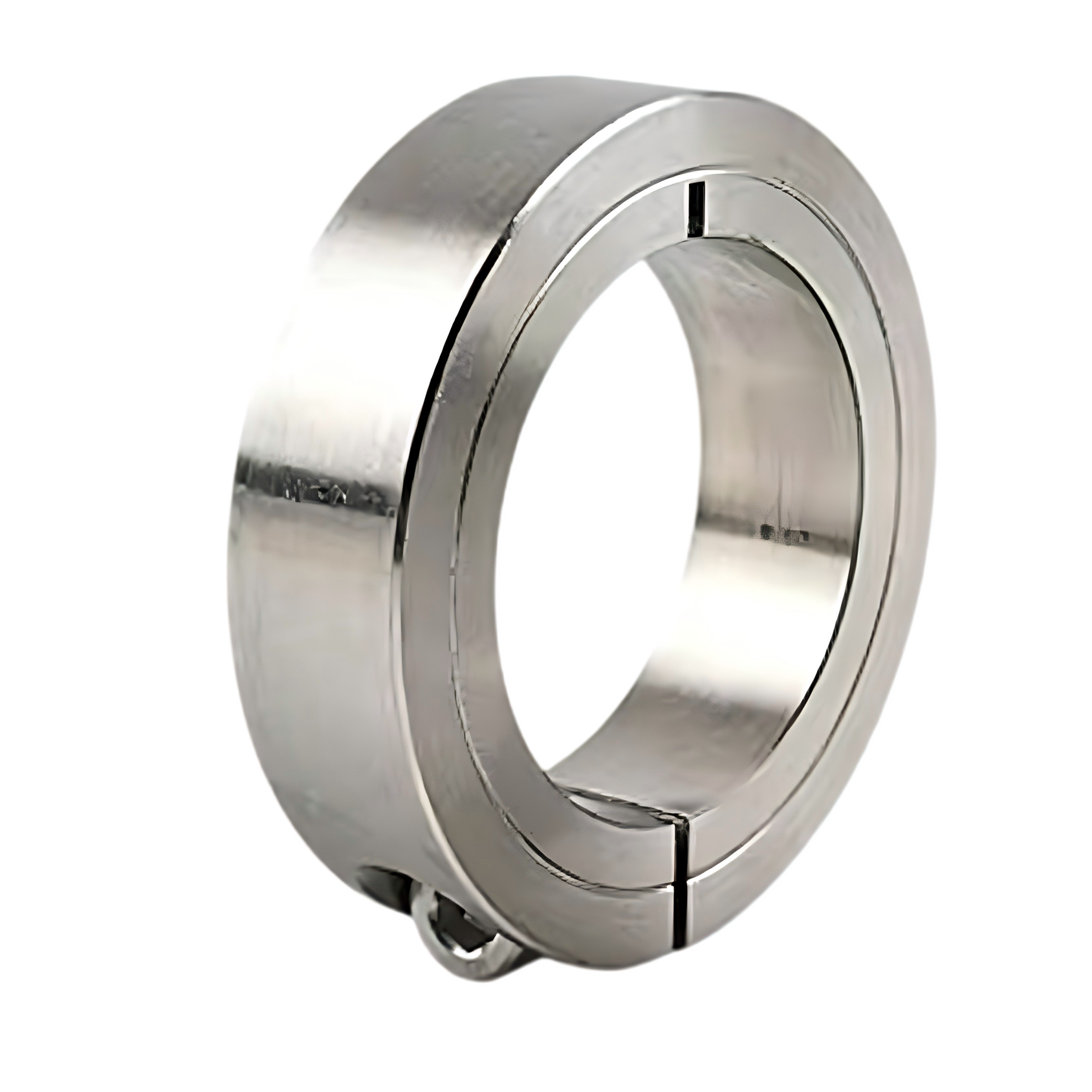
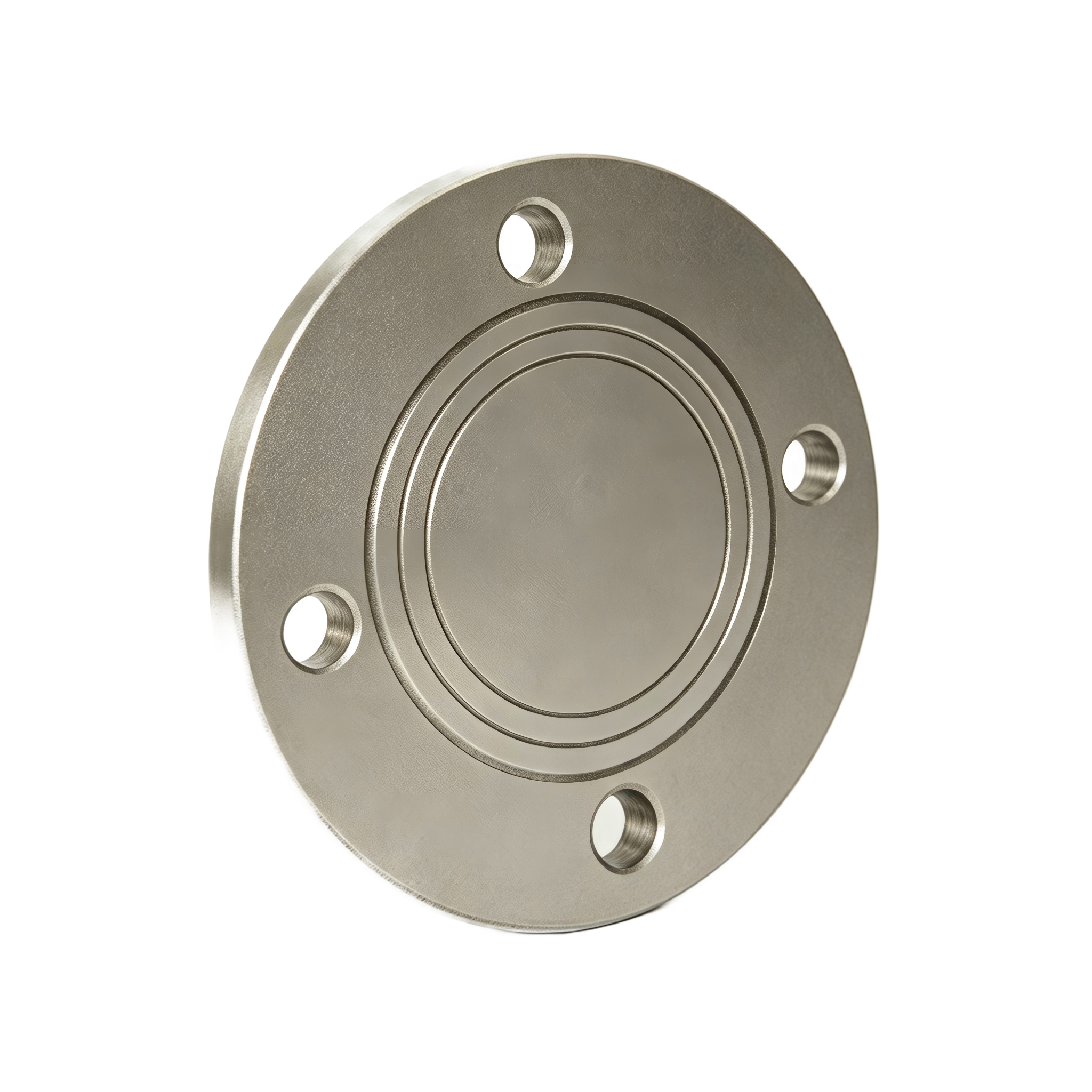
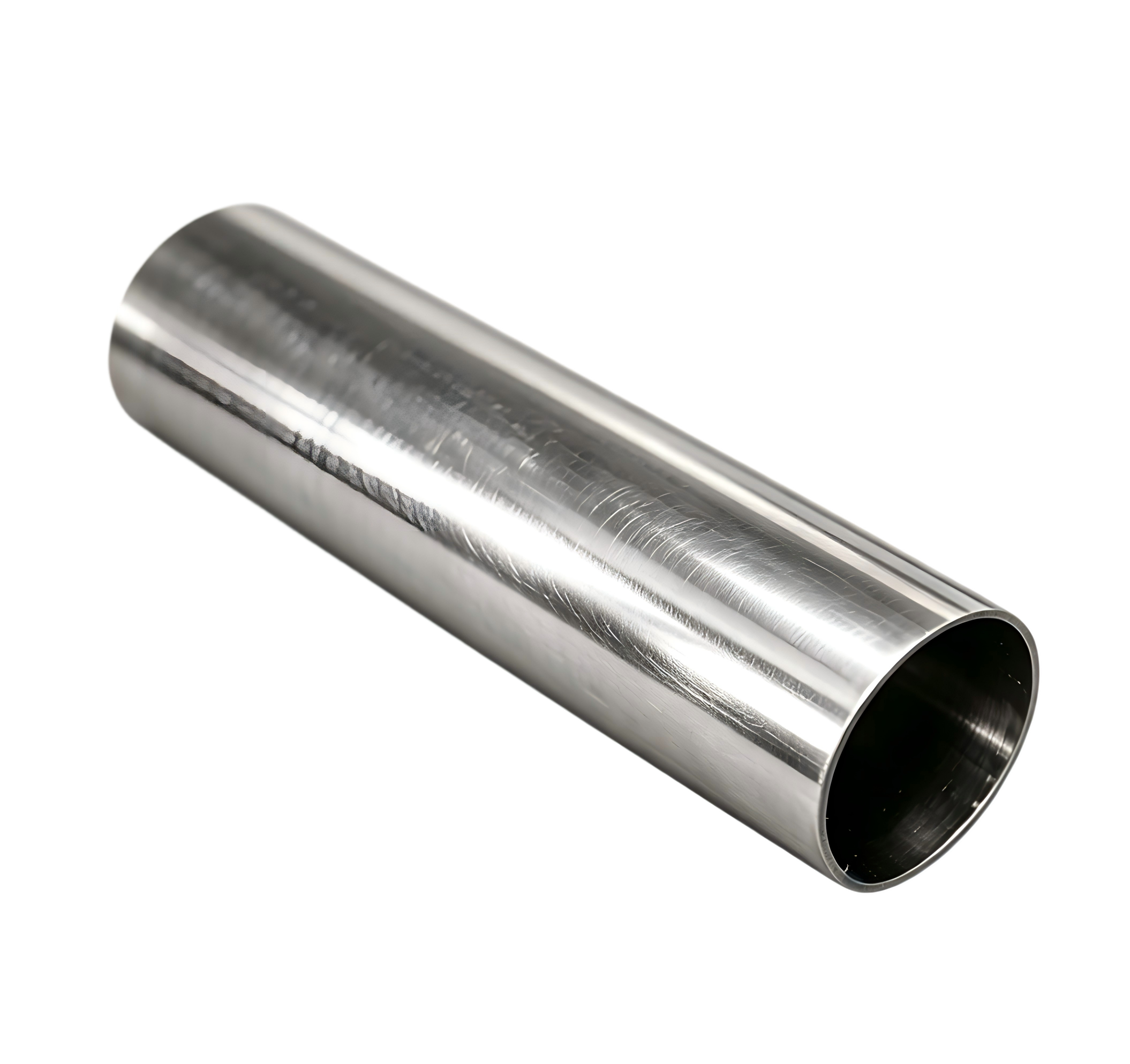
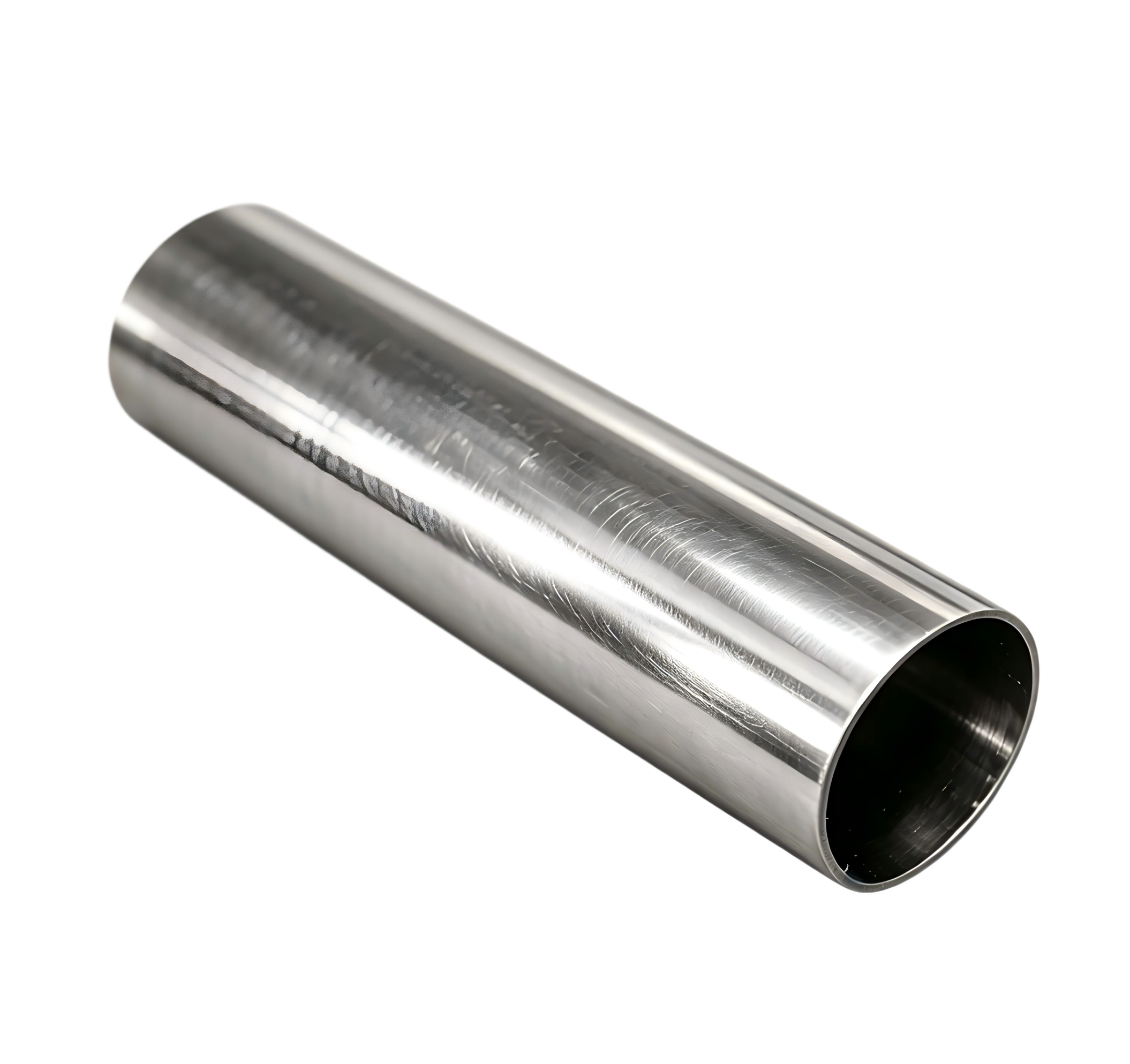
What Are Iron And Steel Unthreaded Pipe And Pipe Fittings?
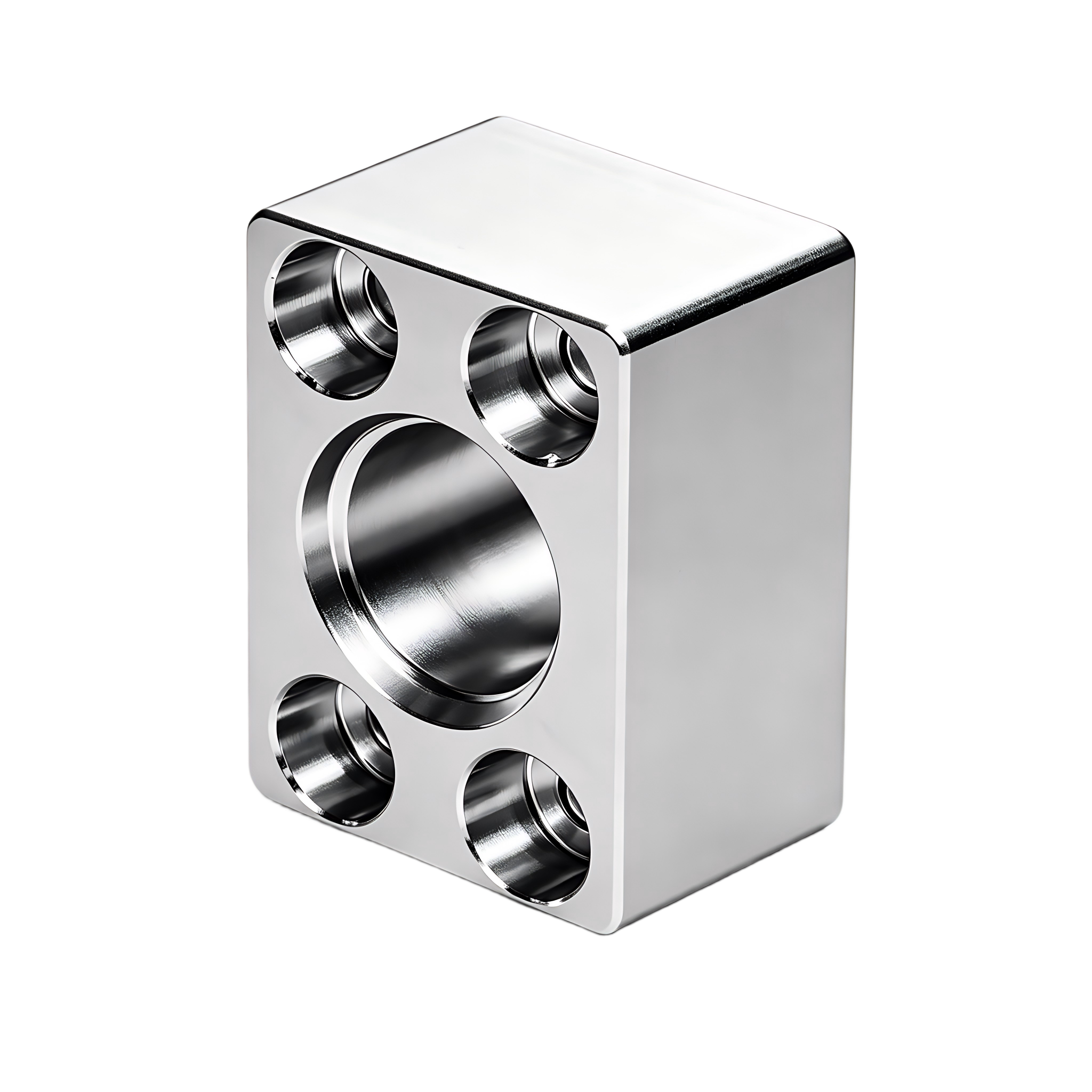
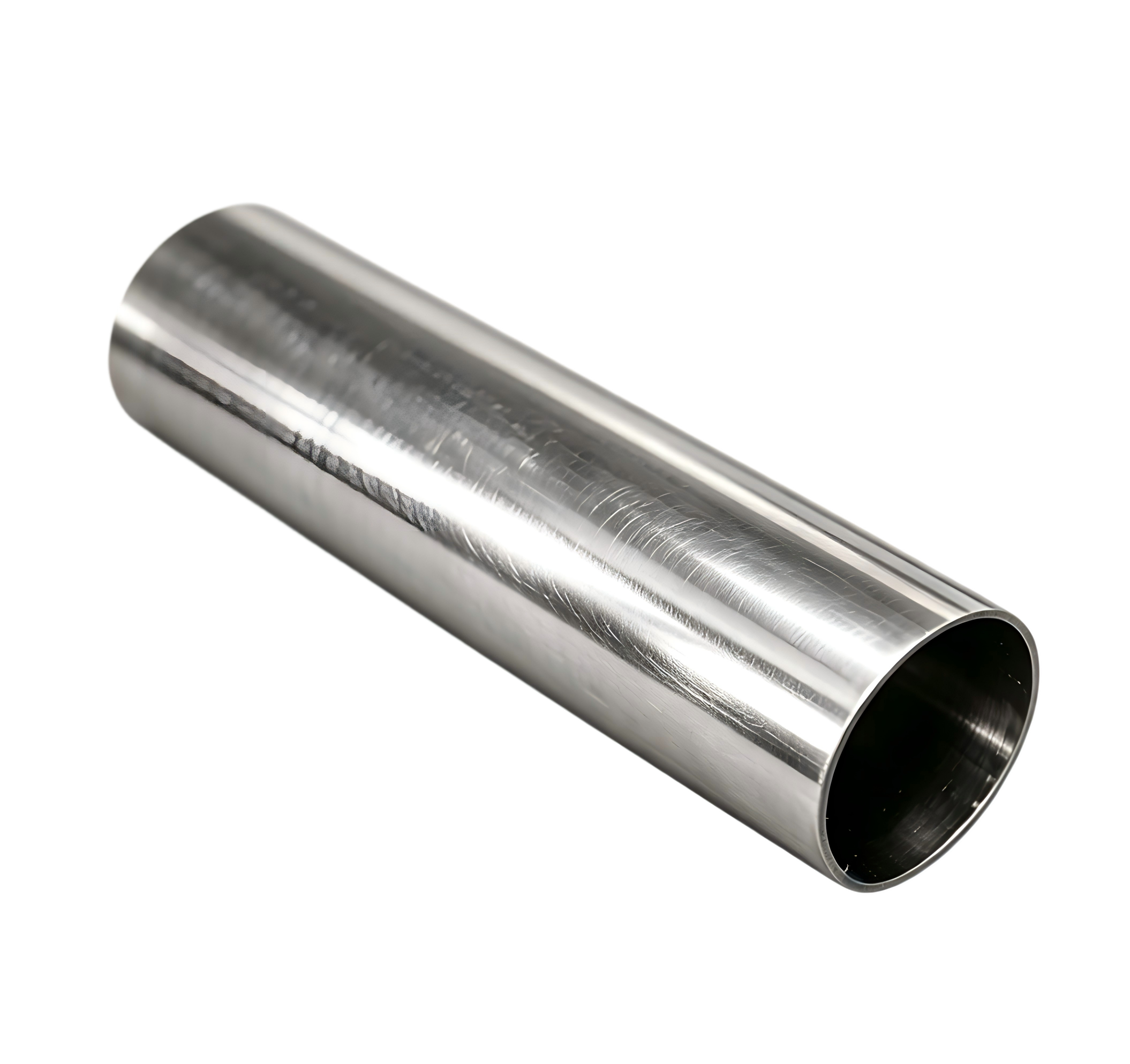
Iron and steel unthreaded pipe and pipe fittings deliver the strength, durability, and pressure capacity needed for demanding industrial, structural, and fluid-handling applications. Designed for welded or bolted connections rather than threaded joints, these unthreaded (plain-end) components are well suited to high-pressure systems, permanent installations, and environments where a smooth, continuous connection is preferred over a mechanical thread joint. Our range includes both black steel and galvanized options, along with cast and ductile iron variants, covering a wide range of wall thicknesses and pressure classes.
What Is The Difference Between Threaded and Unthreaded Iron/Steel Fittings?
Unthreaded (plain-end) fittings are joined by welding, brazing, or bolting rather than screwing together. This creates a stronger, more permanent connection that's less prone to leakage under high pressure or vibration, making it the preferred choice for critical, high-pressure, or large-diameter piping systems where welding is practical.
What's The Difference Between Black Steel and Galvanized Steel Pipe Fittings?
Black steel pipe and fittings have no protective coating and are typically used for gas lines, fire sprinkler systems, and other applications where corrosion is not a primary concern. Galvanized steel fittings are coated with a layer of zinc for added corrosion resistance, making them better suited for water lines, outdoor use, and other moisture-exposed environments.
How Do I Choose The Right Wall Thickness (Schedule)?
Wall thickness, often expressed as a pipe "schedule" (e.g., Schedule 10, 40, 80), determines how much pressure and mechanical stress a pipe can withstand. Thin-wall pipe is lighter and more economical for low-pressure, non-critical applications. Standard-wall pipe offers a solid balance for general industrial use, while thick-wall (extra-heavy) pipe is used in high-pressure systems or where additional structural strength is required.
Are Unthreaded Iron and Steel Fittings Suitable For High-Pressure Systems?
Yes — unthreaded, welded connections are generally the preferred choice for high-pressure and high-temperature systems, since welded joints avoid the potential leak paths and stress concentrations that can occur at threaded connections. The specific pressure rating still depends on the wall thickness, material grade, and fitting design.
What's The Difference Between Cast Iron, Ductile Iron, and Steel Fittings?
Cast iron offers good compressive strength and corrosion resistance but is more brittle than steel. Ductile iron improves on cast iron's brittleness with better tensile strength and impact resistance, making it common in water and sewer infrastructure. Steel generally offers the highest strength-to-weight ratio and is preferred for high-pressure, high-temperature, or structurally demanding applications.
How Are Unthreaded Iron and Steel Fittings Installed?
Installation typically involves welding (butt-weld or socket-weld) for permanent joints, or bolting via flanged connections for sections that may need to be disassembled for maintenance. Because there are no threads to seal, joint integrity depends on proper welding technique or correctly torqued, gasketed flange connections.
Do These Fittings Require Special Maintenance?
Black steel fittings should be inspected periodically for surface corrosion, especially in humid or wet environments, since they lack a protective coating. Galvanized fittings are more resistant to corrosion but can still degrade over time, particularly if the zinc coating is damaged. Welded joints generally require less ongoing maintenance than mechanical joints once properly installed.
What Industries Commonly Use Iron and Steel Unthreaded Pipe and Fittings?
Common applications include oil and gas, power generation, water and wastewater infrastructure, fire protection systems, heavy industrial process piping, and construction — anywhere high pressure, structural strength, or permanent, weld-ready connections are required.