Cap Nuts
422 ProductsCap Nuts
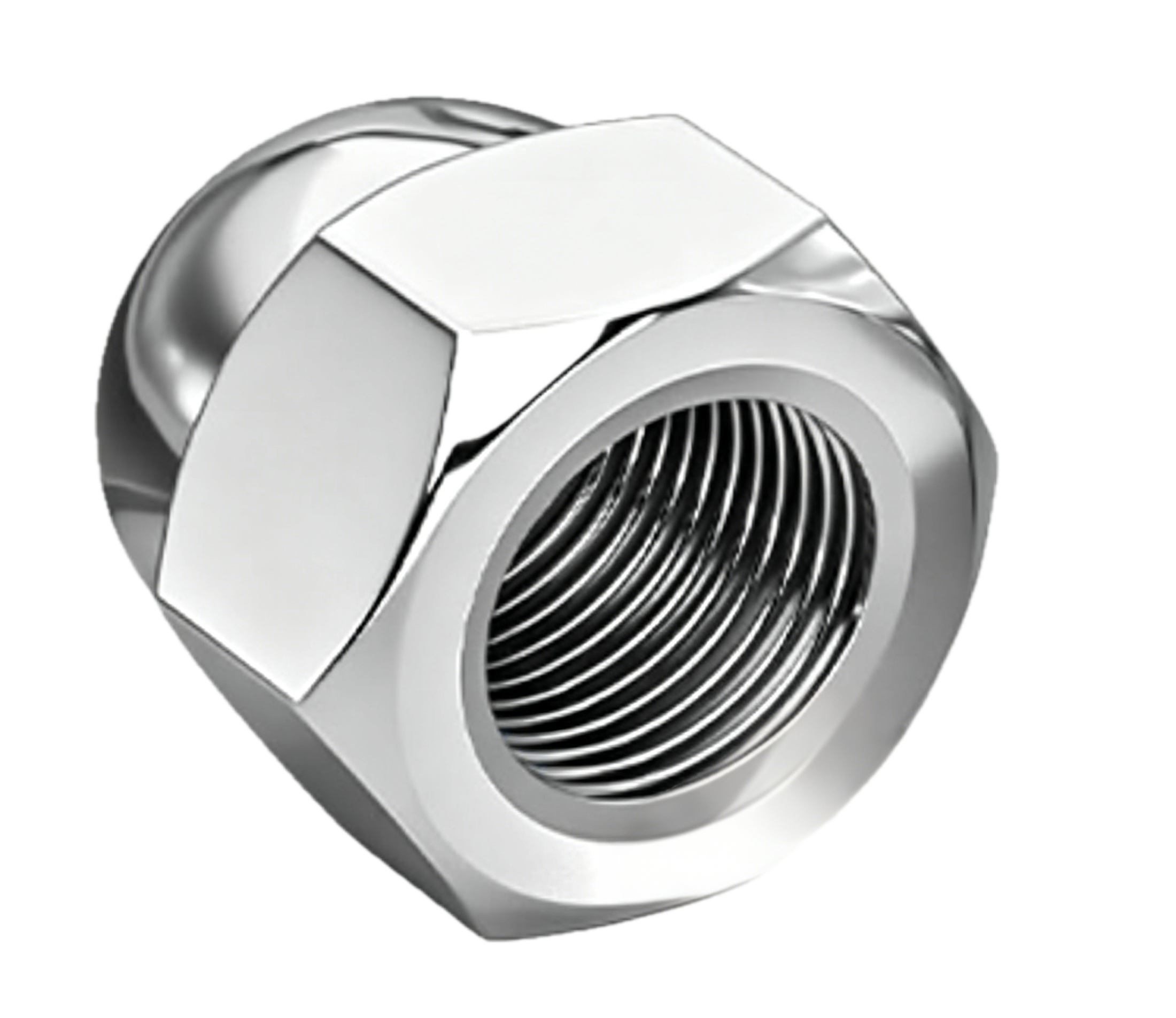
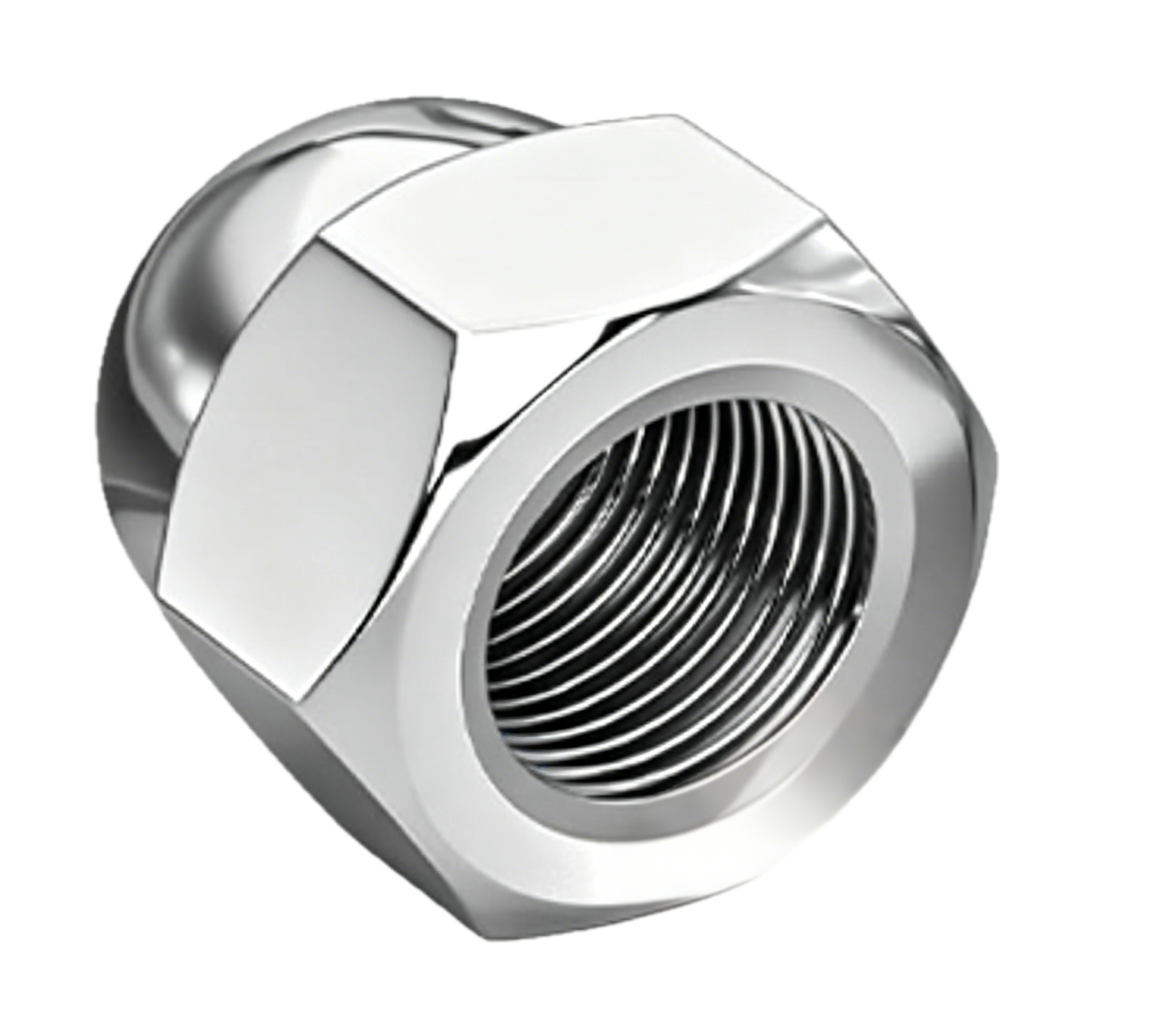
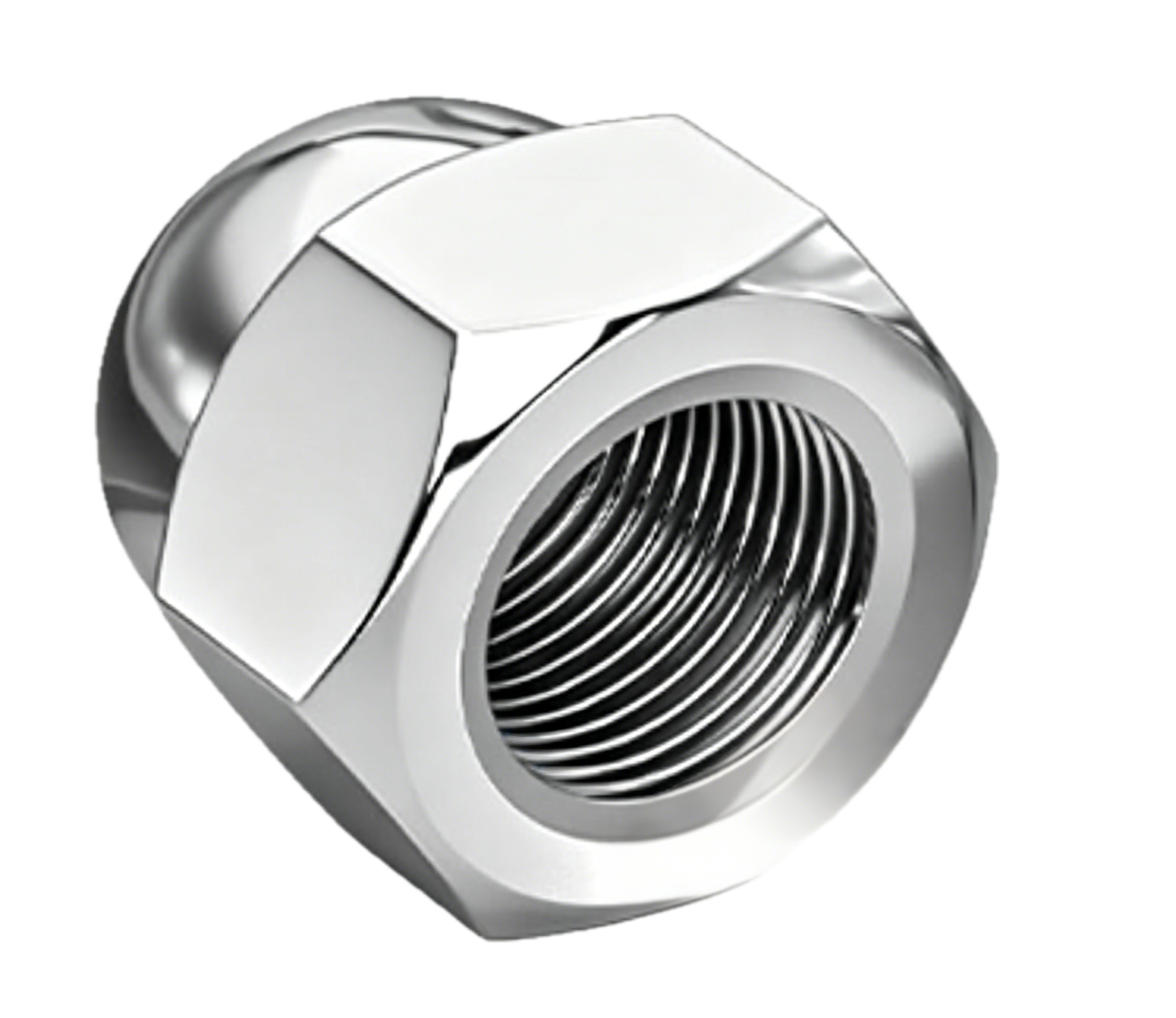
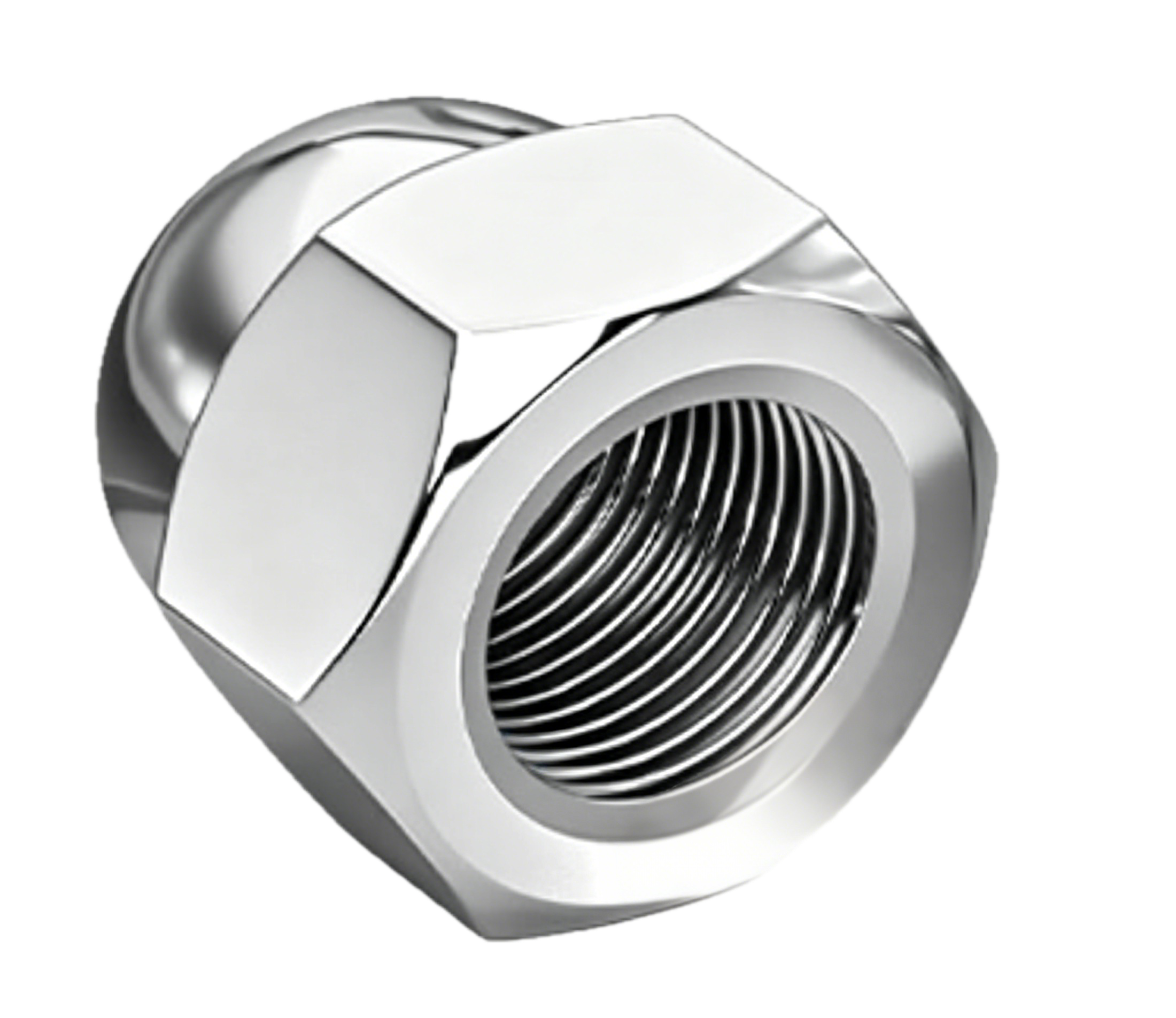
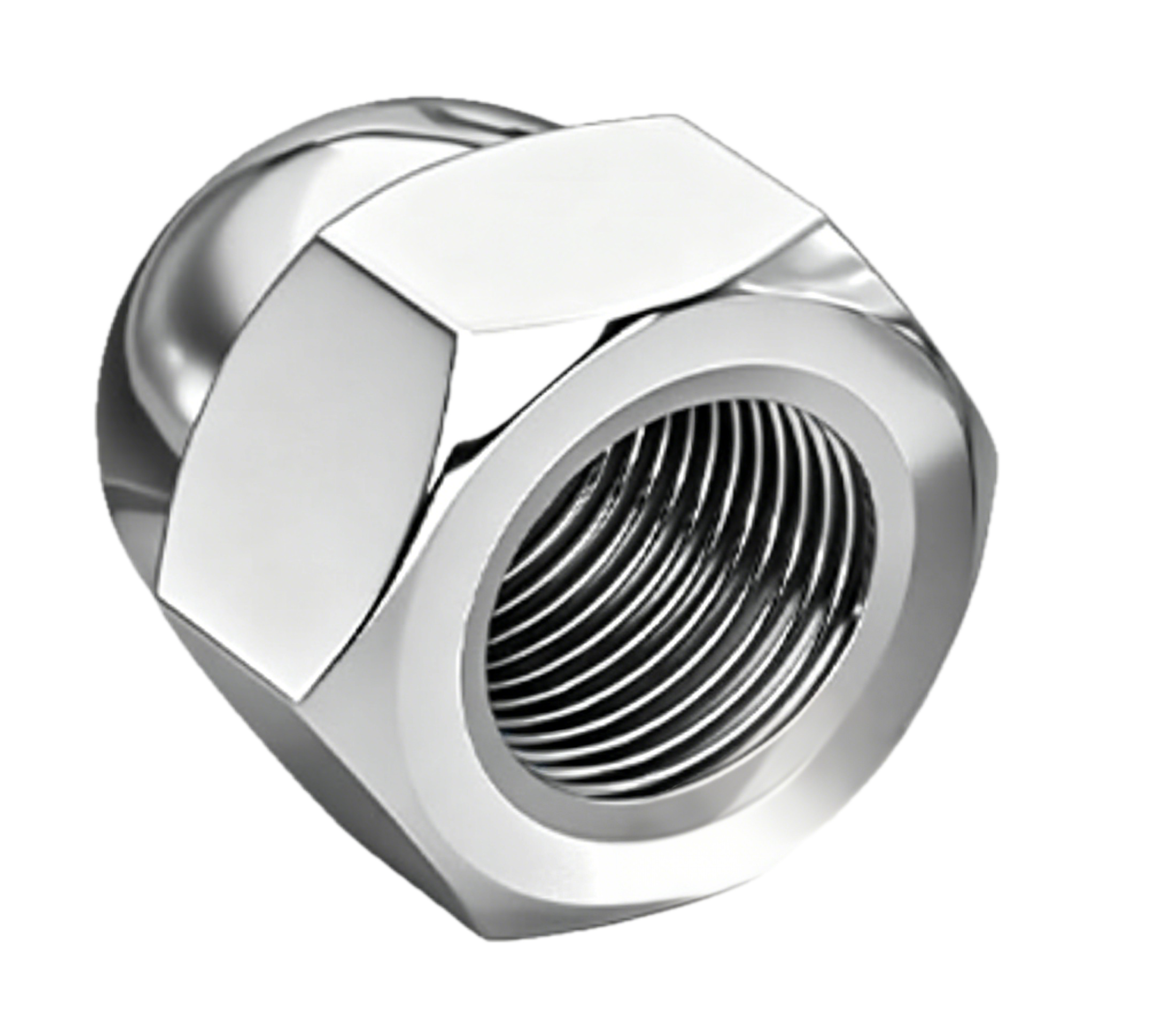
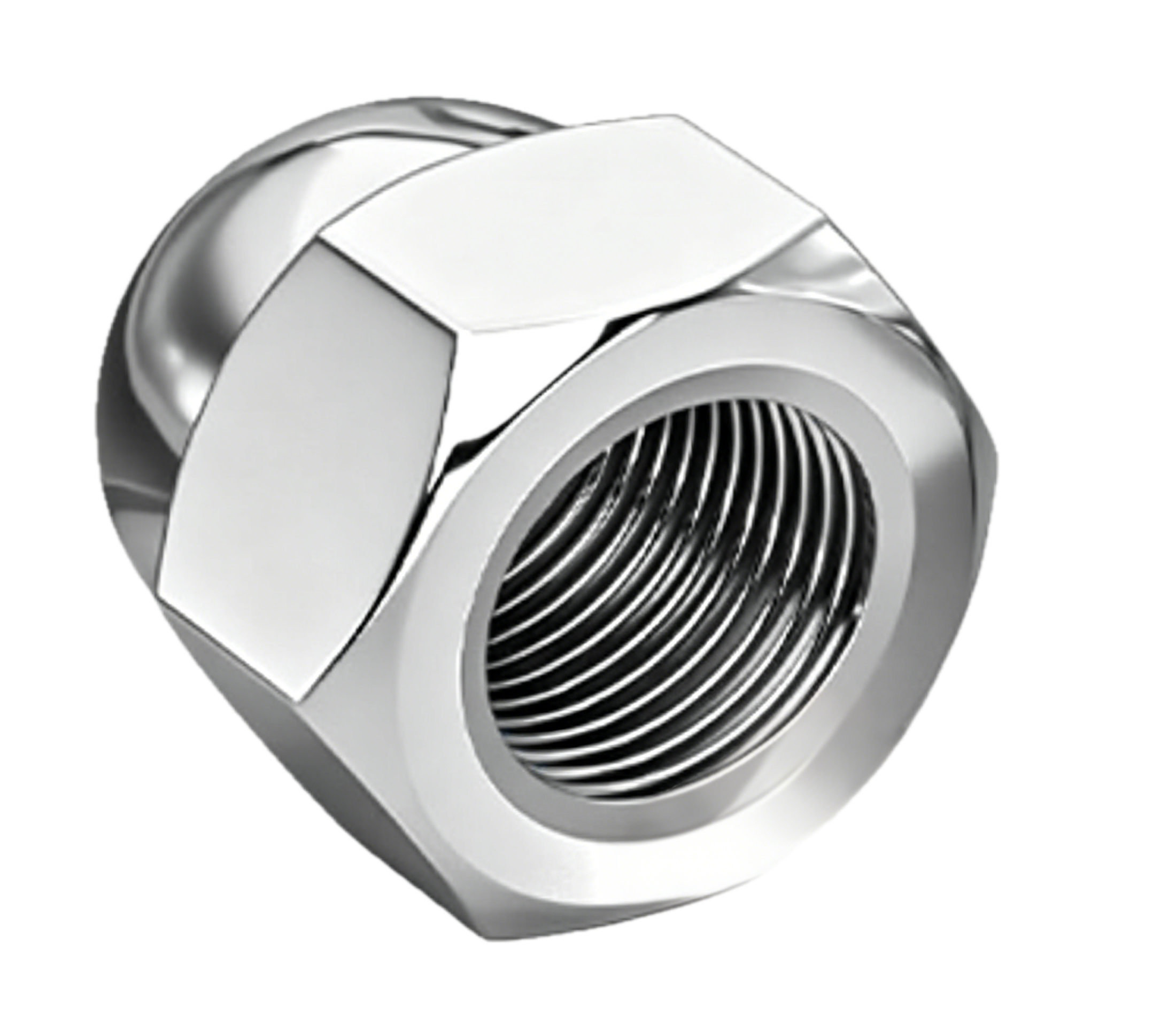
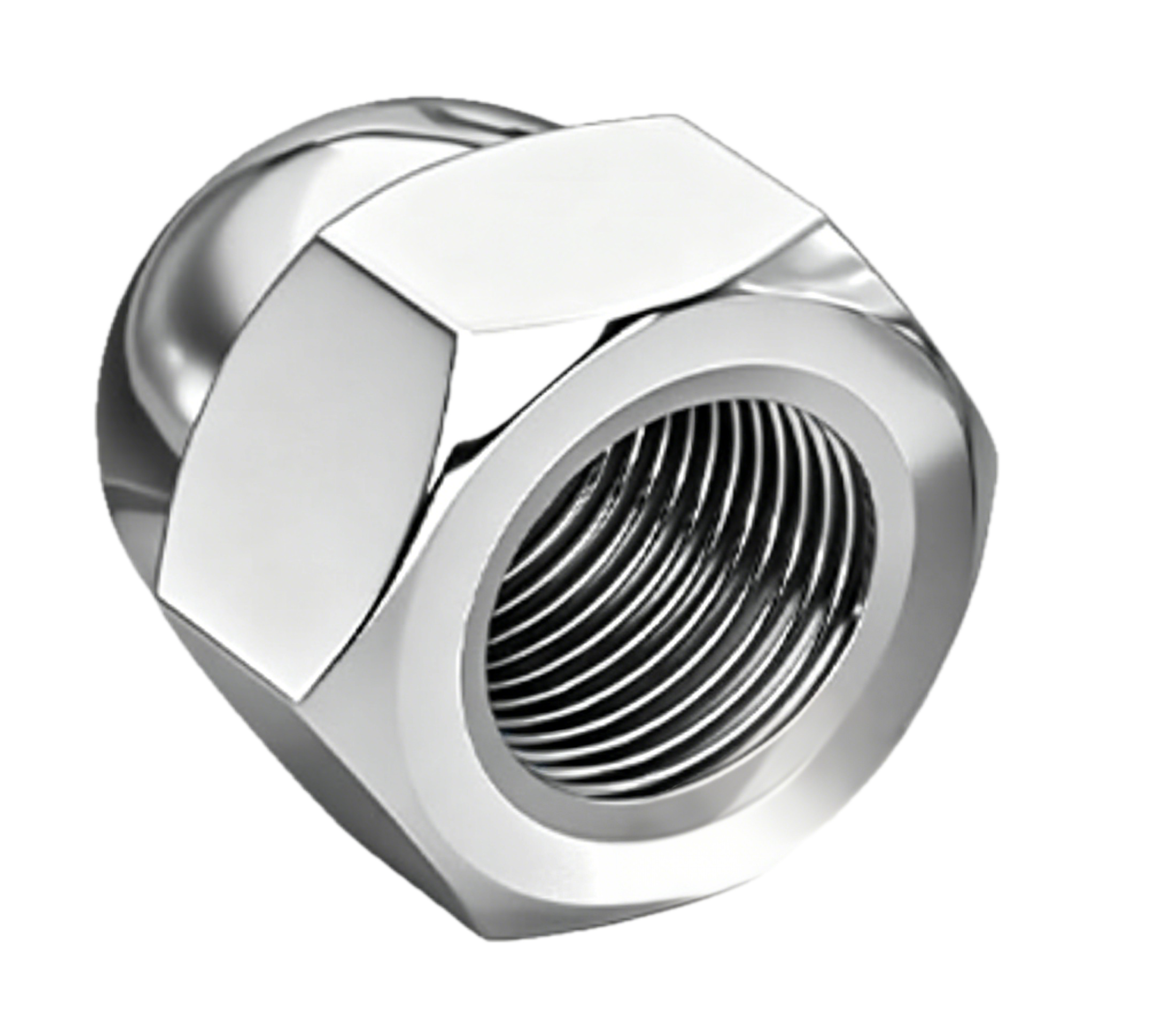
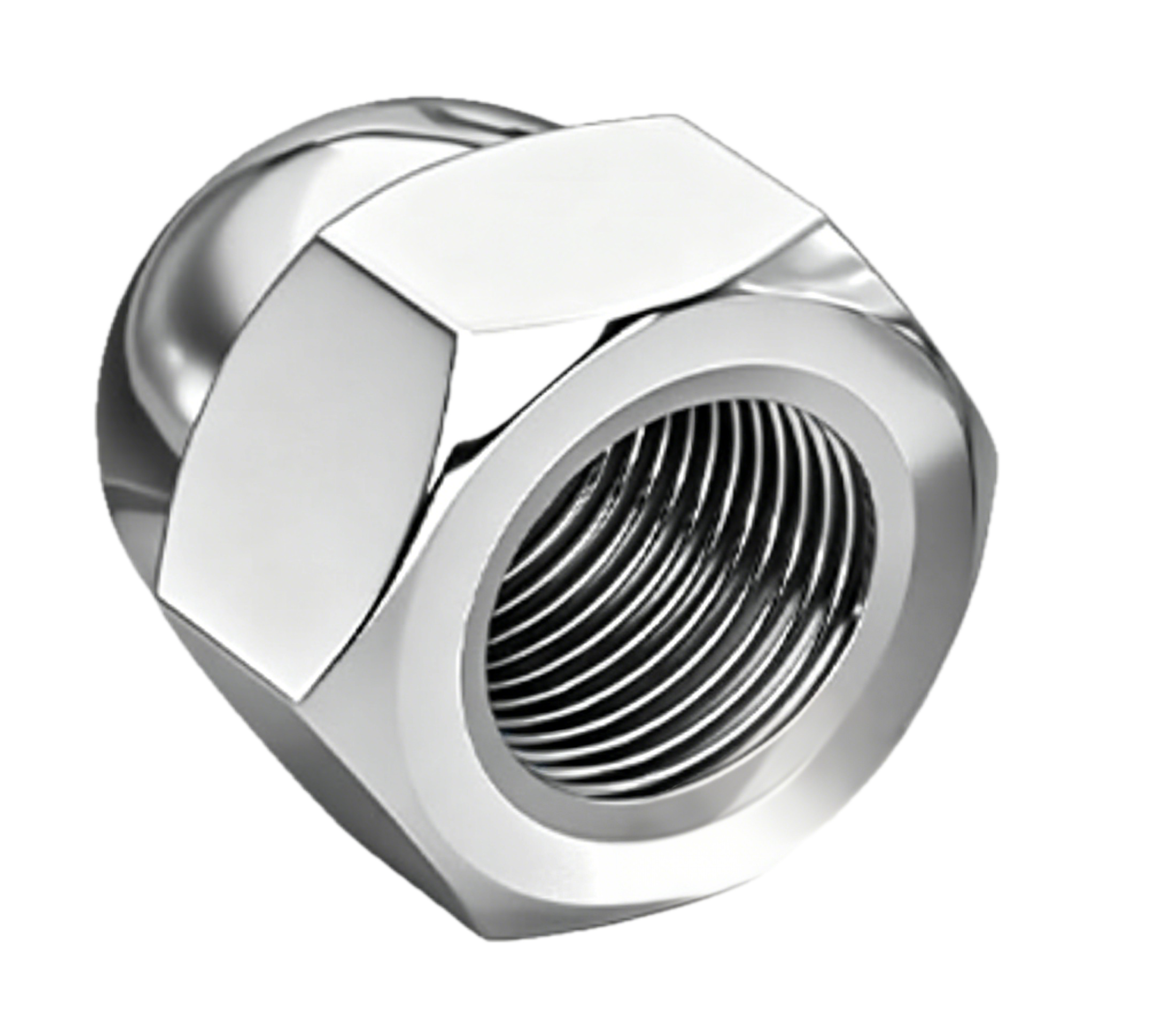
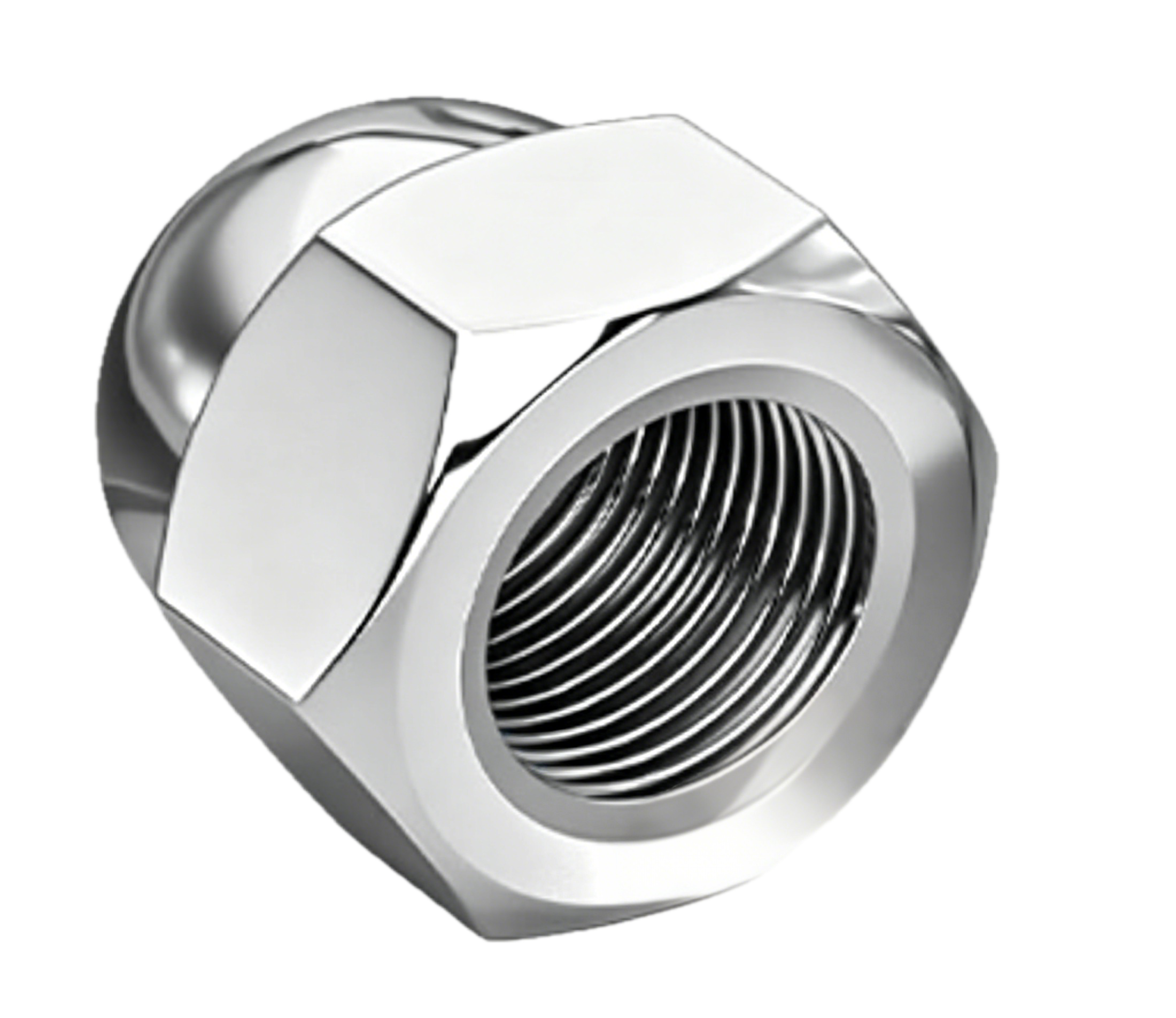
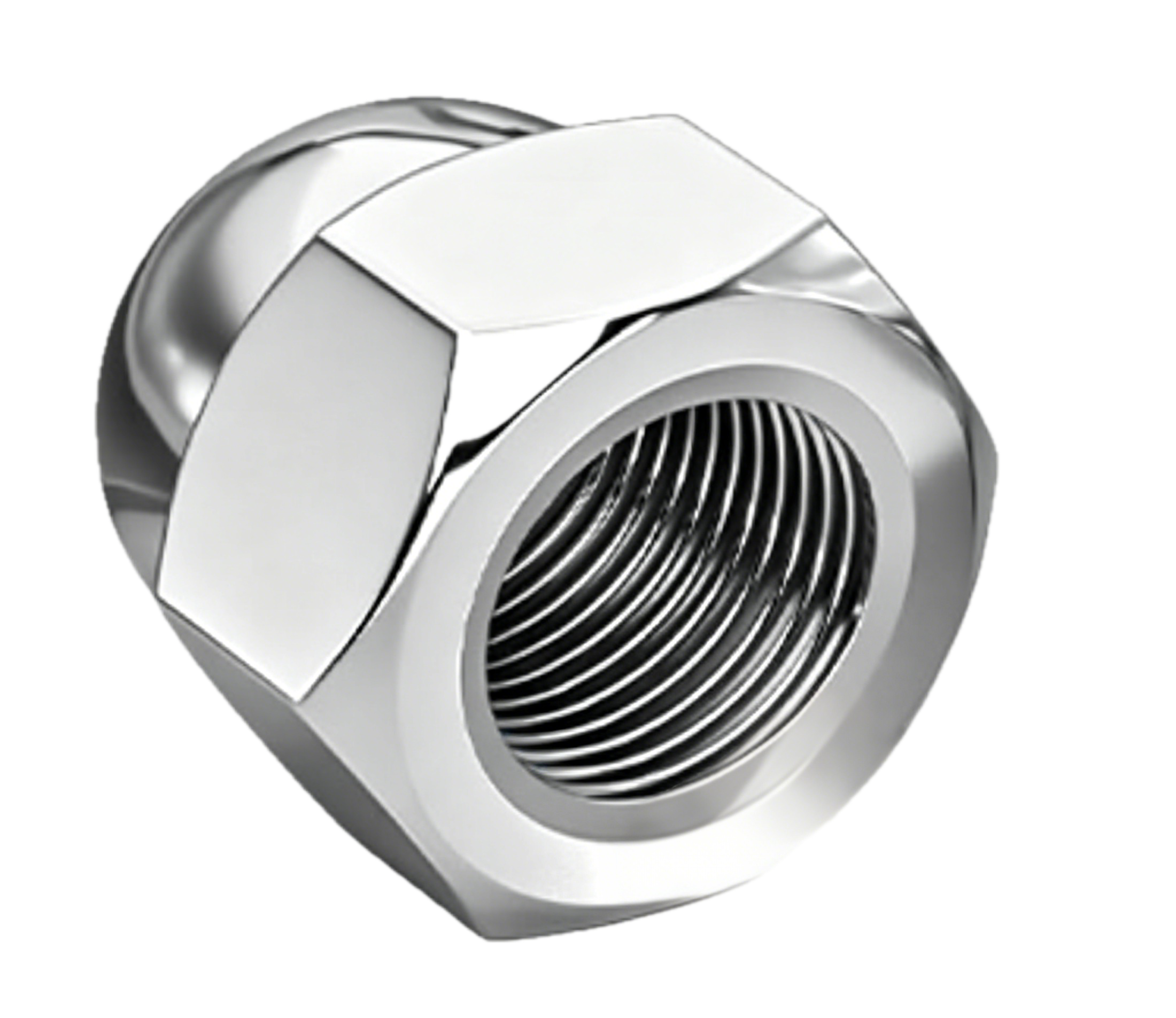
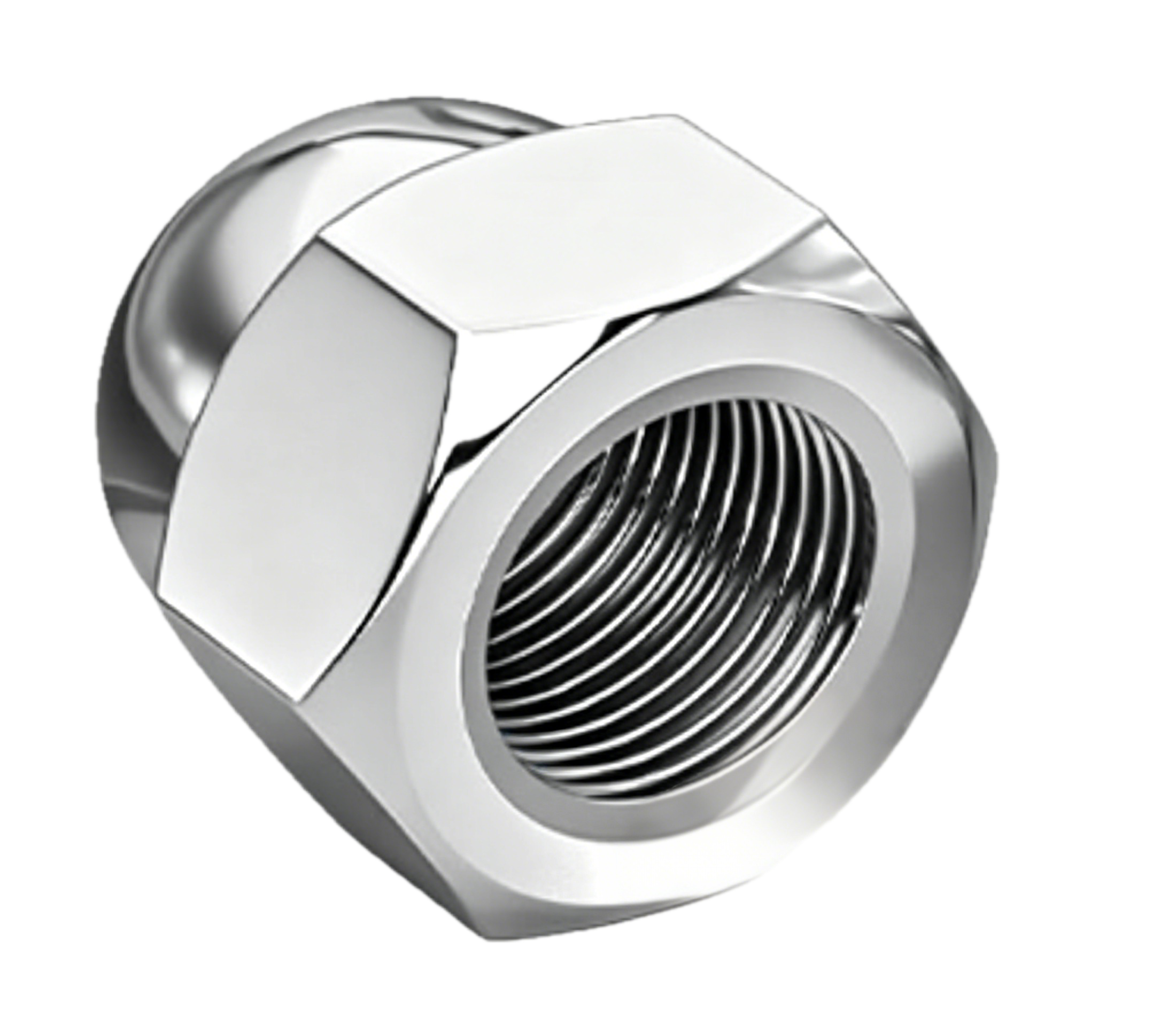
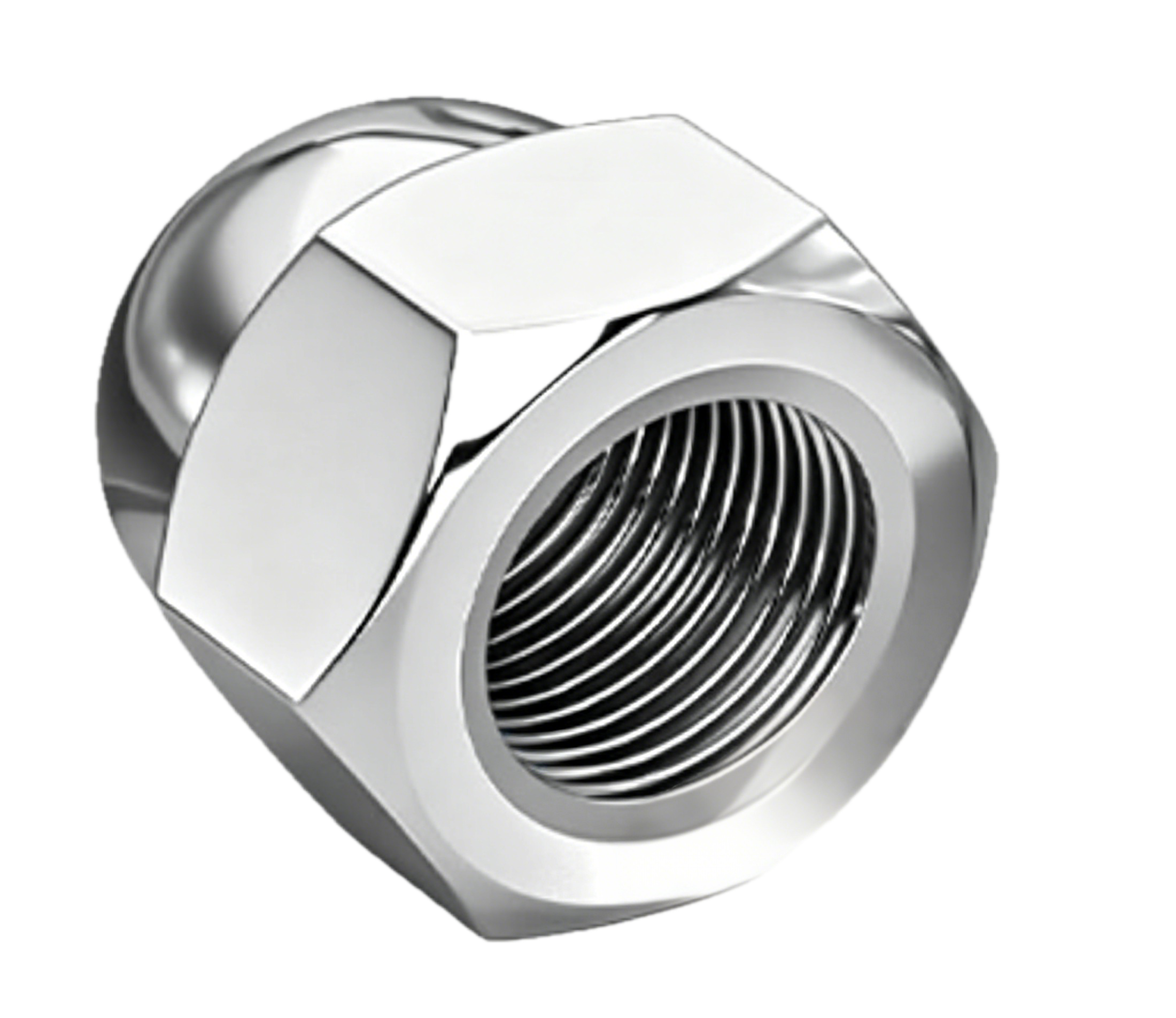
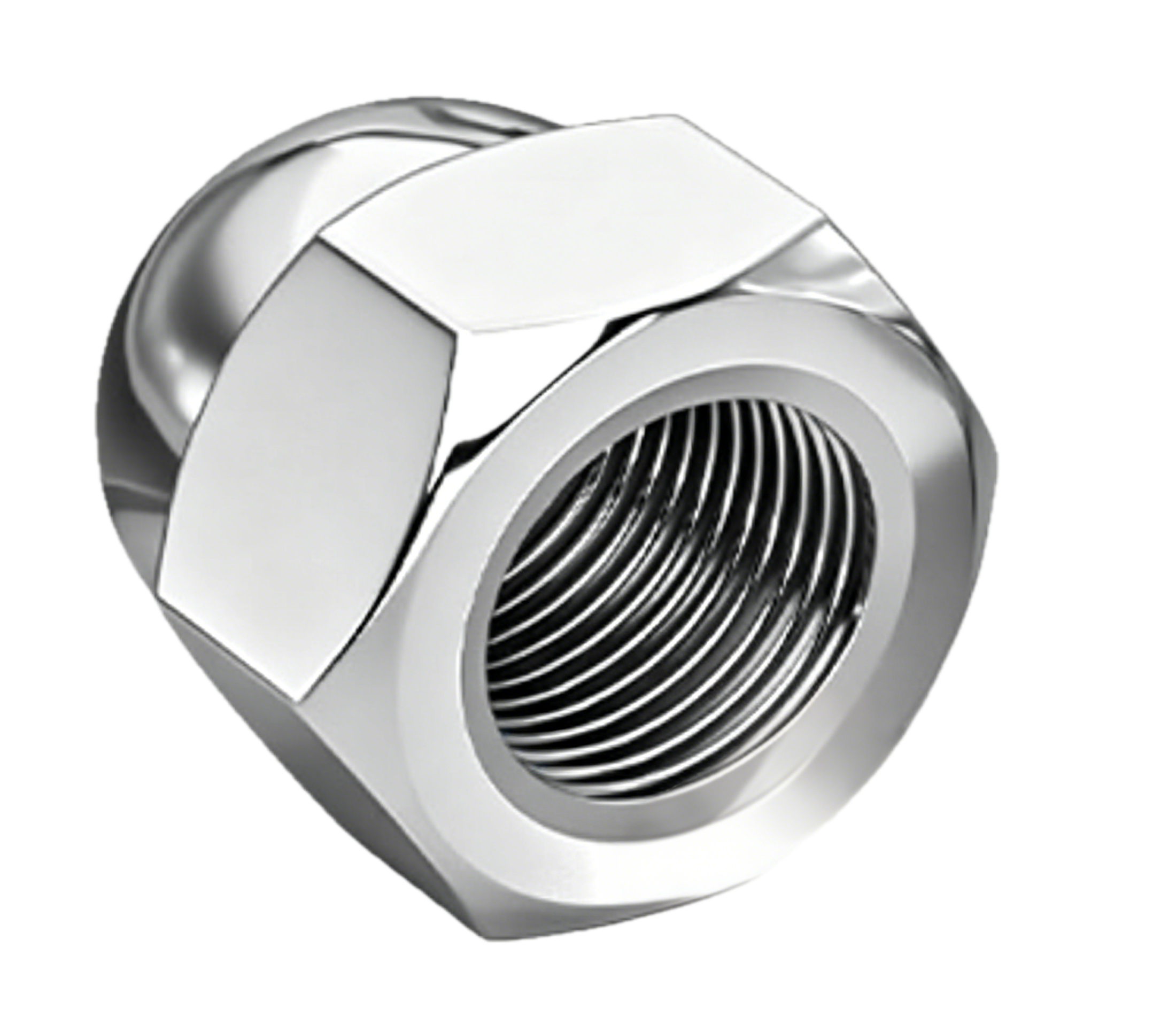
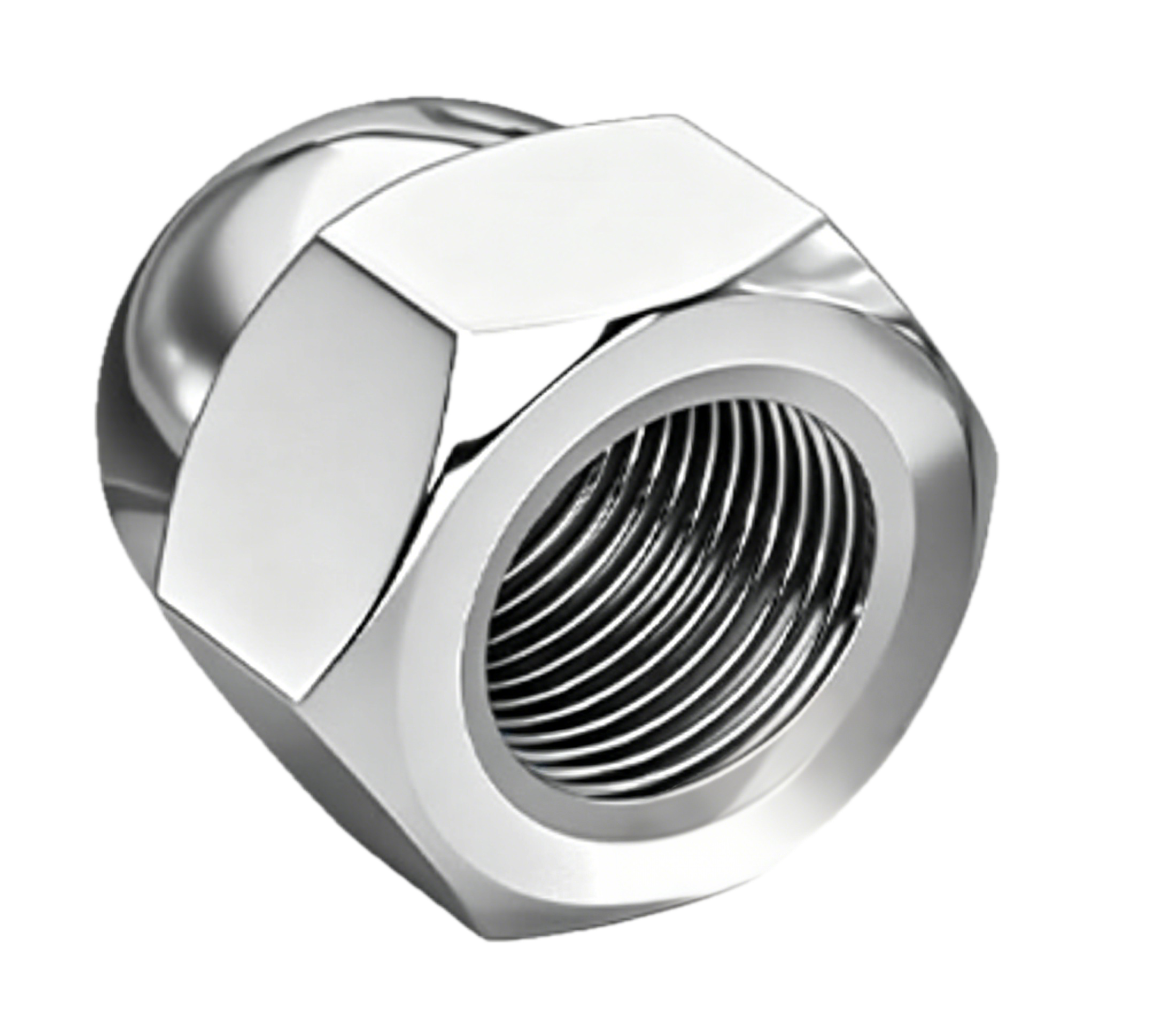
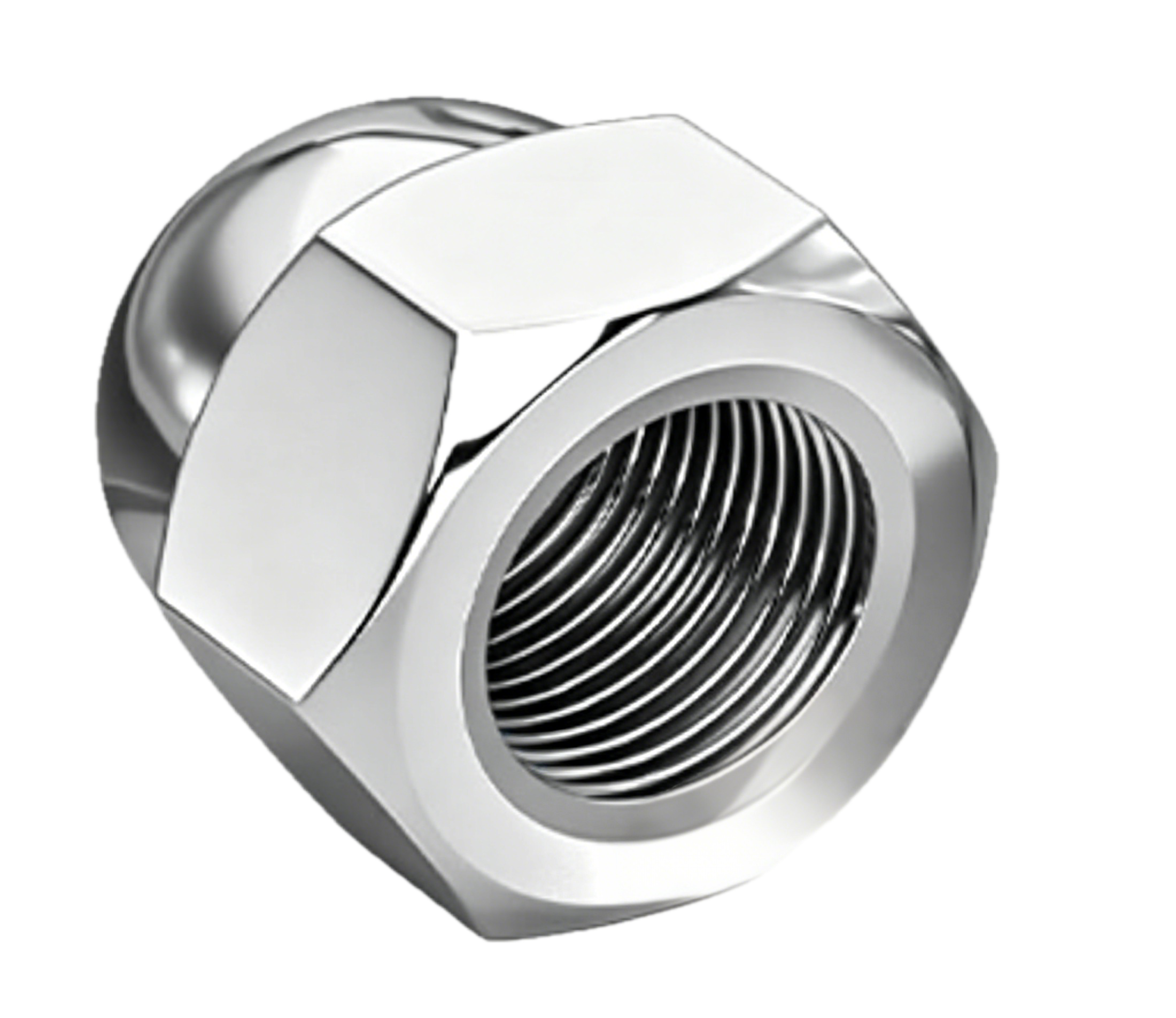
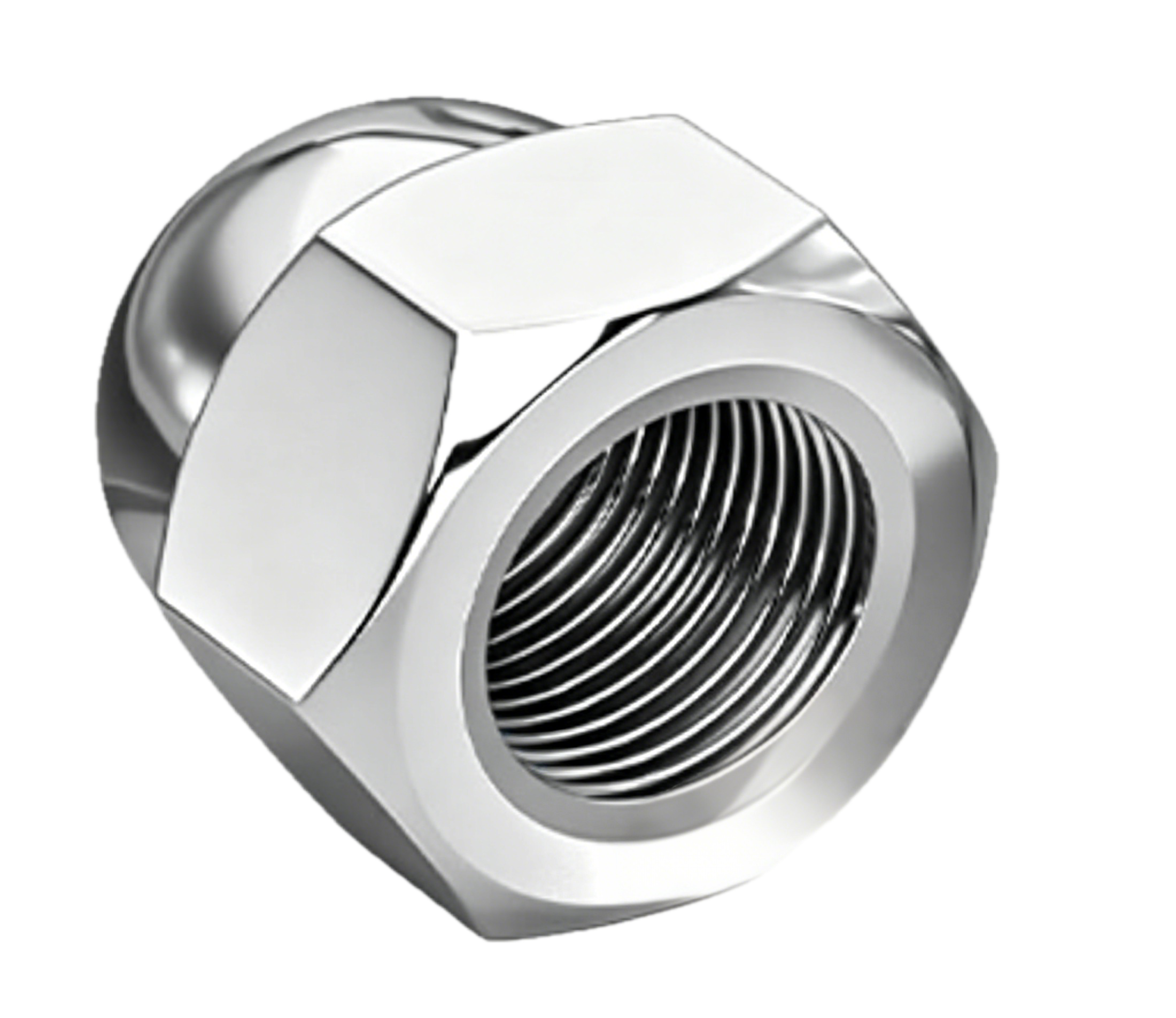
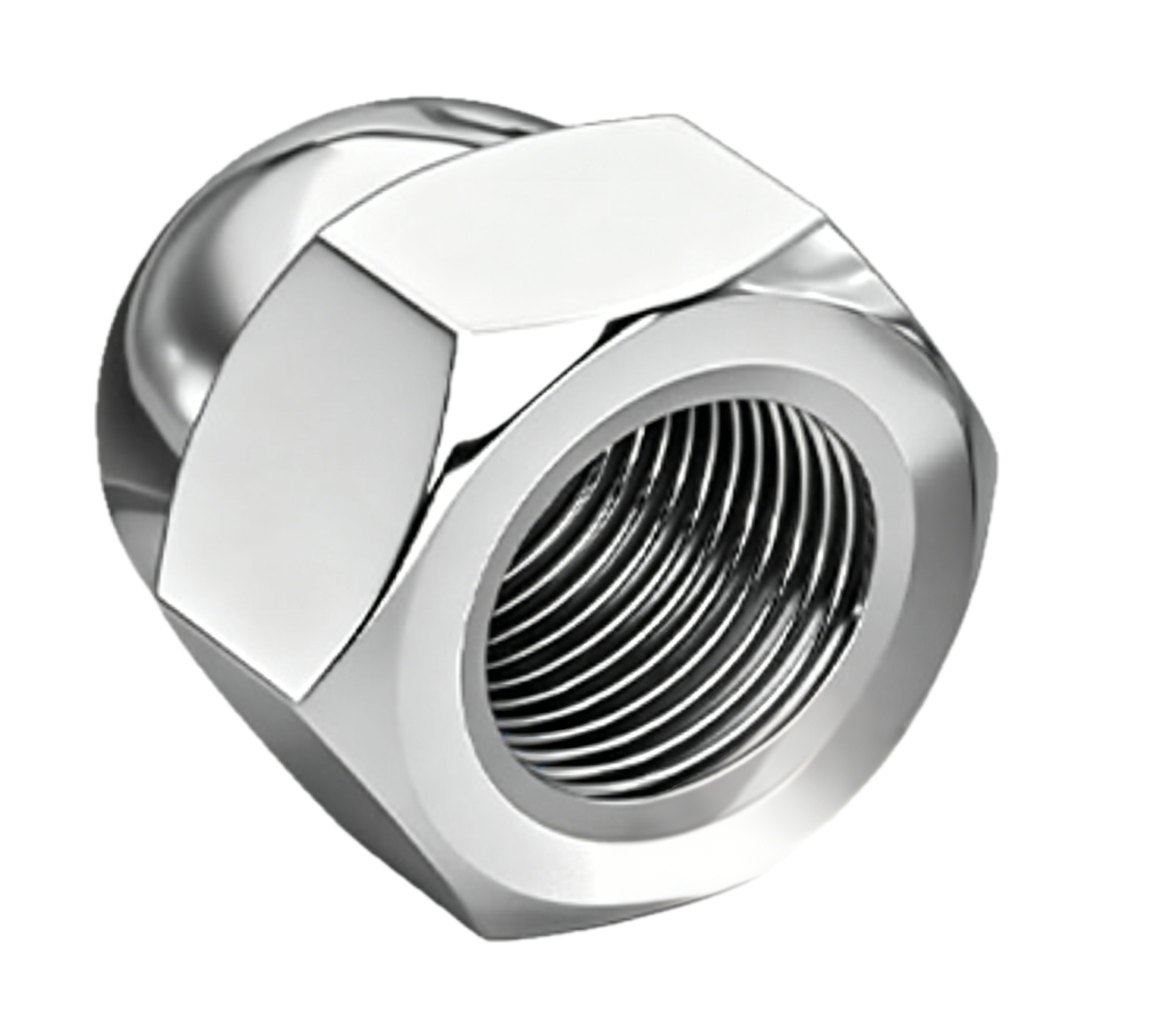
Cap Locknuts
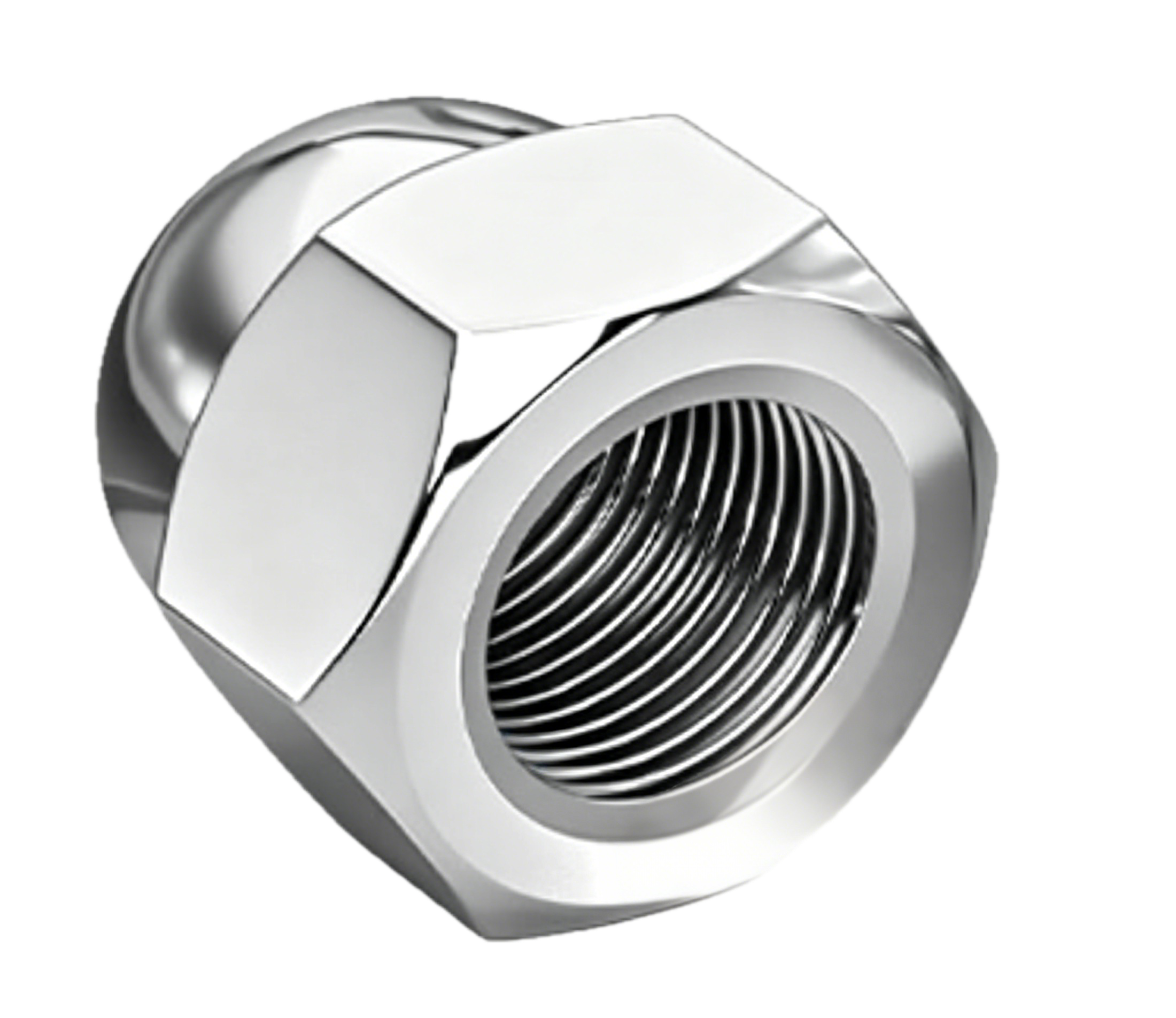
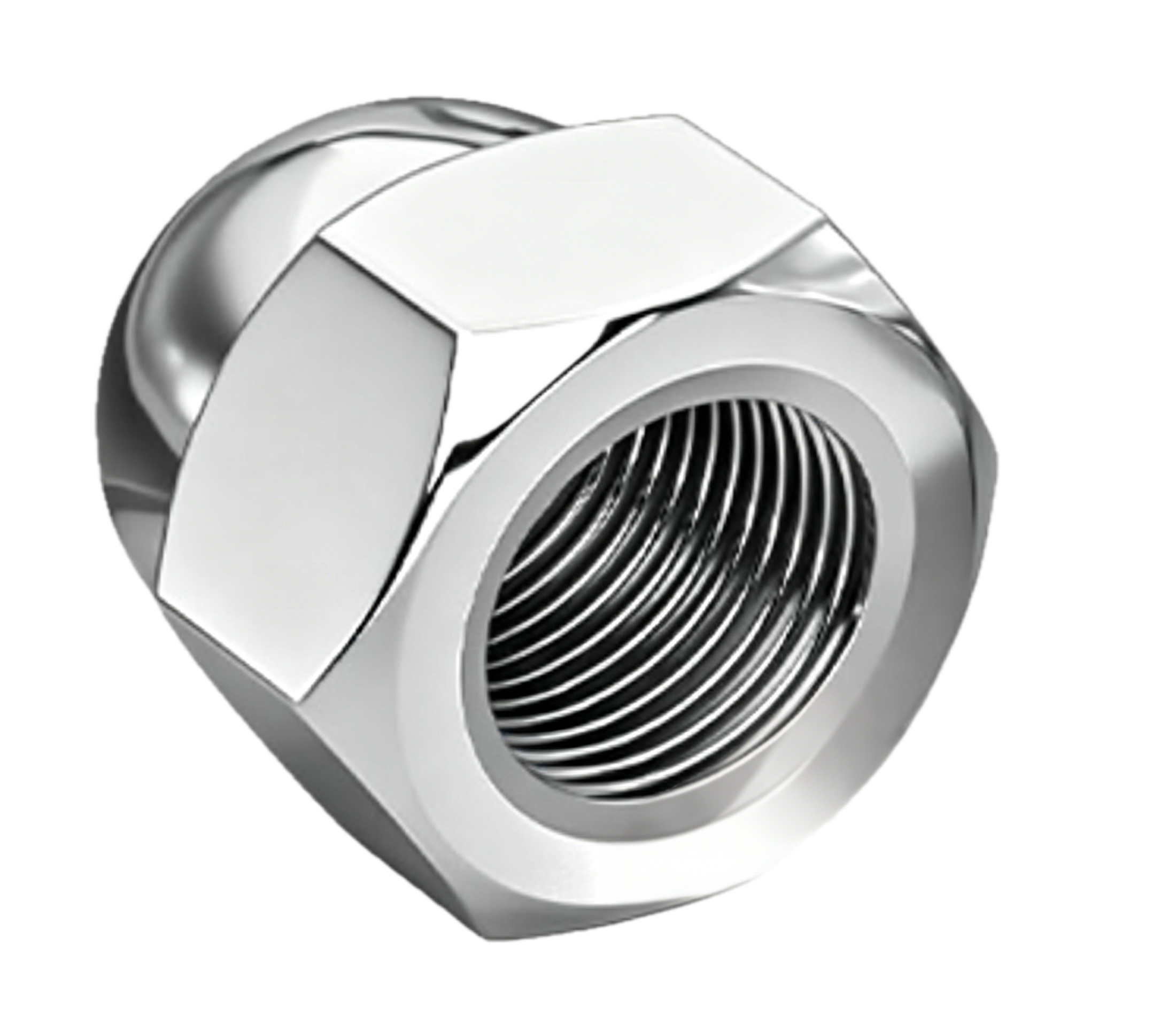
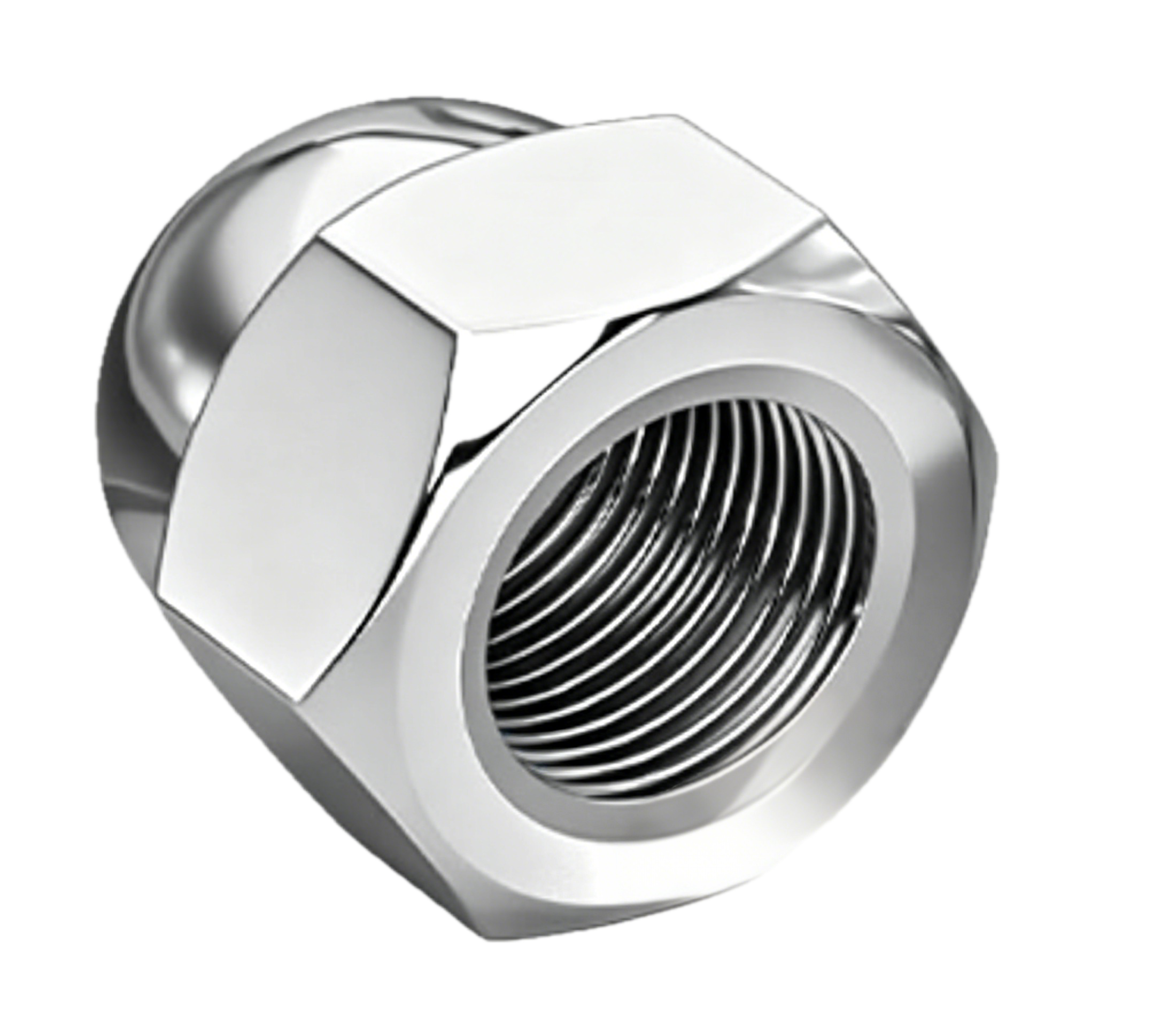
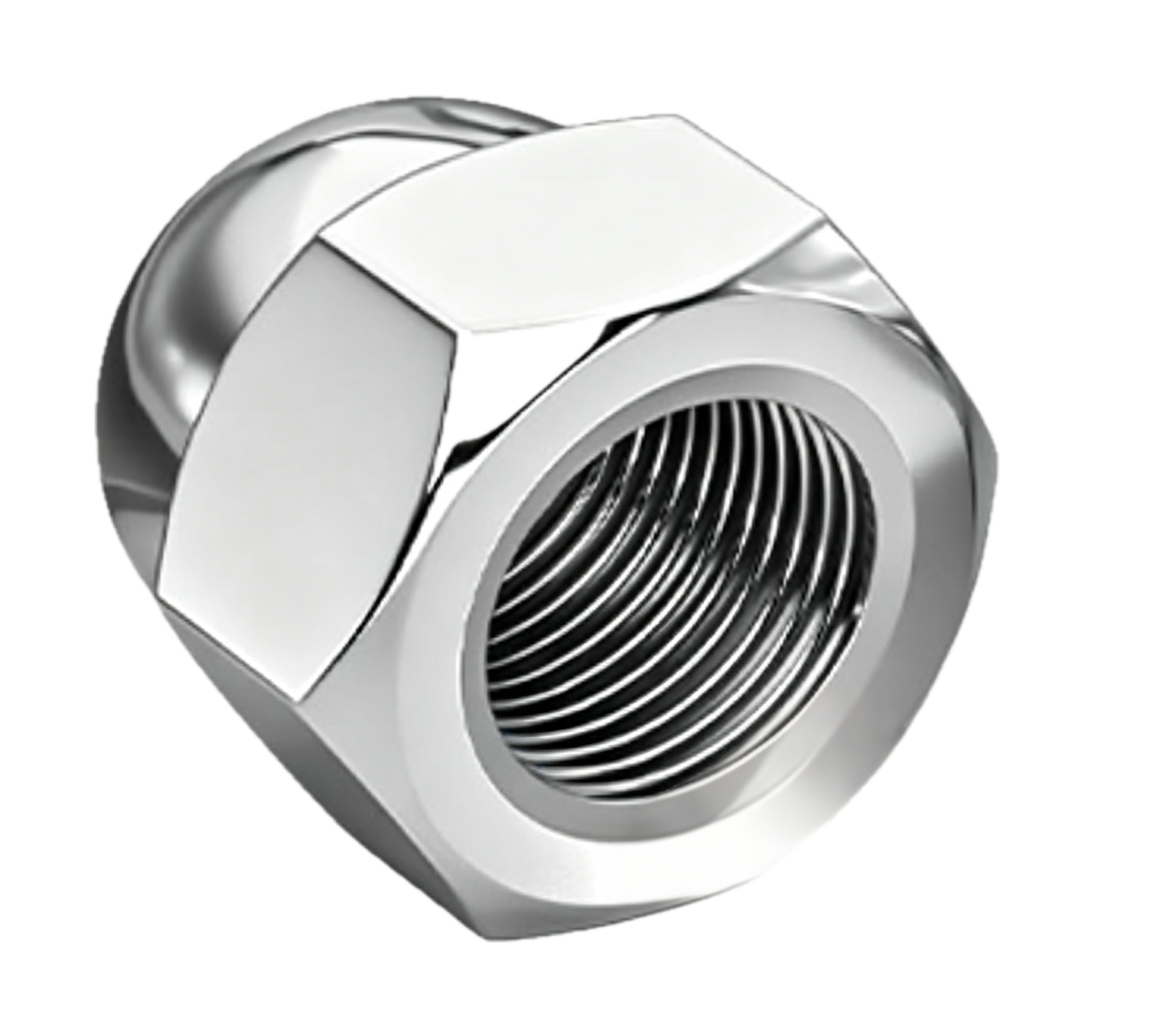
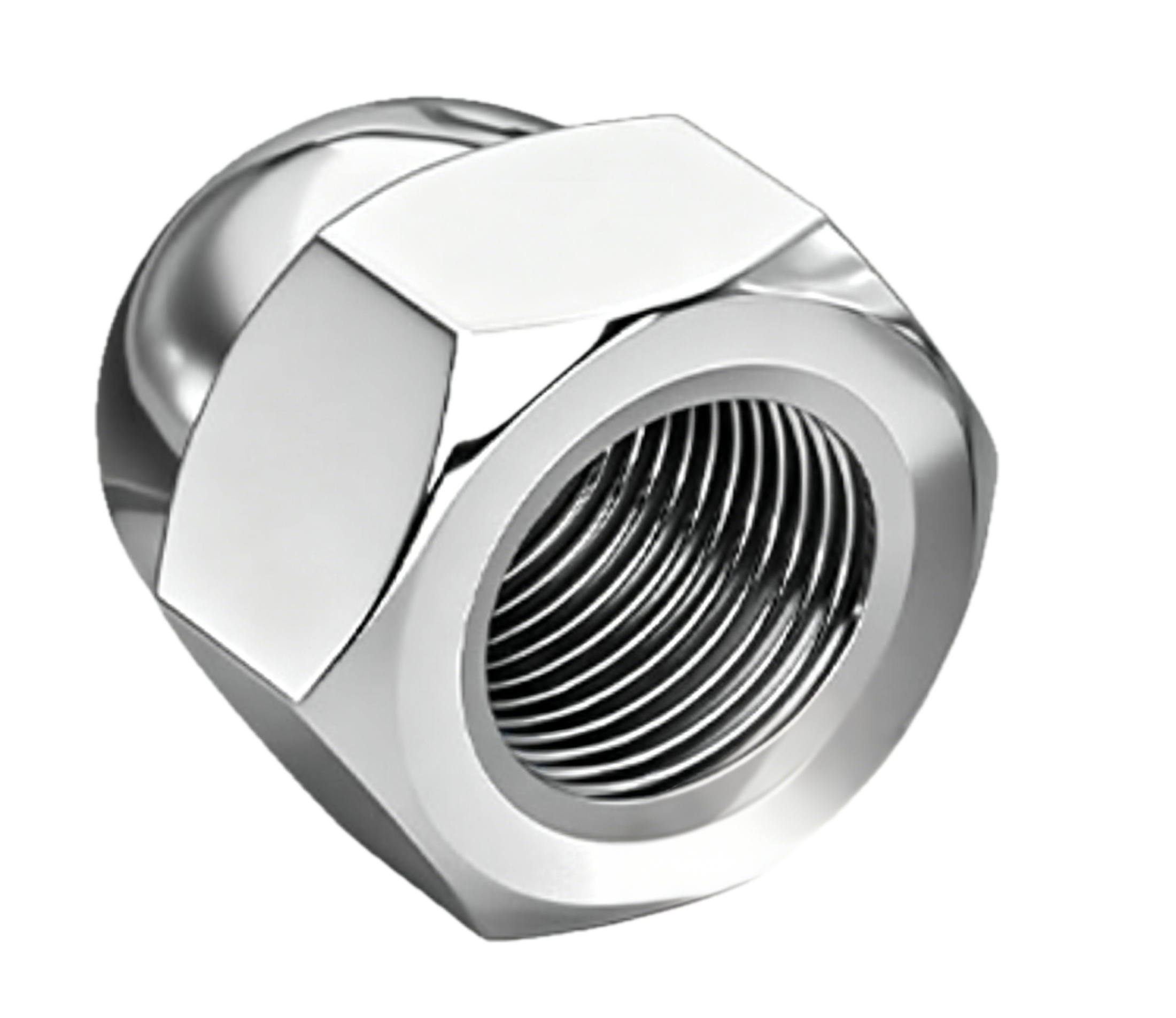
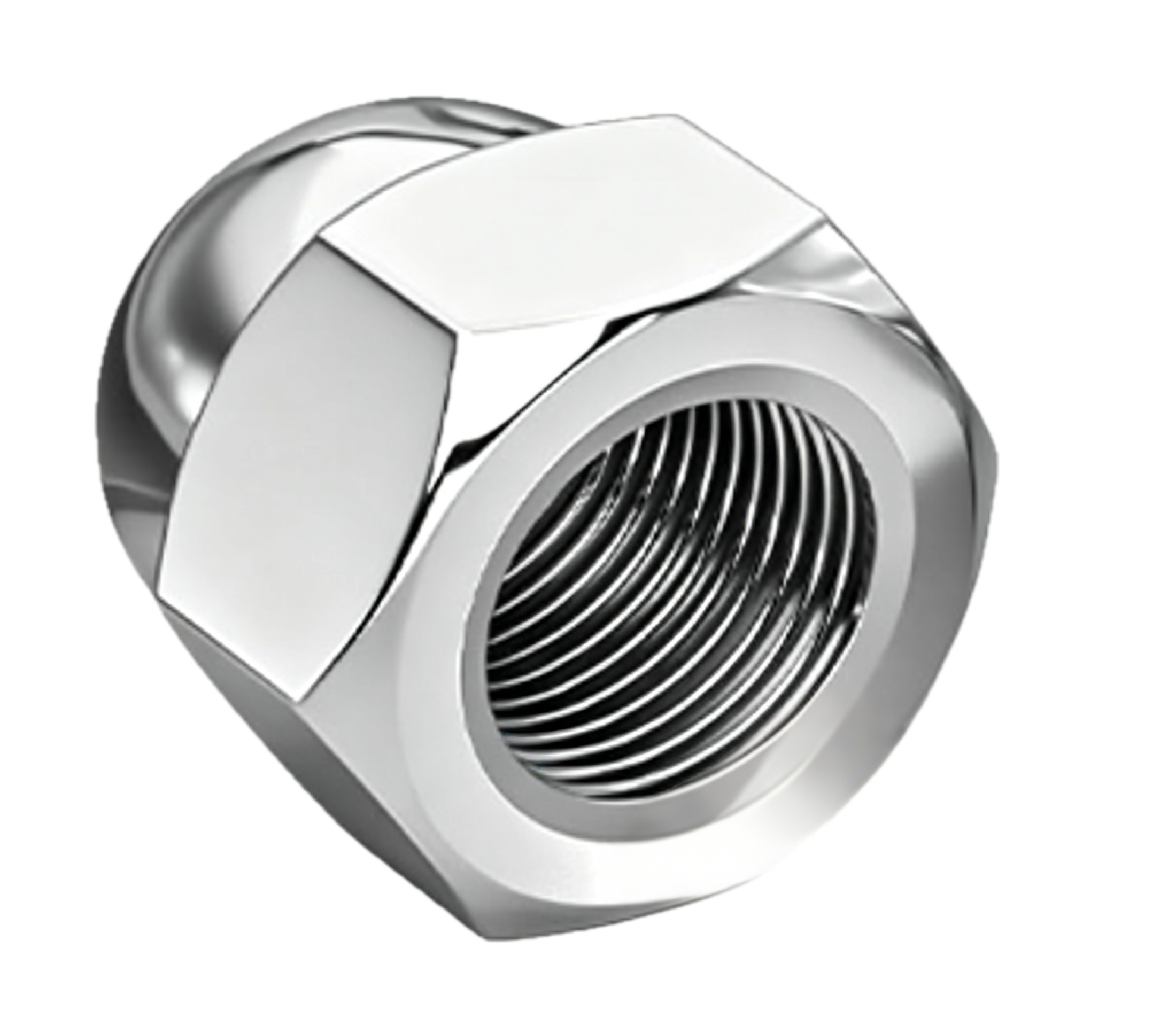
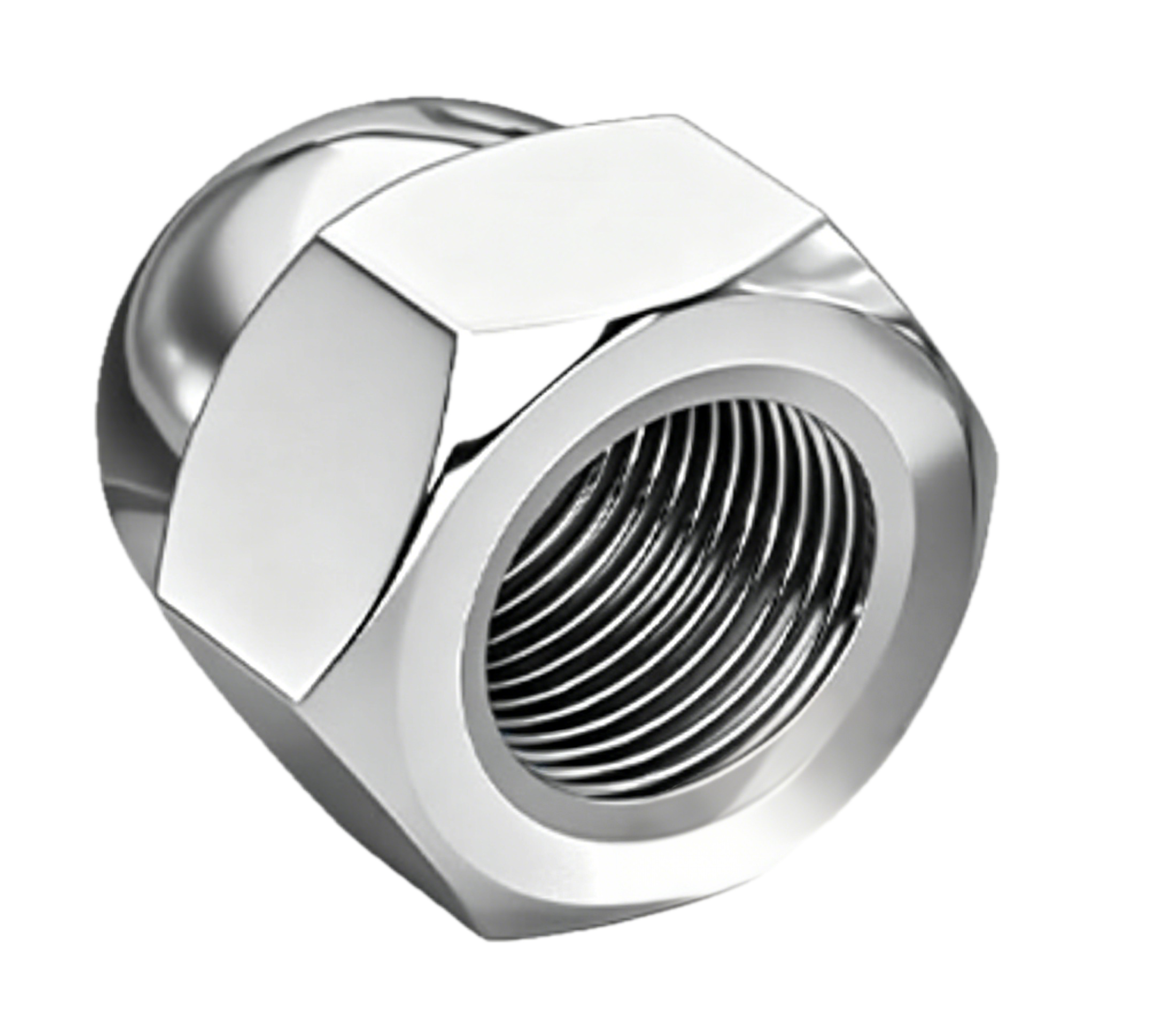
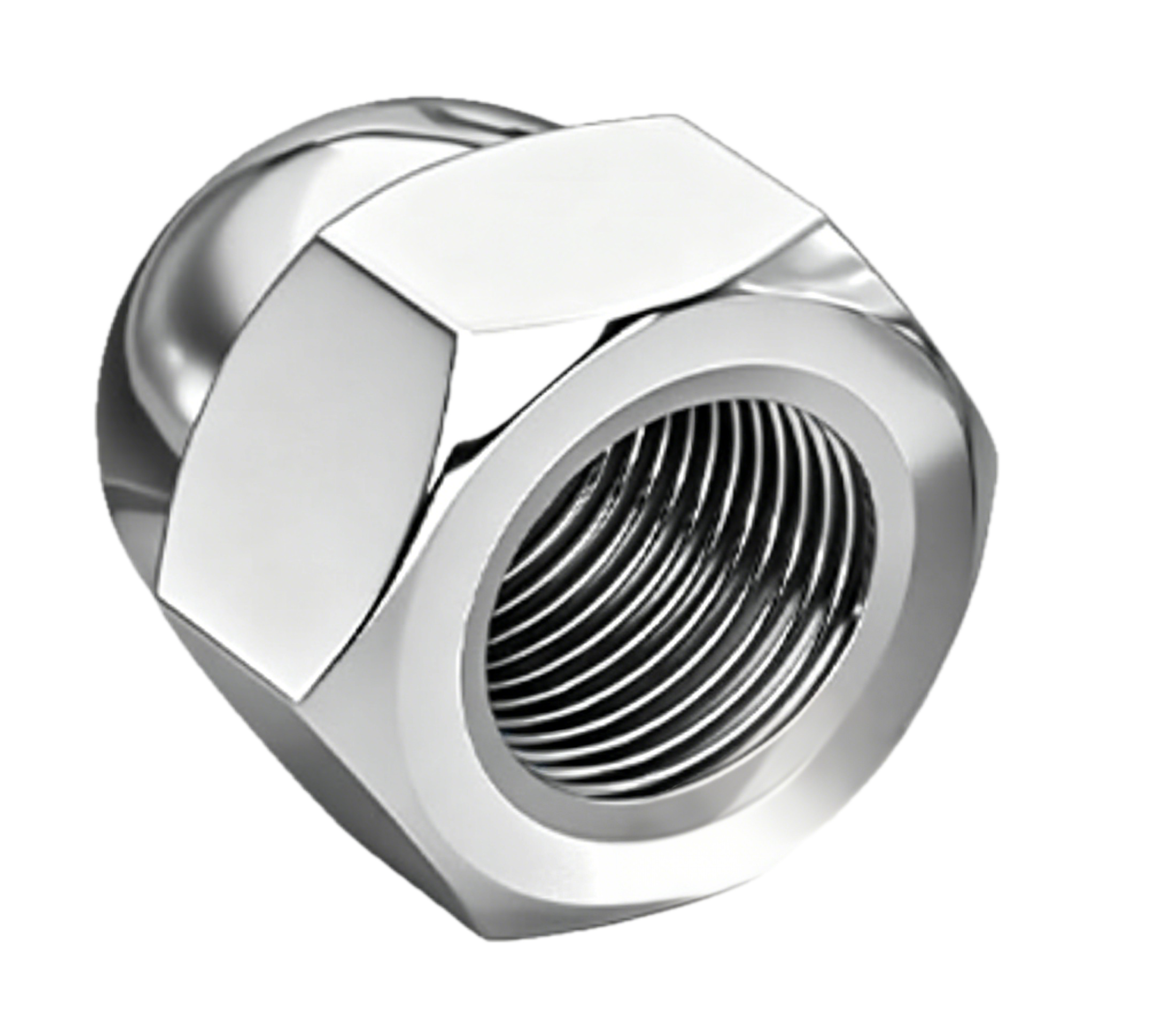
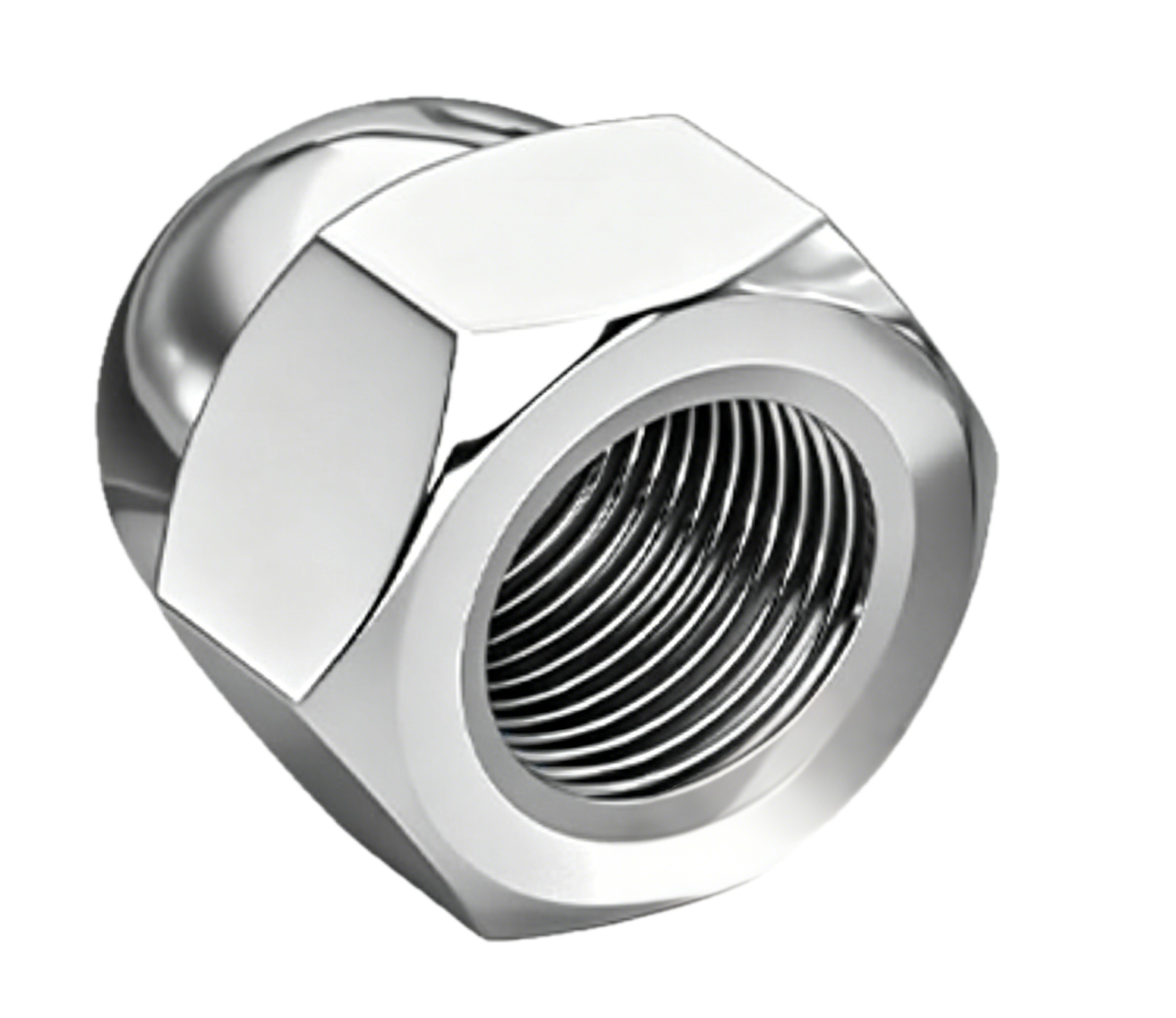
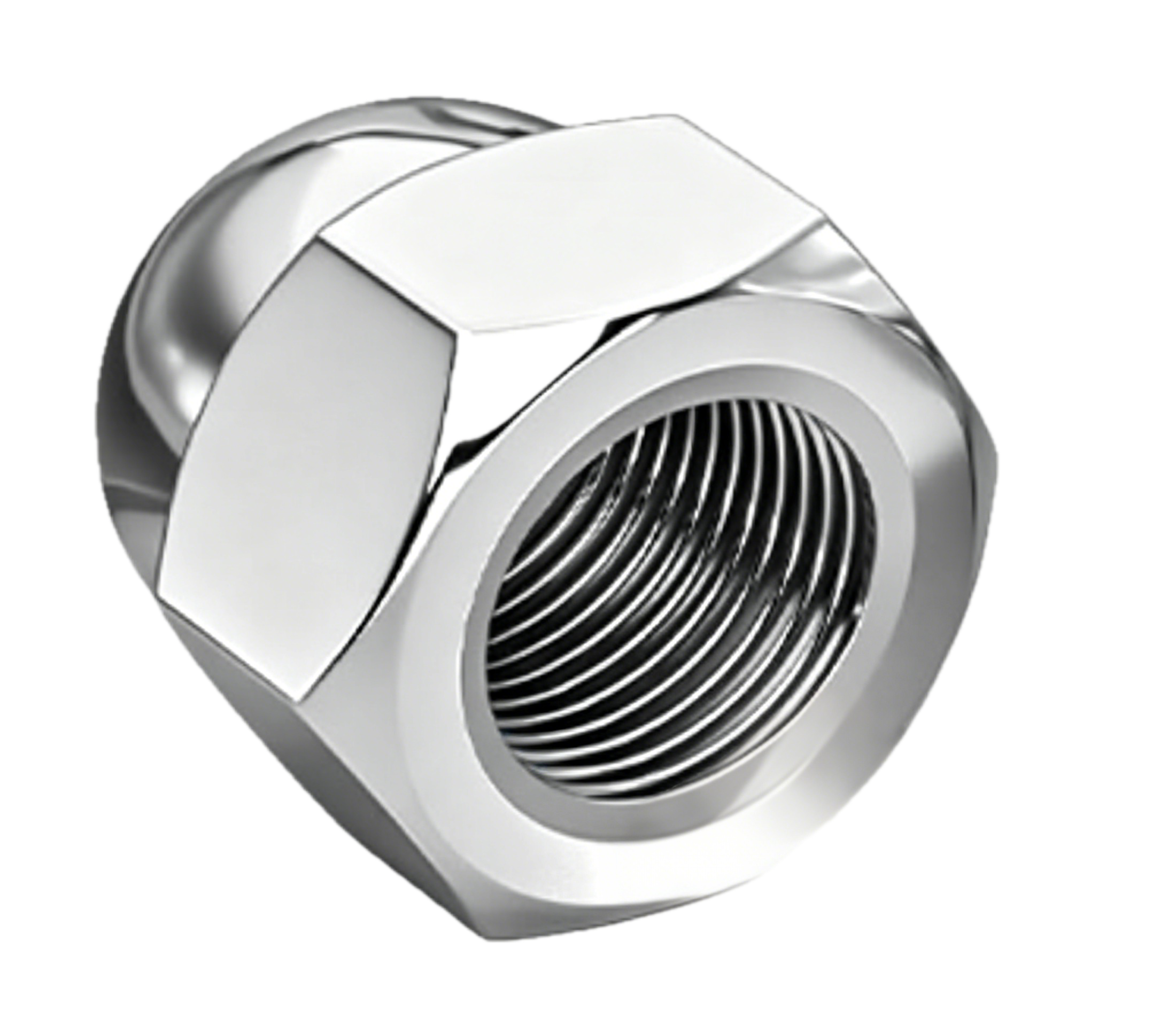
LILY Bearing stocks 422 cap nuts — in Inch (353 SKUs) and Metric (69 SKUs) — across 30 variations covering profile, locking, sealing, and material options. Use the filters below, or the comparison table, to narrow down by cap style, material, or thread size.
Compare Cap Nut Types
| Type | How It Works | Best For | Watch Out For | Materials |
|---|---|---|---|---|
| Standard Cap Nuts | Closed, domed top fully covers the bolt's exposed threads | Exposed threads on visible or safety-sensitive assemblies | Bolt length must not exceed the nut's internal depth | Steel, stainless steel, brass, aluminum, plastic |
| High-Profile Cap Nuts | Extended dome gives more internal clearance than a standard cap | Bolts with longer exposed thread that a standard cap won't clear | Taller profile needs more clearance above the joint | Steel, stainless steel |
| Low-Profile Cap Nuts | Compact dome sits flush or nearly flush with the surface | Tight spaces where a standard-height cap won't fit | Less internal depth to cover longer exposed threads | Steel, stainless steel |
| Open-End Cap Nuts | Dome is open at the top, so the bolt can extend through | Bolts of any length, including ones longer than the nut | Does not fully enclose the thread tip like a closed cap does | 18-8 stainless steel |
| Cap Locknuts | Adds a nylon insert or a distorted (deformed) all-metal thread inside the cap to grip the bolt and resist loosening | Vibration-prone assemblies that also need covered threads | Nylon-insert versions have a lower temperature ceiling (≈250°F) than distorted-thread (all-metal) versions | Steel, 18-8 stainless steel, 316 stainless steel, brass |
| Sealing Cap Nuts | Integrated silicone seal at the base blocks moisture, debris, and contaminants | Sealed connections rated up to 1,200 psi and wide temperature swings | Confirm the seal's pressure and temperature rating against your application | 18-8 stainless steel |
| Sanitary Thread Caps | FDA-compliant cap with a smooth, cleanable surface and a silicone seal | Food processing, pharmaceutical, and cleanroom environments | Confirm your facility's specific hygiene standard is covered | 304 stainless steel |
| Extra-Wide High-Hex Cap Nuts | Enlarged hex flats give a wrench more surface to apply higher torque | Heavy-duty joints needing both high torque and thread protection | Larger hex size needs more surrounding clearance | Steel, stainless steel |
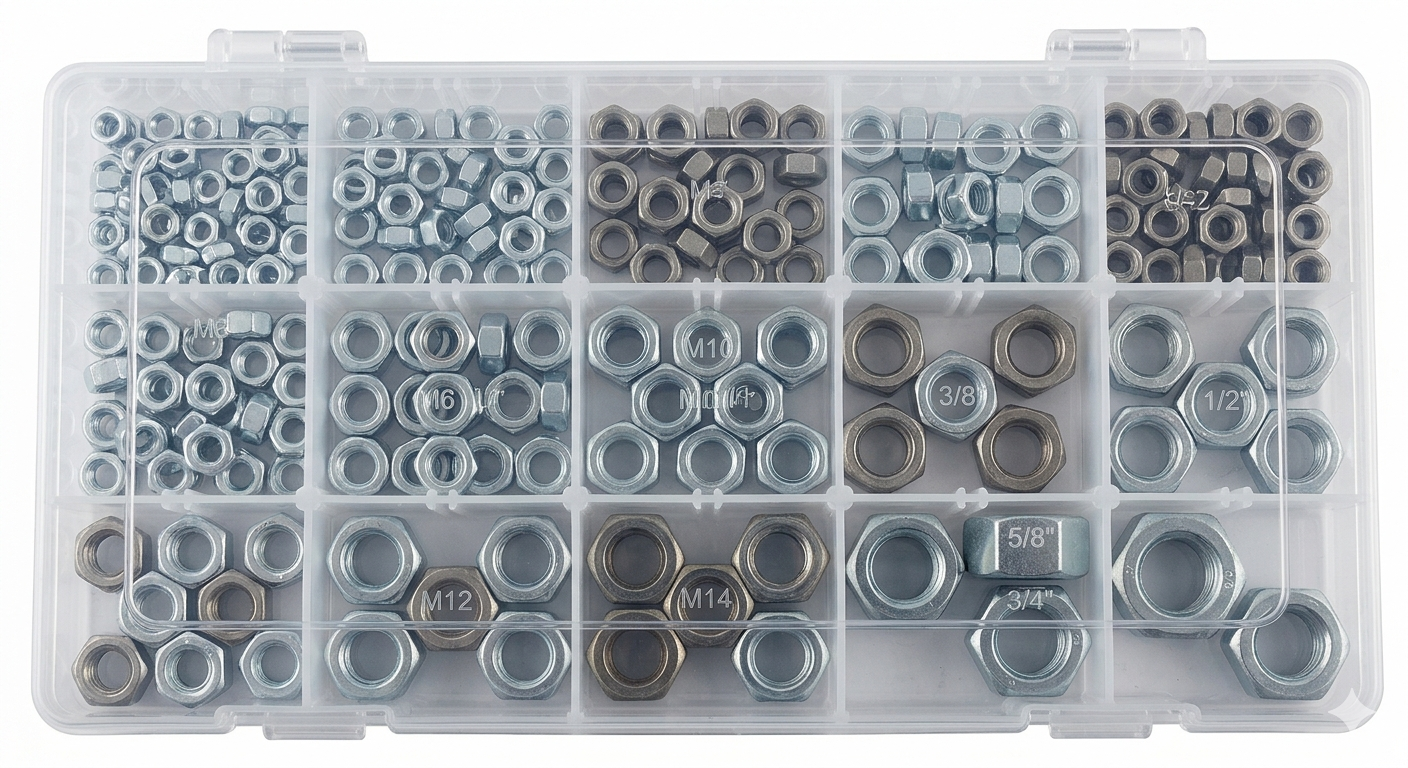
| Cap Nut Assortments | Compartmented kit with multiple common sizes in one container | Maintenance, prototyping, or stocking a range of sizes at once | Fixed size range and piece count per kit — check it covers what you need | 18-8 stainless steel |
Locking, Sealing & Hygiene Options
A standard cap nut protects and finishes exposed threads but has no built-in resistance to loosening. Cap locknuts add that resistance two ways: a nylon insert grips the bolt but is limited to roughly 250°F, while a distorted (deformed) all-metal thread grips harder and holds up in higher-temperature environments. For applications where moisture or pressure is the concern rather than vibration, sealing cap nuts use an integrated silicone seal rated up to 1,200 psi. Sanitary thread caps go a step further for food, pharmaceutical, and cleanroom use — they're FDA-compliant (21 CFR 177.2600) and available in metal-detectable and X-ray-detectable versions to support contamination-control programs.
Need a Custom Cap Nut or a Part Cross-Reference?
Working from an existing McMaster-Carr or manufacturer part number? Our team can cross-reference it to an equivalent LILY Bearing cap nut, or quote a custom material, seal, or finish. Request a Quote or Contact Us.
Frequently Asked Questions
What's the difference between a standard cap nut and a cap locknut?
A standard cap nut only covers and protects the exposed threads — it relies on thread friction alone and has no resistance to loosening. A cap locknut adds a nylon insert or a distorted all-metal thread inside the cap that actively grips the bolt to resist vibration-induced loosening.
What's the difference between high-profile, low-profile, and open-end cap nuts?
High-profile cap nuts have a taller dome for extra clearance over longer exposed threads. Low-profile cap nuts have a shorter, flush-fitting dome for tight spaces. Open-end cap nuts have no closed top at all, so the bolt can pass all the way through — useful when the bolt is longer than any closed cap could cover.
Are your cap nuts food-safe or hygienic-environment rated?
Our Sanitary Thread Caps are FDA-compliant under 21 CFR 177.2600 and available in metal-detectable and X-ray-detectable versions for food processing, pharmaceutical, and cleanroom environments. Standard cap nuts are not rated for these uses.
Do you offer cap nut assortments or kits?
Yes. Our Cap Nut Assortments come in compartmented containers covering a range of common sizes in a single kit, useful for maintenance work or stocking multiple sizes at once.