- Interchangeable With :
- Lee
Disc Springs
3032 Products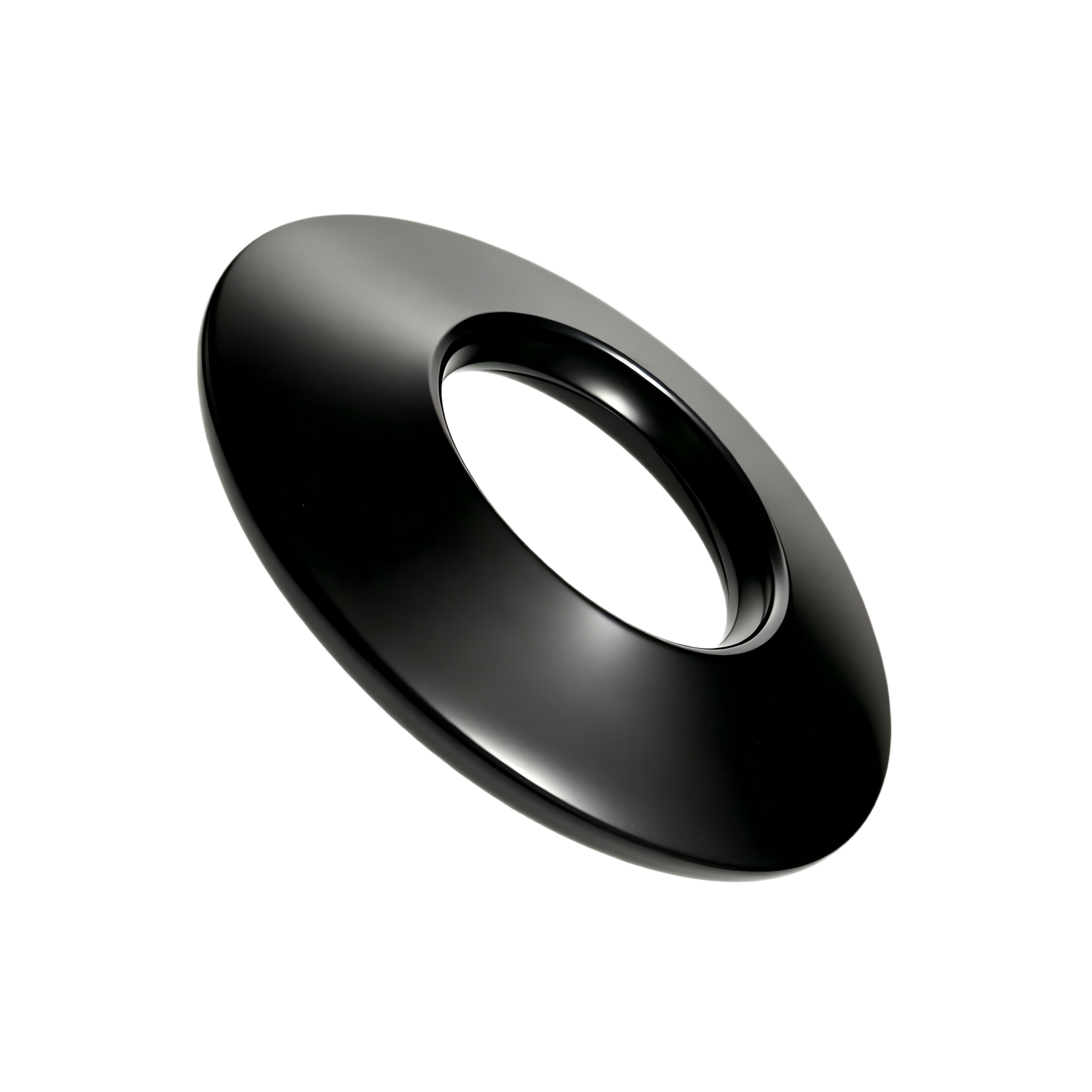
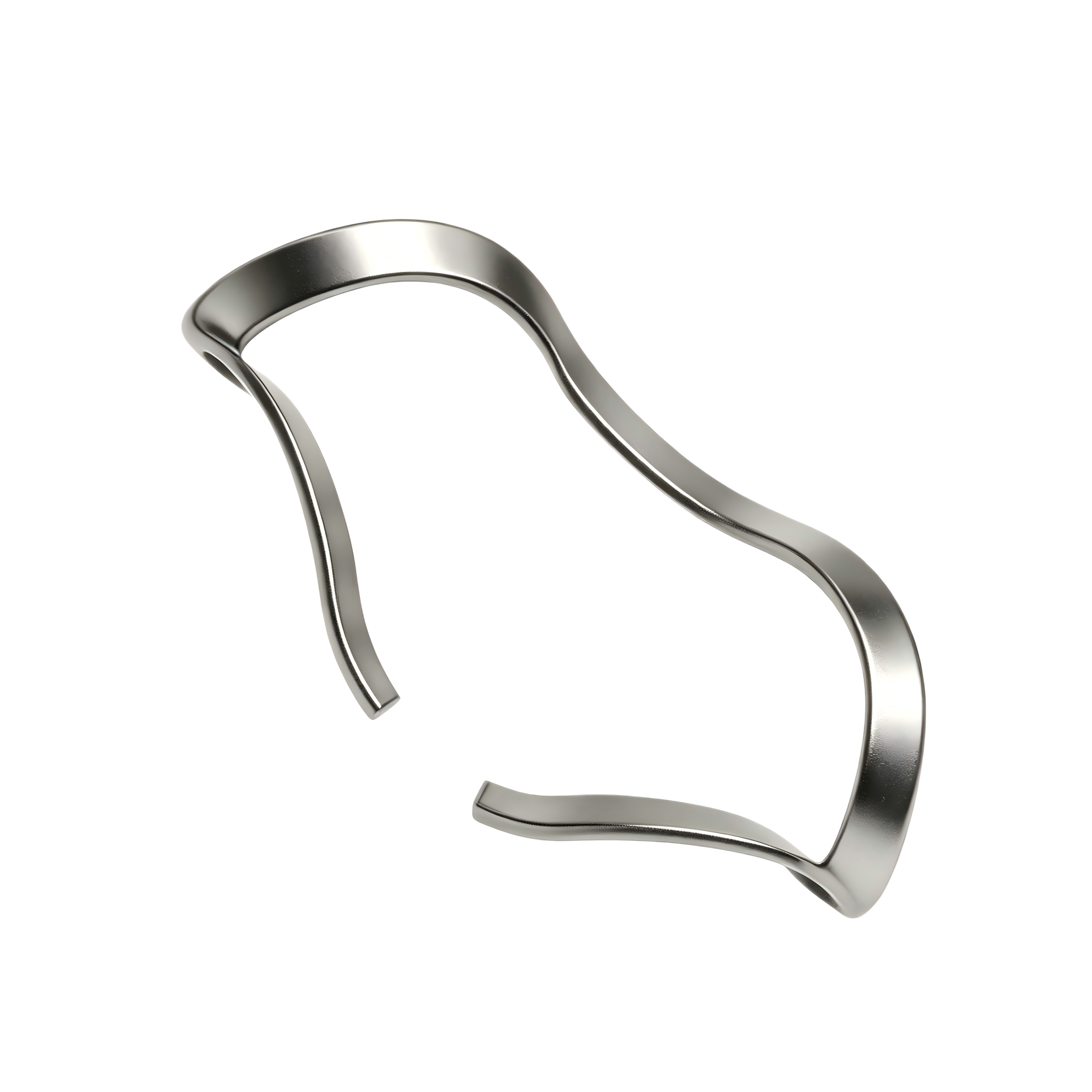
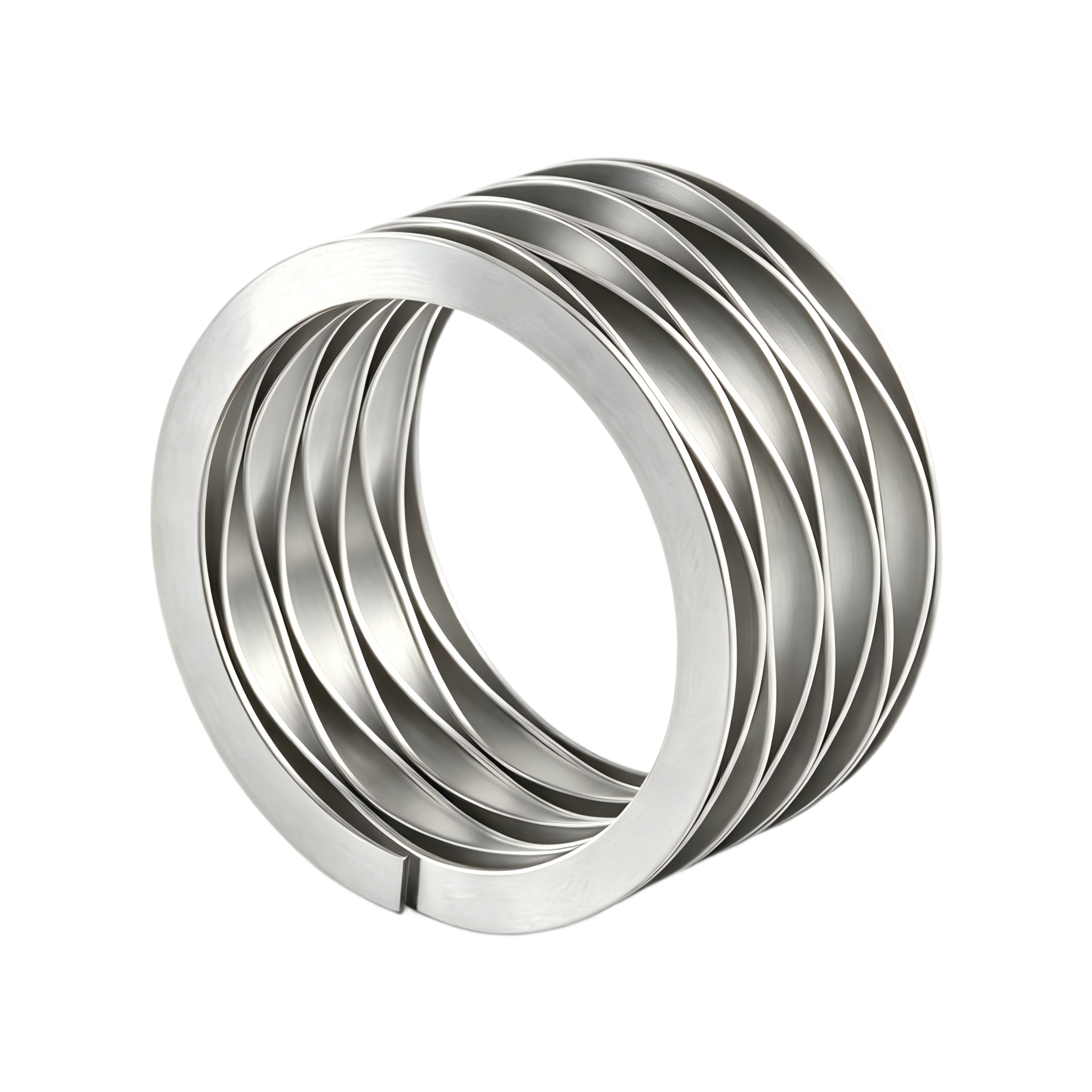
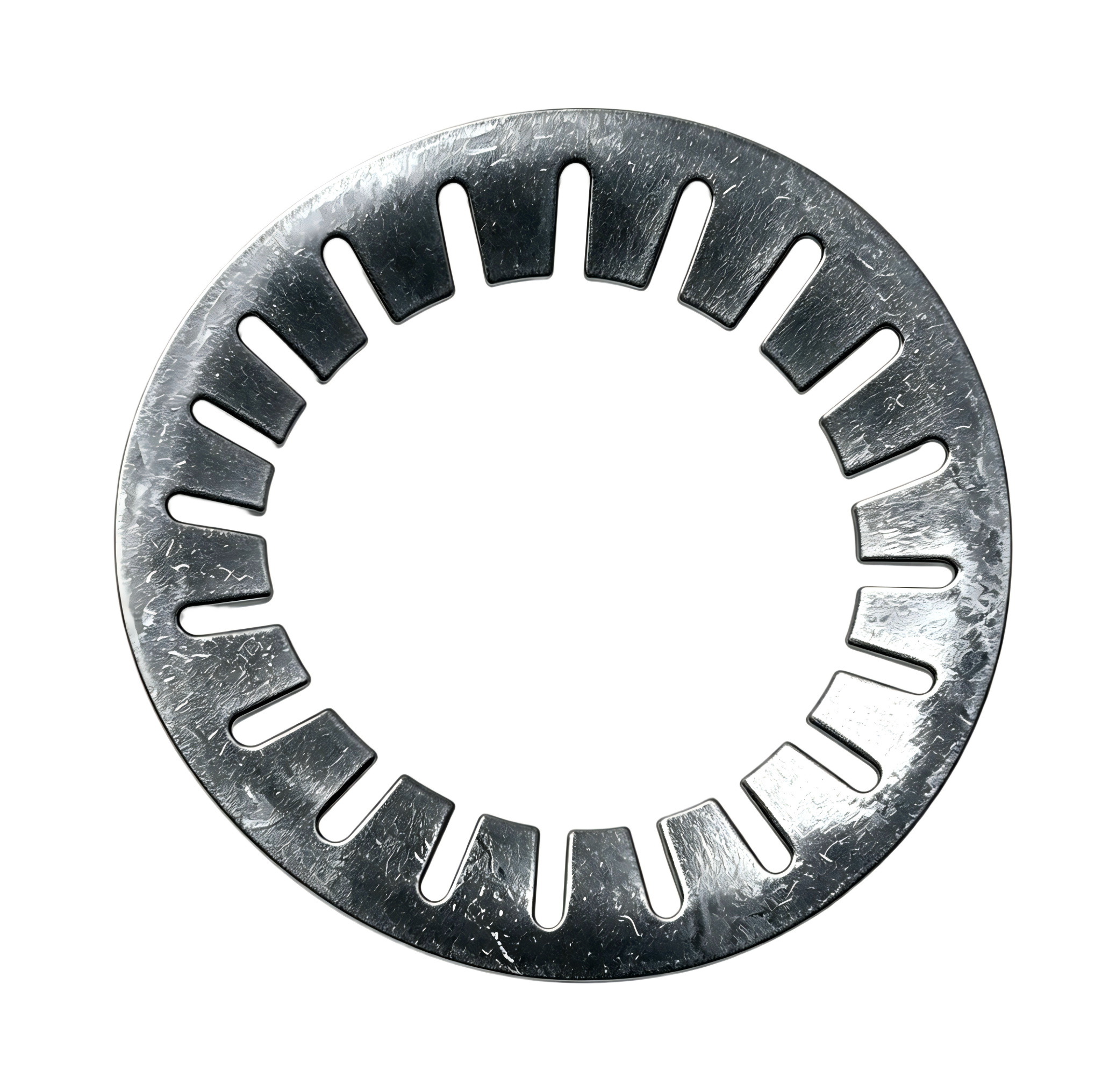
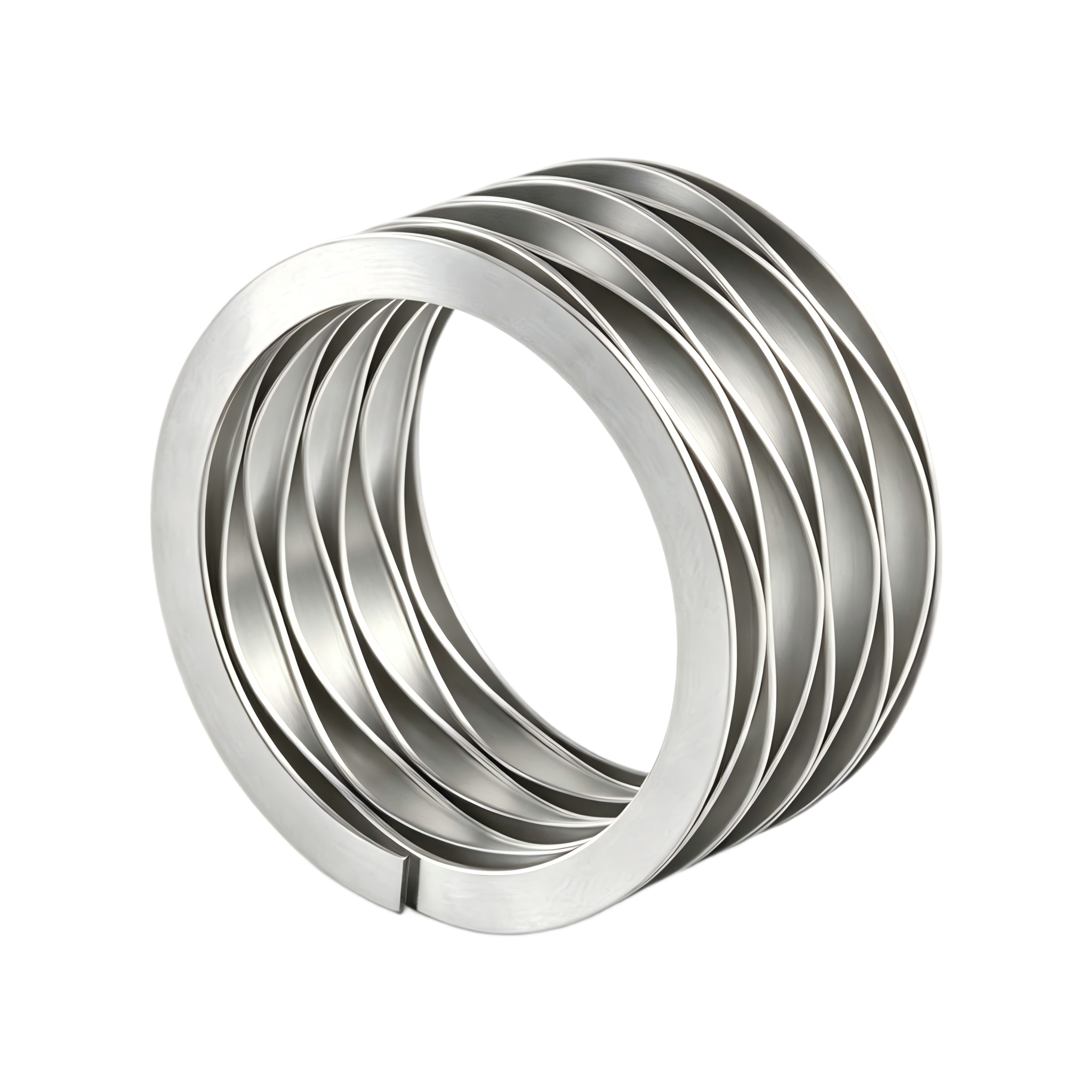
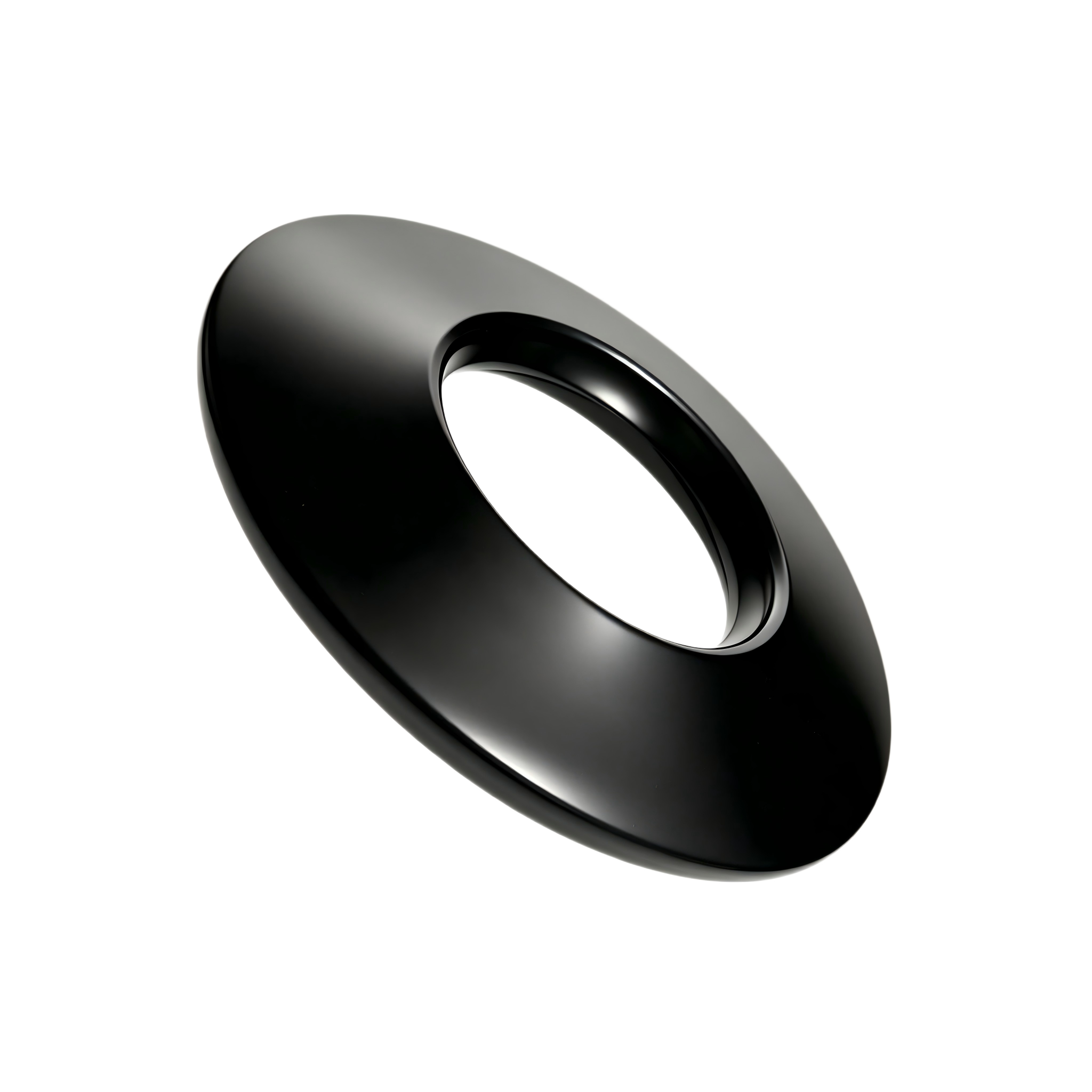
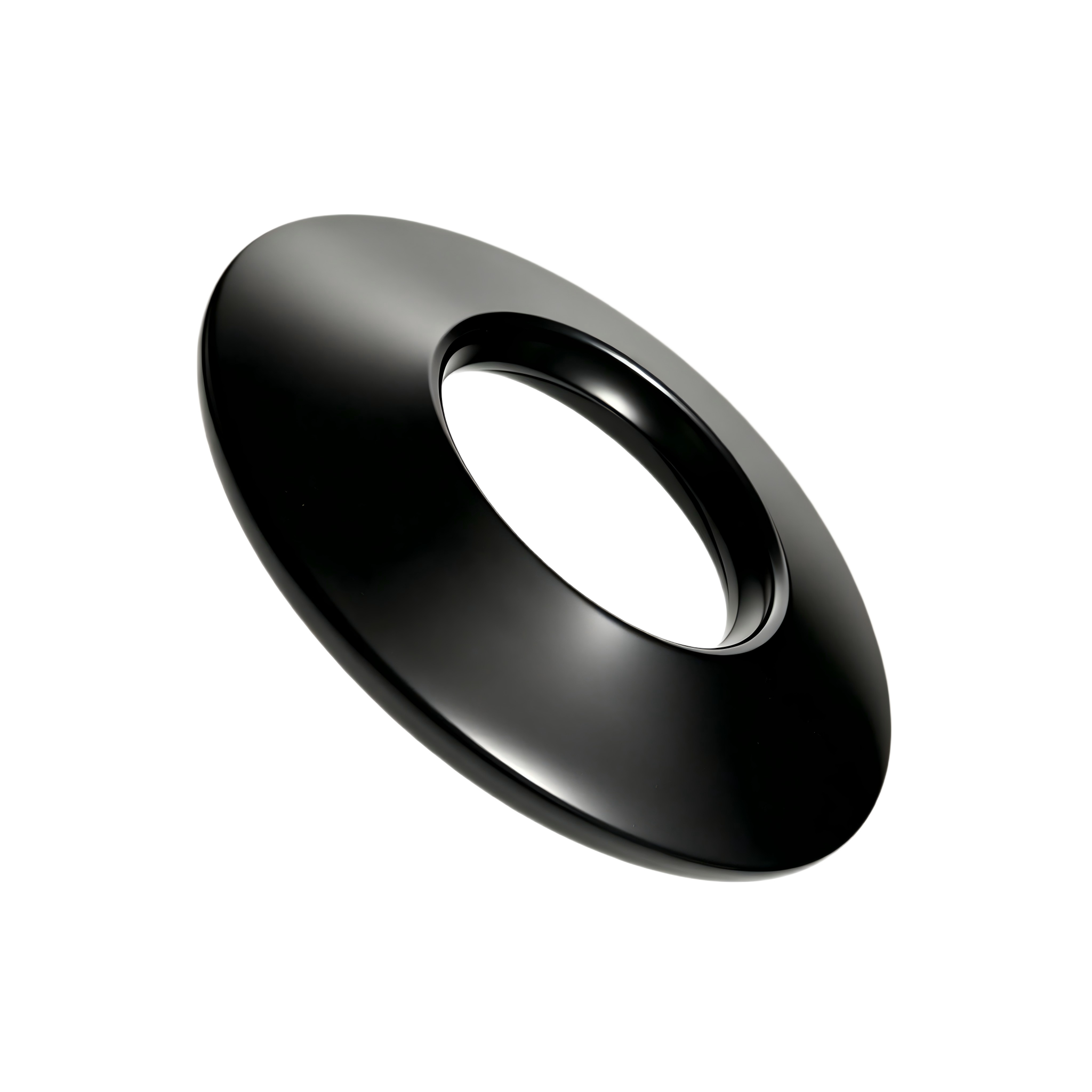
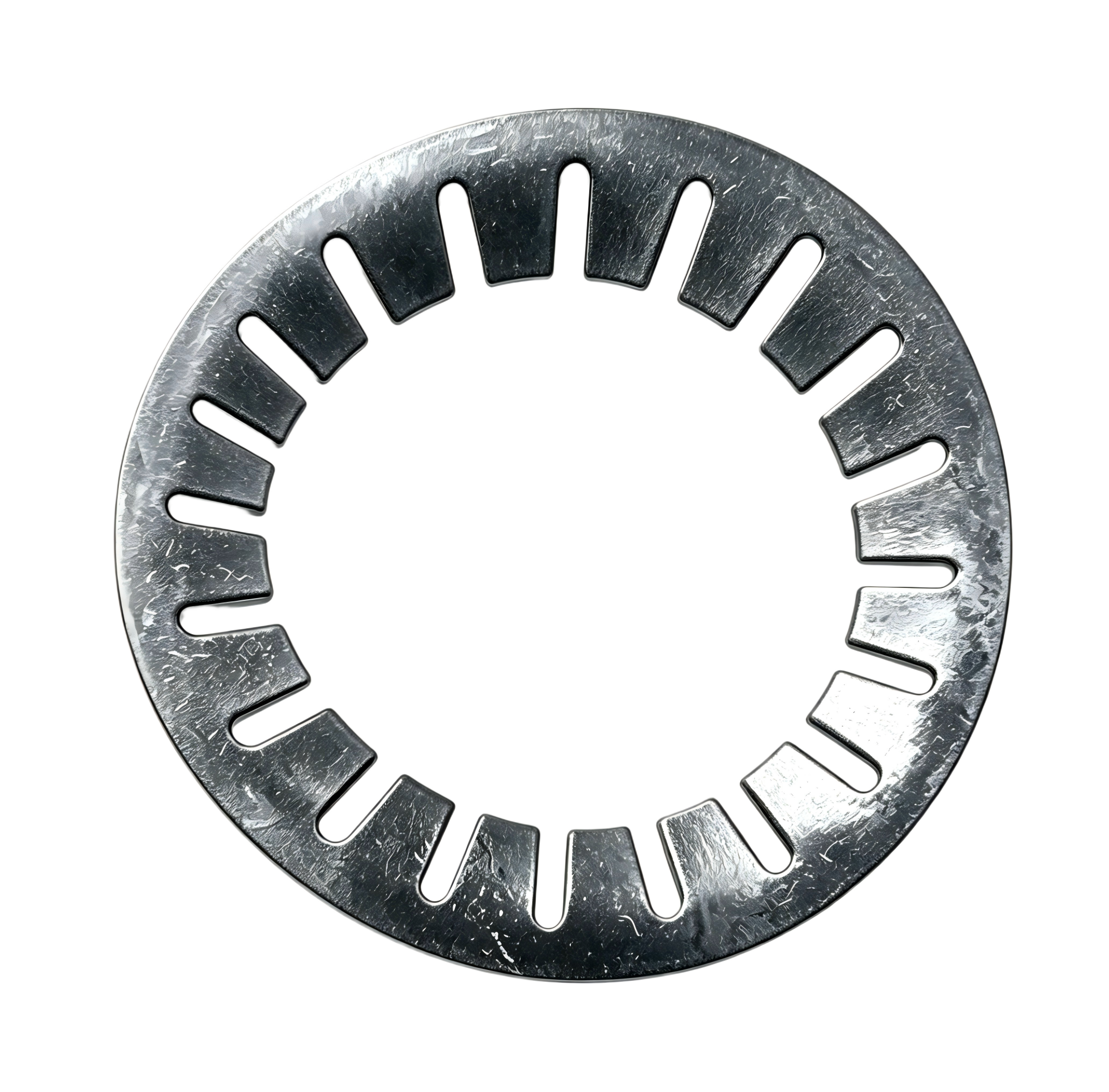


What Is a Disc Spring?
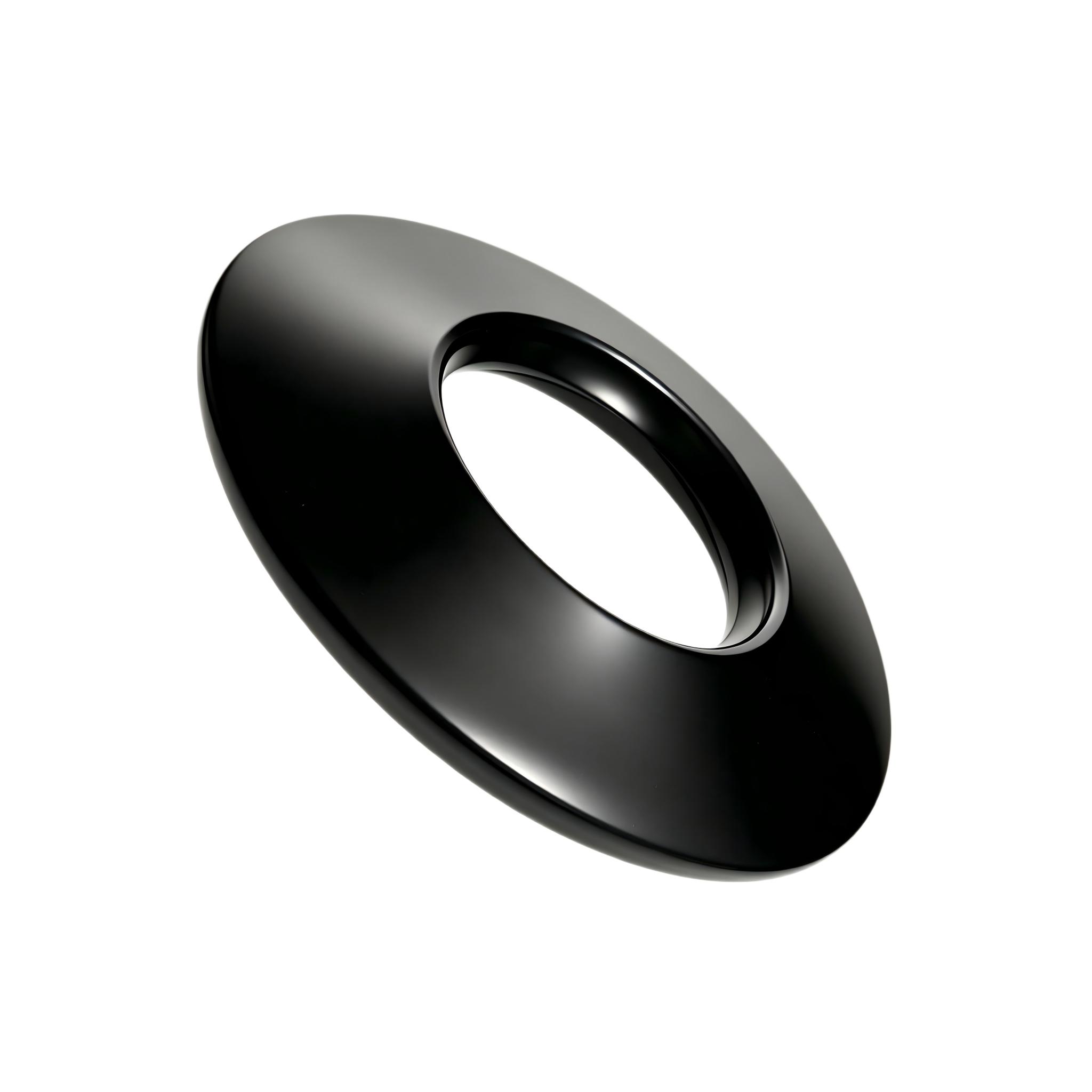
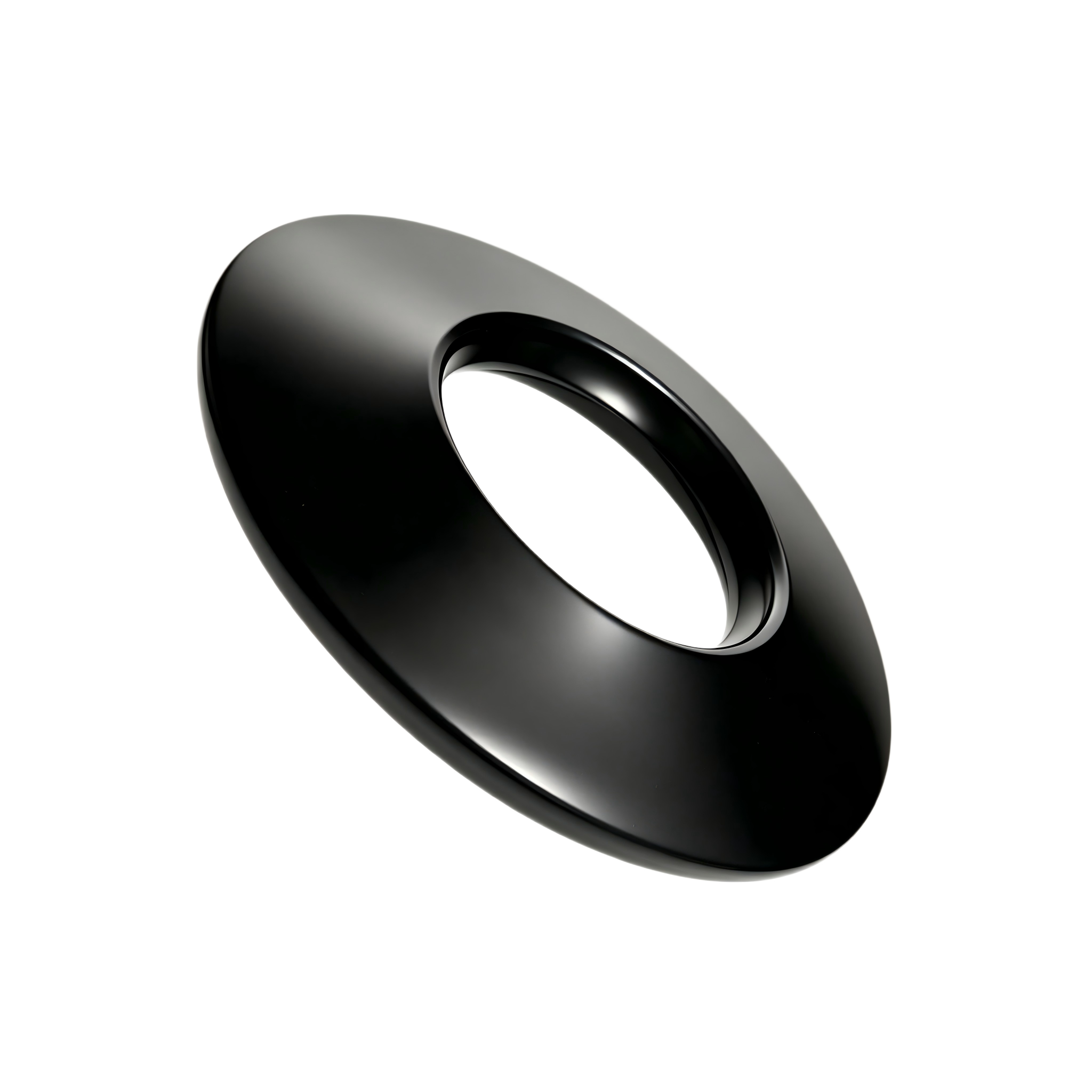
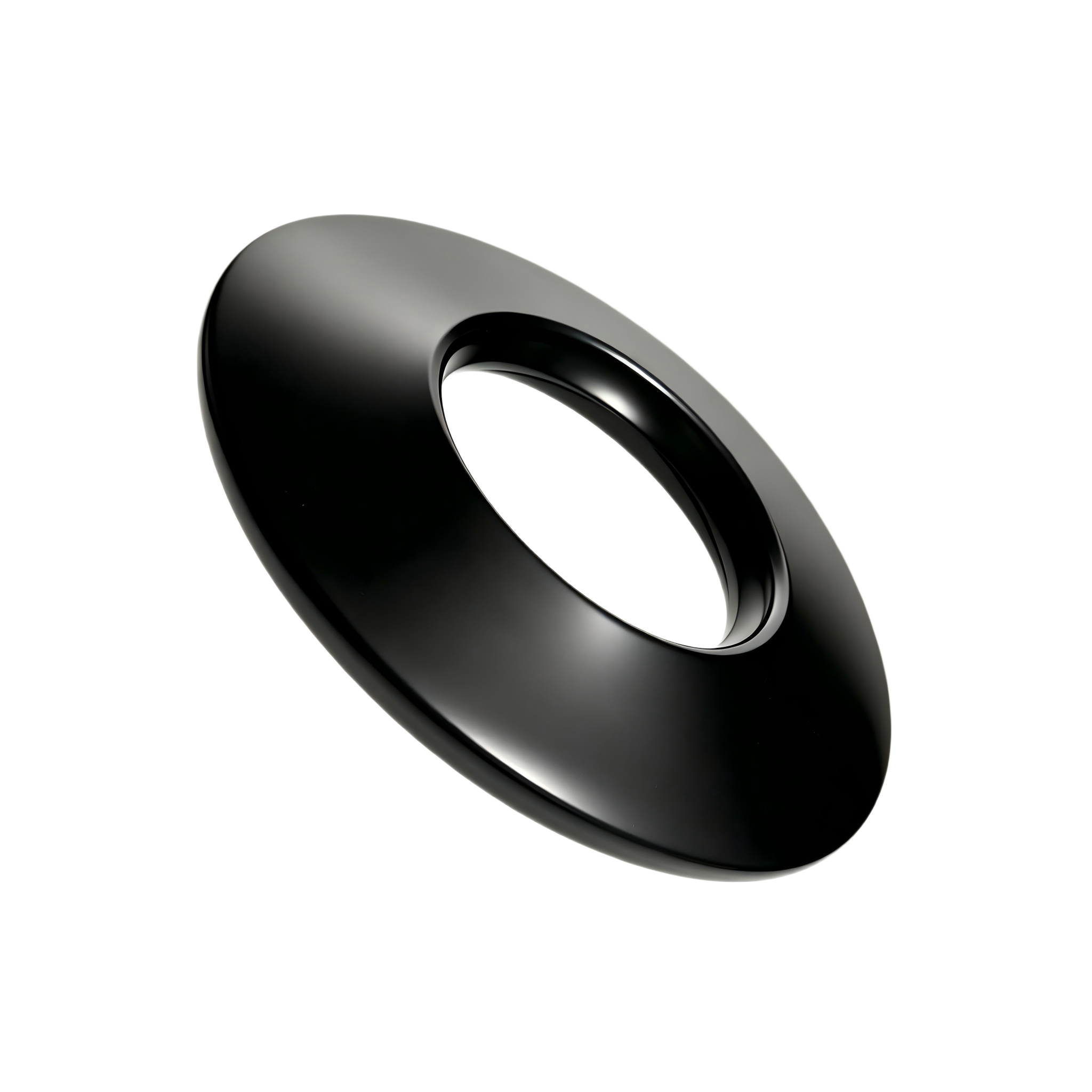
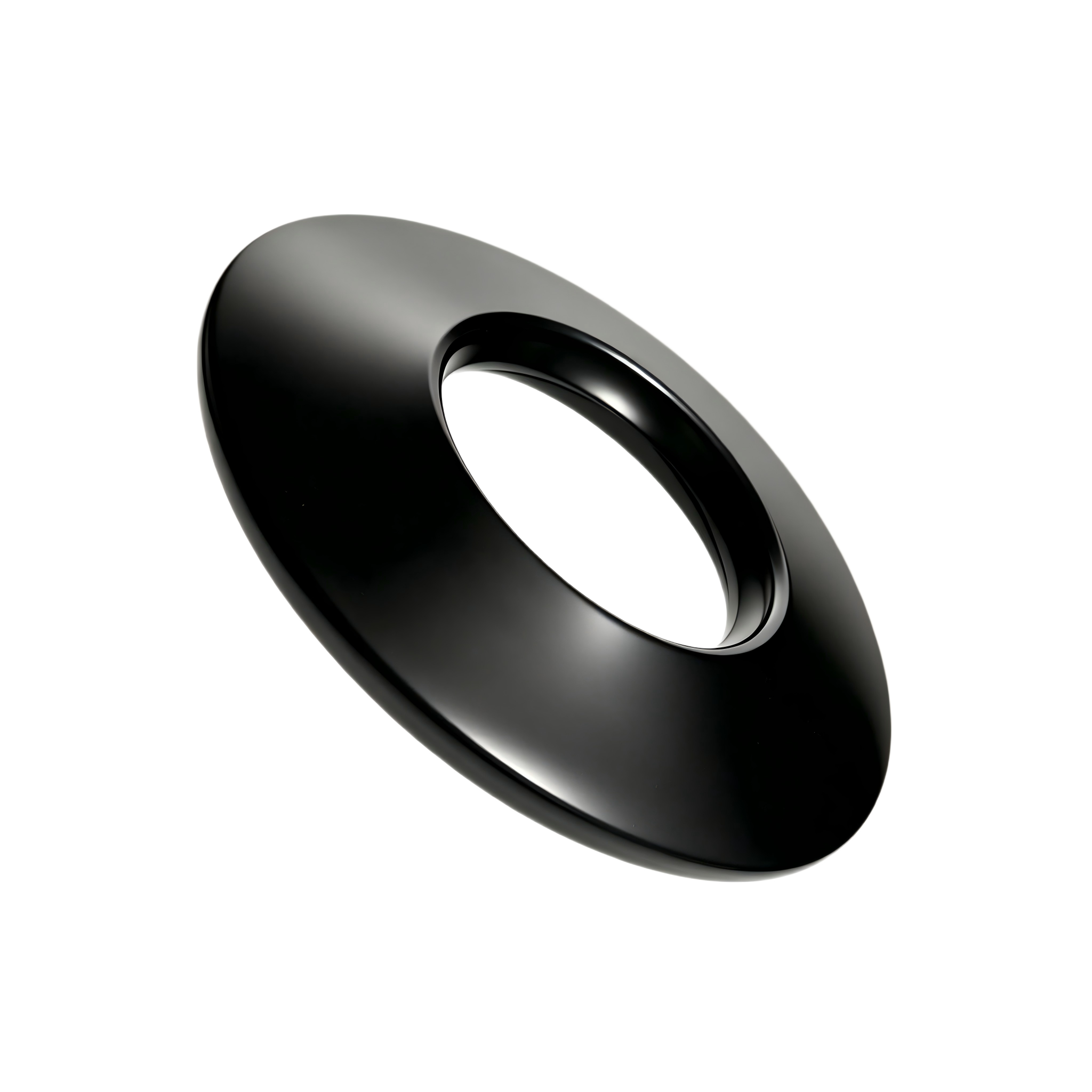
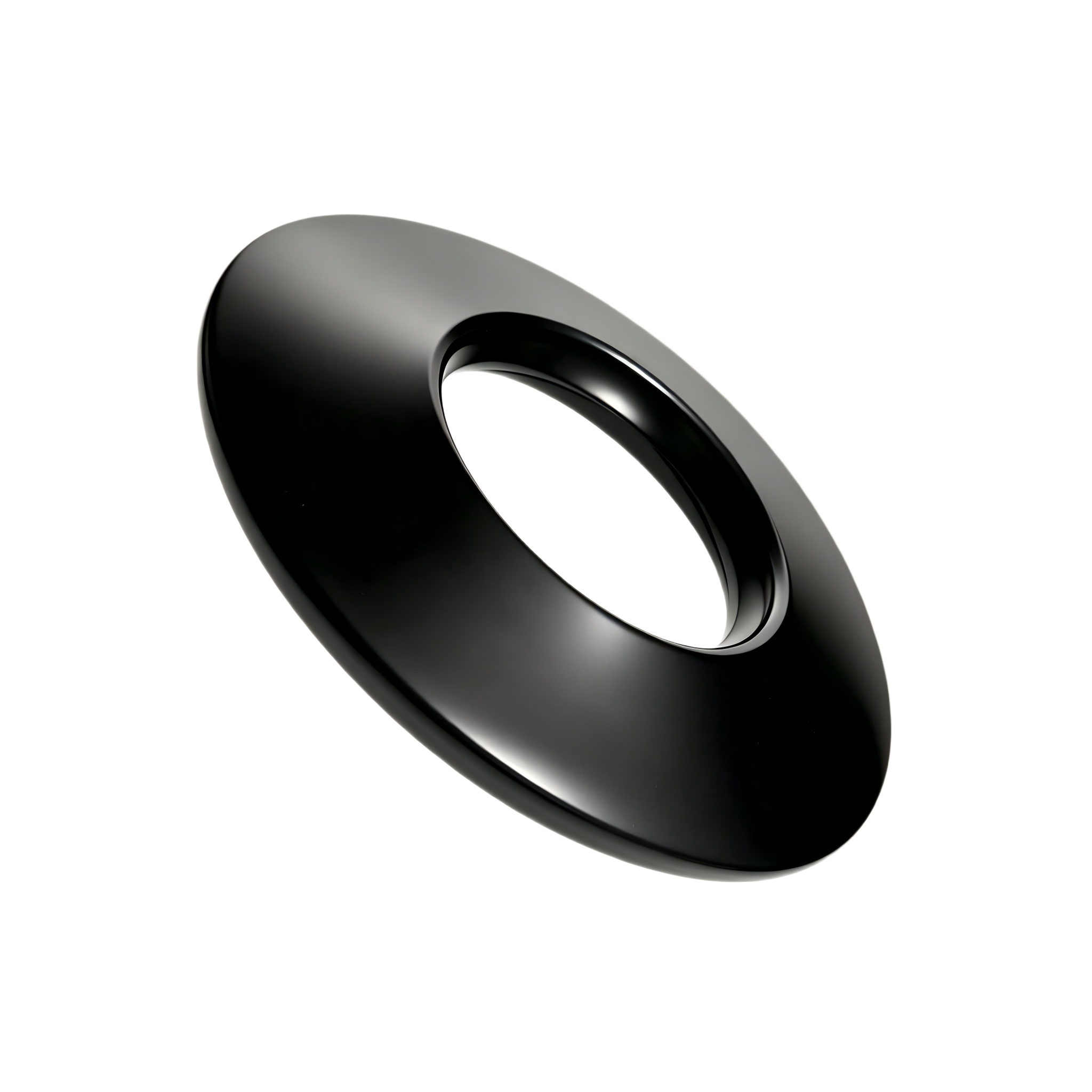
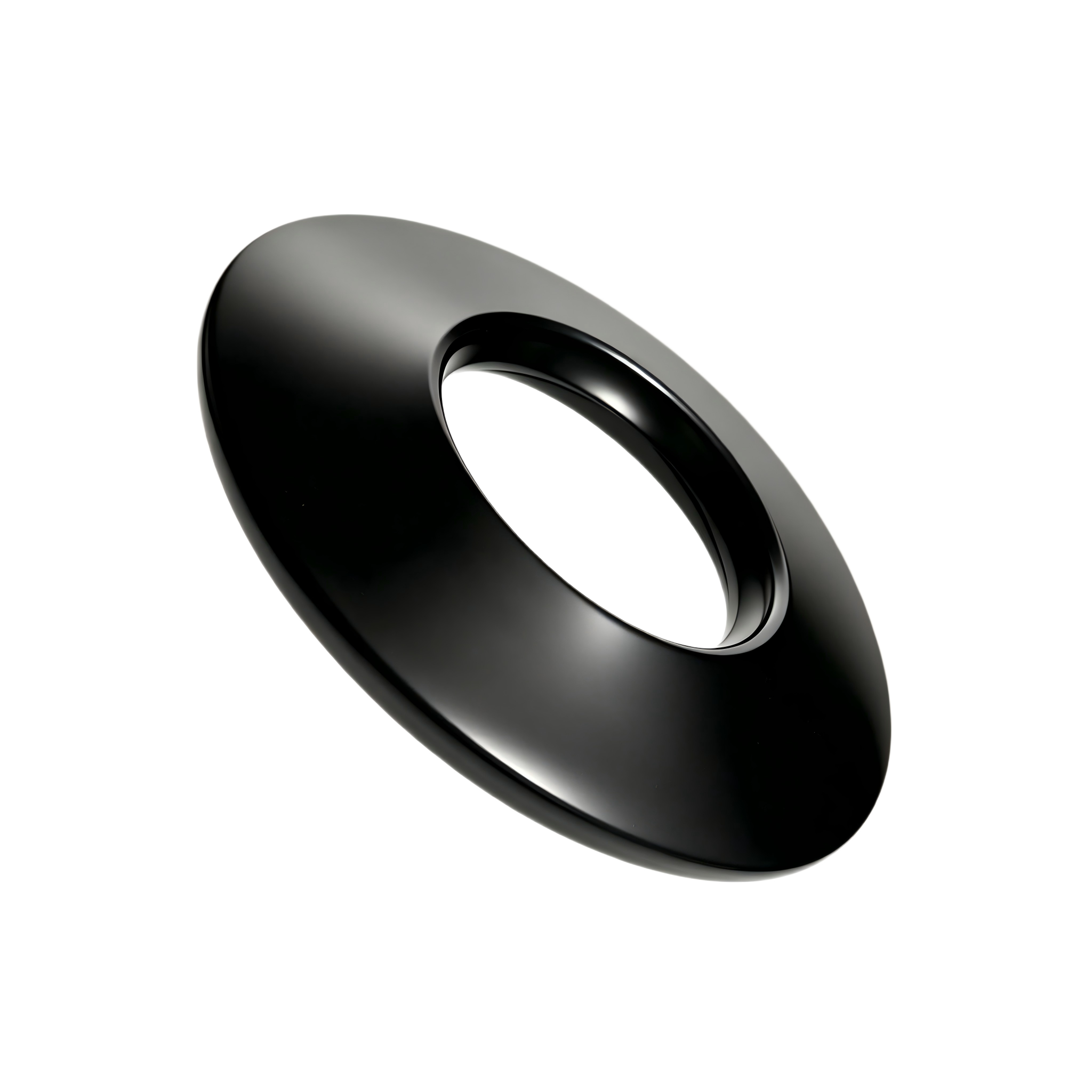
A disc spring is a conical-shaped spring designed to deliver high force in a compact space. When compressed, the spring flattens and stores mechanical energy, then returns to its original shape once the load is removed. Disc springs are widely used in applications requiring high loads, precise deflection control, and reliable performance in limited space.
Characteristics of a Disc Spring
- High Force in a Small Space: Provides much higher load capacity than coil springs of similar size.
- Compact and Efficient: Ideal where installation space is restricted.
- Stackable Design: Springs can be arranged in series, parallel, or combinations to achieve specific force–deflection curves.
- Predictable Performance: Delivers consistent and controllable force under heavy loads.
- High Fatigue Strength: Designed for repeated cycles in demanding environments.
- Wide Material Options: Available in carbon steel, stainless steel, and high-performance alloys.
- Customizable Geometry: Thickness, outer/inner diameter, and stacking patterns can be tailored for the required load.
How Disc Springs Work
A disc spring works by resisting force when it is compressed. When a load is applied:
The conical disc flattens, decreasing its height.
Mechanical energy is stored within the material due to deformation.
Once the load is released, the spring returns to its original conical form, providing strong restoring force.
By stacking multiple disc springs:
Parallel stacking increases force.
Series stacking increases deflection.
Combination stacks allow precise control of both load and travel.
This flexibility makes disc springs ideal for applications that demand high force in a limited space.
Common Materials of Disc Springs
Disc springs are made from various materials to meet load, temperature, and environmental requirements:
- Carbon Steel: Standard choice for general industrial applications.
- Stainless Steel (e.g., 301, 302, 17-7PH): Corrosion-resistant for moisture, chemicals, and outdoor environments.
- Alloy Steel (e.g., Chrome Vanadium, Chrome Silicon): Excellent for high-stress or high-temperature uses.
- Inconel: Suitable for extreme temperatures and corrosive industrial environments.
- Hastelloy: Ideal for chemical processing and highly corrosive environments.
- Elgiloy: High strength, corrosion resistance, and excellent fatigue performance.
- Titanium: Lightweight with strong corrosion resistance for aerospace or weight-critical applications.
Key Advantages of Disc Springs
- High Load Capacity: Delivers strong force in a compact size.
- Space-Saving Design: Works efficiently where space is limited.
- Flexible Stacking Options: Easily adjustable force and deflection characteristics.
- Long Service Life: Designed to endure repeated heavy loading cycles.
- Highly Customizable: Diameter, thickness, and stacking arrangements tailored to performance needs.
- Stable and Predictable Force: Ideal for precise load control and vibration management.
- Wide Material Selection: Suitable for standard, corrosive, and extreme environments.
- Minimal Maintenance: Simple mechanical structure with excellent durability.
Applications of Disc Springs
- Automotive & Transportation: Used in brakes, clutches, suspensions, and safety systems.
- Industrial Machinery: Provides controlled force in valves, presses, couplings, and heavy-duty assemblies.
- Aerospace & Defense: Ideal for compact, high-load mechanisms and vibration control components.
- Energy & Power Generation: Used in turbines, bolted joints, and pressure systems.
- Oil & Gas: Resistant to high pressure and corrosive environments in downhole tools and valves.
- Wind & Solar Equipment: Ensures bolt tension stability and shock absorption.
- General Engineering: Found in pumps, actuators, fasteners, and precision mechanisms.