Flange Nuts
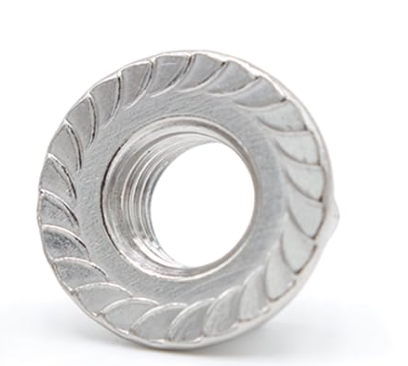
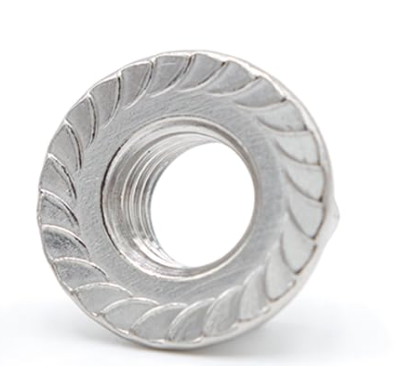
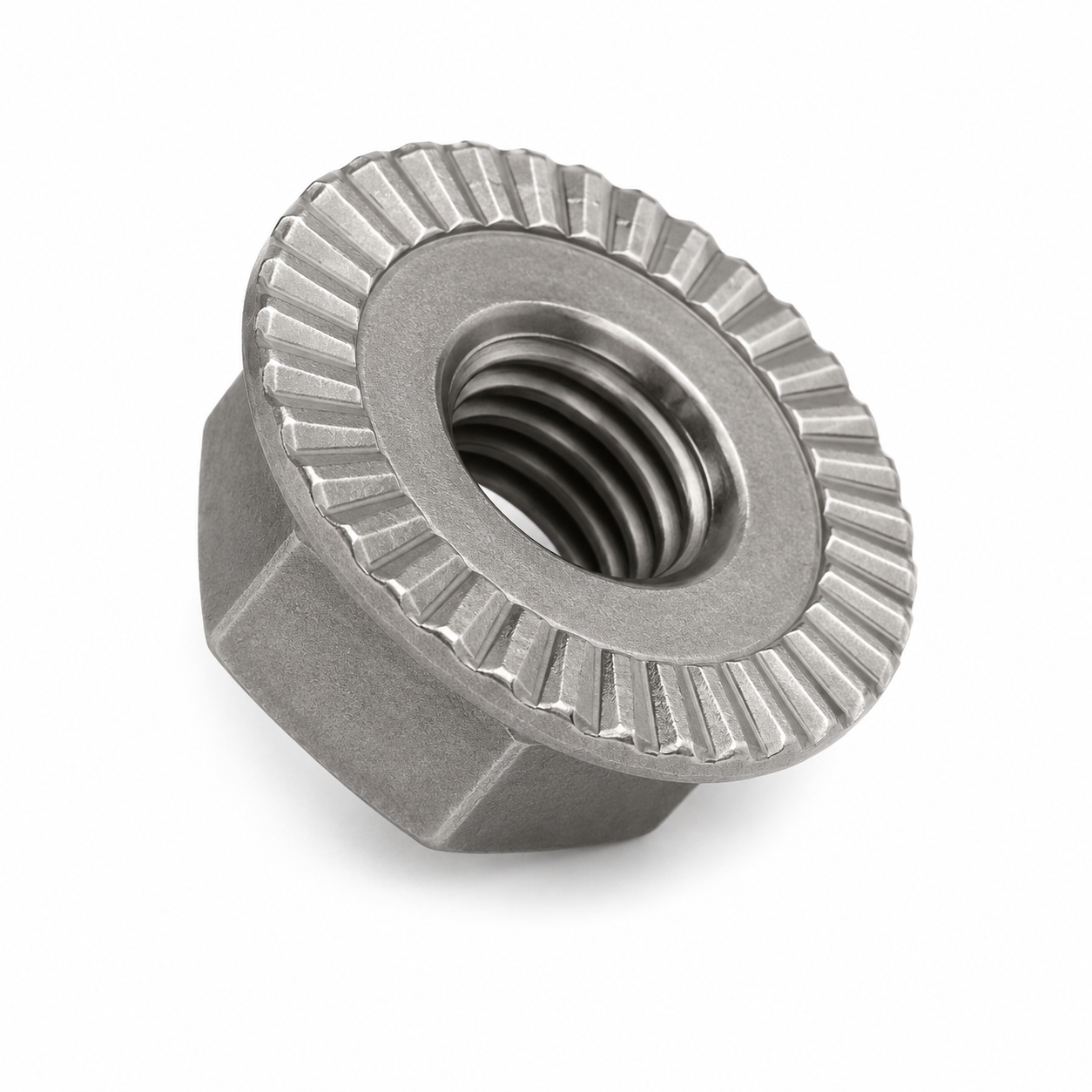
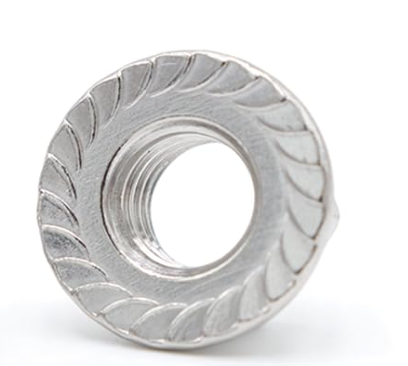
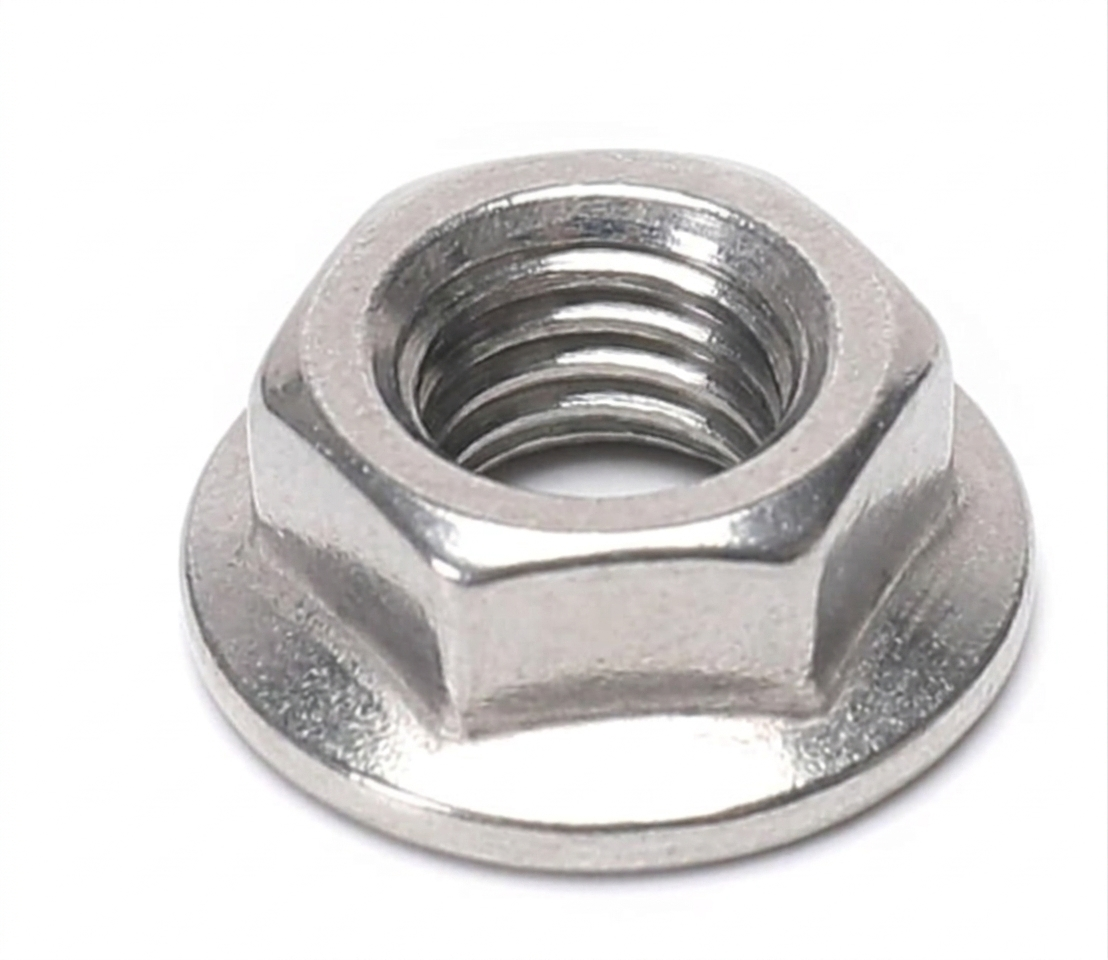
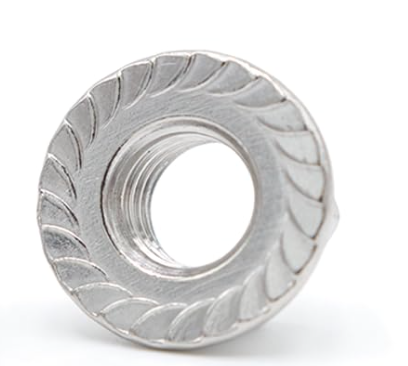
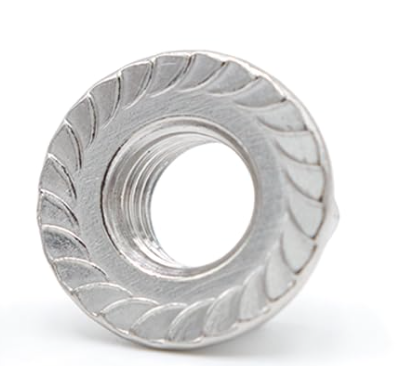
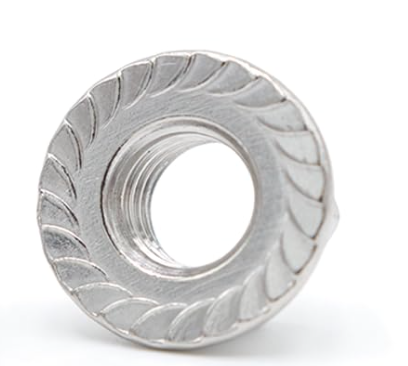
776 ProductsSerrated Flange Locknuts
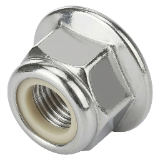
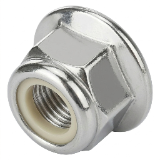
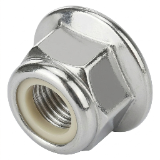
Nylon-Insert Flange Locknuts
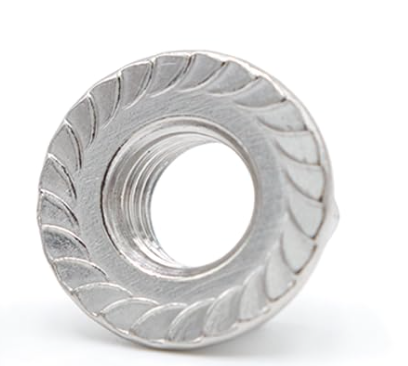
Distorted-Thread Flange Locknuts
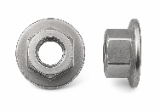
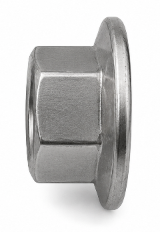
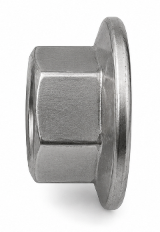
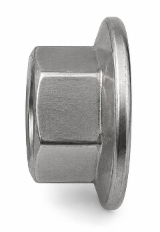
Thread-Forming Flange Locknuts
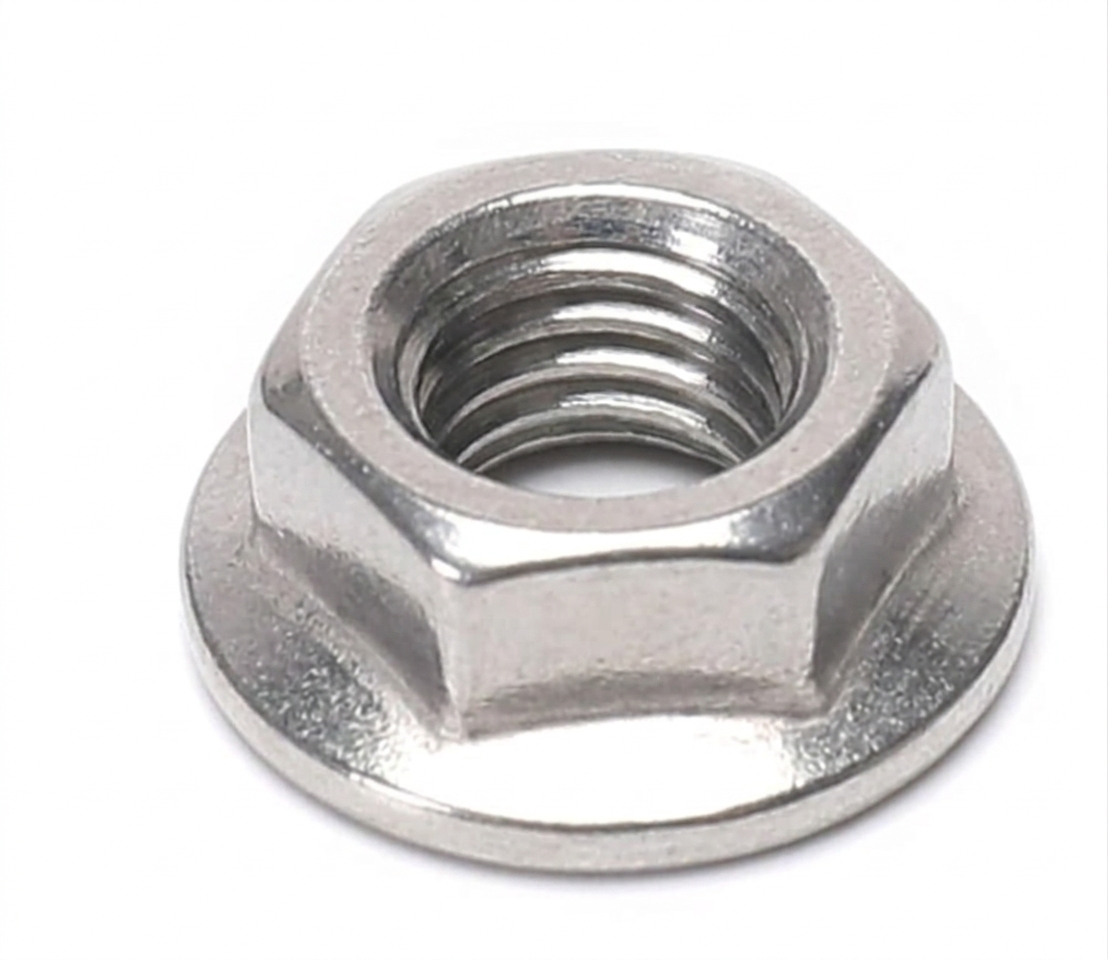
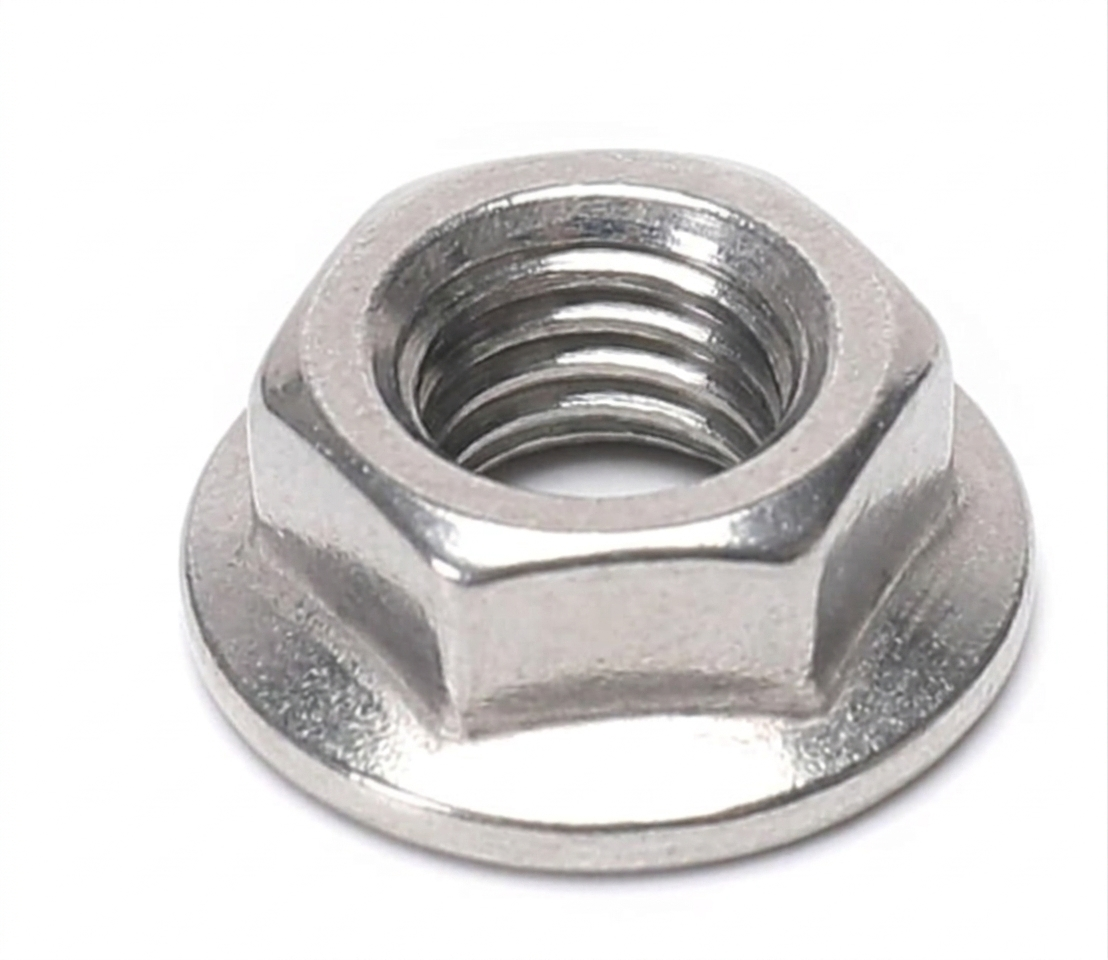
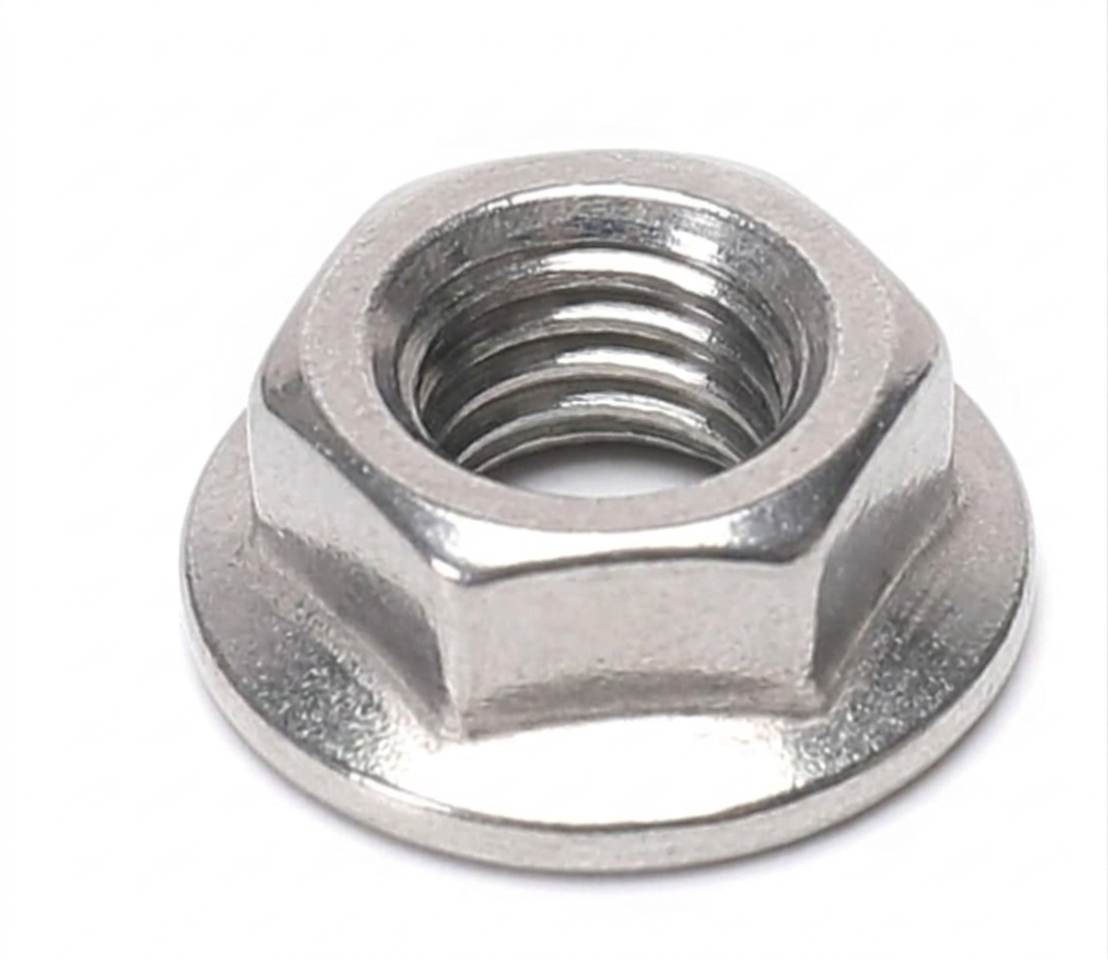
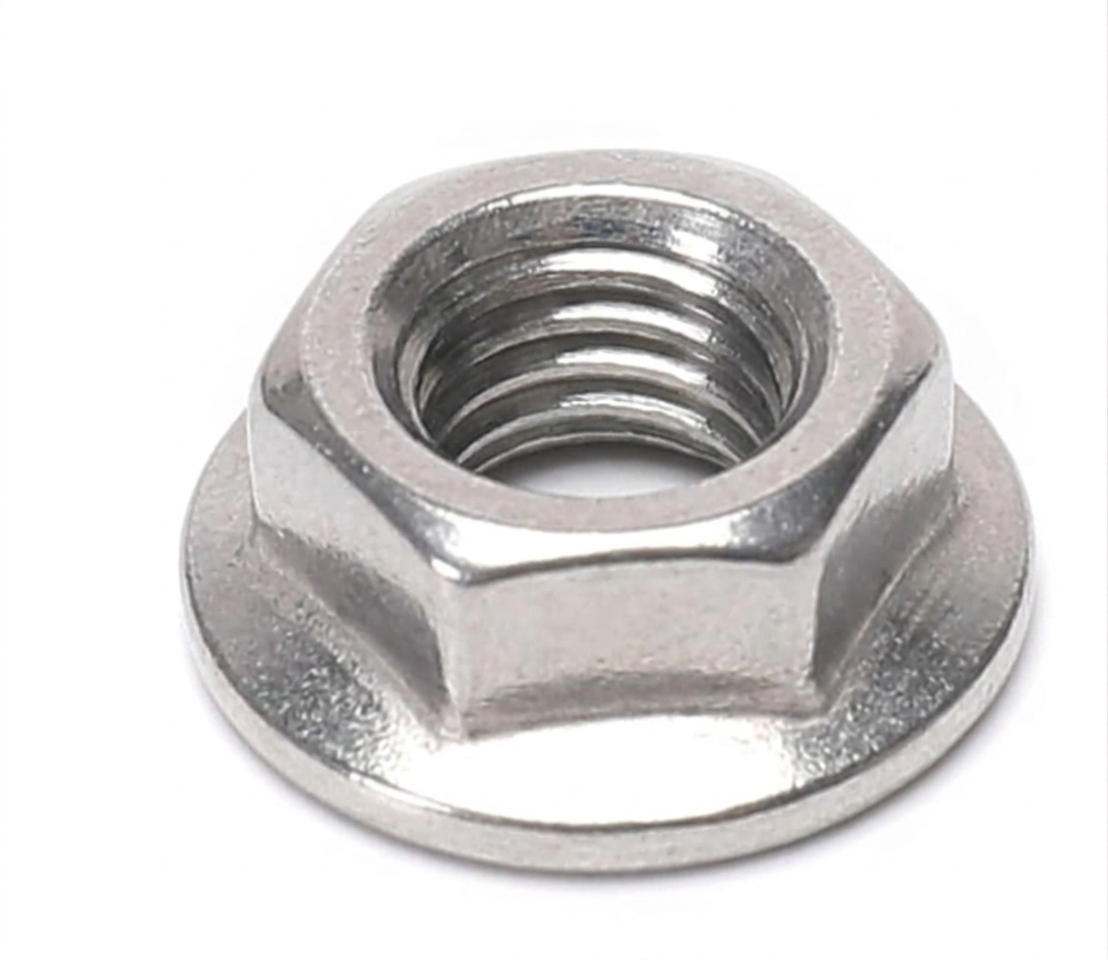
Flange Nuts
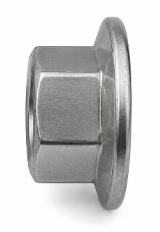
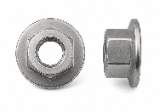
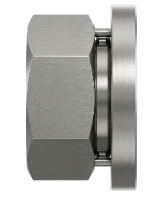
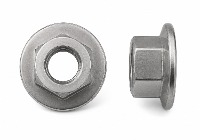
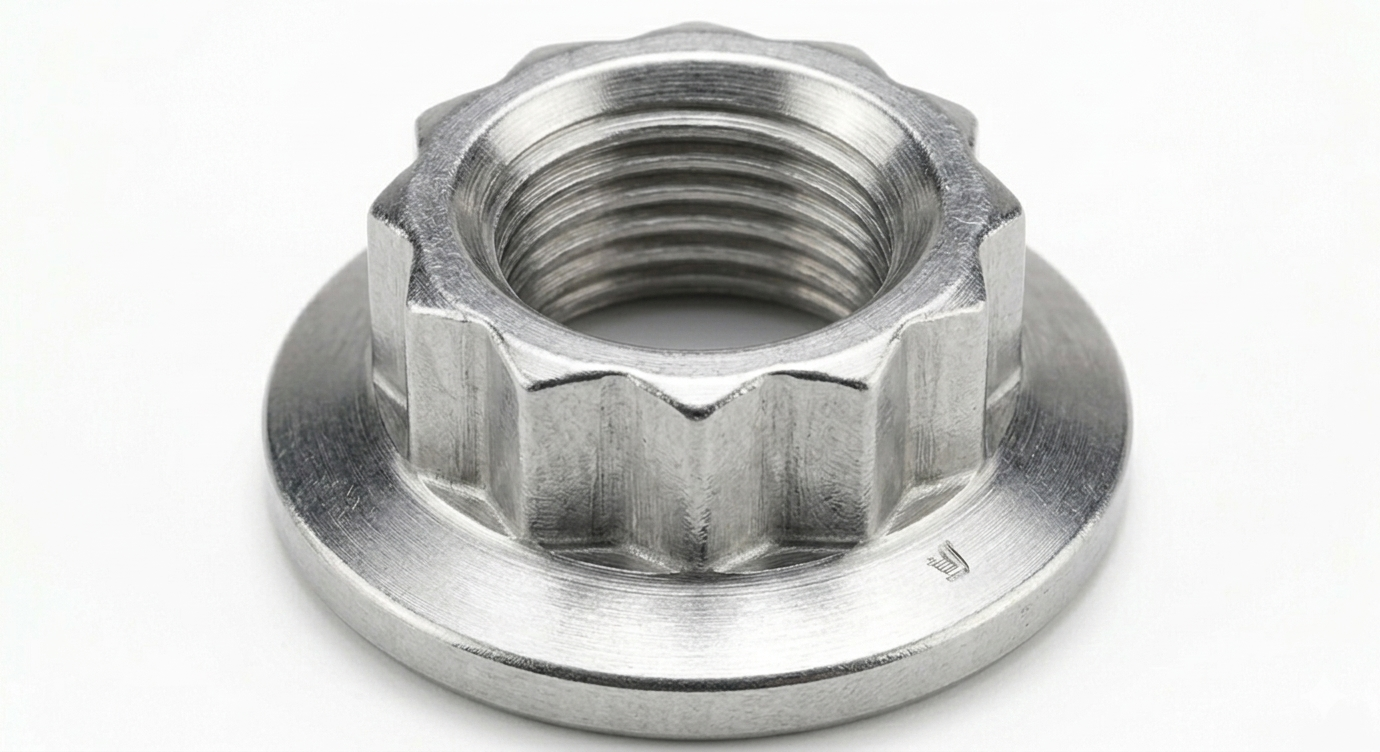
High-Torque 12-Point Flange Nuts
Leveling Flange Nuts
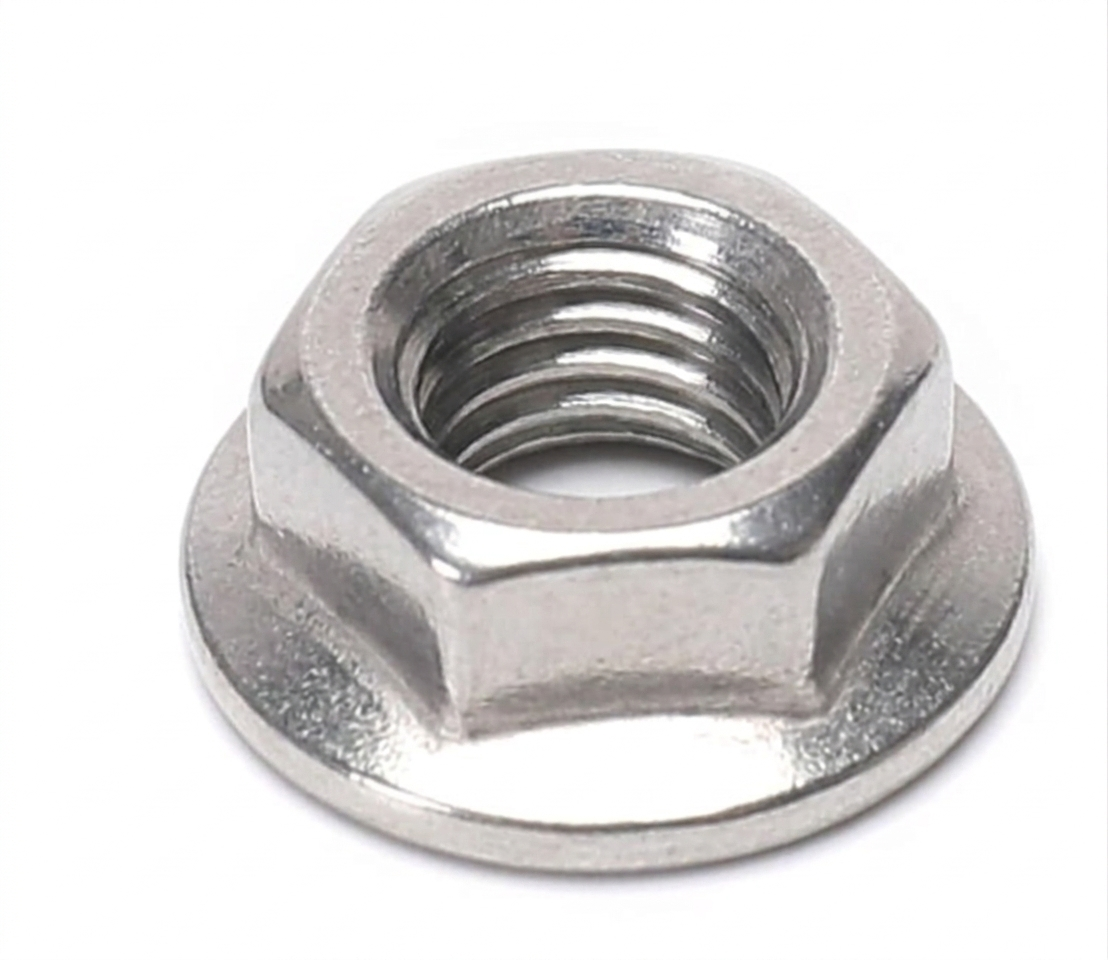
LILY Bearing stocks flange nuts across roughly 40 variations — plain flange nuts graded by strength, three distinct flange locknut locking mechanisms, and specialty types like rotating, leveling, and thread-repairing. Use the filters below, or the comparison table, to narrow down by locking type, function, or material.
Compare Flange Nut Types
| Type | How It Works | Best For | Watch Out For | Materials |
|---|---|---|---|---|
| Standard Flange Nuts (by Strength Grade) | A built-in flange spreads clamp load over a wider area than a plain hex nut; no locking feature | General assembly on softer or thin materials prone to surface damage | No built-in resistance to loosening — add a locknut version for vibration | Steel (multiple grades), 18-8 stainless steel, fiberglass |
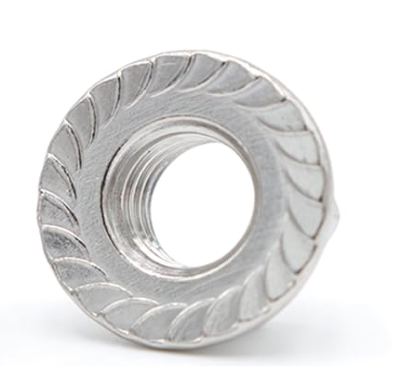
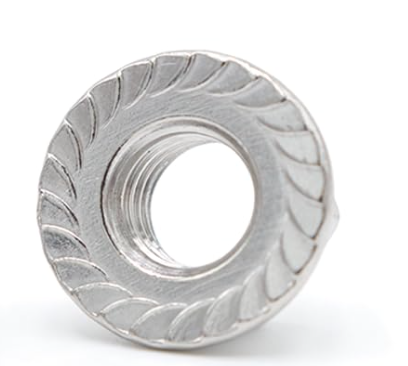
| Serrated Flange Locknuts | Serrated teeth on the flange face bite directly into the mating surface | Vibration resistance on bare metal surfaces where marring is acceptable | The teeth can mar painted, coated, or finished surfaces | Steel, 18-8 stainless steel, brass |
| Nylon-Insert Flange Locknuts | A nylon ring inside the nut grips the bolt threads to resist loosening | Vibration resistance without marring the mating surface | Lower temperature ceiling than all-metal (distorted-thread) locking | Steel, stainless steel |
| Distorted-Thread Flange Locknuts | A deformed section of internal thread grips the bolt — no plastic insert | High-temperature environments where a nylon insert would degrade | Generally requires more installation torque than a nylon-insert type | Steel, stainless steel |
| Thread-Forming Flange Locknuts | An all-nylon nut forms its own mating thread pattern as it's tightened onto the bolt | Low-cost, vibration-resistant fastening in lighter-duty assemblies | Limited temperature range (roughly -40° to 185°F) and lower strength than metal options | Nylon 6/6 plastic |
| Rotating Flange Nuts | The flange spins independently of the threaded body, so it doesn't turn with the nut during tightening | Protecting a finished or coated surface from galling or scratching during installation | No locking feature — pair with a lock washer if vibration is a concern | Steel |
| Leveling Flange Nuts | A pivoting flange/washer combination self-aligns up to a few degrees of tilt | Leveling bolts or adjustable feet on machinery and equipment | Correction angle is limited (roughly 1.5°) — not for major surface misalignment | Steel, stainless steel |
| High-Torque 12-Point Flange Nuts | A 12-point drive gives a wrench or socket more contact points than a standard hex | High-torque applications in tight spaces where a standard hex socket might slip | Requires a 12-point socket or wrench — a standard hex socket won't seat properly | Steel |
| Thread-Repairing Flange Nuts | Works like a thread-cutting die, reforming damaged threads and clearing rust or weld spatter as it's installed | Salvaging a bolt or stud with damaged threads instead of replacing it | Not a substitute for a standard flange nut in undamaged-thread applications | Zinc-flake-coated steel |
Choosing a Flange Locknut Mechanism
A plain flange nut has no built-in resistance to loosening — it only spreads clamp load over a wider area. If you need vibration resistance, three flange locknut mechanisms cover different trade-offs: serrated locknuts bite into the mating surface for strong grip but can mar finished surfaces; nylon-insert locknuts protect the surface but are limited to moderate temperatures; and distorted-thread (all-metal) locknuts hold up in higher-temperature environments where a nylon insert would degrade, at the cost of higher installation torque.
Need a Custom Flange Nut or a Part Cross-Reference?
Working from an existing McMaster-Carr or manufacturer part number? Our team can cross-reference it to an equivalent LILY Bearing flange nut, or quote a custom material, locking type, or finish. Request a Quote or Contact Us.
Frequently Asked Questions
What's the difference between a serrated and a nylon-insert flange locknut?
A serrated flange locknut has teeth on the flange face that bite into the mating surface for grip, which can mar painted or coated finishes. A nylon-insert flange locknut instead grips the bolt threads themselves with a plastic ring, protecting the mating surface but with a lower temperature limit.
What does a rotating flange nut do?
The flange rotates independently of the threaded body, so it stays stationary against the material's surface while the nut itself turns during tightening. This prevents the flange from scratching or galling a finished surface.
When would I use a leveling flange nut instead of a standard one?
Use a leveling flange nut with a leveling bolt or adjustable foot when the mounting surface isn't perfectly flat. Its pivoting design can self-correct for a small amount of tilt (roughly 1.5°), which a standard flange nut can't accommodate.
Can a thread-repairing flange nut fix a damaged bolt?
Yes, within reason. As it's threaded on, it reforms lightly damaged threads and clears debris like rust or weld spatter, similar to running a thread-cutting die over the bolt. It's meant to salvage a fastener with minor thread damage, not repair a severely stripped or bent bolt.