Tapping Screws
707 Products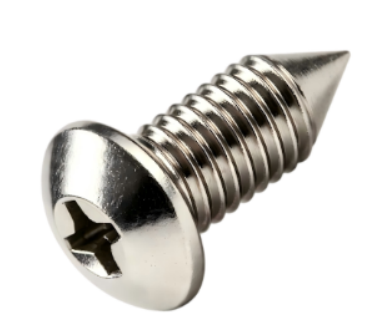
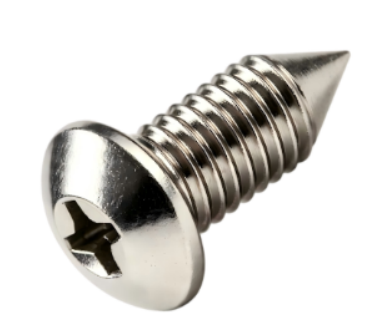
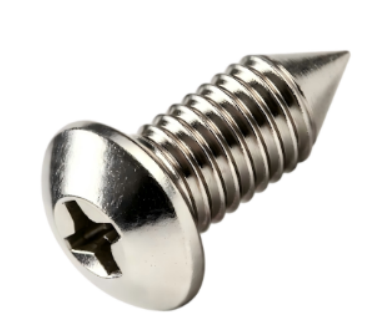
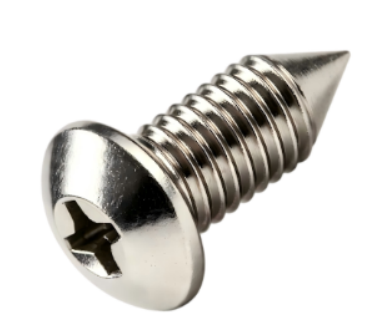
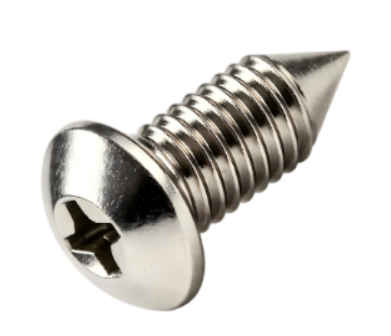
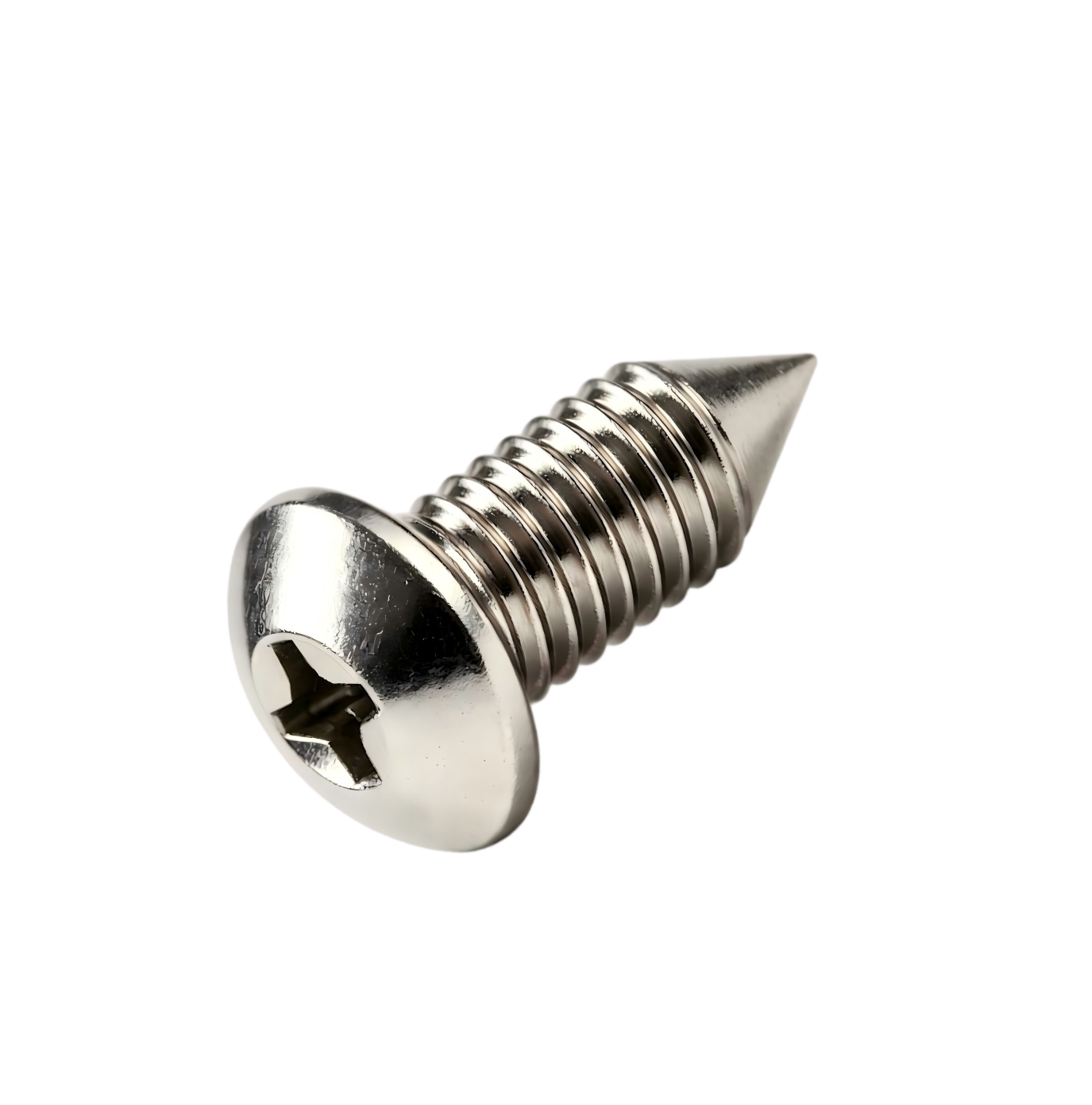
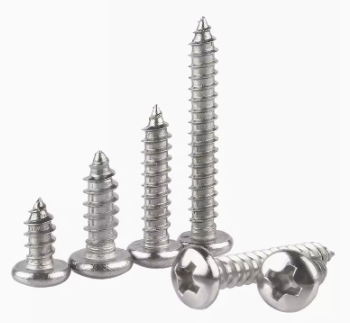
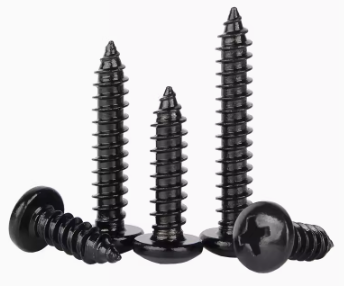
LILY Bearing stocks tapping screws (also called self-tapping or sheet metal screws) with a rounded/pan head, in slotted, Phillips, square-drive, Torx, and combination slotted/Phillips drive styles. Unlike a machine screw, a tapping screw cuts its own mating threads as it's driven into a pre-drilled pilot hole, so no separate nut or pre-tapped hole is needed. Screws are available in steel, aluminum, 18-8 stainless steel, 410 stainless steel, and 316 stainless steel. Use the filters below, or the comparison table, to narrow down by drive style, material, thread size, and length.
Compare by Drive Style
| Drive Style | Driven With | Best For | Watch Out For |
|---|---|---|---|
| Slotted | A flat-blade screwdriver | Traditional or decorative sheet metal assembly | Prone to cam-out (the driver slipping out) at higher driving speed or torque |
| Phillips | A Phillips (cross-point) screwdriver | General-purpose sheet metal assembly, including power-driven installation | Also prone to cam-out, though less than slotted |
| Square-Drive | A square-tip (Robertson-style) driver | High-speed power-driven assembly where cam-out resistance matters | Requires a square-drive bit not always found in general toolkits |
| Torx | A Torx (star-shaped) driver | High-torque, high-speed assembly needing the most consistent torque transfer | Requires a Torx driver in the matching size |
| Combination Slotted/Phillips | Either a flat-blade or Phillips screwdriver | Field service or maintenance work where driver availability is uncertain | Shares the cam-out tendencies of both slotted and Phillips |
Most drive styles are available in steel, aluminum, and stainless steel — 18-8 for general corrosion resistance, 410 for higher strength, and 316 for the most demanding corrosive environments.
Need a Custom Tapping Screw?
Don't see the drive style, material, or length you need? Our team can cross-reference an existing part or quote a custom configuration. Request a Quote or Contact Us. LILY Bearing also offers customized fastener services.
Frequently Asked Questions
What is the difference between a tapping screw and a machine screw?
A machine screw is designed to thread into a pre-tapped hole or nut that already has matching internal threads. A tapping screw (also called a self-tapping screw) cuts its own internal threads into a plain, pre-drilled pilot hole as it's driven in — there's no need to tap the hole first or use a separate nut. This makes tapping screws well suited for joining sheet metal, where pre-tapping every hole isn't practical.
What pilot hole size should I use for a tapping screw?
The correct pilot hole size depends on the screw's thread size, the thread-forming style, and the thickness and hardness of the sheet metal being joined — too small a hole makes the screw difficult to drive and risks stripping, while too large a hole reduces holding power. Check the manufacturer's drill-size chart for your specific screw before drilling.