Threaded Rods and Studs
5472 Products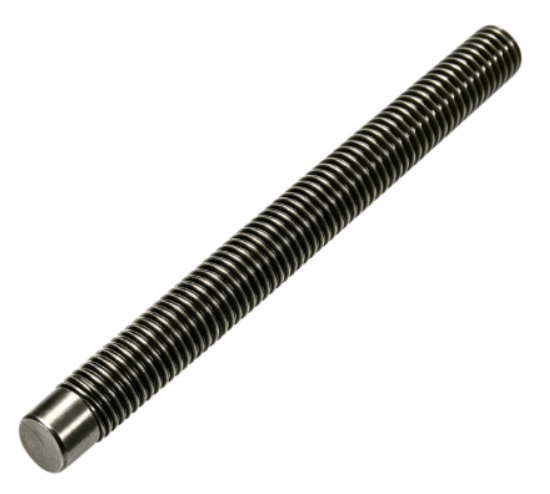
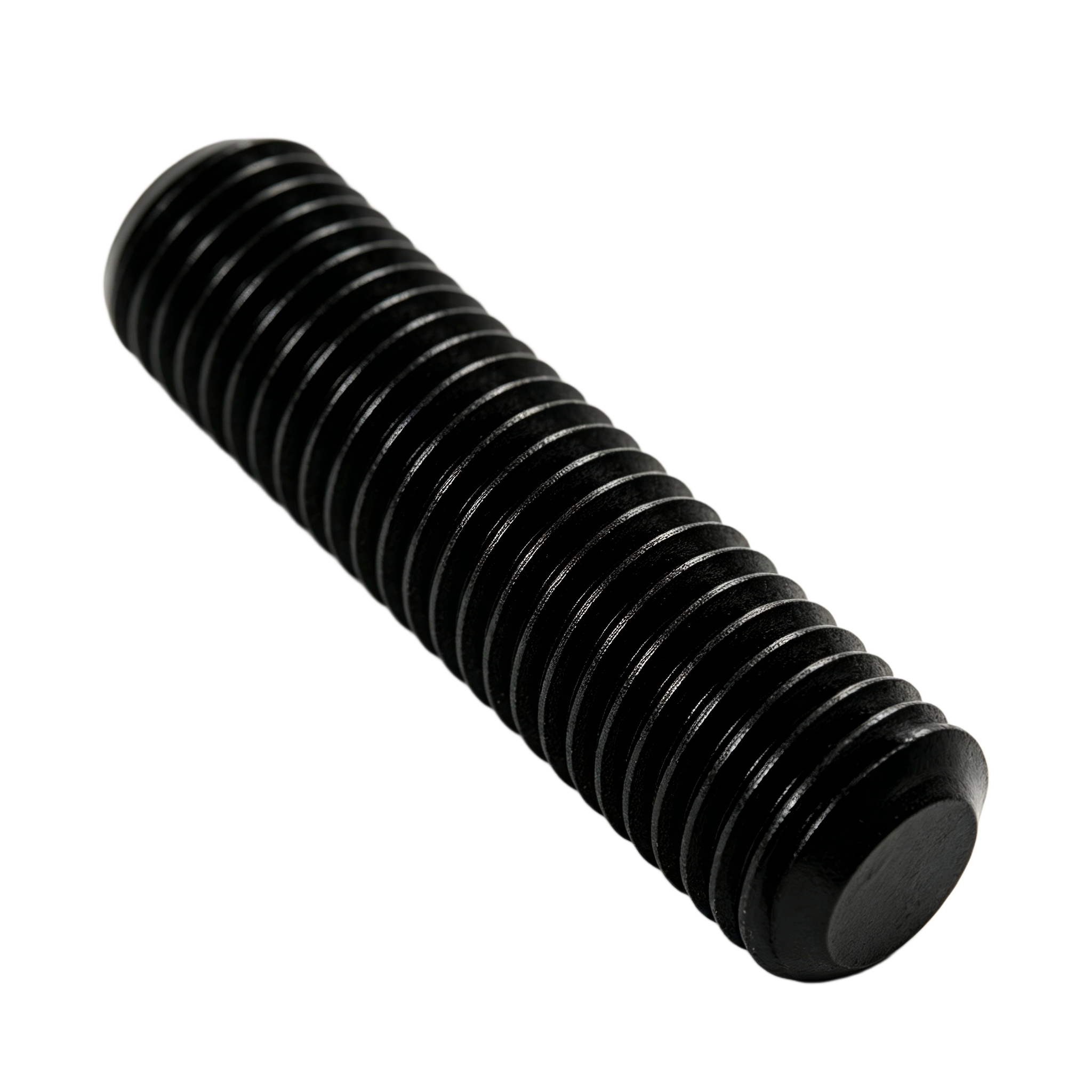
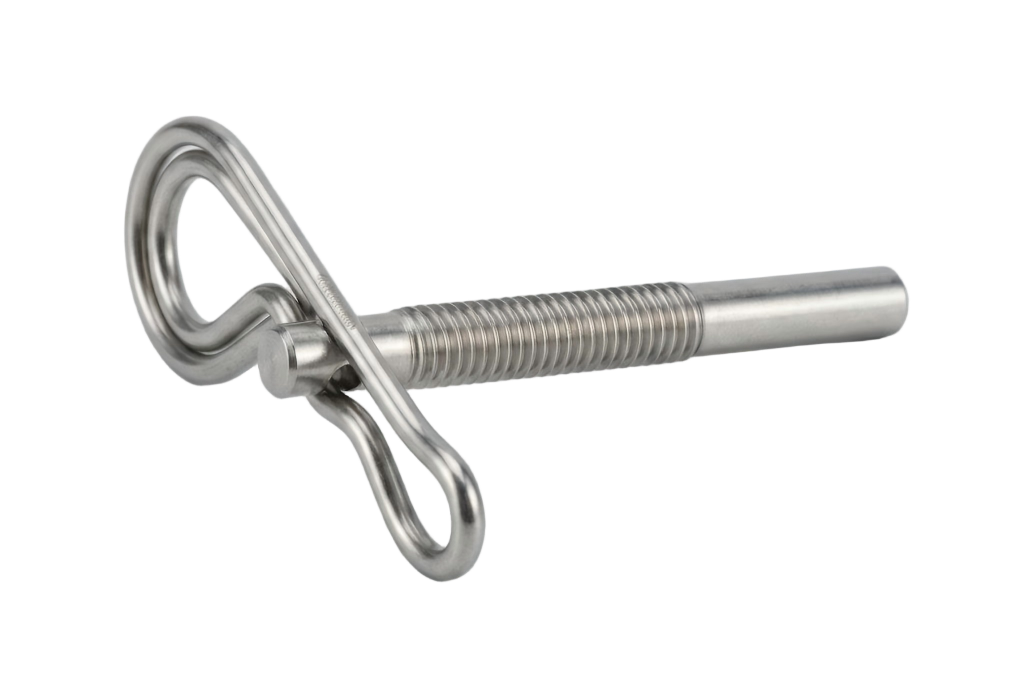
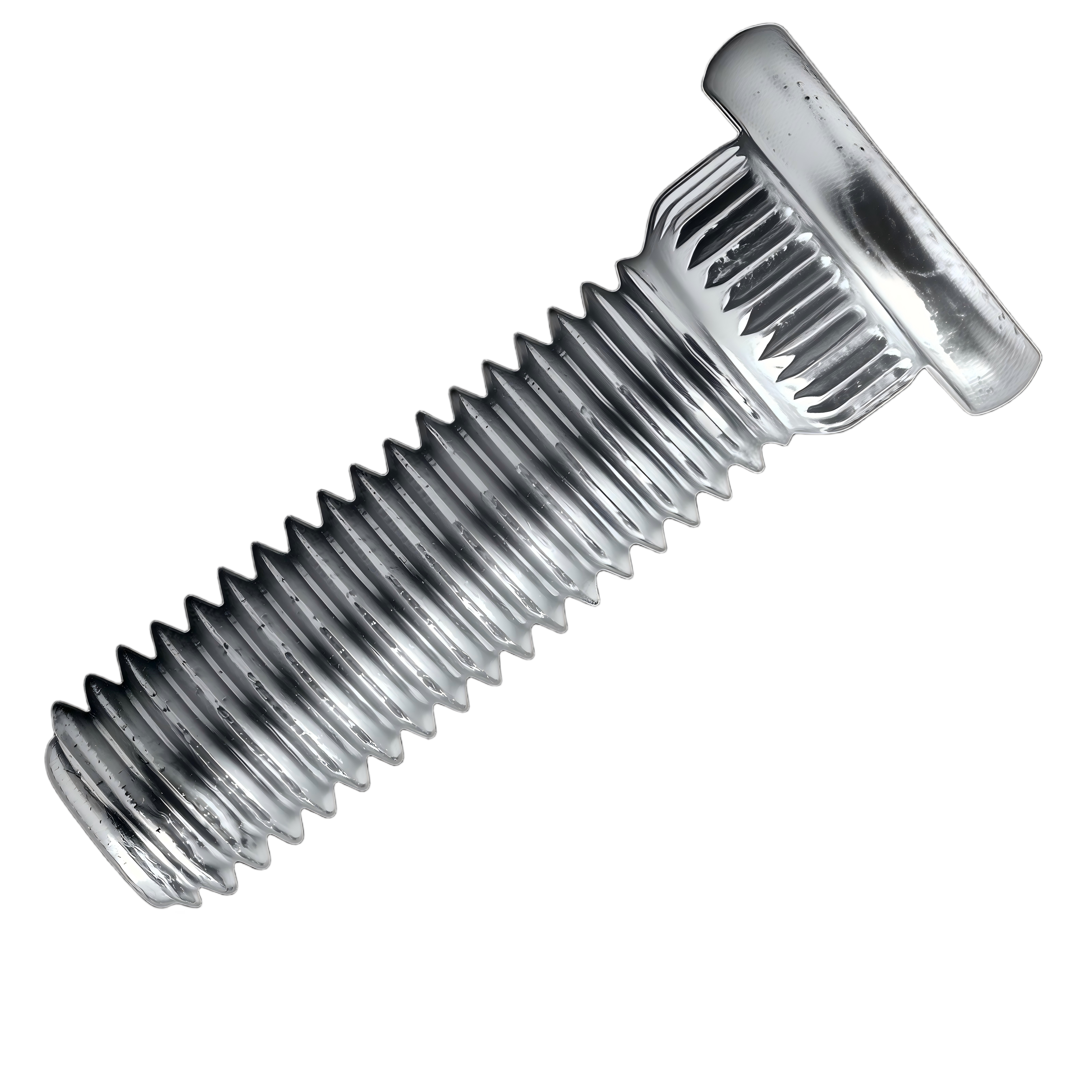
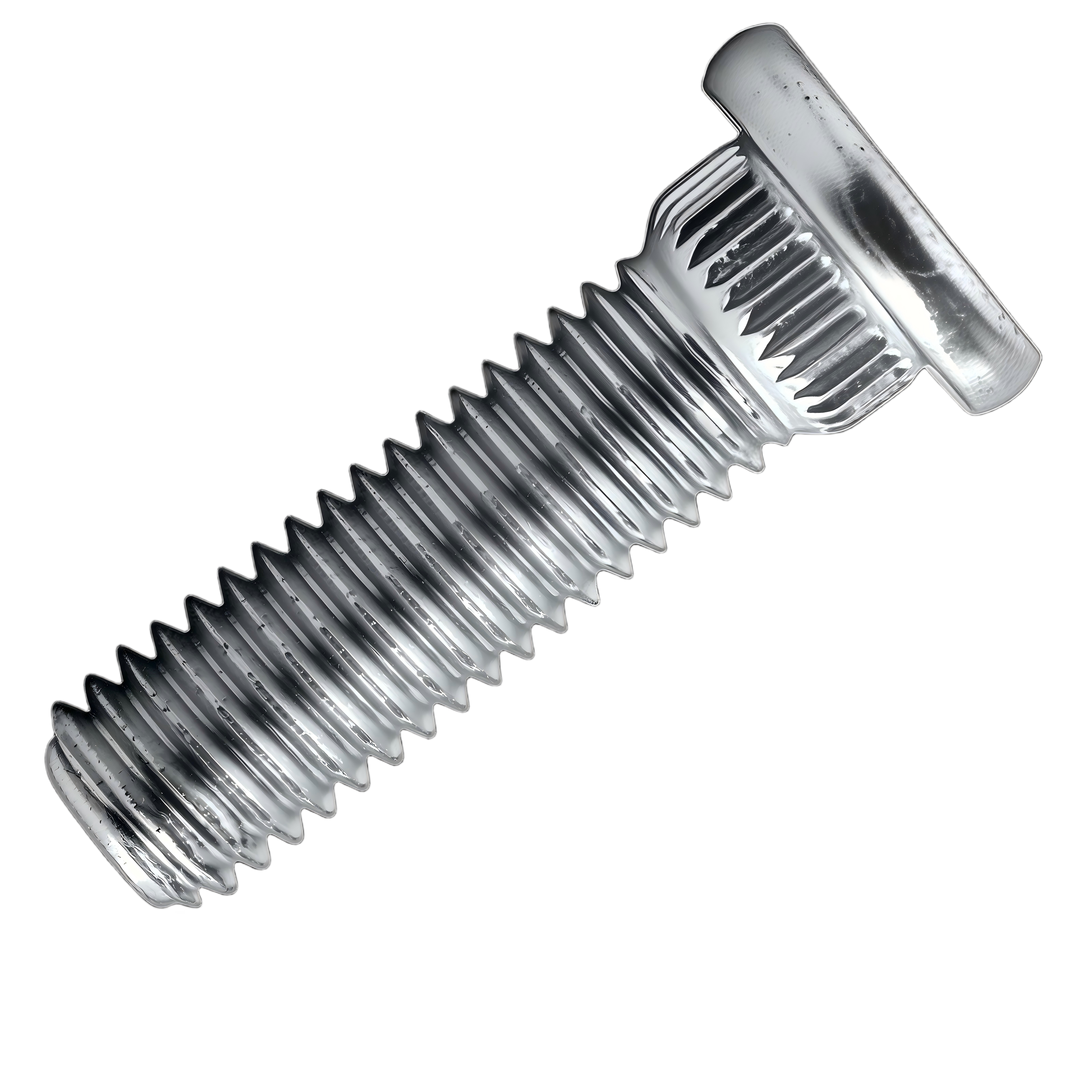
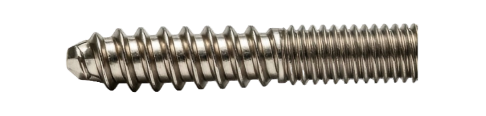
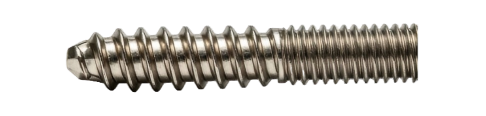
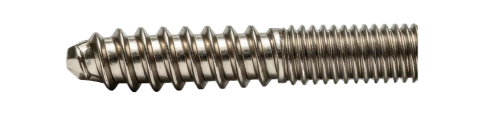
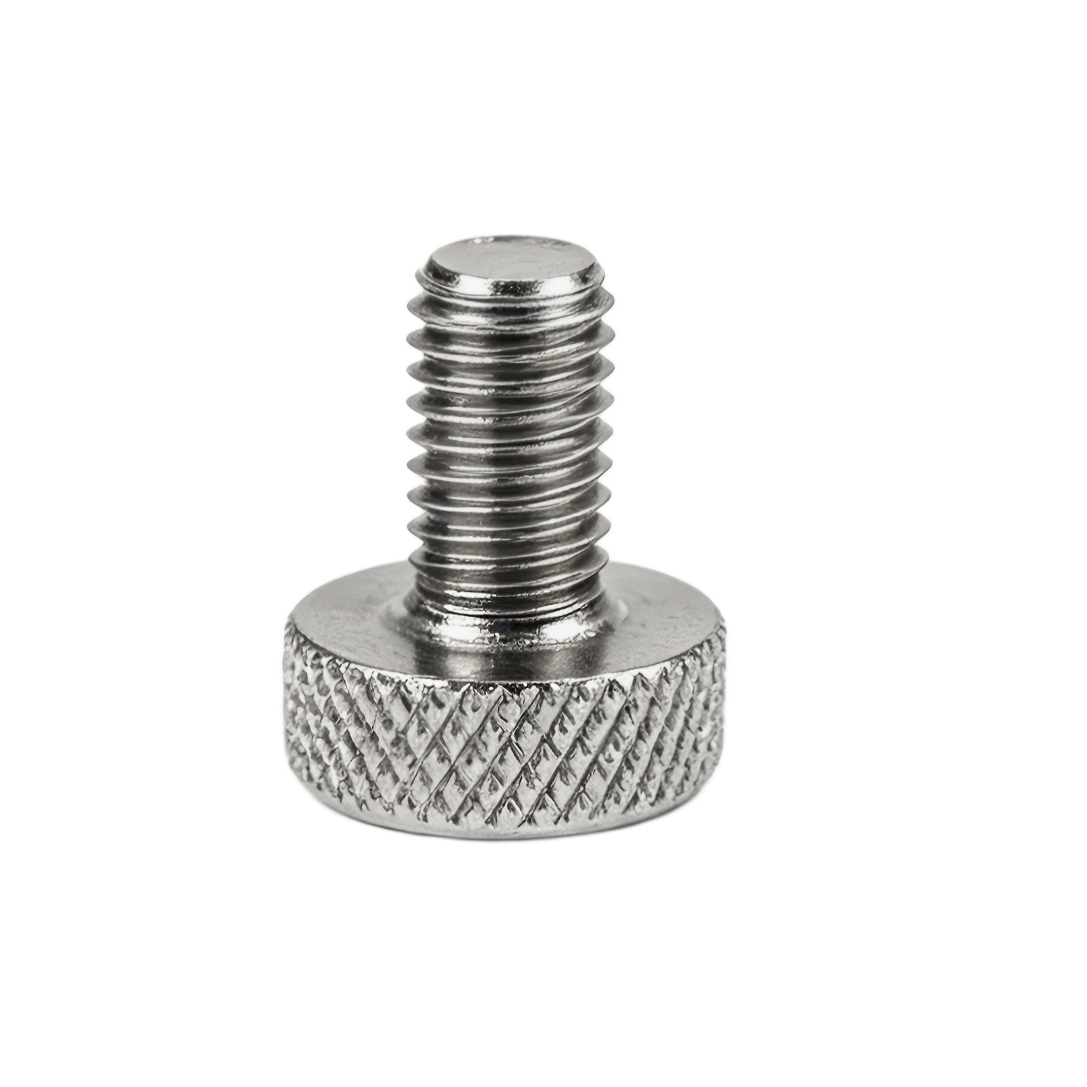
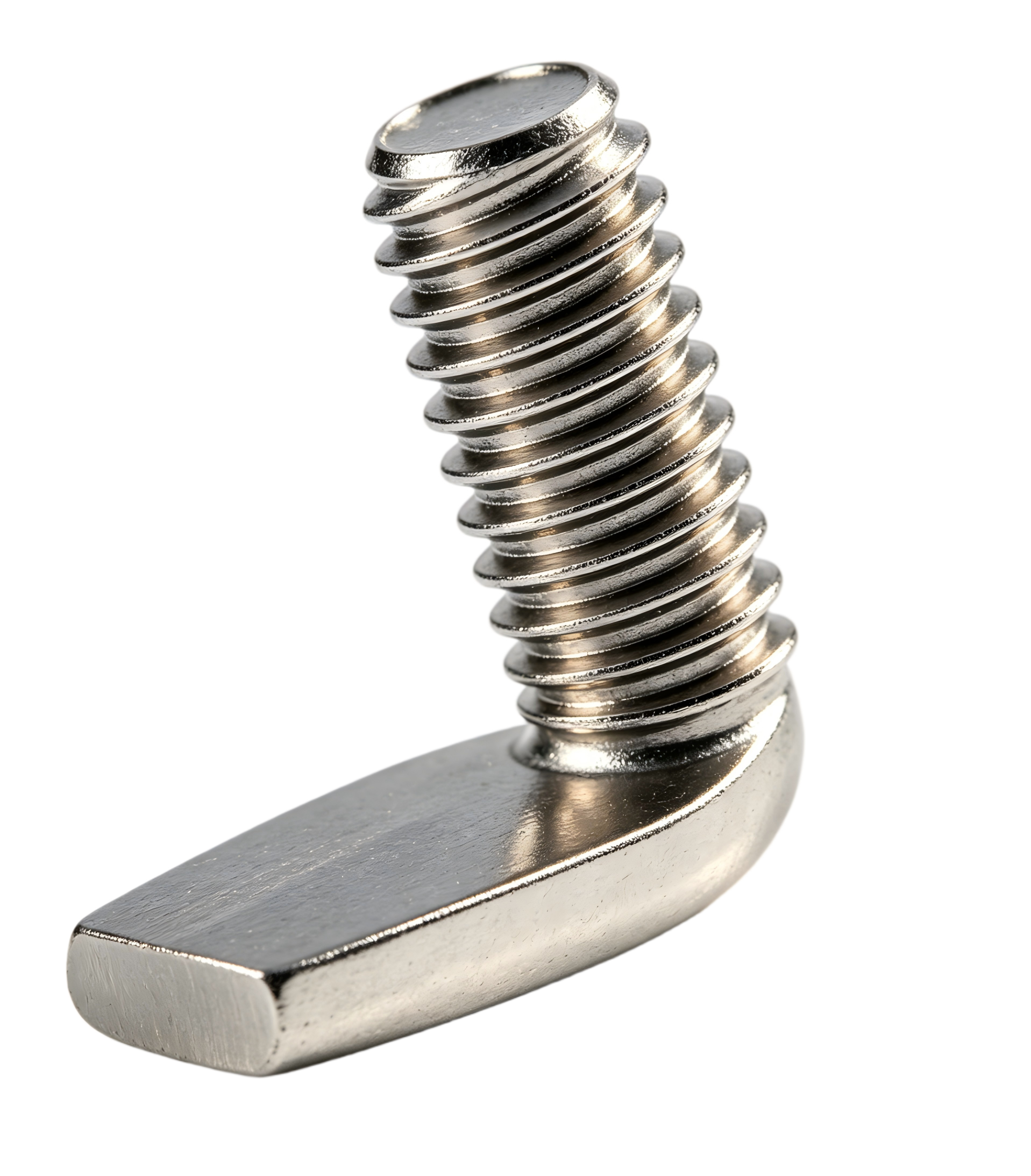
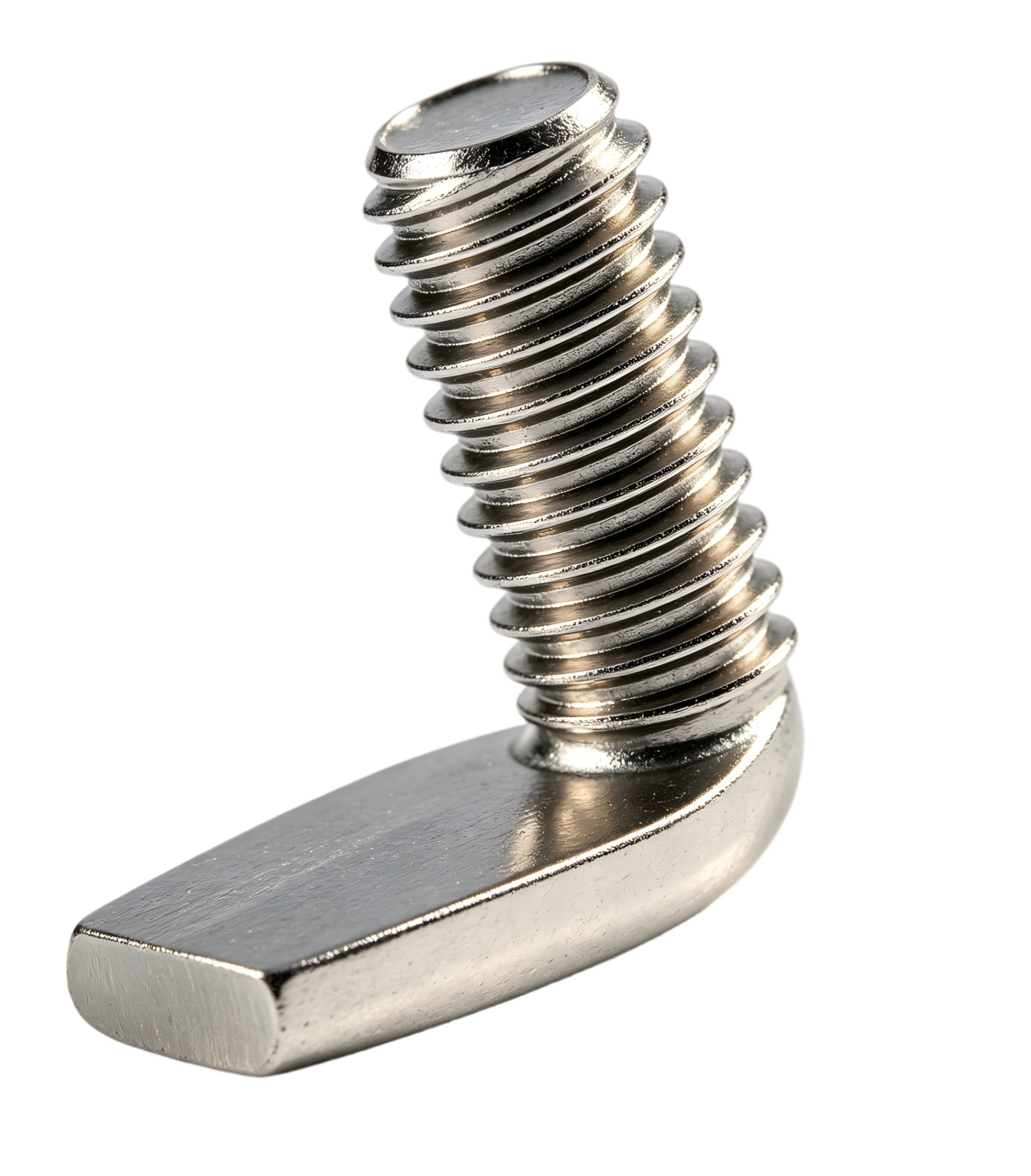
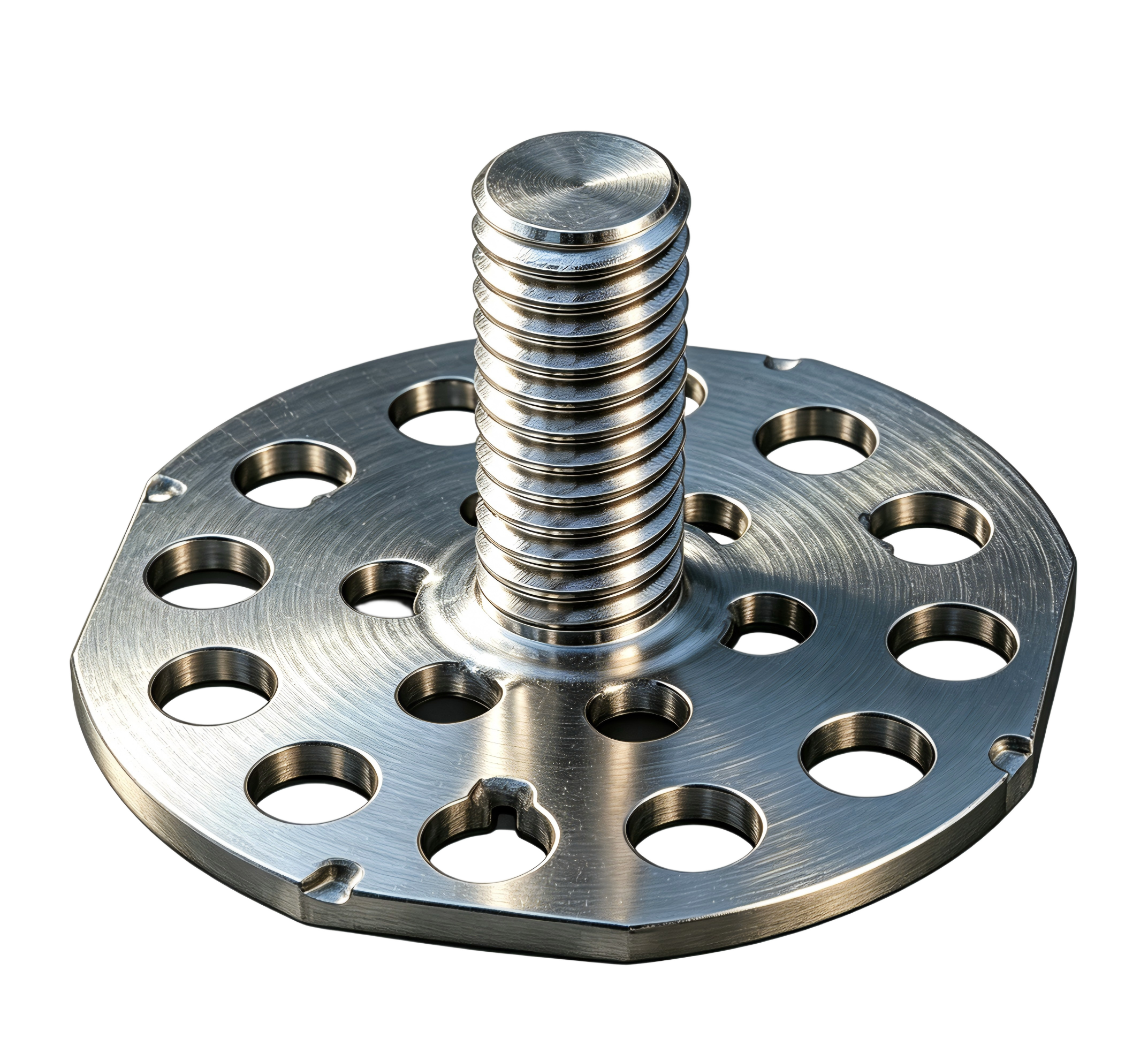
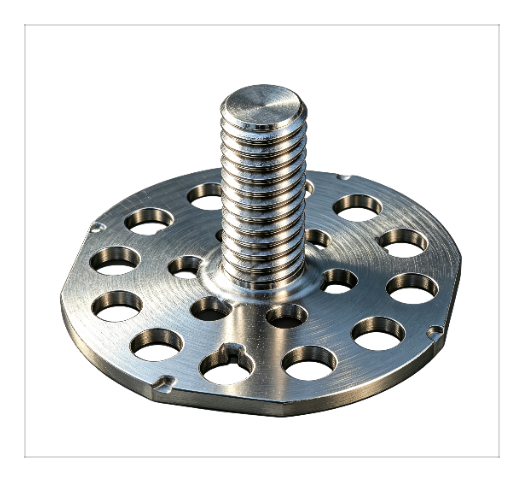
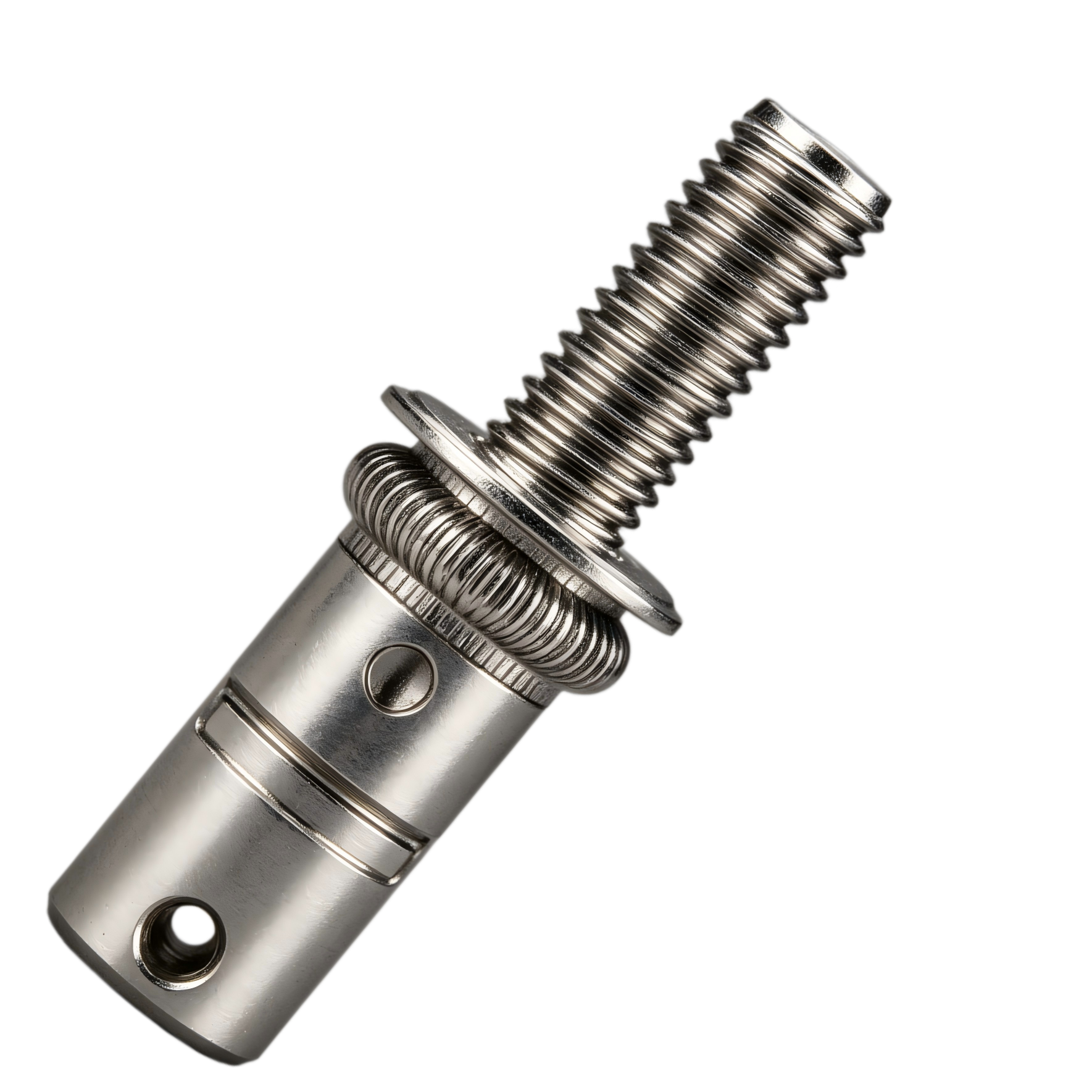
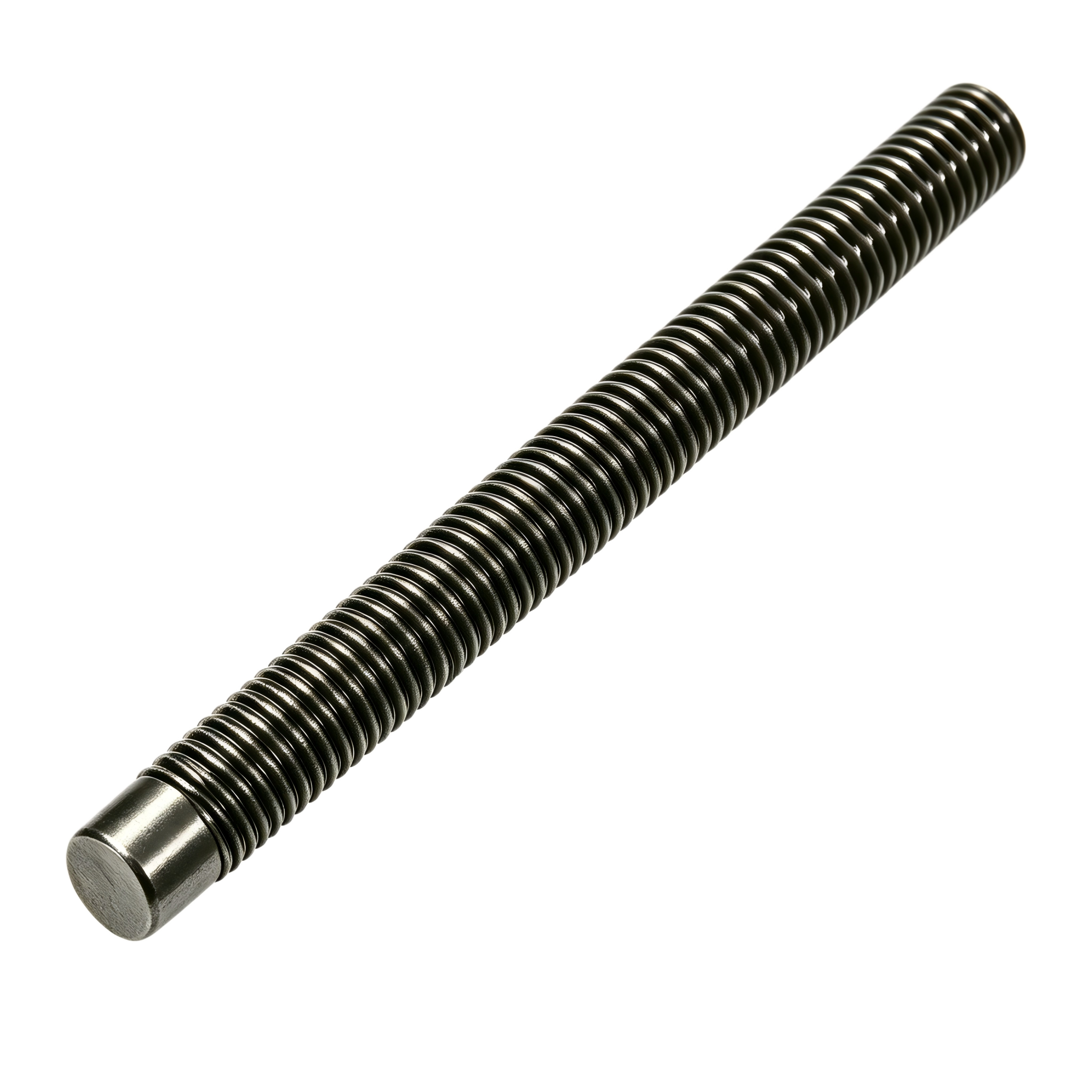
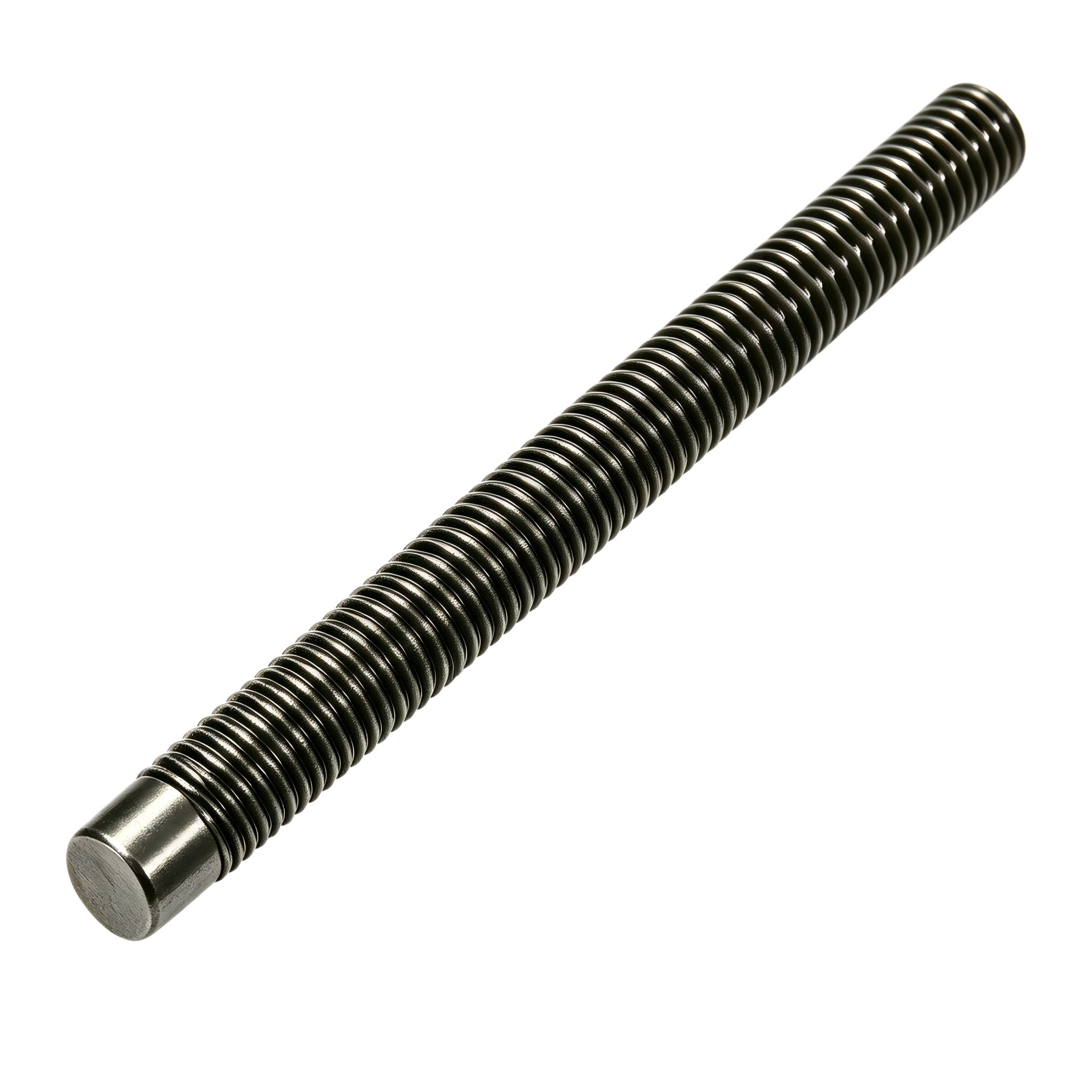
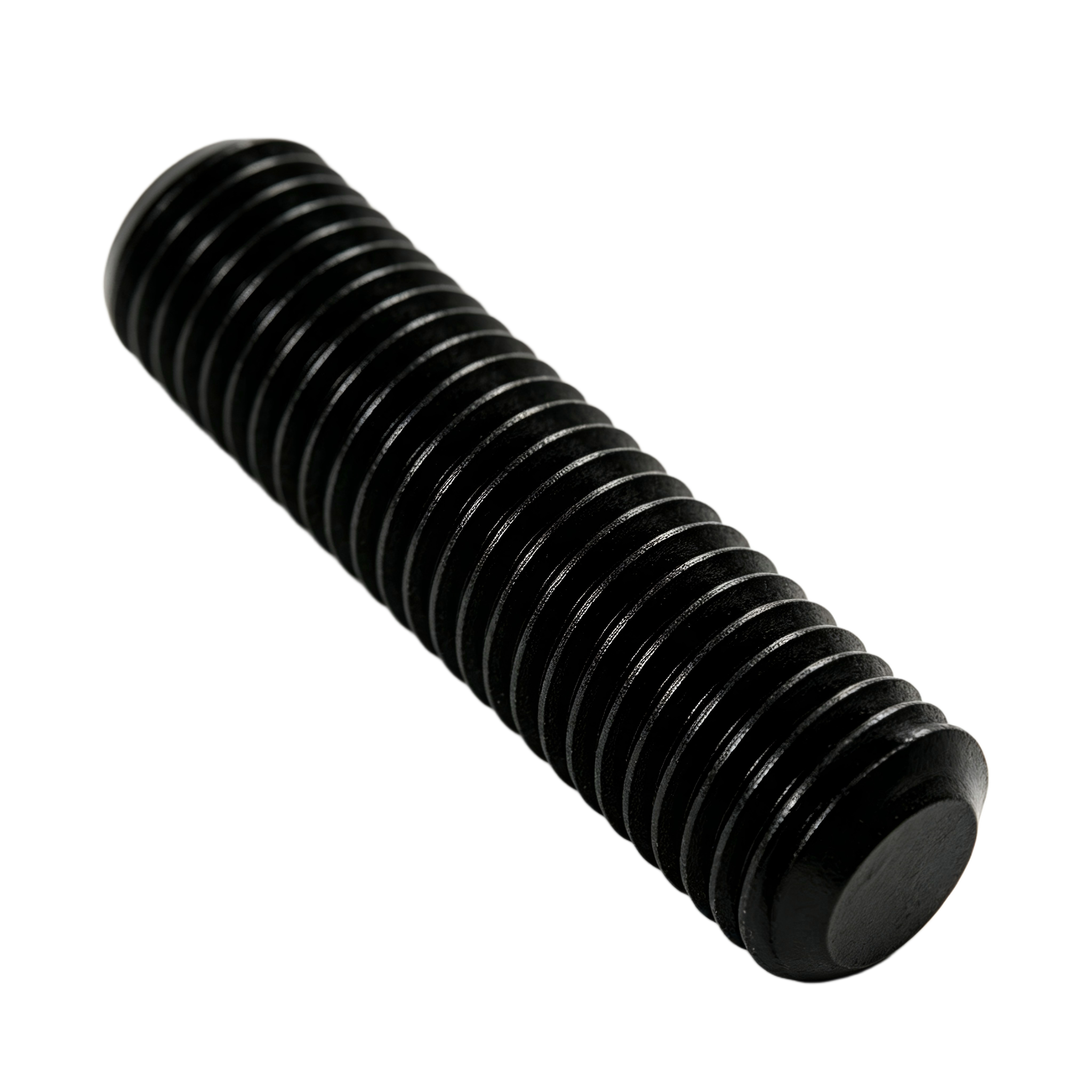
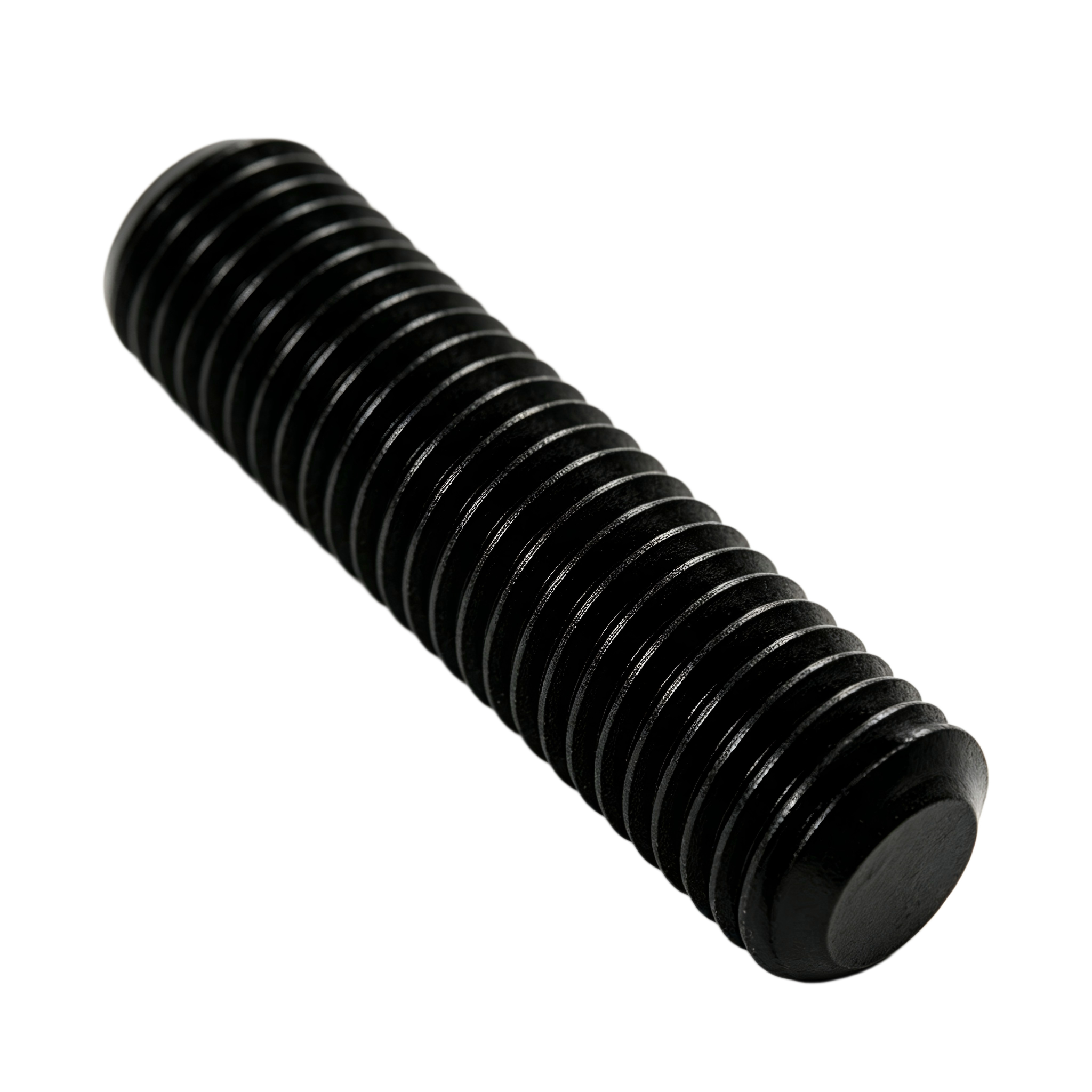
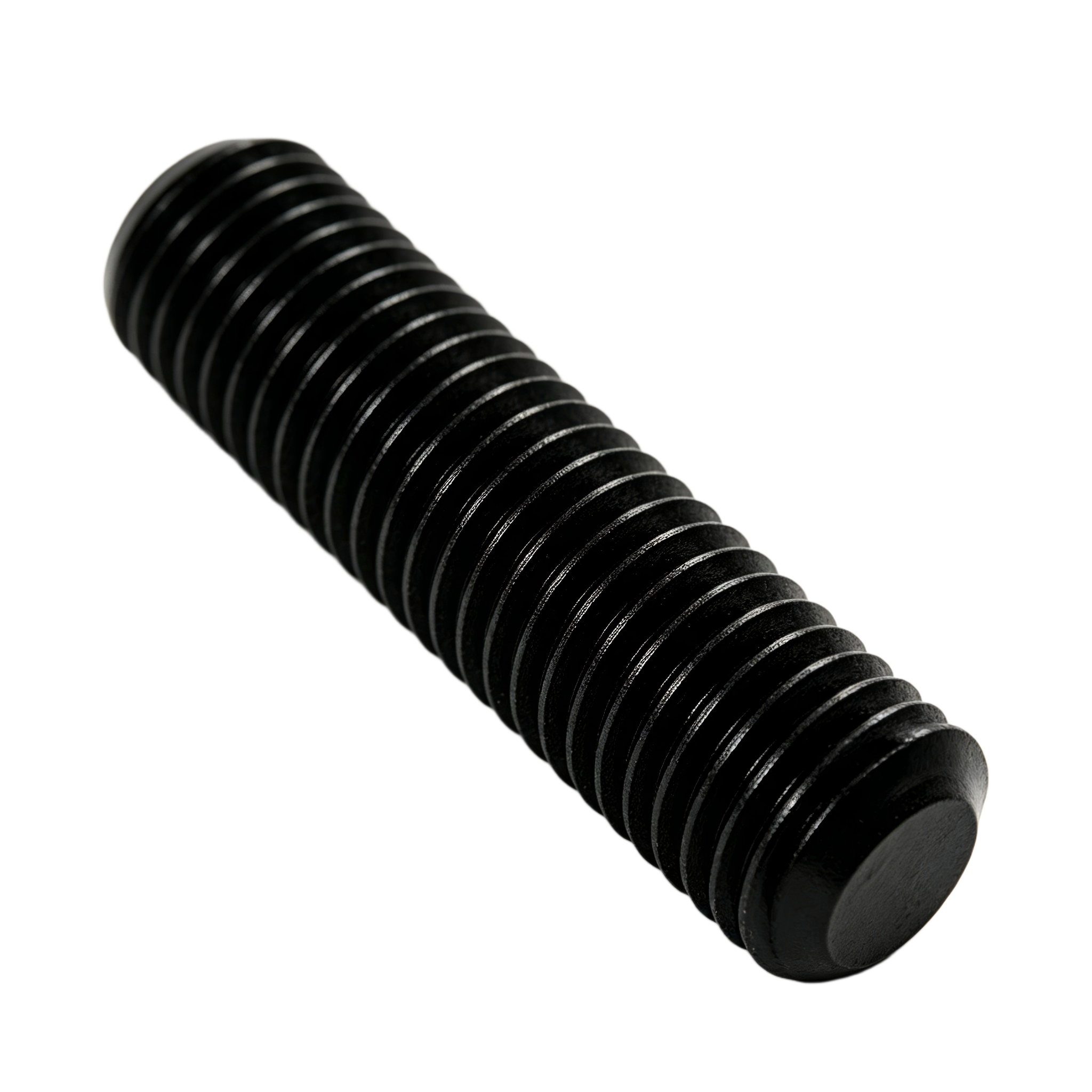
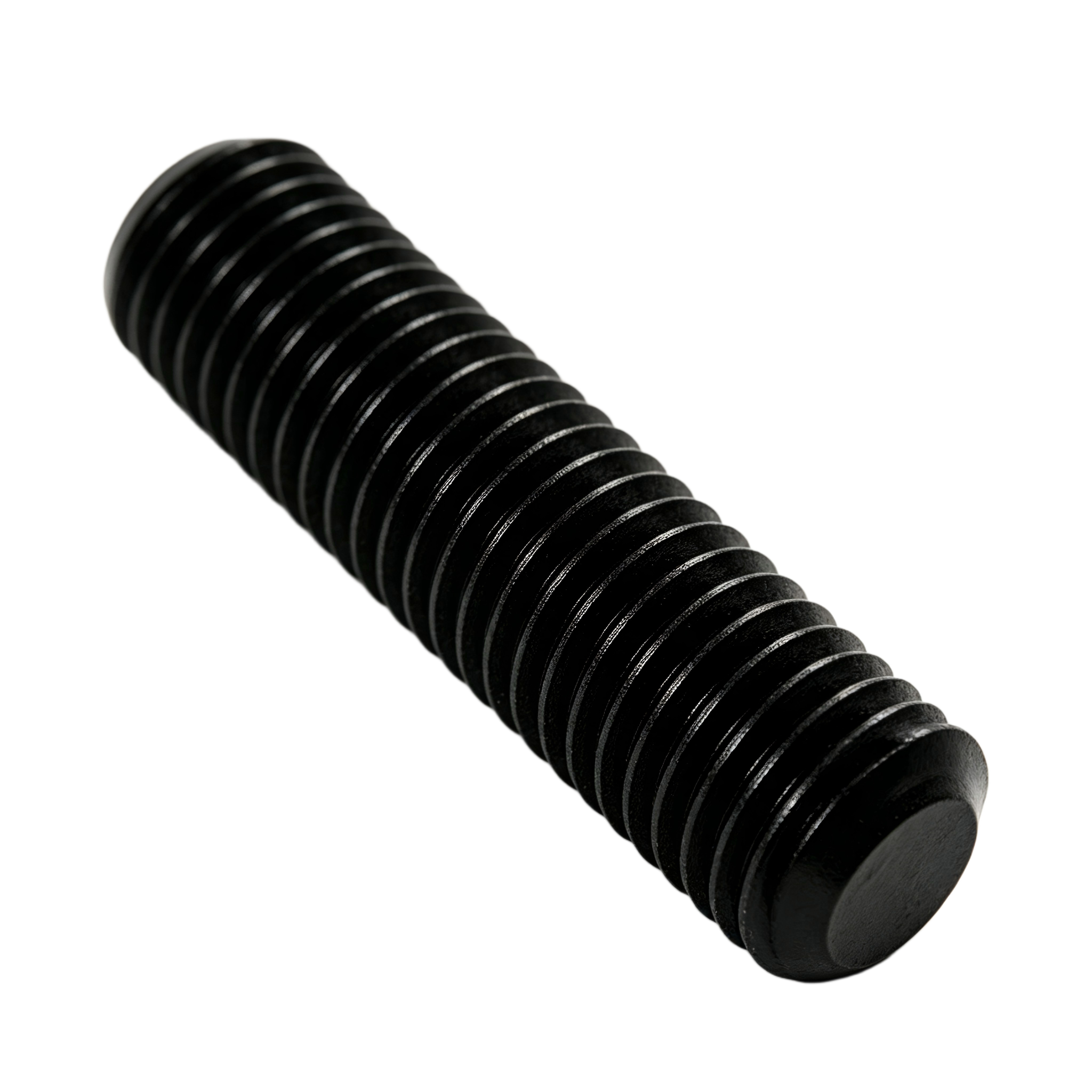
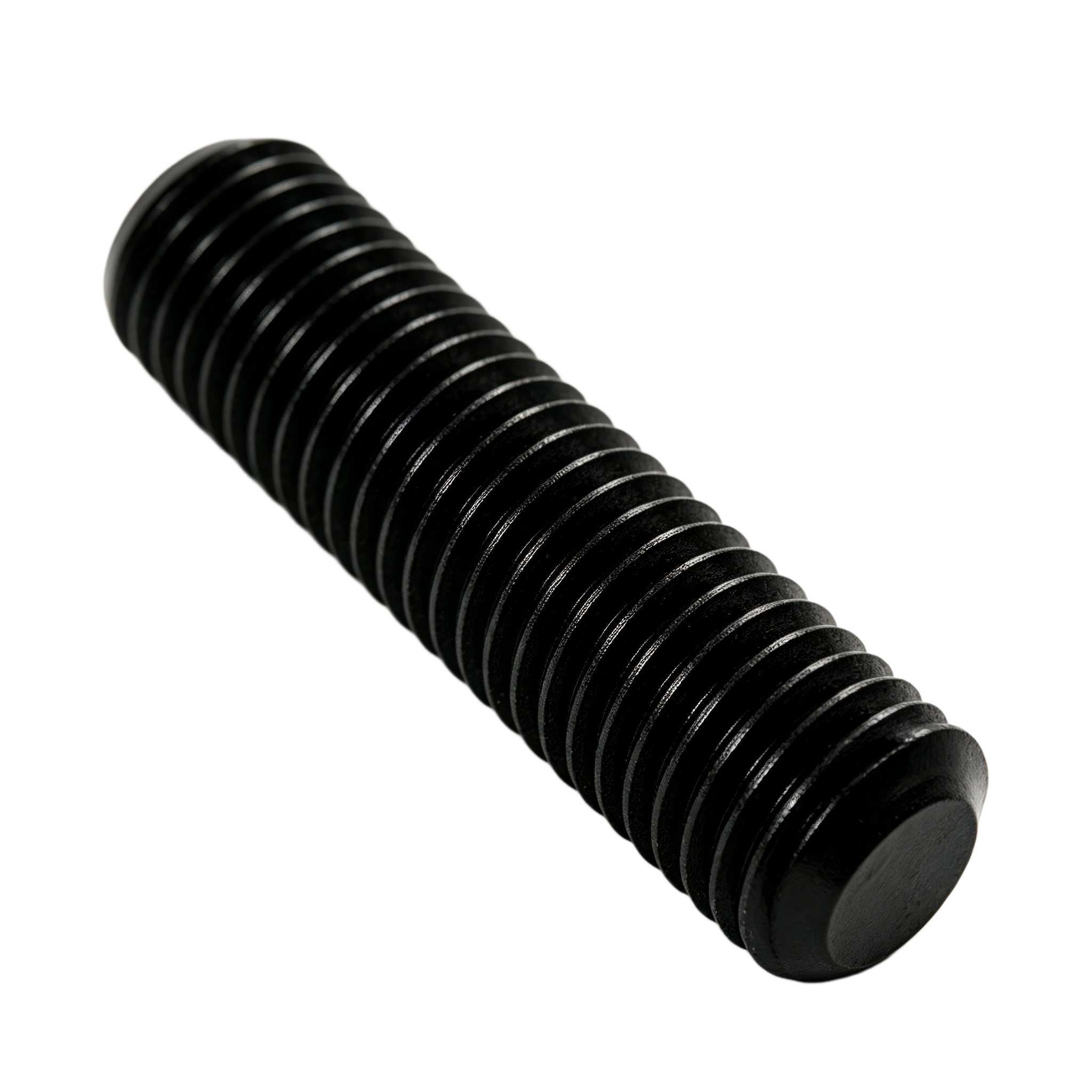
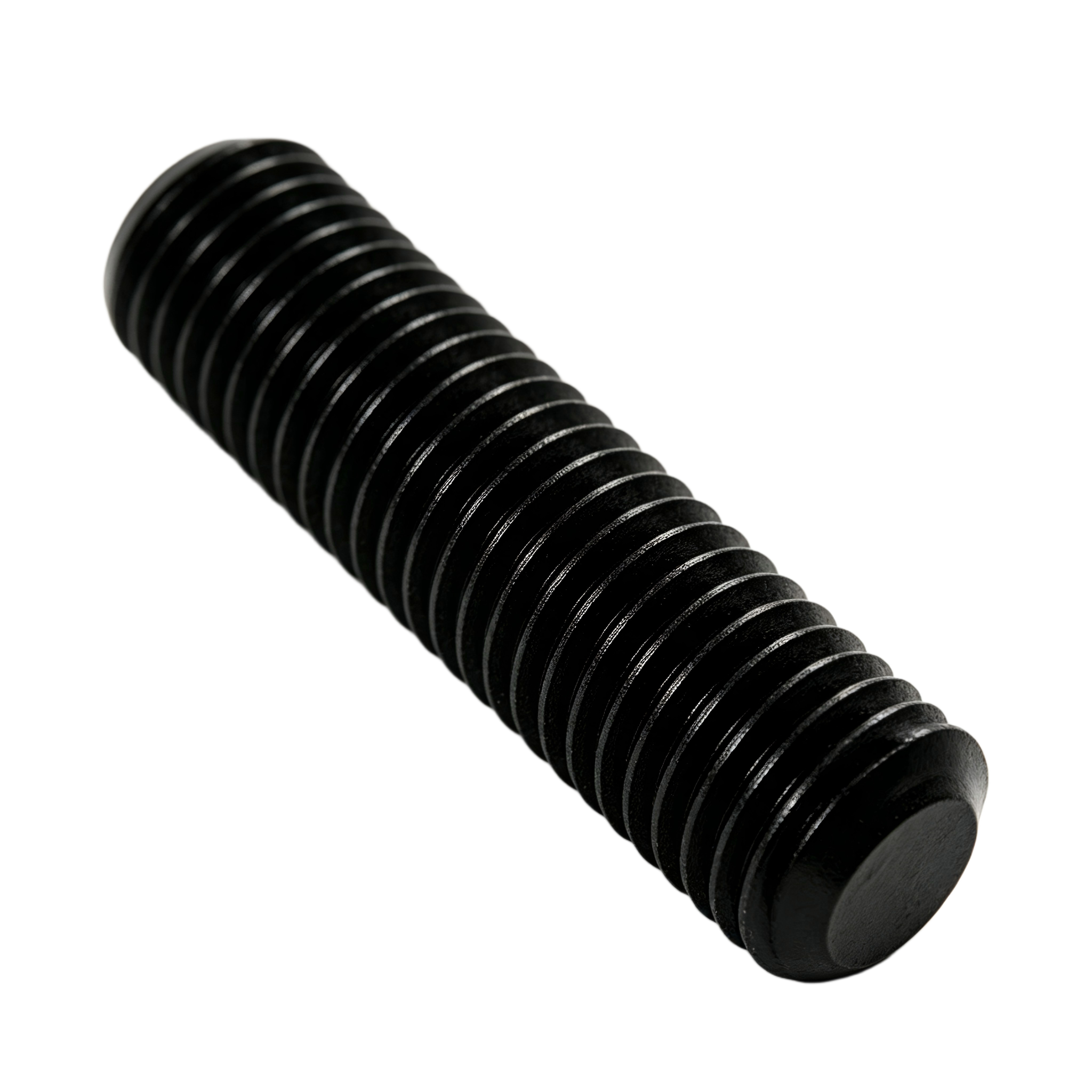
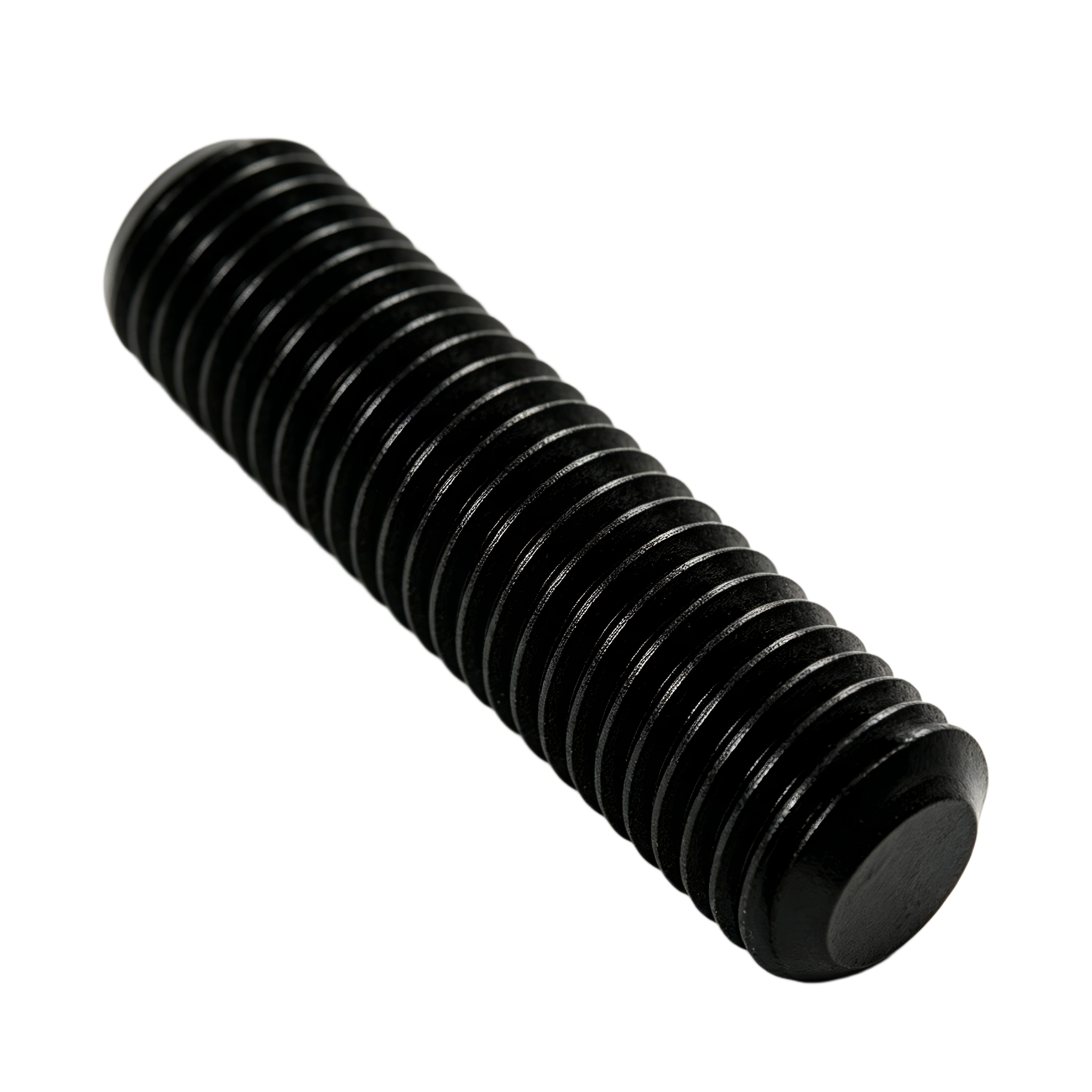
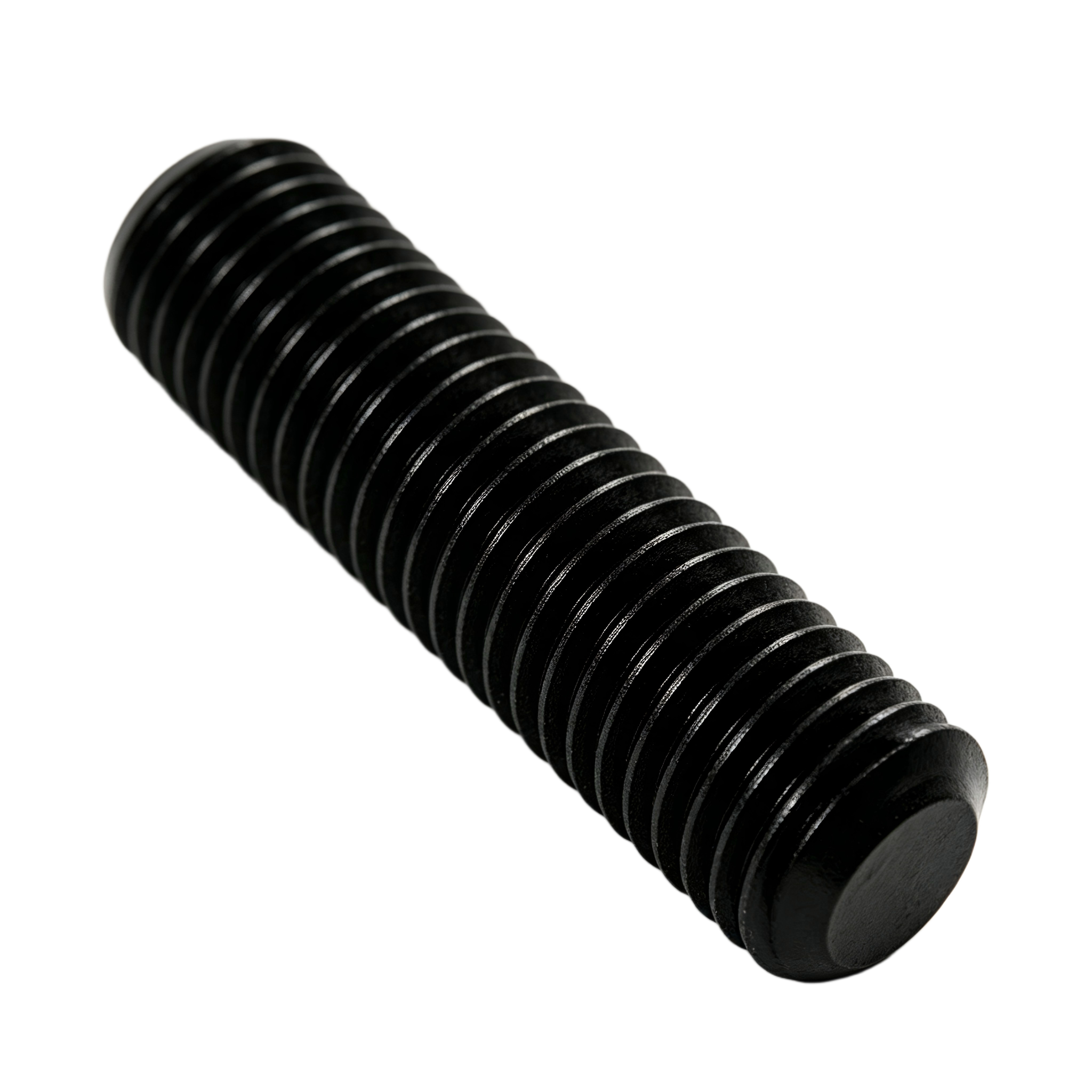
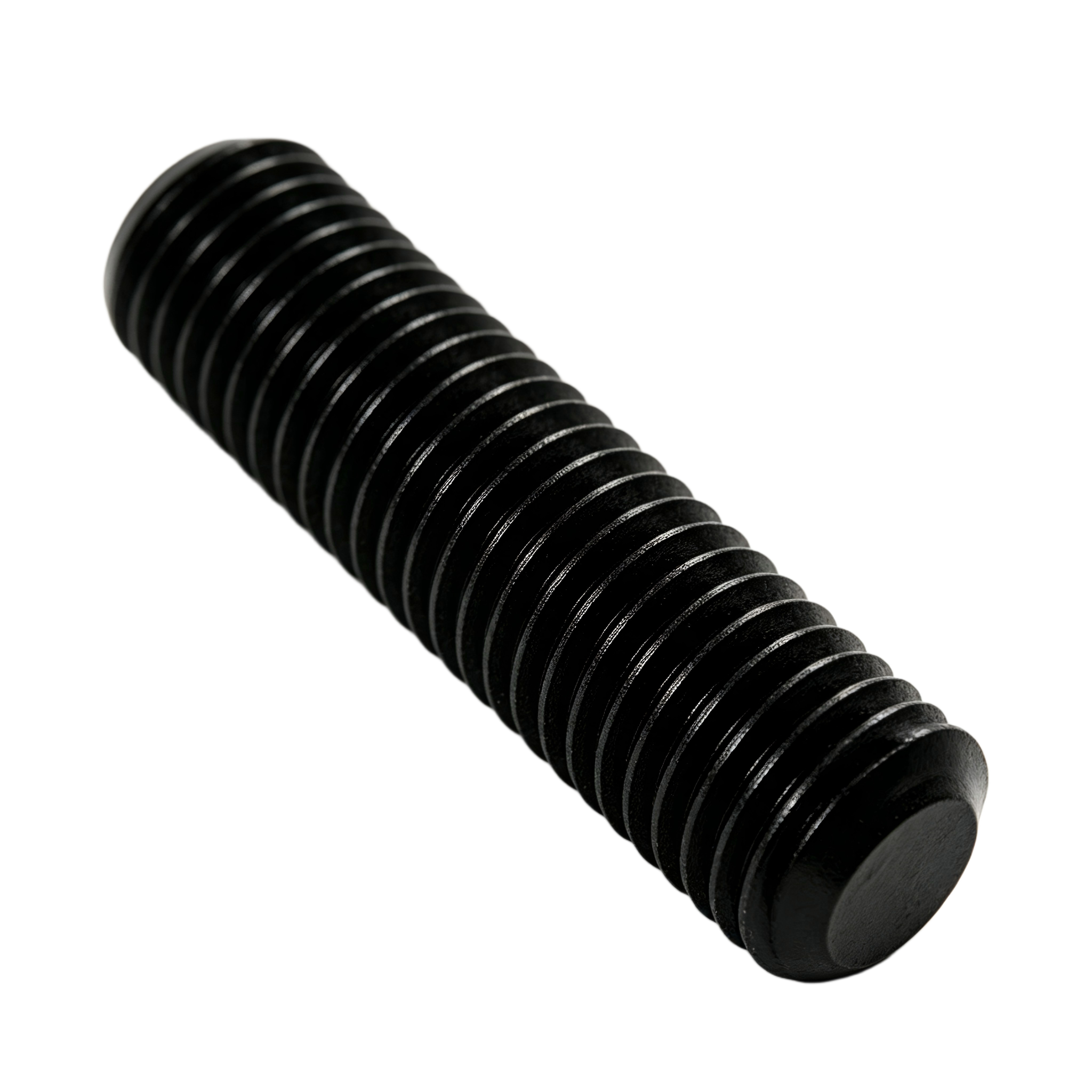
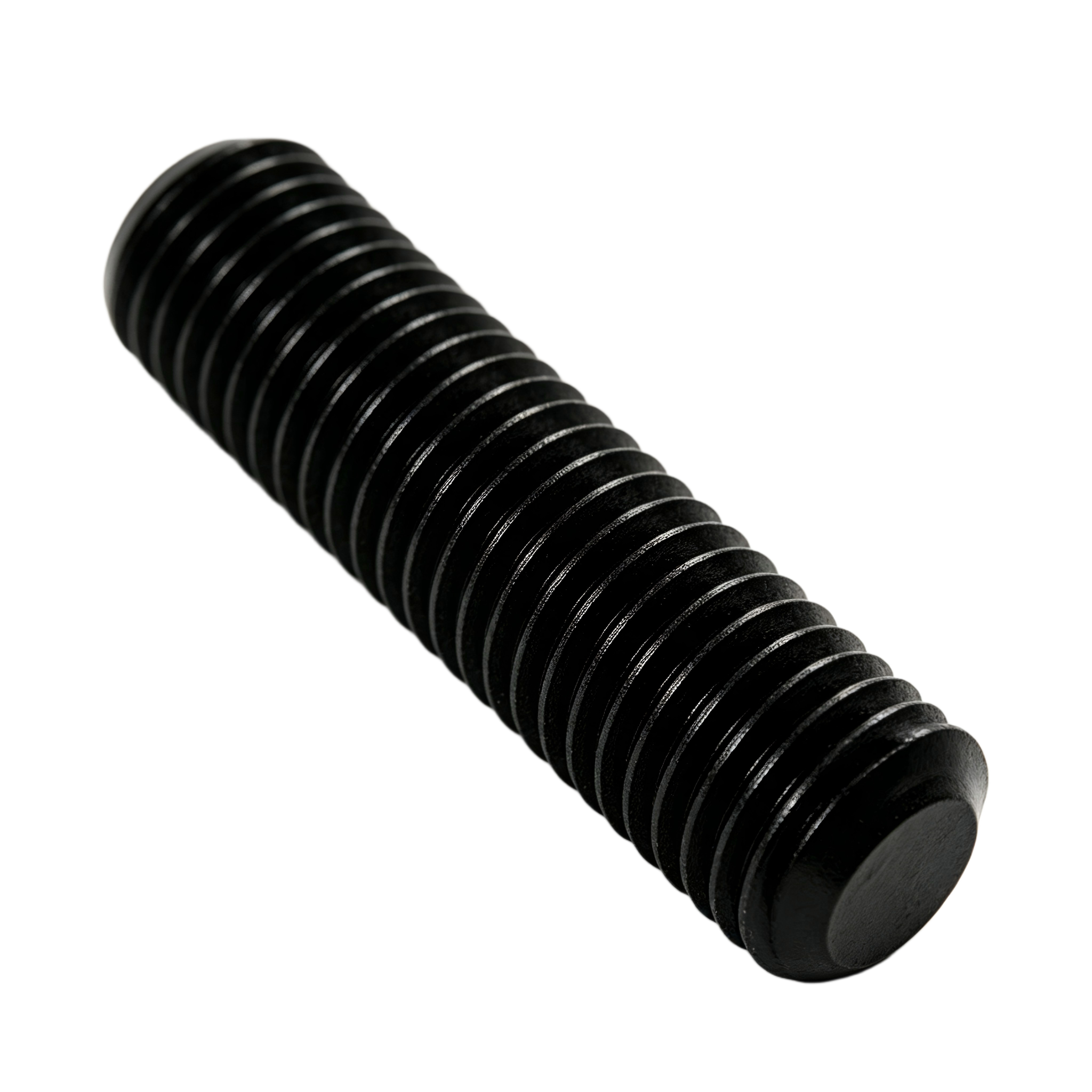
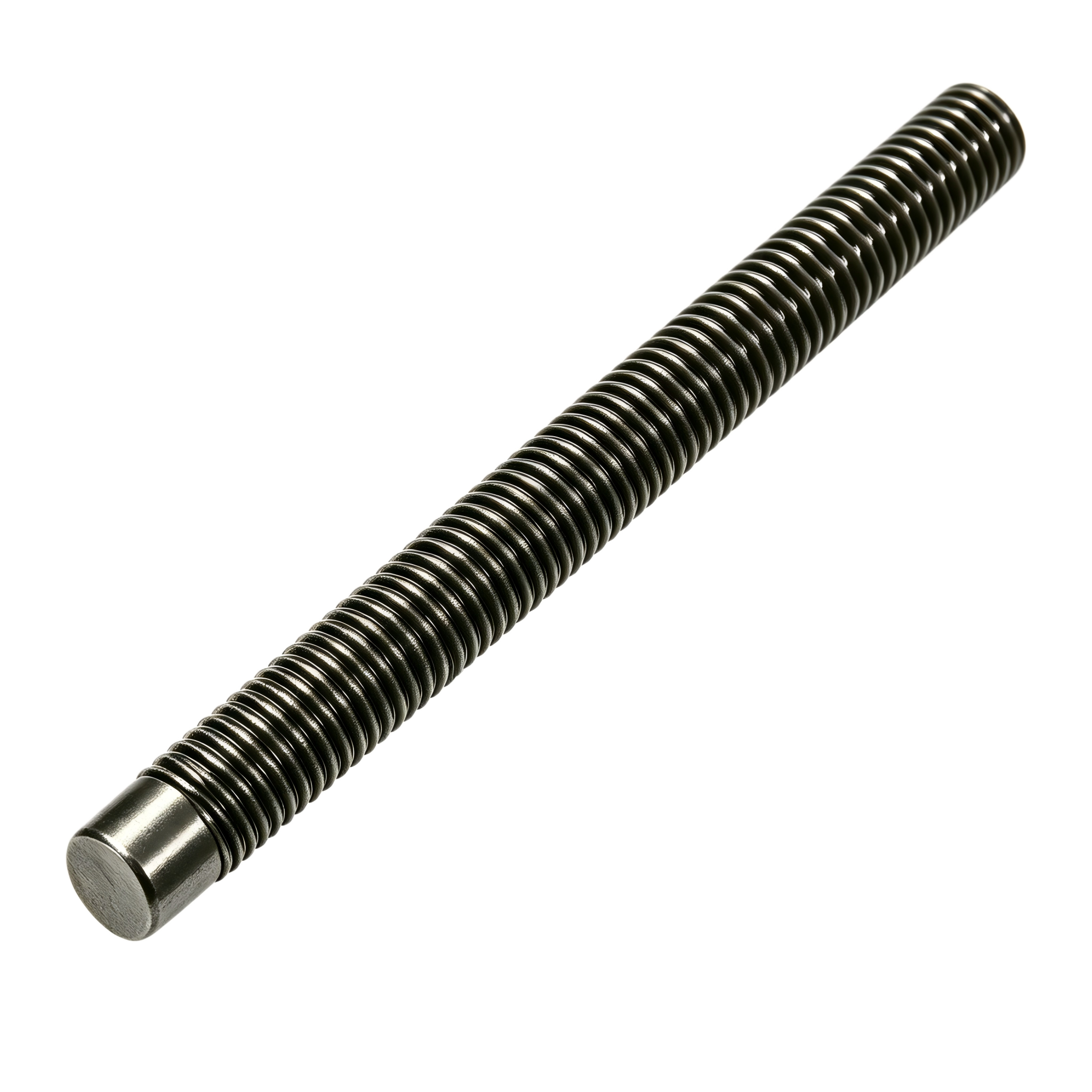
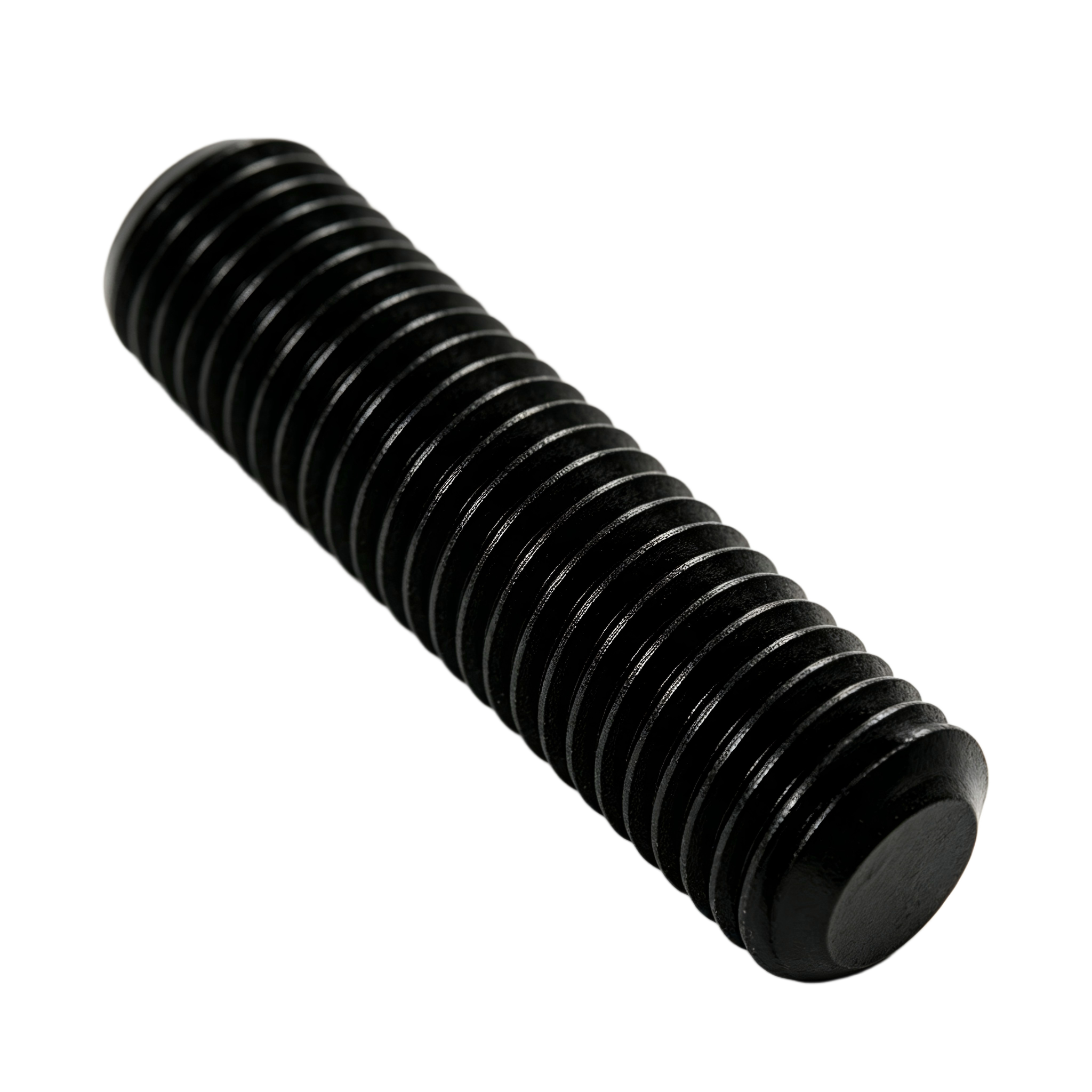
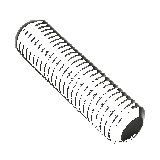
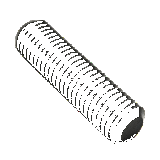
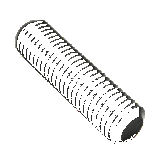
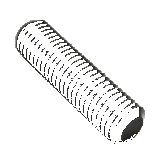
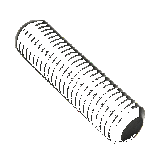
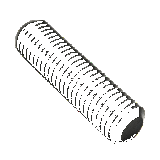
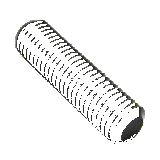
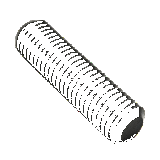
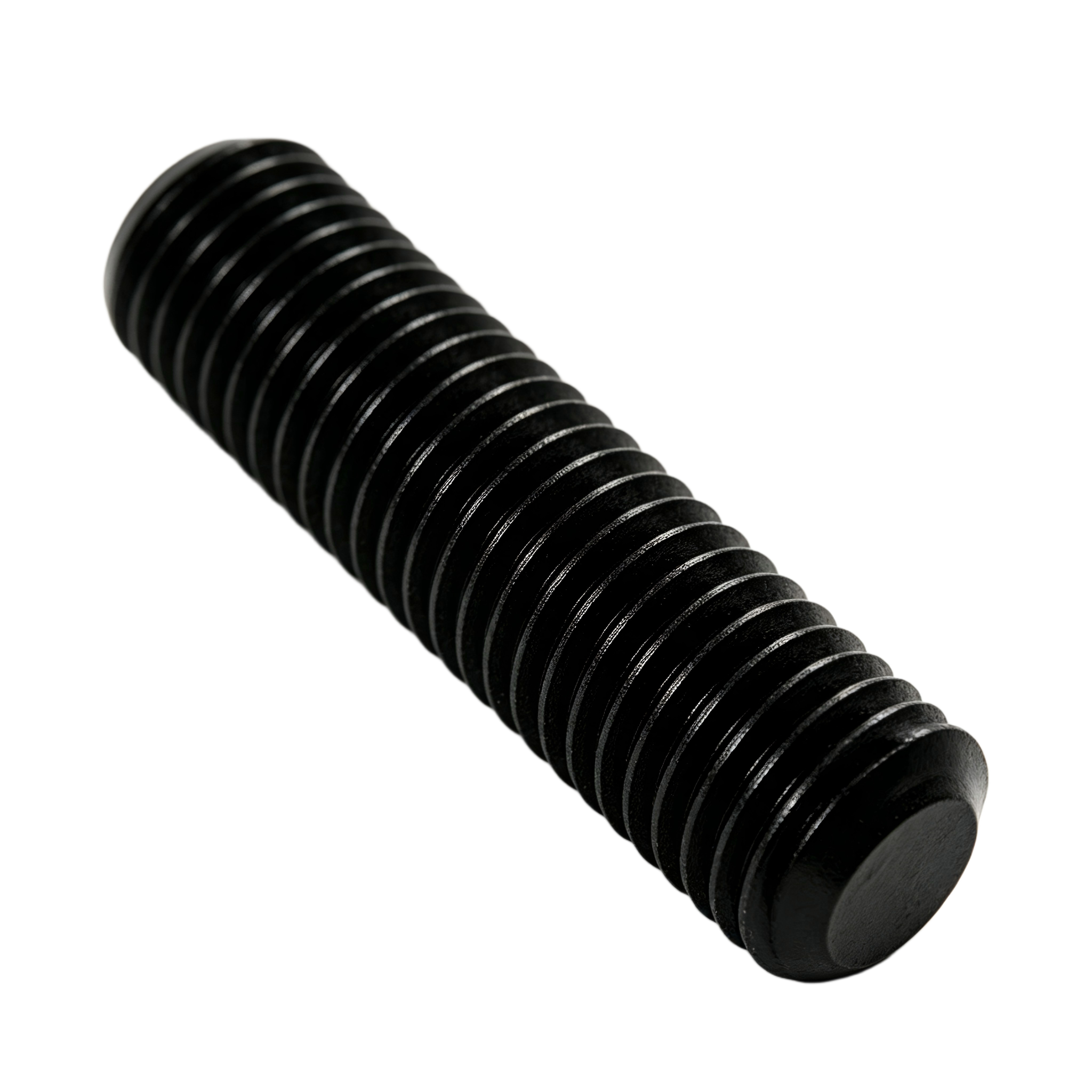
LILY Bearing stocks 5,472 threaded rods and studs across more than a dozen material families — steel, 18-8, 316, and 410 stainless, brass, bronze, nickel alloy, titanium, aluminum, and nonmetallics like nylon, PVC, acetal, fiberglass, PTFE, and carbon fiber — plus studs in weld-on, press-fit, adhesive-mount, rivet, and wood-joining styles. Use the filters below, or the comparison tables, to narrow down by product type, material, thread size, and length.
Compare Threaded Rods by Material
| Type | Common Material | Thread Coverage | Common Grades/Specs | Watch Out For |
|---|---|---|---|---|
| Steel Threaded Rods | Low-, Medium-, and High-Strength Steel | Full length | Grade B7, B16, Class 8.8–12.9 | Match grade and thread pitch to the mating nut before cutting to length |
| Stainless Steel Threaded Rods | 18-8, 316, and 410 Stainless Steel | Full length | Grade B8, B8M, B6 | 316 (B8M) resists chlorides/chemicals better than 18-8 (B8); 410 (B6) trades corrosion resistance for higher strength and hardness |
| Nonferrous & Specialty Threaded Rods | Brass, Bronze, Nickel Alloy, Titanium, Aluminum | Full length | — | Check galvanic compatibility with the mating hardware |
| Nonmetallic Threaded Rods | Nylon, PVC, Acetal, Fiberglass, PTFE, Carbon Fiber | Full length | — | Confirm load and temperature rating before substituting for a metal rod |
| Hex Drive Threaded Rods | Steel | Full length | — | Built-in hex socket lets you drive the rod with an Allen key instead of pliers or a second nut |
Compare Studs & Specialty Fasteners by Type
| Type | Installation Method | Common Material | Watch Out For |
|---|---|---|---|
| Partially Threaded Studs | Threaded on each end, plain shank between | Steel, Alloy Steel | Match the thread length on each end to your flange or gasket stack |
| Hollow Threaded Studs | Internally threaded through a hollow rod | Steel, Stainless Steel | Confirm wall thickness handles the required torque |
| Wood Screw Threaded Studs | Wood-screw thread on one end, machine thread on the other | Steel, Stainless Steel | Match the pilot hole size to the wood-screw end |
| Weld Studs | Welded directly to a surface, including right-angle versions | Steel, Stainless Steel | Confirm compatibility with your welding process before ordering |
| Press-Fit Studs | Pressed into a pre-drilled hole for an interference fit | Steel, Stainless Steel | Hole tolerance is critical — too loose and the stud won't hold |
| Adhesive-Mount Studs | Bonded to the surface — no drilling or welding required | Steel, Stainless Steel | Holding strength depends on surface prep and adhesive cure time |
| Rivet Studs | Installed by expanding/deforming the rivet body in a pre-drilled hole | Steel | Confirm the grip range matches your panel or sheet thickness |
| Wood-to-Wood Joining Studs | Threaded stud designed to join two wood components | Steel | Built for wood-to-wood joints, not metal or masonry |
Left-hand threaded and metric versions are available across most rod and stud types — only the thread direction or measurement system differs from their standard counterparts.
Steel Grades & Classes at a Glance
Grade B7 is the standard grade for general flange and pressure-vessel studs; Grade B16 is rated for higher operating temperatures than B7. Metric Class 8.8, 10.9, and 12.9 are the equivalent metric strength classes, in ascending order. Grade B8 (18-8) and B8M (316) are the stainless equivalents for corrosion resistance, while Grade B6 (410) trades some corrosion resistance for higher strength and hardness.
Need a Custom Threaded Rod or Stud?
Don't see the length, diameter, or material you need? Our team can cross-reference an existing part or quote a custom configuration. Request a Quote or Contact Us. LILY Bearing also offers customized fastener services.
Frequently Asked Questions
What is the difference between a threaded rod and a stud?
A threaded rod is threaded along its full length and can be cut to any size. A stud is threaded only on each end (or one end), leaving a plain, unthreaded shank in the middle — typically used where a flange, gasket, or bearing surface needs a smooth section to clamp against.
Should I use a threaded rod or a stud for a flange joint?
Use a partially threaded stud when the joint has a gasket or bearing surface that needs a smooth, unthreaded section to clamp against — this is the standard choice for pipe flanges and pressure vessels. A full-length threaded rod works where you need to cut custom lengths on site or thread the full span, such as anchoring or all-thread rod applications.