Compression Springs
2794 Products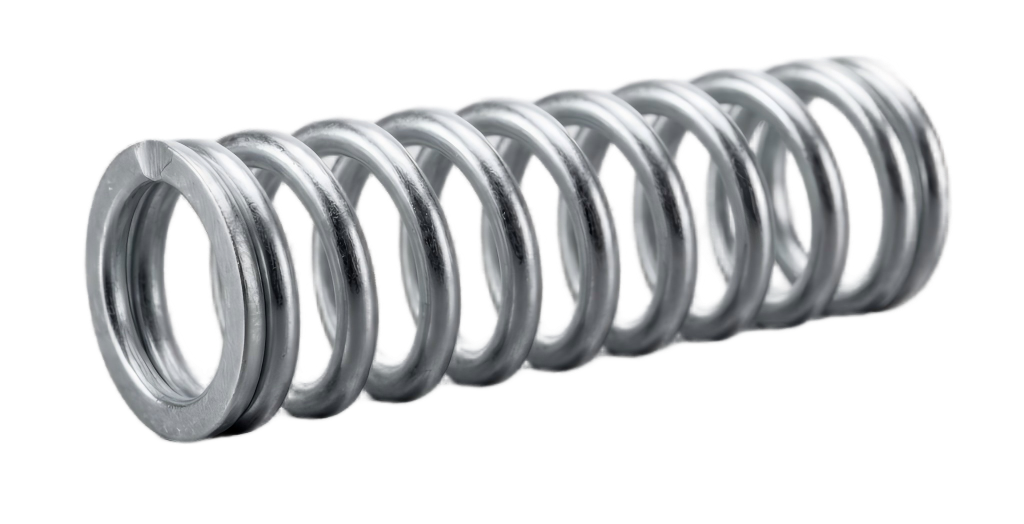
Standard Compression Springs
Employ these springs in environments devoid of corrosive agents.
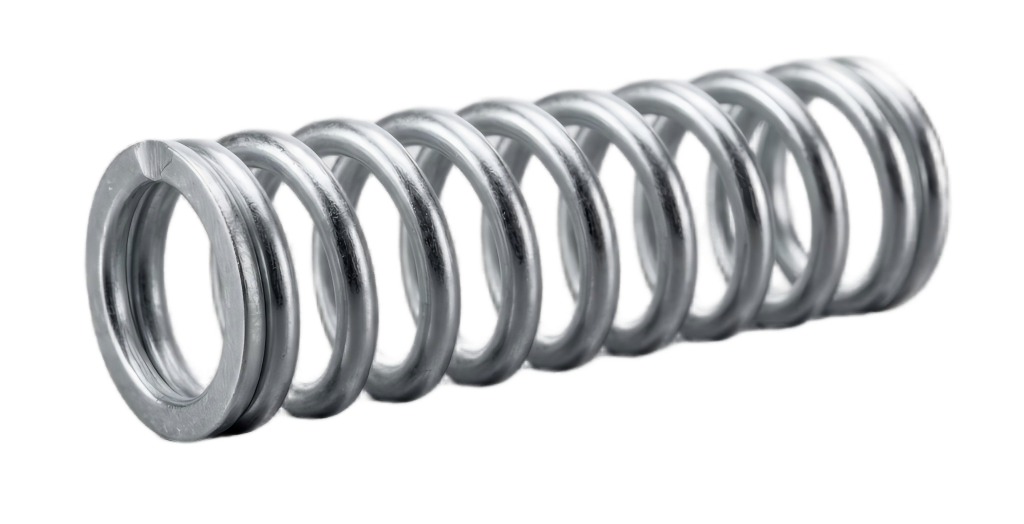
Corrosion-Resistant Compression Springs
These springs exhibit superior corrosion resistance compared to conventional compression springs.
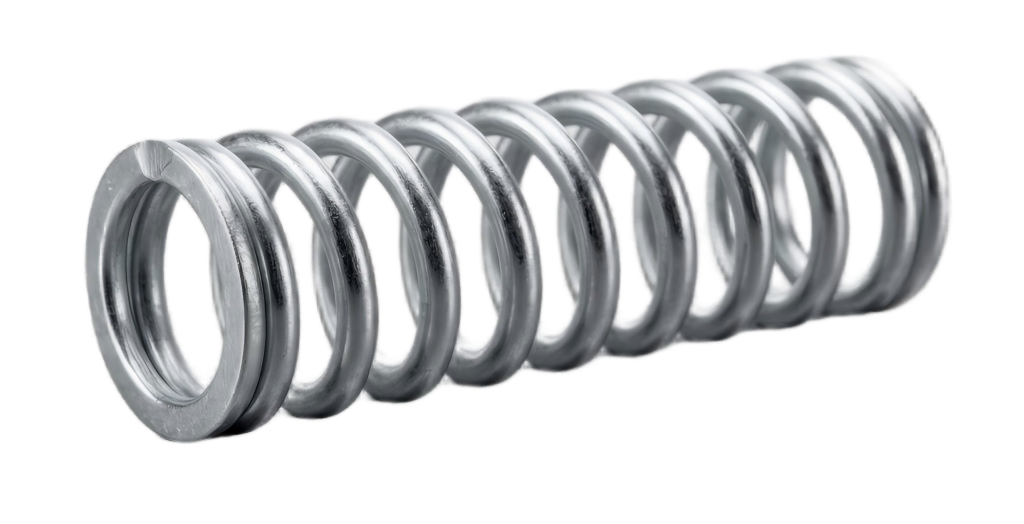
Compression Spring Stock
These steel springs should only be employed in corrosion-free settings.
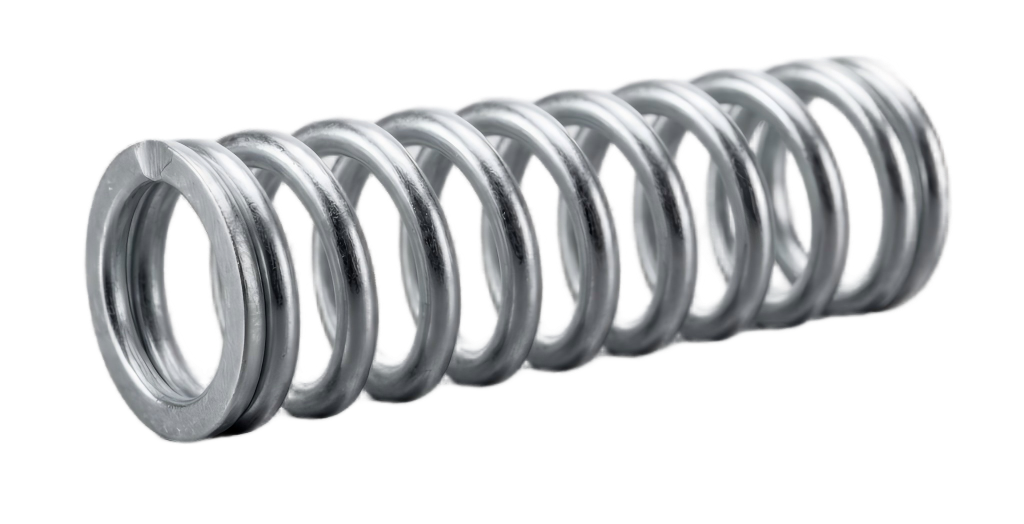
Corrosion-Resistant Compression Spring Stock
Fabricated from stainless steel, these springs exhibit superior corrosion resistance compared to conventional steel compression springs
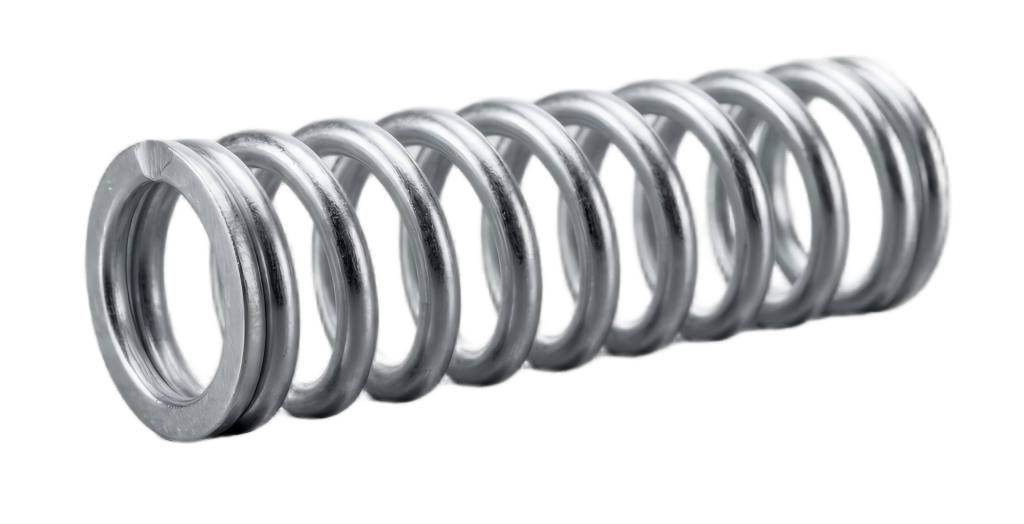
Corrosion-Resistant Precision Compression Springs
Fabricated from stainless steel, these springs exhibit superior corrosion resistance compared to conventional steel compression springs
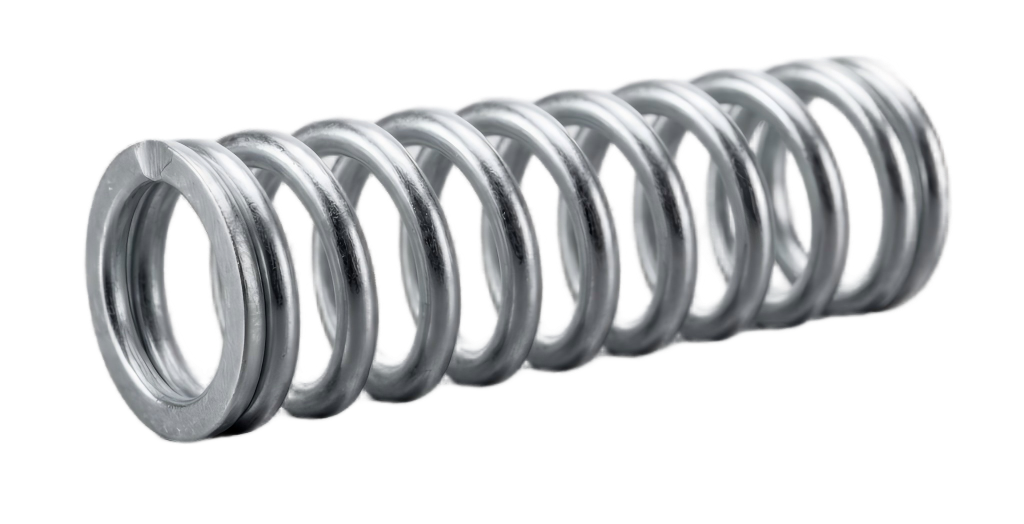
Precision Compression Springs
These steel springs should only be employed in corrosion-free settings.
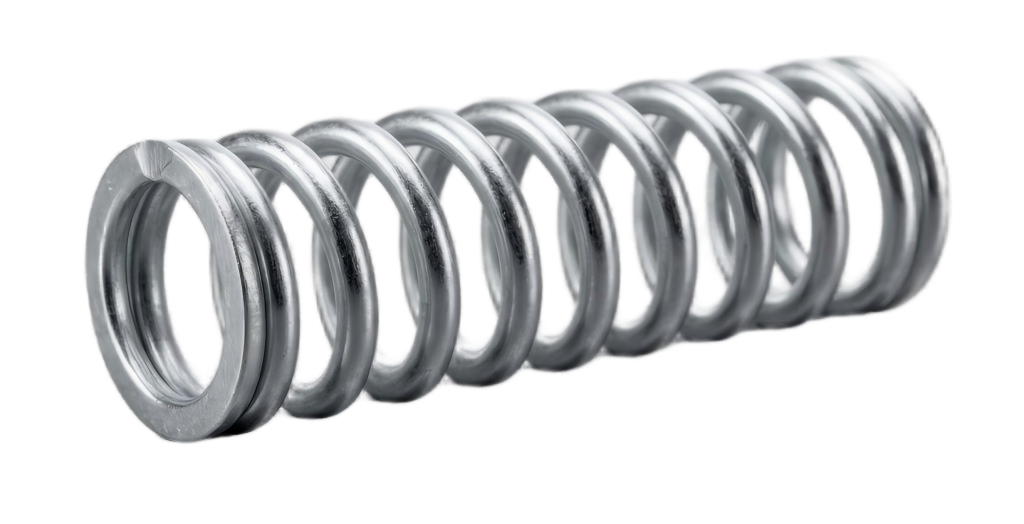
Mil. Spec. Compression Springs
These springs comply with MS24585 and are supplied with a verifiable lot number and material certification
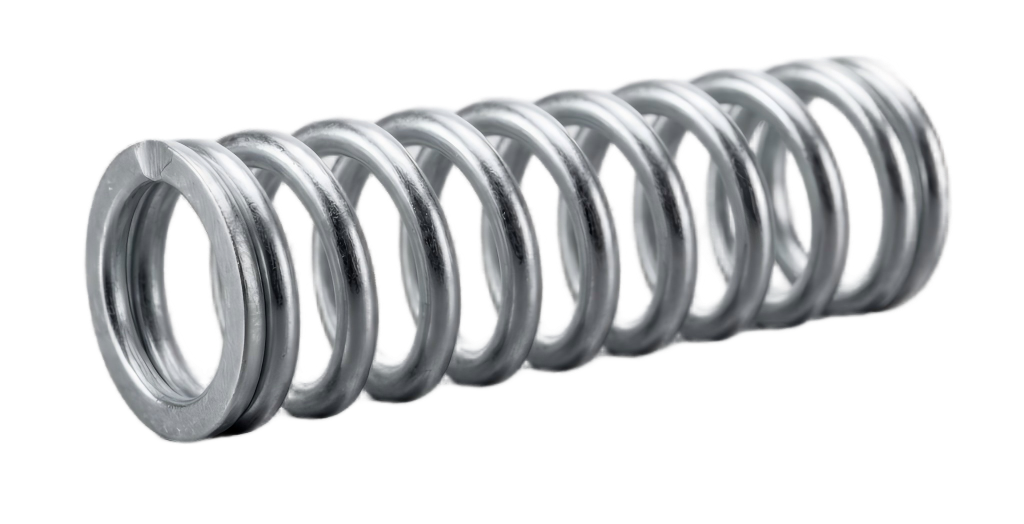
Made-to-Order Compression Springs
Should your design require a custom solution or if a spring of the specified dimensions is unavailable, we will procure it for you
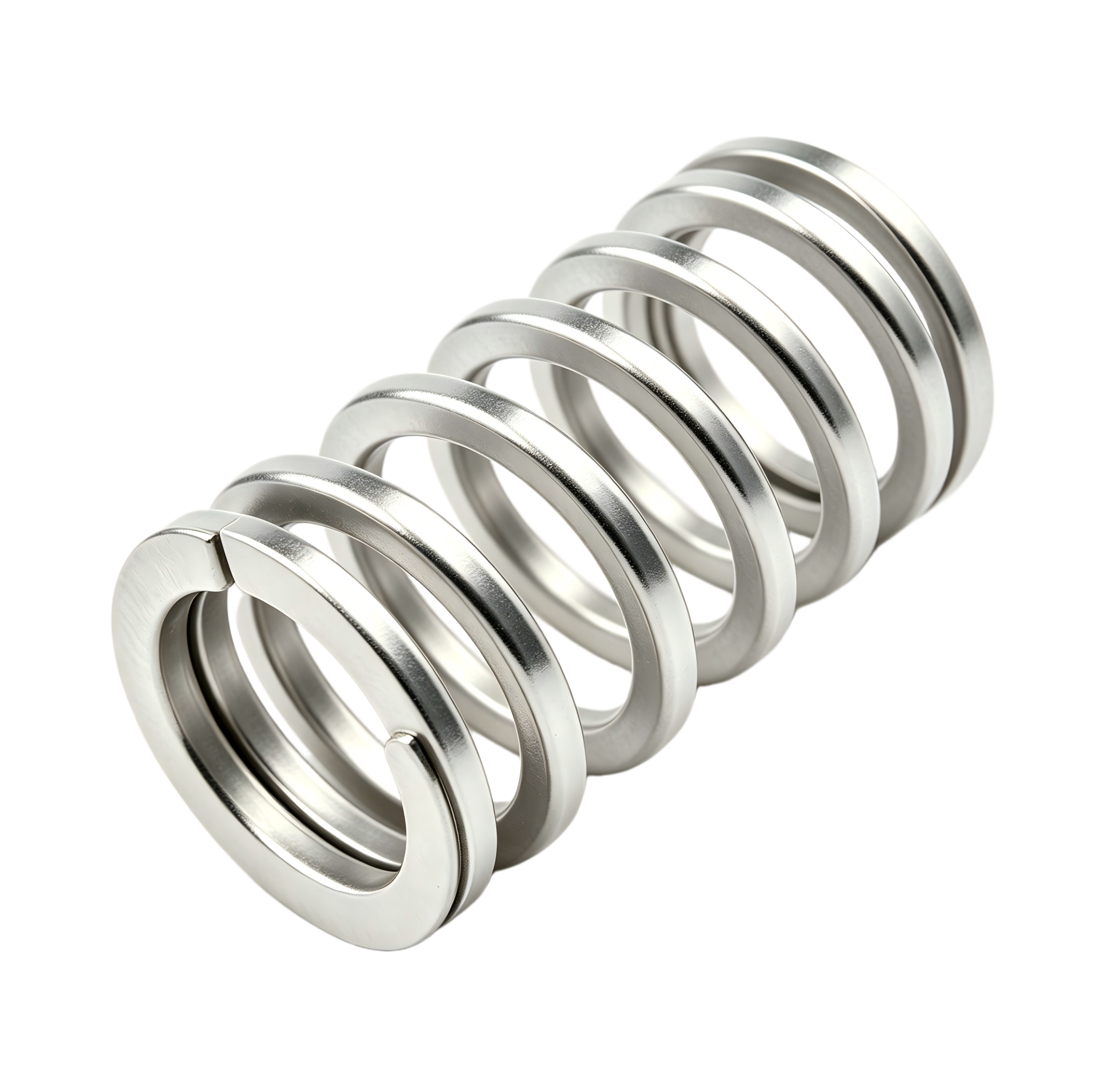
Plastic Compression Springs
As a lightweight, nonmagnetic, and electrically insulating substitute for metal springs, these polymer-based springs are more suitable for corrosive settings and applications incompatible with metallic components—such as sensitive imaging devices and machinery where stray currents could pose a risk.
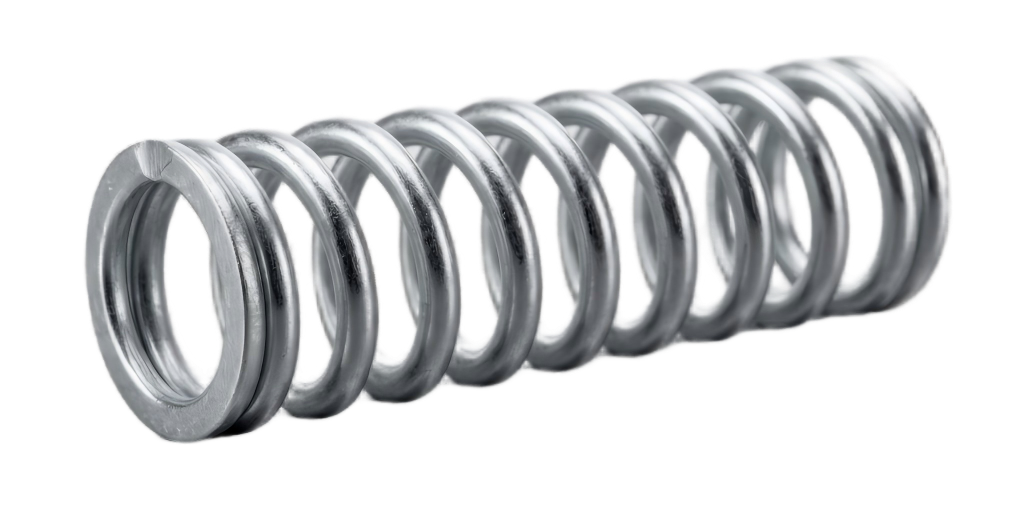
Confined-Space Conical Compression Springs
Mount these springs in confined spaces; when compressed, the coils interlock.
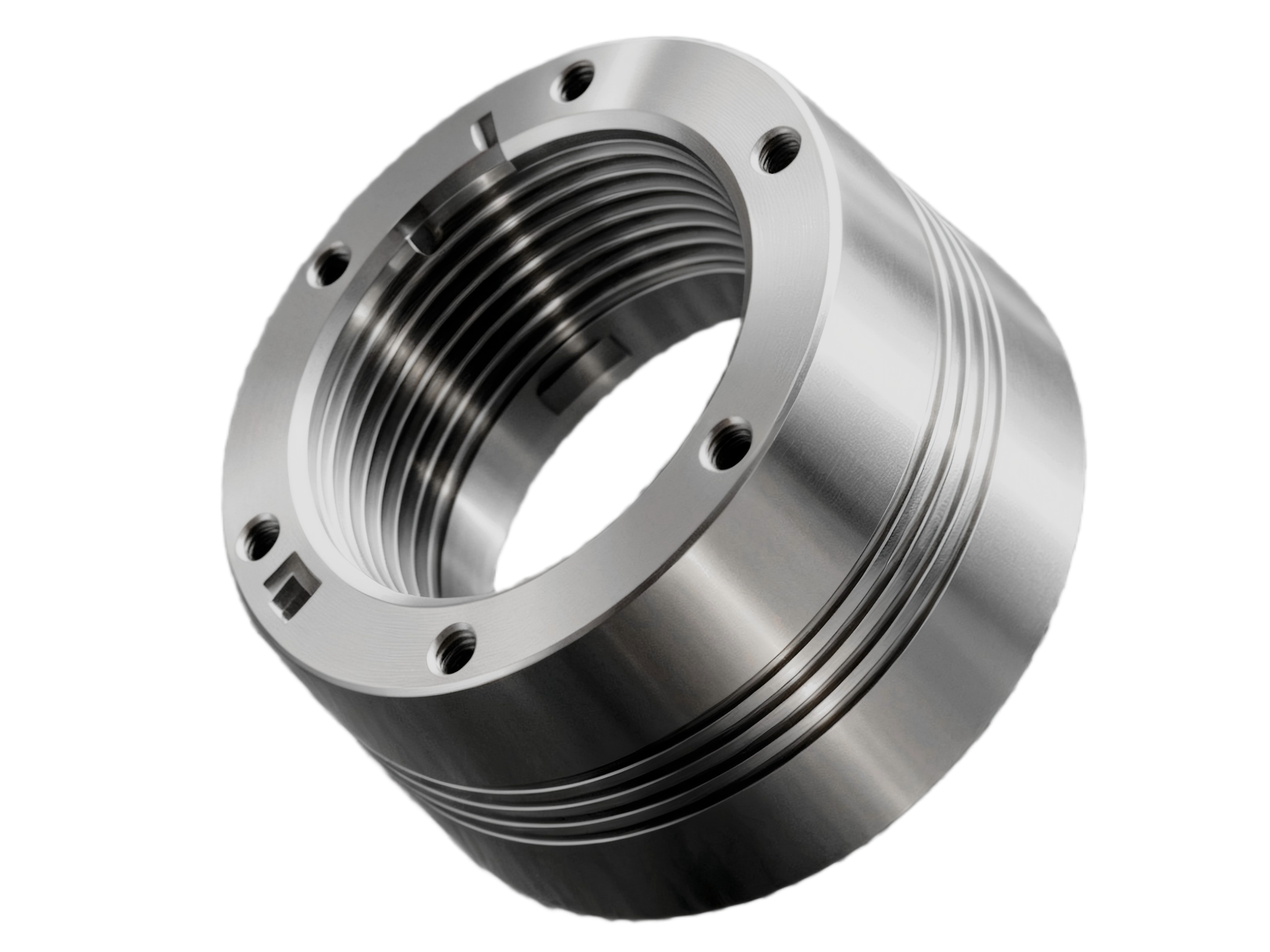
Fastener-Mount Compression Springs
The presence of non-uniform mounting holes on both sides facilitates adjustable mounting
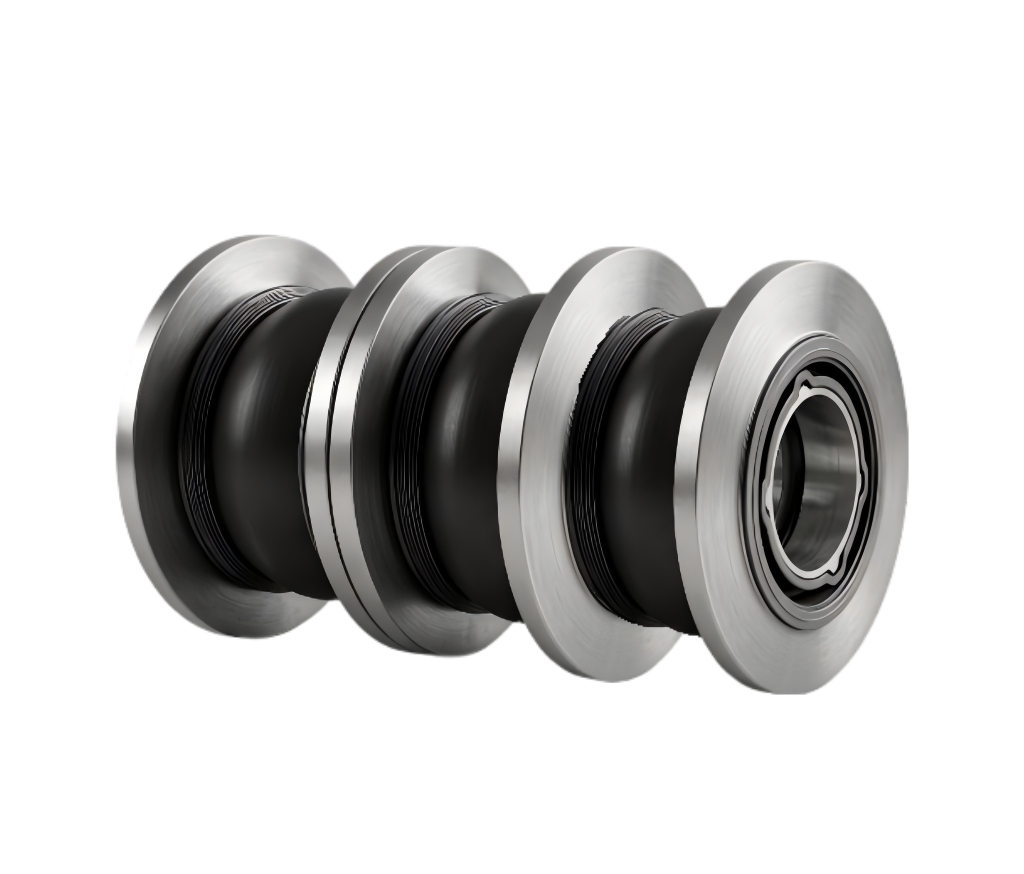
Flanged Compression Springs
The terminal flanges of these springs furnish a planar attachment interface.
Ultra-High-Load Fastener-Mount Compression Springs
Under maximum load conditions, these springs exhibit a load-bearing capability exceeding twice that of High-Load Fastener-Mount Compression Springs. For installation, pass a fastener through the base aperture to ensure fixation
High-Load Fastener-Mount Compression Springs
These springs accommodate greater loads compared to conventional fastener-mount compression springs. To secure, pass a fastener through the base hole.
What Is a Compression Spring?
A compression spring is a mechanical spring designed to resist compressive forces. When pressure is applied, the spring shortens and stores mechanical energy, then returns to its original length once the load is removed. It is the most common and widely used spring type in industrial and consumer products.
Characteristics of a Compression Spring
- Simple, Cost-Effective Design: Easy to manufacture and suitable for large-volume production.
- Wide Range of Materials and Sizes: Available in steel, stainless steel, alloy steel, and specialized materials.
- Linear Force Response: Provides predictable force as the spring is compressed.
- High Durability: Withstands repeated cycles in demanding environments.
- Customizable Geometry: Coil diameter, pitch, and wire size can be adjusted for specific force requirements.
- Stable Performance: Offers reliable force output for long-term applications.
- Low Maintenance: Mechanical, non-gas structure requires minimal servicing.
How Compression Springs Work
A compression spring works by resisting force when it is pressed together. When a load is applied:
- The coils compress, shortening the overall length of the spring.
- Mechanical energy is stored in the twisted wire as the spring deforms.
- When the load is removed, the stored energy is released, and the spring returns to its original length, pushing back against the force.
Because of their coil geometry and material elasticity, compression springs offer predictable, repeatable force, making them ideal for applications that require cushioning, pushing, or returning motion.
Common Materials of Compression Springs
- Compression springs can be made from a wide range of materials to match different load, temperature, and environmental requirements:
- Music Wire (High-Carbon Steel): The most common choice for general-purpose springs, offering excellent strength and fatigue resistance.
- Stainless Steel (e.g., 302, 304, 316): Provides corrosion resistance for outdoor, chemical, or moisture-rich environments.
- Alloy Steel (e.g., Chrome Silicon, Chrome Vanadium): Designed for high-stress, high-temperature, or high-cycle applications such as automotive and industrial machinery.
- Phosphor Bronze: Good conductivity and corrosion resistance—often used in electronics and electrical components.
- Beryllium Copper: Ideal for applications requiring non-magnetic, non-sparking, or conductive properties.
- Nickel-Based Alloys (e.g., Inconel, Hastelloy): Suitable for extreme temperatures, corrosive environments, and aerospace-grade applications.
- Titanium: Offers a high strength-to-weight ratio and is perfect for lightweight or performance-critical applications.
Key Advantages of Compression Springs
- Simple and Cost-Effective: Easy to manufacture and highly economical for both small and large production runs.
- Reliable and Predictable Force: Offers a linear, consistent response throughout compression.
- Long Service Life: Designed to handle repeated cycles with minimal wear.
- Highly Customizable: Coil diameter, wire thickness, pitch, and material can be tailored to meet specific load and deflection requirements.
- Wide Material Options: Suitable for stainless steel, carbon steel, alloy steel, and high-performance materials for special environments.
- Versatile Use: Works across a broad range of industries—from automotive to electronics to consumer products.
- Low Maintenance: Purely mechanical structure requires virtually no servicing.
- Excellent Energy Storage: Efficiently stores and releases mechanical energy for return or pushing actions.
Applications of Compression Springs
- Automotive Components: Used in suspension systems, valves, brakes, and clutches.
- Industrial Machinery: Provides force and shock absorption in equipment and mechanical assemblies.
- Electronics & Consumer Devices: Common in buttons, switches, battery contacts, and small precision mechanisms.
- Aerospace & Defense: Used in actuators, landing systems, and vibration control mechanisms.
- Medical Devices: Found in surgical tools, pumps, and diagnostic equipment.
- General Hardware: Utilized in tools, fasteners, and everyday mechanical devices.