Lead Screws and Nuts
1885 Products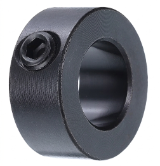
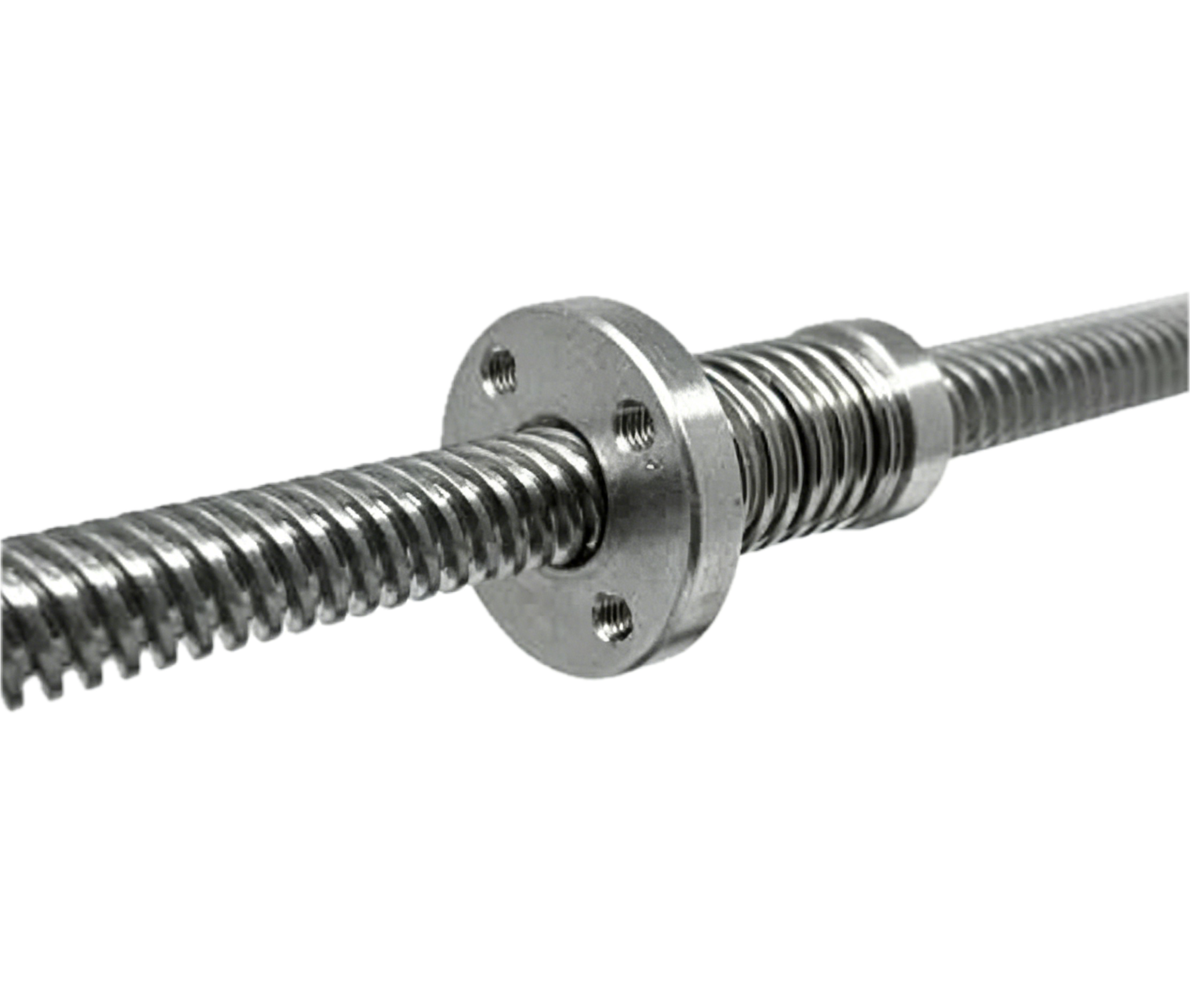
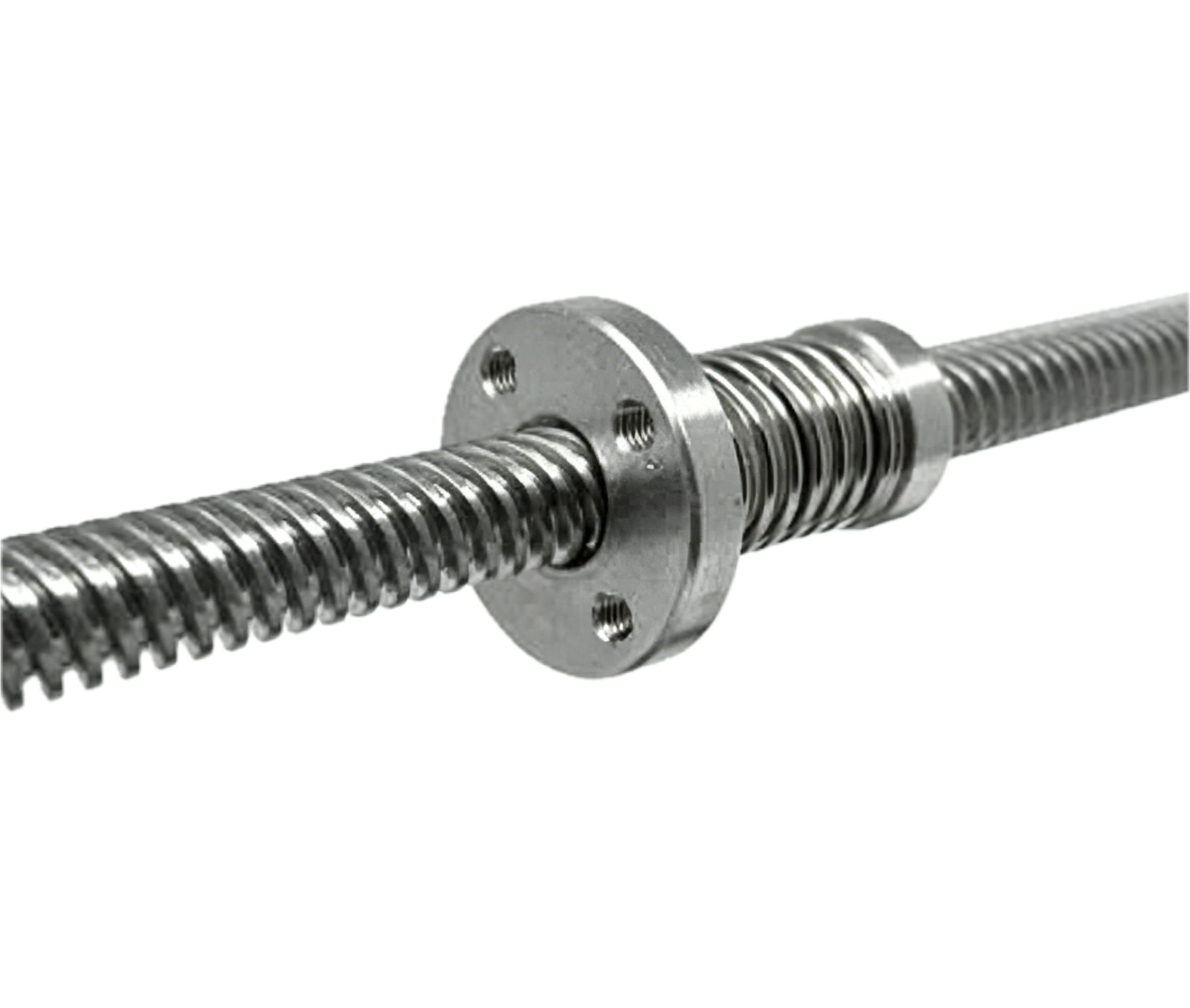
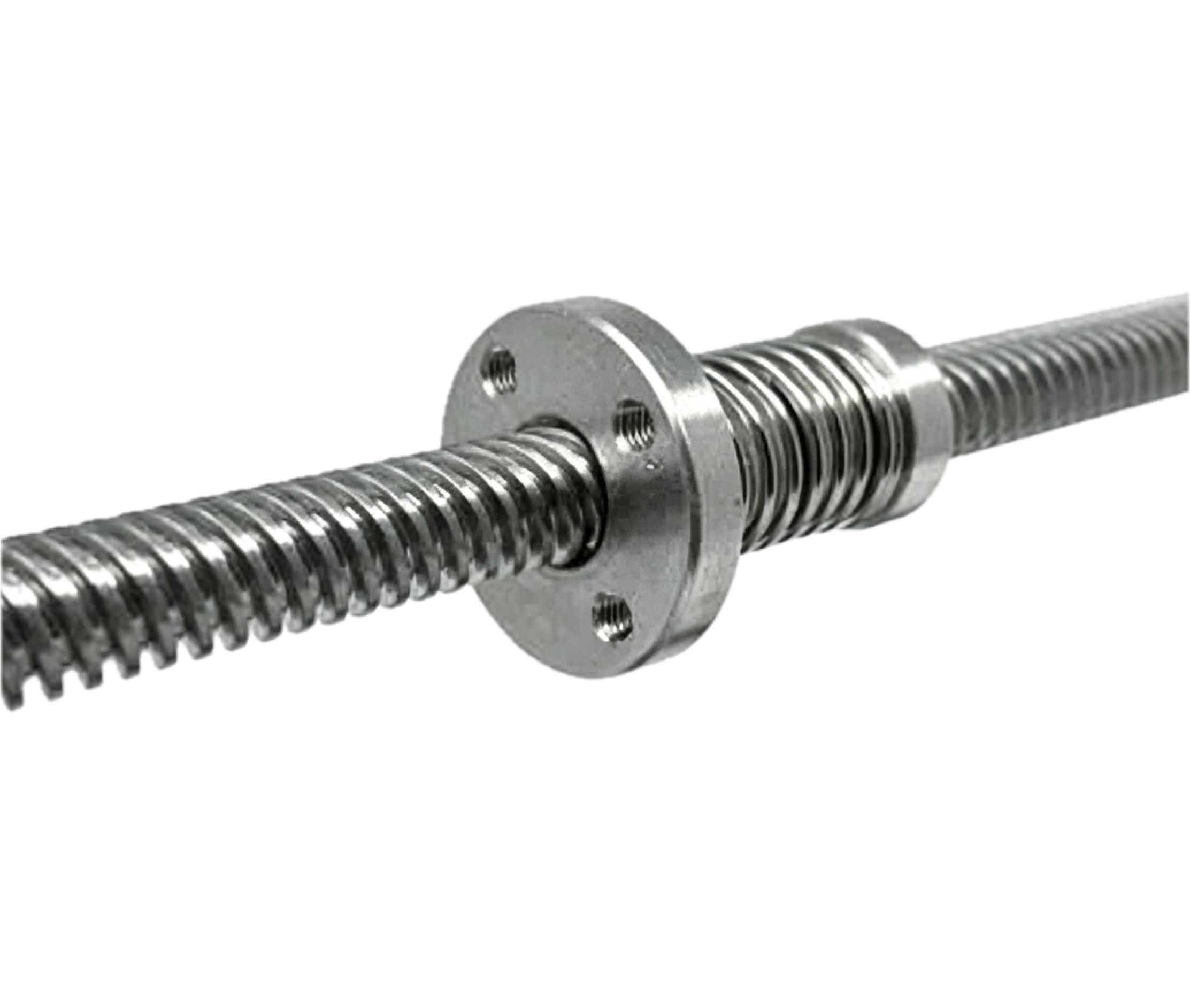
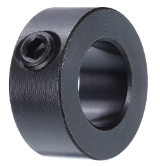
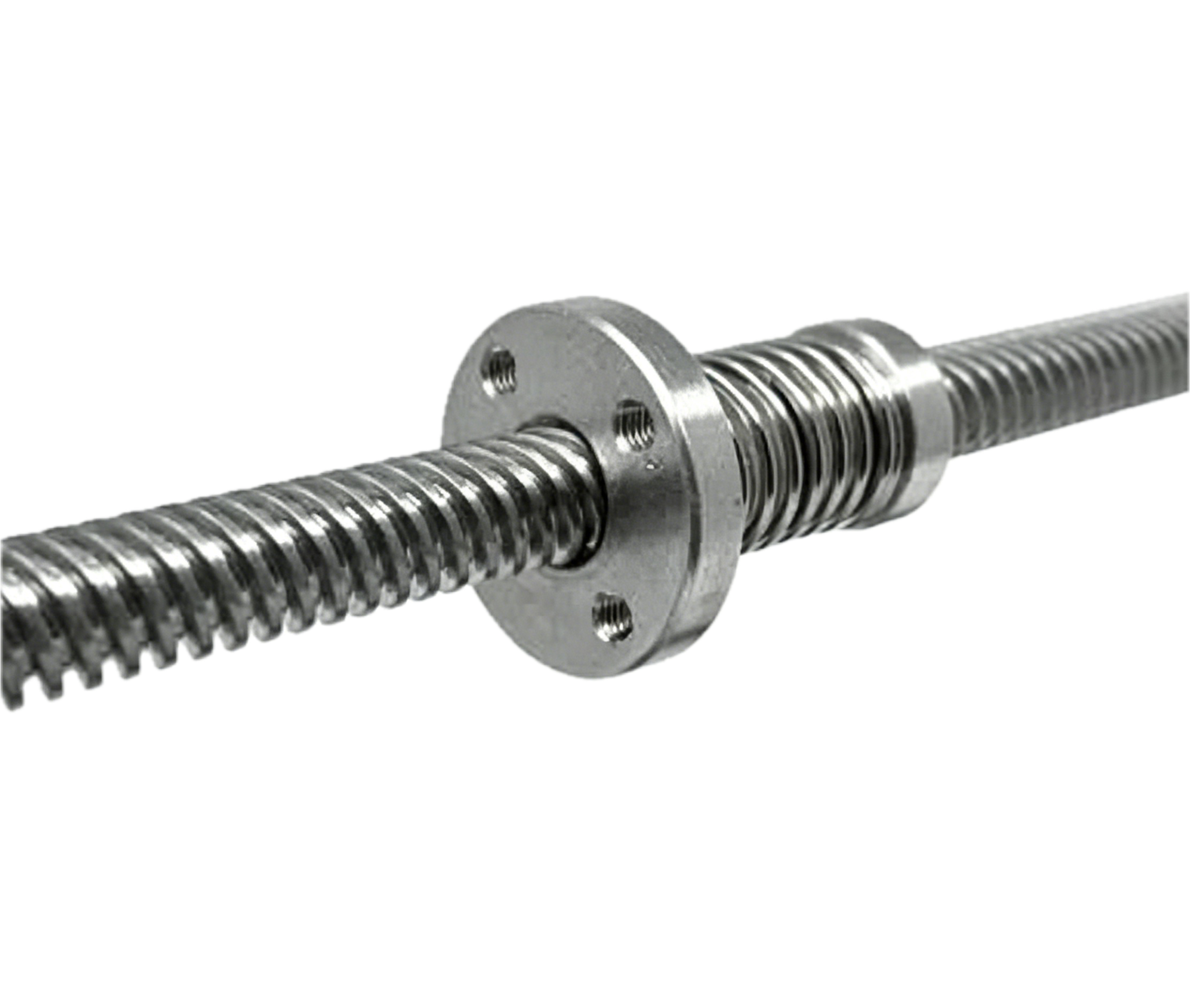
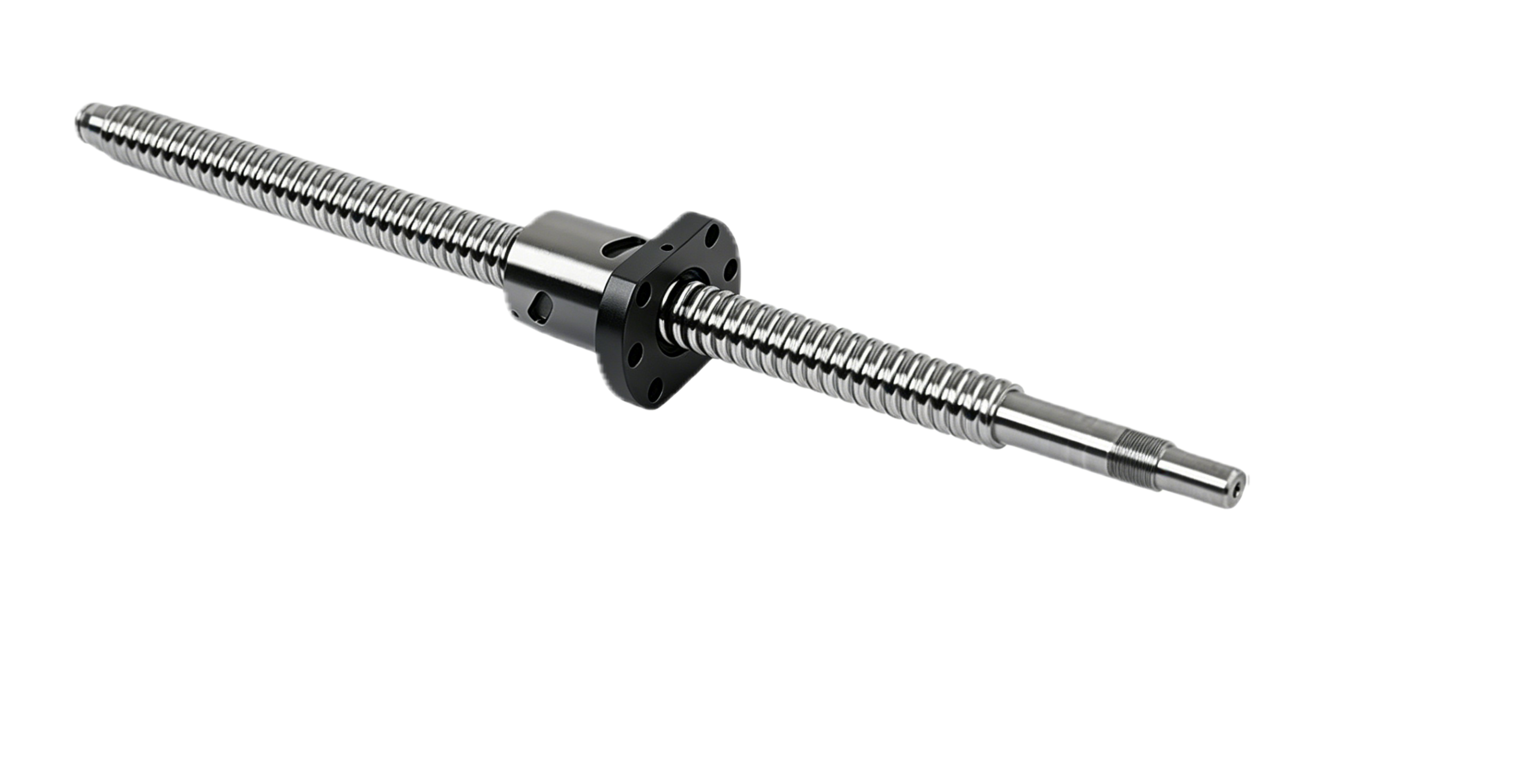
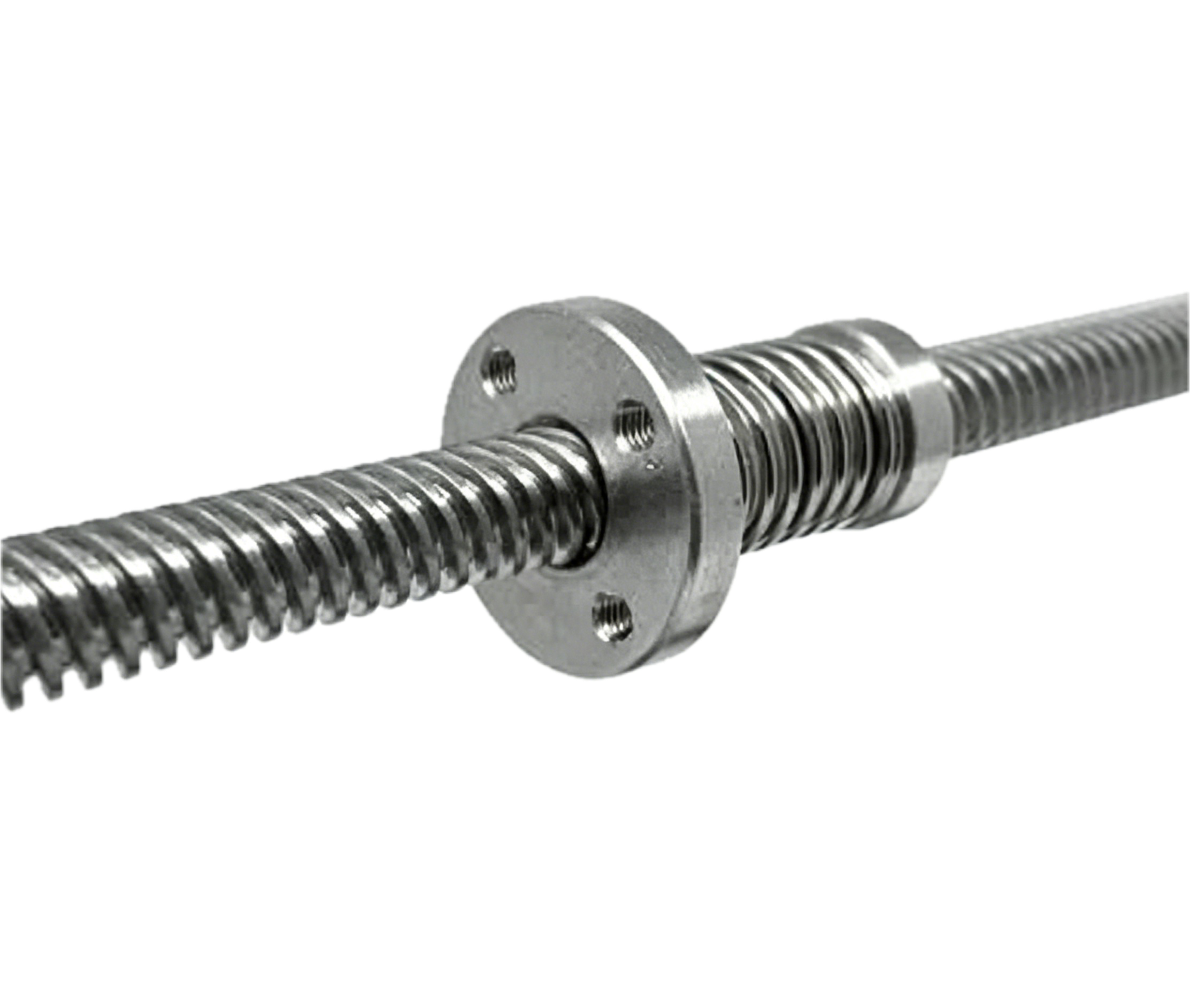
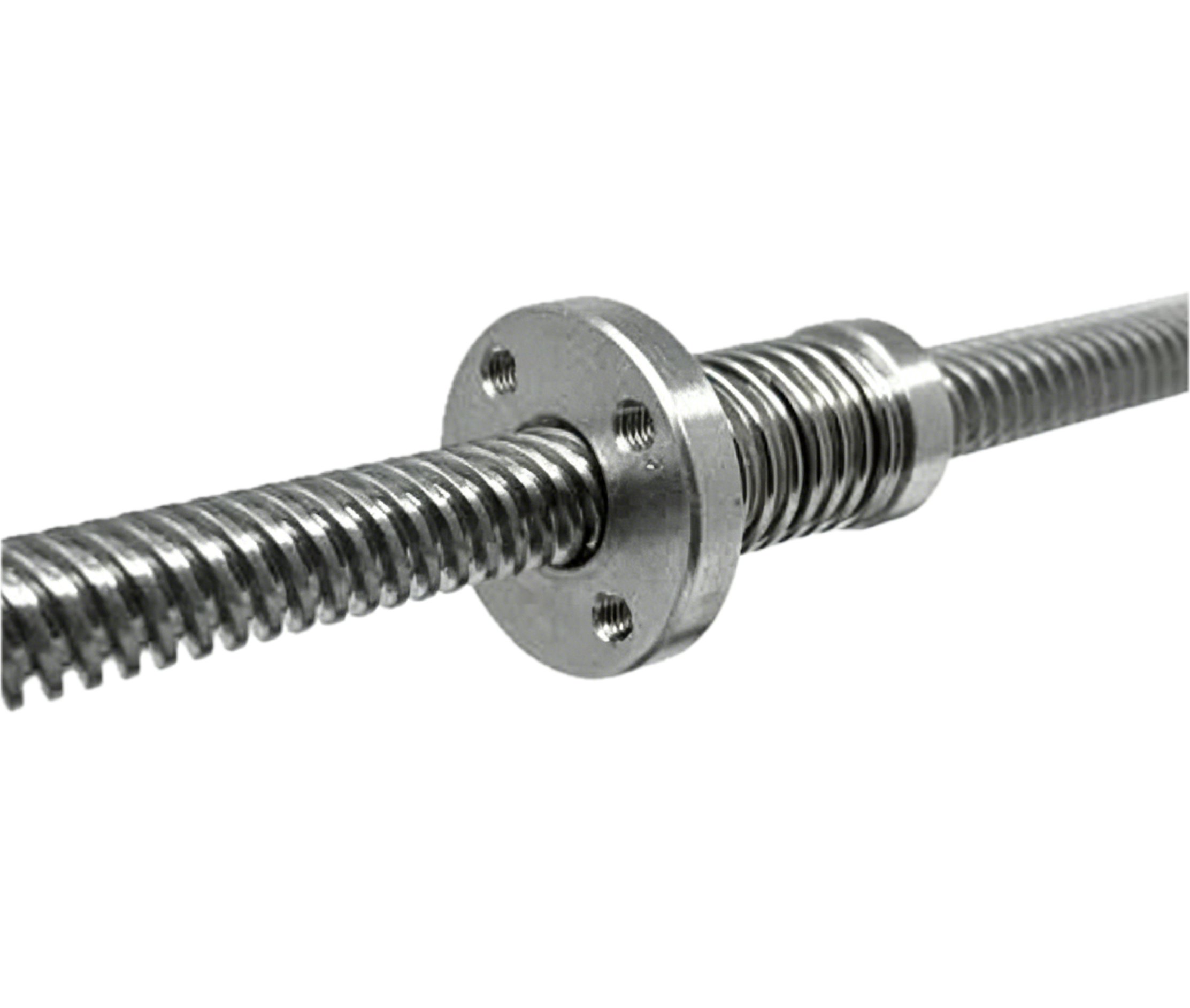
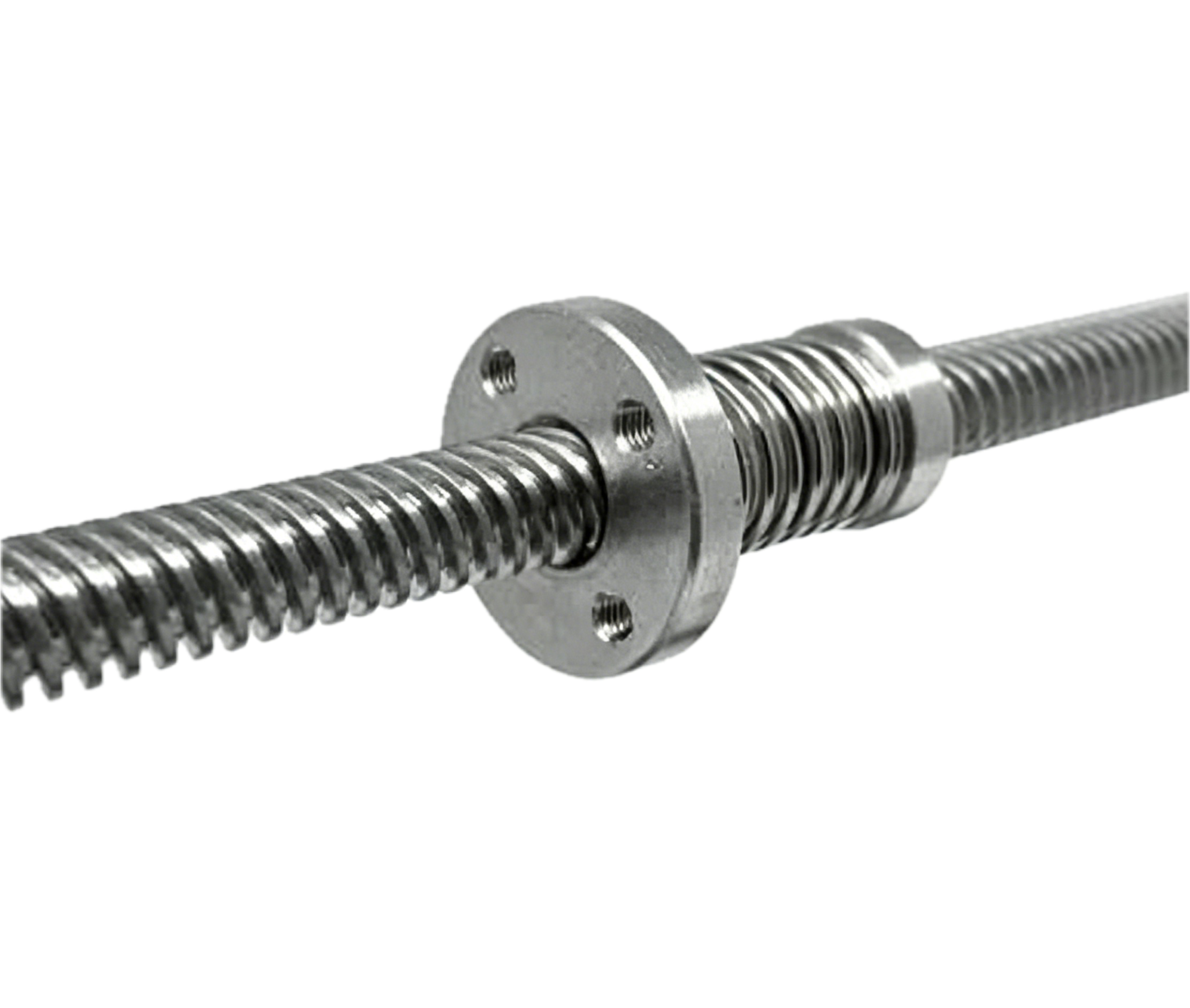
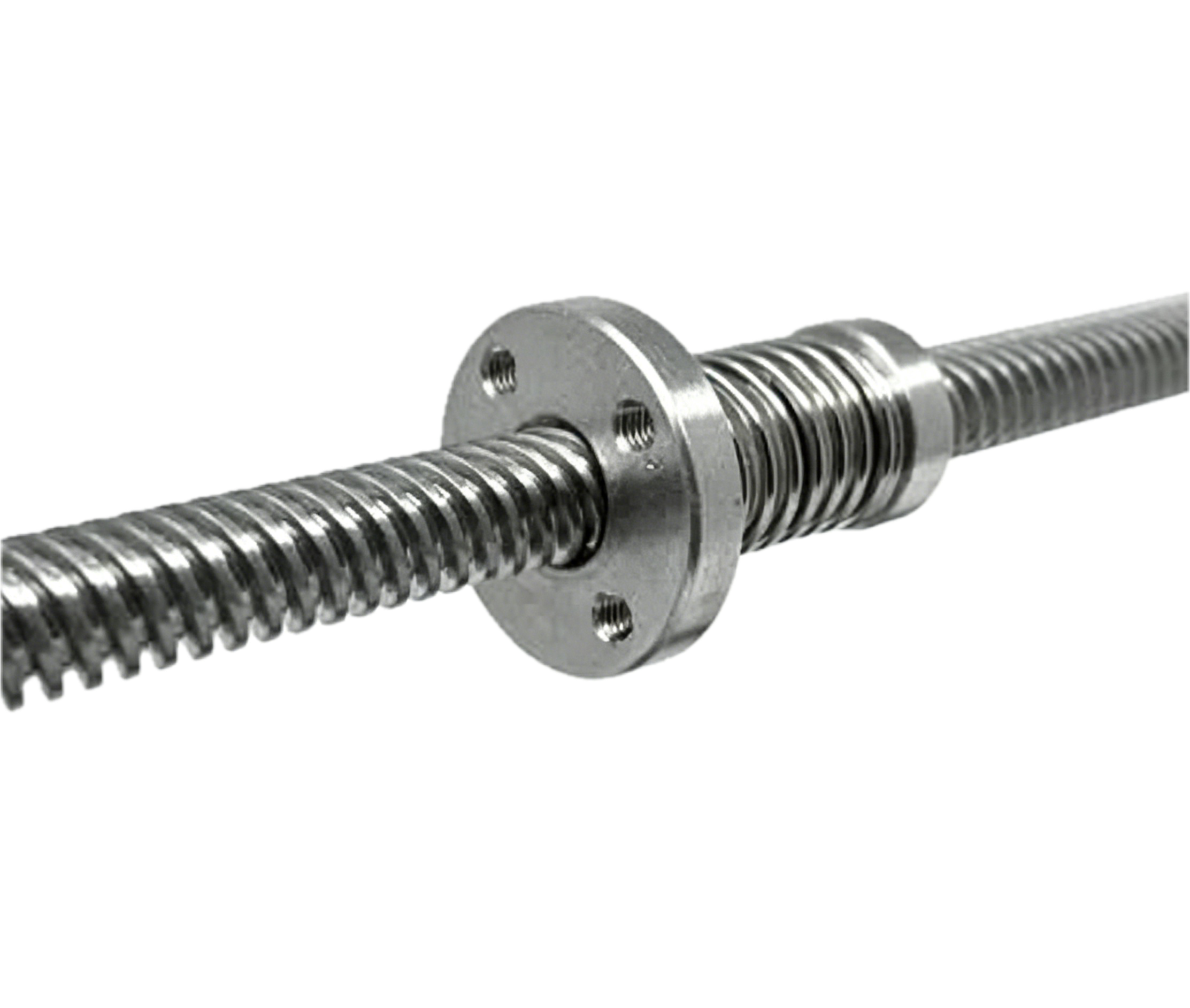
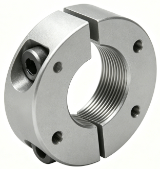
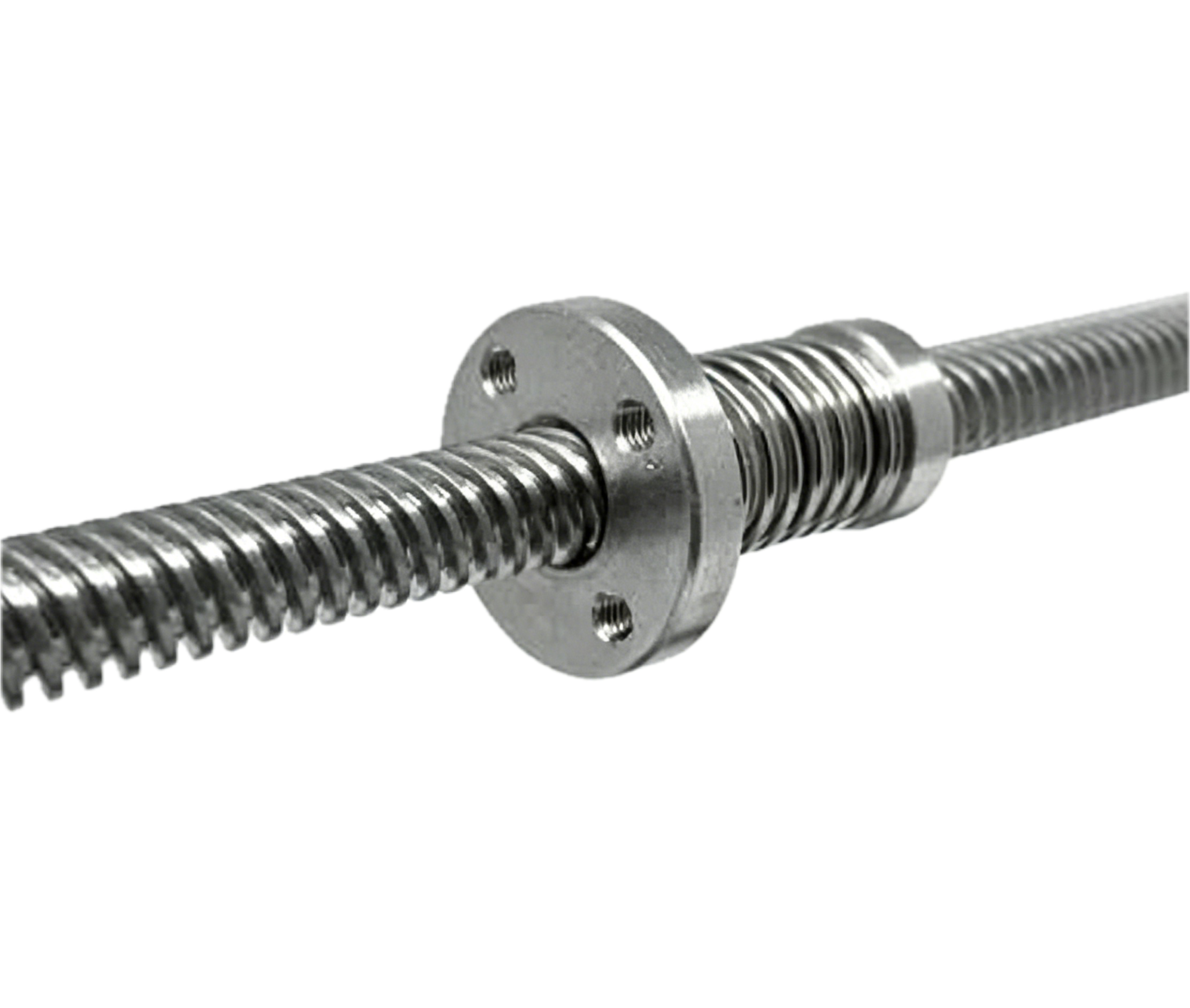
LILY Bearing stocks 1,885 lead screws and nuts in Inch and Metric threads, across Acme, precision, ultra-precision, self-reversing, and threadless designs. Screws and nuts are listed as separate components. Use the filters below, or the comparison table, to narrow down by type, accuracy, or material.
Compare Lead Screw & Nut Types
| Type | How It Works | Best For | Watch Out For |
|---|---|---|---|
| Acme Lead Screws and Nuts | A trapezoidal (Acme) thread profile gives strong load-bearing capability and smooth, quiet operation | General-purpose clamps, vises, and manual lifting or positioning tasks | Screw and nut are sold separately — match thread size and starts between the two |
| Precision Acme Lead Screws and Nuts | Tighter manufacturing tolerances give travel accuracy around ±0.001" or better; friction from the thread angle keeps the nut from drifting when the screw is at rest | Positioning tasks where the assembly must hold its place without power applied | Higher friction than a ball screw means lower mechanical efficiency |
| Ultra-Precision Lead Screws and Nuts | Tightest available tolerances, with travel accuracy as fine as ±0.0006" per inch | Aerospace, medical devices, scientific instruments, and other high-precision equipment | Higher cost than standard or precision-grade lead screws |
| Fast-Travel Precision & Ultra-Precision Lead Screws and Nuts | Multiple thread starts move the nut farther per revolution than a single-start screw | Applications needing faster linear travel without giving up precision-grade tolerances | Faster travel per turn trades off some of the self-locking friction of a single-start screw |
| Self-Reversing Lead Screws and Nuts | A crisscross (diamond) thread pattern reverses the nut's travel direction automatically at each end, without reversing the screw's rotation | Winding, spooling, or back-and-forth motion driven by a motor spinning in one direction | Specialized thread pattern — the matching nut must be designed for the same crisscross profile |
| Threadless Lead Screw Nuts | Angled ball bearings inside the nut grip a smooth (threadless) rotating shaft by friction to create linear motion | Building a linear positioning system on a plain rotary shaft, with built-in overload protection | The nut slips once the load exceeds its rated thrust capacity — check that rating against your application |
| Clamping Acme Lead Screw Collars | A collar threads or clamps onto the lead screw to set and hold an axial position | Setting travel limits or securing components along an Acme lead screw | This is a positioning collar, not a load-bearing nut — it doesn't drive linear motion |
| Metric Lead Screws and Nuts | Same trapezoidal thread principle as Acme, sized to metric thread standards | Metric-based equipment and assemblies | Confirm thread size and pitch match your metric drive components |
Screws and Nuts Are Listed Separately
As with our ball screws, each listing in this category is either a lead screw (the threaded shaft) or a lead screw nut (the mating internally-threaded component) — they are not sold as a pre-assembled pair. Match the thread size, thread type, and number of thread starts between the screw and nut you select to ensure they mate correctly.
Need a Custom Length or a Part Cross-Reference?
Working from an existing McMaster-Carr or manufacturer part number? Our team can cross-reference it to an equivalent LILY Bearing lead screw or nut, or quote a custom length, thread, or material. Request a Quote or Contact Us.
Frequently Asked Questions
What's the difference between a lead screw and a ball screw?
A lead screw's nut slides directly against the screw's threads, creating friction that can make the assembly self-locking — it holds its position without power. A ball screw uses recirculating ball bearings between the screw and nut for much lower friction and higher efficiency, but it generally isn't self-locking.
What does "self-reversing" mean for a lead screw?
A self-reversing lead screw has a crisscross (diamond) thread pattern instead of a single continuous groove. When the nut reaches one end, it automatically follows the pattern back in the opposite direction — giving back-and-forth linear motion from a motor that only ever spins one way.
How does a threadless lead screw nut work without threads?
Instead of mating threads, a set of angled ball bearings inside the nut presses against a smooth rotating shaft. Friction between the bearings and the shaft drives the nut along its length. If the load exceeds the nut's rated thrust capacity, it slips instead of transmitting excess force — a built-in overload protection.
What's the difference between precision and ultra-precision lead screws?
Precision lead screws hold travel accuracy of about ±0.001" or better. Ultra-precision lead screws are manufactured to tighter tolerances still, with accuracy as fine as ±0.0006" per inch, for applications like aerospace and medical devices where positioning error has to be minimal.