

 William
How to Clean Ceramic Bearings?
 Richard : Aug 26, 2025 10:55:56 PM
Curious about maintaining ceramic bearings? Questions like “What makes ceramic bearings better?”, "What can I use to clean ceramic bearings?" or...
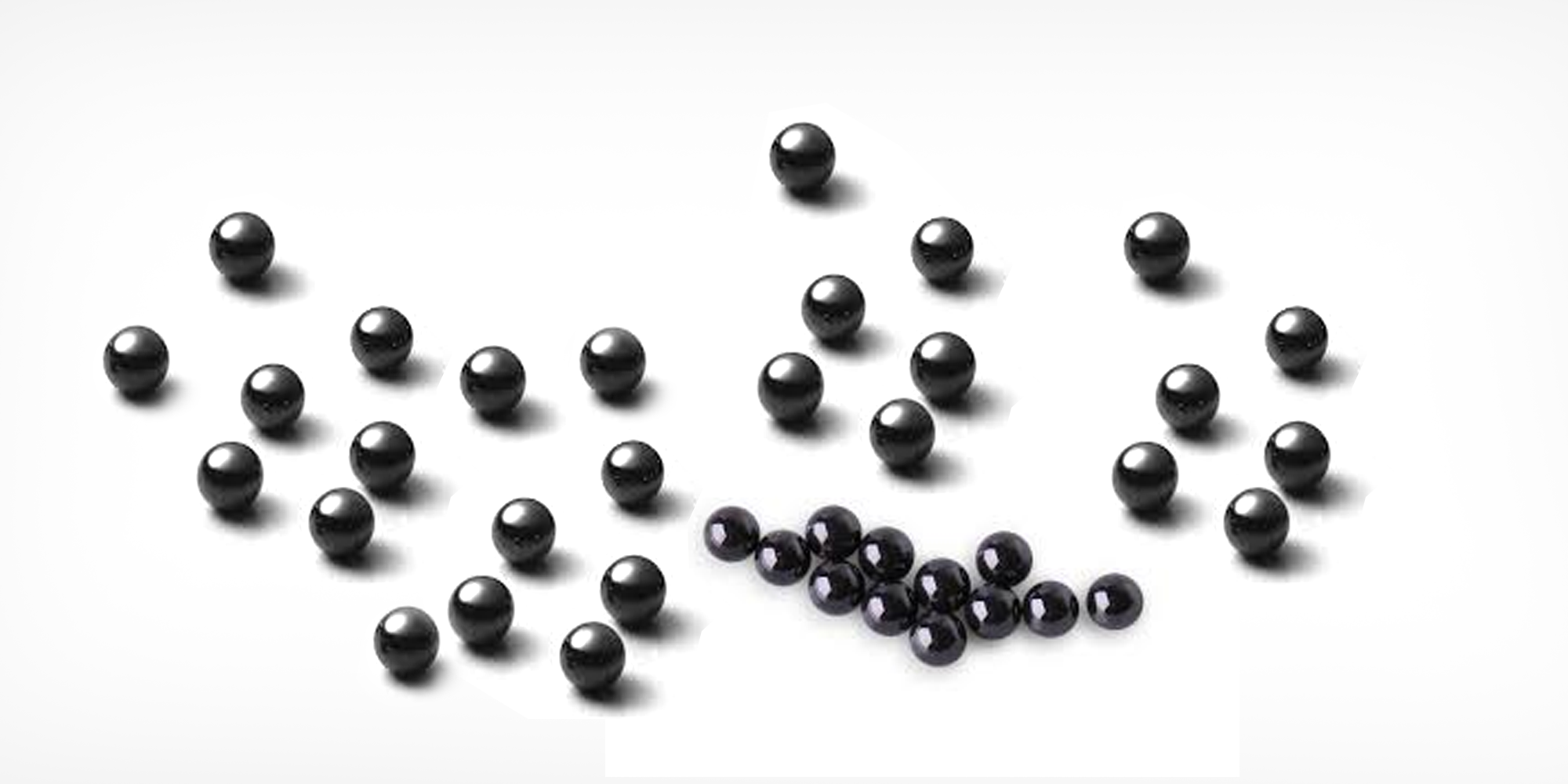
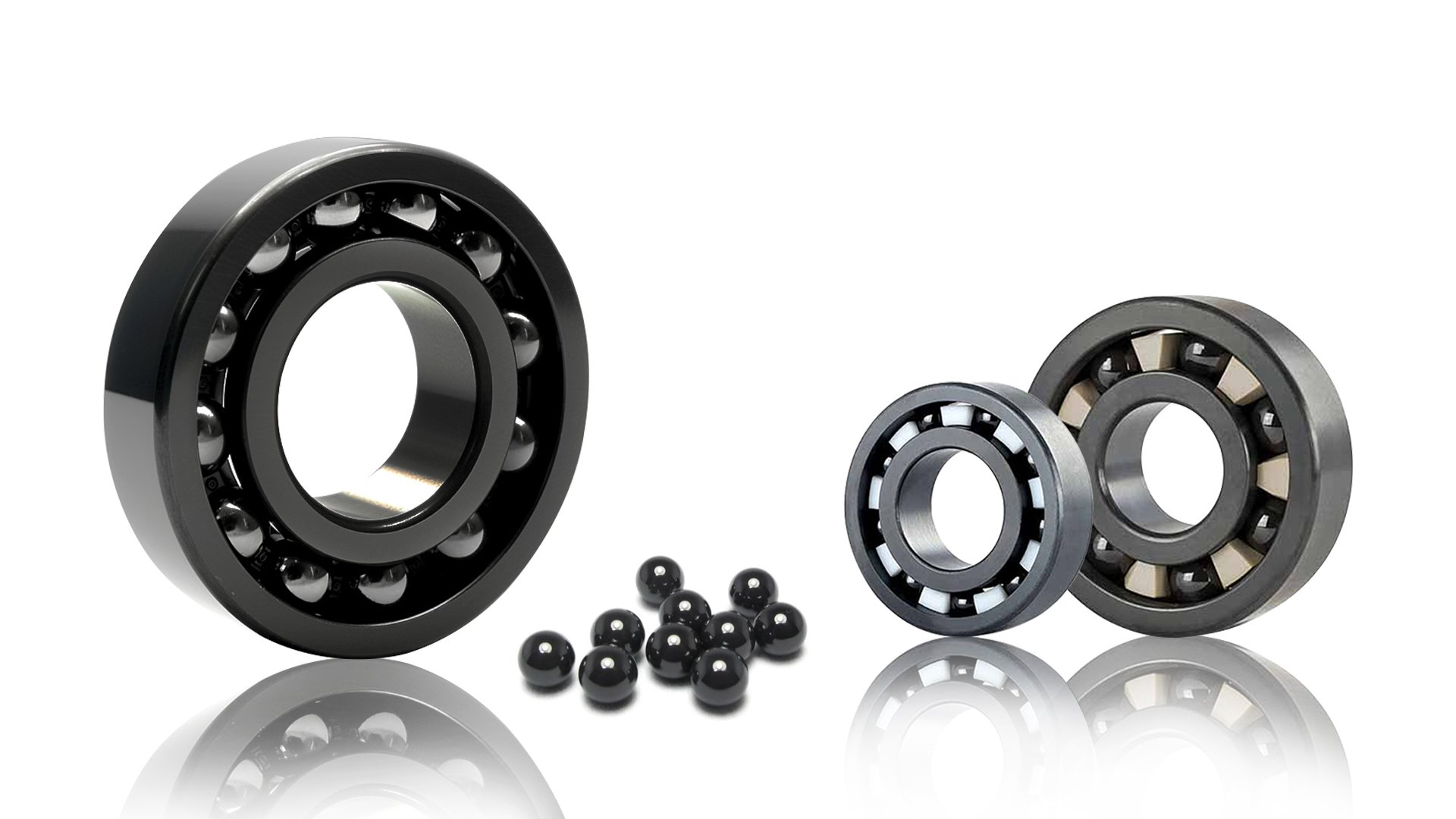
In the world of advanced engineering materials, silicon nitride balls have emerged as a groundbreaking solution.
These precision-crafted spheres have revolutionized the concept of bearings, offering superior performance in a multitude of demanding applications.
This blog provides an in-depth look at silicon nitride balls, comparing them with other materials like Zirconia balls, and explores their unique benefits and wide-ranging uses.
Silicon nitride balls are noted for their exceptional hardness.
They are substantially harder than many types of steel, allowing them to withstand extreme wear and tear in high-stress environments.
This hardness translates directly into strength, enabling these balls to handle significant loads without deformation or failure.
Refer to the chart below for a detailed comparison of silicon nitride balls' hardness.
Si3N4 balls stand out because they stay strong and keep their shape even when it gets really hot.
Unlike some other materials and metals that might break down or melt, these balls can handle high temperatures and still work well.
With a density significantly lower than that of steel, silicon nitride balls offer advantages in reducing the overall weight of the assembly.
This property is particularly beneficial in applications where weight savings are critical, such as in aerospace or high-speed applications.
Silicon nitride doesn't expand much with heat, so the balls keep their size and shape even when temperatures go up and down.
This is key for staying precise and stable in places where the temperature changes a lot.
The wear resistance of silicon nitride is superior.
This means that in applications such as bearings, these balls will last longer than their metal counterparts, reducing the frequency of replacements and maintenance.
Silicon nitride balls are chemically inert and offer excellent resistance to corrosion.
This makes them suitable for use in harsh environments, including those involving corrosive substances or moisture, where metal balls might suffer degradation.
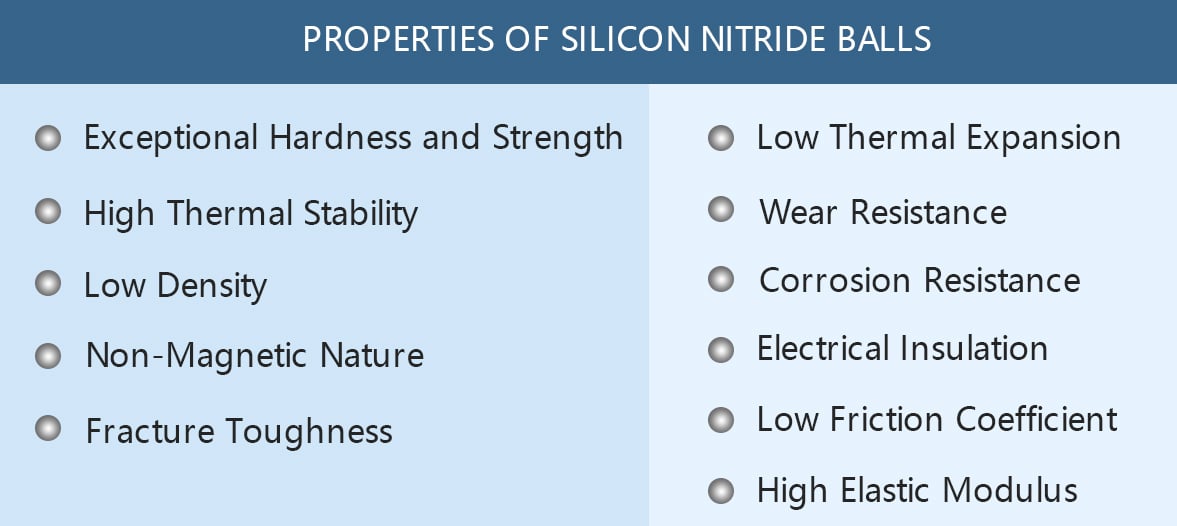
Another significant property of silicon nitride balls is their electrical insulation capability.
They do not conduct electricity, which is essential for preventing electrical erosion in applications such as electric motor bearings.
The non-magnetic nature of Si3N4 makes these balls ideal for use in applications where magnetic interference must be avoided, such as in MRI machines or in semiconductor manufacturing equipment.
Despite their hardness, silicon nitride balls have good fracture toughness, which means they can absorb significant energy before failing, making them resilient against impacts and shocks.
Silicon nitride balls have a high elastic modulus, indicating that they are very stiff and can restore their shape when deforming forces are removed.
This is particularly important for maintaining the precision of mechanical systems under load.
The low friction coefficient of Si3N4 reduces energy losses due to friction, enhances efficiency, and minimizes the generation of heat in applications such as high-speed bearings, contributing to the longevity of the systems in which they are used.
Silicon nitride balls are crafted using advanced techniques including spray drying granulation, cold isostatic pressing, precision molding, and GPS HIP sintering, complemented by high-efficiency grinding.
These processes ensure silicon nitride balls achieve G5 precision (GB/T308 2002) and grade 1 material quality.
Sintering methods for these ceramics include:
.jpg?width=1633&height=1117&name=Sintering%20methods%20(2).jpg)
Hot Isostatic Pressing (HIP):
This method is commonly used for HIP Silicon Nitride Balls.
Hot Pressing (HP)
Atmospheric Pressure Sintering
The manufacturing of silicon nitride (Si3N4) balls involves a precise and controlled process to ensure their high performance and durability in demanding applications.
Here's a streamlined overview:
.jpg?width=1243&height=1144&name=manufacturing%20of%20silicon%20nitride%20balls%20(2).jpg)
This streamlined process, from powder to polished product, results in silicon nitride balls with exceptional mechanical properties, suited for high-performance bearing applications.
Silicon nitride (Si3N4) balls are utilized in a variety of high-demand applications due to their unique properties.
Here are some of the primary uses:
Silicon nitride bearings are the epitome of innovation in high-performance bearing technology.
With exceptional strength, durability, and resistance to wear and high temperatures, silicon nitride balls outshine traditional steel bearings.
These properties enable the ceramic ball bearings to operate with less friction, reduced wear, and at higher speeds, making them ideal for industries seeking efficiency and longevity.
Silicon Nitride (Si3N4) balls represent a pinnacle of engineering excellence, embodying the perfect blend of durability, performance, and efficiency required by cutting-edge industries.
At LILY Bearing, we are proud to offer a premium selection of Silicon Nitride balls, meticulously designed to meet the rigorous demands of various applications.
Visit us today to learn more about our Silicon Nitride balls and how they can revolutionize your applications.
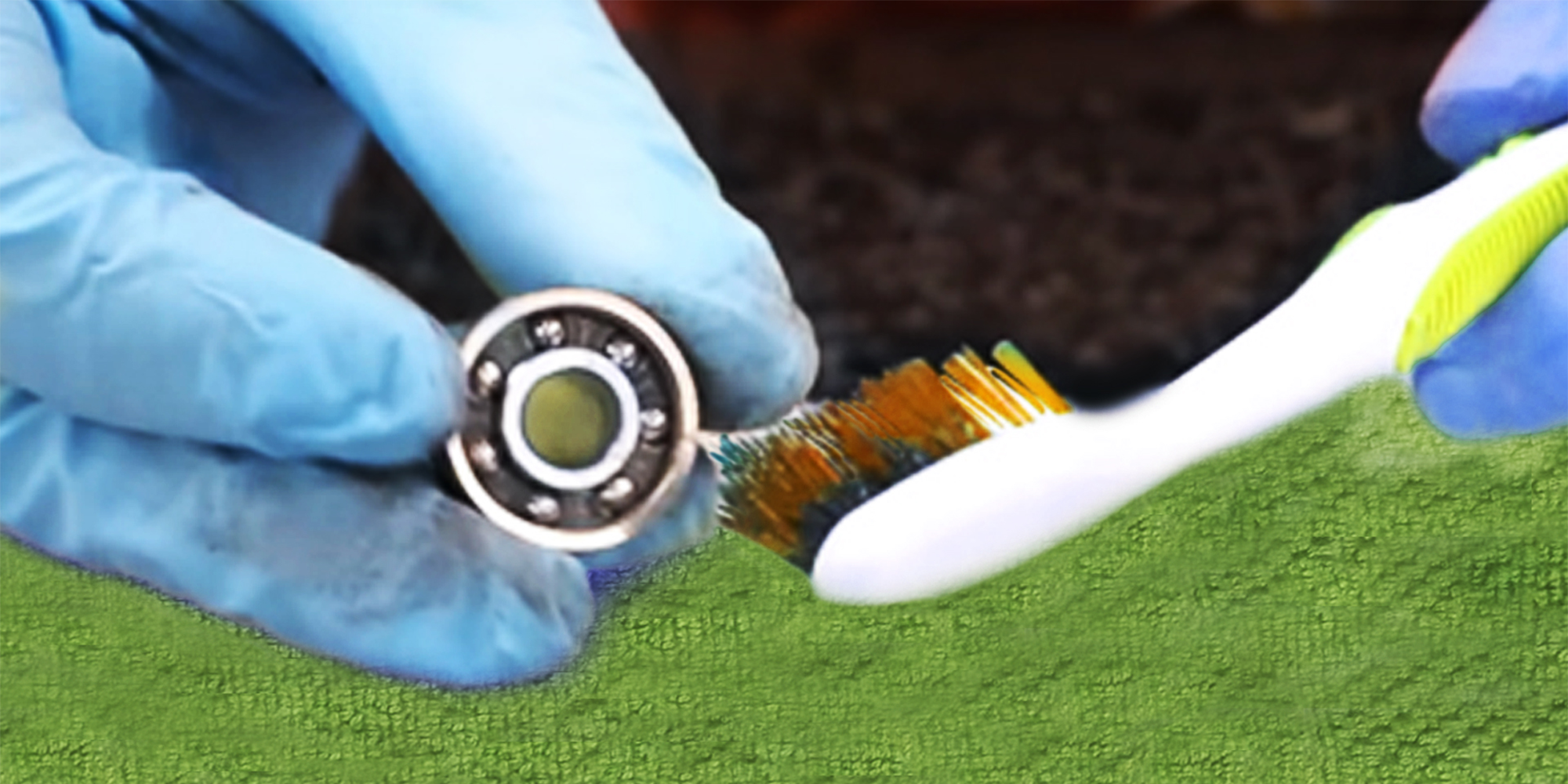 Richard : Aug 26, 2025 10:55:56 PM
Curious about maintaining ceramic bearings? Questions like “What makes ceramic bearings better?”, "What can I use to clean ceramic bearings?" or...
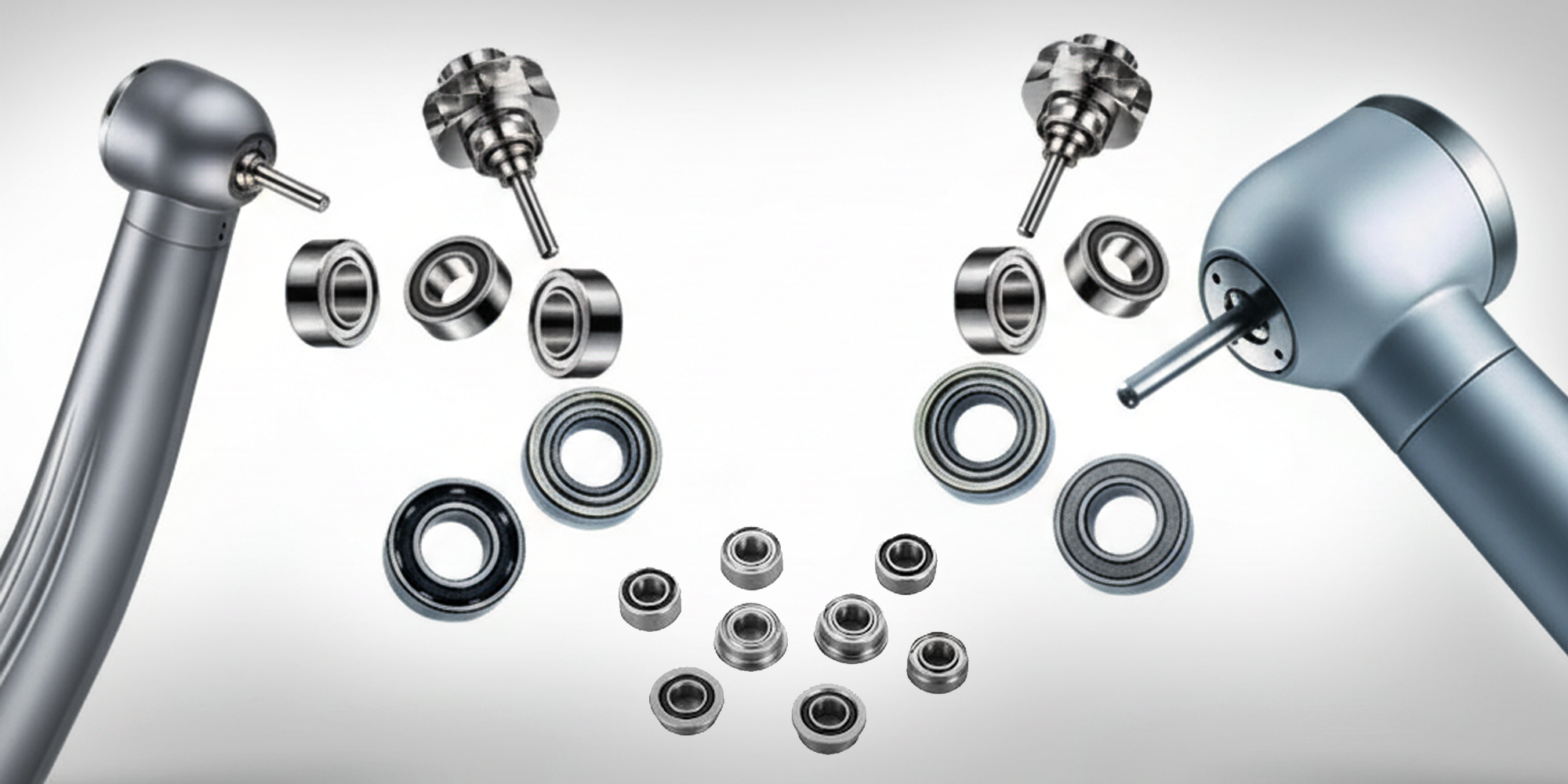
 William : Aug 27, 2025 5:14:02 AM
Dental bearings are precision-engineered components inside high-speed dental handpieces that reduce friction and ensure smooth operation. Choosing...
 Richard : Aug 26, 2025 10:15:32 PM
Silicon Nitride (Si3N4) ceramic bearings are rapidly transforming various industries with their unique combination of strength, lightweight...