

Home/
Blog/
How to Install a Mounted Bearing Units: The Ultimate Professional Guide

6 min read

How to Install a Mounted Bearing Units: The Ultimate Professional Guide

How to Install a Mounted Bearing Units: The Ultimate Professional Guide
12:23

Mounted bearing—often referred to as pillow blocks or flange units—are the unsung heroes of the industrial world. They support rotating shafts, reduce friction, and handle significant loads in everything from conveyor systems to HVAC units.


However, even the highest-quality bearing from a top-tier manufacturer will fail prematurely if it isn't installed correctly. In fact, over 15% of premature bearing failures are attributed to poor mounting and installation.


This comprehensive guide explains everything you need to know about installing mounted bearings. It helps ensure maximum service life and operational efficiency.


Mounting Instructions

Proper installation of a ball bearing unit is essential to achieving reliable performance. Failure to follow established mounting practices can lead to unsatisfactory operation and significantly reduced bearing service life.


Sound engineering and design principles generally advise against supporting a single shaft with more than two bearings.

Using more than two bearings on the same shaft can result in excessive internal loads and premature bearing failure.

When increasing the shaft size is not possible, using more than two bearings may be unavoidable. However, this configuration is generally not ideal. In such cases, precise alignment of all bearings in both the vertical and horizontal directions is critical.


When the recommended configuration of two bearings is used, alignment requirements are less stringent. Self-aligning mounted bearing units can further accommodate small mounting inaccuracies or structural misalignment.


For optimal results, shafts should be turned and ground, with smooth surfaces free of burrs or rough areas.

If an existing shaft is reused, mount the bearing units on smooth, minimally worn areas.

Before installation, both the shaft and the bearing bore should be thoroughly cleaned, and a light film of oil applied to the shaft. The bearing unit should then be slid into position. The inner ring ends must not be struck.

If extra force is needed during installation, apply it only to the inner ring using a soft metal bar or pipe. Gently tap the bearing unit into position.


Mounted bearing


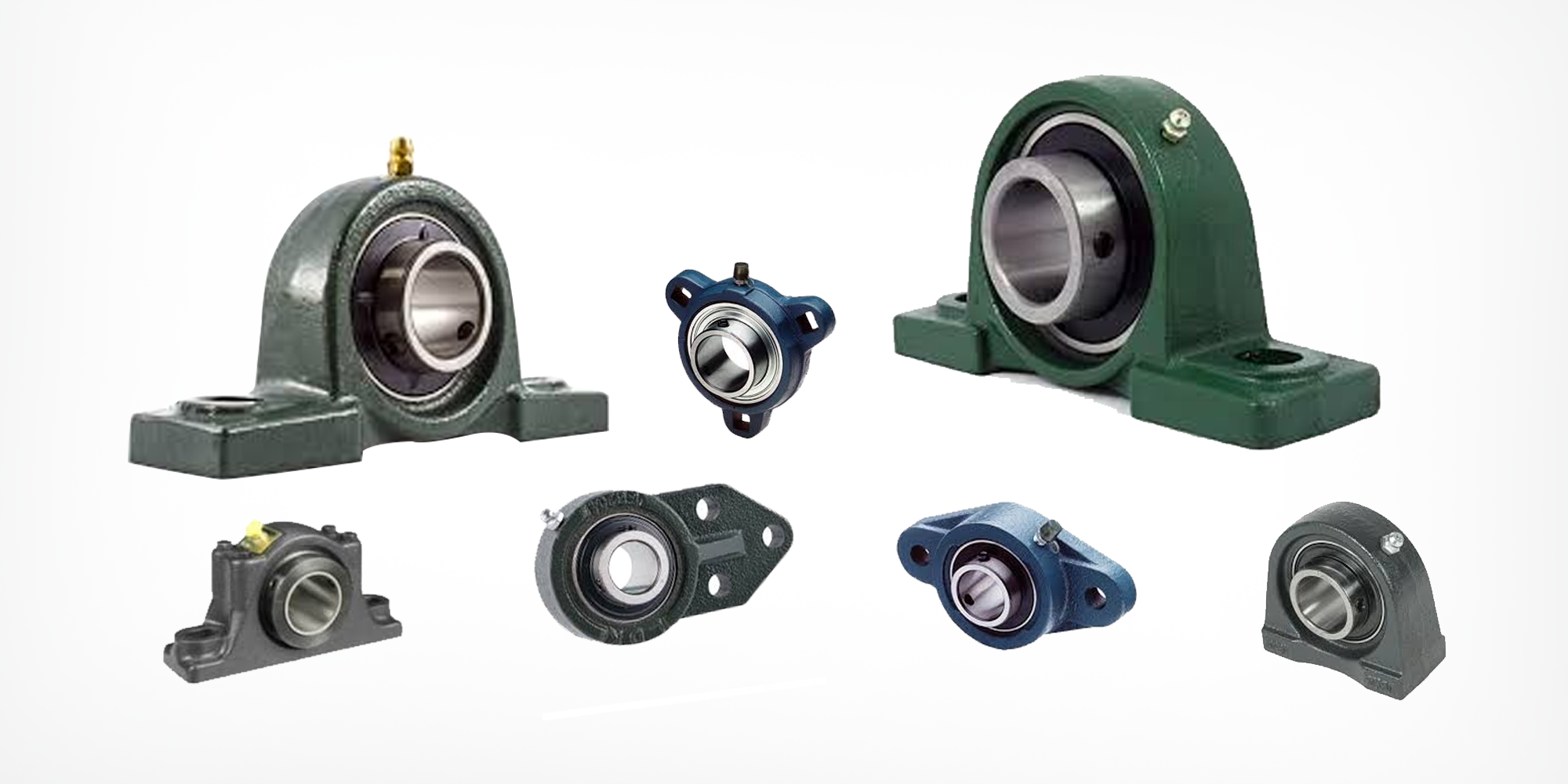
Understanding Mounted Bearing Types

Before we pick up a wrench, it’s vital to identify which type of housing and locking mechanism you are working with.


Common Housing Styles

Pillow Blocks (Plummer Block Units)

  • Housing shape: Horizontal base with bolt-down mounting
  • Load capability: Primarily radial loads
  • Advantages:Easy installation; Good stability on flat surfaces
  • Typical applications: Conveyors, fans, pumps, agricultural equipment


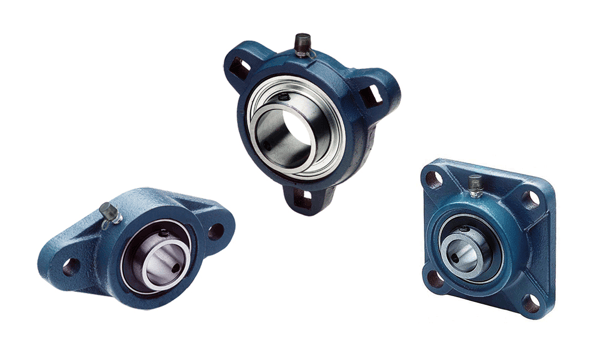
Flange Units

Flange units are mounted vertically or on machine walls.


Common flange types:

  • 2-bolt flange
  • 3-bolt flange
  • 4-bolt flange


Key features:

  • Compact design
  • Accurate shaft alignment
  • Suitable for radial loads with limited axial loads


Applications: Gearboxes, food machinery, packaging equipment


Take-up Units

Housing design: Slotted for axial adjustment

Primary function: Belt or chain tensioning


Advantages:

  • Easy alignment adjustment
  • Ideal for systems with thermal expansion


Applications: Conveyors, elevators, belt-driven systems


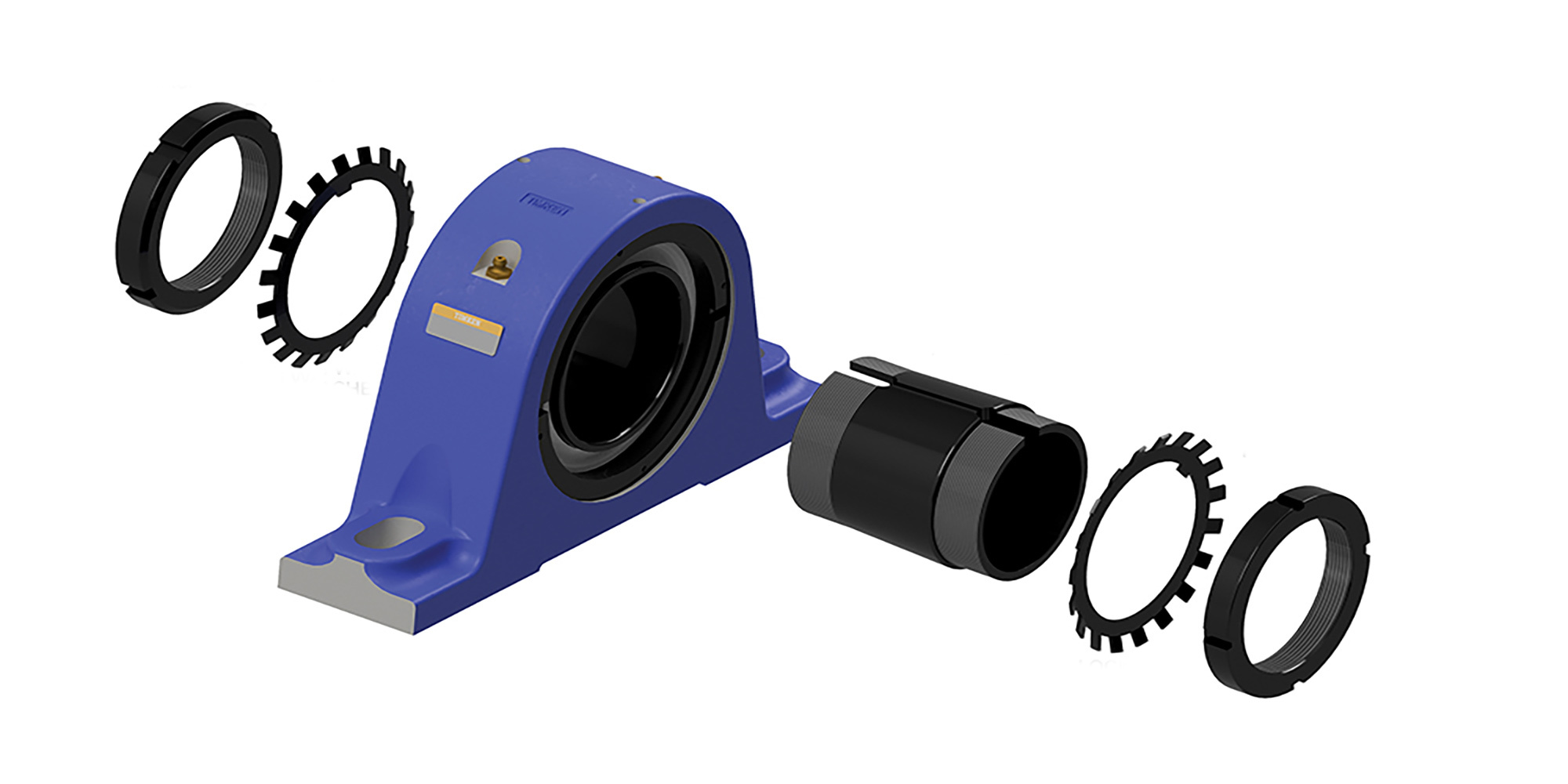
Cartridge Bearing Units

  • Structure: Bearing insert fitted into a cylindrical housing
  • Strength: High rigidity and precise alignment
  • Installation: Often used in custom or heavy-duty housings
  • Applications: Steel mills, paper machines, heavy industrial equipment


Hanger Bearing Units

  • Mounting style: Suspended from overhead structures
  • Load type: Radial loads
  • Use case: Where floor mounting is not possible
  • Applications: Overhead conveyors, textile machinery


Locking Mechanisms

  • Setscrew Locking: Features two setscrews in the inner ring that tighten directly onto the shaft.
  • Eccentric Locking Collar: Uses a collar with a recessed cam that locks onto the inner ring’s cam.
  • Tapered Adapter Sleeve: Best for high-speed or heavy-vibration applications; it provides a 360-degree concentric grip.


Pre-Installation Checklist

Preparation is the difference between a 10-minute job and a 4-hour headache.


Inspect the Shaft

The shaft is the foundation of your bearing's performance.

  • Cleanliness: Remove all burrs, rust, and scale using an emery cloth.
  • Tolerance: Use a micrometer to verify that the shaft meets the manufacturer’s specified tolerance. For standard commercial shafts, this is typically +0.000 to −002 inches.
  • Straightness: A bowed shaft will cause internal loading and rapid heat buildup.


Inspect the Mounting Surface

The surface where the housing sits must be flat and clean. If the surface is uneven, the housing can warp when the bolts are tightened, putting "pinch" pressure on the outer race.


Step-by-Step Installation Guide

Step 1: Position the Bearing

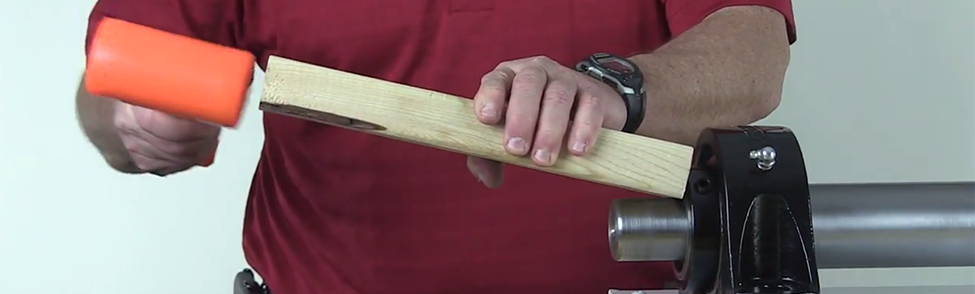
Slide the bearing onto the shaft. Never hammer the bearing directly. If the fit is tight, use a soft-faced mallet or a sleeve that presses only against the inner ring.


Step 2: Secure the Housing

Bolt the housing to the mounting surface. At this stage, leave the bolts "hand-tight." This allows the bearing to align itself with the shaft before you lock it down.


Step 3: Alignment

Misalignment is a silent killer. Ensure the shaft is centered within the housing. Most mounted bearings are self-aligning, meaning the internal insert can pivot within the housing. However, this capability is limited, typically to about ±2 degrees.


Step 4: Final Housing Tightening

Torque the mounting bolts to the recommended specifications. Use a cross-pattern (star pattern) for flange units to ensure even pressure.


Locking the Bearing to the Shaft

The method depends on your specific locking type.


Mounted Units with Set Screws

Ensure the bearing is fixed to the shaft by tightening the dual set screws. In cases with significant vibration or axial thrust, it is recommended to modify the shaft interface. This can be done by machining a flat or pre-drilling a seat to improve the mechanical bond.

Set Screw Size

Minimum

Maximum

10-32

20

22

1/4-28

31

35

5/16-28

70

74

3/8-24

138

143

7/16-20

200

210

*Inch/Lbs


Mounted units with eccentric collar

The eccentric locking collar secures the bearing to the shaft using an extended inner ring with an offset channel. This channel aligns with a matching channel in the collar, which fits over the inner ring extension.

The unit is secured by rotating the collar relative to the inner ring. This creates a clamping force that acts perpendicular to the shaft.

A setscrew is provided to keep the collar from loosening during occasional reverse rotation. However, this is only a precaution and does not make the assembly suitable for frequent bidirectional rotation.

Manufacturers recommend that eccentric locking collars should not be used in applications requiring rotation in both directions.


For Tapered Adapter Sleeves:

This requires a torque wrench or the "nut-turn" method. It ensures the bearing is pulled onto the taper enough to reduce internal clearance without over-tightening.


For Example: How to Install Pillow Block Bearing

Pillow block bearings are commonly applied in situations where the shaft is mounted parallel to the supporting surface. The housing is usually made of cast iron or cast steel. Its bore centerline is positioned perpendicular to the shaft axis.


These bearings are designed to support rotating shafts. Cast iron or cast steel is used to provide the necessary strength and durability. The optimal pillow block bearing for a specific application depends on the combination of housing design and bearing type. Following the recommended selection and installation steps helps reduce downtime and extend service life.


Check and clean the shaft

First, examine the shaft to make sure it is clean, round, and straight, with no burrs or chips. Also, check that its diameter meets the manufacturer’s specified tolerances.

For high-precision applications, we recommend following the [h7 Precision Standards] to ensure a perfect fit.

Remove any rust using fine-grit sandpaper or emery cloth. Afterward, apply a light film of oil and wipe away any remaining debris.


Check and clean the shaft


Position the bearing on the shaft

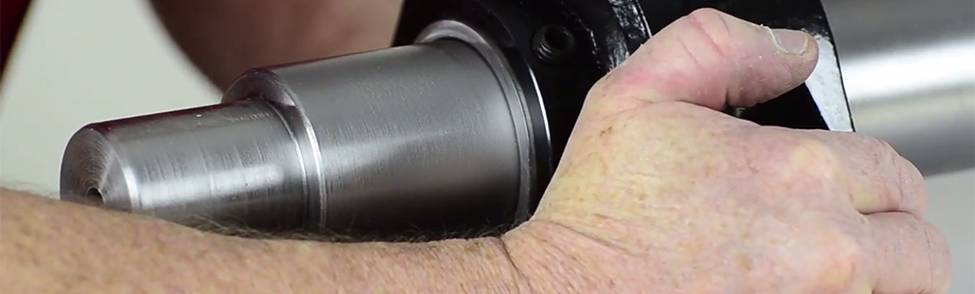
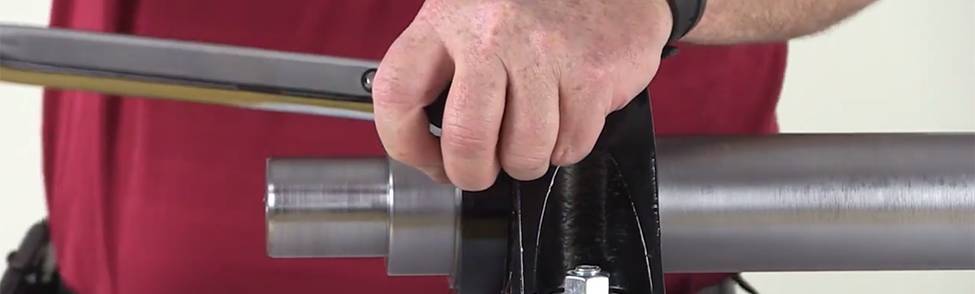
When mounting a pillow block bearing on a shaft, use a mallet along with a hardwood block or soft steel tube. Place it against the inner ring if light tapping is required. Avoid striking or applying force to the housing or the seals.


Position-the-bearing-on-the-shaft


Gently secure the housing to the mounting structure

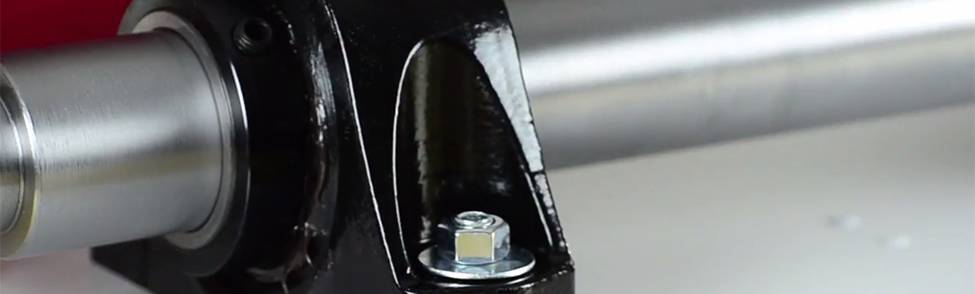
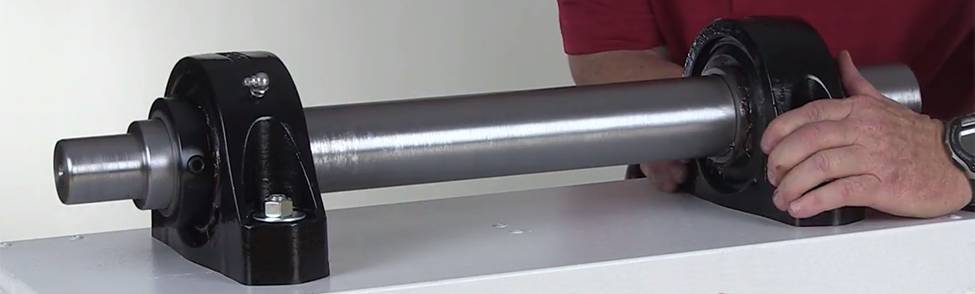
Place the shaft in position by lightly fastening the housing to the mounting surface. Use heavy-duty flat washers or heavy-duty spring lock washers to span the housing mounting slots. This can help reduce the risk of loosening.


3-2


Determine the final installation location

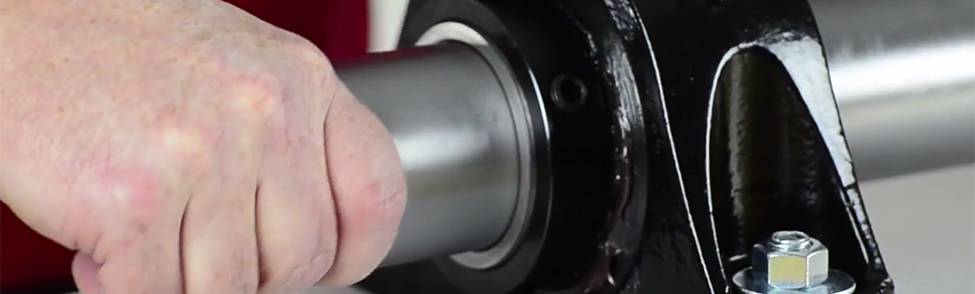
Before fully tightening the bolts, position the bearing unit by hand or with a rubber mallet. This sets its final mounting position.


Determine the final installation location


Secure the housing to the mounting structure

After the bearings are correctly aligned, fasten both units firmly to the mounting surface.


5


Make sure the shaft can move axially

Ensure the shaft can slide axially through the bearing bore to verify correct alignment. If it cannot, loosen the housing and adjust the shaft alignment.


6-2


Tighten the two collar fixing screws

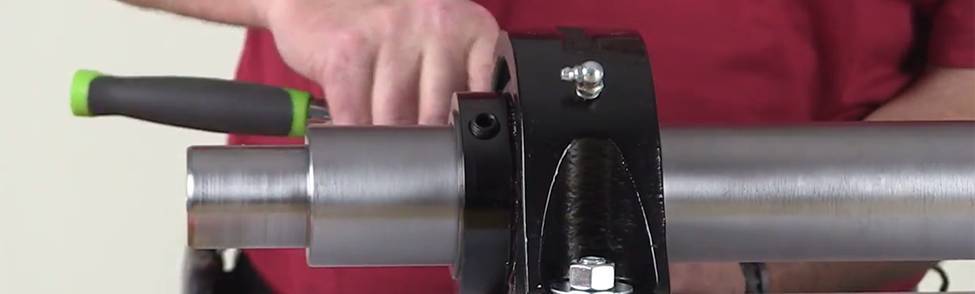
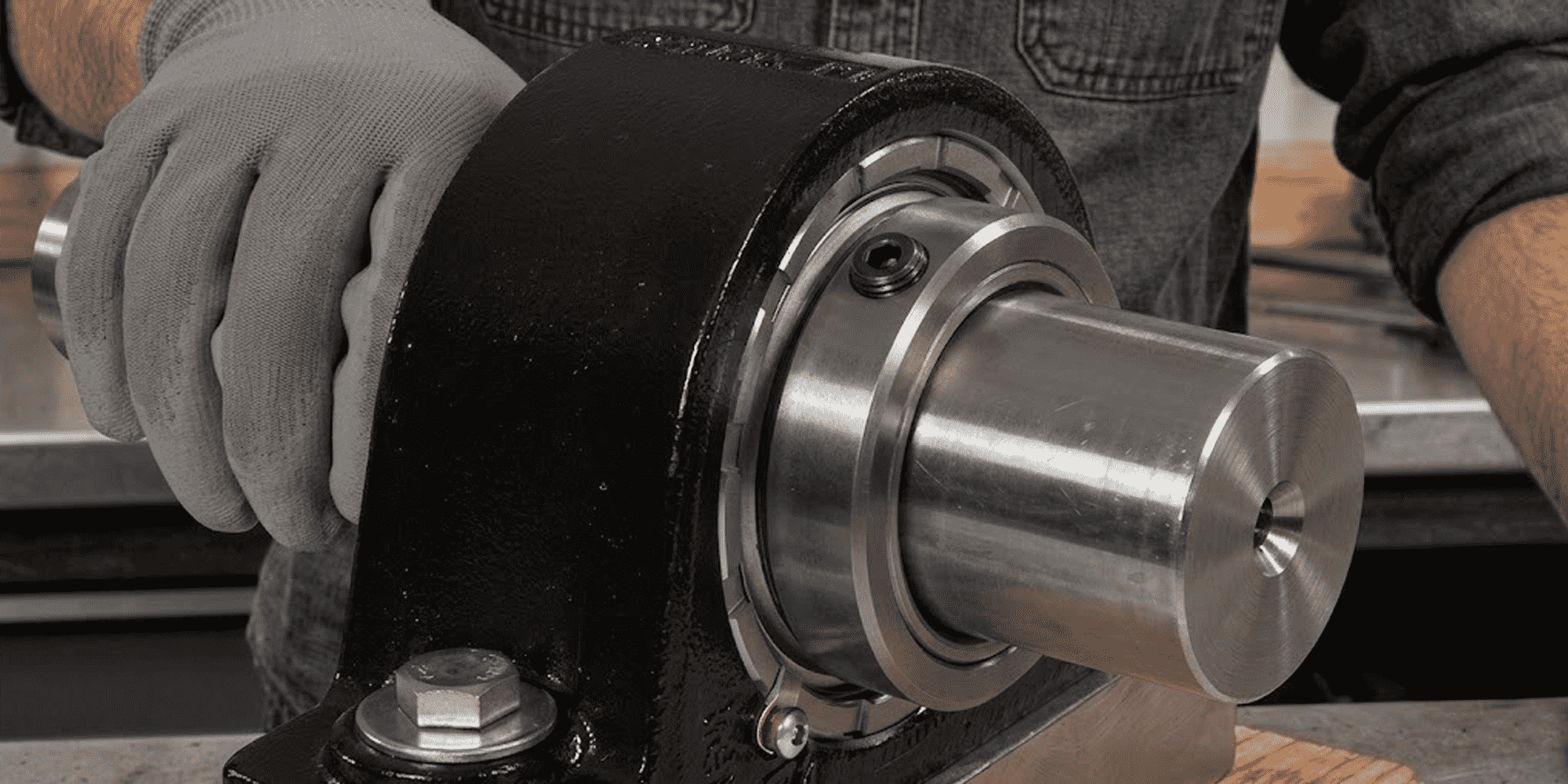
First, tighten the two collar set screws. Then rotate the shaft and alternately retighten them to the manufacturer’s specified torque. If a torque wrench is unavailable, use an Allen wrench to tighten the set screws until they are firmly twisted into place.


7-1


Expansion unit

If an expansion unit is being used, first secure the fixed bearing. Then slide the expansion bearing axially to the center of its housing. Once centered, alternately tighten the set screws on the expansion unit. Follow the same procedure used for the fixed bearing.


8-1


Lubrication: The Lifeblood of the Bearing

Correct lubrication of ball bearing units is essential to achieve their maximum service life. Bearings should be re-lubricated at regular intervals, which will vary depending on the operating environment.

The table below offers a general guideline. Practical experience is needed to determine the optimal lubrication frequency for each specific application.

Operating Conditions

Bearing Temperatures

Grease Interval


32F to 120F

6-12 Months

Clean

120F to 150F

1-3 Months


150F to 200F

1-4 Weeks

Dirty

32F to 150F

1-4 Weeks


150F to 200F

Daily-1 Week

Moisture

32F to 200F

Daily-1 Week


The type and amount of lubricant used have a direct impact on bearing life. Insufficient lubrication can cause premature surface fatigue in the balls and races.

Over-lubrication can damage the seals. This allows contaminants to enter and shortens the bearing’s life. Excess grease can also create excessive friction, generating heat that may overheat the bearing.

When applying grease, do so gradually while the shaft is rotating. Once grease begins to appear at the seals, the bearing has received the proper amount of lubricant.

Bearings should not operate continuously above 200°F, and intermittent operation should not exceed 225°F.


Maintenance and Troubleshooting

Once installed, your job isn't over. Implement a "Predictive Maintenance" (PdM) schedule.

Common Signs of Trouble:

Symptom

Potential Cause

Fix

Excessive Heat

Over-lubrication or misalignment

Check grease levels/alignment

Vibration

Loose setscrews or shaft damage

Tighten locking mechanism

Squealing Noise

Metal-on-metal contact (dry)

Lubricate immediately


Conclusion

Installing a mounted bearing correctly ensures your machinery runs smoothly, reduces downtime, and saves money. Remember: Clean, Align, Torque, and Lubricate.

By following these steps, you’ll maximize the return on your hardware investment. You’ll also prevent the “catastrophic failures” that often occur in poorly maintained plants. 

Lily Bearing offers a wide range of mounted bearings and guidance to help you make the best choice.


How to Install Pillow Block Bearings: Step-by-Step Guide

How to Install Pillow Block Bearings: Step-by-Step Guide

Quick Answer — 8 Steps Clean and inspect the shaft Slide the bearing into position Lightly bolt the housing down Set the final mounting...

Read More
Mounted Bearings: Types, Advantages, and Uses

Mounted Bearings: Types, Advantages, and Uses

In the world of machinery, mounted bearings play a pivotal role. They are integral to the smooth operation of various equipment across industries. ...

Read More
What Are Mounted Bearings Used For?

What Are Mounted Bearings Used For?

Mounted bearings play a crucial role in various machinery and equipment. These versatile components support a rotating shaft and are essential for a...

Read More