

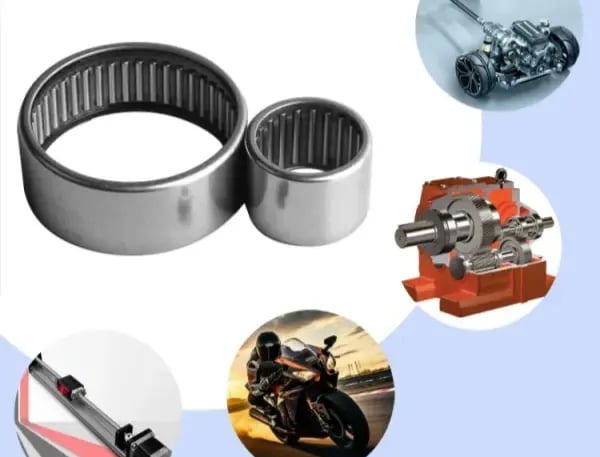

Needle Bearings in Robotics: Achieving Torque Density and Precision
In the world of robotics, the glory usually goes to the complex code and the vision systems. Flashy end-effectors also often take the spotlight. At...
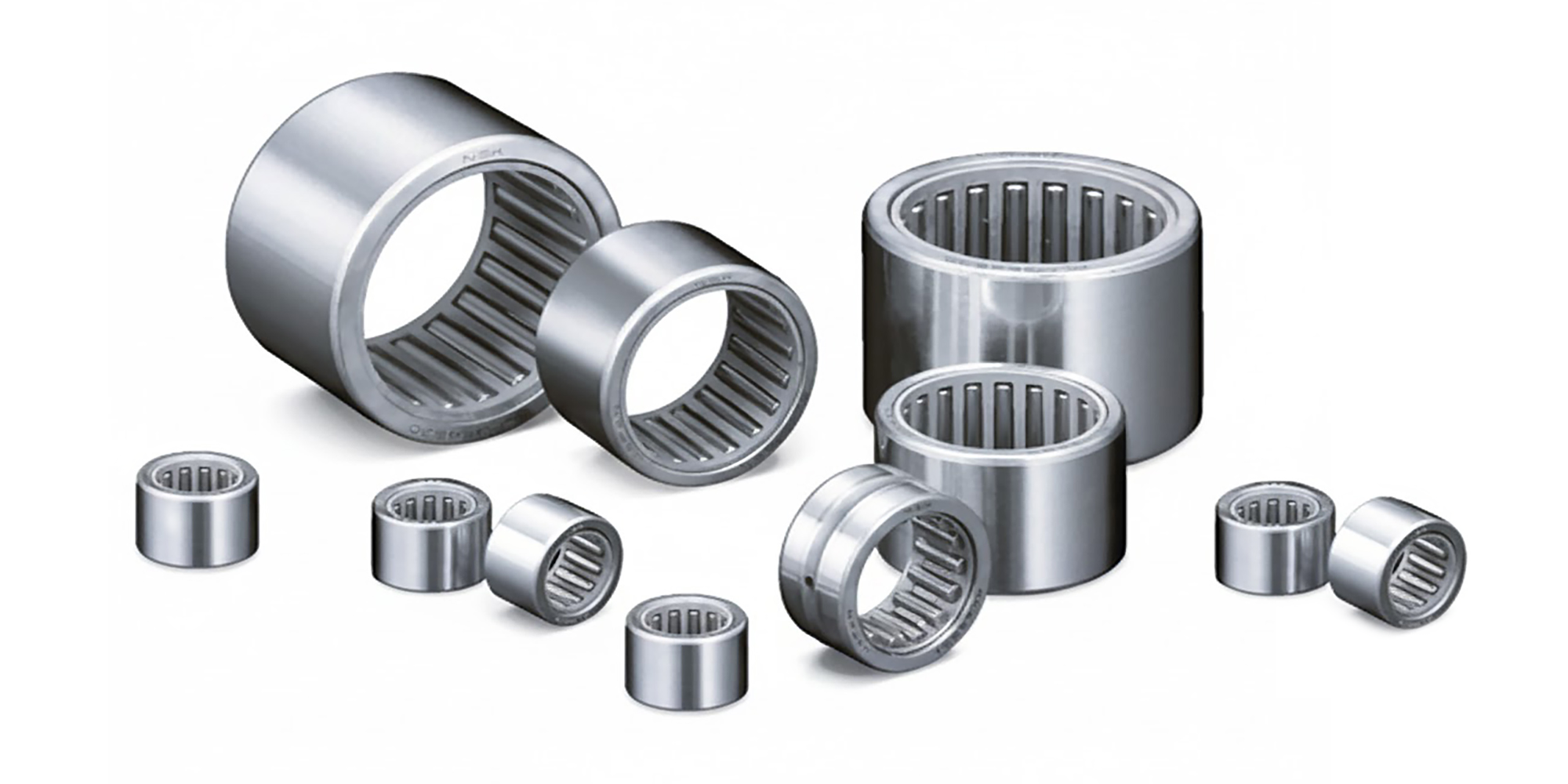
Needle bearings are compact and lightweight, yet strong enough to handle substantial loads. They are widely used in automotive and aerospace parts, including rocker arm pivots and compressors.
This blog explores the practical applications of needle bearings across various industries.
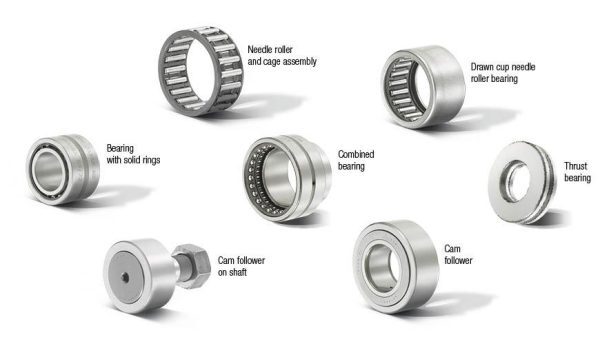
The primary types of needle roller bearings are those with inner rings and those without inner rings.
Needle roller bearings can be classified as radial or thrust. This depends on whether they support loads perpendicular or parallel to the shaft.
There are also specialized needle bearings designed for specific applications, such as roller followers and cam followers.

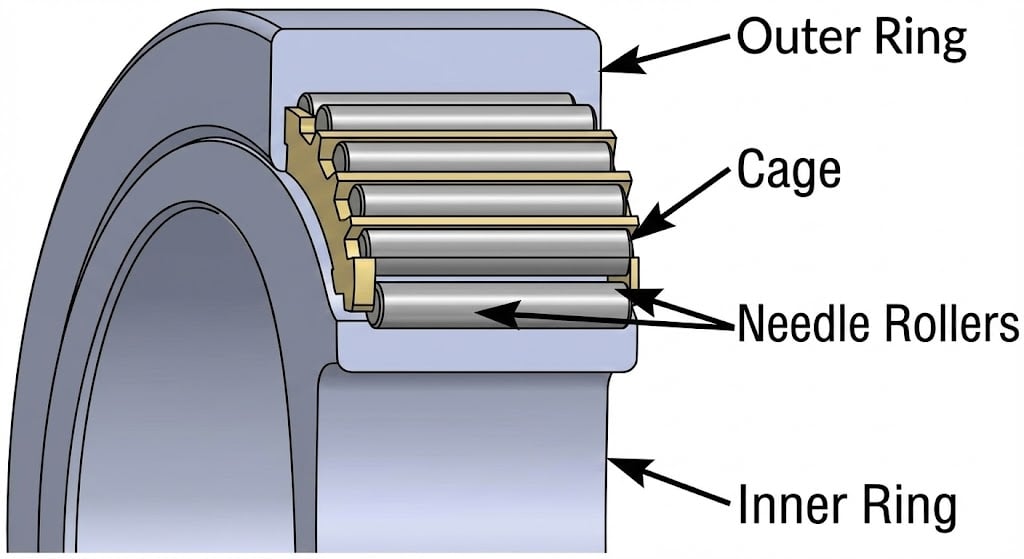
Loose needle rollers are the main load-carrying elements inside a needle bearing. They are used in every type of needle bearing, no matter the size or design. These rollers have low friction and high transmission efficiency, which helps reduce heat buildup during operation. As a result, they need less lubrication and are generally easy to maintain.
They come in various sizes and are heat-treated for greater hardness, strength, and longer service life. Loose needle rollers can be arranged in single-row or double-row setups. Although they are primarily used in needle bearings, they can also serve as locating pins in some applications.
The inner ring serves as the rotating component of the bearing and has a smaller diameter than the outer ring. As noted earlier, certain needle roller bearing designs do not include an inner ring.
Both the inner and outer rings are usually made from alloy steel and then heat-treated to increase hardness, boost load capacity, and extend the bearing’s service life.
The bearing cage, also known as the separator, keeps the rollers properly positioned and spaced.
This spacing is important for distributing the load evenly. The cage also helps minimize noise and prevents the rollers from sliding against each other.
Although most needle bearings include a cage, certain drawn cup needle bearings may be designed without one.
The raceway is the smooth, hardened surface on which the needle rollers rotate. It forms the rolling track inside the bearing and can be located on the inner ring, outer ring, or directly on the shaft or housing—depending on the bearing design.
A well-finished raceway is essential for smooth motion, low friction, and long service life. Because the rollers make line contact with the raceway, it must be precisely ground and heat-treated to withstand high loads and prevent wear.

Although needle bearings are widely used in the automotive sector, their applications extend far beyond it.
These versatile components are found in heavy-duty residential and commercial machinery, as well as in aerospace, defense, and medical industries.
Common uses include engines, steering assemblies, torque converters, and even everyday household appliances.
Needle bearings are used in the motor and gearbox of portable drills to support the rotating shaft and reduce friction, allowing for smooth and efficient operation.
They help ensure that the drill can maintain consistent power delivery during use.
In power saws, needle bearings are used in the motor and blade assembly, where they support the high-speed rotation of the blade and help minimize wear and vibration.
This ensures smooth cutting action and prolongs the life of the saw.
Needle bearings are used in various power tools such as grinders, sanders, and impact wrenches.
They are used in the rotating parts, including shafts and spindles, to handle the radial loads and reduce friction, ensuring efficient power transfer and smooth operation.
In domestic appliances like washing machines, vacuum cleaners, and blenders, needle bearings are used in motors, fans, and rotating components.
They provide support for moving parts and help reduce friction, contributing to the appliance's efficiency and durability.
These bearings are used in diverse, demanding fields:

Needle roller bearings are perfect for applications with tight space constraints. Their design maximizes performance in small, confined systems.
Needle bearings can handle much higher radial loads than other bearings of the same size.
Their long, thin rollers provide a large contact area, which helps spread the load evenly.
Heat-treated needle bearings are stronger and more durable because of the high-temperature process. This makes them wear-resistant and able to last longer.
With fewer replacements and less maintenance needed, they help reduce overall costs and downtime.
Needle bearings offer a range of flexible options to suit different needs.
They can be tailored with specific seals to protect against dirt and moisture. This ensures long-lasting performance in harsh environments.
Materials can be selected based on the application’s requirements.
For example, stainless steel offers corrosion resistance, while ceramic provides high temperature tolerance.
Needle bearings are available in various sizes to fit specific spaces. This makes them adaptable to a wide variety of machines and equipment.
These adjustments allow needle bearings to meet the demands of different industries and applications.
Needle bearings don't tolerate misalignment well because they rely on precise alignment to work properly.
If the shaft and housing are not aligned, it can cause uneven wear and reduce performance.
Misalignment can lead to higher friction, heat, and faster bearing failure.
Therefore, keeping everything properly aligned is crucial for their longevity.
Needle bearings can wear out quickly under high contact stresses. The long, thin rollers are more prone to damage when exposed to heavy loads, leading to increased friction and bearing wear.
If the stress is too high, it can shorten the bearing’s life and reduce performance.
Regular maintenance and proper lubrication help reduce this wear.
Needle bearings aren’t ideal for extremely high-speed applications because of their long rollers.
These rollers create more friction, which generates heat and can lead to overheating.
At high speeds, the rollers might not stay in contact with the raceways, reducing performance and causing wear.
For high-speed needs, other types of bearings, like ball bearings, are usually a better choice.
When selecting needle roller bearings, consider load requirements, space constraints, and environmental conditions.
Proper selection ensures reliable and efficient performance.
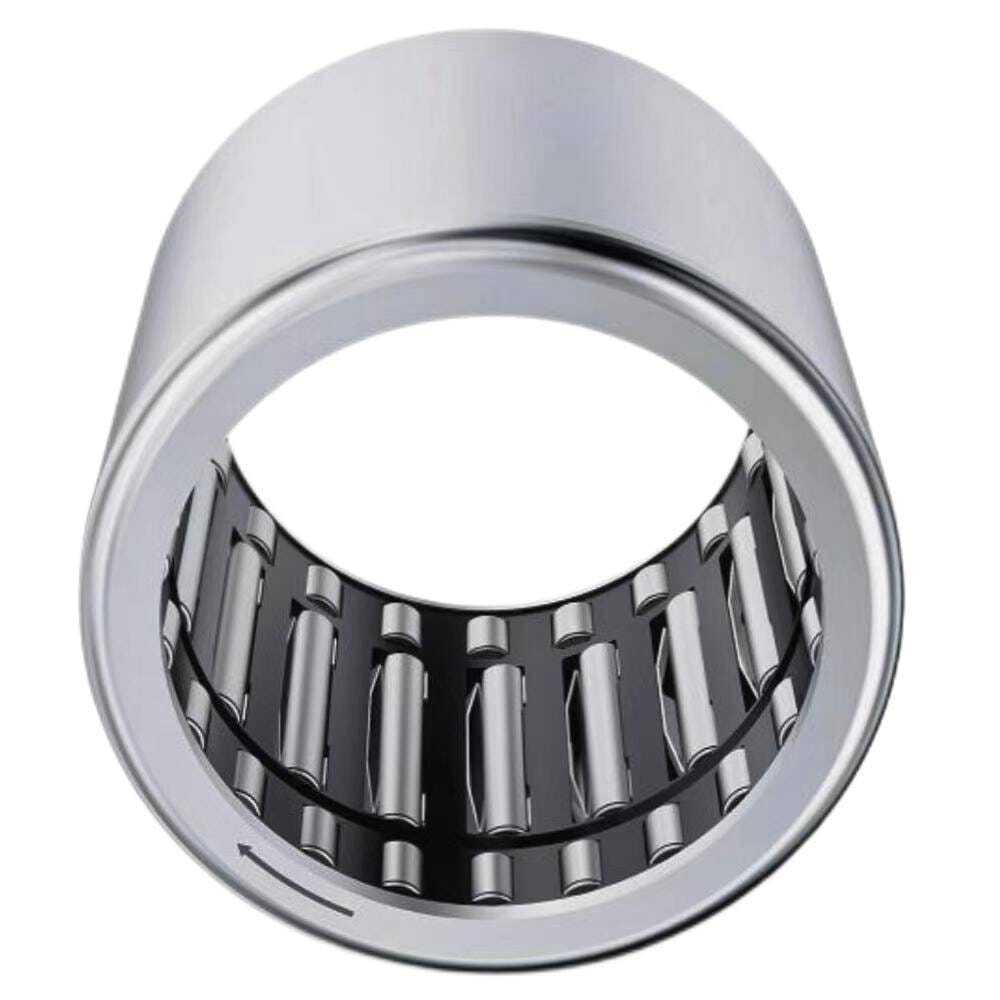
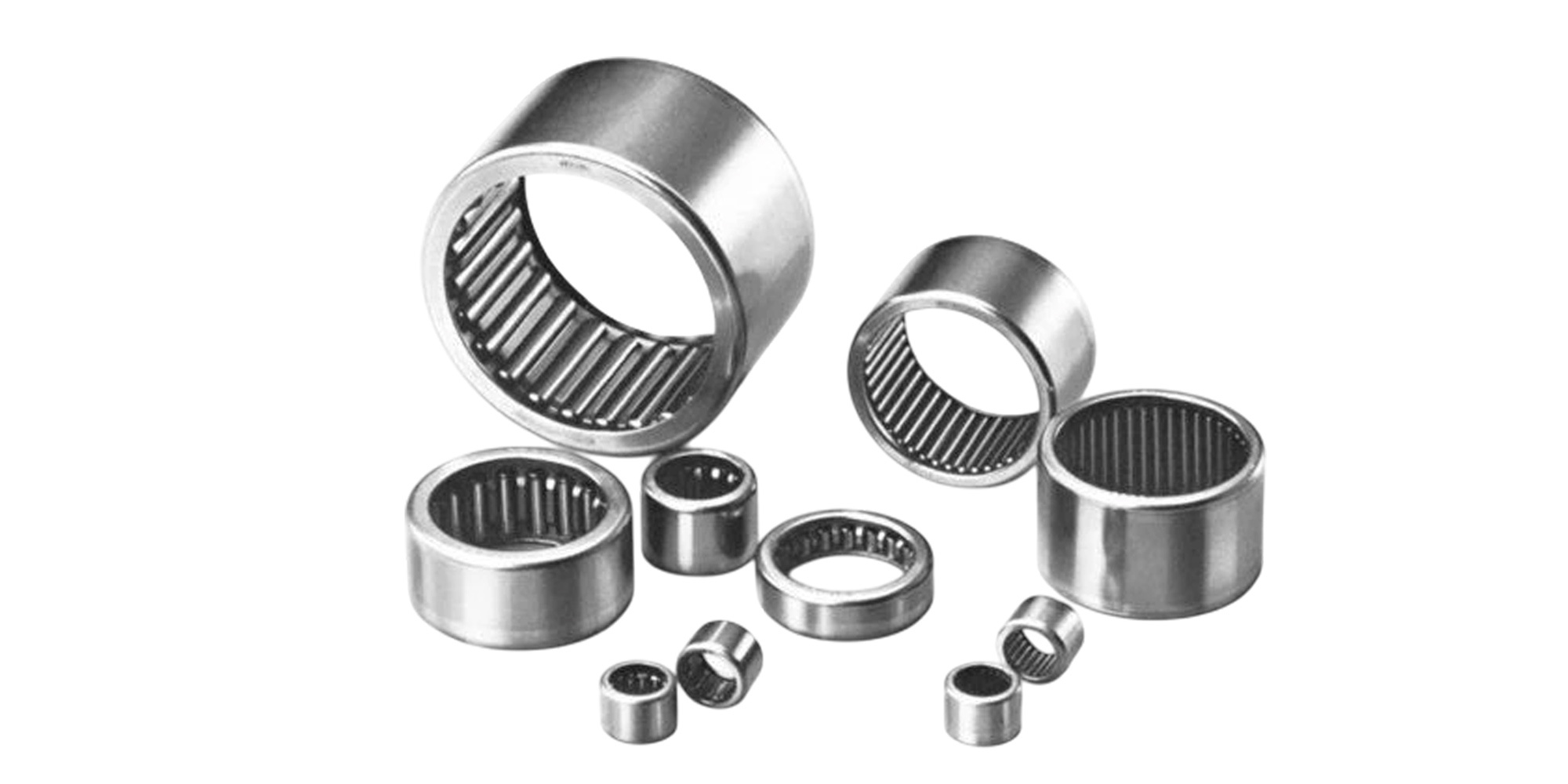
Drawn cup needle roller bearings are lightweight and compact, ideal for limited spaces.
Heavy-duty needle bearings handle intense loads, perfect for demanding applications.
Proper lubrication, alignment, and clean storage are vital for maintaining needle bearing performance.
These practices reduce friction and extend service life.
Needle roller bearings are versatile components used in numerous industries, from automotive and aerospace to industrial machinery and power tools.
By understanding their advantages and limitations, you can select the right needle bearing for your specific functional needs.
If you want to learn more about bearings, you can contact LILY Bearing. We offer a variety of high-quality bearing solutions, ranging from standard to customized types, capable of meeting the needs of various industrial applications.
In the world of robotics, the glory usually goes to the complex code and the vision systems. Flashy end-effectors also often take the spotlight. At...
Needle bearings play a crucial role in applications where space, load capacity, and reduced friction are essential. Proper installation is critical...
Needle roller bearings are great for saving space while supporting heavy loads. Their small, cylindrical rollers reduce friction, making them perfect...