

 Robert
What Are Bearings and Their Functions?
 Richard : Aug 26, 2025 9:24:51 PM
Bearings are often unseen, yet they play a fundamental role in ensuring the smooth and efficient functioning of countless machines, devices, and...
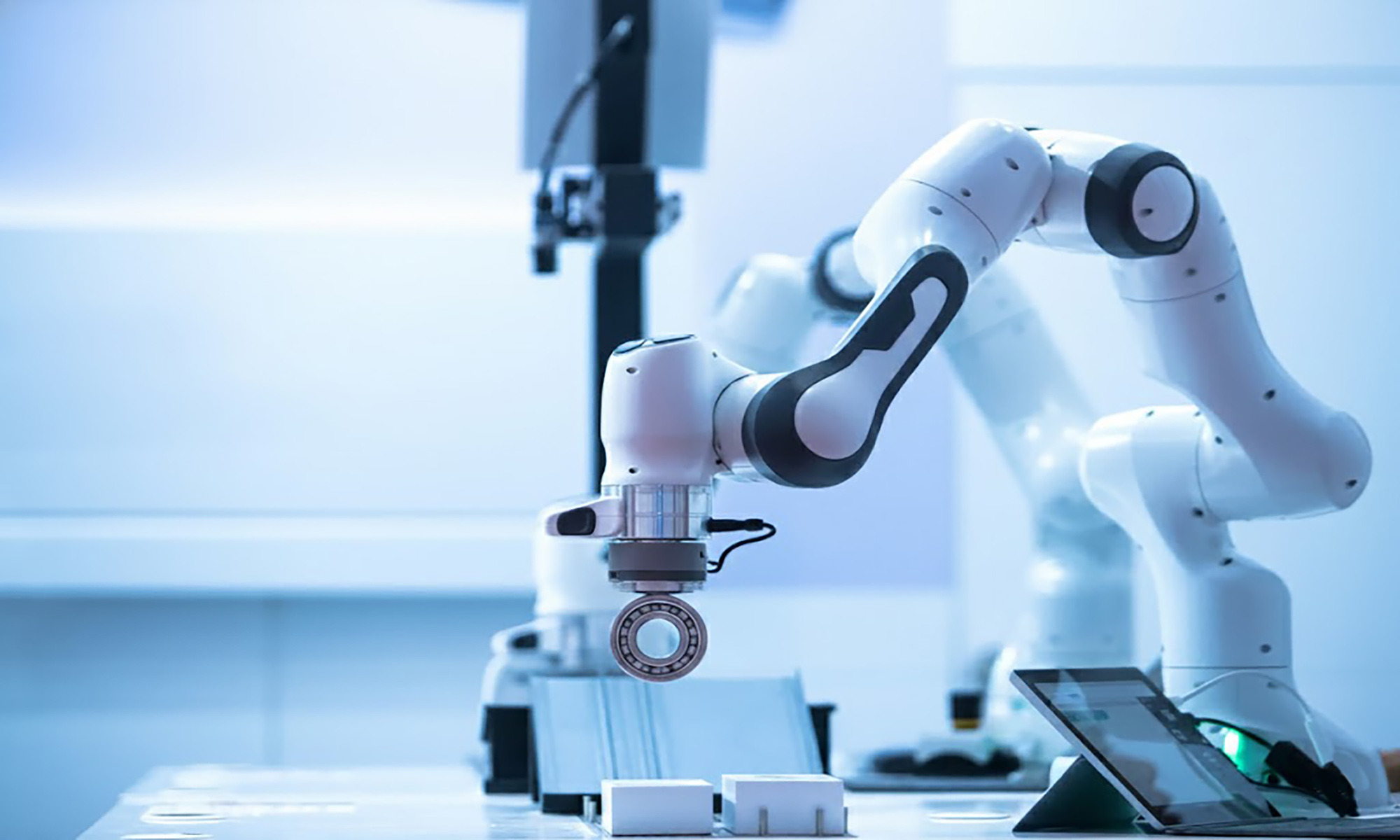
In the world of robotics, the glory usually goes to the complex code and the vision systems. Flashy end-effectors also often take the spotlight.
At the core of every high-performance robot arm lies the hardware that enables precision: the bearings. Among these, Needle Bearings have emerged as a top choice for engineers trying to solve the "space vs. strength" dilemma.

Robotic assemblies face three simultaneous constraints:
Needle bearings excel in this environment because they deliver:
Their ability to provide structural stiffness without increasing overall dimensions makes them critical to achieving tight positional accuracy.
Precision is the foundation of modern robotics. Even tiny amounts of deflection or backlash can degrade repeatability, positioning accuracy, and cycle time.
Needle bearings improve joint performance by providing:
In robotic arms, especially 6-axis or SCARA configurations, these properties enable smoother, more stable motion even at high accelerations.
Most robotic actuators use high-ratio gearboxes—harmonic drives, planetary gears, cycloidal reducers. These systems generate concentrated radial forces and depend on bearings to maintain alignment and reduce internal friction.
Needle bearings are often used around:
Their compact outer diameter and high load rating provide significant design advantages. This allows gearbox designers to achieve greater torque density, a key metric in industrial and mobile robotics.
Weight reduction is essential in collaborative robots (cobots), drones, humanoid robots, and medical robots. Reducing actuator size has a cascading impact on:
The result is lighter, more efficient actuators that maintain long-lasting durability.
Robots often operate in demanding environments:
Needle bearings handle shock loads well because their large contact surface area. Full-complement versions (without cages) provide maximum roller density, which is ideal for:
This leads to increased uptime and reduced maintenance interventions, particularly in 24/7 production environments.
You will find these bearings in specific high-stress areas:
-Dec-12-2025-06-19-26-9602-AM.jpg?width=428&height=378&name=unnamed%20(1)-Dec-12-2025-06-19-26-9602-AM.jpg)
The most exciting development in this field is the shift toward Collaborative Robots (Cobots). Because cobots work alongside humans, they need to be lightweight and sensitive to collisions.
|
Feature |
Needle Bearing |
Ball Bearing |
Cross-Roller Bearing |
|
Load Capacity |
High (Radial) |
Low/Medium |
High (Radial + Axial) |
|
Speed |
Medium |
High |
Medium |
|
Size |
Tiny (Thin) |
Bulky |
Medium |
|
Best For |
Heavy lifting in tight spaces |
High-speed motors |
Multi-axis joint loads |
Schaeffler Corporation stands out as a leading provider in the field. The company supplies a wide range of components and bearing solutions tailored for robotic applications.
Schaeffler Bearing Company offers one of the most comprehensive ranges of bearings and robotic components in the industry.
Its portfolio includes a precision strain wave gear series designed for both traditional and lightweight robots. This series features an integrated torque sensor within the gearing.
Schaeffler also provides the PSC series of precision planetary gear units. In this series, “P” stands for precision, “S” for silent operation, and “C” for consistent performance. These gear units are specifically engineered for industrial robotic applications.
Schaeffler provides two series of precision strain wave gears designed for both conventional and lightweight industrial robots.
The company also supplies the PSC line of precision planetary gear units for industrial robotic systems.
Beyond gearing solutions, Schaeffler’s portfolio includes a broad selection of robotic linear components, supporting applications such as reach extension and advanced gripping mechanisms.
INA’s standard and high-torque series components are offered as fully assembled units and articulated arm modules. Each unit integrates the motor, strain wave gear, and output bearing support.
An optional torque sensor can also be included, forming a precisely coordinated mechatronic system. This configuration delivers exceptional torque density, high accuracy, and extended operational life.
For joint applications requiring maximum rigidity, crossed roller bearings are an excellent choice. In the INA XSU series, short spacers separate the cylindrical rollers, which helps lower friction and minimize operating noise.
INA SGL angular contact roller bearings are widely used by precision gearbox manufacturers due to their outstanding stiffness. Their compact cross-section provides exceptional accuracy, making them ideal for robotic joints.
In robotics, these bearings are typically applied in servo drives, joint mechanisms, and as output bearings within planetary gearboxes.
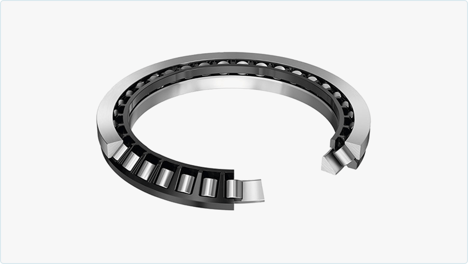
INA provides an alternative to crossed roller bearings for robotic applications that demand higher tilting rigidity. The INA XZU series angular contact needle roller bearings have the same external dimensions as crossed roller bearings.
This makes them fully interchangeable. Their design features two separate raceways, creating a larger support distance that enhances rigidity.
The cages accurately guide the rollers, lowering friction and allowing additional space for lubrication when required.
INA’s advanced monorail guidance systems are also well suited for a wide range of industrial robotic tasks. These systems use raceways arranged in an “X” configuration. They offer high-speed options capable of reaching up to 10 m/s without relying on costly specialty materials. They incorporate six-row recirculating ball bearing and guideway assemblies to ensure smooth, reliable motion.
Robotics engineers typically choose among:

Key considerations include:
A thoughtful selection delivers measurable performance improvements across the robotic system.
In robotic systems, multiple bearing types are used to achieve accurate motion control and accommodate diverse mechanical designs. The selection of a bearing is determined by the application’s specific demands.
These include required load capacity, operating speed, precision level, and environmental factors. Common bearing categories used in robotics include the following.
Ball Bearings: These bearings use rolling balls to minimize friction between moving surfaces. They are commonly used in robotic joints and motion mechanisms. They can support both radial and axial loads while operating at high rotational speeds. Angular contact ball bearings are especially effective for applications that require managing combined radial and thrust loads.
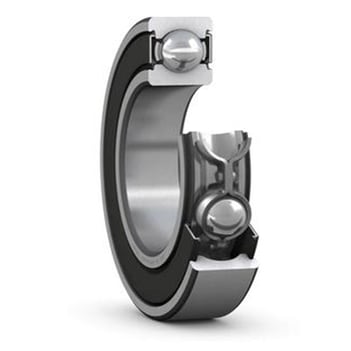
Roller Bearings: These bearings incorporate cylindrical, tapered, or spherical rollers to accommodate substantial radial loads. They are well suited for robotic applications that require higher load-bearing capability. Examples include robotic arms and heavy-duty automation equipment. Common variants include cylindrical, tapered, and spherical roller bearings.
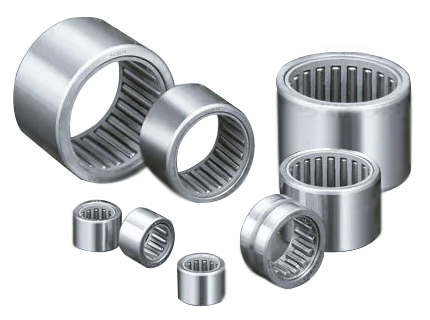
Linear Bearings: Linear bearings enable smooth and precise straight-line motion. They are essential in robotic systems where accurate linear movement is required. Common types include linear ball bearings, linear roller bearings, and plain bearing variants such as bushings and linear slides.
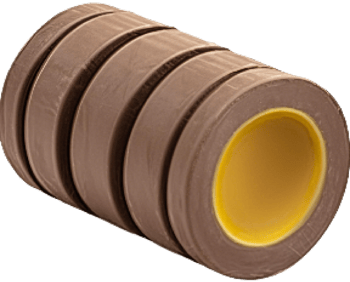
Spherical Bearings: These bearings are also referred to as spherical plain bearings or rod ends. They allow for misalignment and oscillatory motion. They are commonly used in robotic systems where connected components experience angular deviations or multi-directional movement.
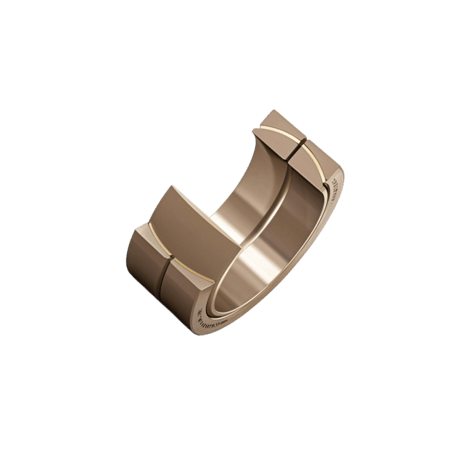
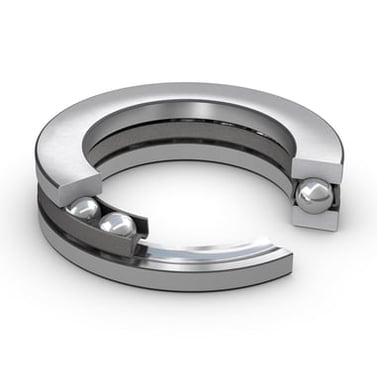
Thrust Bearings: These bearings are engineered to manage axial loads. They are commonly used in robotic systems that need to support axial forces. Examples include actuators and mechanisms designed to handle thrust loads.
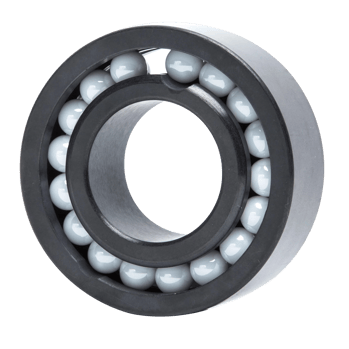
Ceramic Bearings: Ceramic bearings use ceramic balls or races. They are stiffer, lighter, and more resistant to corrosion than steel bearings. They are particularly suited for high-speed robotic systems or environments where corrosion protection is critical.
Magnetic Bearings: In specialized applications, magnetic bearings offer frictionless, contact-free support. By using magnetic fields to levitate and control rotating components, they enable highly precise, maintenance-free operation.
Needle bearings are far more than compact rolling elements. In robotics, they function as critical enablers of precision, stiffness, torque density, and compact design.
As automation moves toward lighter, faster, and smarter machines, needle bearings will continue to play a key role. They are essential for ensuring reliable, high-performance motion.
If your robot needs small, high-load components, needle bearings are often the best choice. They are often the optimal engineering choice.
Click to learn lily bearing product catalog and technical guide. Visit lily bearing blogs for articles and blog posts related to industry innovations, trends, and informative guides.
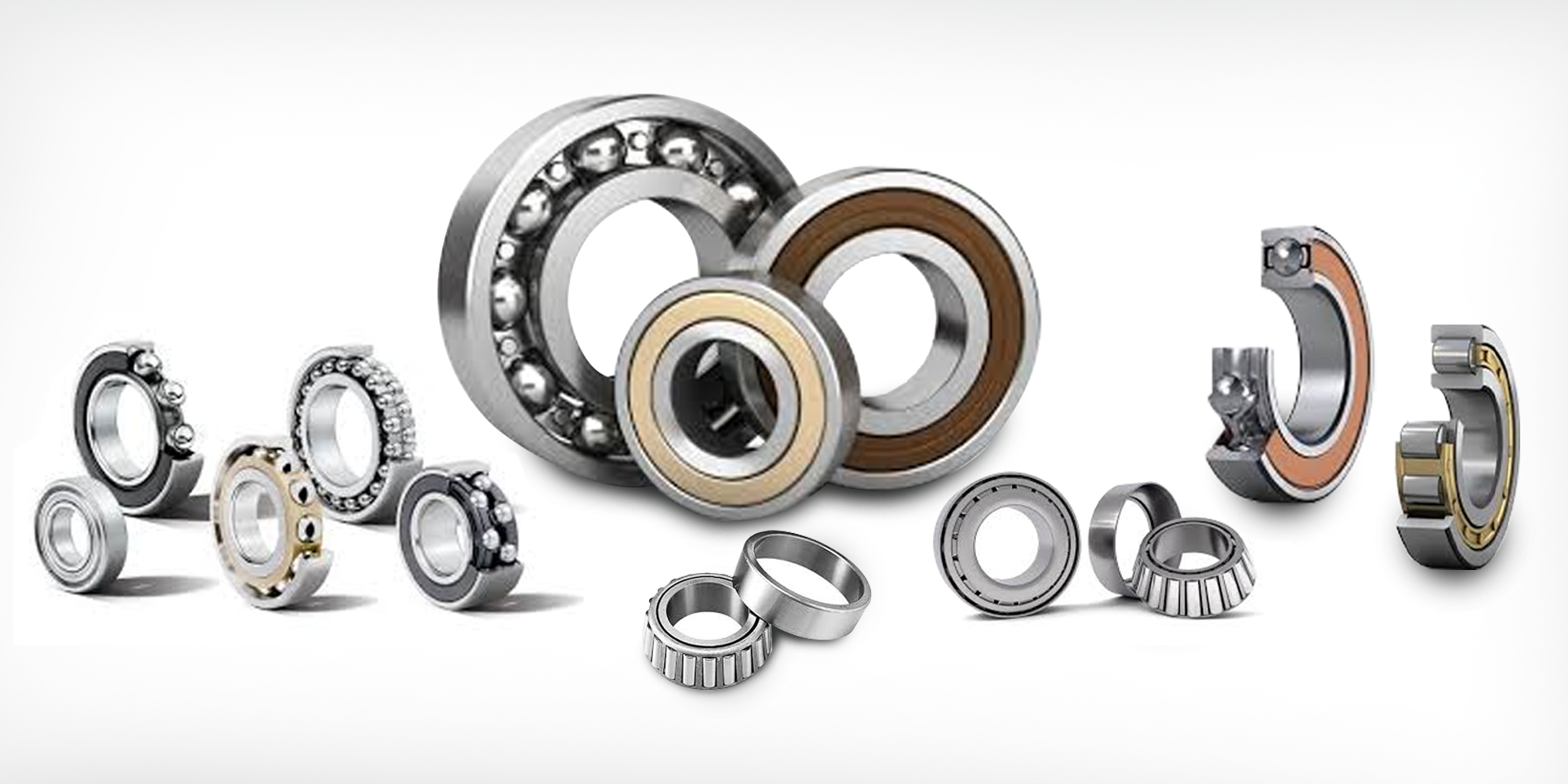 Richard : Aug 26, 2025 9:24:51 PM
Bearings are often unseen, yet they play a fundamental role in ensuring the smooth and efficient functioning of countless machines, devices, and...
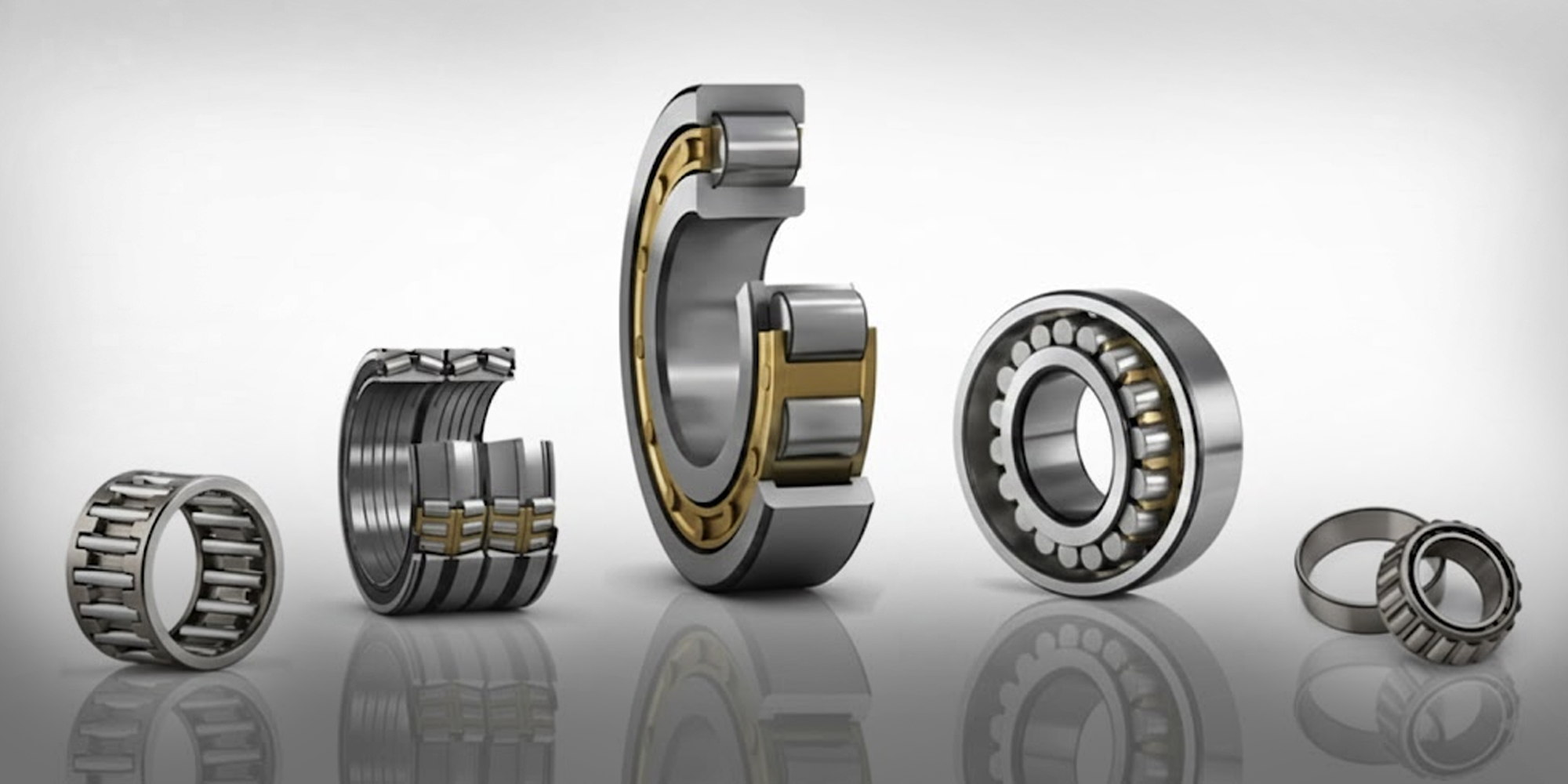
 William : Dec 10, 2025 10:15:32 PM
Can you fit a bearing with 35,000N load capacity in a 30mm radial envelope? The answer is no for cylindrical roller bearings, but yes for needle...
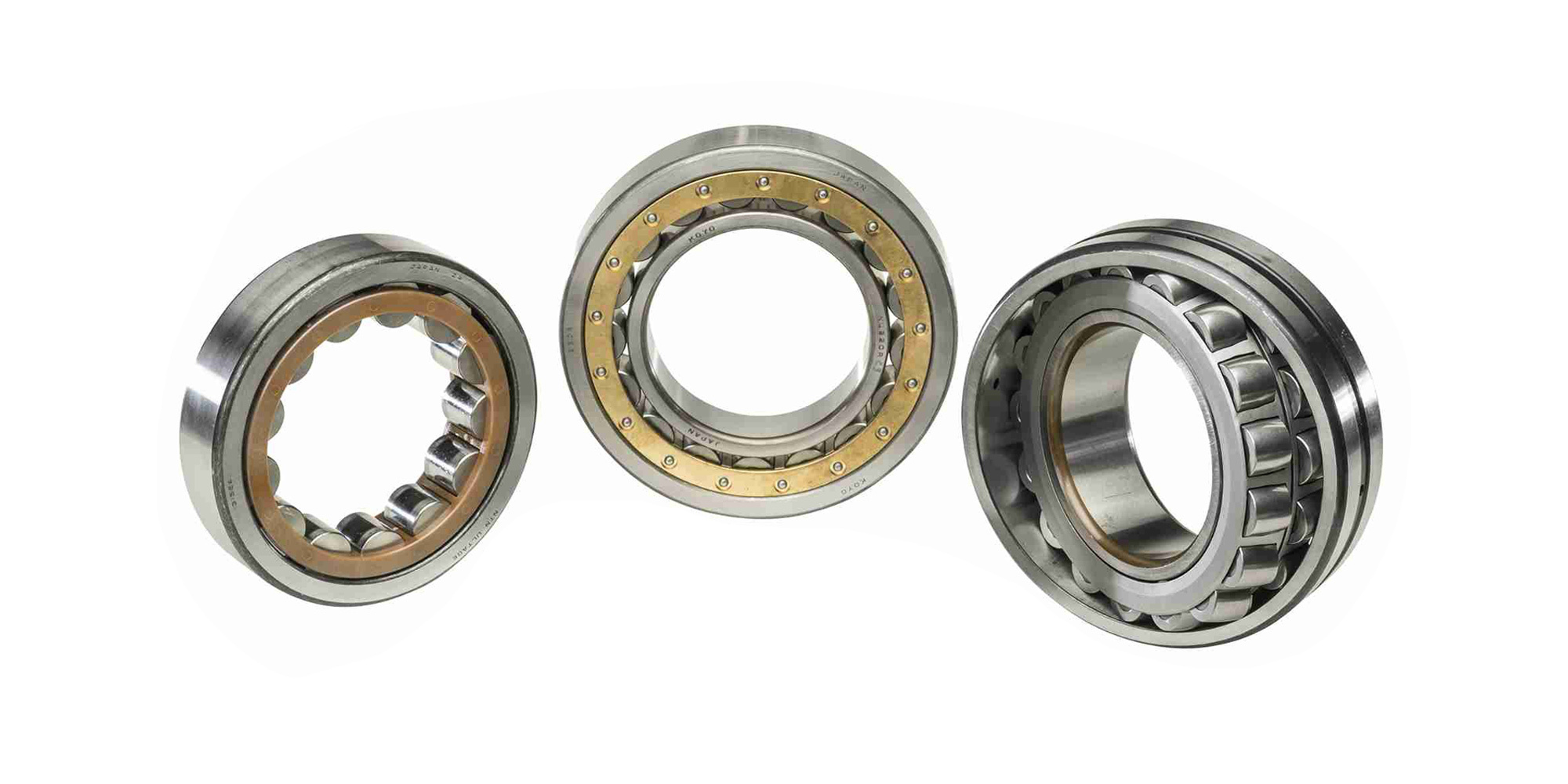 William : Aug 27, 2025 10:33:13 PM
Roller bearings are vital components in modern machinery. They play a critical role in ensuring smooth, efficient, and reliable operation across a...