


How Ceramic Bearings Improve Skateboard Performance
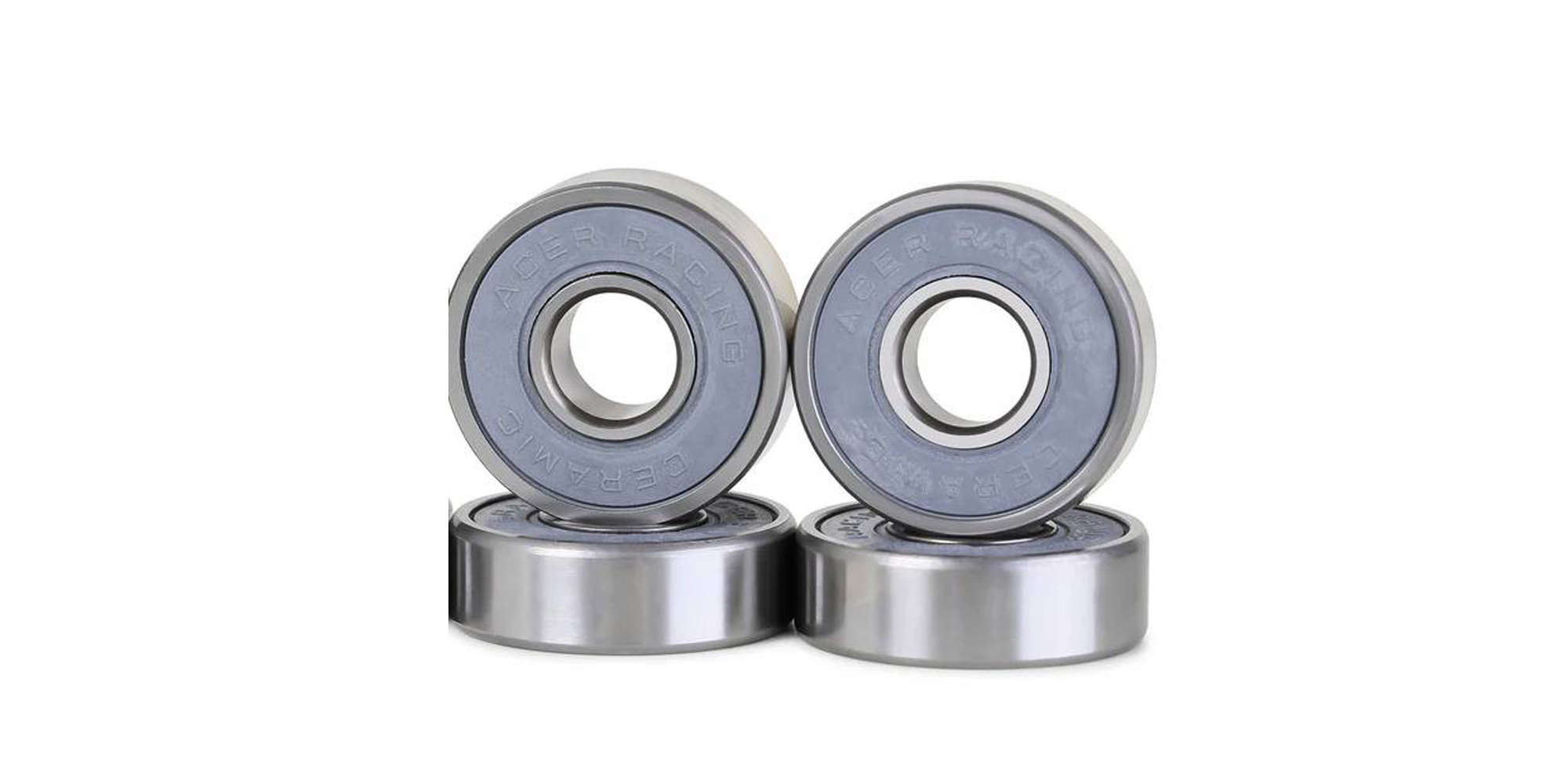
What Are Skateboard Bearings? Skateboard bearings are specially designed parts that help the wheels of a skateboard spin smoothly around the axle....
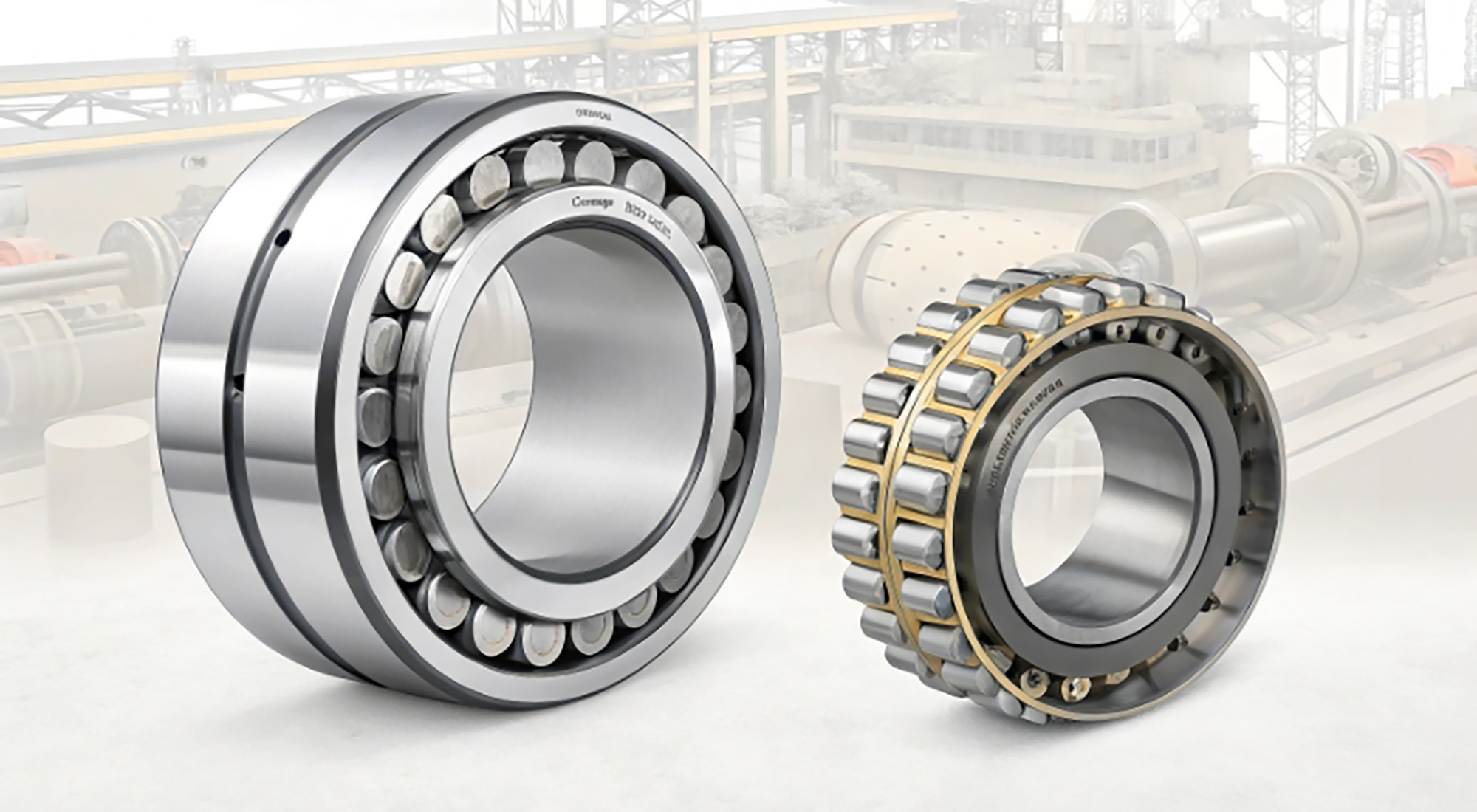
Heavy duty roller bearings are designed to handle heavy loads in challenging conditions. Roller bearings are crucial in many industries that deal with heavy loads.
In heavy-load environments, heavy-duty roller bearings need to be reliable and perform well. This ensures that equipment lasts longer and operations remain safe.
Heavy duty roller bearings are precision rolling-element components designed to support exceptionally high radial and axial loads in the most demanding industrial environments.
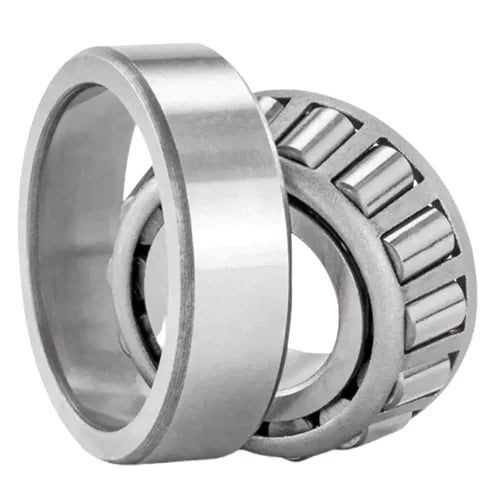
Unlike standard ball bearings — which transmit force through point contact — roller bearings use cylindrical, tapered, or spherical rolling elements that create line contact with the raceways. This fundamental geometry difference allows roller bearings to distribute load across a significantly larger surface area, translating directly into superior load capacity, longer service life, and greater shock resistance.
In heavy industry, the consequences of bearing failure extend far beyond the cost of the component itself. A single bearing failure in a cement kiln, a steel rolling mill, or a longwall mining shearer can trigger unplanned downtime costing tens of thousands of dollars per hour. Heavy duty roller bearings are engineered to eliminate that risk — delivering rated dynamic load capacities from 200 kN to well over 10,000 kN in the largest applications.

|
10,000+ kN Max dynamic load capacity in the largest roller bearing sizes |
30,000+ hours Achievable L10 service life under correct specification |
5× more Higher radial load capacity vs. equivalent deep groove ball bearing |
±2° misalign Spherical roller bearing angular accommodation range |
The "heavy duty roller bearing" category encompasses several distinct rolling element geometries, each optimized for a different combination of load type, speed, misalignment tolerance, and environmental conditions. Understanding the differences is the first step in correct specification.
|
Bearing Type |
Rolling Element |
Radial Load |
Axial Load |
Misalignment |
Typical Speed |
|
Cylindrical Roller (CRB) |
Cylinder |
★★★★★ |
Limited (NJ/NF) |
Very low (<0.04°) |
High |
|
Spherical Roller (SRB) |
Barrel/convex roller |
★★★★★ |
★★★ |
Up to ±2° |
Medium |
|
Tapered Roller (TRB) |
Cone-shaped roller |
★★★★ |
★★★★★ |
Very low |
Medium |
|
Needle Roller |
Thin cylinder (needle) |
★★★★★ |
None |
Very low |
High |
|
CARB Toroidal |
Asymmetric roller |
★★★★★ |
None (floats free) |
Up to ±0.5° |
Medium-High |
|
Full-Complement Roller |
Cylinder (no cage) |
★★★★★★ |
None |
Very low |
Low |
|
Four-Row Tapered |
Multi-row cone |
★★★★★★ |
★★★★★ |
Very low |
Low–Medium |
|
ENGINEERING NOTE The CARB toroidal roller bearing combines the high radial load capacity of a cylindrical roller bearing with the misalignment tolerance of a spherical roller bearing — ideal for long furnace conveyor shafts and paper machine rolls where both shaft deflection and thermal elongation must be accommodated simultaneously. |
Heavy duty roller bearings have displaced ball bearings and plain bearings across virtually every heavy industrial sector over the past century. Their dominance is not accidental — it stems from a set of fundamental engineering advantages that compound over the operating life of the equipment.
Heavy Duty Roller Bearings are built to handle both radial and axial loads effectively. Their design includes larger cylindrical or tapered rollers that create a wide contact area with the raceways. This allows for improved load distribution. This means they can support heavy loads without putting too much stress on any single point.
The bearings are also rigid, which helps maintain stability and alignment under pressure. Made from strong materials and often equipped with protective seals, they resist dirt and debris, ensuring long-lasting performance. These features make Heavy Duty Roller Bearings ideal for tough applications such as construction equipment and industrial machinery. In these environments, both types of loads are common.
Heavy Duty Roller Bearings are designed to perform better in high-load situations by providing a larger contact area. This design spreads the load evenly and reduces wear compared to ball bearings. They can handle much heavier radial and axial loads, making them ideal for tough machinery.
Their rigid design ensures stability and smooth operation, even under pressure. It also generates less friction, which leads to less heat and a longer lifespan. Made from durable materials, these bearings are built to last in harsh environments and withstand repeated use. This makes them more reliable than other bearing types for heavy-duty applications.
Case carburizing is a process that makes the surface of a bearing harder and more durable. The bearing is heated in a carbon-rich environment, allowing carbon to enter the outer layer. Then, the bearing is quickly cooled, which hardens the surface while keeping the inside strong and flexible.
This hard surface helps protect the bearing from wear and damage, especially in tough conditions. The strong inner core prevents the bearing from becoming brittle. Together, this makes the bearing last longer and handle heavy loads better.
Heavy Duty Bearings are designed to withstand tough conditions, including extreme temperatures and heavy loads. They are also built to endure exposure to dirt and moisture. Their strong materials help prevent damage in these harsh environments. This durability reduces wear and keeps the bearings working smoothly for a longer time.
The durable design of Heavy Duty Bearings leads to reduced maintenance frequency. This is a significant advantage for operators and maintenance teams. Because these bearings are built to withstand harsh conditions and resist wear, they require less frequent inspections and replacements.
Heavy Duty Bearings are made from strong materials and equipped with protective features. This allows them to handle heavy loads and tough conditions without wearing out quickly.
Longer-lasting bearings contribute to less frequent maintenance because they can withstand wear and tear better than standard bearings. When bearings last longer, the need for regular inspections, repairs, or replacements is reduced. This saves time and effort for maintenance teams.
This reduction in maintenance frequency leads to less downtime for machinery and equipment. When machines don't have to be taken offline for repairs as often, productivity increases. This leads to more efficient and seamless operations.
Heavy Duty Roller Bearings are made with strong materials and built to stay stable in high-temperature environments. They are often made from heat-resistant alloys that can handle high temperatures without getting damaged.
Heavy Duty Roller Bearings can resist shock loads and vibrations because their sturdy design and materials. They are built with strong rollers and a robust cage that helps absorb sudden impacts, preventing damage when heavy loads are applied quickly.
The design of the rollers in Heavy Duty Roller Bearings reduces friction compared to plain bearings in several ways. First, rollers roll instead of slide, which reduce resistance and heat. Their cylindrical shape reduces contact with the surface. This results in even less friction compared to the full surface contact of plain bearings.
Additionally, rollers help spread loads evenly, preventing high-friction points that can occur in plain bearings. They are also designed to work well with lubricants, which keeps the moving parts from touching too much.
Heavy Duty Roller Bearings contribute to reduced energy consumption in machinery by minimizing friction losses. Because these bearings use rollers that roll instead of slide, they create less resistance during operation. This reduction in friction means that less energy is needed to overcome resistance, allowing machines to run more efficiently.
Heavy Duty Roller Bearings come in various options to suit different operating conditions. This includes sealed versions that are designed for contaminated environments. These sealed bearings have protective covers that keep dirt, dust, moisture, and other contaminants out. This design helps maintain proper lubrication and reduces wear on the bearing.
Custom Heavy Duty Roller Bearings are designed to meet the specific needs of different industries. These industries include automotive, mining, and steel production. In the automotive industry, these bearings focus on high performance and durability. This design allows them to handle different loads and operating conditions effectively.
Heavy duty roller bearings are the enabling technology across the most capital-intensive sectors of the global economy. The table below maps the most common application scenarios to the optimal roller bearing type and specification parameters.
|
Industry & Application |
Recommended Bearing |
Key Specification Driver |
Bore Range |
Special Feature |
|
Mining — Jaw Crusher Main Shaft |
Full complement cylindrical roller |
Extreme shock load, high C0 |
300–800 mm |
No cage (max roller count) |
|
Mining — Conveyor Drive Pulley |
Spherical roller bearing |
Misalignment, dust/water ingress |
60–280 mm |
Sealed or relubricatable |
|
Steel — Rolling Mill Work Roll |
Four-row tapered roller |
Combined radial + axial, compact width |
200–1200 mm |
Chock-mount design |
|
Steel — Rolling Mill Backup Roll |
Four-row cylindrical roller |
Maximum radial capacity, rigidity |
400–1600 mm |
Precision preload control |
|
Cement — Rotary Kiln Riding Ring |
Spherical roller (large bore) |
Slow speed, misalignment, contamination |
500–2000 mm |
C5 clearance, graphite lube |
|
Wind Turbine — Main Rotor Shaft |
Double-row tapered roller or SRB |
Fatigue life, moment loads, reliability |
300–700 mm |
Wind energy optimized geometry |
|
Heavy Truck — Wheel End |
Tapered roller bearing |
Combined loads, service interval |
60–200 mm |
Preset preload, sealed unit |
|
Paper Machine — Press Section Roll |
CARB toroidal roller |
Thermal elongation + misalignment |
160–500 mm |
Free axial displacement |
|
INDUSTRY SPOTLIGHT: WIND ENERGY Wind turbine main shaft bearings must sustain combined radial and moment loads from the rotor while achieving a design life of 20+ years (175,000 hours) in a nacelle located 80–150 meters above ground — where unplanned replacement costs can exceed $500,000 per event. Modern large-bore spherical roller bearings with optimized logarithmic roller profiles are specifically developed to meet this challenge. |
Heavy Duty Roller Bearings have many advantages that make them important for various uses. They can handle heavy weights, their strong design allows them to withstand extreme temperatures, stress, and vibrations. They also reduce friction, helping to save energy and improve performance. Finally, these bearings are versatile and can be used in different industries.
If you're looking for components that can ensure reliability under extreme conditions, consider using Heavy Duty Roller Bearings.
What Are Skateboard Bearings? Skateboard bearings are specially designed parts that help the wheels of a skateboard spin smoothly around the axle....
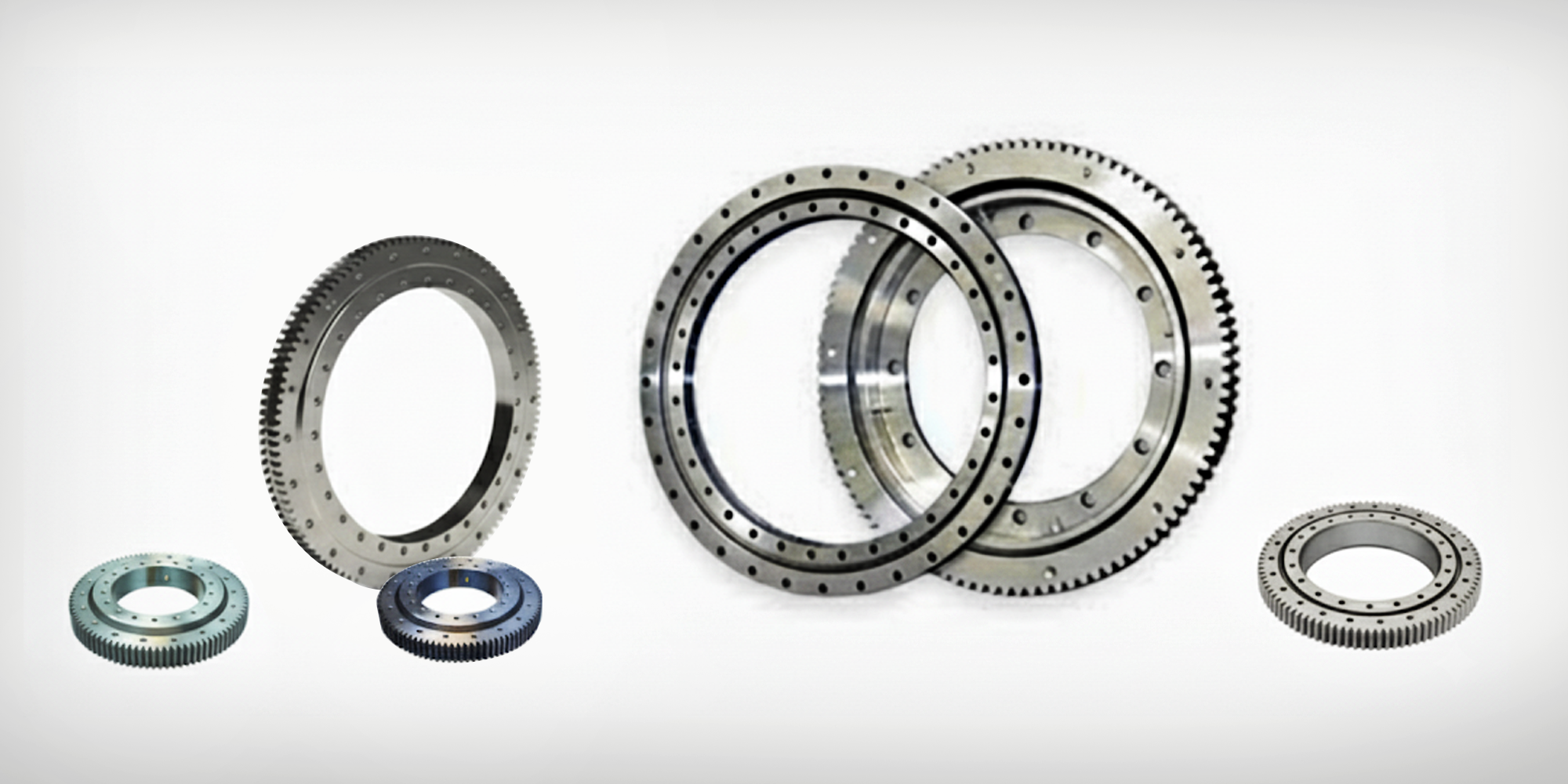
If you're rotating anything heavier than a few hundred pounds on a regular basis — a welding fixture, a conveyor transfer point, a display platform —...
At first glance, a small ceramic sphere seems like an unlikely hero of the clean energy revolution. But inside the nacelle of every modern offshore...