

Corrosion-Resistant Bearings for Marine Use: 316L, 440C, Ceramic & More
Corrosion-resistant bearings for marine applications aren't a single product category — they're a spectrum of materials, coatings, and seal...
3 min read
William
:
Mar 3, 2026 3:40:22 AM
When selecting stainless steel bearings for harsh environments, many engineers assume that all "stainless" options offer the same protection.
However, the grade of steel you choose determines whether your machinery will run for years or fail in weeks.
Quick Answer: The best grade for stainless steel bearings depends on your specific needs. AISI 440C is the choice for high-load industrial use due to its HRC 58-62 hardness. AISI 304 is the standard for food-grade hygiene under light loads. AISI 316 is the "Marine Grade" specialist, offering superior resistance to salt water and harsh chemicals.
Yes. AISI 440C is a martensitic stainless steel designed for applications where mechanical performance is as important as corrosion resistance.
It is currently the most common material for high-precision stainless steel bearings used in heavy industry.

The defining characteristic of 440C is its high carbon content. This allows it to be heat-treated to a Rockwell hardness of HRC 58-62.
As a result, 440C stainless steel bearings can carry heavy radial and axial loads similar to standard chrome steel, making them ideal for high-speed machinery.
Unlike the 300-series, 440C has a martensitic structure, which makes it magnetic.
In a warehouse setting, a quick magnet test is the most reliable way to distinguish 440C from 316 stainless steel bearings.
While highly durable, these bearings may struggle in constant salt spray without specialized maintenance.
To combat this, professional passivation for stainless steel bearings is highly recommended to enhance their natural resistance.
For environments where chemical exposure is the primary threat, austenitic stainless steel bearings like 304 and 316 are the industry benchmarks.
They offer the ultimate defense where 440C might fall short.

AISI 304 is the classic "18/8" stainless steel.
It is highly corrosion resistant and non-magnetic, which is why 304 stainless steel bearings are frequently used in food grade equipment.

The Trade-off:
304 cannot be hardened by heat treatment (typical hardness is HRC 20-25).
Due to this lower hardness, 300-series stainless steel bearings are typically restricted to low-speed applications to prevent premature galling and track wear.
For specific high-precision applications within this industry, you can also see our detailed analysis of stainless steel needle roller bearings in food packaging.
AISI 316 contains 2-3% Molybdenum.
This specific element prevents "pitting corrosion"—the small, destructive holes that form in steel when exposed to chlorides (salt).
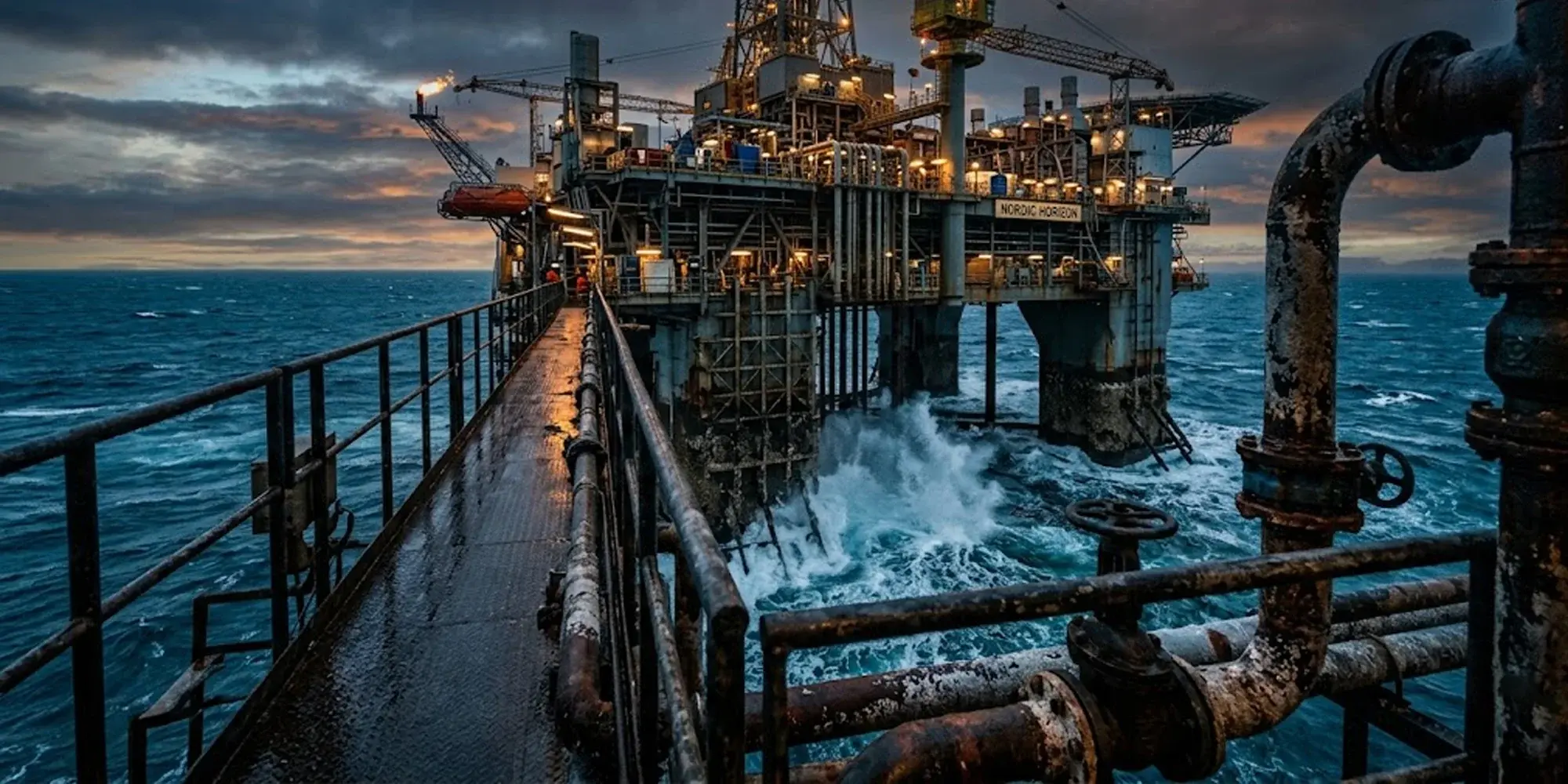
If your equipment operates near the ocean or in brine, 316 stainless steel bearings are the only viable choice for long-term reliability.
To help you choose the right stainless steel bearings, refer to this technical data comparison:
|
Grade |
Corrosion Resistance |
Hardness (HRC) |
Load Capacity |
Magnetic? |
Best Use Case |
|
AISI 440C |
Moderate |
58-62 |
100% (High) |
Yes |
Precision & High Load |
|
AISI 304 |
High |
20-25 |
~25% (Low) |
No |
Food Grade Units |
|
AISI 316 |
Superior |
20-25 |
~25% (Low) |
No |
Marine & Chemical |
Selecting the right metal grade is only the first step.
Whether you are using a miniature ball bearing or a heavy-duty industrial unit, proper installation and maintenance determine the final outcome.
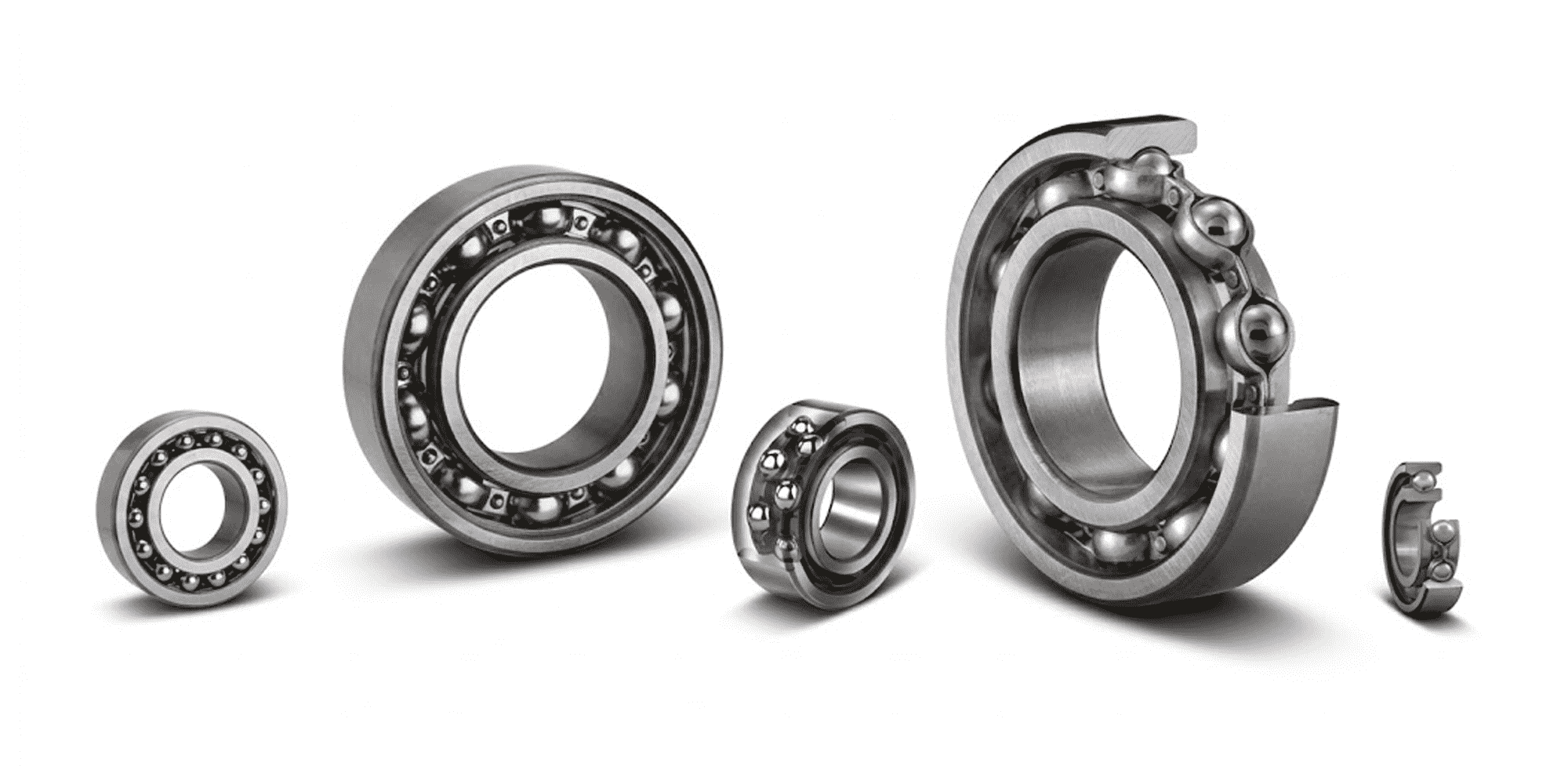
While stainless steel bearings come in numerous configurations—including deep groove ball bearings, self aligning ball bearings, thrust bearings, needle roller bearings and mounted bearings—the mounting method must match the environment.
For Standard Bearings: Precision fit and shaft tolerances are key to preventing slippage.
For Mounted Units (Pillow Blocks): The set screw is a critical component. In washdown or wet environments, always ensure the set screw is made of a compatible stainless grade (like 304). This prevents seizing or galvanic corrosion, which can permanently damage the shaft and the entire bearing assembly.
Regardless of the bearing design, lubrication is the lifeblood of performance.
Even a high-quality 316 bearing will fail if the grease is washed away.
In corrosion resistant applications, we recommend using high-quality seals and specialized food grade lubricants.
This prevents "wash-out" during high-pressure cleaning cycles, ensuring the internal rolling elements remain protected.
There is no "one size fits all" for stainless steel bearings:
Choose 440C for industrial strength and high-load capacity.
Chooe 304 for hygiene-focused, light-load food grade applications.
Choose 316 for extreme marine or chemical exposure.
By matching the grade to your environment, you significantly reduce downtime and ensure your stainless steel bearings deliver maximum value.
Ready to optimize your equipment? Explore our technical resources for high-performance solutions tailored to your industry.
Corrosion-resistant bearings for marine applications aren't a single product category — they're a spectrum of materials, coatings, and seal...
Most engineers arrive at 'ceramic bearing' and stop there. That's where the trouble starts. Si3N4, ZrO2, SiC, and Al2O3 share a category name but...
If you've ordered bearings more than once, you've run into the ABEC number. Sometimes it's on the box. Sometimes buried in a spec sheet. And...