Plastic Balls
0 Products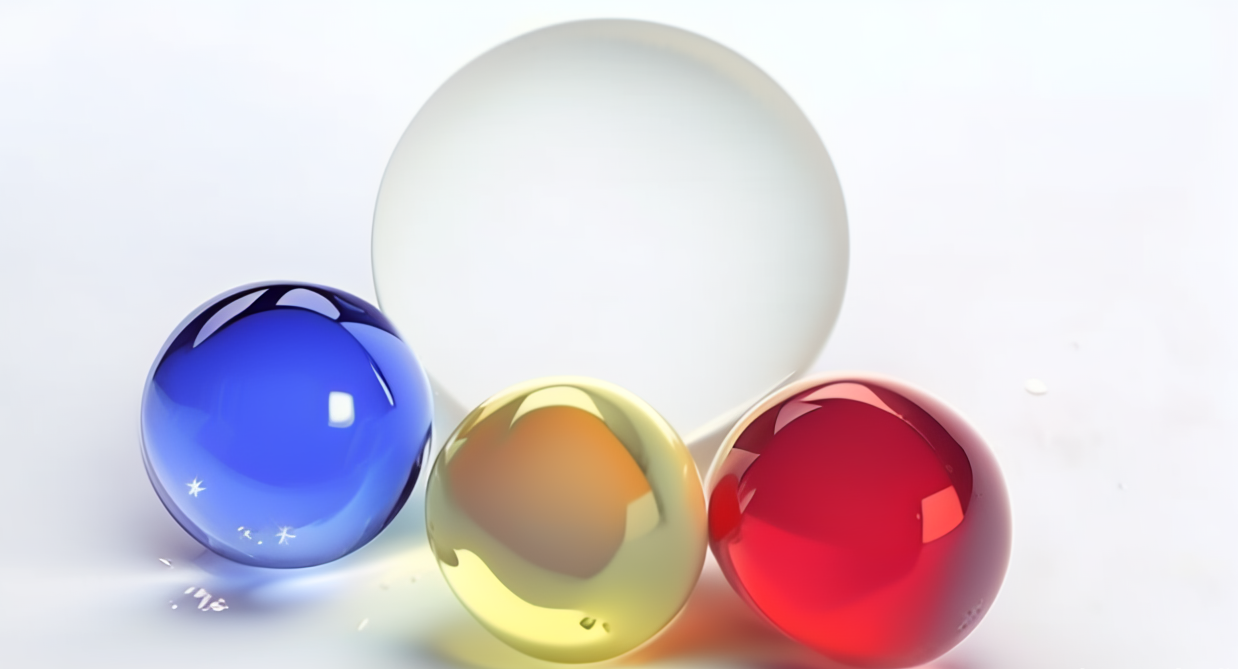
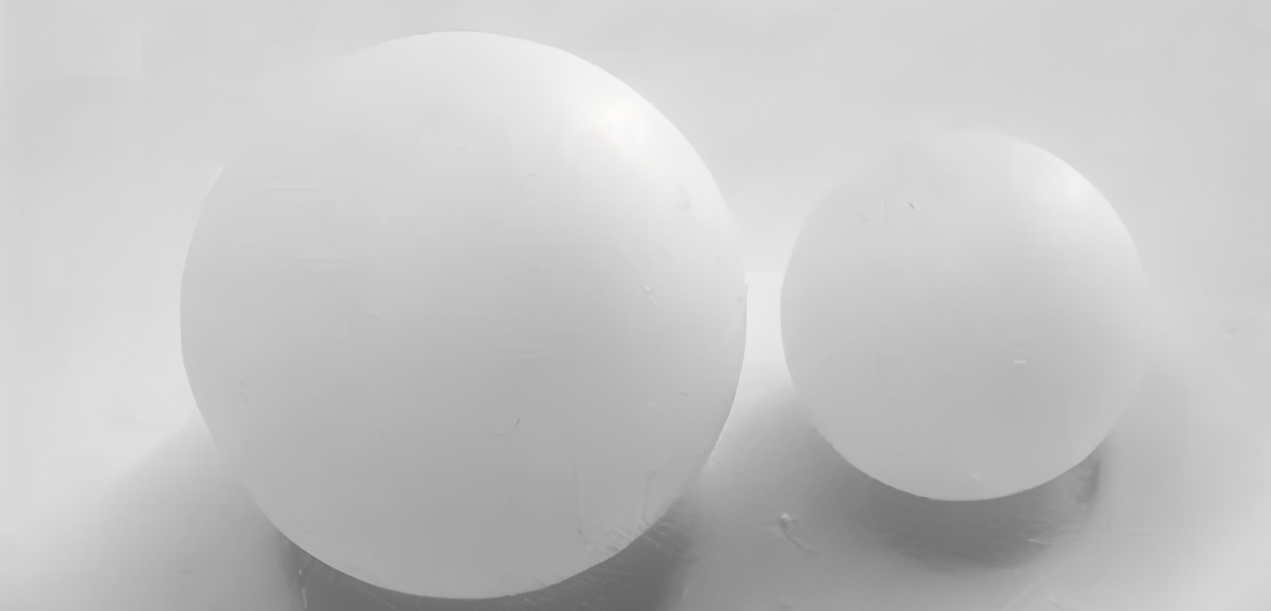
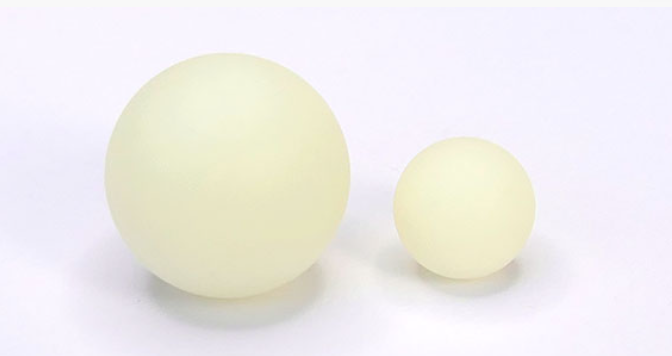
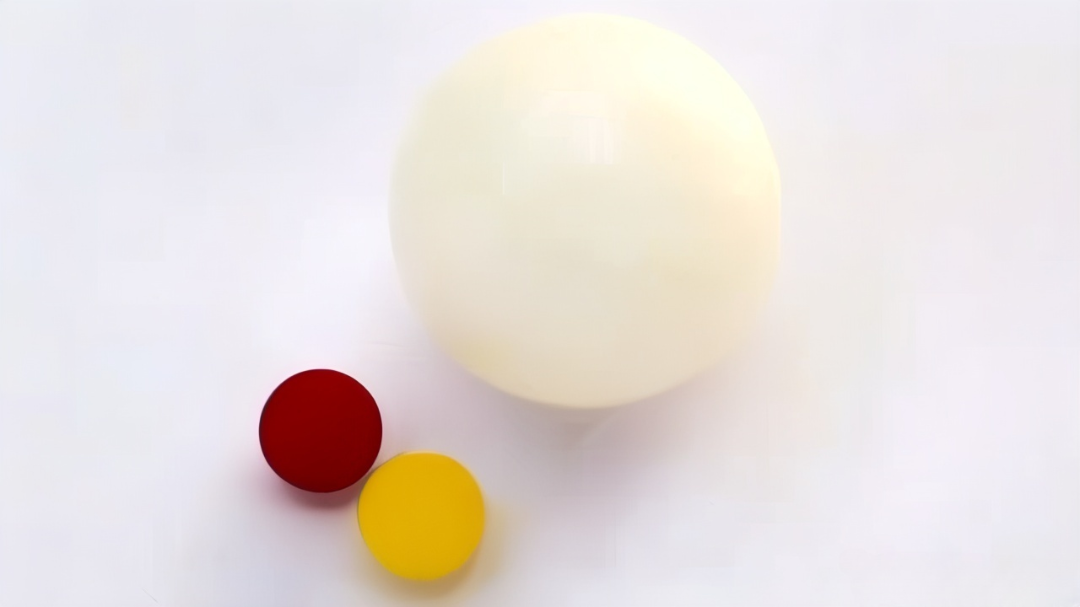
What Are Plastic Balls?
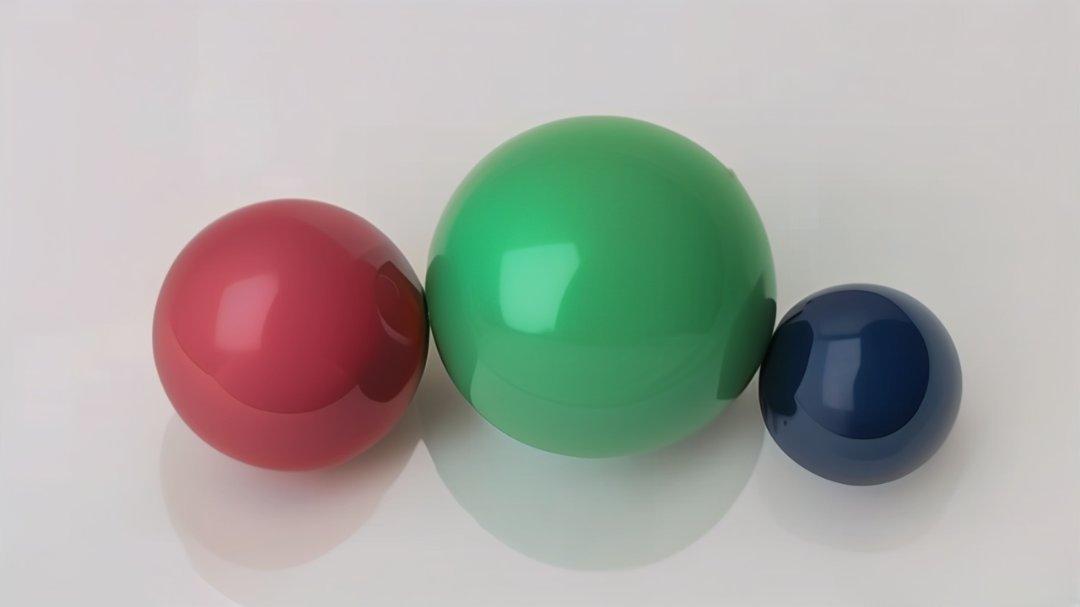
Plastic balls are precision-manufactured spheres made from a range of engineering and industrial-grade polymers, offering an excellent alternative to metal or ceramic balls where lightweight design, corrosion resistance, chemical compatibility, or electrical insulation are required. Depending on the polymer selected, plastic balls can deliver high strength, wear resistance, low friction, or shock absorption — making them suitable for bearings, valves, flow control, spray nozzles, agitators, and countless other industrial and consumer applications.
What Are Plastic Balls Used For?
Plastic balls are used in ball valves, check valves, flow meters, bearings and rollers, spray nozzles, agitators/mixers, level indicators, toys and decorative items, and any application where a lightweight, corrosion-resistant, or non-conductive sphere is needed in place of metal or glass.
How Do I Choose the Right Plastic Material for My Application?
Material selection depends on:
- Chemical exposure — PTFE and PP offer outstanding chemical resistance for aggressive media; PVC and POM also perform well in many industrial fluids
- Mechanical load — Nylon and POM offer higher strength and rigidity for load-bearing or wear applications
- Impact/vibration — Polyurethane (PUR) is preferred where shock absorption or cushioning is needed
- Temperature range — PTFE and POM tolerate higher operating temperatures better than PE or PVC
- Optical/aesthetic needs — PMMA is chosen for transparency and decorative appearance
- Cost sensitivity — Polyethylene and PVC are typically more economical for general-purpose use
Are Plastic Balls Resistant to Chemicals and Corrosion?
Yes, in general — this is one of the main advantages of plastic balls over metal. However, chemical resistance varies by polymer type; PTFE (Teflon) and PP offer especially broad resistance to acids, alkalis, and solvents, so the specific fluid or environment should be checked against the chosen material's compatibility chart.
Can Plastic Balls Handle High Temperatures?
It depends on the polymer. PTFE and POM generally offer better high-temperature stability, while materials like PE and PVC have lower heat tolerance and may soften or deform at elevated temperatures. Operating temperature range should always be confirmed against the specific material's technical data.
Are Plastic Balls Food-Safe or FDA-Compliant?
Certain grades of PP, HDPE, POM, and PTFE are available in FDA-compliant or food-grade formulations, making them suitable for food, beverage, and pharmaceutical equipment. Food-grade certification should be confirmed for the specific material and grade required.
What Sizes and Tolerances Are Available?
Plastic balls are typically available in a wide range of diameters, from small precision sizes used in valves and bearings up to larger balls for industrial and decorative use, with tolerance grades selected based on the application's precision requirements.
Can Plastic Balls Be Customized?
Yes. Custom options typically include diameter, tolerance/precision grade, color, surface finish, and material grade (e.g., FDA-compliant, anti-static, glass-filled for added strength).
What Information Is Needed to Order Custom Plastic Balls?
- To place a custom order, typically provide:
- Material type (PP, PE, Nylon, POM, PTFE, PUR, PVC, PMMA, etc.)
- Ball diameter and tolerance requirements
- Quantity needed
- Color (if applicable)
- Intended application and any special requirements (food-grade, high-temp, chemical exposure, etc.)