

What Is the Difference Between a Linear Bearing and a Plain Bearing?
Linear bearings move in a straight line; plain bearings rely on sliding contact. See how the two compare, and where they overlap as a linear plain bearing.
Technical Insights & Industry Solutions for Precision Bearings
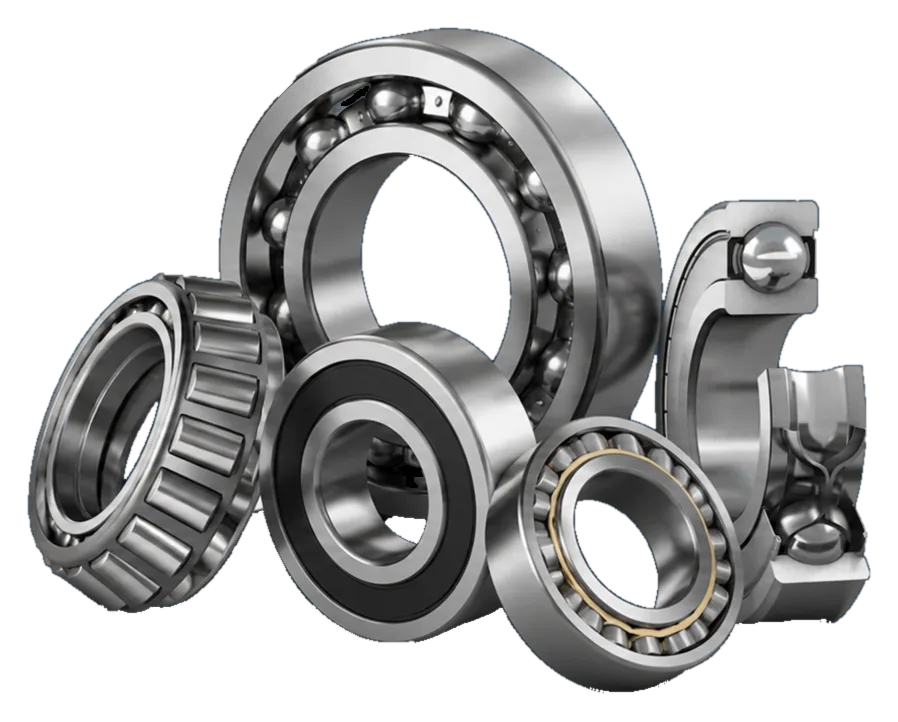
Linear bearings move in a straight line; plain bearings rely on sliding contact. See how the two compare, and where they overlap as a linear plain bearing.

Corrosion-resistant bearings compared: stainless steel vs. coated chrome steel — load ratings, cost, and how to choose for your environment.

Thin section bearings vs. standard bearings: compare size, load capacity, cost, and applications in robotics, EVs, and medical devices — 2026 buying guide.

Explore the ultimate linear bearing design guide - Optimize your system's performance.

Learn how to choose the right angular contact ball bearings with our 6-step guide covering contact angle, configuration, preload, and materials for EV, robotics & high-speed applications.

Ball vs roller linear bearings: contact geometry, load capacity, speed, friction, and application guide with data-backed comparison.

What is L10 life of a bearing? Learn the ISO 281 definition, how clearance and preload affect it, and why real spindle life differs from the catalog number.

Compression springs push; extension (tension) springs pull. Compare fatigue risk, cost, and load response, then use our checklist to spec the right spring.

Drawn cup or machined-ring needle bearing? Compare housing tolerance, shock resistance, and series (HK, NK, NA) to avoid premature bearing failure.

Worm gears vs bevel gears: compare shaft arrangement, ratio, backlash, and replacement risk to choose the right gear type for your application.


