

Home/
Blog/
Bearing Suppliers Near Me: Find Reliable Bearing Manufacturers

8 min read

Bearing Suppliers Near Me: Find Reliable Bearing Manufacturers

Bearing Suppliers Near Me: Find Reliable Bearing Manufacturers
17:40

"Choosing the right bearing supplier isn't just about price — it's about finding a partner who can deliver consistent quality, technical support, and supply chain reliability exactly when you need it most." 


Why Choosing the Right Bearing Supplier Matters

When your production line goes down at 2 a.m., the quality of your bearing supplier relationship becomes brutally apparent. Bearings are the silent workhorses of virtually every rotating machine on the planet — from automotive drivetrains and wind turbines to food processing conveyors and medical imaging equipment. A substandard bearing doesn't just fail; it cascades into equipment damage, safety incidents, unplanned downtime, and lost revenue.

The global bearing market exceeded $130 billion in 2023 and is projected to reach $240 billion by 2030, driven by industrial automation, electric vehicle adoption, and renewable energy expansion. With thousands of bearing manufacturers operating worldwide — ranging from global conglomerates to highly specialized regional producers — the challenge for procurement professionals is not finding a supplier, but finding the right supplier.

This guide breaks down exactly how to evaluate bearing suppliers, whether you're searching for a local distributor for urgent MRO needs or a long-term manufacturing partner for high-volume production contracts.


LILY Bearing’s Dual Role as Supplier and Manufacturer


LILY Bearing’s Comprehensive Capabilities

  • Direct Access to Quality Products: As a manufacturer, LILY Bearing controls the production process. This ensures that all products meet high-quality standards. As a supplier, they provide direct access to these products. This streamlines the purchasing process for customers.
  • Cost-Effectiveness: LILY Bearing handles both manufacturing and distribution, which helps offer competitive pricing. This cuts out extra costs from third-party suppliers and gives customers the best value.
  • Faster Turnaround: With in-house manufacturing, LILY Bearing can quickly fulfill orders. This reduces lead times and provides faster delivery to meet customer needs.
  • Customization: LILY Bearing can customize products to meet specific needs. This helps provide tailored solutions for unique customer applications.
  • Reliable Support: As both a supplier and manufacturer, LILY Bearing provides great customer support. They help with product selection and offer post-sale services to ensure customer satisfaction.
  • Consistency and Reliability: Customers can rely on LILY Bearing for consistent quality and availability. They handle both production and supply to make sure of this.


Advantages of Dual Role Operations

  • Better Quality Control: By overseeing production, LILY Bearing can closely monitor every step. This ensures that each product meets strict quality standards and reduces the risk of defects.
  • Customization Options: Managing manufacturing gives more flexibility to tailor products. This allows them to meet specific customer needs. This helps offer custom solutions for unique applications.
  • Faster Turnaround Times: With direct control over production, LILY Bearing can fulfill orders more quickly. This reduces lead times and ensures faster delivery to meet customer demands.


Products and Services Offered

  • Customized Bearings: LILY Bearing can create custom bearings for different industries, such as aerospace or automotive. These bearings meet specific size, material, or performance needs.
  • High-Precision Bearings: They ensure high quality and reliability in high-precision bearings. These bearings are perfect for important uses like medical devices and high-performance machinery.
  • Fast Delivery of Standard Bearings: With in-house manufacturing, LILY Bearing can quickly fulfill orders for standard bearings. This reduces wait times and helps keep businesses running smoothly.
  • Full Customer Support: LILY Bearing offers expert advice and installation help. They also provide after-sales support to ensure customers are satisfied with their products.
  • Inventory Management: They help customers manage stock to avoid shortages or overstocking. This makes the supply chain more efficient.


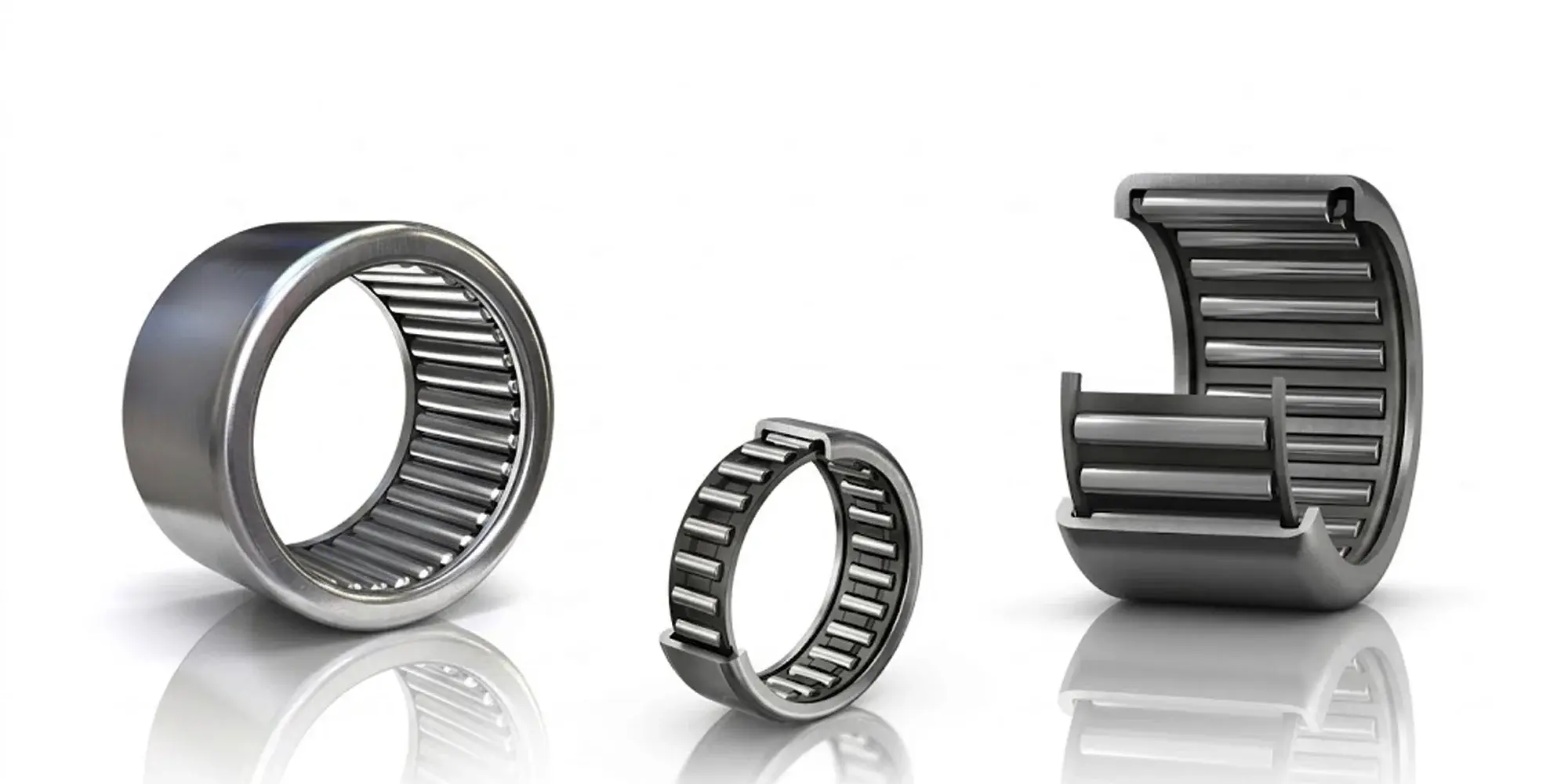
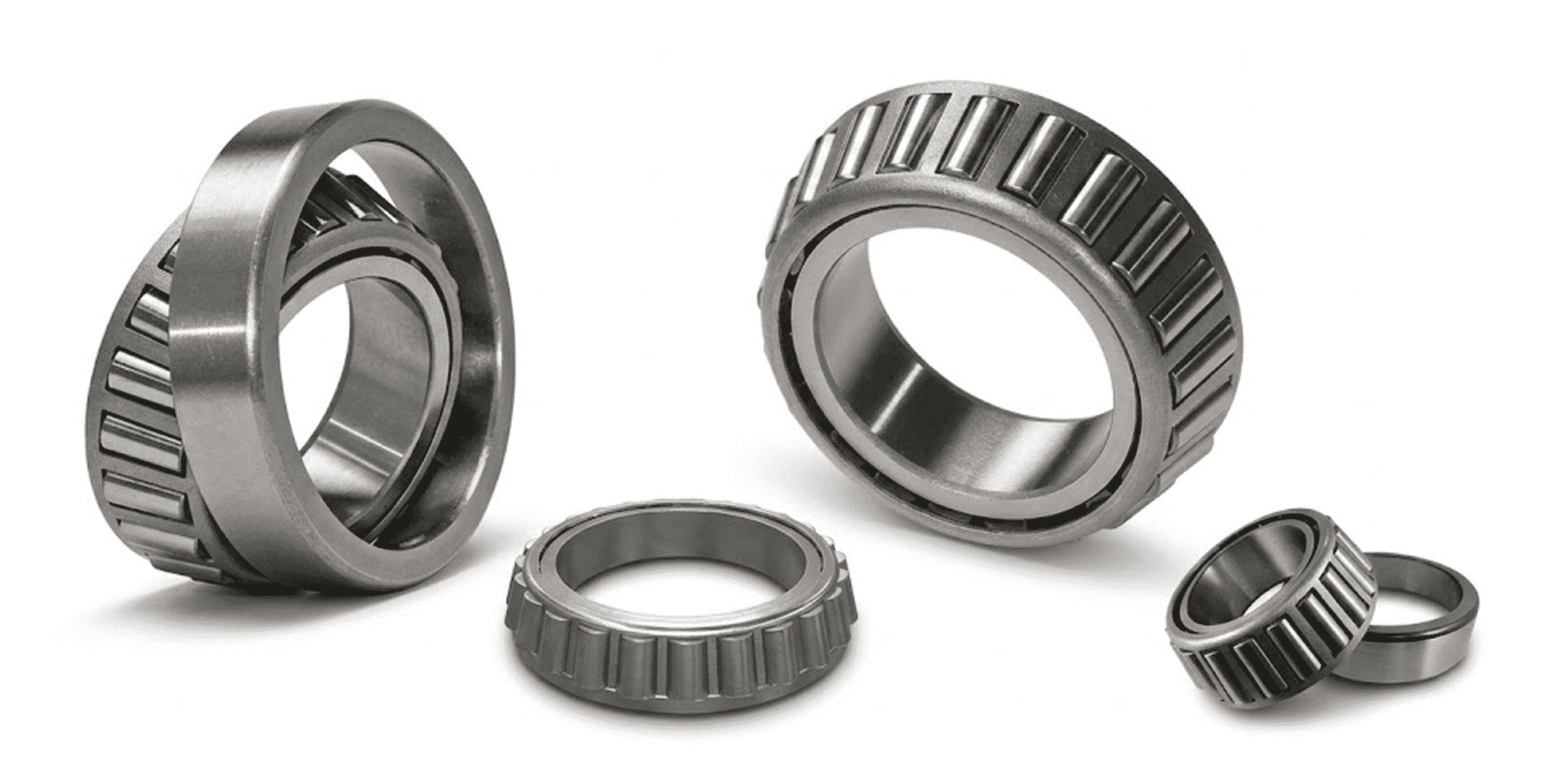
LILY BEARING is a manufacturer of ball bearings, needle roller bearings, tapered roller bearings, and custom bearings. They also offer associated training and services.


How to Find Bearing Suppliers Near You: 7 Proven Methods

Whether you need a bearing today or are building a long-term supply network, the following seven methods are consistently the most effective for discovering qualified suppliers in your region:

1. Manufacturer Authorized Distributor Locators: The most reliable starting point. Every major bearing brand (SKF, NSK, FAG, Timken) maintains an online authorized distributor locator on their website. These tools filter by location, product line, and industry specialty. Authorized distributors carry genuine product, receive brand training, and can access the manufacturer's full technical support network on your behalf.

2. Industrial Trade Directories: Platforms like ThomasNet (US), Kompass (Global), and Alibaba (manufacturing-origin) aggregate thousands of bearing suppliers with verifiable company profiles. Filter by location, certification, minimum order, and product type. Always cross-reference any directory listing against the brand's official authorized distributor list before placing a first order.

3. Industry Trade Shows and Exhibitions: Events such as Hannover Messe (Germany), IMTS (Chicago), Metaltech (Malaysia), and the China International Bearing Industry Exhibition are exceptional venues for meeting qualified suppliers face-to-face and establishing relationships. Many of the best supplier partnerships start with a conversation at a trade show stand.

4. Professional and Industry Associations: The American Bearing Manufacturers Association (ABMA) and the European Bearing Industry Association (EUROBEARINGS) maintain supplier member directories and can provide referrals to qualified regional sources. Membership signals a baseline commitment to industry standards.

5. Peer Referrals and Maintenance Networks: LinkedIn maintenance and reliability professional groups, industry forums, and plant manager networks are underutilized discovery channels that frequently surface region-specific suppliers with proven track records in your specific industry segment.

6. Google Business Search with Intent-Specific Queries: Search terms like 'bearing distributor [your city]' or 'industrial bearing supplier [your region]' surface locally registered businesses. Prioritize suppliers with consistent reviews, verified addresses, and 4+ year operating histories. Call before visiting — a supplier's phone manner often reflects their service culture.

7. OEM Equipment Manufacturer Recommendations: Your equipment manufacturer's service manual often specifies approved bearing brands and may list authorized regional service agents who stock spare bearings for that specific machine. This is particularly valuable for bearings with unique dimensional or tolerance requirements.


Local vs. Global Bearing Suppliers: Which Is Right for You?

One of the most common strategic questions procurement teams face is whether to source bearings from a local distributor or engage directly with a global manufacturer. The answer depends heavily on your specific application profile, order volumes, lead-time tolerance, and technical support needs.

📍Local / Regional Suppliers

🌍Global Manufacturers / Direct Import

Same-day or next-day emergency delivery

Face-to-face technical support and site visits

Lower minimum order quantities

Familiar with local regulatory requirements

Easier returns and warranty processing

Strong relationships for credit terms

Inventory visible and tangible before purchase

Lower unit costs at volume (10–40% savings)

Access to full product portfolio including specials

Custom engineering and OEM collaboration

Direct traceability to manufacturing batch records

Dedicated global key account management

Consistent quality across international plants

Long-term supply agreements and price stability


Strategic Recommendation: Most industrial operations benefit from a dual-tier sourcing strategy — a global manufacturer agreement for planned production requirements (leveraging volume pricing and custom specifications), supplemented by a vetted local distributor for emergency MRO and fast-turn prototyping. The two tiers complement rather than compete with each other.


8 Critical Criteria for Evaluating Bearing Suppliers

Not all suppliers who claim to offer quality bearings actually deliver it. The following evaluation framework covers the eight dimensions that consistently differentiate excellent bearing suppliers from merely adequate ones:

#

Criterion

What to Verify

Red Flags

Weight

1

Quality Certifications

ISO 9001:2015, IATF 16949 (auto), AS9100 (aero). Request current certificates with audit body listed.

Expired dates; missing scope details; no audit body

 Critical

2

Product Traceability

Ability to trace any bearing to its manufacturing batch, material heat, and inspection records

No lot numbers; generic packaging; no material certificates

Critical

3

Technical Support Depth

Application engineering team; lubrication advice; bearing selection tools; failure analysis capability

Sales-only team; vague answers to specific technical queries

High

4

Delivery Reliability

On-time delivery rate (OTD) benchmarks; lead times for standard and custom parts; emergency stock

OTD below 95%; no emergency stock; long standard lead times

High

5

Counterfeit Prevention

Authorized distributor status; product authentication systems; packaging integrity checks

Prices far below market; no brand authorization

Critical

6

Inventory Breadth

Number of active SKUs; coverage across bearing types; stocked vs. special-order ratios

Narrow catalog; long backorders on common sizes

Moderate

7

Pricing Transparency

Clear pricing structure; volume discount tiers; no hidden freight or handling fees

Prices only "on request"; frequent unexplained increases

Moderate

8

Financial Stability

Years in business; customer references; credit rating; growth trajectory

Under 3 years old with no references; vague business address

Moderate


Understanding Bearing Certifications and Quality Standards

When evaluating bearing suppliers, the certification landscape can be confusing. Here is a clear breakdown of the most important standards and what they actually mean for product quality:

Standard

Issuing Body

What It Certifies

Relevant For

ISO 9001:2015

ISO / UKAS / DAkkS

Quality management system — processes, documentation, continuous improvement

All industrial bearing suppliers; minimum baseline

IATF 16949:2016

IATF / AIAG

Automotive-specific QMS; includes PPAP, FMEA, control plans, and APQP requirements

Automotive OEM and Tier 1 supply chain

AS9100 Rev D

SAE / IAQG

Aerospace QMS; adds configuration management, risk management, and FOD controls to ISO 9001

Aerospace, defense, space applications

ISO/TS 3290

ISO TC 4

Ball and roller grade specifications — dimensional tolerance, surface roughness, waviness

Precision and ultra-precision bearing procurement

ABEC 5 / 7 / 9

ANSI / ABMA

Dimensional and geometric tolerance classes for ball bearings — higher number = tighter tolerance

Machine tool spindles, medical, semiconductor equipment

RoHS / REACH

EU Regulatory

Restriction of hazardous substances in bearing materials and lubricants

Products sold or used in the European Union

DIN / JIS Standards

DIN (DE) / JSA (JP)

Dimensional interchangeability ensuring bearings fit standardized housings and shafts

Replacement and MRO purchasing across brands


The Counterfeit Bearing Problem: Protect Your Supply Chain

The bearing counterfeiting problem is far larger than most procurement professionals realize. Industry estimates suggest counterfeit bearings represent 10–20% of the global replacement market. These are not merely inferior products — they are hazards. Counterfeit bearings have been directly implicated in machinery fires, wind turbine failures, and aviation safety incidents.

⚠ Warning: A counterfeit bearing may appear externally identical to a genuine product. Common indicators include prices more than 20–30% below market rates, packaging with slightly misaligned fonts or colors, missing country-of-origin markings, and absence of batch/lot traceability codes. Always purchase from the brand's official authorized distributor network.


Counterfeit Risk by Bearing Application Segment

Automotive Aftermarket

High Risk — 78%

General Industrial / MRO

Elevated Risk — 55%

Agricultural Equipment

Moderate Risk — 40%

Precision Machine Tool

Lower Risk — 22%

Aerospace / Medical Grade

Low Risk — 8%


7-Step Authentixation Checklist

  • Verify the supplier is listed on the brand's official authorized distributor website — check the authorization date

  • Inspect packaging: fonts, logo dimensions, color accuracy, and shrink-wrap tightness should match genuine samples

  • Confirm a batch/lot number and request the corresponding material test certificate from the manufacturer's system

  • Check bearing markings under magnification — genuine brands use consistent laser or electro-chemical etching

  • Verify radial play and noise level match the manufacturer's published specification using appropriate gauges

  • Compare weight against the manufacturer specification — substandard alloys often result in measurably different mass

  • Use QR code or hologram authentication where the brand provides it (SKF Authenticate app, FAG bearing check, etc.)


Implement Traceability in Your Bearing Supply Chain


Traceability and Its Role in Quality Assurance

Traceability means tracking a product from start to finish. It’s important because it helps ensure the bearing is made with good quality. If there’s a problem, traceability helps find and fix it quickly. It also makes sure everyone involved is accountable, keeping the product reliable.


Adopt Traceability Systems and Technologies

  • Barcoding: Each product is assigned a unique barcode. It stores important details like materials and manufacturing date. Scanning the barcode provides immediate access to detailed information
  • RFID: RFID tags can be placed on products to track them automatically. These tags hold more data and can be scanned from a distance.
  • Digital Tracking Systems: Software records every step of the product’s journey, from production to shipment. This facilitates real-time tracking of all items.


Benefits of a Traceable Supply Chain

Traceability helps improve quality control by tracking each bearing’s production. It ensures that all parts meet the required standards. If there’s a problem, traceability makes it easy to find and recall faulty bearings quickly.

It also builds customer trust by showing that each bearing is made with care and can be traced back to its source. Customers feel more confident knowing the product is reliable and meets high standards.


Choose the Right Quality Standards for Your Bearing Manufacturing Business


Assess Your Specific Bearing Requirements

  • Understand the Environment: Consider the bearing's intended application. Environments with high heat, chemicals, or pressure may require specialized materials.
  • Know Performance Needs: Consider the load, speed, and precision required. Some applications, like aerospace or medical, need higher-quality bearings.
  • Check Durability: Determine the desired service life of the bearing. Critical uses need bearings with longer life.
  • Follow Industry Rules: Some industries have specific quality standards, like ISO or ABEC. Make sure your bearings meet these requirements.


Select Suitable Quality Standards Based on Application


Criteria

ABEC 5

ABEC 9

Precision

Suitable for general use

High precision for tight tolerances

Applications

Industrial machinery, conveyors, general equipment

Aerospace, medical devices, high-performance machinery

Load and Speed

Medium load and speed

High load and speed, high performance

Cost

More affordable

Higher cost because of precision

Durability

Good balance for everyday use

Superior durability in demanding applications


Maintain and Upgrade Quality Standards Over Time

  • Ongoing Training: Keep learning about new trends and standards through workshops, courses, and training for your team.
  • Follow Industry News: Read industry magazines, websites, and newsletters to stay informed about changes in standards.
  • Join Industry Groups: Be part of industry associations. They provide updates and networking opportunities.
  • Work with Suppliers: Maintain regular communication with your suppliers and manufacturers. This will keep you informed about new products and changes in standards.
  • Compare with Others: Regularly check how your products and practices compare to top companies in the industry.
  • Invest in R&D: Spend time and resources on research and development to improve your products and stay competitive.
  • Quality Control: Set up strong quality checks and listen to customer feedback to improve your products.
  • Attend Trade Shows: Go to trade shows and conferences to see the latest technologies and learn from experts.


Conclusion


Reliable bearing suppliers and manufacturers are important for getting high-quality bearings that keep machines working well. Working with trusted suppliers ensures you get the right products. This leads to long-lasting performance.

Following quality standards gives you an edge by making products more reliable and reducing problems. It builds a strong reputation, improves efficiency, and helps your business succeed in the long run.

Find and work with reliable suppliers like LILY Bearing. This will give you high-quality products and help your business succeed.


Tapered Roller Bearings Supplier: What Industrial Buyers Need to Know Before They Request a Quote

Tapered Roller Bearings Supplier: What Industrial Buyers Need to Know Before They Request a Quote

A good tapered roller bearings supplier does more than list products and send back a number. For industrial buyers, the real question is whether the...
Read More
Linear Bearings vs Rotary Bearings — Key Differences Explained

Linear Bearings vs Rotary Bearings — Key Differences Explained

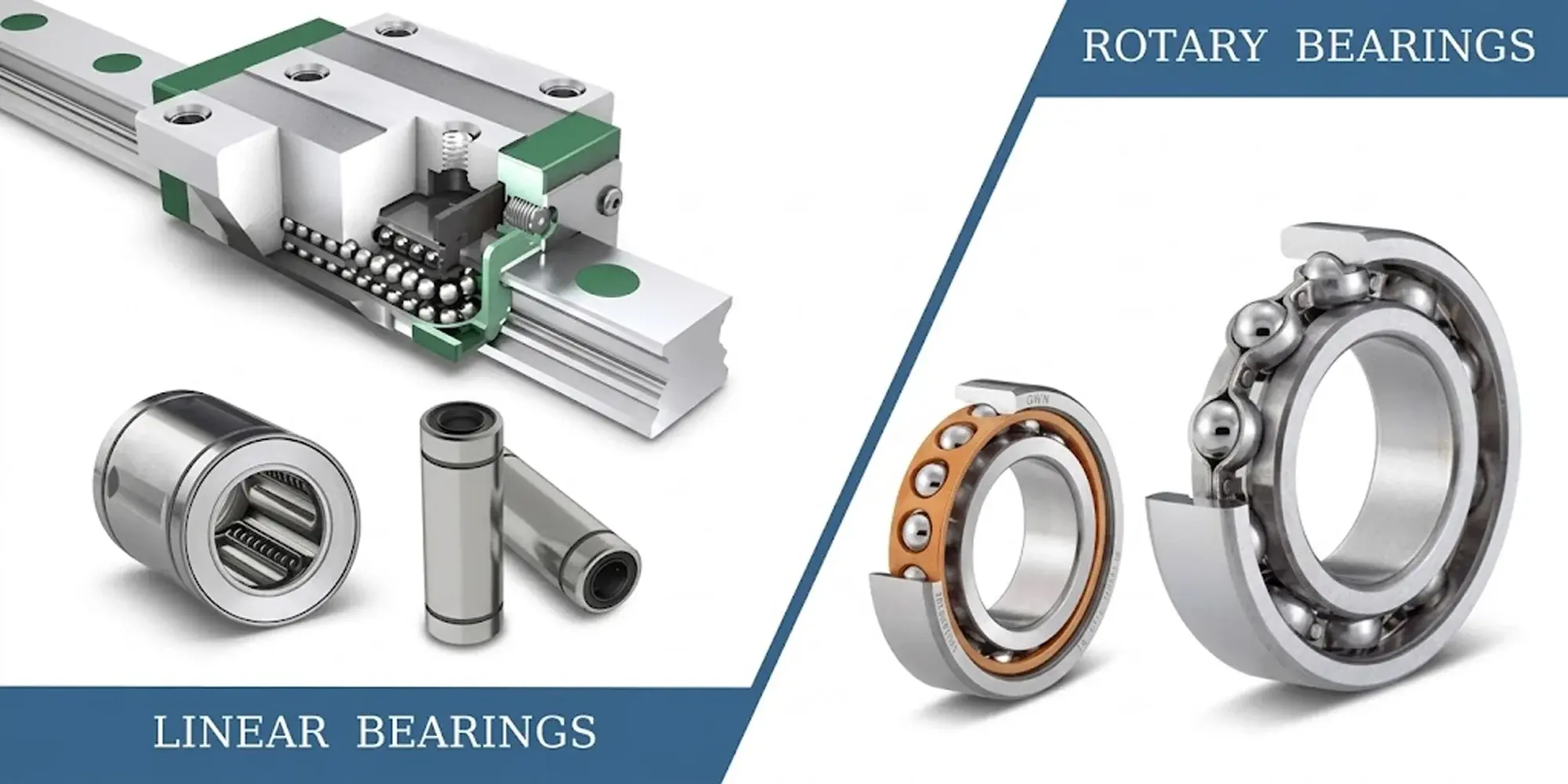
Linear Bearings vs Rotary Bearings — Key Differences Dimension ▶ Linear Bearing ▶ Rotary Bearing Motion type TranslationBack-and-forth...

Read More
How to Evaluate a Needle Roller Bearing Supplier for US Buyers

How to Evaluate a Needle Roller Bearing Supplier for US Buyers

Four hundred hours into service — well short of its rated life — a conveyor drive assembly goes down. The maintenance team traces it back to a...

Read More